Teams, tales and tips – a guide to the local game
As part of the 150th anniversary events celebrating the creation of IJmuiden and opening of the North Sea Canal in 2026, a current and former board member of local football team Sportclub Telstar were asked to give a presentation the club’s Sportpark Schoonenberg. The subject? The complex origins of Telstar, known to all as De Witte Leeuwen, the White Lions.
It was back in 1876 that the waterway linking Amsterdam with the North Sea divided the historic municipality of Velsen in two – in fact, in three. Velsen-Noord is dominated by a huge steel plant, Velsen-Zuid is the location of the Sportpark Schoonenberg. The Dutch equivalent of the Panama Canal Zone, IJmuiden straddles the estuary at the mouth of the IJ, a harbour-dotted, deepwater port with direct ferry links to Newcastle.
This sprawling logistical and transportation hub had been home to two long-established teams fused to create Telstar in July 1963, a year after the satellite of the same name was shot into space from Cape Canaveral. Only operational for seven months, it was followed by Telstar 2, already transmitting signals to a small village in Brittany when one of Holland’s most revered clubs blipped into existence.

As the satellite is forever associated with a familiar pop ditty and global smash penned by a tragic genius whose life ended in a bizarre murder-suicide on London’s Holloway Road, the specifics behind the choice of name have never been fully explained – hence the talk given by Leen Prins and Nico Stoker, both on Telstar’s board at various junctures.
Certainly Stoker, as chairman of the Saturday amateur side IJVV Stormvogels is well placed to shed light on the subject, for the ‘Stormy Petrels’ – surely a wonderful name for any football club – were one half of the pair sacrificing their heritage and professional status to launch Telstar.
The other, Velseroorder Sport Vereniging (VSV), were based in Velserbroek, one of several communities of which Velsen is comprised.
Both saw the light of day in 1912, each celebrating their golden jubilee shortly before the fateful merger. This wasn’t the first mention of the m word. Soon after the historic heart of IJmuiden had been demolished by the Germans and the North Sea Canal fortifications bombed by the Allies, amid post-war recriminations among locals, a unified and unifying football team was first proposed in 1949.

With football still an amateur pursuit, it wasn’t until each team had turned professional, and Dutch teams were establishing themselves on the European stage, that the merger proposition made sense. A brave new future, personified by Telstar, was anticipated.
The past already held much promise. Winners of the Eerste Klasse West II division in 1924, Stormvogels had finished runners-up in the play-off group, just one point behind first-time Dutch champions Feyenoord. This was also the first of four campaigns for the Stormy Petrels in Holland’s top amateur league, the only one that mattered in the pre-professional era.
For three consecutive seasons in the run-up to the 1963 merger, Stormvogels came within one league place behind the table-toppers of the second-tier Eerste Divisie, missing out each time on the chance to share elite status with Holland’s best.

VSV could claim an even longer history, having emerged from a team called Unitas, formed in 1900. A request to take part in competitive football 12 years later led to the enforced, somewhat clunky name change. A mainstay of the same top amateur – and therefore top national – Eerste Klasse either side of the war and in run-up to professionalism in 1955, VSV made the Dutch Cup final in 1917, losing to Ajax, and actually winning the prestigious trophy in 1938.
The goalkeeper in that 4-1 win over AGOVV of Apeldoorn, Velsen-born Nicolaas ‘Niek’ Michel, made the Dutch squad for the World Cup that summer, winning his only cap in a friendly against Belgium in 1940.
Like Stormvogels, VSV decided to turn professional in the watershed year of 1955. Each club could boast Dutch internationals in their ranks, Stormvogels’ goalkeeper Piet Kraak appearing 33 times for the Netherlands, including at two Olympic Games, VSV forward Piet van der Kull winning 40 caps from 1952 onwards and winning titles with Ajax and PSV after leaving for Amsterdam when professionalism arrived in 1955.
Back in Velsen, VSV joined Stormvogels in the amateur ranks while Telstar welcomed the remaining professional players from each team.
For most of the post-war era, VSV played in Driehuis, another Velsen community south of the canal, having bought a site there in 1949, moving from Frans Halsstraat in IJmuiden. In 1996, the club set up at a new sports complex on Hofgeesterweg in Hofgeest south of Velsen-Zuid, where they remain today. VSV are currently in the process of rebuilding the main stand and clubhouse.
In 2001, the sleepy world of amateur football in these workaday canalside communities was shattered when Stormvogels, perhaps living up to their name, announced that they were merging with Telstar to bolster youth development. Although the arrangement withstood a court case brought by VSV, few successful players were produced.
The case of IJmuiden-born defender Joël Veltman, signed up by the Ajax Academy that same year to become a first-team regular and 28-time Dutch international, shows the difference in approach between the big clubs and lesser ones where nurturing young talent is concerned.
In any case, in 2008 Telstar ditched the partnership with Stormvogels and reverted back to long stints in the second-tier Eerste Divisie. A first promotion in 47 years sent Telstar back among Holland’s elite in 2025, relatively few fans of Ajax, Feyenoord and PSV trekking out to the coast to squeeze into the second-smallest stadium in the Eredivisie.
Built by both VSV and Stormvogels in 1948 when materials were so scarce, the 6,000-capacity Sportpark Schoonenberg (aka BUKO Stadion after its sponsors) is a testament to the hardiness of football in these bleak surroundings, and to the local reverence for Telstar, the White Lions, even though the club is also a post-war construct.
Today’s Stormvogels amateurs play at the Sportpark Zeewijk, a complex of pitches tucked back from windswept IJmuiden beach, where King William III would have waved to waiting crowds as his paddle steamer Stad Breda slipped from the North Sea into the newly built canal back in 1876.
Getting Around
Arriving in town and local transport
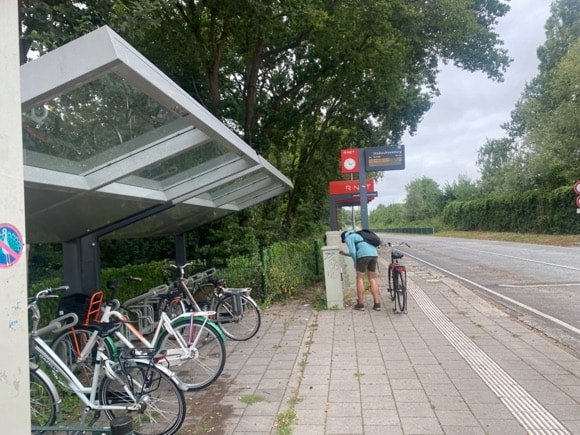
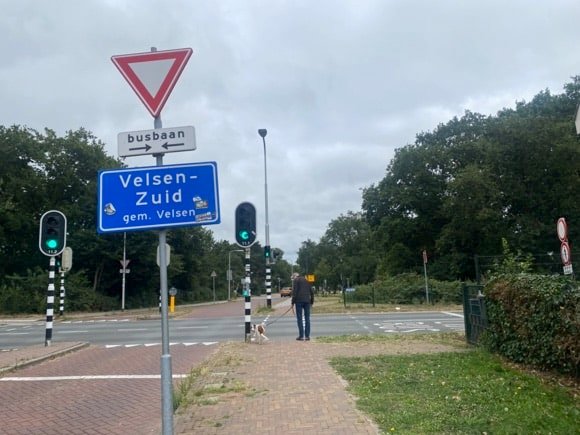
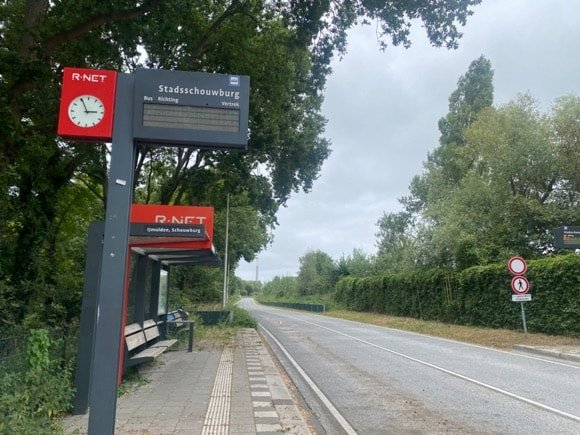
Amsterdam Schiphol Airport is 29km (18 miles) south-east of Velsen. Bus 382 runs from Platform A at Amsterdam Sloterdijk to Velsen Zuid (€4.80, every 10-15mins, every 30mins Sun, 30mins journey time). The nearest stop to the stadium on the 382 route is De Noostraat/Pont Velsen, the ground a 10min walk inland.
Alternatively, bus 385 from platform E at Haarlem station runs closer to the stadium at IJmuiden, Staddschouwberg, journey time 20-25mins.
Payment is by OV-chipkaart or the newer OV-pas (€6). Unless travelling directly from Schiphol, you cannot use a bank or credit card issued from a non-Dutch bank.
DFDS ferries offer an overnight crossing between Newcastle and ‘Amsterdam’, ie IJmuiden, but with a journey time of 16-17 hours, this is mainly aimed at those on longer holidays.
Local Taxi-Velsen can be contacted on +31 620 303 005. They can provide airport transfers with Schiphol.
Where to Drink
The best pubs and bars for football fans
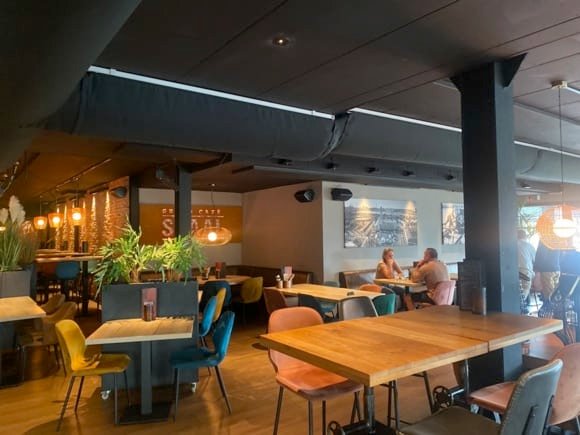
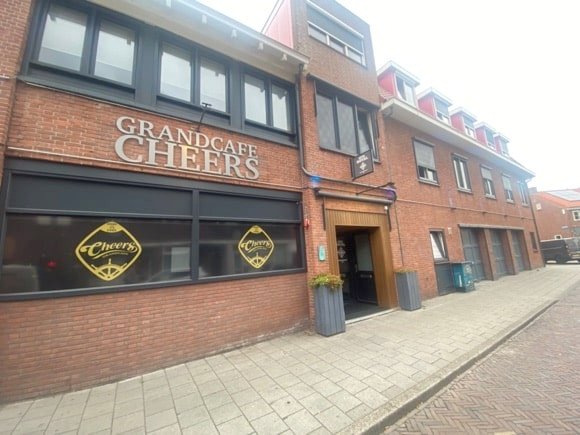
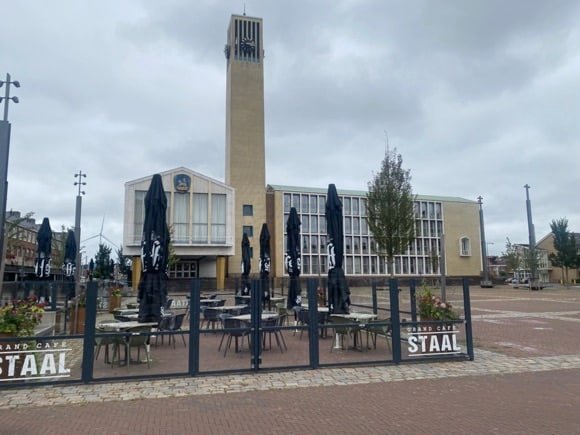
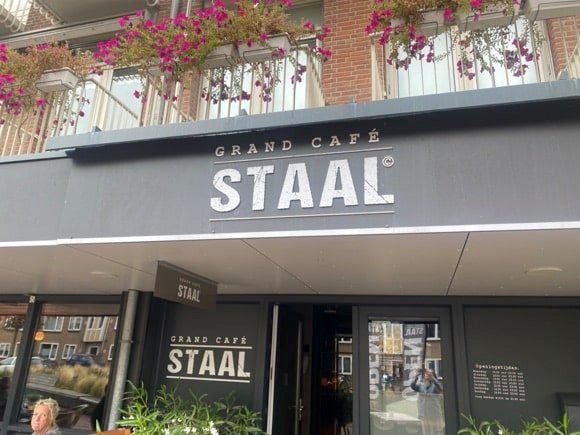
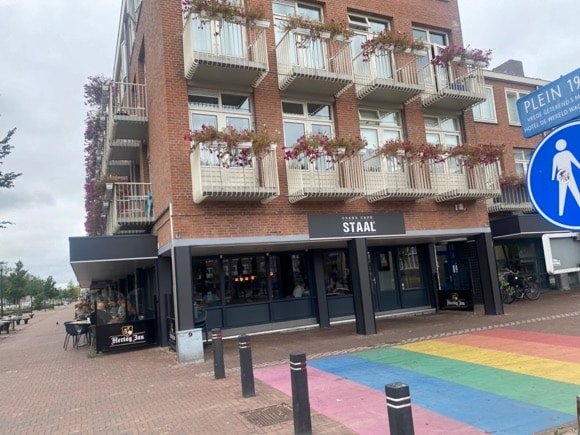
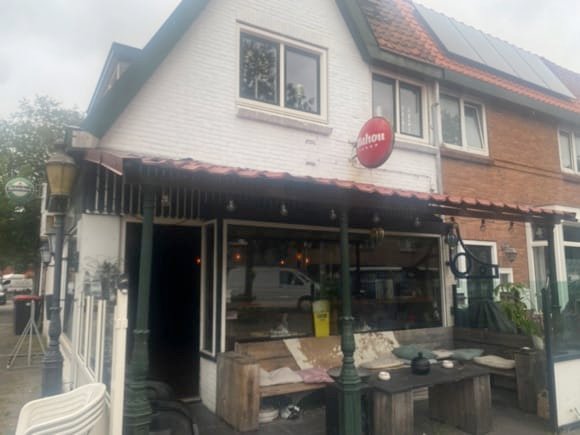
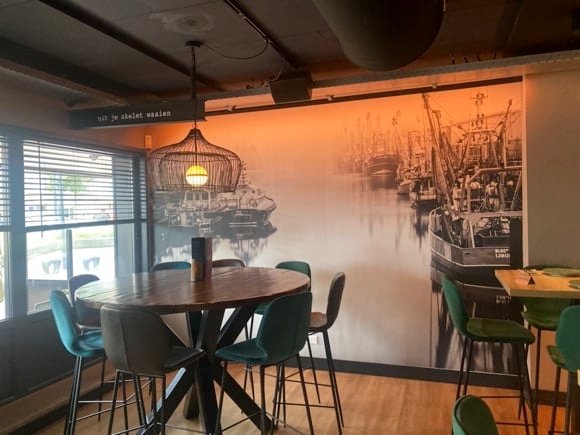
A few local bars can be found around focal square Plein 1945 in Velsen-Zuid or in the quiet streets towards the waterfront. including Grand Café Staal, a prominent café/restaurant open daily from 10am. For holidays and special events, the party spreads over onto the square. Oktoberfest can be pretty wild.
Round the corner, Zeewegbar on Zeeweg hosts live music and shows Telstar games on a big screen, for which the regular 4pm opening time might be pushed forward. The place otherwise keeps serving until way late, 4am at weekends (including Sundays), but closes Mon-Tue.
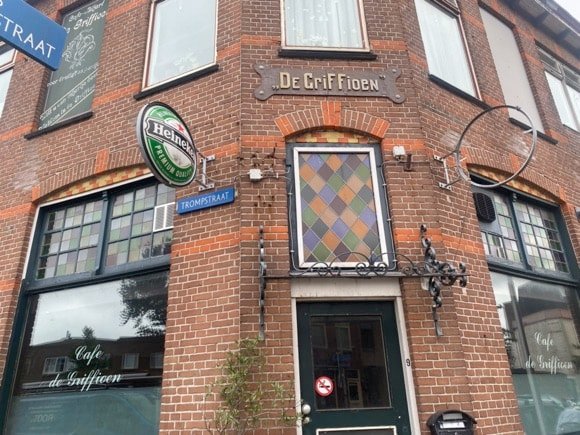
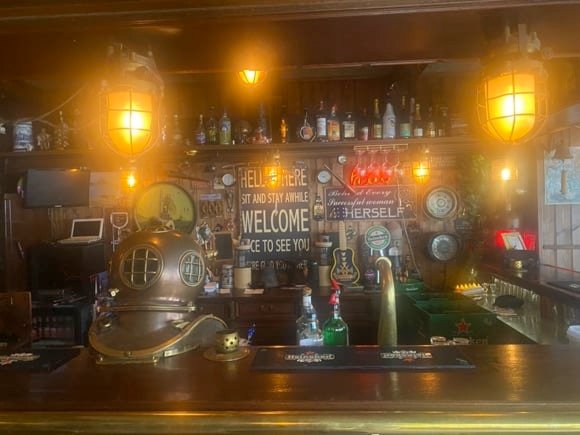
On the other side of Plein 1945 nearer the water, Bar de Jutter (Wijk aan Zeeërweg 22) should have overcome a bureaucratic hiccup in August 2025 to continue trading after 30 years of friendly service. Note the maritime knickknacks around the bar. Near the canal on Frans Naereboutstraat, De Griffioen awaits new owners. Having once staged the big names of the Dutch beat scene in the 1960s and 1970s, it was still going strong as a popular café/bar in modern times until the smoking ban hit trade and the pandemic proved the final blow.
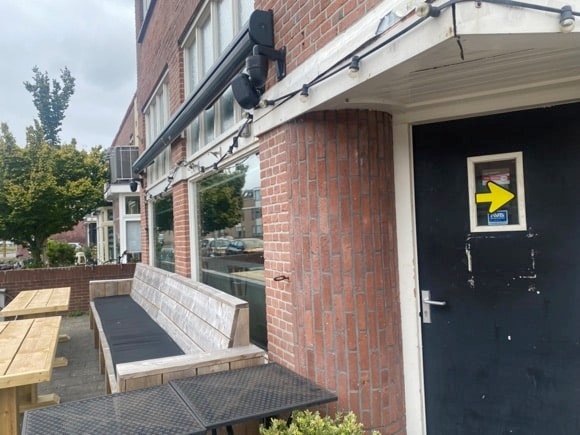
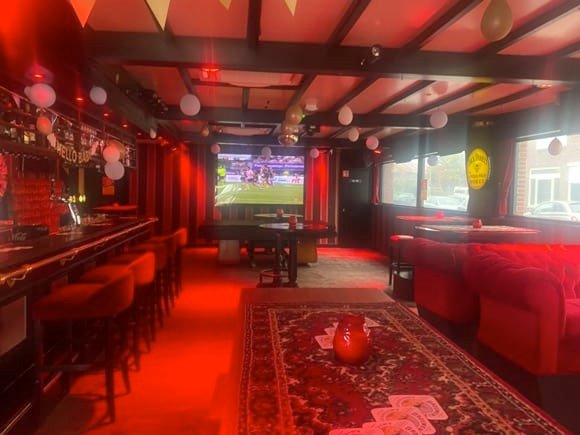
Over in IJmuiden, there are more bars on and off main Kennemerlaan, including the Grandcafé Cheers, open from mid-afternoon until fairly late, a relaxing place for watching games and shooting pool.
Where to stay
The best hotels for the stadium and city centre
IJmuiden Tourist Information has a comprehensive Dutch-language hotel database.
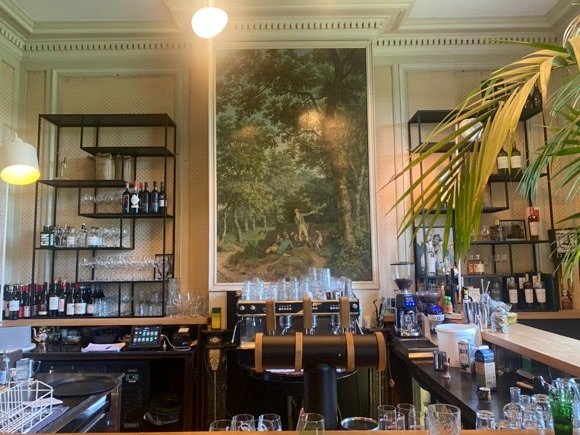
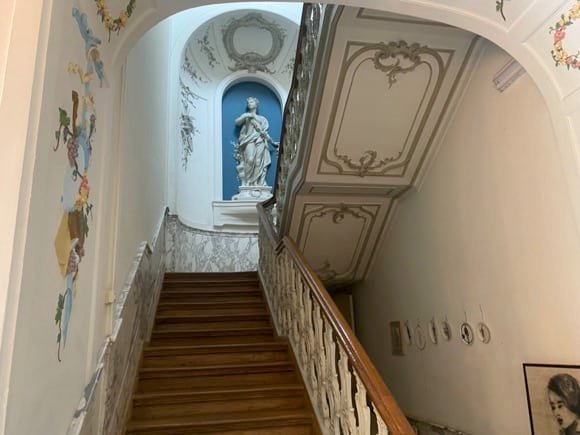
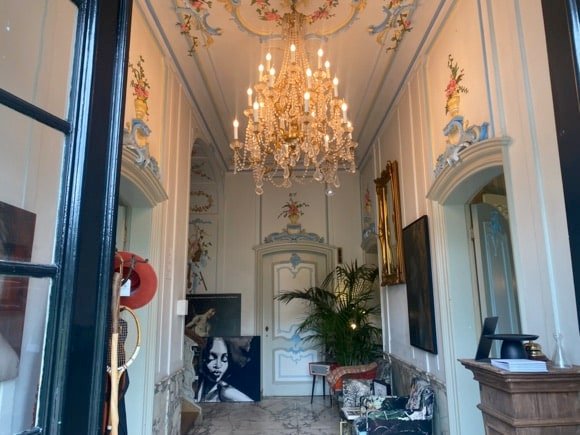
The nearest lodging to the stadium is also the most elegant. Set in greenery adjacent to the sports complex, the Eco Hotel Plantage Rococo comprises 13 tasteful guestrooms with views of the park and the horses which call it home. An in-house restaurant operates three days over the weekend and cycle rental can be booked before you arrive.
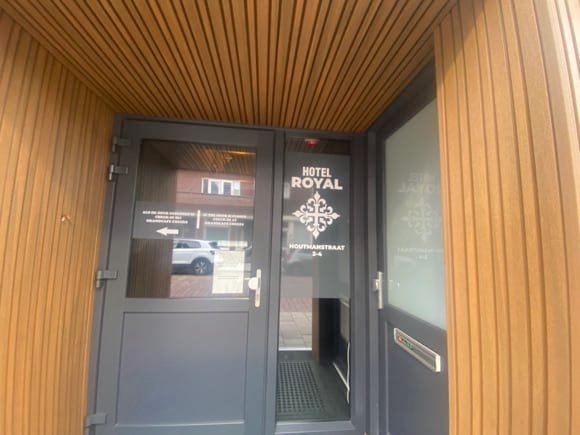
For a simpler yet comfortable stay, the Royal on Houtmanstraat in the heart of IJmuiden, featuring 14 en-suite rooms halfway between the beach and the football ground.
Overlooking the water near the ferry port, the bright, mid-range Harbour Hotel offers easy access to the dunes and canal cruises. You’ll need a bus or taxi for the stadium, though. Free parking nearby, available to guests at the other hotels in this little hub.
Tucked just behind on Kruitenstraat, the 35-room Hotel Rauw aan de Kade has a similar offer, alongside its café and Spijkers restaurant. Further along on Oranjestraat, the charming Augusta has been in the hands of the Heere family for decades, this elegant building dating to 1907 somehow surviving the war. Count on a convivial stay and fine meal close to the harbour.