European football for the little team from the forest
A fan’s guide – the club from early doors to today
Winning the Slovenian Cup in 2026, Aluminij qualified for Europe for the first time, after coming close by losing two previous finals and missing out by one point in Slovenia’s PrvaLiga in 2020. This a team, it should be remembered, who represent a town consisting of one main road, a handful of businesses and the Aluminij Sports Park.
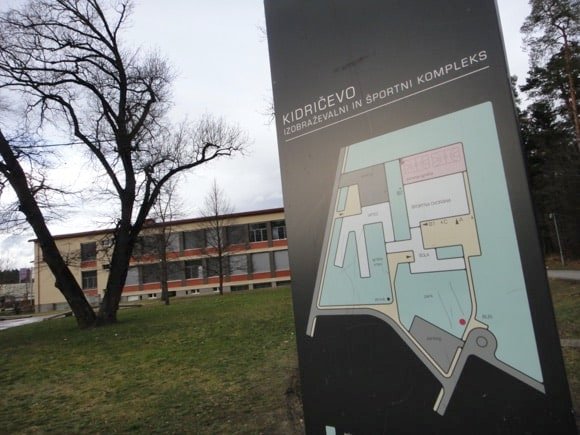
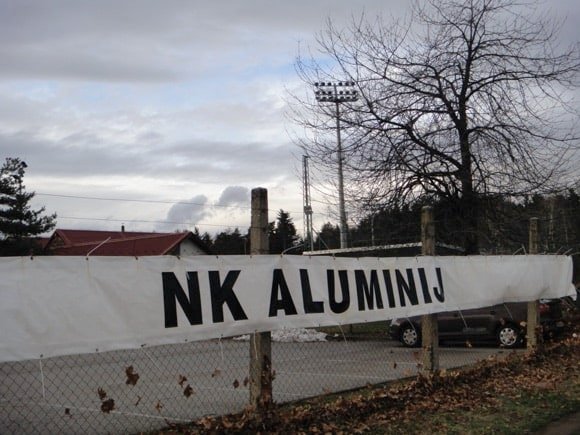
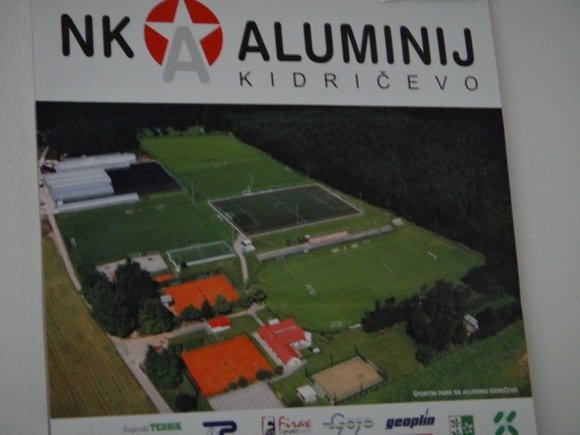
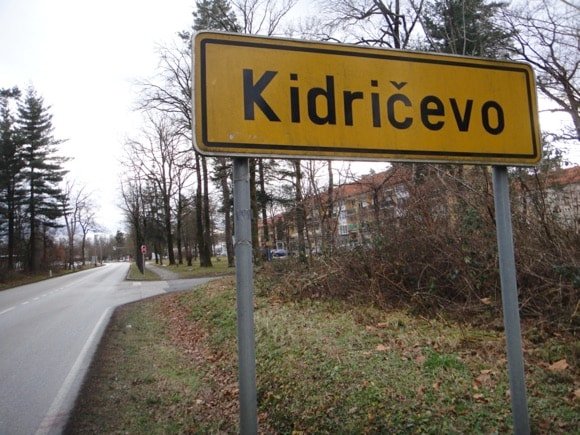
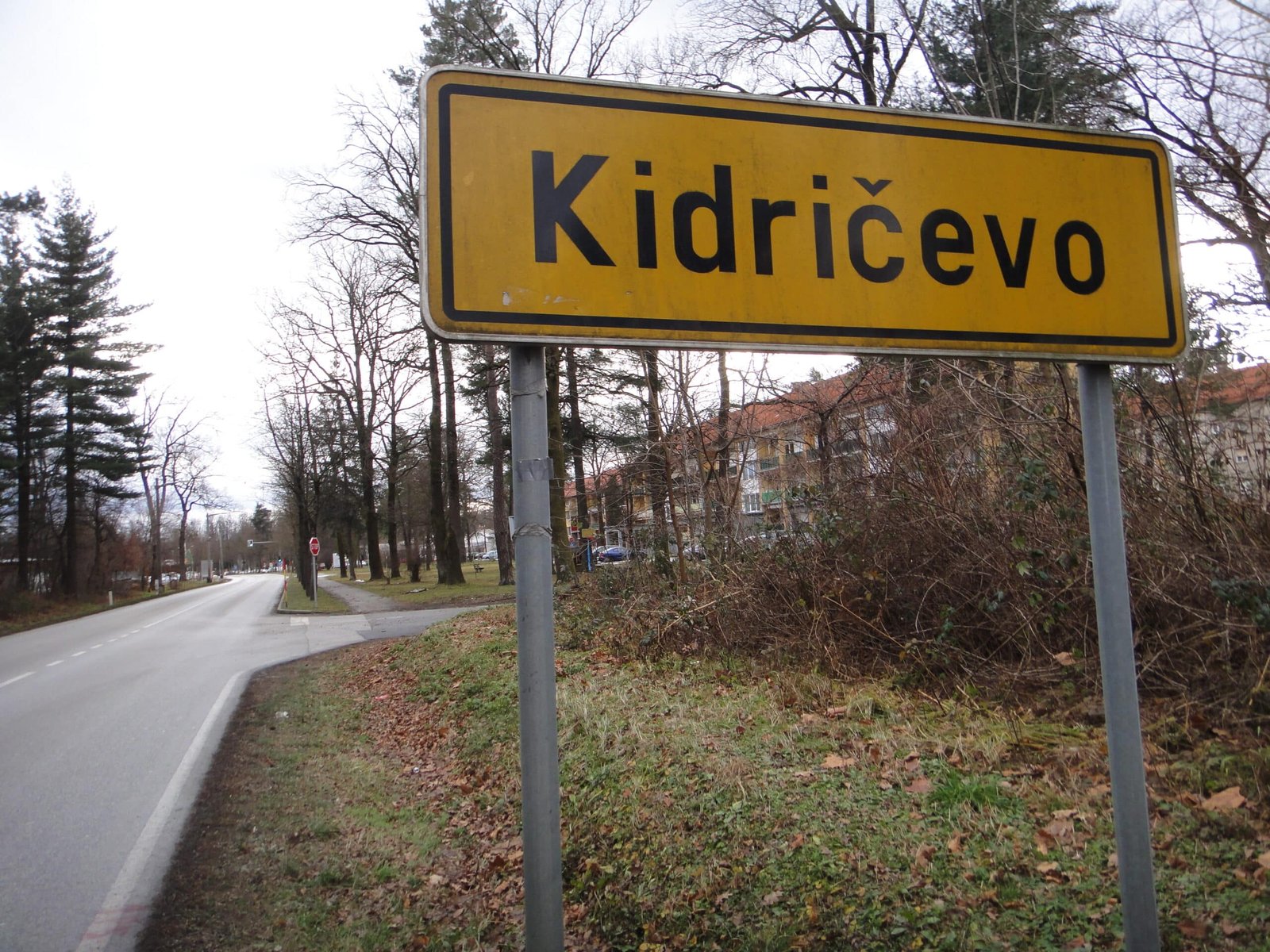
Nearly all the residents of Kidričevo could be accommodated in this modest ground of 1,200 capacity, expanded in 2023. The only other landmark of note is the aluminium factory, around which this little community was rebuilt after the notably brutal events here, during and immediately after World War II.
Športni park Aluminij/Peterjon Cresswell
Športni park Aluminij/Peterjon Cresswell
Športni park Aluminij/Peterjon Cresswell
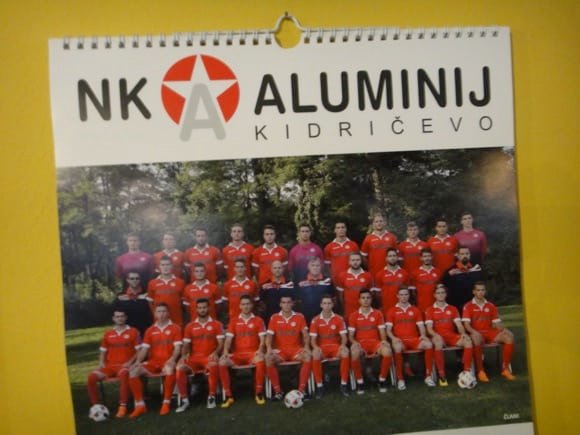
Their badge a five-pointed star, their shirts red, Aluminij were part of this revival, founded in 1946 and strong enough to win the regional Slovenian title 20 years later. While this was only the third tier in a Yugoslav set-up dominated higher up by Serbia and Croatia, this works team won a division ahead of Olimpija and Maribor. It also illustrates the fact that Aluminij’s current run is not a complete outlier.
Post-independence, Aluminij’s duopoly of the local cup with rivals Drava Ptuj allowed the Rdeče-beli, the Red and Whites, to enter the Slovenian Cup most seasons. In 2002, they even reached the final.
The demise of Drava Ptuj in 2010-11, after seven seasons in the top flight, left the door open for Aluminij, who won the 2. SNL that same season. Unable to claim their rightful place in the PrvaLiga, the Rdeče-beli then won the second-tier crown in 2012 to begin an unbroken stint with Slovenia’s elite.
Športni park Aluminij/Peterjon Cresswell
Športni park Aluminij/Peterjon Cresswell
Športni park Aluminij/Peterjon Cresswell
Another cup final in 2018, the 1-6 defeat to Olimpija skewed by two late goals, pointed to a better league showing the following season, when a 6-2 win over Olimpija will long be remembered.
Relegated in 2022 and 2024, Aluminij bounced back both times, picking up tricky young Macedonian winger Behar Feta from Domžale’s demise halfway through the 2025-26 campaign. Styrian entrepreneur Robert Koderman, appointed sports director in 2024, brought in several new faces at the club he oversees, including his own son, Vid, a former Slovenian U-21 left-back.
Koderman’s most surprising buy was veteran goalkeeper Matjaž Rozman, returning to the club after 19 years, and who kept a clean sheet in the 2026 Slovenian Cup Final against Brinje Grosuplje. In a near empty Stadion Z’dežele in Celje, a single late strike from Gambian forward Bamba Susso brought the first silverware to Kidričevo 80 years after the club’s formation in Tito’s Yugoslavia.
Športni park Aluminij/Peterjon Cresswell
Športni park Aluminij/Peterjon Cresswell
Športni park Aluminij/Peterjon Cresswell
Stadium Guide
The field of dreams – and the story behind it
Športni park Aluminij/Peterjon Cresswell
Športni park Aluminij/Peterjon Cresswell
Športni park Aluminij/Peterjon Cresswell
Športni park Aluminij/Peterjon Cresswell
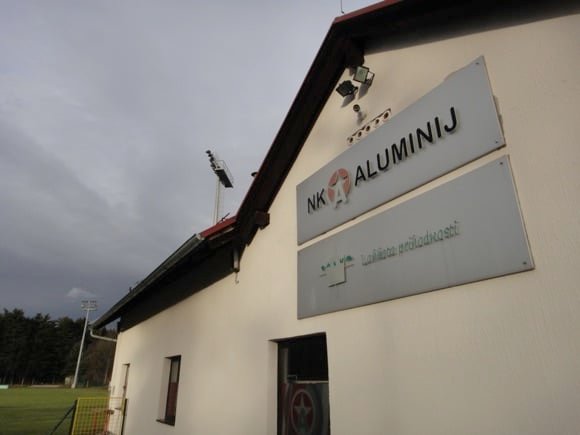
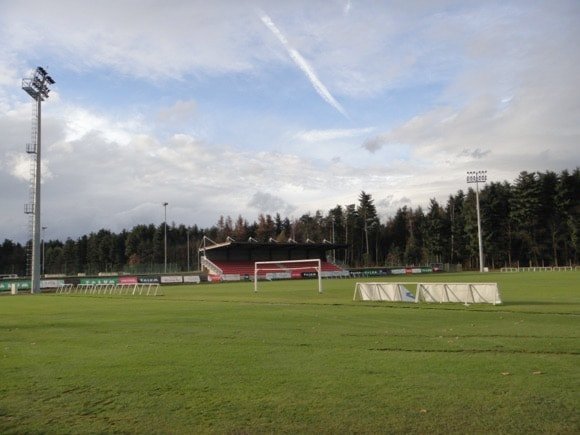
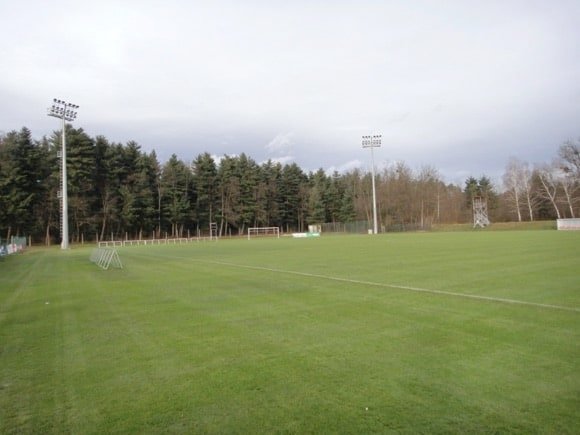
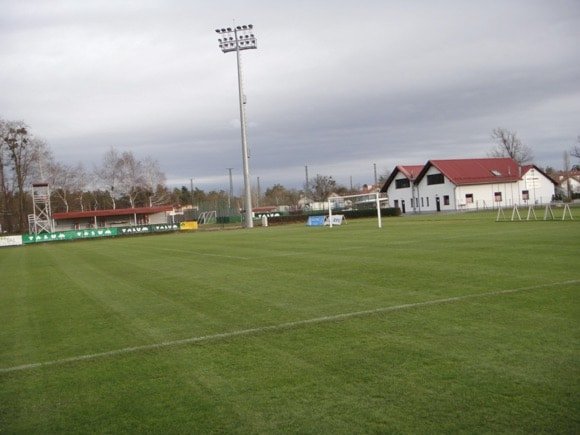
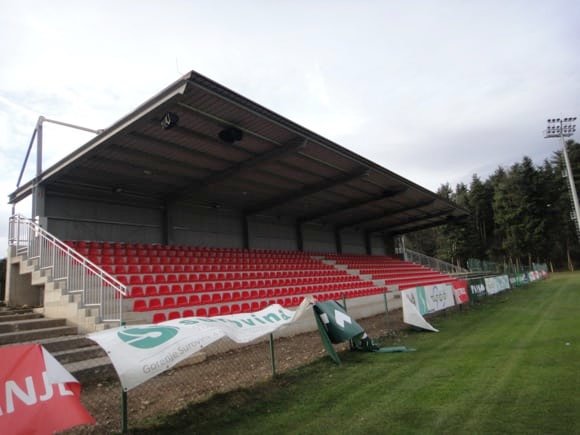
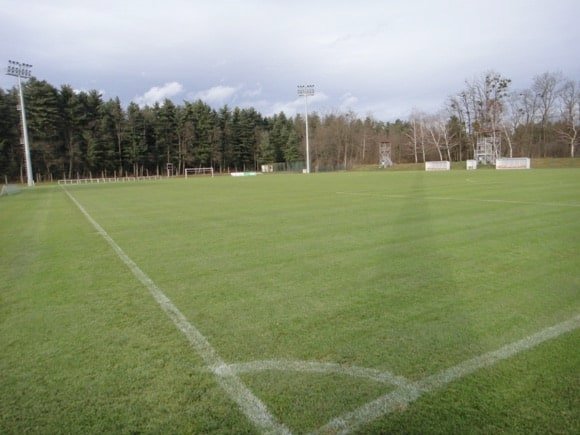
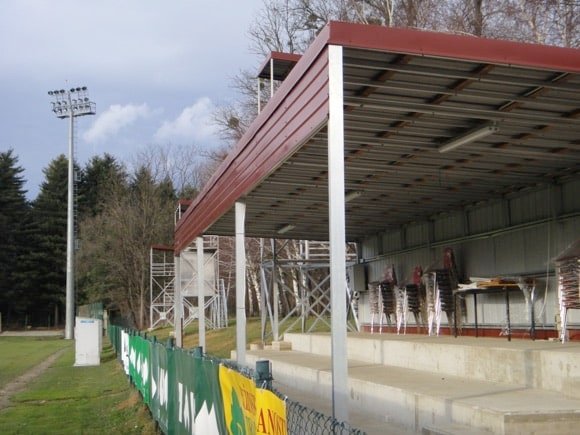
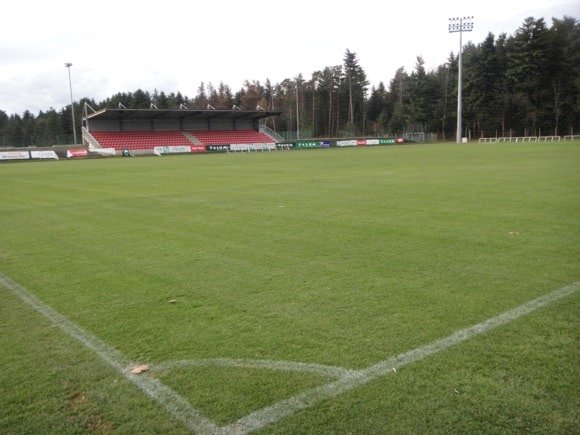
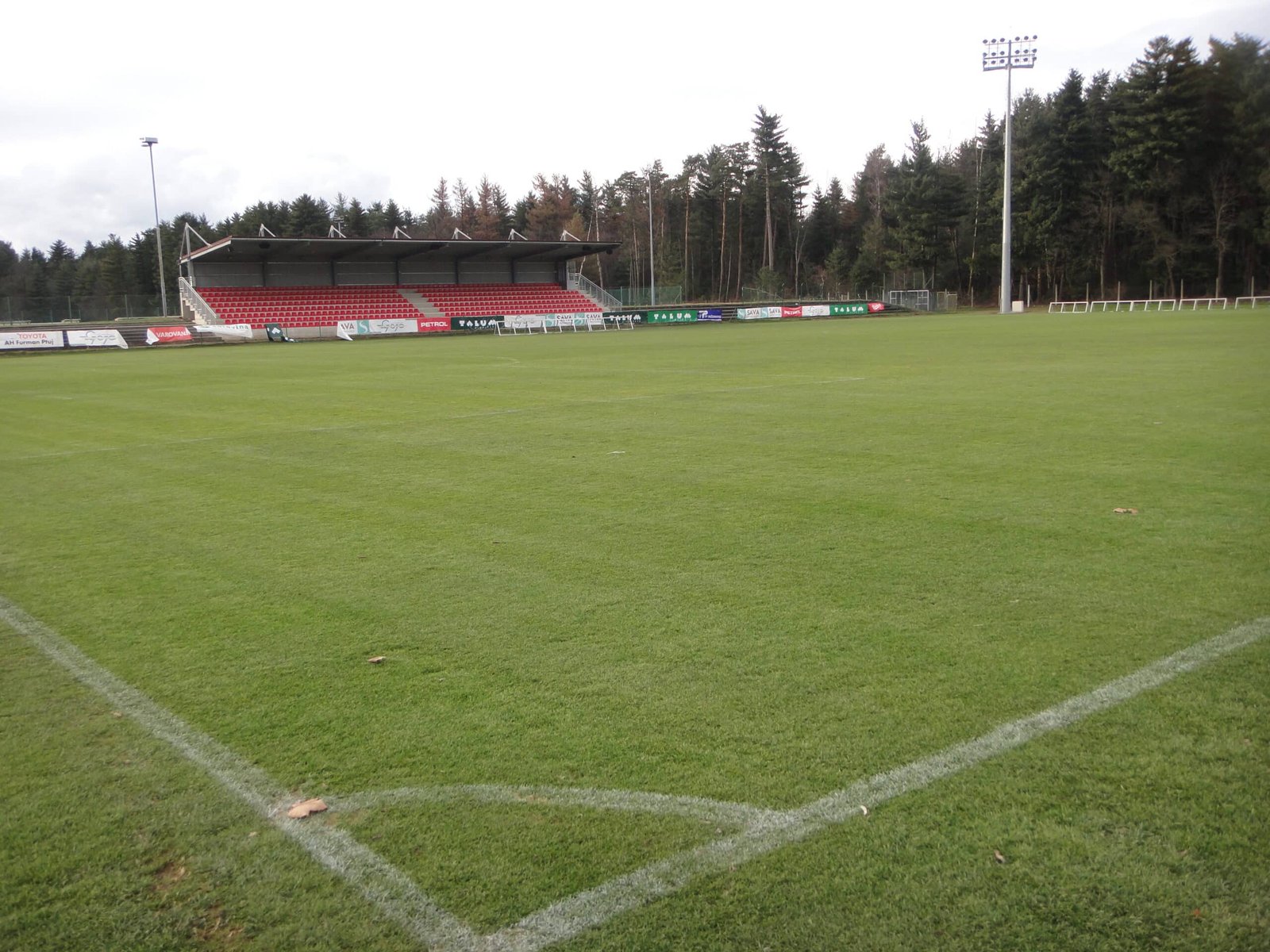
North-east of the modest community of Kidričevo, just off the main road heading to Maribor, Športni park is surrounded by greenery, a pleasant setting hardly spoiled by the imposition of a single main stand and recently installed open seating on each side it.
The result has not only been to double capacity from 600 to 1,200 but, as encouragement to fill these extra seats, the club sometimes offers free admission for less attractive domestic fixtures, ie not against Maribor, Mura or Olimpija Ljubljana.
Even given the provision of floodlights, the ground was considered not up to snuff when Aluminij was drawn to face Sheriff of Tiraspol for the club’s European debut in July 2026, the home leg being moved to Ljudski vrt in Maribor. The rest of the time, some 700 spectators gather for league and cup games, some of them foreign football travellers curious to see a match at a ground referred to by Slovenians as ‘the forest’.
getting here
Going to the stadium – tips and timings
Aluminij transport/Peterjon Cresswell
Aluminij transport/Peterjon Cresswell
Kidričevo/Peterjon Cresswell
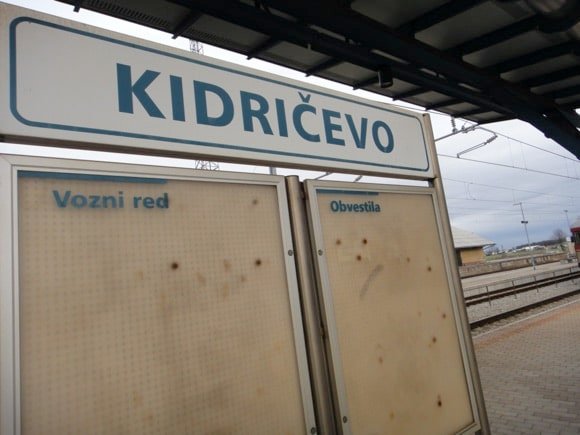
The stadium is a 15min walk from Kidričevo train station. Walk up the path ahead, turn right into the main road of Tovarniška cesta, then third left at ulica Borisa Kraigherja. At the end, turn right then left down Kajuhova ulica – the stadium is ahead. The nearest taxi firm is in Ptuj – it’s probably just as quick to walk from the station as wait for a driver to arrive.
TICKETS & MERCHANDISE
Admission and souvenirs – how and how much
Športni park Aluminij/Peterjon Cresswell
Športni park Aluminij/Peterjon Cresswell
Športni park Aluminij/Peterjon Cresswell
Tickets are sold on the day from the main gate, admission around €8, €2 dearer for the visits of Maribor and Olimpija. The club has also introduced online sales, Slovenian-language only. For European matches in Maribor, prices rise to €16.
Red-and-white scarves and baseball caps are sold around the main gate on match days.
Where to Drink
Pre-match beers for fans and casual visitors
Atila/Peterjon Cresswell
Atila/Peterjon Cresswell
Atila/Peterjon Cresswell
Športni park Aluminij bar/Peterjon Cresswell
Atila/Peterjon Cresswell
Športni park Aluminij bar/Peterjon Cresswell
Atila/Peterjon Cresswell
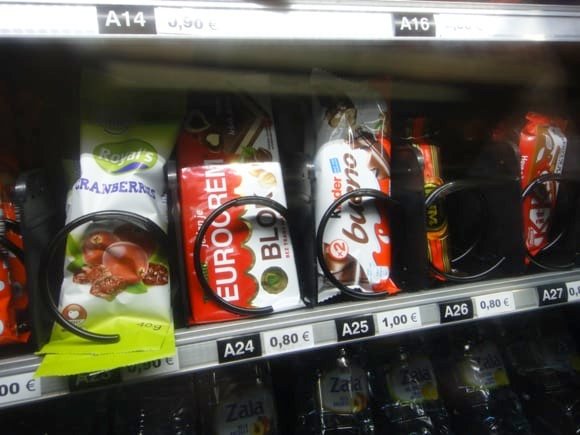
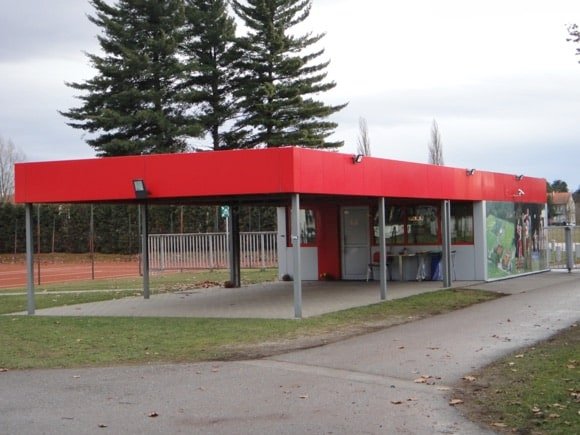
Any bar or restaurant in Kidričevo is no more than ten minutes from the ground, but the only outlet actually at the ground is the red-roofed building just inside the main gate. Two vending machines dispense standard soft drinks and snacks – this might be the only stadium in Europe where you can buy pre-match cranberries.
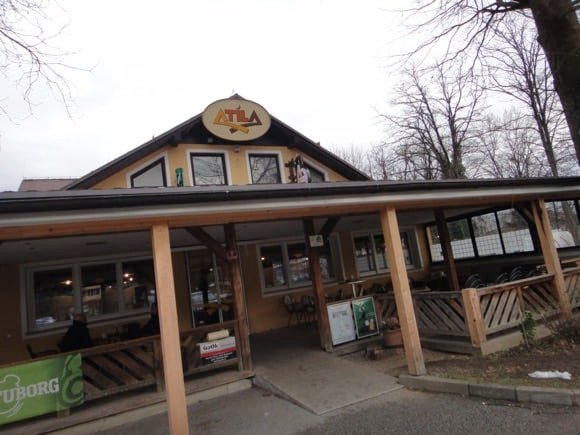
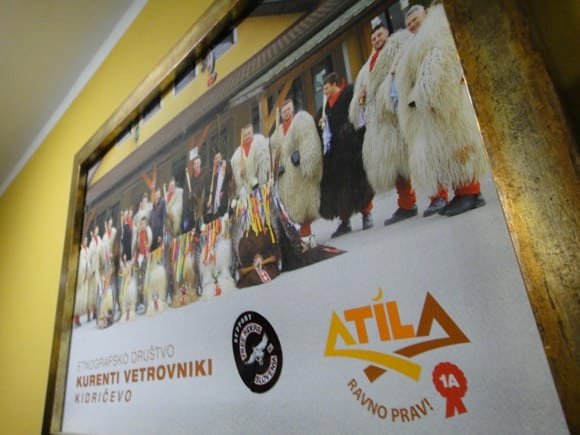
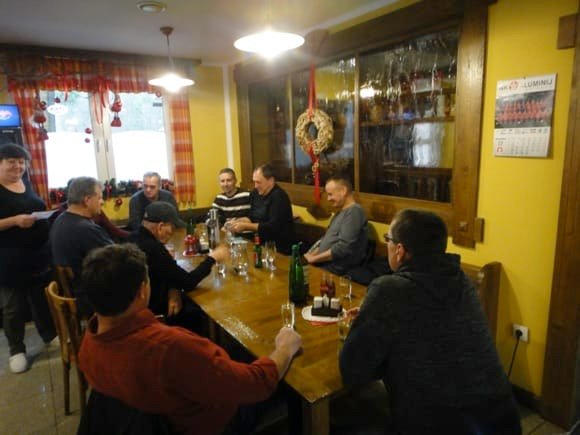
For something merrier, head for friendly Atila on Tovarniška cesta, where older Aluminij fans gather over affordable beer and wine.