From Wealdstone to Carlisle, Mariia Makarova revels in obscure football stories
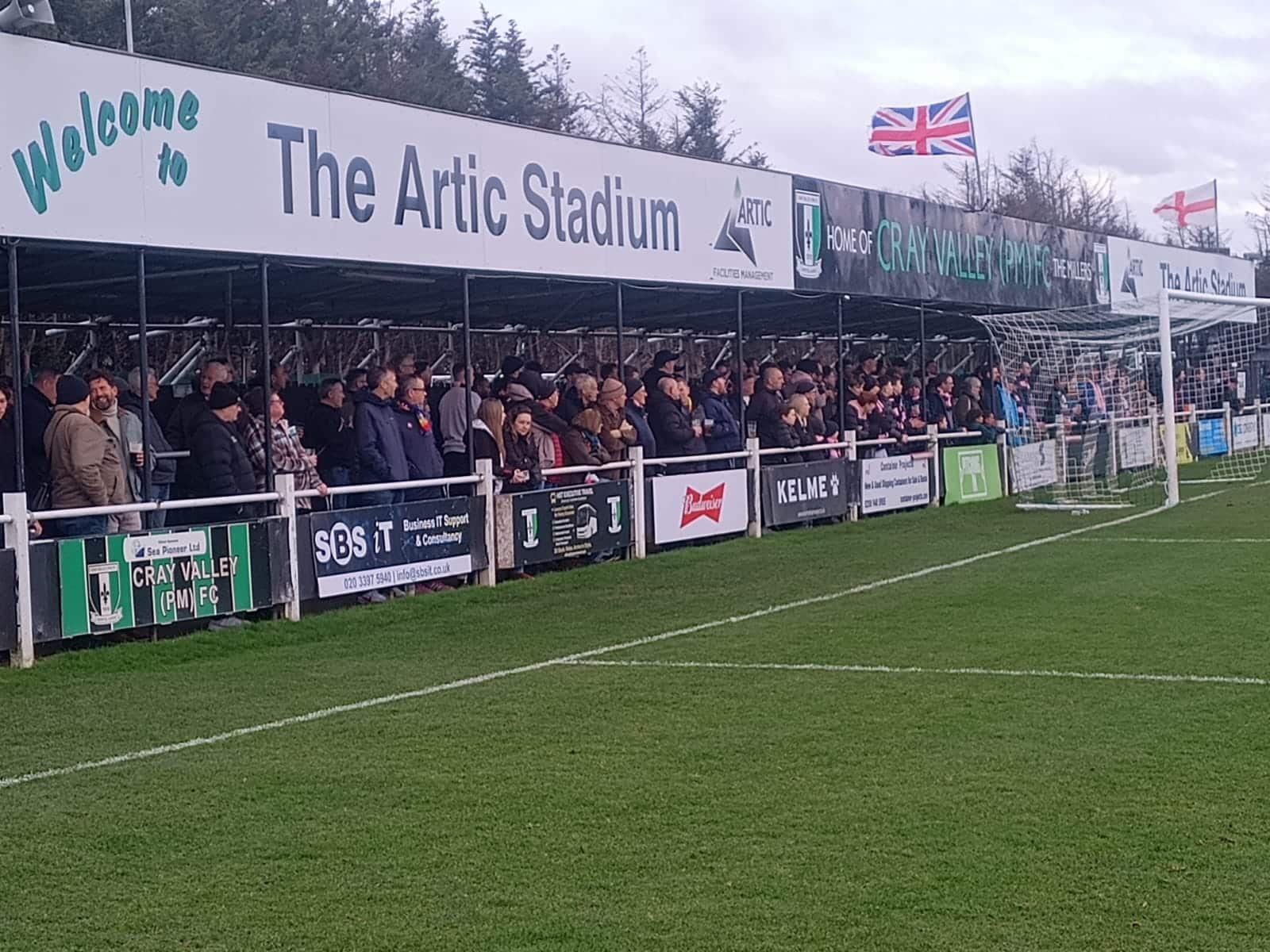
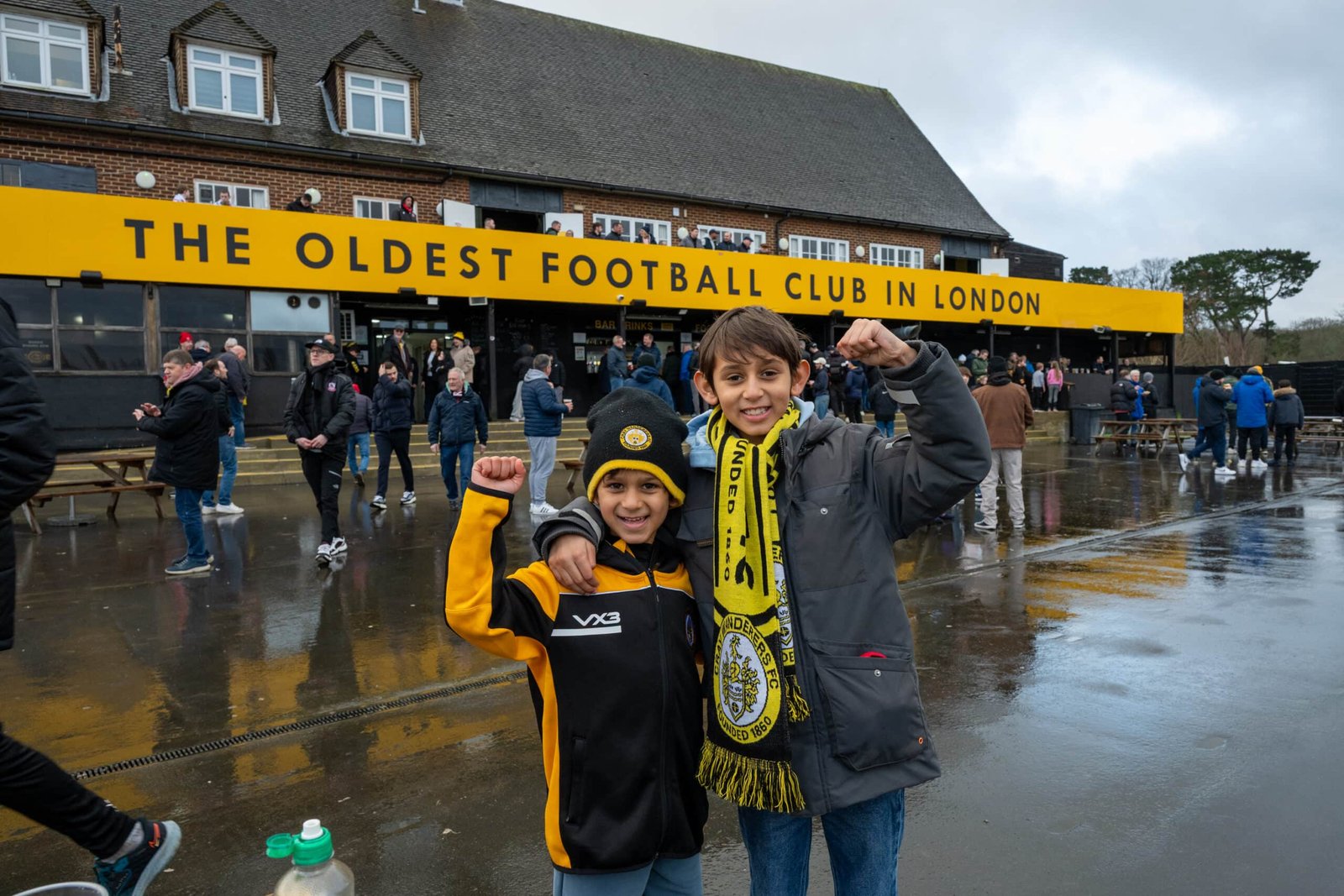
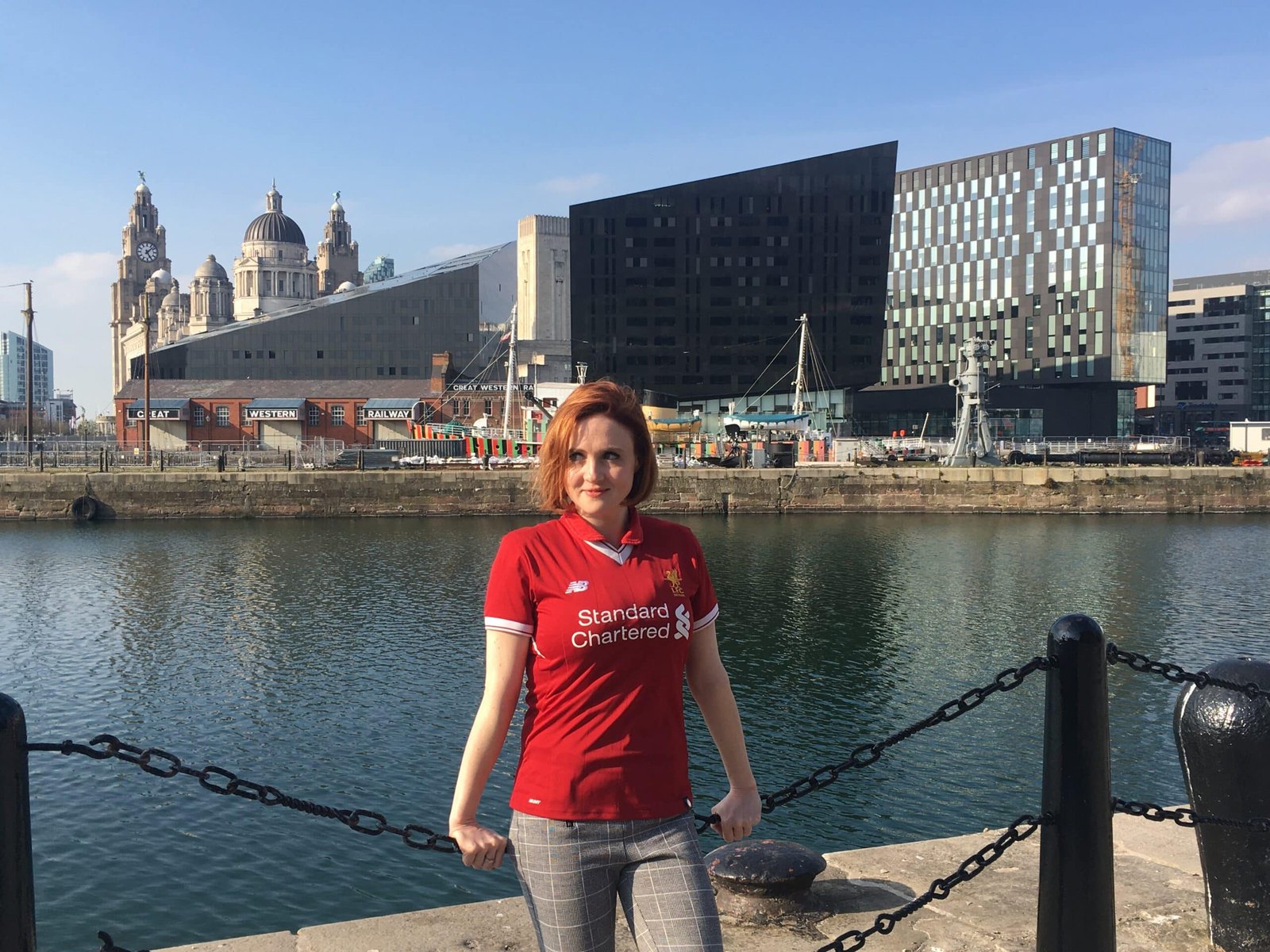
Tonight, tomorrow, at some point this week, flame-haired Russian vlogger Mariia Makarova will be exploring and recording football’s most obscure corners, whether it’s watching a game at Wealdstone or under the floodlights in the driving rain of Carlisle.
The clips she makes are then showcased on her popular platform, a perfect synthesis of her journalistic eye for salient detail and her deep affection for British culture, whether it’s Brunton Park or messy indie bands.
It’s not all glamour – Mariia also follows her beloved Liverpool everywhere through the hallowed corridors of the Premier League – but wherever she trains her lens, her love of the game shines through. So who is Mariia Makarova? And what took her to Wealdstone, Anfield and Margate?
Libero: Please let tell us a little about yourself and how you got into this particular side of football reportage.
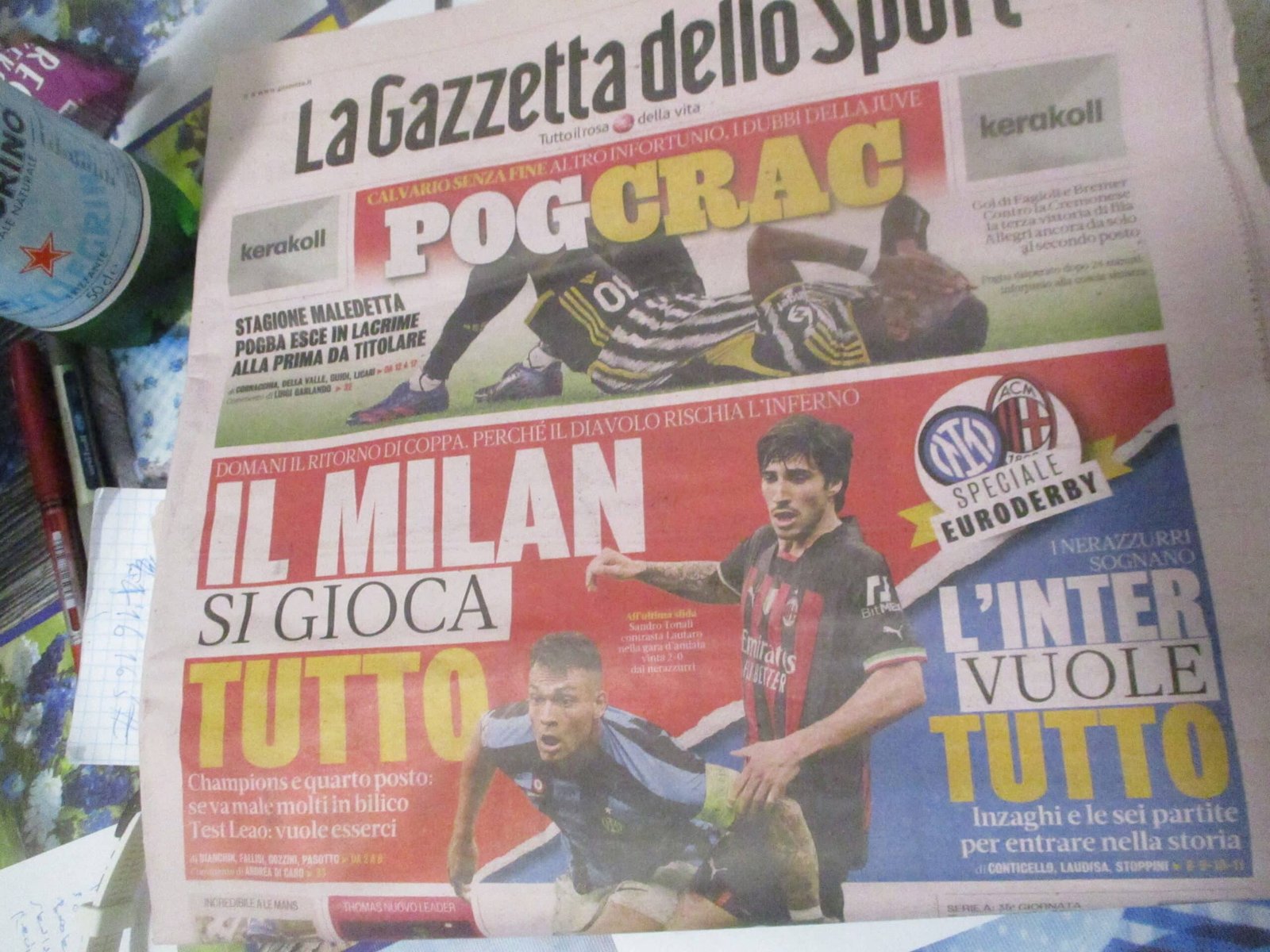
Mariia Makarova: I started watching football as a child because my mum loved it. Interestingly, my love for the game began with Italy. I was eight when I decided that my favourite player was Roberto Baggio, and that I would support everything Italian. I dreamed of going to Italy and chatting with Baggio, and even wrote little stories about it (I was eight!).
Later, as I grew up, I first fell in love with British music, and then with football. At that time, the English Premier League was broadcast for free in Russia, so we could watch all the best matches. I was always fascinated by how closely culture – especially music – and football are connected in Britain. Back then, though, I never thought about combining them, and I knew nothing about non-league football. YouTube didn’t exist yet either.
In 2007, I sent my CV to one of the main sports TV channels in Russia, NTV-Plus. It was my first job ever, and I still don’t know what they saw in my CV, but they hired me. Several other young correspondents joined at the same time. Those were incredible years, we worked alongside legends of sports journalism, learned how to write scripts, appear on camera and edit footage. That experience basically shaped my entire life.
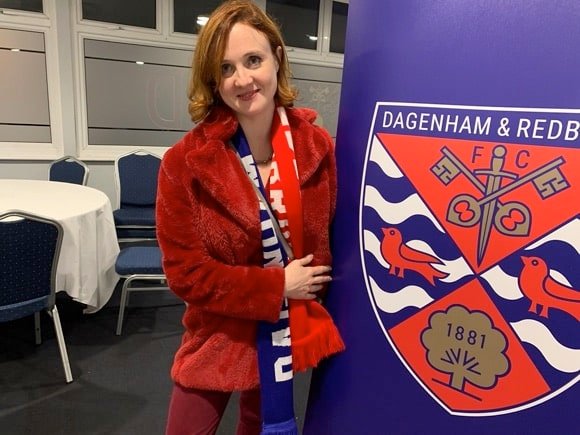
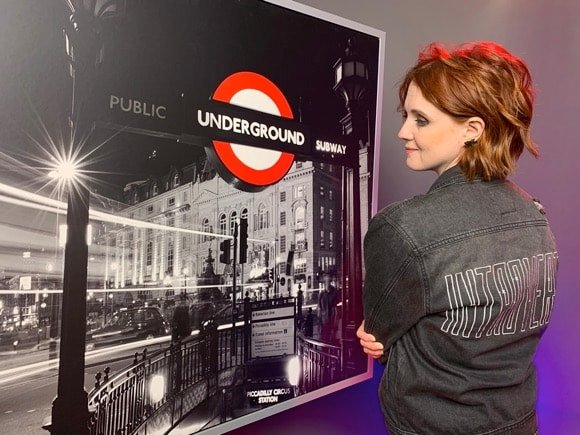
At that time, I couldn’t even imagine that I would one day move to my beloved Britain. I didn’t believe it enough to even properly learn the language. But in 2011, I visited London and Liverpool for the first time – and that was it. From then on, I couldn’t stay away from Britain and spent all my money travelling there. Just like in life, I initially travelled mostly for gigs rather than football. And now I live here, which truly feels like a dream come true. It just took a long time to get here. Though I probably should have studied the language more seriously.
When did you realise that there might be interesting stories beyond simple match reporting?
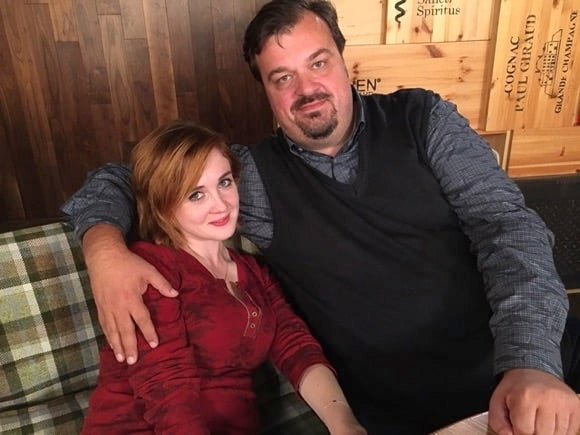
MM: In fact, it was our best programme on NTV-Plus – called Football Club – that taught me to tell football stories not just as sport, but as life. It was created by Vasiliy Utkin, a famous commentator who became both my mentor and a close friend. In that programme, we told human stories, not just discussed tactics and strategy. Because football is really about life.
Vasiliy even had a famous line: “Did you think we were playing football here? We’re living life here”. Sadly, he is no longer with us. He left behind many students and I’m proud to be one of them.
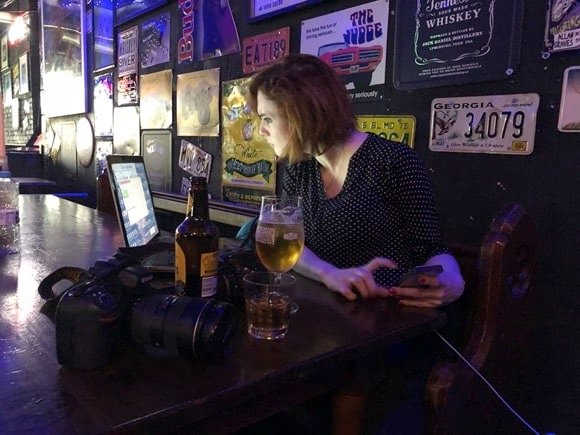
My journey into non-league football happened quite unexpectedly. Once, a colleague and I were arguing about who had attended the most unbelievable match at a lower level. The argument ended in a draw, because we had both, coincidentally, been at the same rather chaotic friendly match between Torpedo and Beijing Guoan as children, before we even knew each other. But after that, I really wanted to experience the lower levels of British football, because my colleague had been to those games.
Although now I think his lowest level was Leyton Orient – not exactly that low! For my birthday in 2018, a friend and I went to Bristol and attended a match between Portishead and Cheddar in the ninth… or maybe tenth tier. I loved it. It was completely different from the football we were used to seeing. I posted a few Instagram stories, and people started messaging me: “Show us more of non-league football”. That’s how I decided to start a small blog about it.
When did you set up your platform and how has it developed since? How has your audience changed over time?
MM: My first episode came out in 2019, about a club near Heathrow called Deportivo Galicia. The whole team came to speak with me, telling me why the club has that name and what its connection to Galicia is. And I realised that non-league football is not so much about results, but about community, people’s lives, interests and local history – in this case, the history of the Spanish-speaking community.
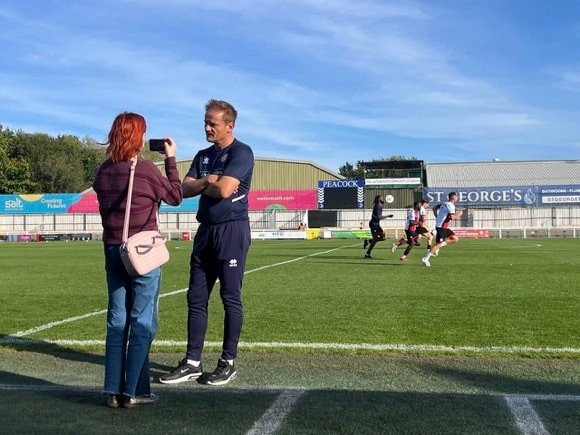
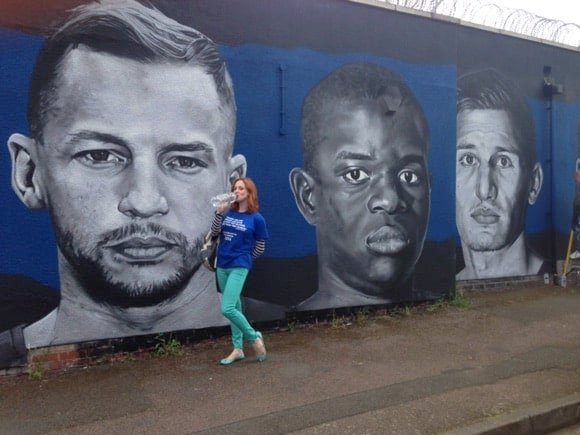
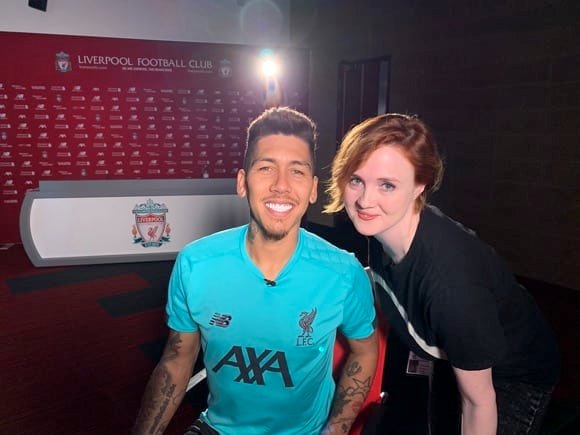
The next episode was about Woking FC, where I met commentator Martin Tyler. He really liked my idea of a blog about lower-league football. At the same time, my mentor Vasiliy Utkin mentioned my small blog on his social media, and I gained 2-3,000 viewers. Almost all of them are still with me today. It may be a small audience, but it’s a loyal one, sometimes strangers even thank me in the public transport or in pubs for showing ‘real’ football.
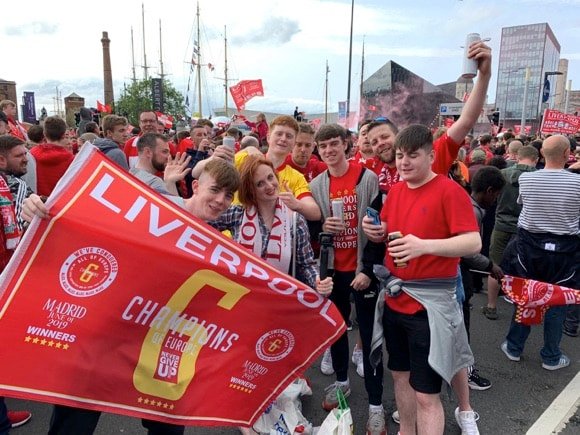
I think my audience has changed since then, but not dramatically. I don’t really promote the blog, it’s non-commercial, and I’ve started making content not only about non-league football, but also about Liverpool, the club I support. That attracted Liverpool fans, though some of the original non-league audience may not be entirely happy about it. I also cover Scottish football, and I think some of my best episodes were filmed there.
Right now, the blog has around 6,000 viewers. People rarely unsubscribe, even though I had a break of about 18 months to two years. I’ve gained more viewers from the UK; currently, the top three countries are Russia, the UK and Kazakhstan.
Sometimes I feel a bit frustrated that the audience isn’t growing, but I understand why. I would need to invest in promotion, create a lot of short-form content (which I don’t particularly enjoy) and develop my Instagram, which I’ve largely abandoned. I will probably start doing that eventually. I’d also like to experiment with new formats, maybe fully in English, and find a co-host or rather, a travel partner. It’s always more fun to create content together.
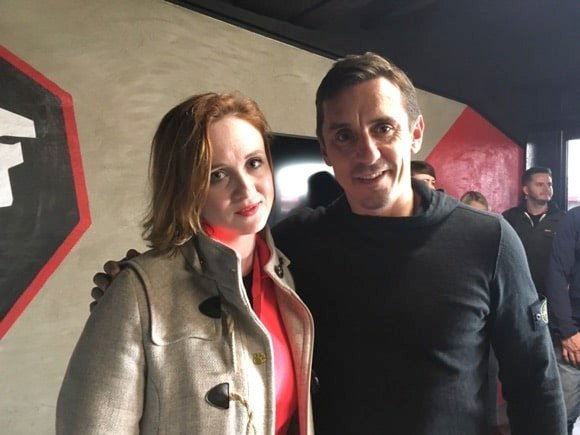
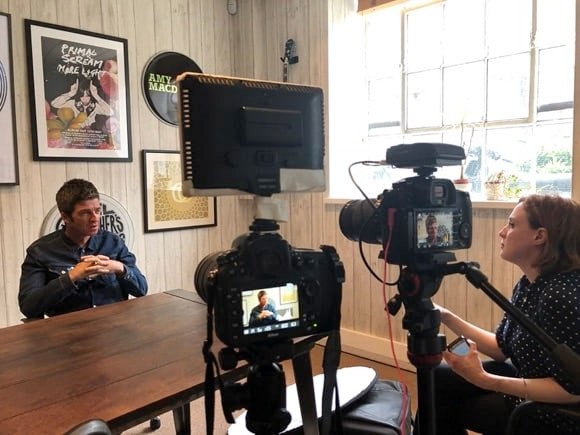
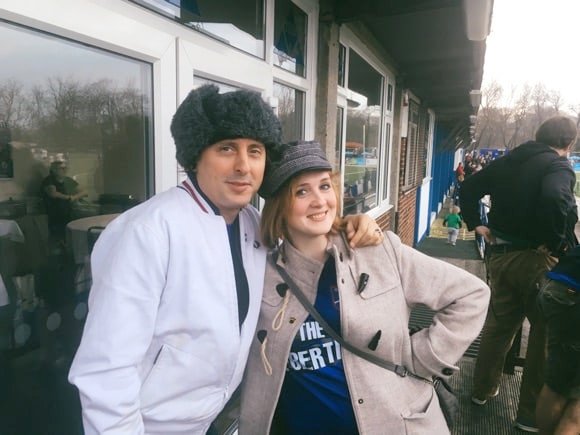
What attracts you about a certain story – is it the history, the social context or…? Can you give us some examples? What’s the most unusual place you’ve reported from or about?
MM: I rarely choose destinations very deliberately. Queen’s Park was one exception, because I really like Andy Robertson, and I knew he started his career at that club in Glasgow after being released by Celtic. I wanted to learn more about them. I also knew that they’re the oldest club in Scotland and play at Hampden Park.
But that’s rare. Sometimes I travel knowing almost nothing about a club. That’s not ideal, of course, but it allows me to discover things from the perspective of an unprepared viewer.
One of my favourite episodes is about Wealdstone FC. As someone not deeply immersed in British meme culture, I knew almost nothing about the Wealdstone Raider. People there told me about him, and I met him, it turned into a completely unexpected and fascinating story, as well as a memorable encounter.
Every club has its own identity, its own story, its own moment of pride. And the stories of smaller clubs, in a way, form the history and identity of different areas across Britain – or at least, that’s how I see it.
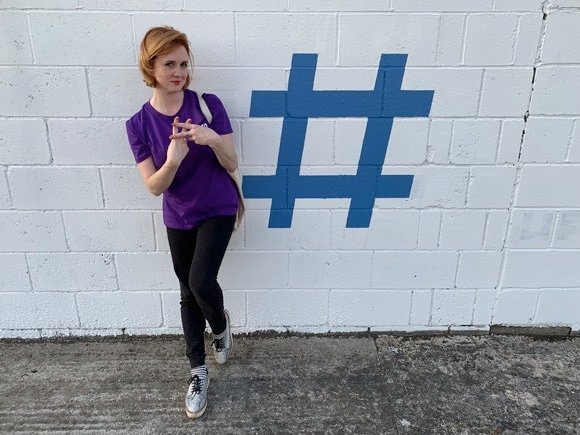
As for the strangest place I’ve ever filmed: probably a pitch in Russia, near St Petersburg. It’s located right next to a psychiatric hospital. I made two episodes about non-league football in Russia, and one of them was about Non-League Day, when a group of us travelled to a village called Kiselnya. That’s where the pitch is. Some of the patients even came to watch the game and eat the sausages we brought with us.
How do you see your platform developing in the future? Would you like to move into different areas of reportage? Different sports, even?
MM: I’d love for everyone who might be interested to find my channel. I know I don’t promote it enough. People sometimes ask, “Why have I never heard of this before?”
At some point, I’d also like to switch fully to English, because it’s not very convenient for viewers when the host speaks one language and the guests speak another.
I’m open to covering other sports, but football is what I love most – especially British football. So, my main goal is to tell the stories of as many clubs across Britain as possible, and to visit Ireland, Germany and do more filming in Spain (I once made content about their non-league, but not for my own channel).
And of course, I’d like to start earning something from the blog, because that always helps motivate the work. But for now, that’s still a dream. And of course, I’d love to do some big, in-depth interviews with footballers – about life, not just football.
Find Mariia Makarova’s wonderfully niche clips here.