Launched in 1896, pink since 1899, Gazzetta has covered Italy's many highs and lows
As circumstances would have it, the timing could have been better. In any case, it’s 130 years since the first Gazzetta dello Sport was published on April 3, 1896.
While Friday’s anniversary comes during a traumatic week for calcio, the Azzurri failing to qualify for a third World Cup, the Milanese institution marks a major landmark in its gilded history.
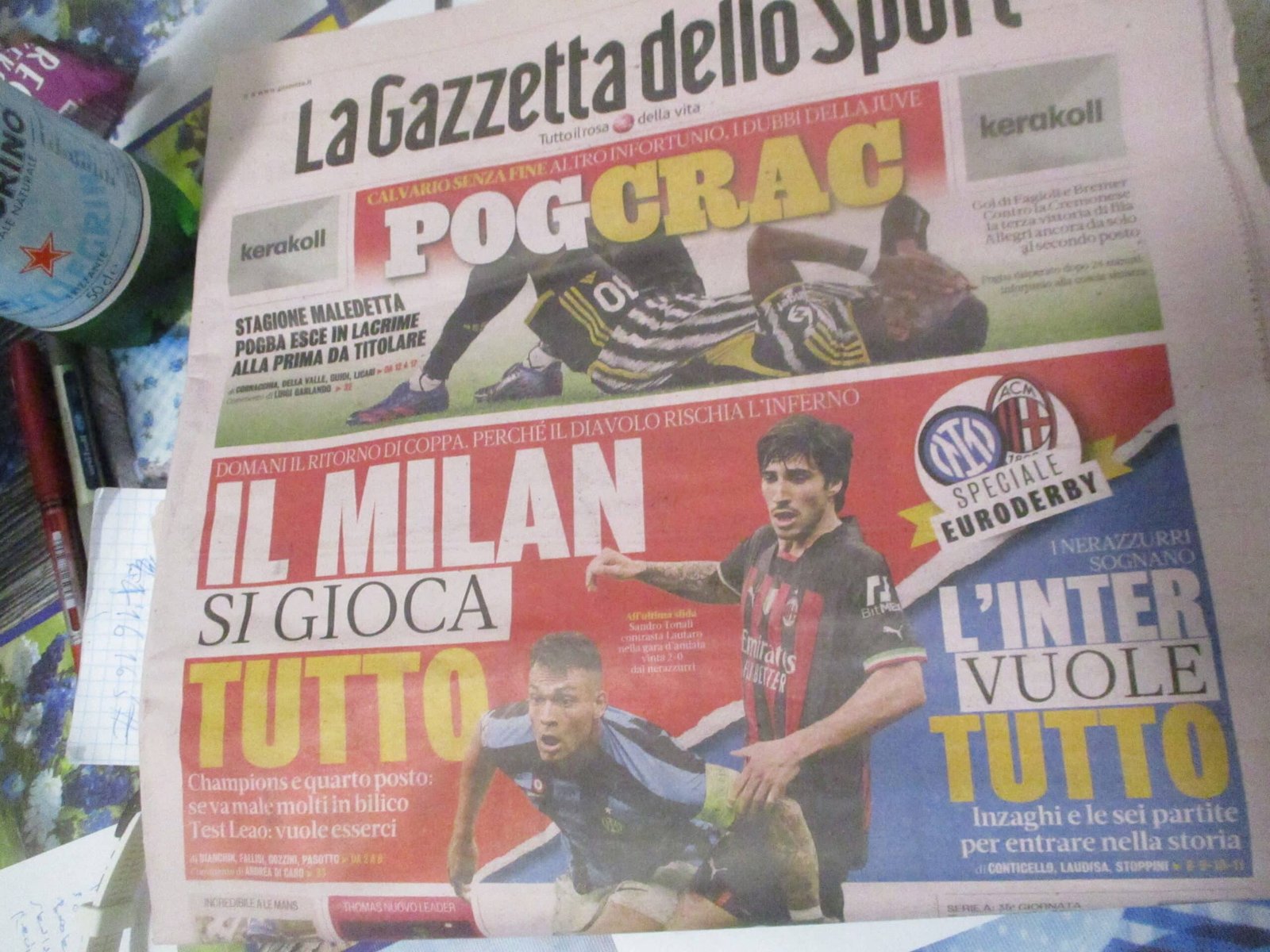
Or rather, pink history, as the paper you see folded on gleaming bar counters and piled on newsstands across Italy stands out for its bright colour as well as journalism.
Launched on the eve of the first Olympics, the inaugural Gazzetta was also titled Il Ciclista and La Tripletta, indicating its focus on two-wheeled sport. This linked to its origins, the offspring of these two cycle-centric publications whose editors were two of five newspapermen who convened at via Pasquirolo behind the Duomo. The street, like the district of the same name, was knocked down by the time Milanese football was in its pomp in the 1950s.

But Gazzetta has remained. And its first issue was… white. And its purpose, like the French papers which inspired it, Le Vélo and Paris-Vélo, was to reflect the wider world of organised recreation and pastimes.
“To cover sports, therefore, one must feel capable of moving with the times… Sports newspapers must not merely provide news, comment on progress and record success; no, they must predict, navigate the very hazards of all things at the end of this century,” ran the proud first editorial. Gazzetta duly sold out of its initial print run of 20,000.
Nonetheless, the subject of all the articles that ran – in five columns and with no illustration – on the first page was cycling. The following issue, however, reported on the inauguration ceremony In Athens as the first modern Olympics was launched.
Within a few months, its writers were covering rowing, running, tennis and sailing on yellow paper – further French influence – then light green. Five columns duly became six.
The switch to pink came on January 2, 1899. The decision branded Gazzetta in the popular imagination forever. The paper also began to organise its own sports events, again like its French counterparts, most notably the pink-branded Giro d’Italia, inspired by the Tour de France. At 2.53am on May 13, 1909, 127 riders set off from piazzale Loreto in central Milan. Eight stages and nearly 2,500km later, Luigi Ganna was crowned the winner.
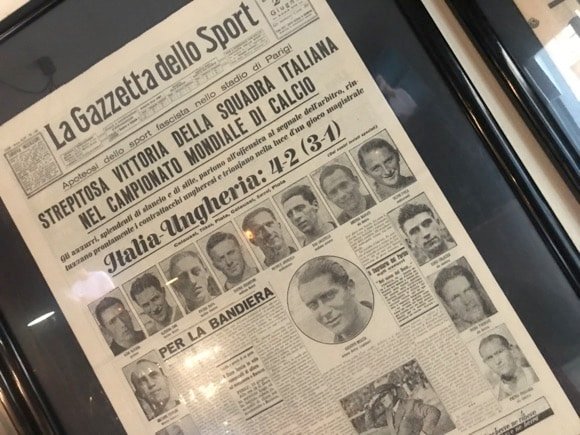
In the aftermath of World War I, Gazzetta switched to a daily edition and turned its spotlight on a sport becoming popular with the menfolk coming back from the front: football. As the Fascist authorities controlled entertainment and stadiums were built across the nation, so calcio enthralled the masses. Cycling still sold newspapers, however particularly rivalries between top riders, despite two consecutive World Cup wins for the Azzurri.
Dropping to four pages, weekly editions and white paper in the chaos of World War Ii, Gazzetta re-embraced its pink identity in September 1945 and daily publishing a month later. Perhaps more significantly, it hired a former member of the Italian Resistance, a journalist named Gianna Brera. By 1949, he had become the youngest editor-in-chief in the history of newspapers in Italy.
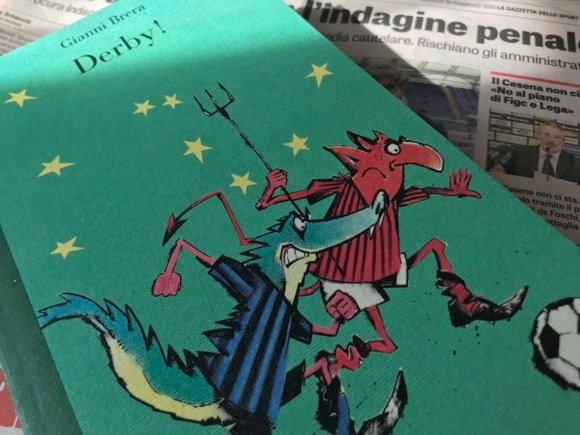


A Milanese resident in thrall to Genoese football, Brera shaped the language of calcio, inventing terms such as libero for the position of sweeper, and recorded the golden post-war period in Milan. The city’s movers and shakers would meet at the newly rebuilt San Siro as Inter and Milan attracted world stars, welcomed Europe’s best teams and lifted European trophies.
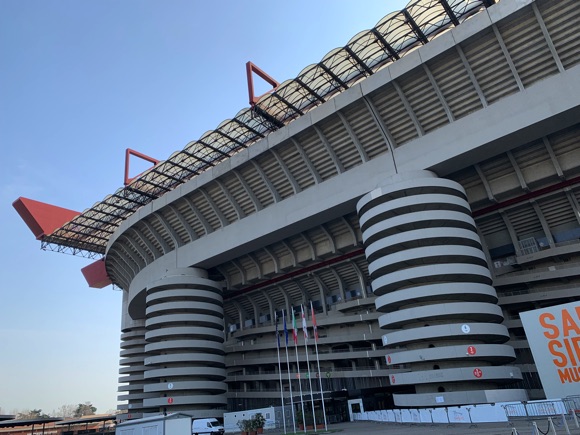
This would be interspersed with hand-wringing over Azzurri failures. The word ‘Middlesbrough’, which witnessed defeat by North Korea in 1966, still comes up in moments of national trauma – but the World Cup tournament of 1990 moved Milan to the centre of the known universe and ushered in a new era. A revolutionary revamp to the San Siro, regular Sunday stage for the sextet of Dutch and German superstars from Euro 88 at tenants AC and Inter, provided the backdrop to the curtain-raising opener, Cameroon’s shock win over Maradona’s Argentina.
Its TV coverage displaying the high production values in this groundbreaking Berlusconi era, Italia ’90 may have delivered few goals but tons of operatic drama: Gazza, Totò, Pavarotti. Serie A having lifted its ban on foreign imports – itself prompted by the 1982 World Cup, hence Platini and Falcão – the decade had seen the arrival of the world’s very best to Italy.


And there was Gazzetta in the thick of it, spoilt for choice for big-name headlines. This was also the height of the ultra era, when flares, fireworks and tifo displays accompanied every game, and the success of Maradona’s Napoli accentuated the nationwide polarisation of the Italian game. Gazzetta represented Milan, its regional rivals Tuttosport Turin and Corriere dello Sport Rome.
Incoming Italia ’90 stars included England heroes Gascoigne, David Platt and Des Walker, leaving behind a depressing time for English football. A long-term European ban, decrepit grounds, stadium tragedies and drab attitudes typified the game back home. When Channel 4 acquired the rights to screen Serie A in 1992, millions tuned in to watch Football Italia, superstars performing in colourful stadiums packed with passionate fans. And when Gazza himself proved less than reliable to present the highlights show, erudite anchor James Richardson stepped in.
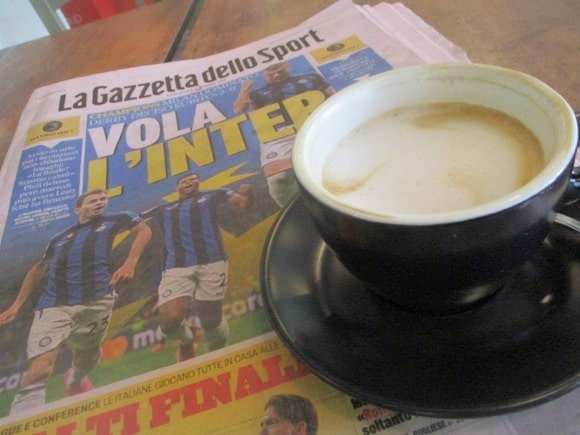
His Saturday-morning Gazzetta Football Italia became essential cult viewing and would show Richardson on a café terrace, perusing fresh copies of Gazzetta and its rivals, mulling over the latest calcio scandals and sipping a frothy cappuccino. It was as far away from grey England as you could get and won over a new generation of fans.

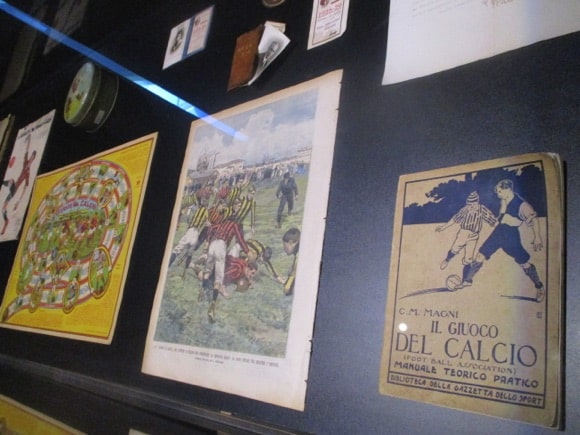
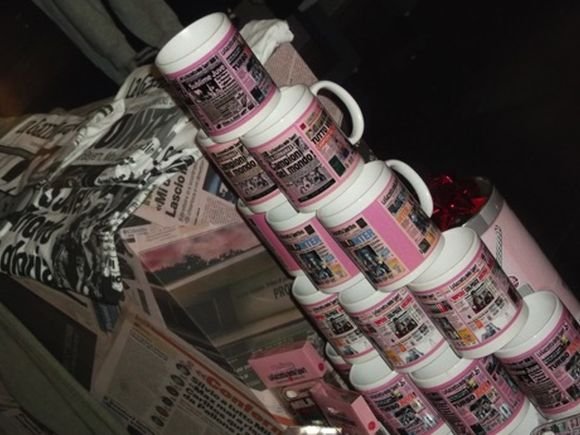
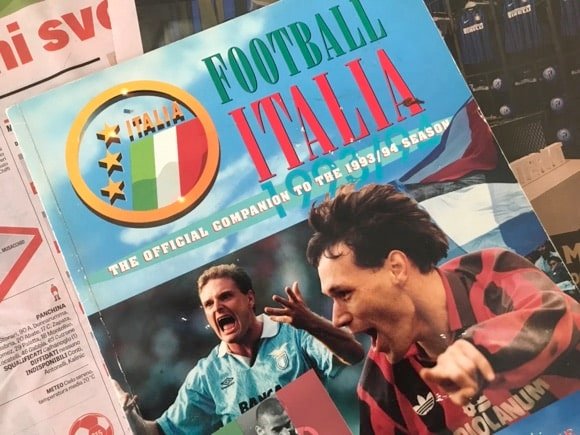
In London, the venerable Bar Italia in Soho became the place to hang out, perusing and posing with a pink Gazzetta purchased from a nearby newsstand further down Frith Street. Until Cantonamania and Euro ’96 swung the spotlight back across the Channel, Gazzetta was cool and Serie A was king. TV money then began to attract the world’s best to London, Manchester and Middlesbrough. Channel 4 screened their last live Serie A game in 2001.
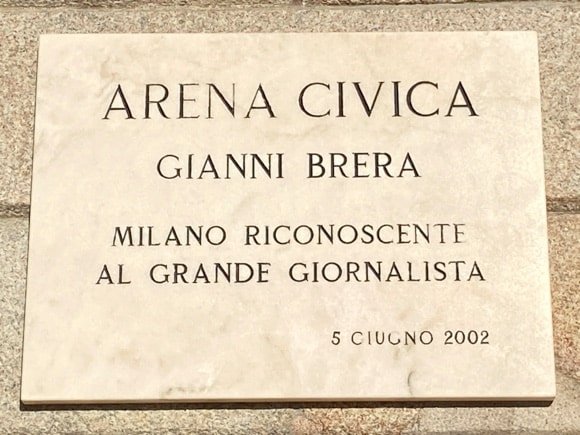
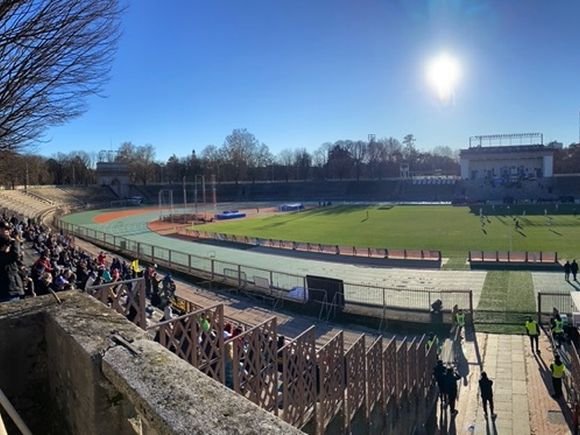
Shortly after Football Italia had started out in 1992, Gianni Brera died in a car crash, leaving behind a golden legacy of imaginative journalese, calcio histories and novels. Based near the historic arena that would take his name, the Arena Civica Gianni Brera, where Italy played their first internationals before World War I, Gazzetta remained at via Solferino for nearly half a century.
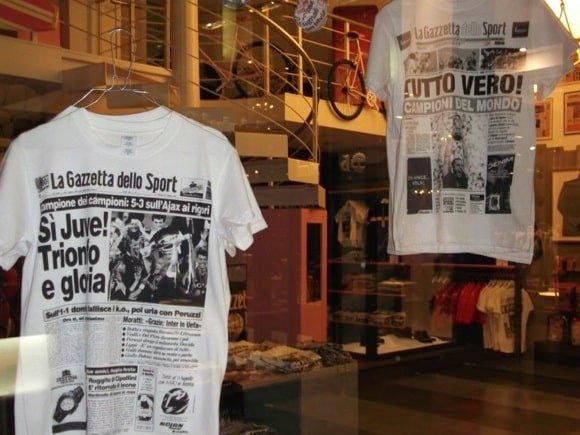
Here, the editorial team would produce the edition that came out the night Italy won the World Cup in 2006 (‘TUTTO VERO!’), outpacing the previous record for daily sales also set by Gazzetta.
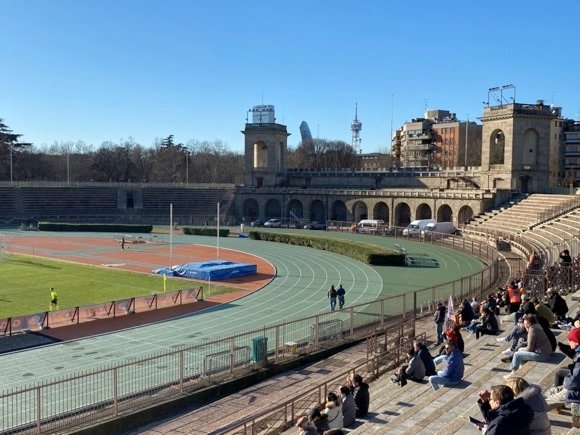


A Gazzetta-branded store was also opened in the city centre and a Gazzetta TV station launched in 2015. Now tabloid, the pink paper still graces every other bar in Italy. Its registered circulation of 122,852 may be less than the 800,000-plus sold over the counter during Italia ’90, and below the 445,000 sales of 2001 – but it is read by way more than these figures indicate, not least online.
Gazzetta is still, 130 years on, a shared form of communication in a country of 70 governments since 1945. And it hasn’t missed a deadline yet.
As its 130th anniversary approached, Gazzetta journalists mourned another upcoming summer without the Azzurri at football’s big jamboree. Under the banner headline, ‘The Third Apocalypse!’, it told its readers: “The Italian catastrophe has now lost its ability to shock… For the first time, an entire generation will have grown up without seeing Italy at a World Cup”.
Three days later, Gazzetta marked its own landmark birthday with a coffeetable book, a short film, Auguri Gazzetta, a number of archive articles and, as always, that day’s edition… in fin-de-siècle green.