TrevorFletcher snaps games and stadiums in Hanoi, Haiphong and Ninh Binh
If all goes to plan, by 2028 the world’s biggest football stadium will not be in Barcelona, London or Madrid but in… Vietnam. Construction has already begun on the 135,000- capacity Trống Đồng, fashioned in the shape of a traditional dong son drum, which will centrepiece the $38-billion Hanoi Olympic Sports City south of Vietnam’s capital.
Unless Hanoi actually hosts the global five-ring circus, Trống Đồng will stick to national celebrations and showcase events. Domestic Vietnamese football still takes place in pleasingly dilapidated stadiums before four-figure crowds. Paying spectators part with an average 150,000 dong – don’t worry, that’s only about €5 – to watch V League 1 matches unfold between August and June, either side of the rainy season, at least here in the north.
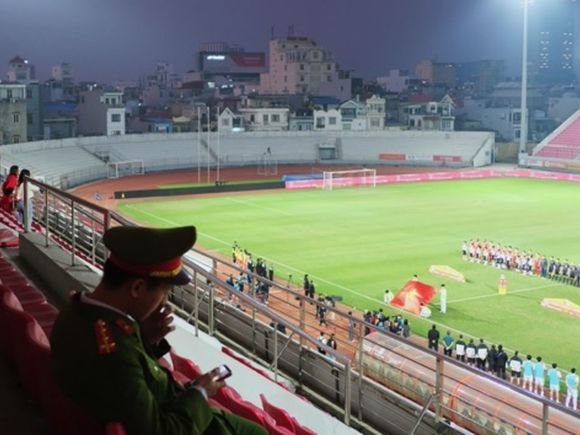
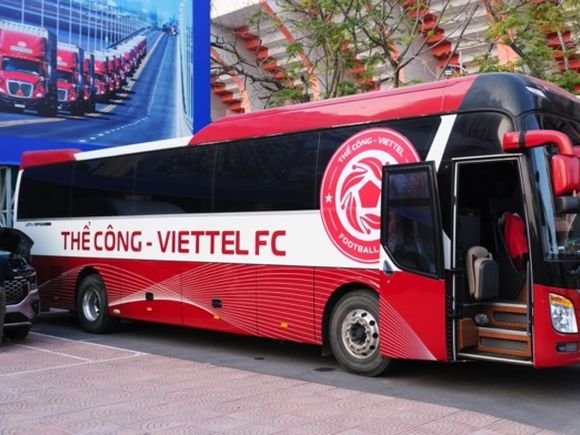
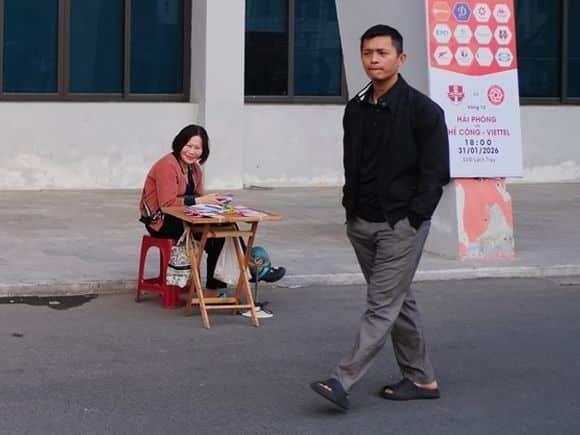
Some of the crowd, particularly at a game involving Thê Công-Viettel, traditionally the army team, will be comprised of soldiers in pristine uniforms enjoying the free entertainment. Some even double up as ticket collectors.
The dutiful game in Haiphong
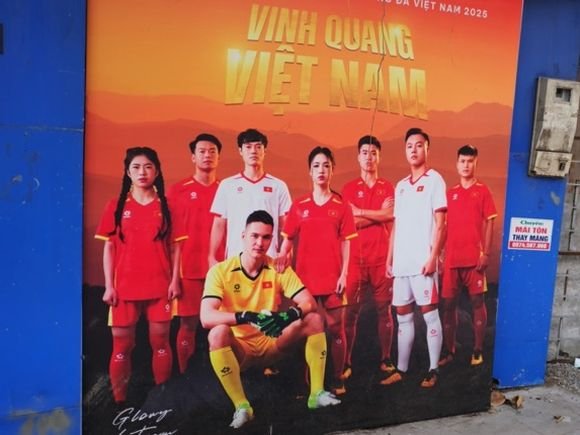
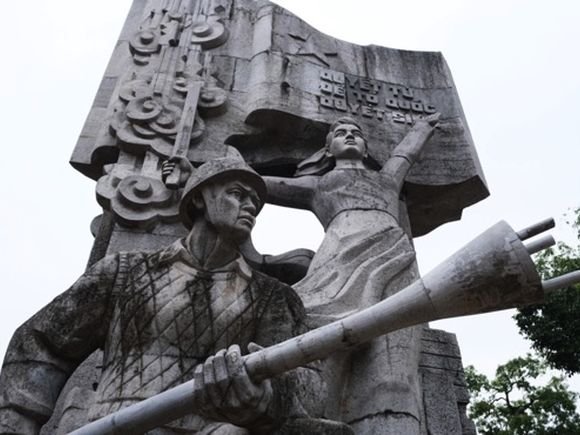
All hail the Golden Star Warriors
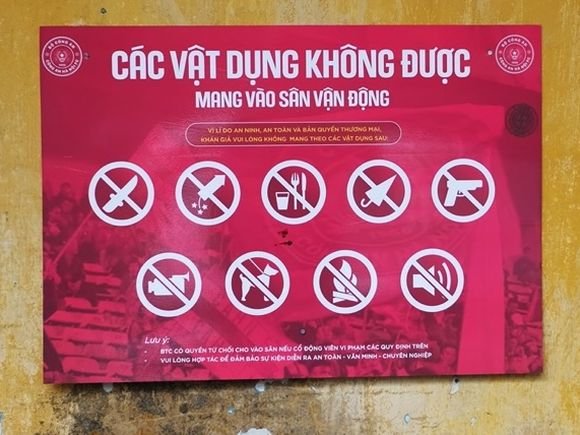
No guns, umbrellas or dogs at Hàng Đẫy Stadium
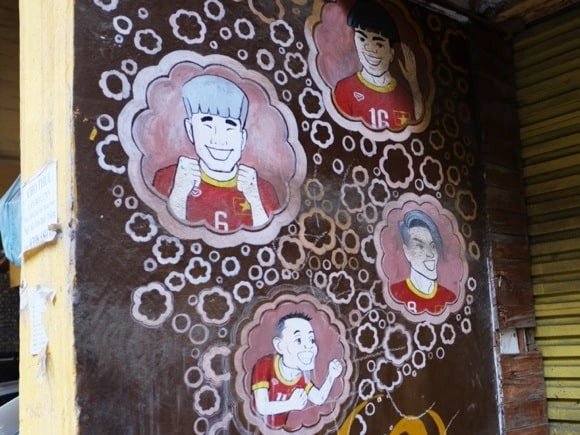
Wall of Fame at Hàng Đẫy Stadium
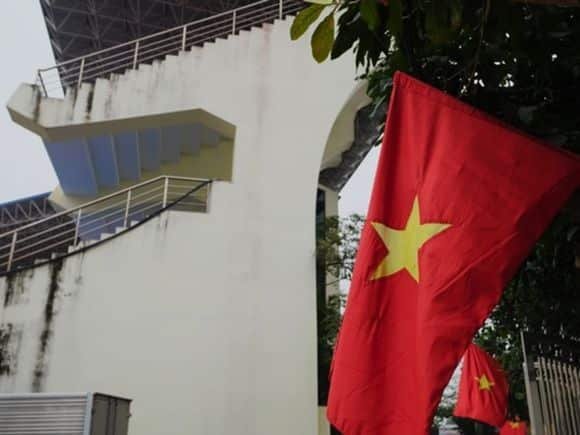
Flag day at Ninh Bình
No pasarán in Vietnam
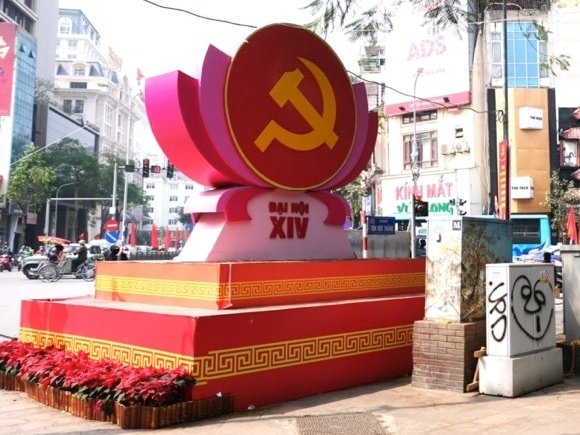
Saying it with flowers in Hanoi
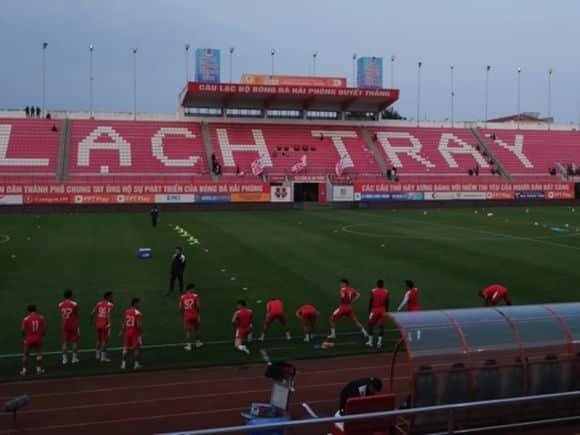
Another packed house at Lach Tray Stadium, Haiphong
Viettel’s arch enemy in the city derby is Công An Hànôi or CAHN, who represent the police. Aficionados of football in Eastern Europe circa 1955 will be delighted to know that this echoes the classic CSKA v Dynamo scenario in Moscow, Honvéd v Újpest in Budapest, and so on.
It is perhaps no coincidence that both CANH and the original Thê Cong – before being sponsored by national telecommunications conglomerate Viettel a decade ago – date to the mid-1950s.
Thê Công won the inaugural Vietnamese League in 1955, then became champions of North Vietnam in 1956, followed by CANH. The other dominant side in former North Vietnam, which somehow continued to run a football championship until reunification in 1976, was Haiphong, a major port east of Hanoi. A 90-minute bus ride away, for a few euros (or 130,000 dong), Haiphong makes for a great getaway/groundhop.
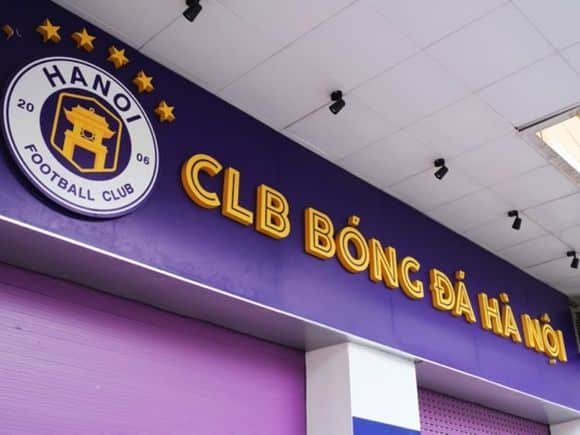
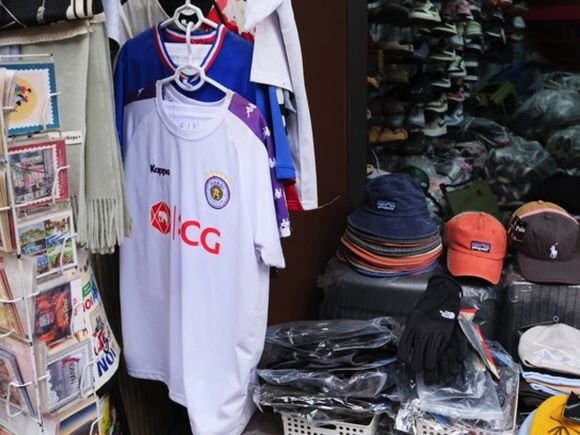
Back in the capital, the third and most successful club in recent years is Hanoi FC, soon to celebrate their 20th anniversary in June 2026. Created by local electronics giant, the T&T Group – currently constructing a 60,000-seater stadium north of the city with Qatari partners – Hanoi became independent in name at least in 2016 after winning a third league title.
All quiet at Ninh Bình Stadium
Thê Công Viettel hit town
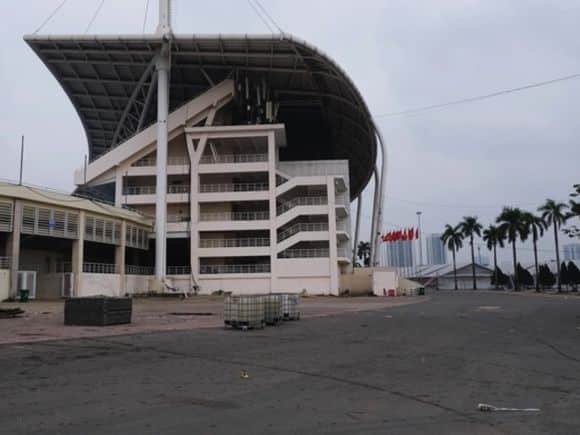
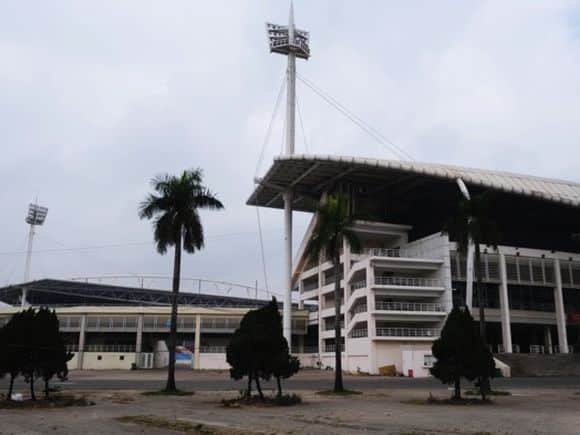
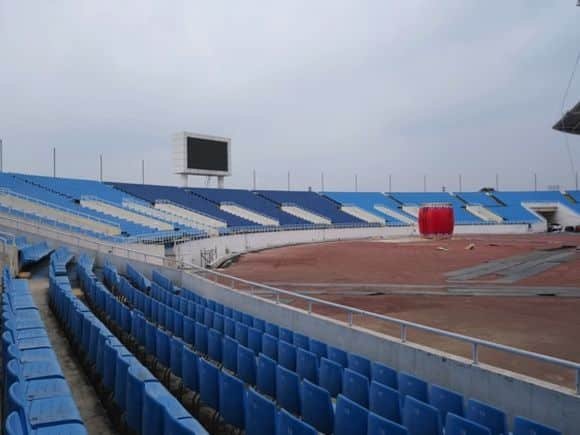
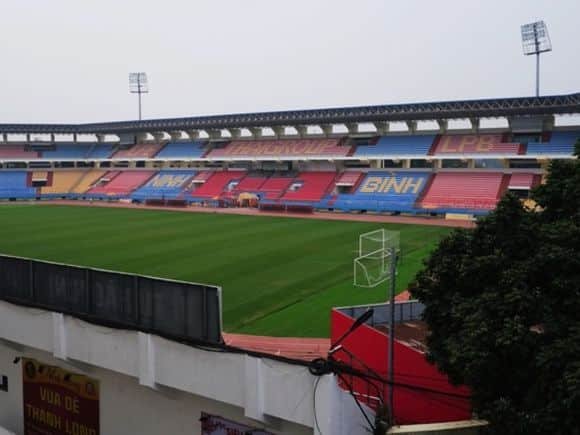
Closed for business – Mỹ Đình National Stadium
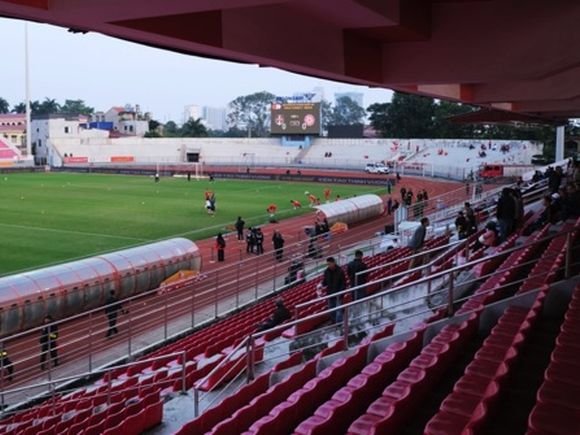
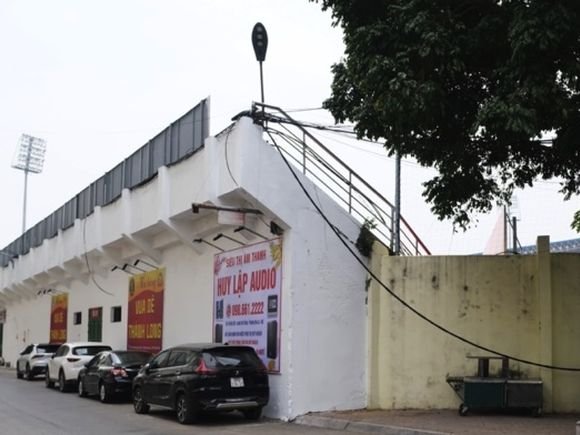
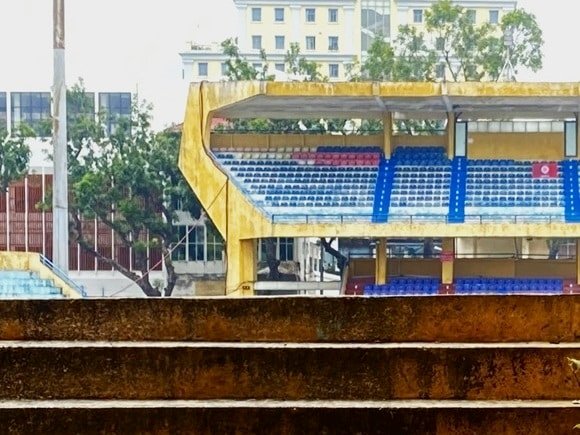
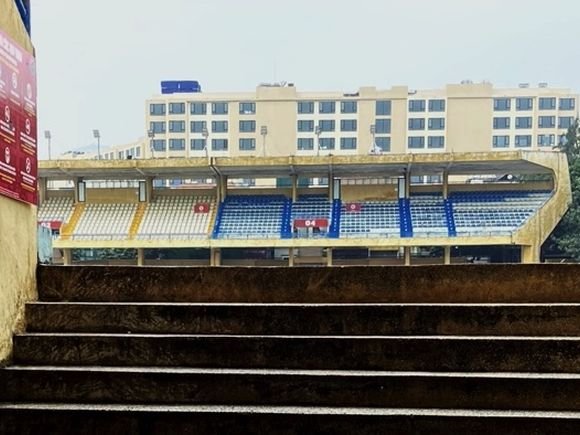
Tatty but tremendous Hàng Đẫy Stadium
The pools panel in session at Haiphong
Mỹ Đình National Stadium ready for action
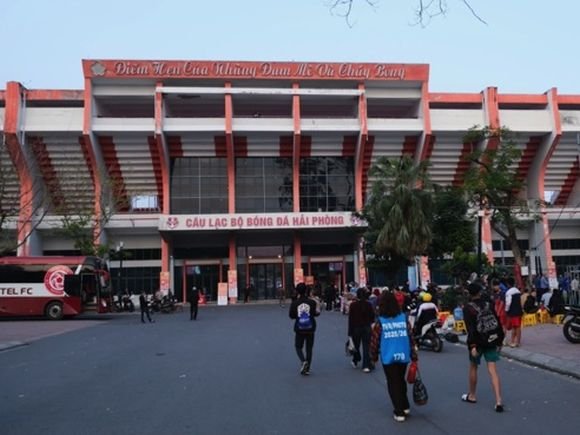
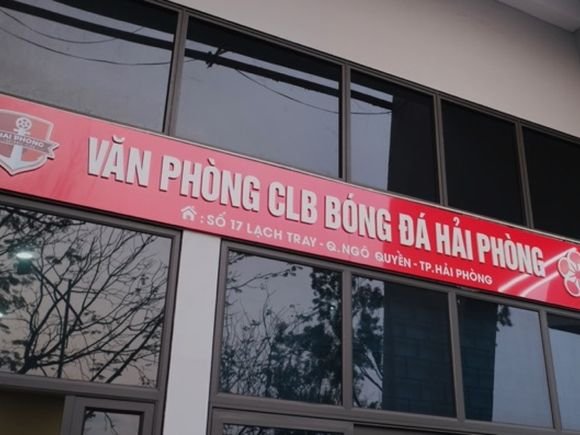
Kick-off at Hải Phòng FC
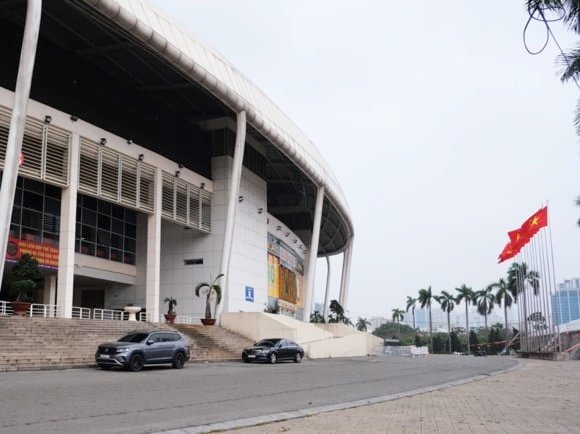
Putting the national in Mỹ Đình National Stadium
With relatively poor support, partly due to a lack of heritage, mainly because of perceived involvement in match fixing, Hanoi FC share the same name as that of a revered club dating back to 1956. Representing that other great cornerstone of Communist football infrastructure, the railways, the original Hanoi FC merged with CANH to become the short-lived Hanoi ACB in 2001.
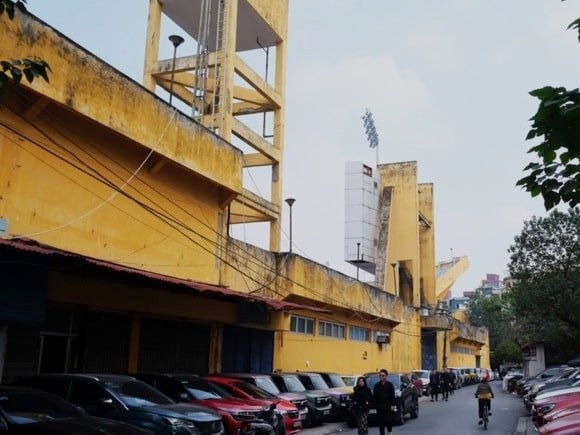
For both iterations of Hanoi FC, the Hàng Đẫy Stadium was and is home. This workhorse of the local football scene was built by the French in 1934 as a sports ground for students of physical education. Retaining its running track, it was rebuilt after the French left Vietnam in the mid-1950s, and that’s pretty much what you see today.
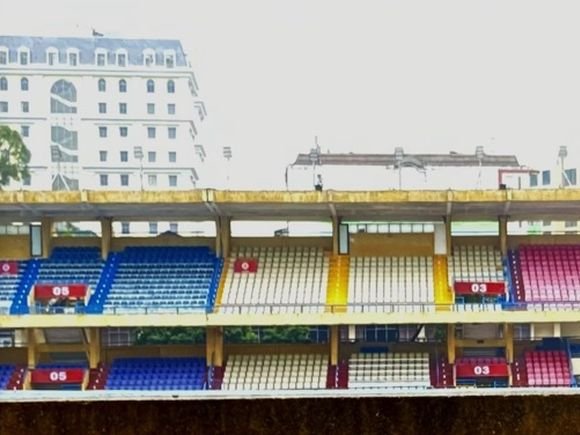
It’s also why capacity is a modest 15,000 instead of 22,500, as the upper tier of the main stand is out of commission. On the plus side, it’s right in town, about 1km west of the city’s main train station, 2km west of the French Quarter, walking distance or a moped hop from both. Even its tatty exterior blends in with the faded yellow ochre colours of public buildings. Nonetheless, given the fact that three teams currently use it, Hàng Đẫy has held up pretty well.
Another coat needed at Hàng Đẫy Stadium
Capital flagship – Hanoi FC
Home to three clubs – Hàng Đẫy Stadium
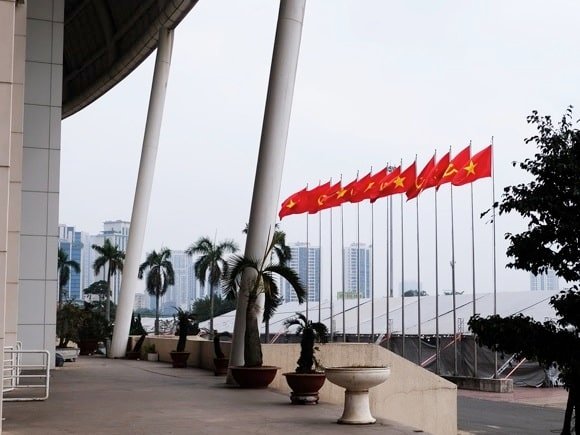
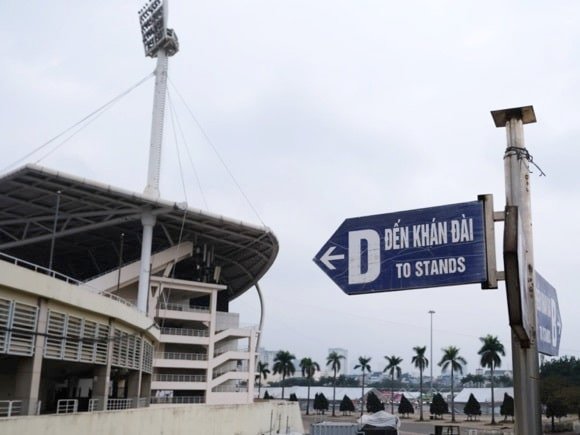
Pointing the way at Mỹ Đình National Stadium
The Red Tide on the attack at Haiphong
A worm's eye view of Ninh Bình
Get your merch at Hanoi FC
Renovating Mỹ Đình National Stadium
Superseded by the Mỹ Đình National Stadium in 2003, Hàng Đẫy still stages the occasional international fixture, such as Vietnam’s friendly with Bangladesh on March 26 of this year. As well as regular co-tenants police team Công An Hànôi (CANH), Hàng Đẫy is also hosting Thê Công-Viettel, meaning their fans don’t have to make the 10km trek west of town to Mỹ Đình.
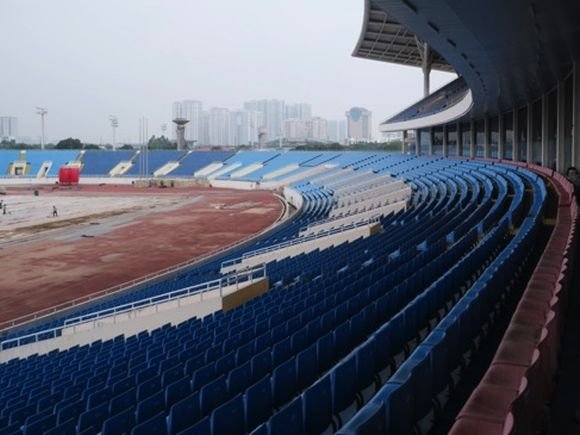
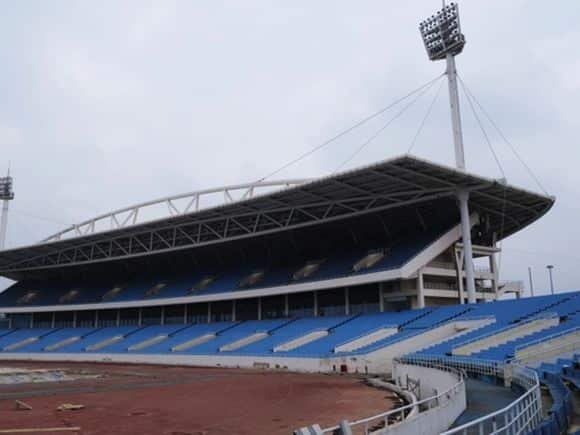
Built for the South-East Asian Games of 2003, Mỹ Đình has borne witness to scores of vital qualifiers and showcase fixtures in its time – a capacity 40,000 watched the 2022 World Cup qualifier with Thailand here, and crowds flocked for friendlies involving Arsenal, Manchester City and Brazil’s Olympic XI – but the games that stand out are the ones where the condition of the stadium overshadowed the football itself.
When Australia came here to play during the pandemic, the pitch was unfavourably compared to a cow field, at which point the authorities wondered where the maintenance money had been spent. There were similar complaints for a friendly between Vietnam and Borussia Dortmund in 2022, when the goal frame came loose before the hosts could take a late penalty.
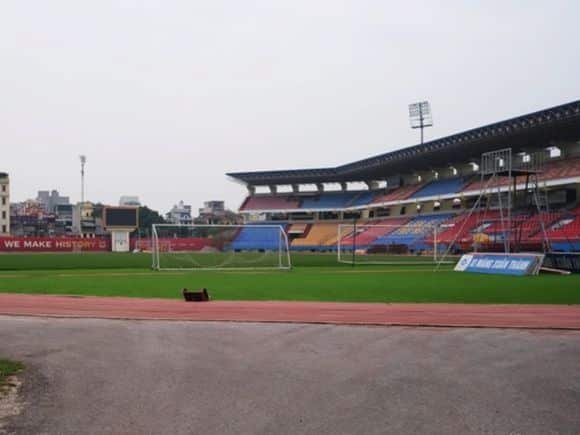
Grey day at Mỹ Đình National Stadium
Match day at Haiphong
Downtown ground – Hàng Đẫy Stadium
Vietnam's Wembley – Mỹ Đình National Stadium
Colourful Ninh Bình Stadium
Putting the phong and bong into Haiphong
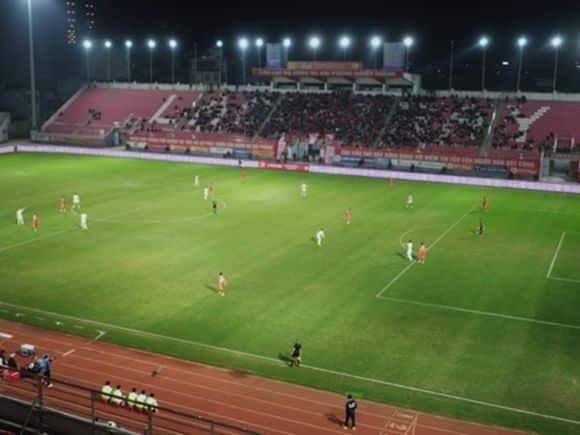
Friday night lights at Haiphong FC
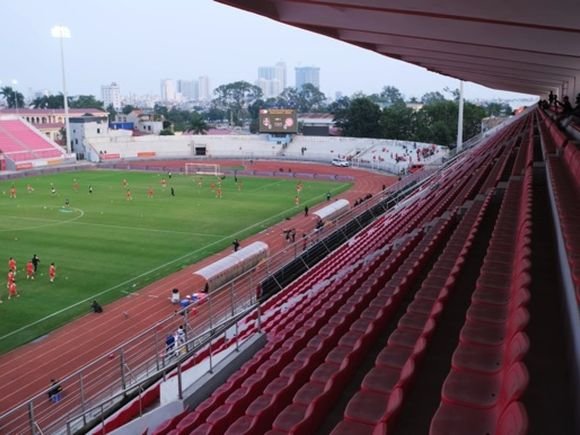
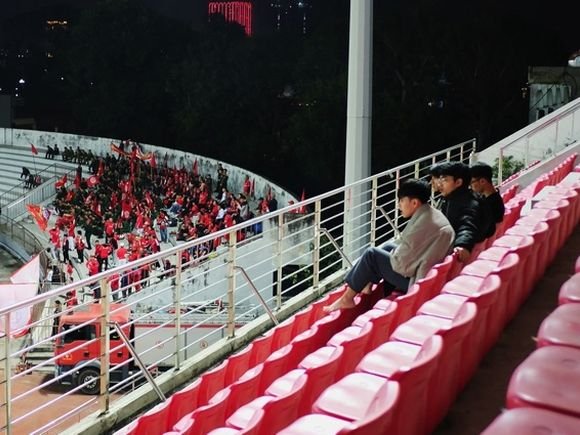
Red is the colour at Lach Tray Stadium
Forever under a pall of smog – Hanoi is one of the most polluted cities on Earth – Mỹ Đình is probably only worth visiting for a major international, particularly involving the popular U-23 side. A near full house of 39,898 watched Vietnam U-23 beat their Thai counterparts here to claim gold at the South-East Asian Games in 2021. They’ll have to fix that pitch before the Golden Star Warriors do battle here once more, however.
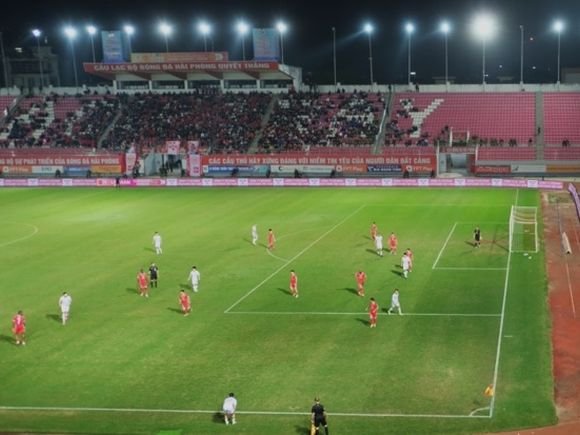
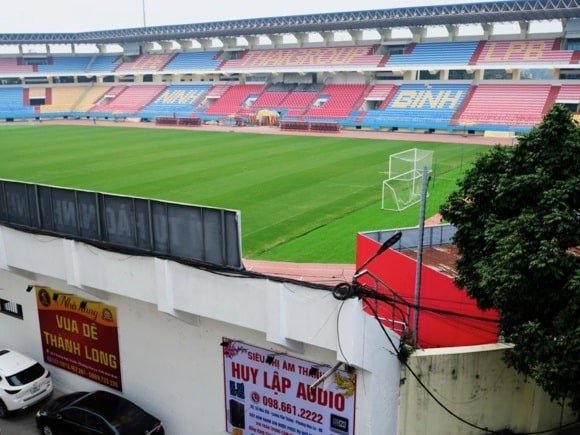
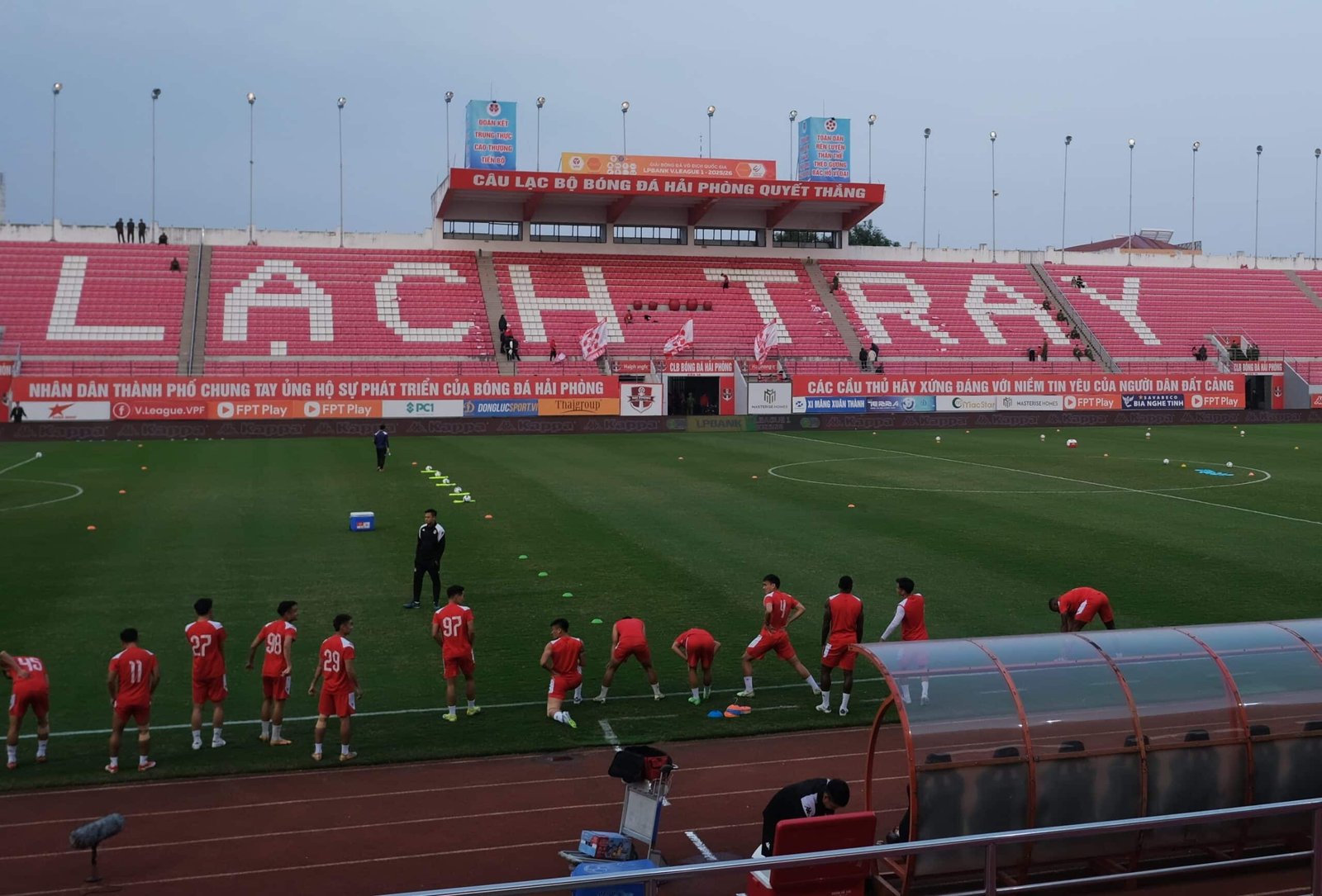
For football passion at domestic level, board the regular train or hourly bus to Haiphong to the smart Lach Tray Stadium on the street of the same name near the centre of this busy port. A list of the teams who once called the former Central Stadium home attests to the industrial nature of Vietnam’s third-largest city: Hải Phòng Cement, Cấm River Chemicals and Hải Phòng Electricity, whose club badges would be rare finds for any pin collector.
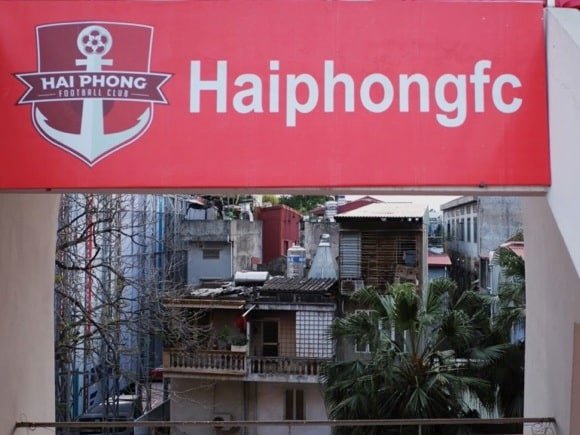
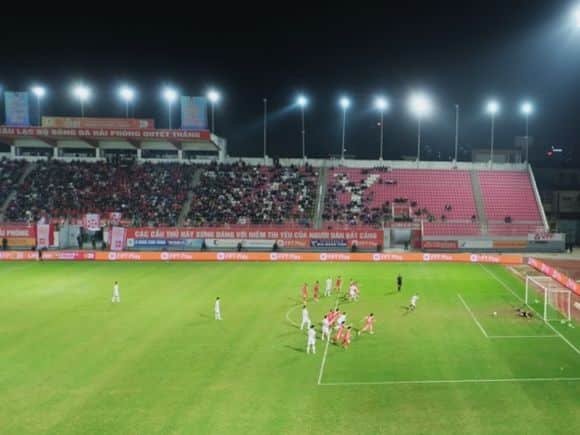
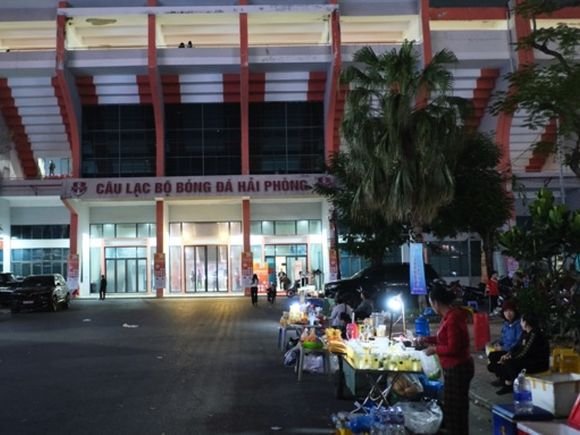
Today, noisy ultras following The Red Tide gather here to fly the red flag for Haiphong FC, the dominant side during the Vietnam War. Northern derbies with Thê Công-Viettel can get pretty lively. Stadium capacity of 30,000 fire-red seats is the highest in V League 1 now that the Mỹ Đình is closed for the duration. Outside, rows of snack stalls await custom but beer is scarce inside or around the ground.
The groundsman earns his corn at Ninh Bình
Anchors away at Haiphong FC
Mỹ Đình ready for action... one day
Friday night and the gates are low at Haiphong FC
Haiphong FC casuals
You'll never take the Haiphong
On the level at Ninh Binh
Snack attack at Haiphong FC
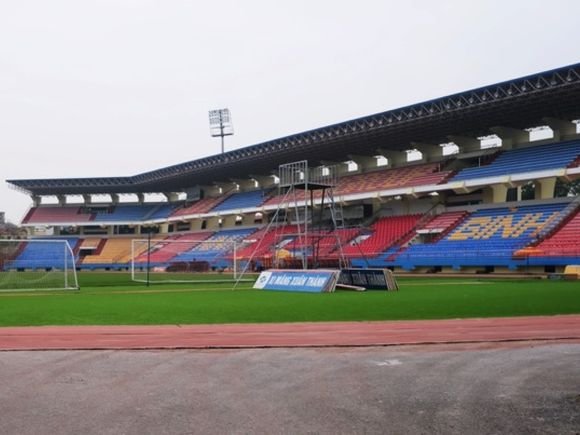
The other easy groundhop is to Ninh Bình, home of the recently promoted club of the same name, two hours south of Hanoi by hourly bus. Currently standing third in the V League 1, behind CAHN and Thê Công-Viettel, Ninh Bình currently attract the highest gates in the top flight, nearly 10,000, to the Ninh Bình Arena.
Conveniently set by the spiffy Hotel Vissai in the city centre, an easy request to taxi drivers with an outdoor pool for guests, the 25,000-capacity ground was also the home of disgraced former national champions Vissai Ninh Bình, dissolved after yet another match-fixing scandal.
Ninh Bình were originally Hanoi side Phù Đổng, whose Thanh Trì stadium was too modest for elite football, even in Vietnam, so the club upped sticks and adopted name of its relation. Loomed over by vast, Soviet-style skyscrapers in deepest south Hanoi, Sân vận động Thanh Trì might just be a groundhop too far for most football travellers.
We use cookies on our website to give you the most relevant experience by remembering your preferences and repeat visits. By clicking “Accept All”, you consent to the use of ALL the cookies. However, you may visit "Cookie Settings" to provide a controlled consent.
This website uses cookies to improve your experience while you navigate through the website. Out of these, the cookies that are categorized as necessary are stored on your browser as they are essential for the working of basic functionalities of the website. We also use third-party cookies that help us analyze and understand how you use this website. These cookies will be stored in your browser only with your consent. You also have the option to opt-out of these cookies. But opting out of some of these cookies may affect your browsing experience.
Necessary cookies are absolutely essential for the website to function properly. These cookies ensure basic functionalities and security features of the website, anonymously.
Cookie
Duration
Description
cookielawinfo-checkbox-analytics
11 months
This cookie is set by GDPR Cookie Consent plugin. The cookie is used to store the user consent for the cookies in the category "Analytics".
cookielawinfo-checkbox-functional
11 months
The cookie is set by GDPR cookie consent to record the user consent for the cookies in the category "Functional".
cookielawinfo-checkbox-necessary
11 months
This cookie is set by GDPR Cookie Consent plugin. The cookies is used to store the user consent for the cookies in the category "Necessary".
cookielawinfo-checkbox-others
11 months
This cookie is set by GDPR Cookie Consent plugin. The cookie is used to store the user consent for the cookies in the category "Other.
cookielawinfo-checkbox-performance
11 months
This cookie is set by GDPR Cookie Consent plugin. The cookie is used to store the user consent for the cookies in the category "Performance".
viewed_cookie_policy
11 months
The cookie is set by the GDPR Cookie Consent plugin and is used to store whether or not user has consented to the use of cookies. It does not store any personal data.
Functional cookies help to perform certain functionalities like sharing the content of the website on social media platforms, collect feedbacks, and other third-party features.
Performance cookies are used to understand and analyze the key performance indexes of the website which helps in delivering a better user experience for the visitors.
Analytical cookies are used to understand how visitors interact with the website. These cookies help provide information on metrics the number of visitors, bounce rate, traffic source, etc.
Advertisement cookies are used to provide visitors with relevant ads and marketing campaigns. These cookies track visitors across websites and collect information to provide customized ads.