
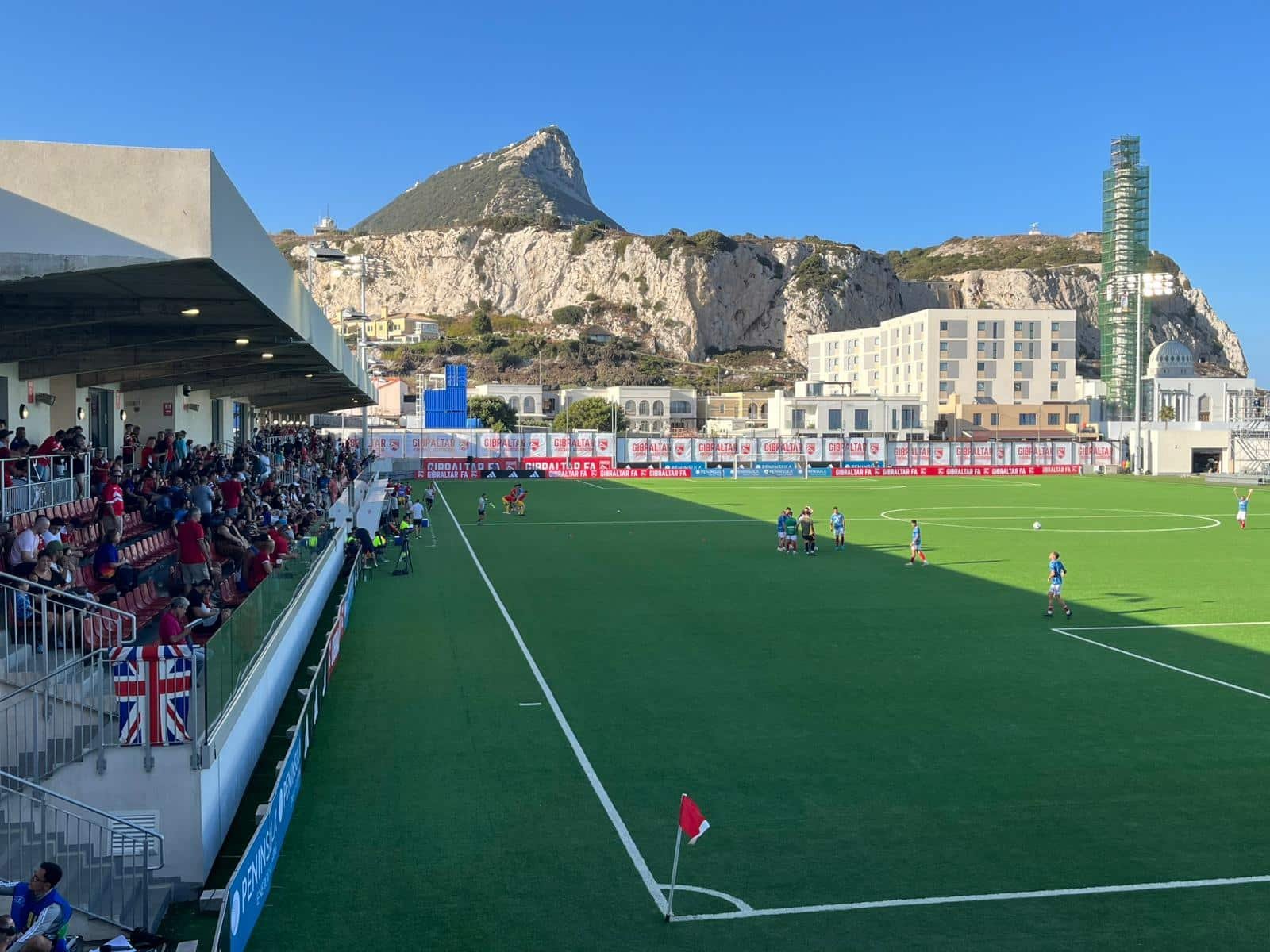
The field of dreams – and the story behind it
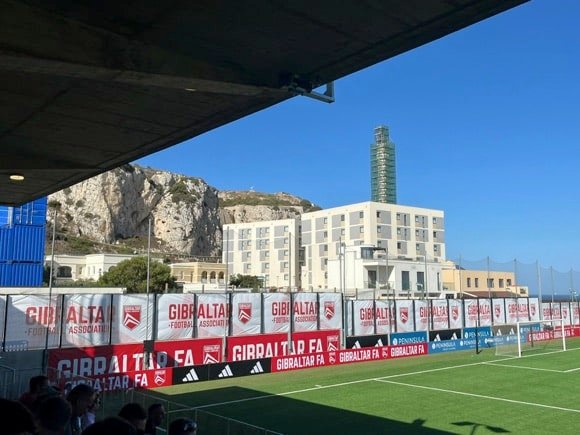
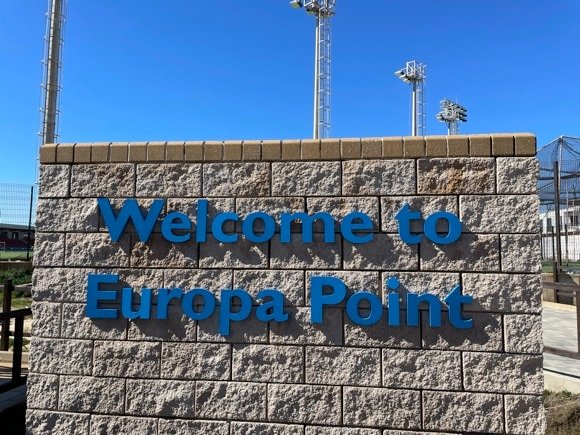
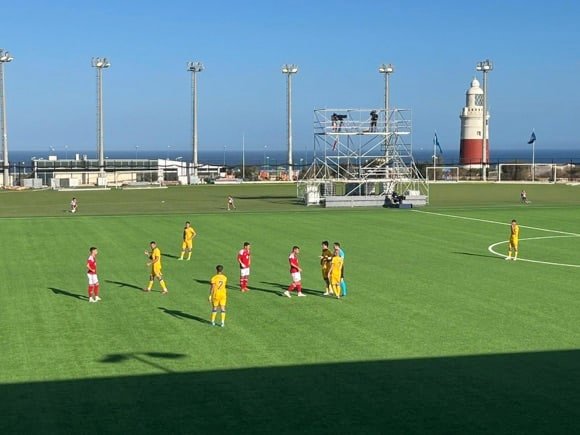
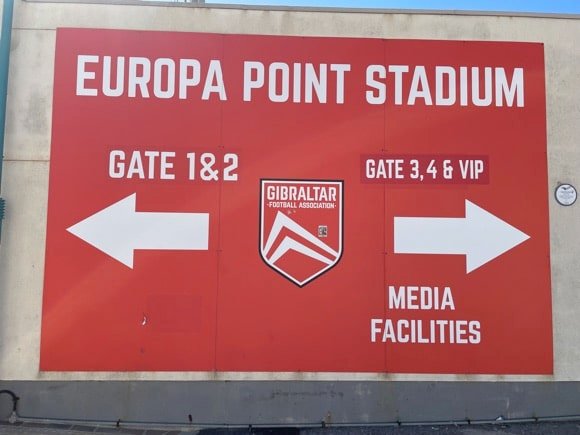
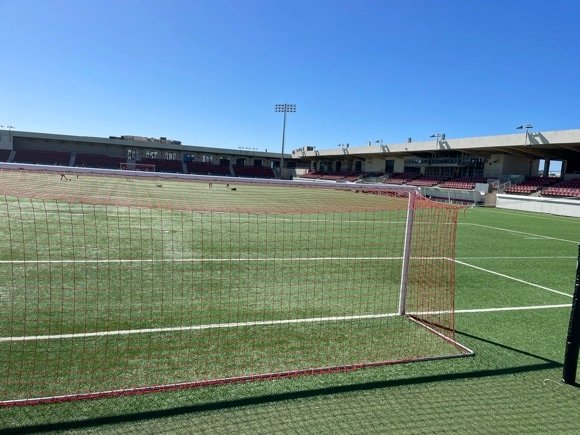
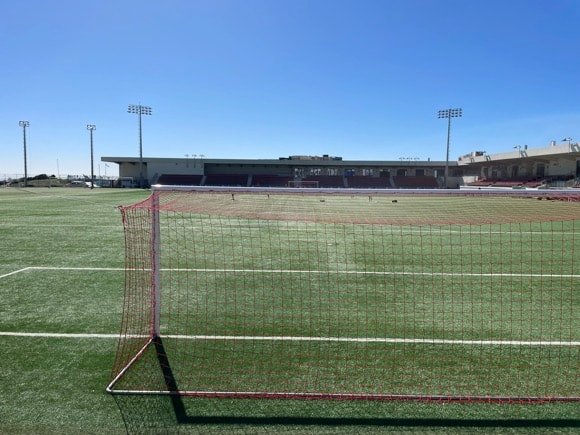
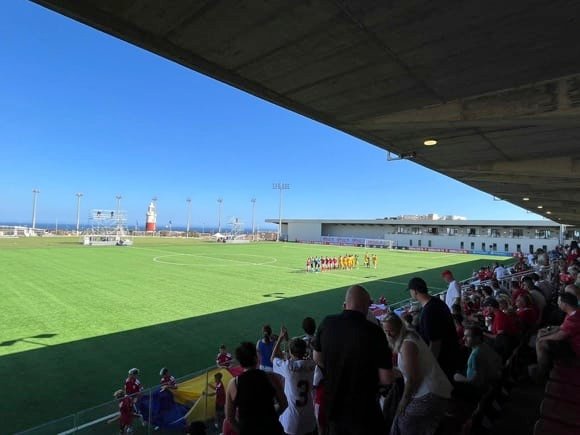
In September 2024, minor Gibraltarian celebrities DJ Wayne, Hawk Hayes and Steven Soussi provided two hours of pre-match entertainment as the Europa Point Stadium prepared to stage its first ever international match, a friendly between the hosts and Andorra. Four days later, this newly built ground in a sports complex dramatically poised at Europe’s south-western point hosted its first competitive fixture, a Nations League tie with Liechtenstein.
More than a decade after Gibraltar climbed on board the international bandwagon to compete in the biennial merry-go-round of qualifying rounds for major finals, later interspersed with the more egalitarian Nations League tournament, Team 54 had earned their moment. Playing at their own modern-day home ground, the national side which had become the 54th to join the UEFA family in 2013 was just putting together a seven-game unbeaten run initiated in the last throes of their exile in Portugal.
Gibraltar’s groundbreaking debut, and nearly all ‘home’ games of any significance thereafter, took place in the Algarve. Rather than play them in Spain, with whom Gibraltar has a tortuous relationship, particularly in the light of the Brexit referendum for which 96% of Gibraltarians voted remain, matches were staged at the Estádio Algarve 400km away, 12km from Faro.
Built for Euro 2004, the Populous-designed arena hosted Gibraltar more than 20 times, witnessing no few heavy defeats – 0-7 to Poland, 0-7 to Germany, 0-6 to Estonia. Team 54 also played a number of games at what was the only ground on the Rock until the development at Europa Point, Victoria Stadium.
Until 2018, these were all friendlies. Created as a sports ground for the British military in 1926 and named after the wife of a Gibraltar-born coal mogul and philanthropist, Victoria Mackintosh, this geographical anomaly lay close to the runway of Gibraltar airport and, more significantly, on a disputed isthmus between Spain and the British outpost. When Gibraltar submitted its original application to join UEFA in 2007, the Spanish authorities had their lawyers study the Treaty of Utrecht from 1713, which had ceded the Rock to Great Britain three centuries earlier.
As the representatives of the Sun King and Queen Anne were unaware of any football stadium in Gibraltar, their agreement failed to deal with the legality of the stadium’s location – and so Spain duly objected to its use for competitive fixtures involving the national side. UEFA also deemed the ground unsuitable for such purposes. European club fixtures, however, were fine, which is how Celtic ended up losing 1-0 to Lincoln Red Imps there in July 2016.
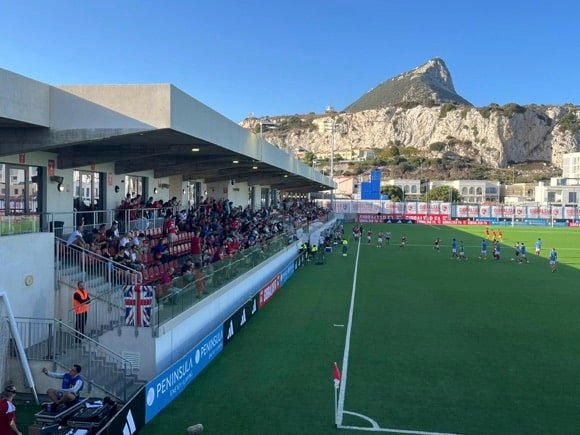
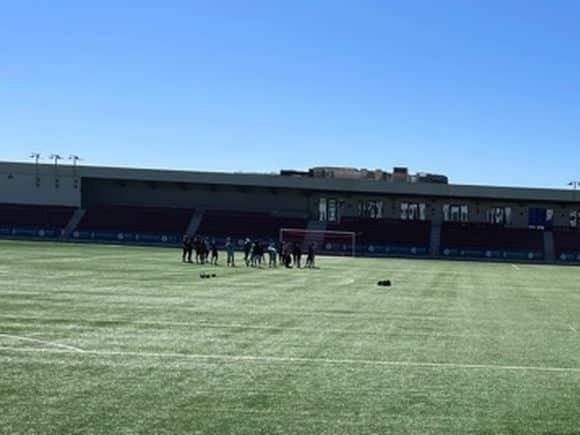
It also, of course, staged all domestic fixtures of the Gibraltar Premier and Second Divisions, since merged into one as the Gibraltar Football League.
The irony of the Gibraltar FA buying the Victoria Stadium from the government in 2017 and initiating a complete renovation in 2023 was that by 2025, it would be demolished. The background to the creation of Europa Point, which has since usurped the now flattened Victoria Stadium, is almost as complex as the drawing up of the Treaty of Utrecht.
The original Europa Point, named after the headland it stands on, jutting out towards Africa, was earmarked for a much more ambitious project around the time of Gibraltar’s accession to UEFA. With the proposed stadium almost as far from Spain as you can be on Gibraltar and various features being built around the site to create a tourist attraction, a blueprint for an 8,000-seater arena with bars, restaurants, a museum and a viewing platform was duly commissioned.
Once cost estimates approaching £40 million were calculated, the Gibraltarians baulked. Some even formed a pressure group, Save Europa Point, to lobby against this unique promontory being monopolised by a football stadium whose capacity would almost never be utilised. The authorities duly took a longer, harder look at improving the flawed Victoria Stadium.
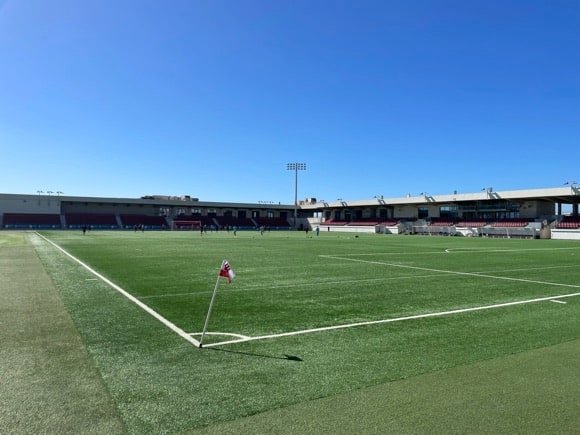
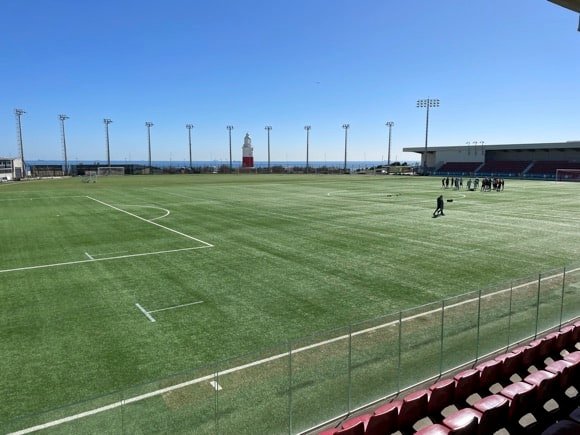
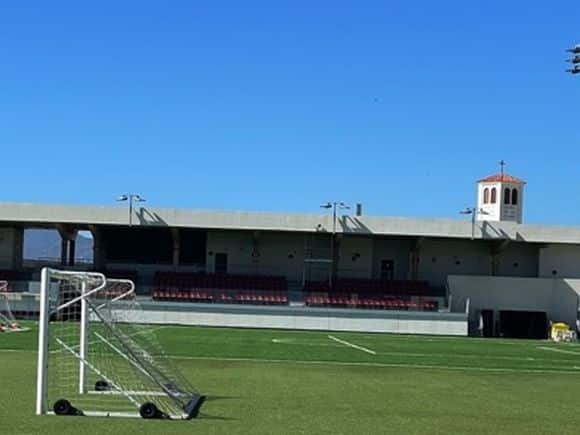
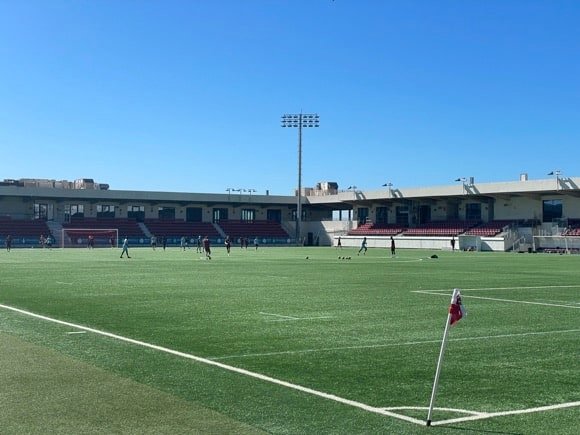
But Europa Point was not averse to sport. Long used by the British Military for rugby and cricket, the site would remain a modest complex of two football training pitches and a main one for summer/winter use as established. Awarded hosting of the 2019 Island Games in 2016, Gibraltar redeveloped its facilities to accommodate some 2,000 athletes from 24 islands, but could not offer football, integral to this curious global event since its inception in 1985.
While the sailing, triathlon and ten-pin bowling events went ahead as planned, much to Gibraltar’s embarrassment, Anglesey offered to step in to stage an unofficial football tournament. Downscaling their overambitious vision for Europa Point, the Gibraltarian authorities played behind-closed-doors fixtures at Victoria Stadium during the pandemic restrictions, moving internationals back to the Algarve from the spring of 2023.
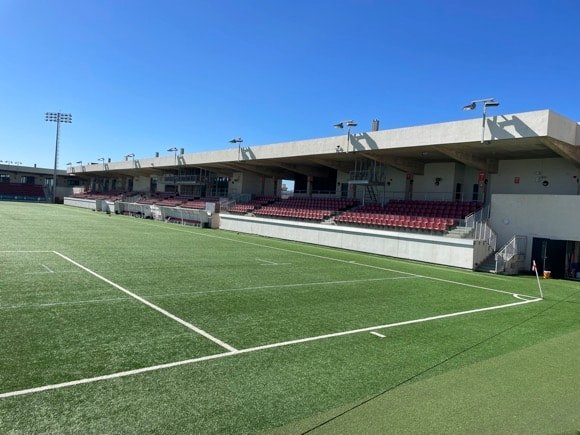
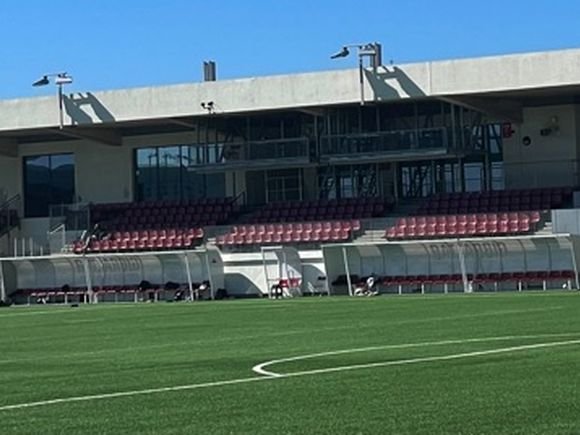
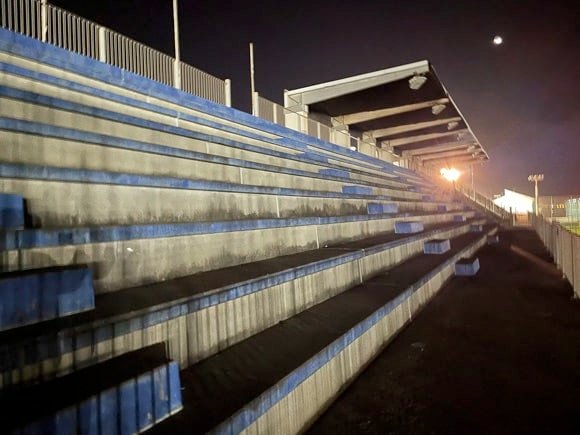
By then, wheels were in motion to stage football matches at Europa Point – then consisting of a single west stand containing 800 seats. The following May, UEFA agreed that Gibraltar could stage Nations League games and the early rounds of European club competitions there.
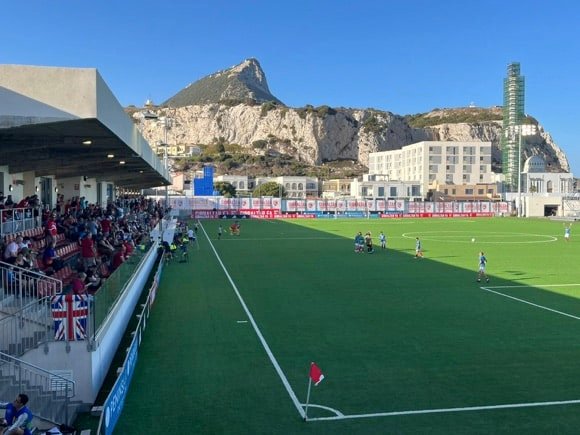
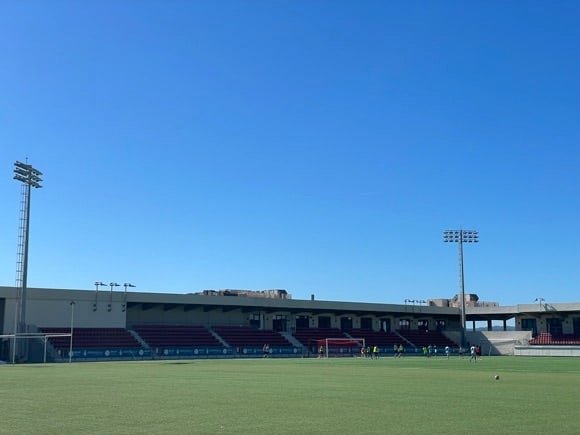
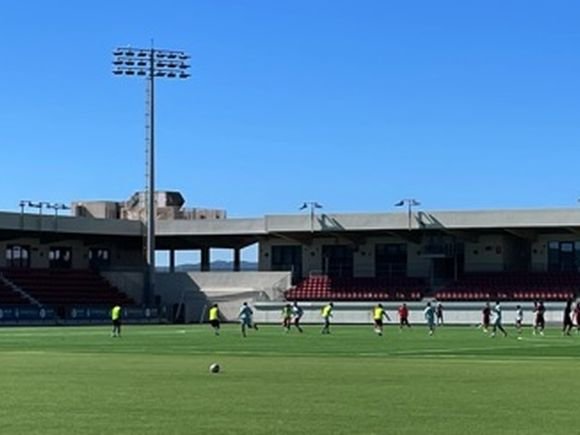
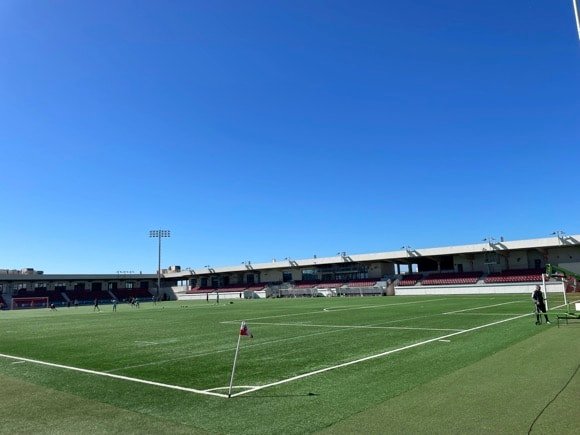
The following month, June 2024, Team 54 played its last games at the Estádio Algarve, a 2-0 defeat by Scotland and a 0-0 draw with Wales, the start of a seven-game unbeaten run, four of those games played at Europa Point. That initial week in early September, to much fanfare, Gibraltar beat Andorra and drew with Liechtenstein, whose 104th-minute equaliser from the penalty spot would have a significant effect on the eventual standings in Nations League Group D.
Missing out on promotion to Group C by one point, Team 54 were then forced to play Latvia in a play-off in March 2026. A healthy crowd of nearly 1,500 was registered, thanks to the opening of another stand on the south side of Europa Point, raising capacity to 2,100.
Despite a narrow defeat to their Baltic opponents, Gibraltar continued to attract decent attendances for internationals, nearly 2,000 witnessing high-scoring friendlies in June 2026 with teams representing the British Virgin Islands and the Cayman Islands, tax arrangements for the gate revenue so far unclear.
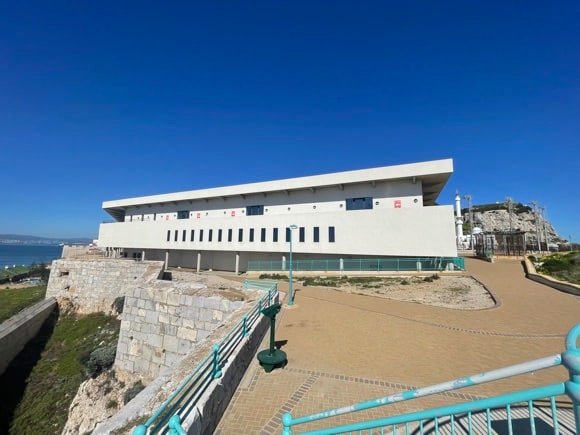
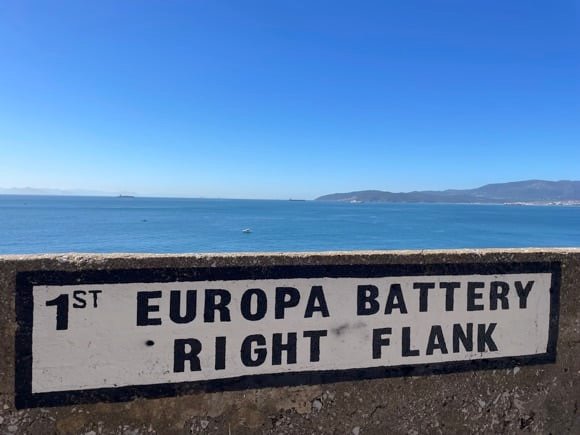
Europa Point is also used by the three Gibraltarian teams starting out in two of the three European club competitions, invariably involving Irish opposition. Visitors may be dismayed to realise that the attractions surrounding the Europe Sports Park – a mosque, a memorial to a Polish war hero, a lighthouse – do not yet include a pub.
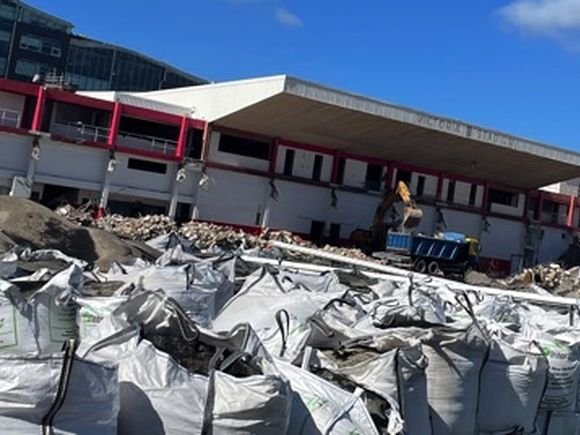
Back at the other end of Gibraltar, with the Victoria Stadium demolished, a project similar to the one originally envisaged for Europa Point is beginning to take shape, with a complex of retail and residential properties to surround a new, 8,000-seater stadium. While the timeframe for delivery has yet to be announced, £100 million towards the development has been pledged by the Gibraltar Savings Bank, calling into question the £16.5 million the Gibraltar FA paid the local government for the original ground, and the land it stood on, back in 2017.
Investors would have been heartened, however, by the news in July 2026 that the hard land border between Gibraltar and Spain was being removed. From now on, a groundhop to the Estadio Municipal Ciudad de La Línea, home of fifth-league Linense of frontier town La Línea de la Concepción, couldn’t be easier.
The stadium was built in 1969 in the aftermath of Franco’s hard closure of the border between Spain and Gibraltar, as a sop to locals who lost their livelihoods on the Rock. As if to labour the point, Spain’s World Cup qualifying game with Finland was staged there that October. Fifteen years later, Yugoslavia were the visitors, shortly after Spain had reopened the border in preparation for EU accession.
getting here
Going to the stadium – tips and timings

Bus route 2 operated by the Gibraltar Bus Company runs from Market Place to Europa Point (Mon-Fri every 15mins, Sat-Sun every 30mins) 15mins away. Note that the last services in either direction set off at 9pm, every day.
There are taxi ranks at the airport and at main Casemates Square. Taxis (+350 2007 0027) are often used to tour the Rock but can be used for single journeys. Note that cars drive on the right in Gibraltar.
