Your complete guide to the biggest show on the planet
The biggest World Cup in history, the last one before its centenary, involves a gargantuan 48 teams, up from 32 which was already considered unwieldy when introduced in a previous century seven World Cups ago.
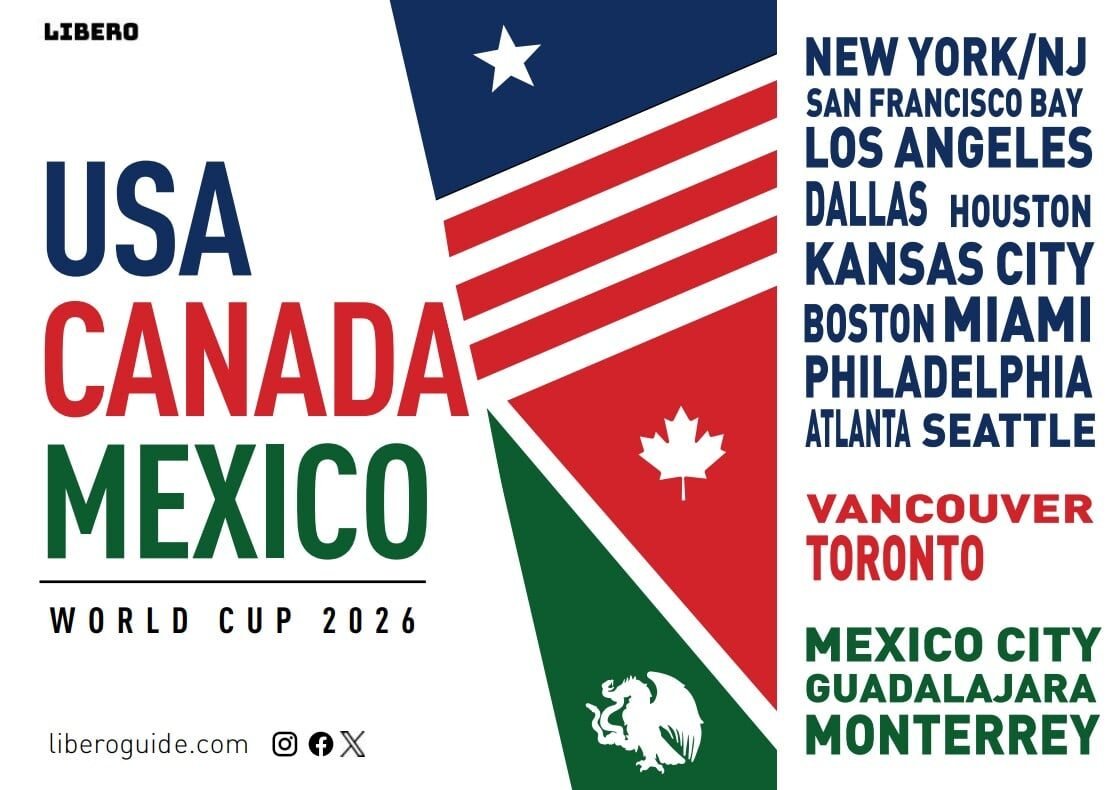
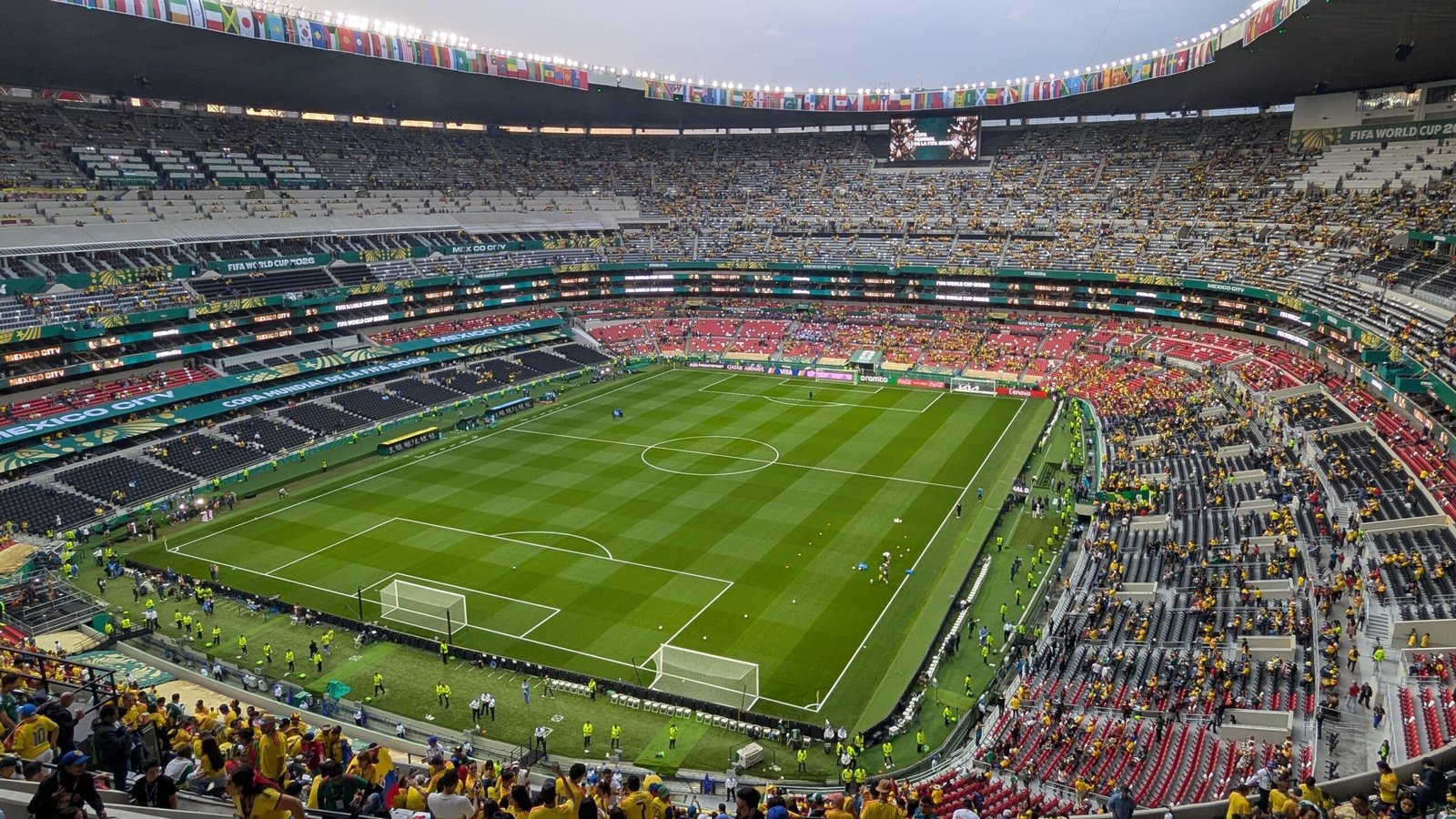
Initially announcing rival bids, the US, Canada and Mexico combined forces to secure co-hosting rights in 2018, an original 41 potential venue cities whittled down to 16 by the official announcement was made in June 2022. While Mexico has the honour of staging the grand opening at the Azteca Stadium, scene of the 1970 and 1986 finals starring two of the greatest players in the history of the game, after the Round of 16, the circus moves on. 2026 is very much America’s World Cup, and not just from the quarter-finals onwards.
Download your full guide to the World Cup – city by city, stadium by stadium, fan zone by fan zone, bar to bar to bar, across the US, Canada and Mexico!
Of the 16 venue cities, only three are in Mexico and two in Canada. This is not Mexico’s first rodeo, of course, the country welcoming the World Cup for a record third time, while Canadians turned out in significant numbers to watch the Women’s World Cup in 2015.
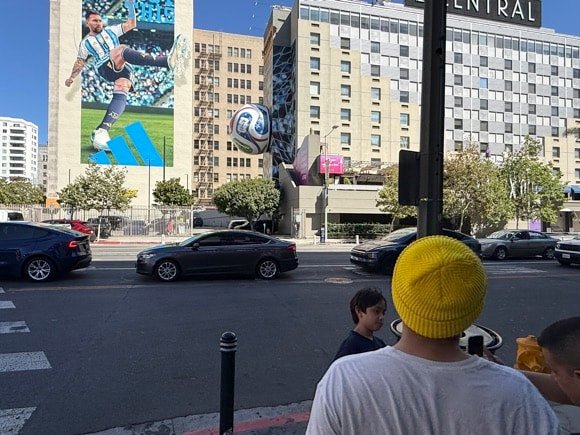
For those who remember America’s first World Cup in 1994, the tense final at the Rose Bowl, Escobar’s fateful own goal and Diana Ross’ penalty blooper, this is now a very different country.
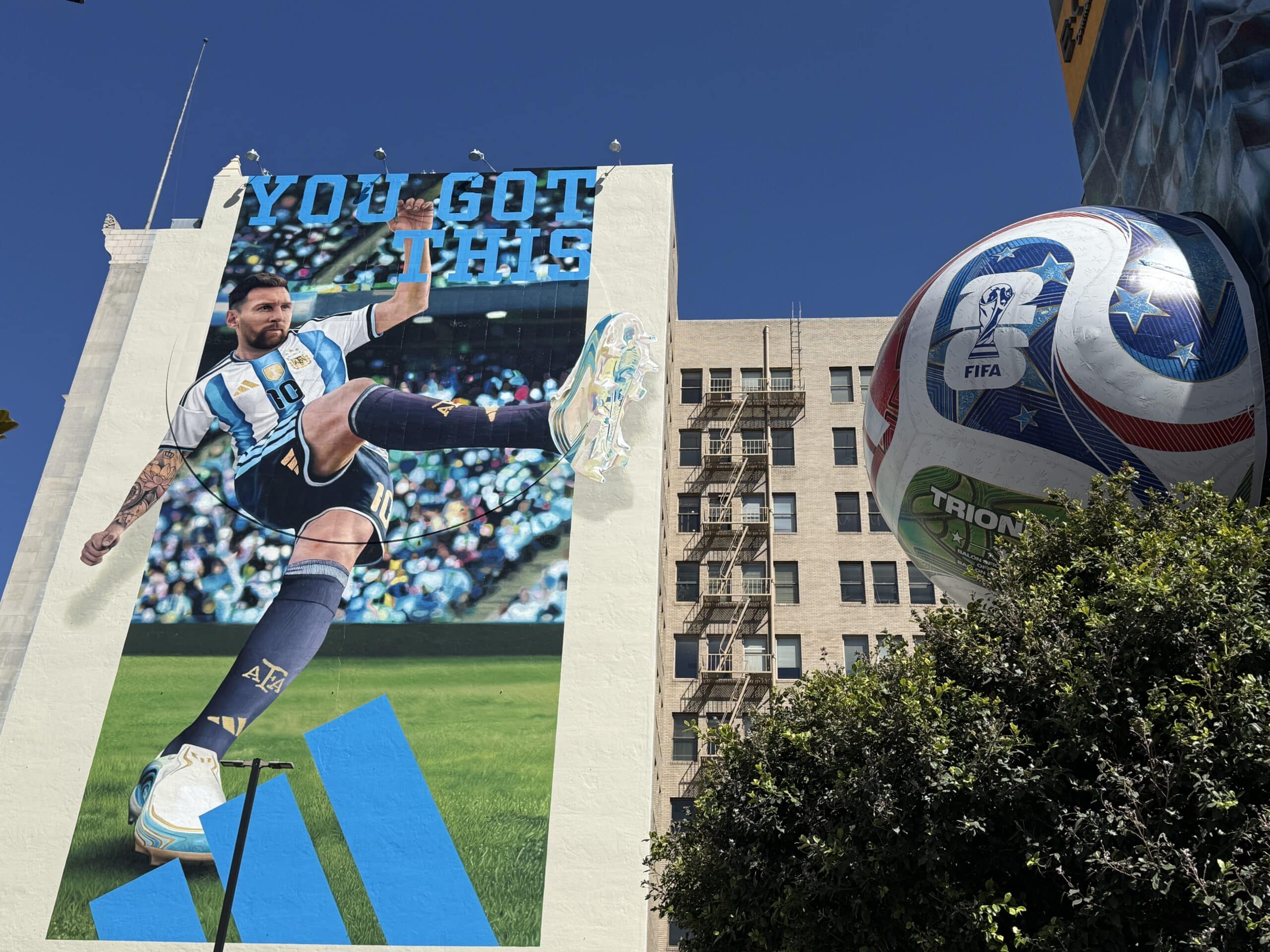
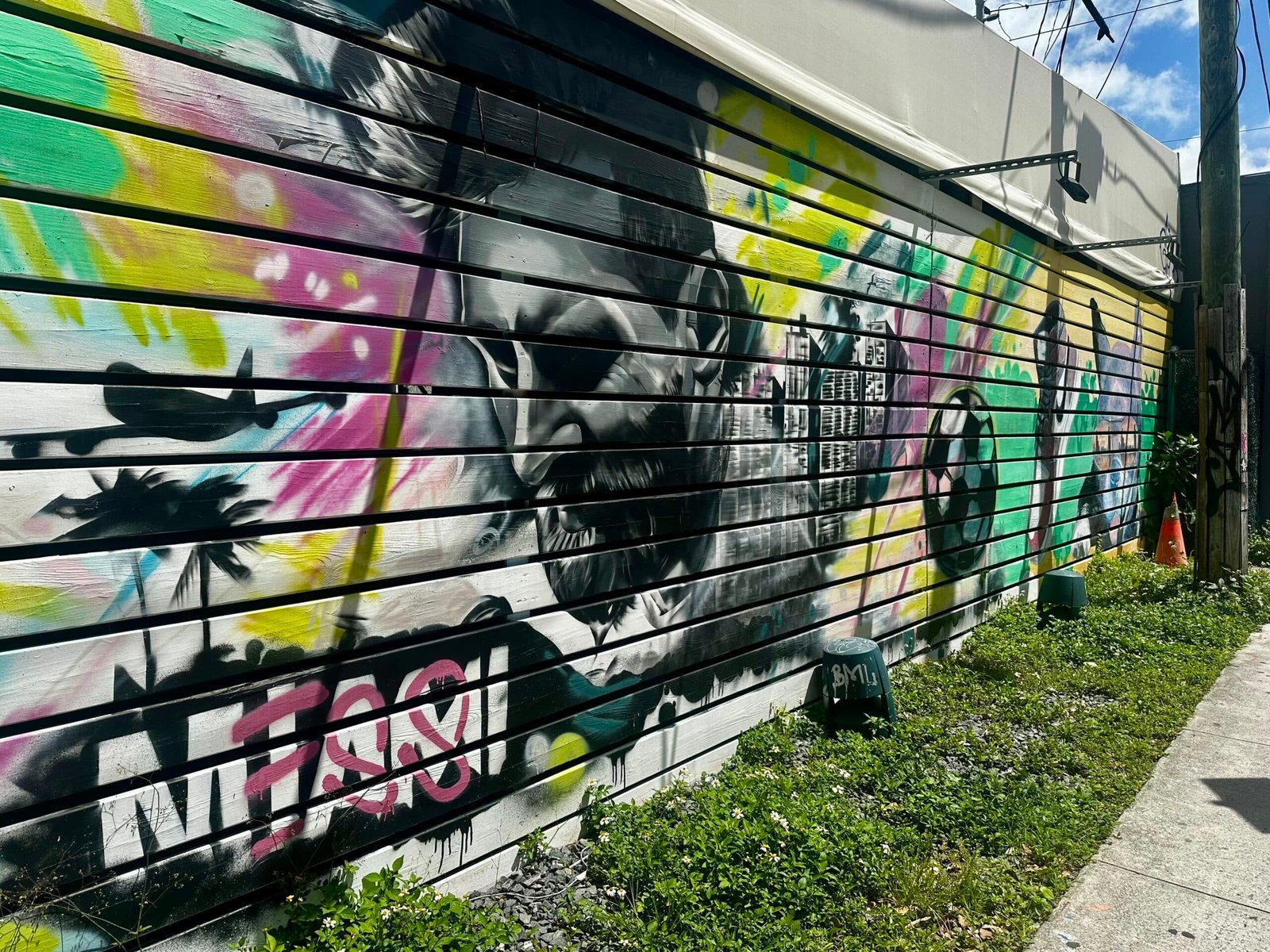
On the plus side, the domestic league created as part of the deal to host 32 years ago is now a thriving proposition, 30 teams playing before crowds averaging 20,000-plus in soccer-specific stadiums. The latest to open, to great ceremony in April 2026, is in Miami, a stage for the superstar who has turbocharged soccer in North America, Lionel Messi. Now playing in a record-breaking sixth World Cup, the trophy-lifting hero of the 2022 tournament will be bowing out with this one, possibly toward the end of the gruelling five-week series in Miami itself.
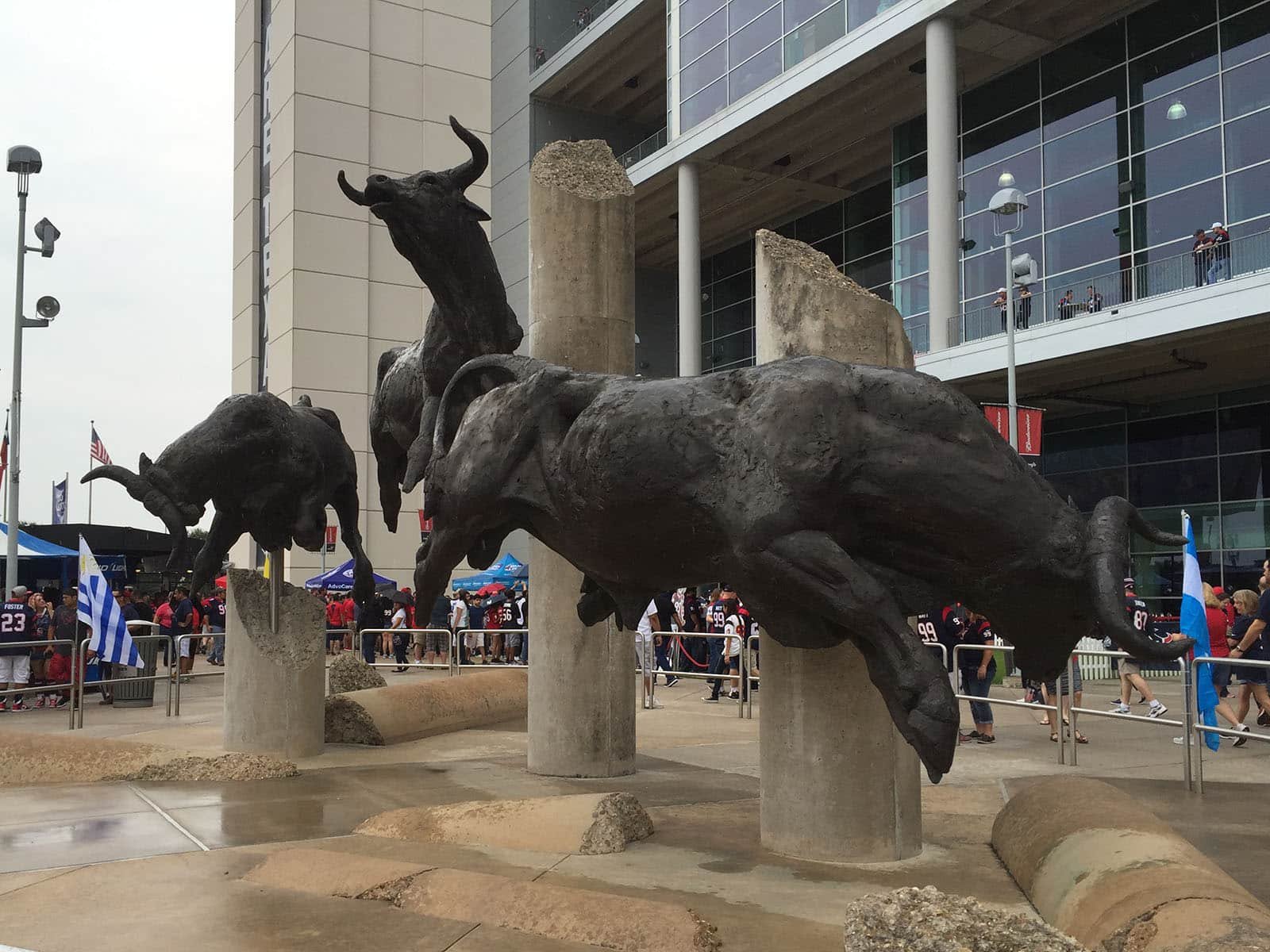
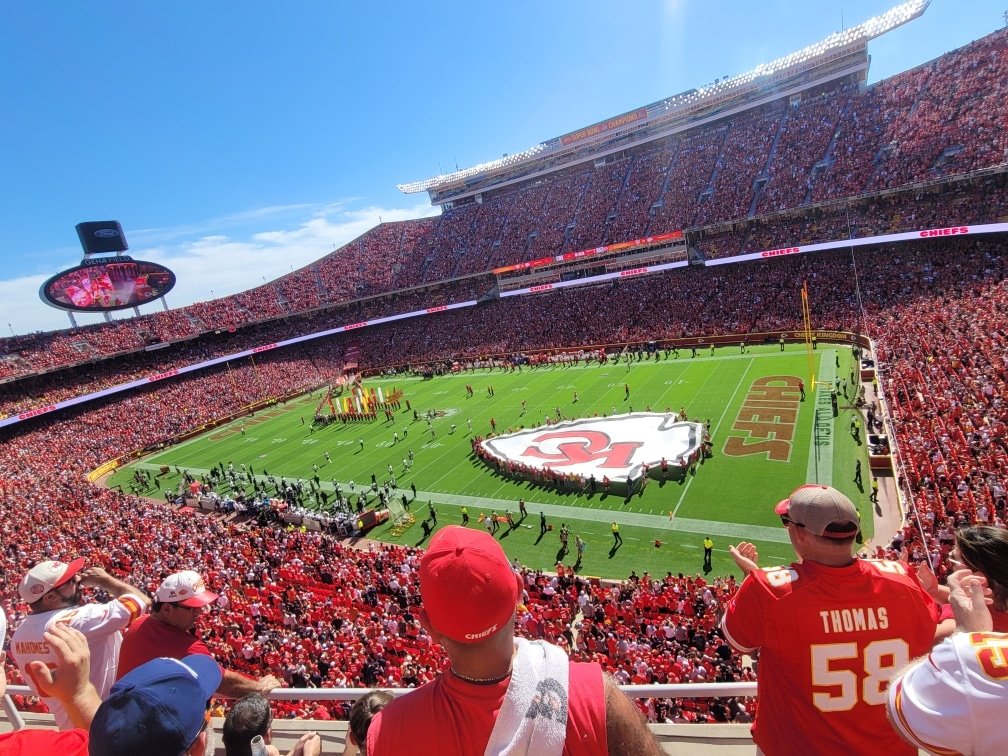
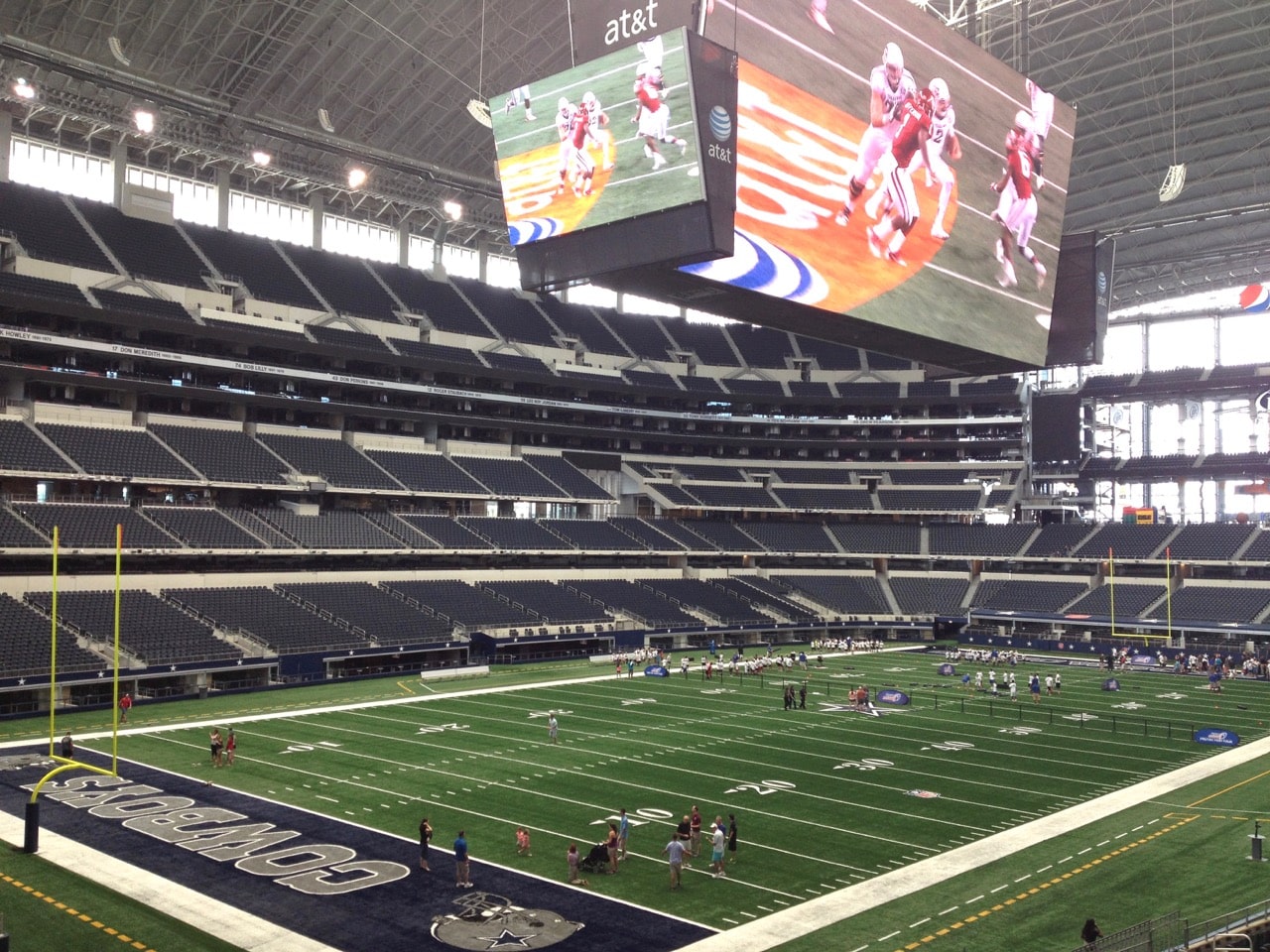
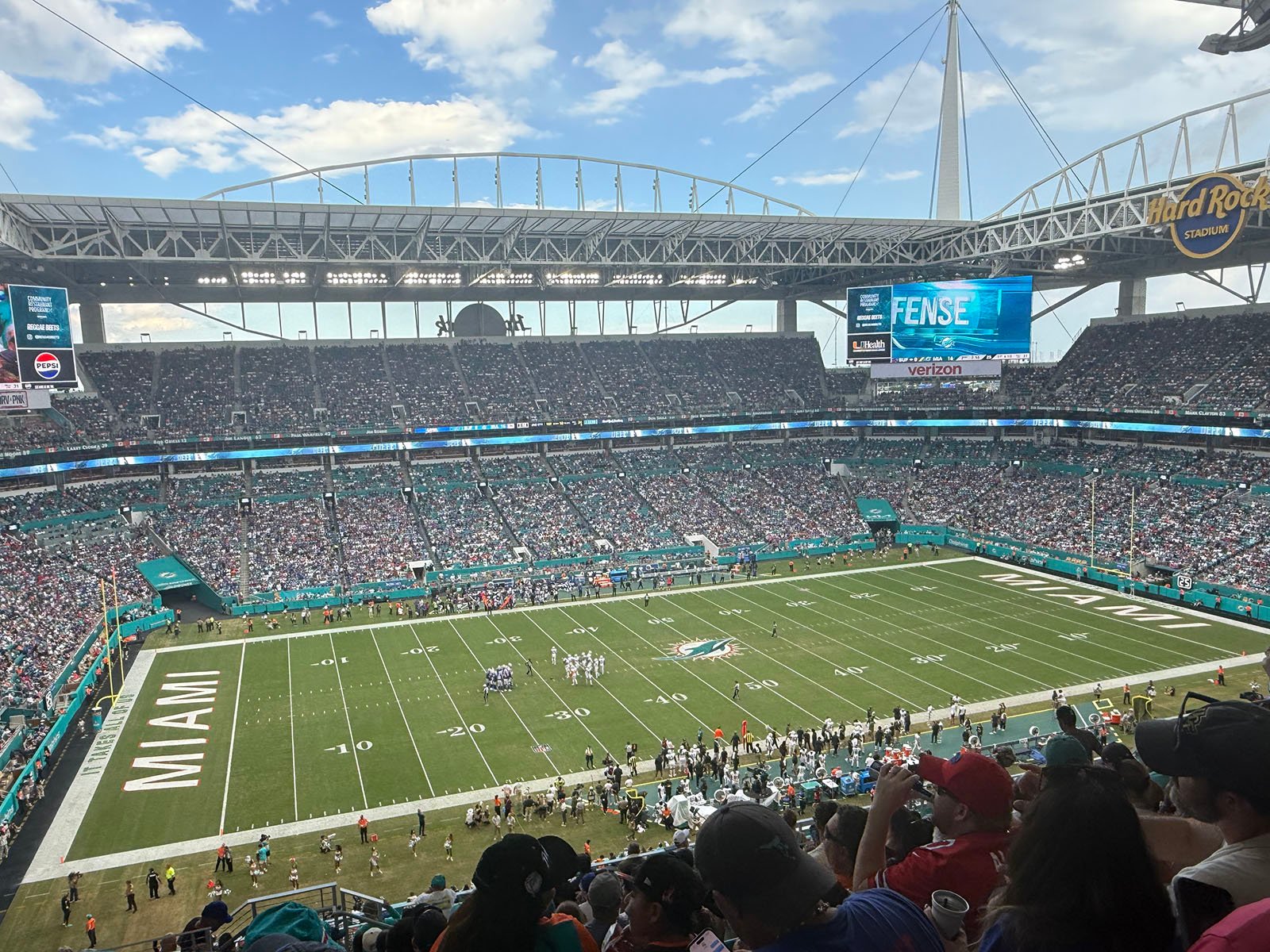
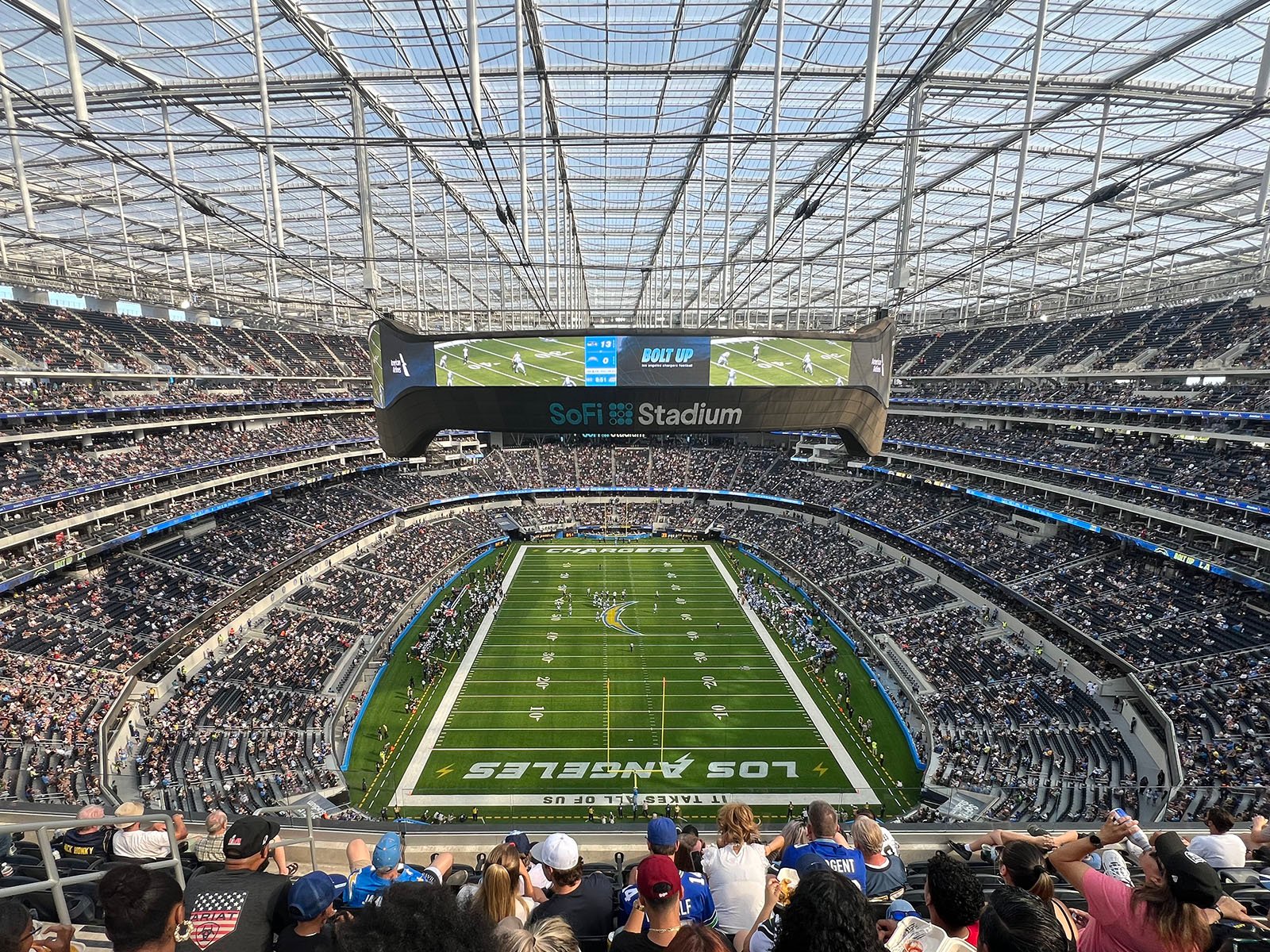
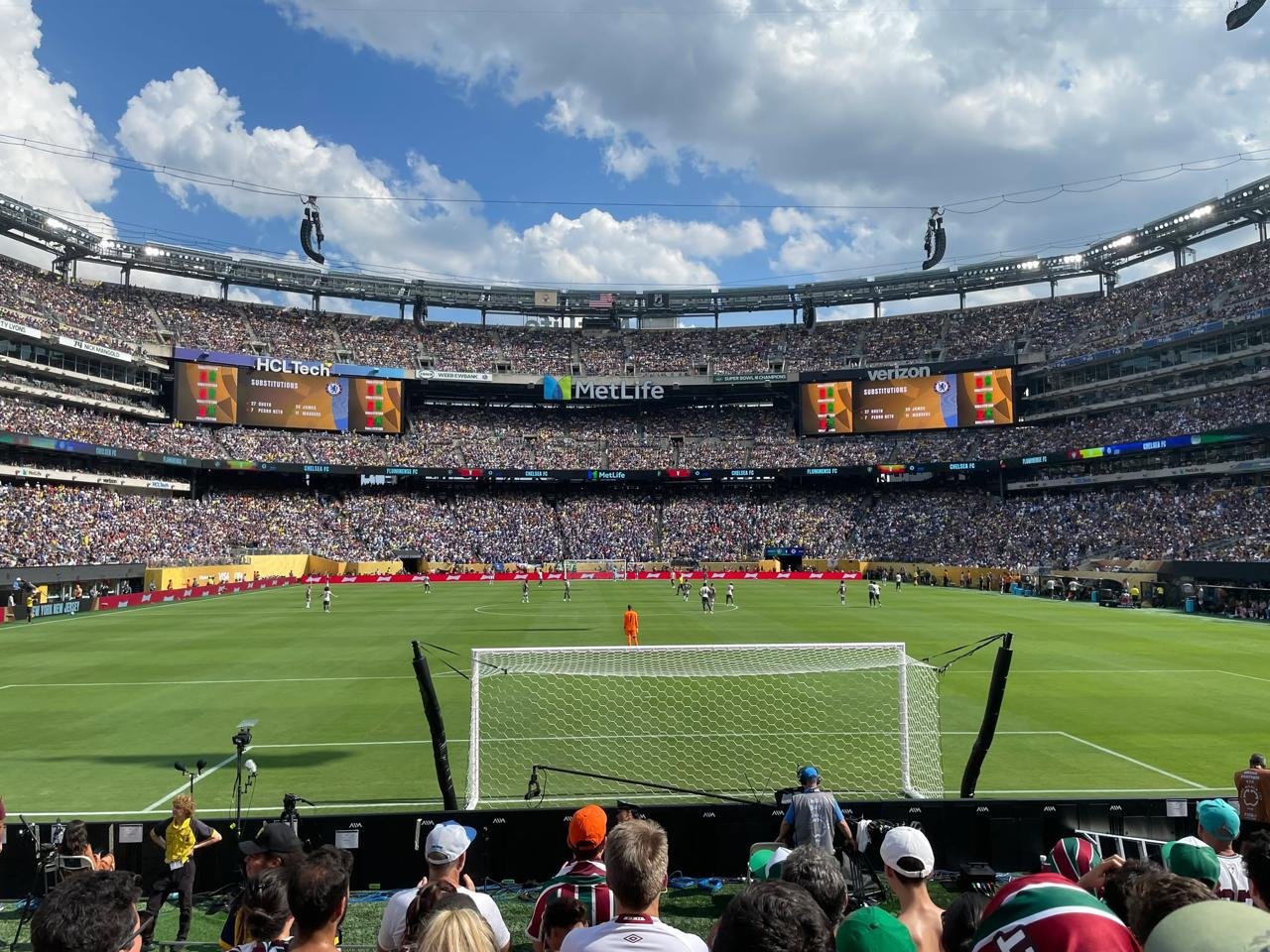
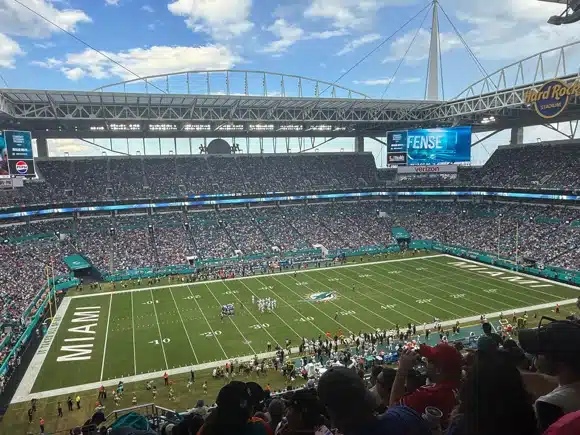
The arena won’t be the 26,700-capacity Nu Stadium by Miami International Airport but, like eight of America’s 11 host cities, the South Florida metropolis has moved its World Cup games to its NFL stadium more than twice as big as its soccer one. The Hard Rock Stadium in Miami Gardens, SoFi Stadium in Los Angeles, AT&T Stadium in Arlington near Dallas and, venue for the 23rd World Cup Final, the MetLife Stadium in New Jersey, are among the arenas being slightly reconfigured to stage soccer’s greatest shebang, although all have accommodated large crowds for showcase soccer fixtures before.
For the tournament, 15 of the 16 stadiums must drop their sponsored branding and carry the names of their main locations – for the purposes of this World Cup guide, we stick with ones they are best known by, so MetLife and not New York New Jersey Stadium, and so on.

This, of course, is the least of the issues visitors are having to deal with. After the tricky logistic of Russia, and the cultural contrast of Qatar, European fans might have been hoping for a hassle-free World Cup held in mainly English-speaking cities brimming with sports bars and au fait with fun.
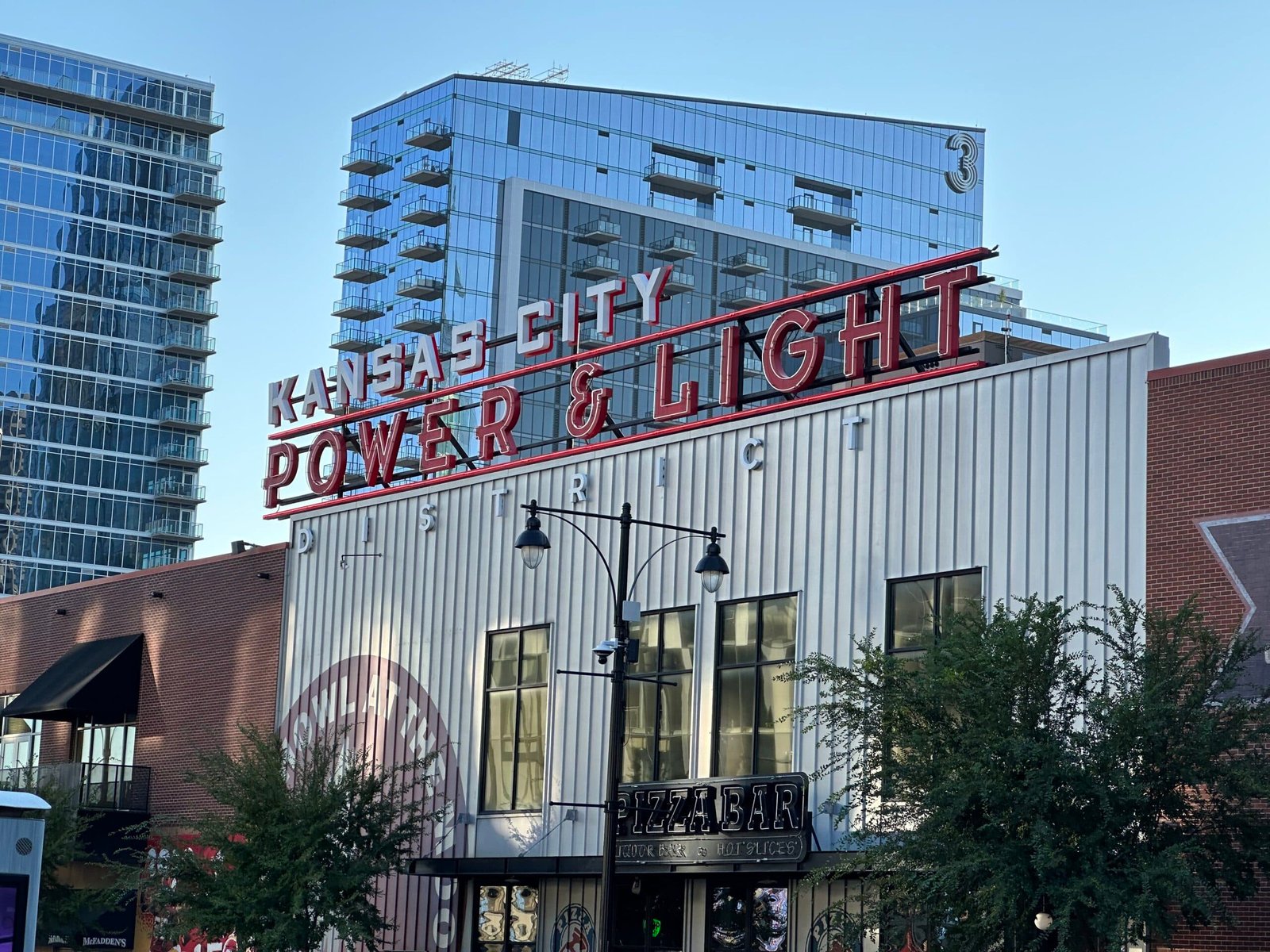
No such luck. Utterly absurd ticket prices and laughably expensive transportation costs – take a bow, Kansas City and Philadelphia, for bending over backwards to cater to your guests from overseas – have dominated nearly every conversation about what should be a sporting celebration.
With no national organising committee to issue guidelines, a modicum of shame has caused some cities to row back on their initial pricing policy. The prime example is New Jersey, which initially tried to charge $150 for the short train journey to and from MetLife Stadium, then reduced it to a frankly insulting $105. (Top marks, however, to NYC Mayor Zohran Mamdani for wangling a deal with FIFA president Gianni Infantino to offer local residents the chance to buy tickets at MetLife Stadium for $50, with free bus transfers thrown in. The average price to see a group match there is $864.)
The irony is that the expansion to 48 teams to embrace first-time fans from Curaçao, Jordan, Cape Verde and Uzbekistan will result in their once-in-a-lifetime experience tainted by shameless greed. To say nothing of Scotland, whose memorable, mural-inspiring qualification night at Hampden is now a distant memory as each fan wrestles with four-figure logistics for each individual fixture.
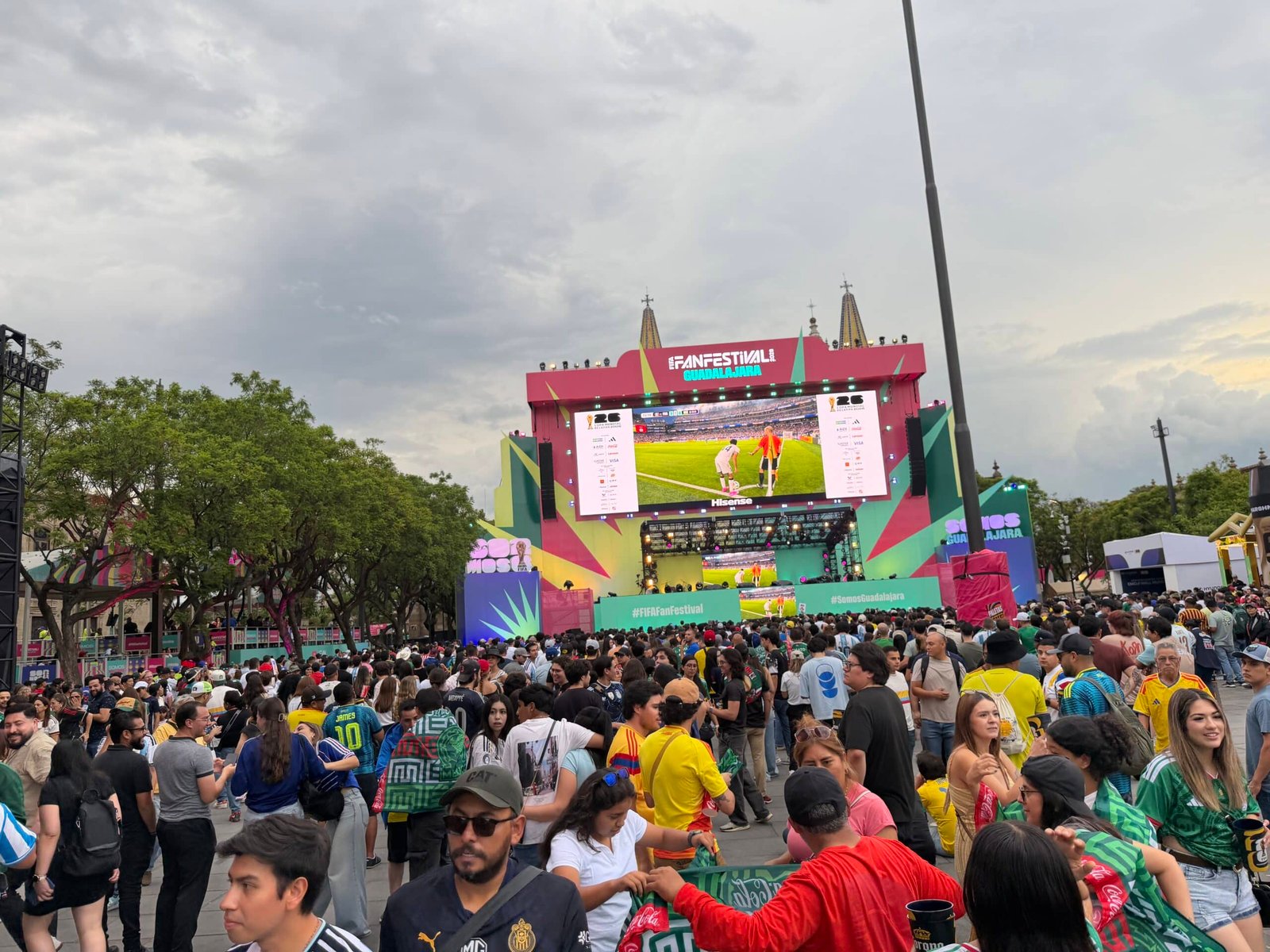
Amazingly, too, not all fan zones are free, and only a few places are allowing tailgating, the noble American pre-match tradition of sinking beer and grilling up a storm in parking lots alongside the stadium.
Before too long – 2032 in Saudi Arabia? – supporters simply won’t bother, and those tens of thousands of Argentines who transformed Qatar from a sterile interzone into a communal football party will stay put in Buenos Aires.
And, nearly a century since their forefathers were cramming into packet boats to cross the River Plate on the morning of the very first World Cup final in Montevideo, that’s a very sorry state of affairs. Suppose they gave a World Cup and nobody came?
STATION TO STADIUM
Arriving in town and getting to the game
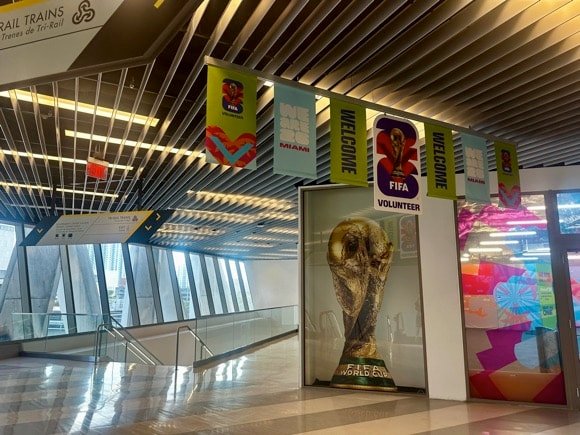
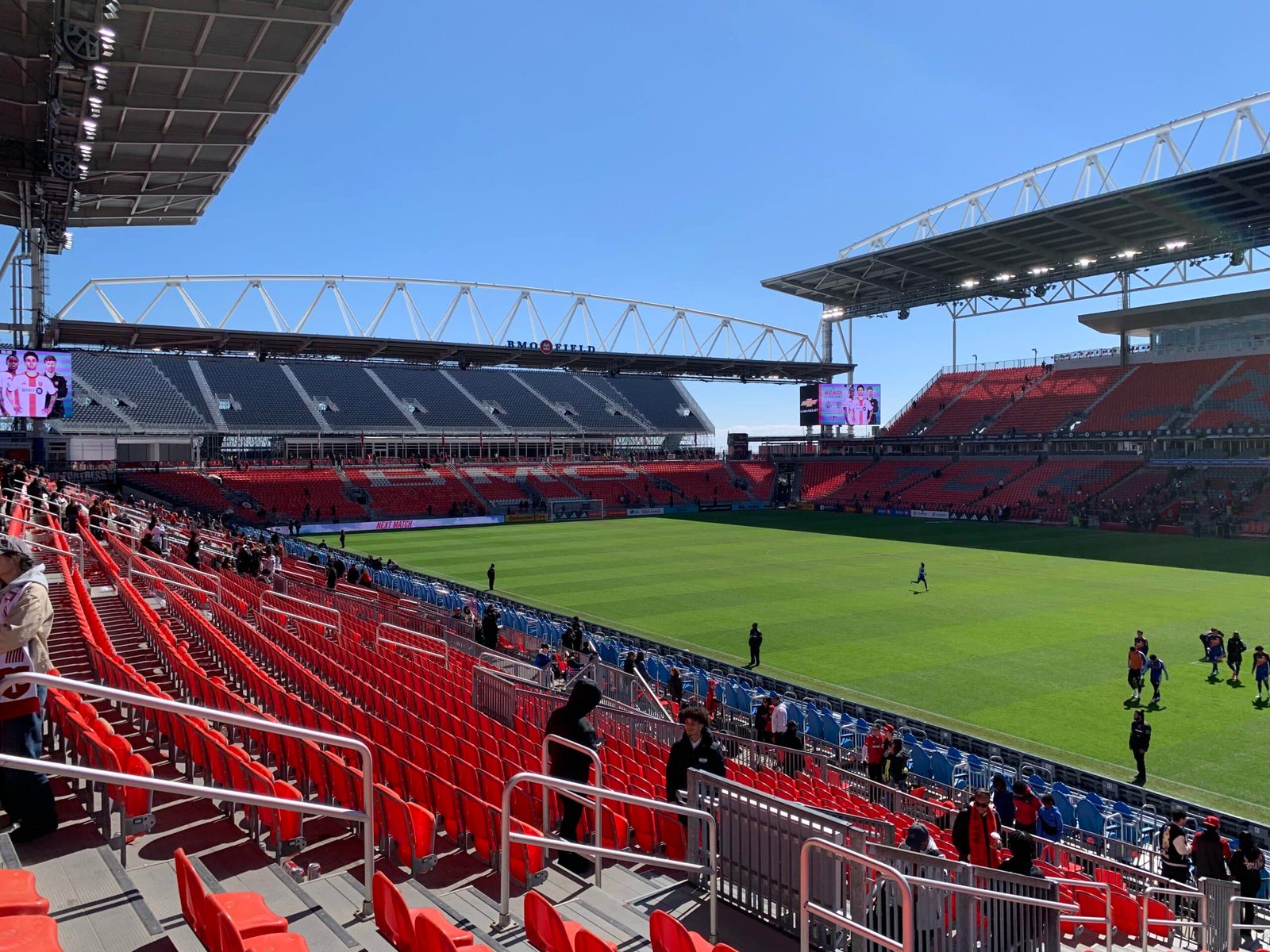
New Jersey, Miami and Boston/Foxborough excepted, the journey from city centres, even airports, to many arenas is relatively straightforward. (Toronto’s city airport, connected to the mainland by a pedestrian walkway, is only a couple of miles from BMO Field.)
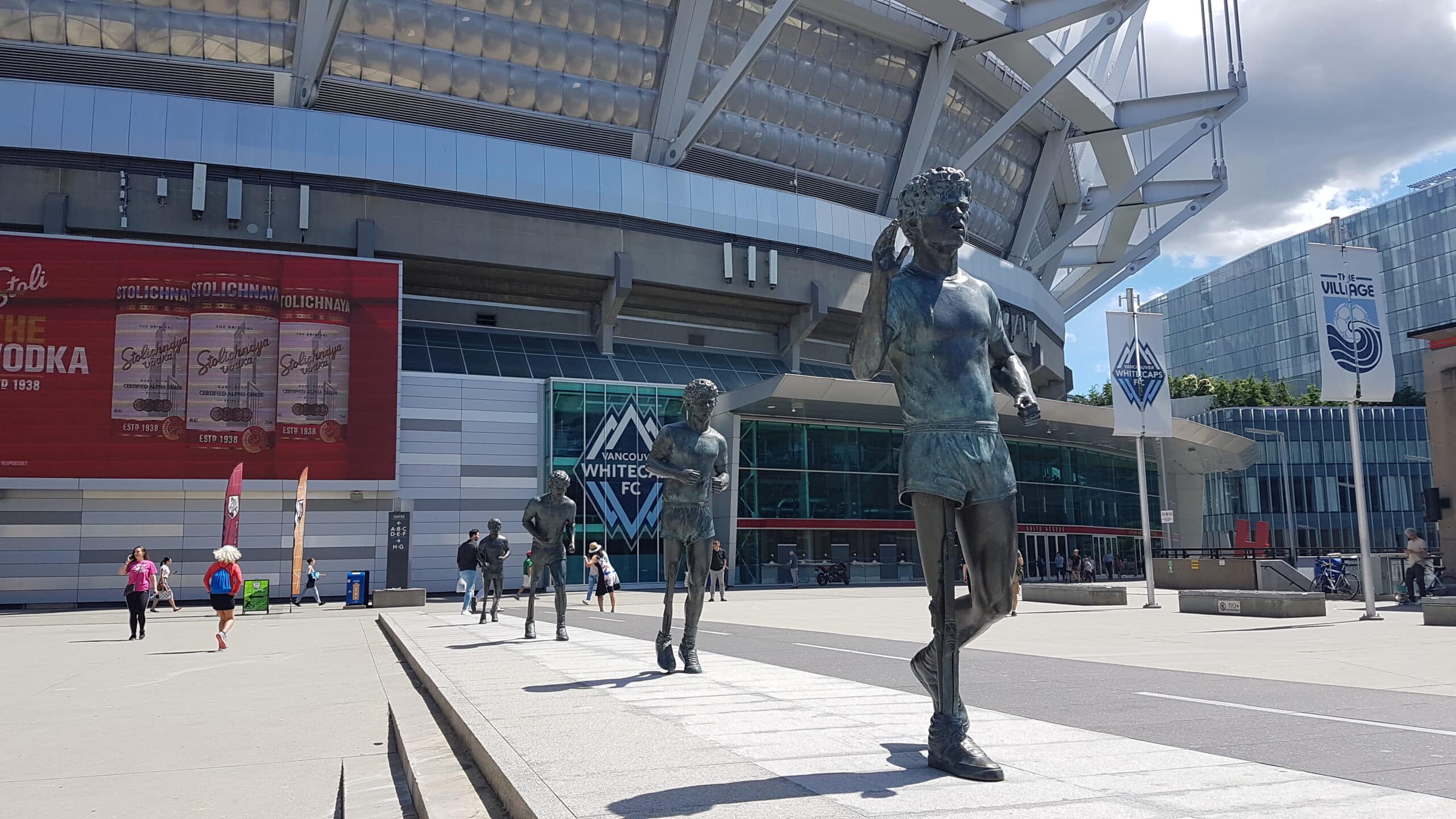
Visitors to Seattle, Philadelphia, Kansas City, Vancouver and Atlanta, will particularly appreciate the ease of transit. In other cities, it’s a mixed bag, though sky-high parking costs rule out car hire in many cases.
Each of the 12 groups in the initial phase is generally clustered into Western, Central and Eastern Zones, although England still managed to land games in Dallas and Boston 1,800 miles apart, ie the same distance from London to Moscow. Although many criticize FIFA for organising a tournament in a huge continent when climate change is such a relevant issue – not to mention a fuel crisis – in truth, very few countries can offer the kind of stadiums, hotels and supporting infrastructure that a 48-team World Cup requires.
After FIFA put a stop to multi-nation tournaments following its Far Eastern escapade in 2002, they now seem inevitable. Unless you’re Saudi Arabia, of course.
dates & games
Twelve groups, 104 games and 39 days
The 2026 World Cup kicks off on June 11, with four games played every day across 12 groups until the simultaneous scheduling for the last of three rounds of matches. At this stage, only four of the third-placed teams drop out, the eight also-rans ranked on points scored, then goal difference, then goals scored, then disciplinary record, then current and previous FIFA rankings. Sadly, there’s no coin tosses or drawing of lots.
A new Round of 32 has had to be introduced to accommodate the numbers. The alternative, initially proposed until somebody miraculously saw sense, would have been 16 groups of three and probably two whole weeks of drab draws. Even so, 104 games in total is the equivalent of a quarter of a season of Premier League rounds smushed into 39 days. It’s a lot of football.
Earliest local kick-off times are noon, even in Texas and California, though most games are scheduled for the early evening, meaning (very) late nights for those watching in Europe. The final, at 3pm local time in New Jersey on July 19, is a manageable 8pm in London, 9pm in Europe. Soccer followers in Australia and New Zealand will need to get used to a lot of early mornings.
With huge thanks to Edward de la Fuente for his superb stadium photography throughout the guide. Edward’s site Itinerant Fan covers all major American sports arenas, combined with city guides, and ticket information.