Under the volcano, amid natural greenery in Zapopan
The field of dreams – and the story behind it
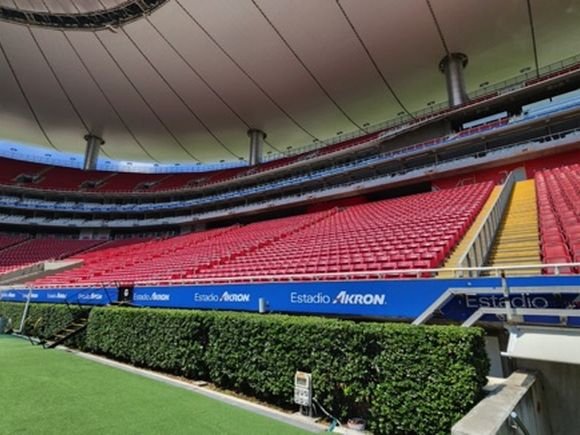
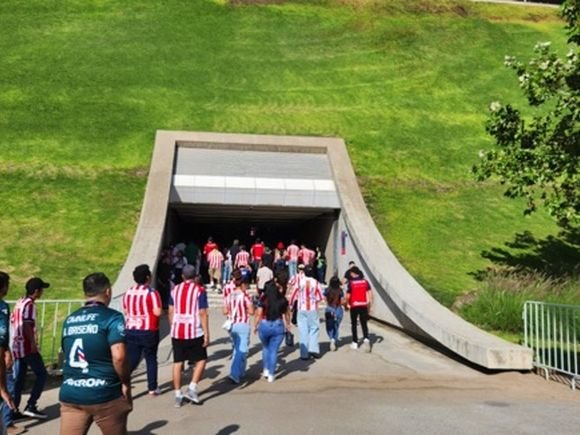
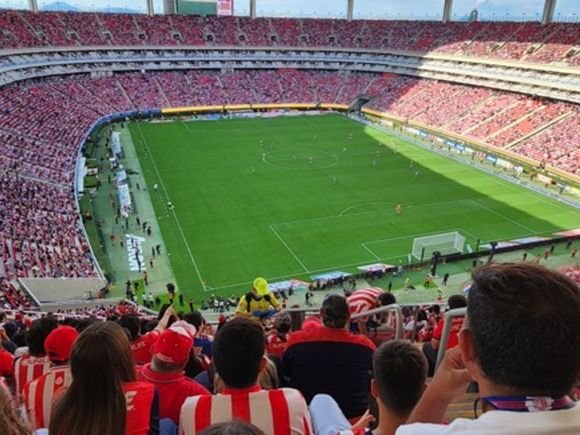
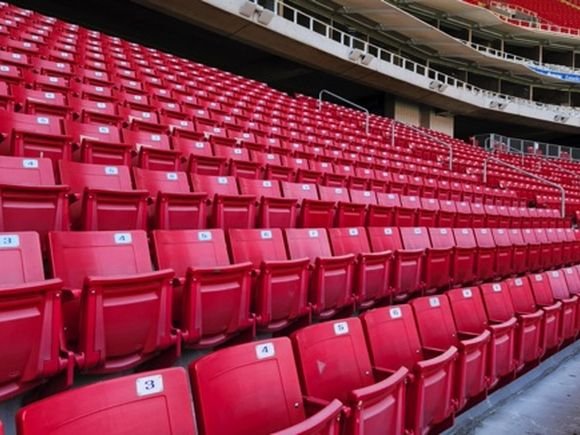
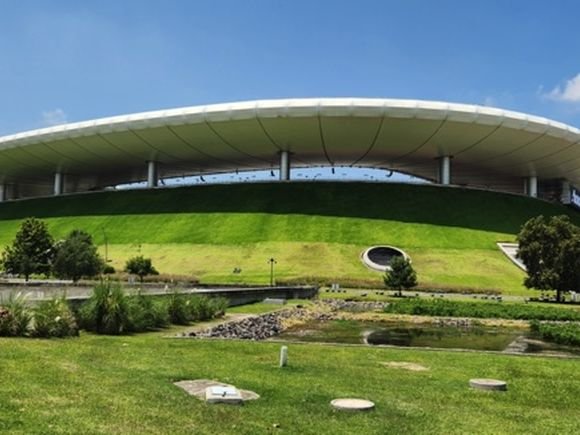
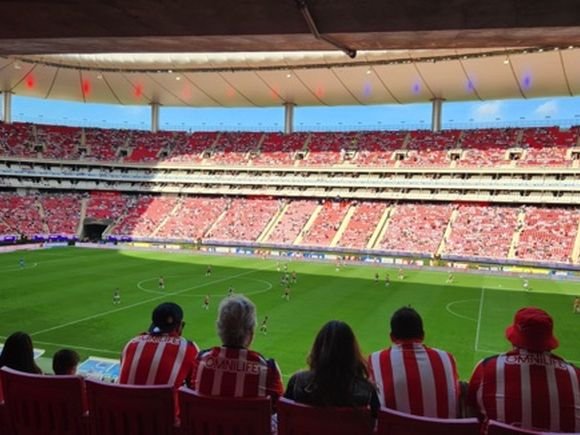
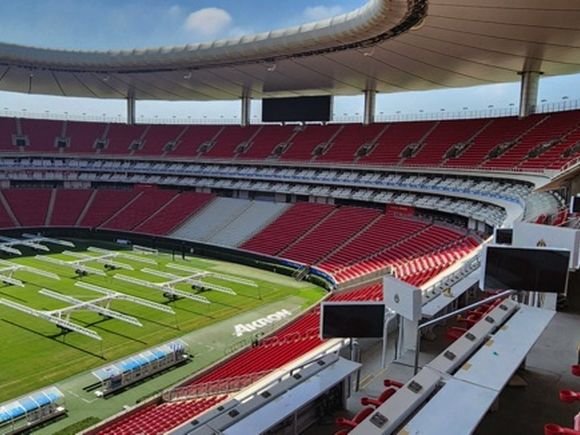
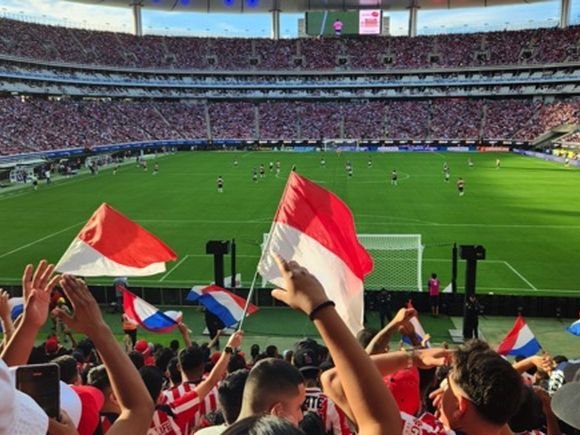
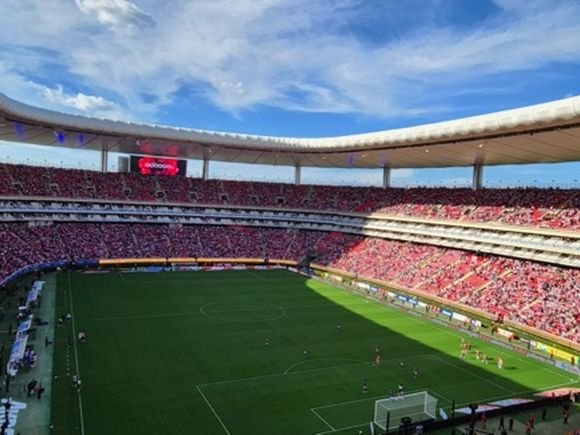
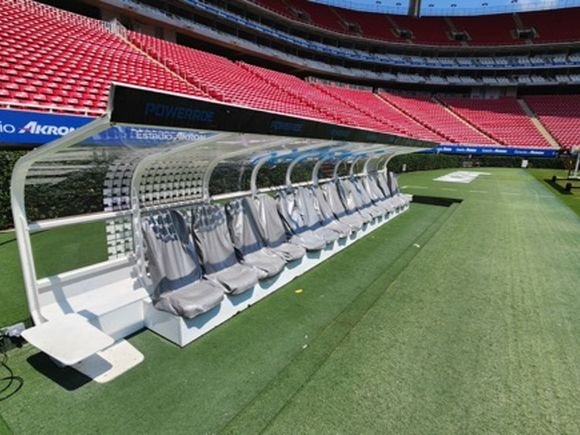
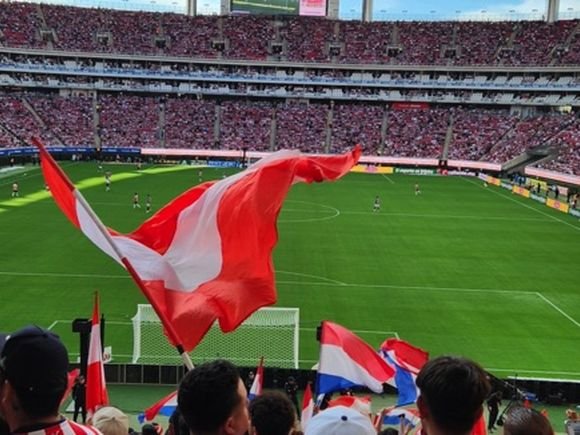
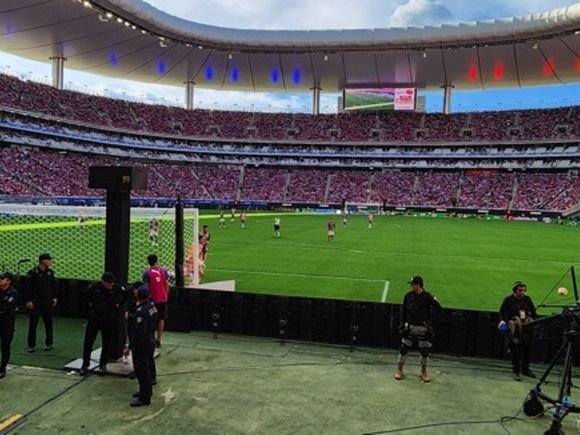
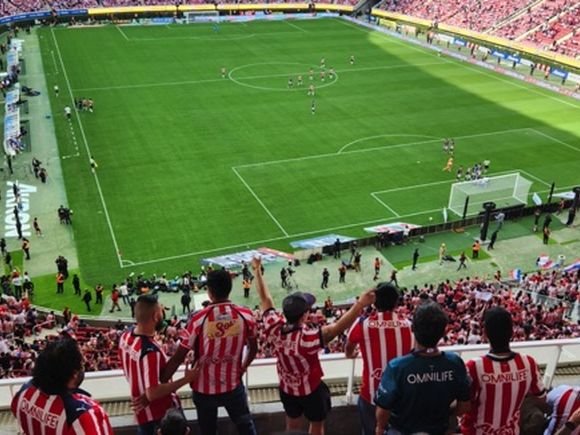
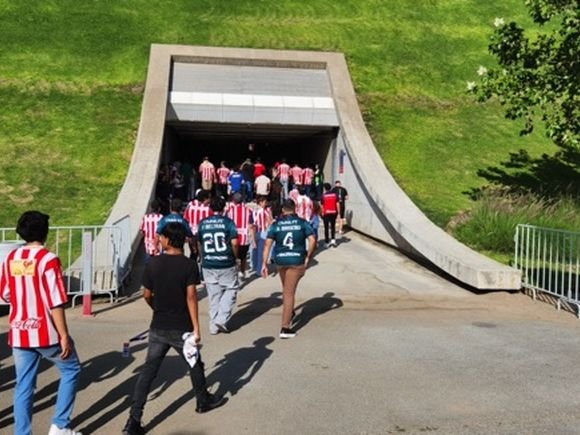
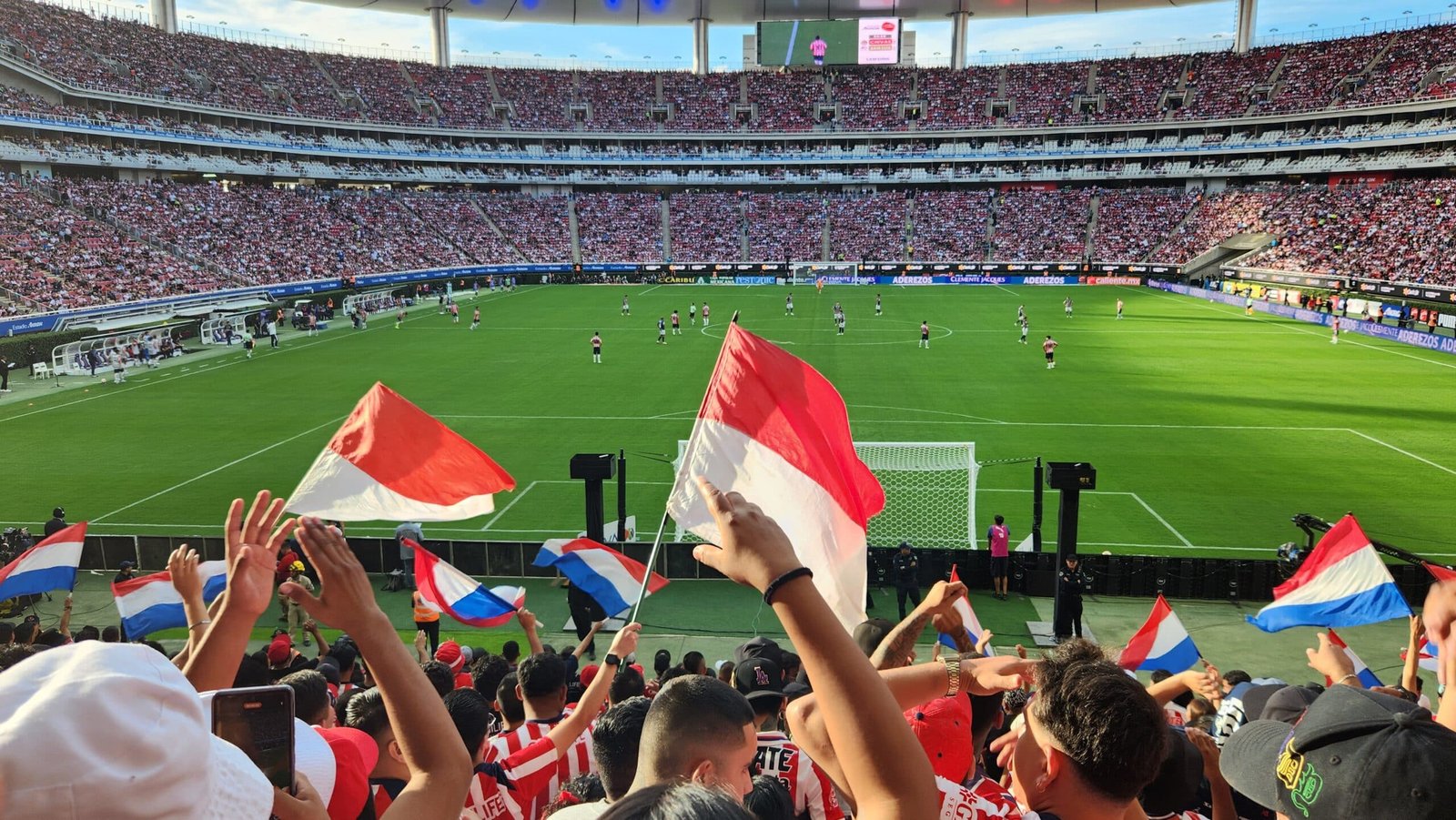
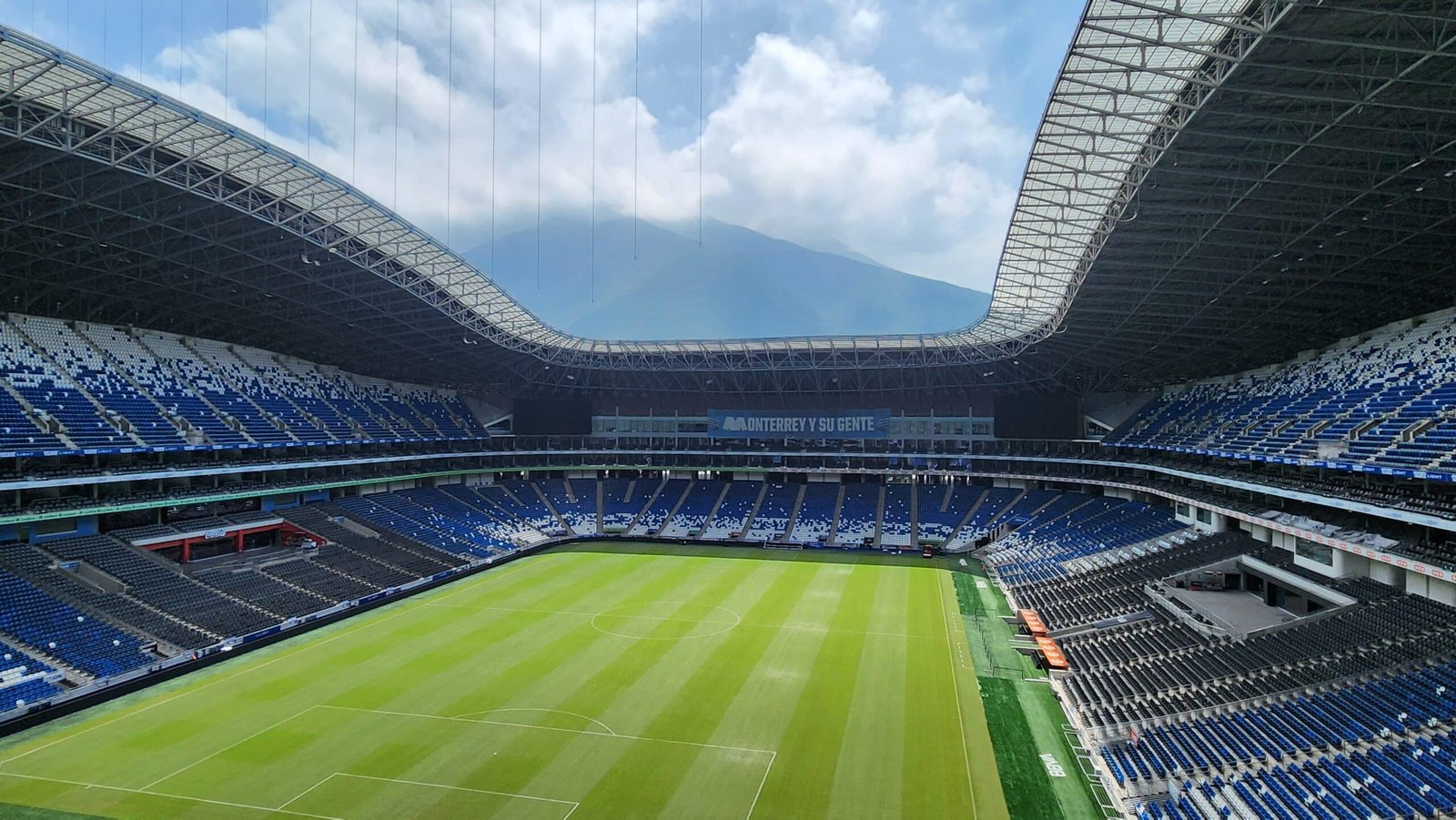
The patches of cloud forest swathing La Primavera, the wooded biosphere reserve backdropping the Estadio Akron, partly inspired French architect/inventor Jean-Marie Massaud to create the signature white ring floating above its 46,000 fire-red seats. Its bowl shape is also taken from the natural surroundings of extinct volcanos – spectators enter as if under the volcano and two of the arena’s five levels are below ground.
No wonder it was almost a decade in the making. When film producer and nutrients entrepreneur Jorge Vergara took over the city’s flagship club, CD Guadalajara, in 2002, it was his aim to have them move out of their groundshare at the Estadio Jalisco (of World Cup 1970 fame) and into a new stadium for their centenary in 2006.
Estadio Akron/Stephen Woodman
Estadio Akron/Stephen Woodman
Estadio Akron/Stephen Woodman
Estadio Akron/Stephen Woodman
Estadio Akron/Stephen Woodman
Estadio Akron/Stephen Woodman
Estadio Akron/Stephen Woodman
Estadio Akron/Stephen Woodman
Estadio Akron/Stephen Woodman
Estadio Akron/Stephen Woodman
Estadio Akron/Stephen Woodman
Estadio Akron/Stephen Woodman
Estadio Akron/Stephen Woodman
Estadio Akron/Stephen Woodman
In the end, the curtain-raising was script-perfect but not as Vergara originally envisaged – who knows what he thought when fantasy designer Massaud first sat in his office talking of clouds and volcanos. And out in Zapopan, 15 minutes from Guadalajara.
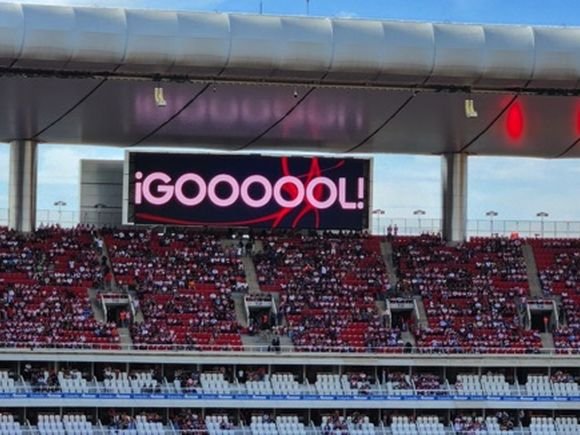
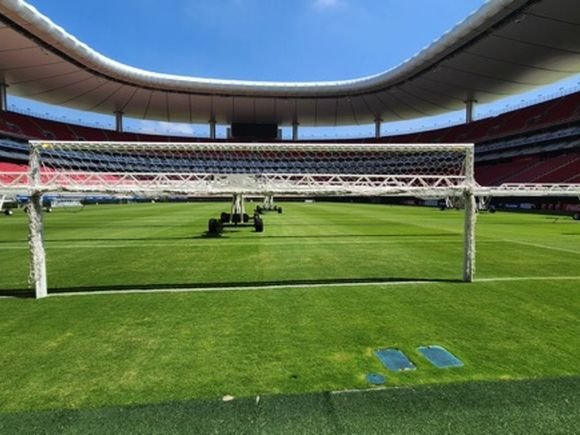
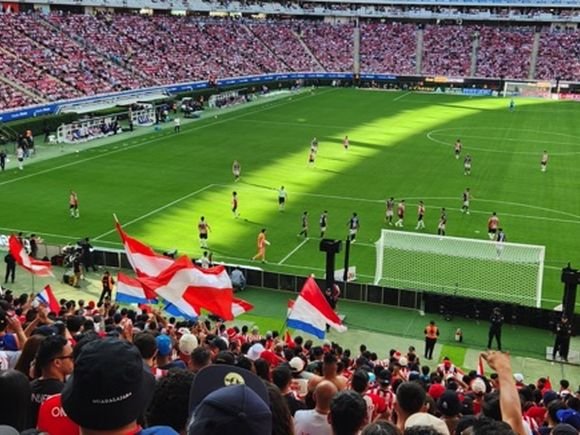
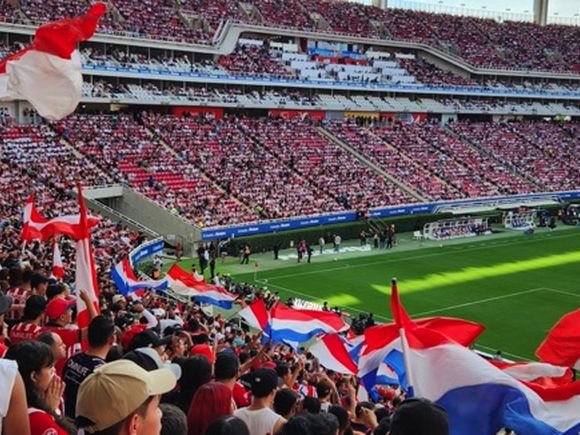
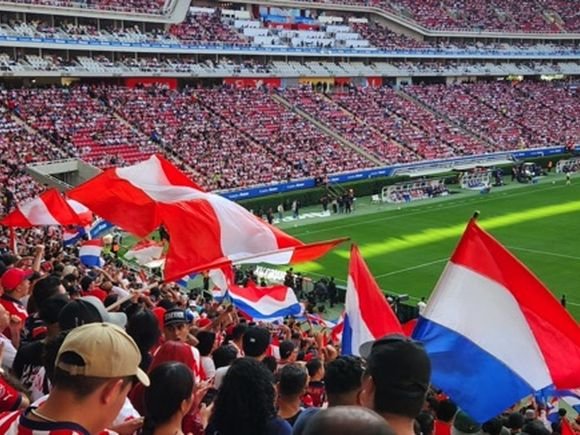
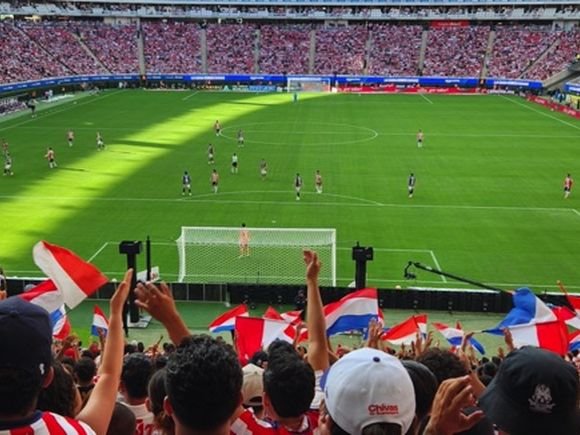
Massaud’s ring provides shade but, separated the upper rim of seating, allows natural light to fall over spectators and the turf, which soon replaced the controversial artificial surface. This was the stage for local boy Javier Hernández to bid farewell to fans by scoring the opening goal in the curtain-raising friendly Manchester United, the club he had just signed for, in 2010. He then played for his new team in the second half.
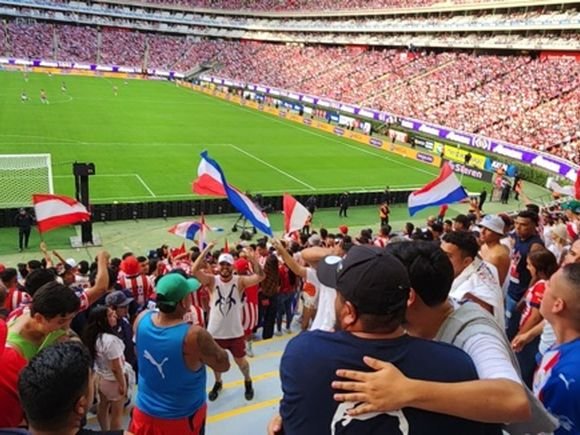
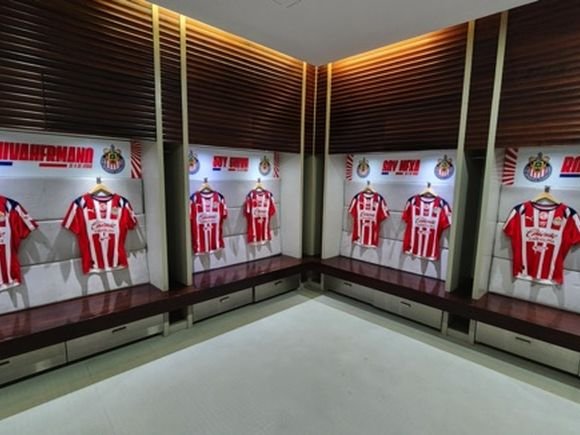
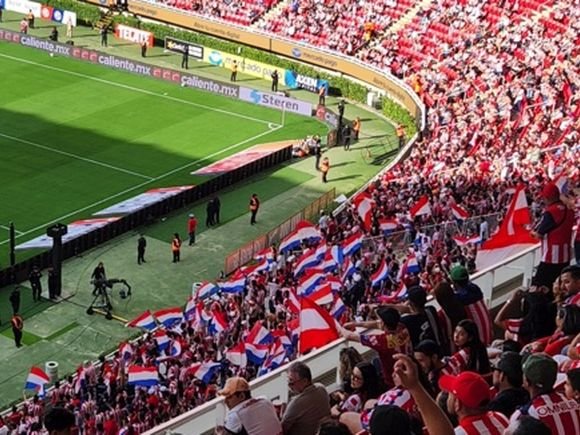
CD Guadalajara, known by all as Chivas, recruits only Mexicans, often raising them, too. ‘Chicarito’ would return the love shown by his home town by returning to see out his illustrious playing career in 2023. Note that the Estadio Akron will be referred to be its non-sponsored name of the Estadio Guadalajara for the tournament.
Estadio Akron/Stephen Woodman
Estadio Akron/Stephen Woodman
Estadio Akron/Stephen Woodman
Estadio Akron/Stephen Woodman
Estadio Akron/Stephen Woodman
Estadio Akron/Stephen Woodman
Estadio Akron/Stephen Woodman
Estadio Akron/Stephen Woodman
Estadio Akron/Stephen Woodman
Estadio Akron/Stephen Woodman
Estadio Akron/Stephen Woodman
Estadio Akron/Stephen Woodman
Estadio Akron/Stephen Woodman
Estadio Akron/Stephen Woodman
getting here
Going to the stadium – tips and timings
Estadio Akron/Stephen Woodman
The Estadio Akron is not actually in Guadalajara but Zapopan, an adjoining community a 15-minute drive west from the metropolis. A new express route on the Macrobús network, Line 5 (Mi Macro Aeropuerto), will run from the airport, calling at eight stops including main points in the city centre and the stadium.
Order and pay for a taxi at the desk in airport arrivals. Expect to pay around MX$750/US$42 to the stadium and MX$500/US$28 to the city centre. Zapopan-based A Su Servicio GDL taxis (+52 33 3146 2354) are fairly reliable. Note that Uber drivers must pick up and drop off in a car park 1.2km from the airport on the Chapala highway.
We use cookies on our website to give you the most relevant experience by remembering your preferences and repeat visits. By clicking “Accept All”, you consent to the use of ALL the cookies. However, you may visit "Cookie Settings" to provide a controlled consent.
This website uses cookies to improve your experience while you navigate through the website. Out of these, the cookies that are categorized as necessary are stored on your browser as they are essential for the working of basic functionalities of the website. We also use third-party cookies that help us analyze and understand how you use this website. These cookies will be stored in your browser only with your consent. You also have the option to opt-out of these cookies. But opting out of some of these cookies may affect your browsing experience.
Necessary cookies are absolutely essential for the website to function properly. These cookies ensure basic functionalities and security features of the website, anonymously.
Cookie
Duration
Description
cookielawinfo-checkbox-analytics
11 months
This cookie is set by GDPR Cookie Consent plugin. The cookie is used to store the user consent for the cookies in the category "Analytics".
cookielawinfo-checkbox-functional
11 months
The cookie is set by GDPR cookie consent to record the user consent for the cookies in the category "Functional".
cookielawinfo-checkbox-necessary
11 months
This cookie is set by GDPR Cookie Consent plugin. The cookies is used to store the user consent for the cookies in the category "Necessary".
cookielawinfo-checkbox-others
11 months
This cookie is set by GDPR Cookie Consent plugin. The cookie is used to store the user consent for the cookies in the category "Other.
cookielawinfo-checkbox-performance
11 months
This cookie is set by GDPR Cookie Consent plugin. The cookie is used to store the user consent for the cookies in the category "Performance".
viewed_cookie_policy
11 months
The cookie is set by the GDPR Cookie Consent plugin and is used to store whether or not user has consented to the use of cookies. It does not store any personal data.
Functional cookies help to perform certain functionalities like sharing the content of the website on social media platforms, collect feedbacks, and other third-party features.
Performance cookies are used to understand and analyze the key performance indexes of the website which helps in delivering a better user experience for the visitors.
Analytical cookies are used to understand how visitors interact with the website. These cookies help provide information on metrics the number of visitors, bounce rate, traffic source, etc.
Advertisement cookies are used to provide visitors with relevant ads and marketing campaigns. These cookies track visitors across websites and collect information to provide customized ads.