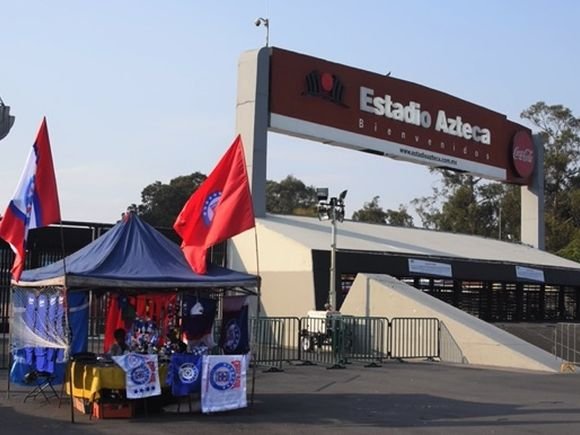
The field of dreams – and the story behind it
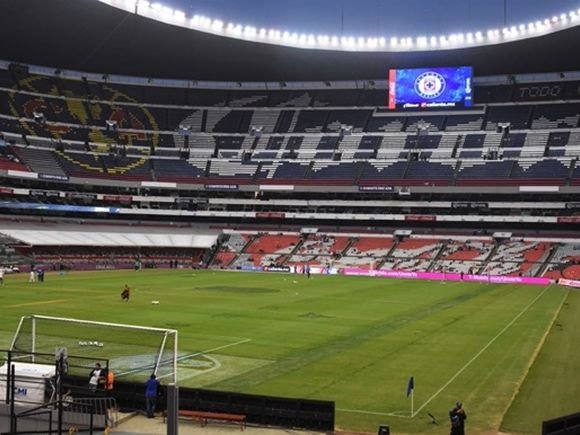
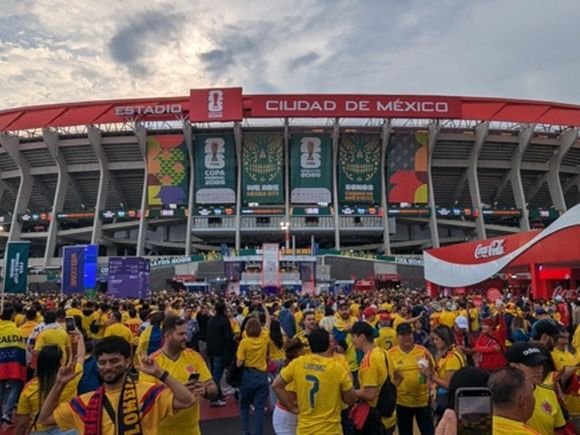
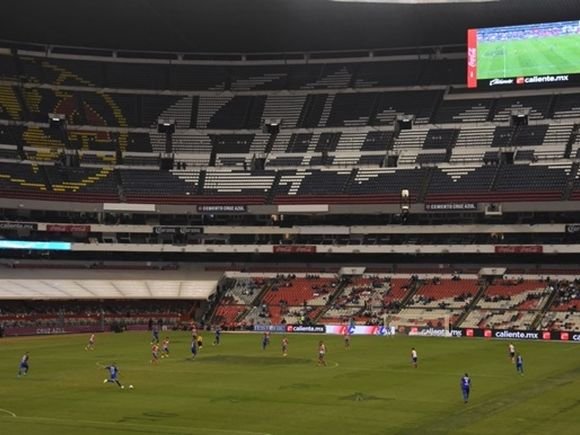
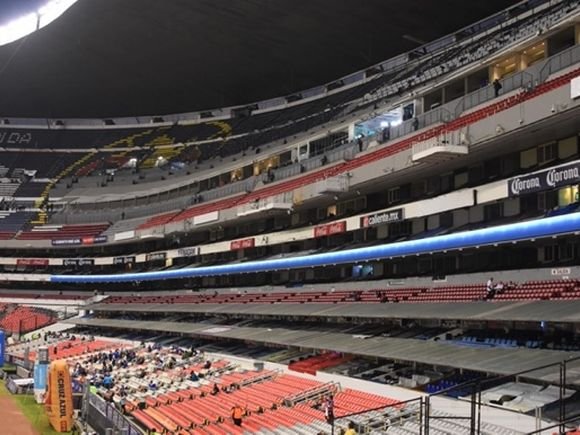
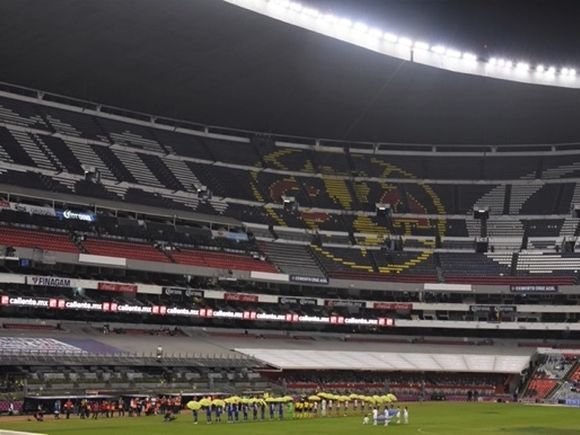
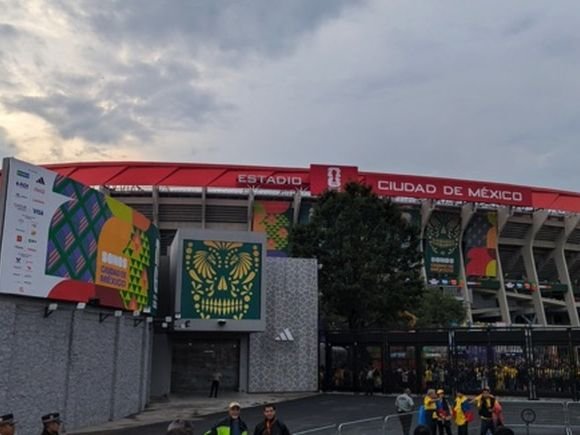
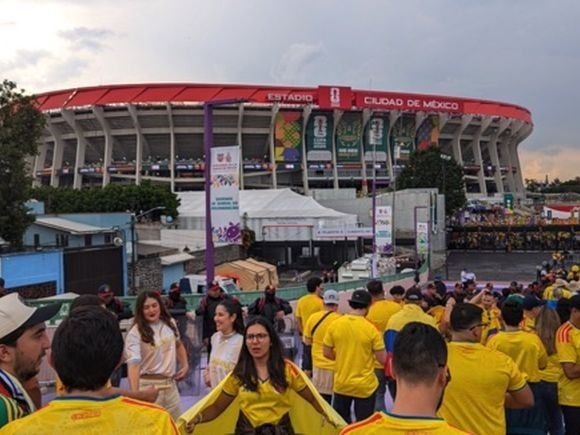
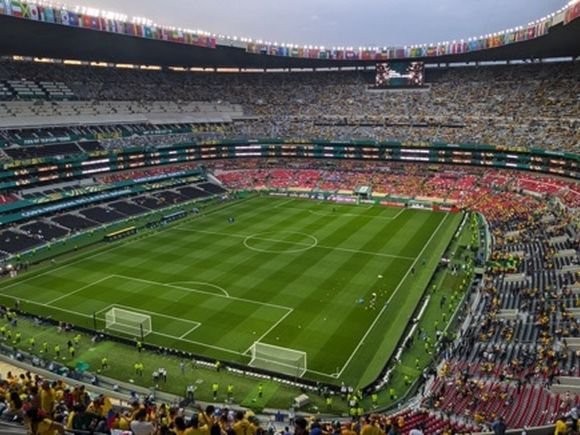
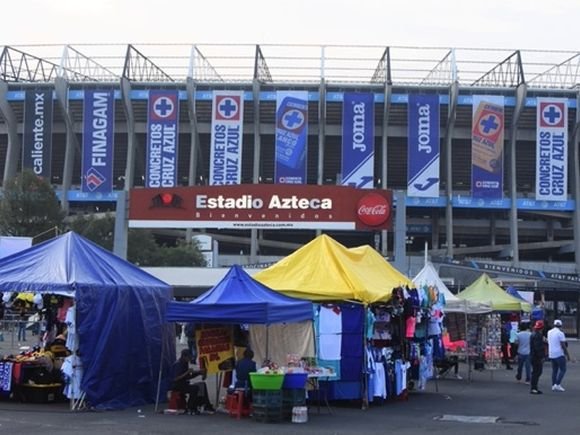
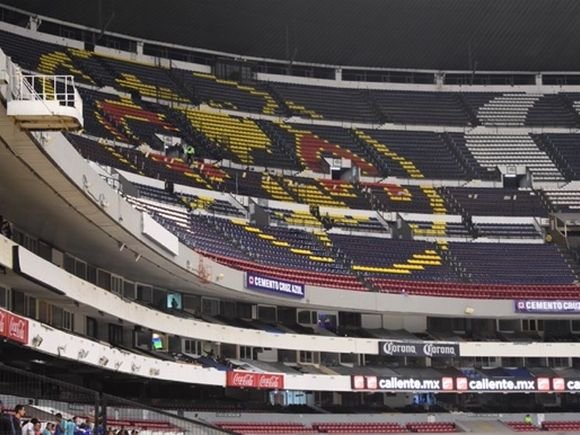
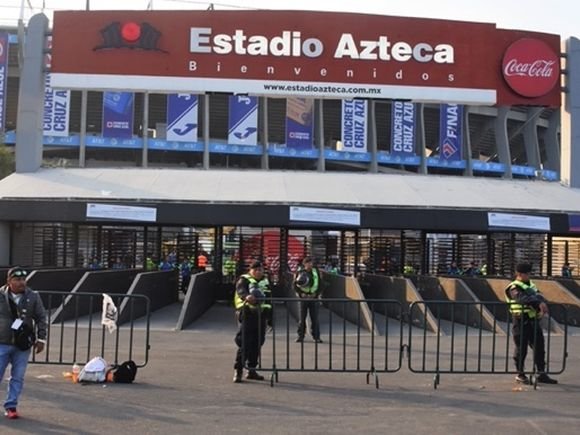
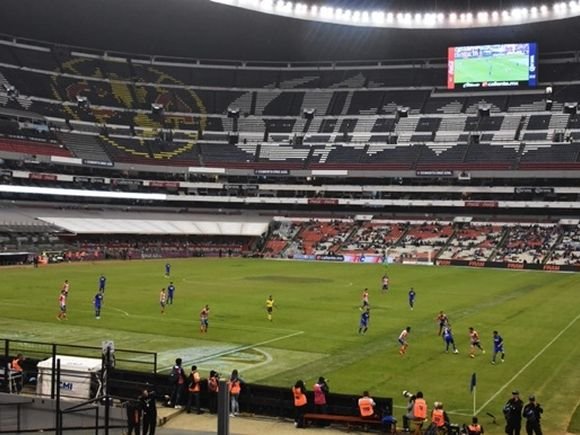
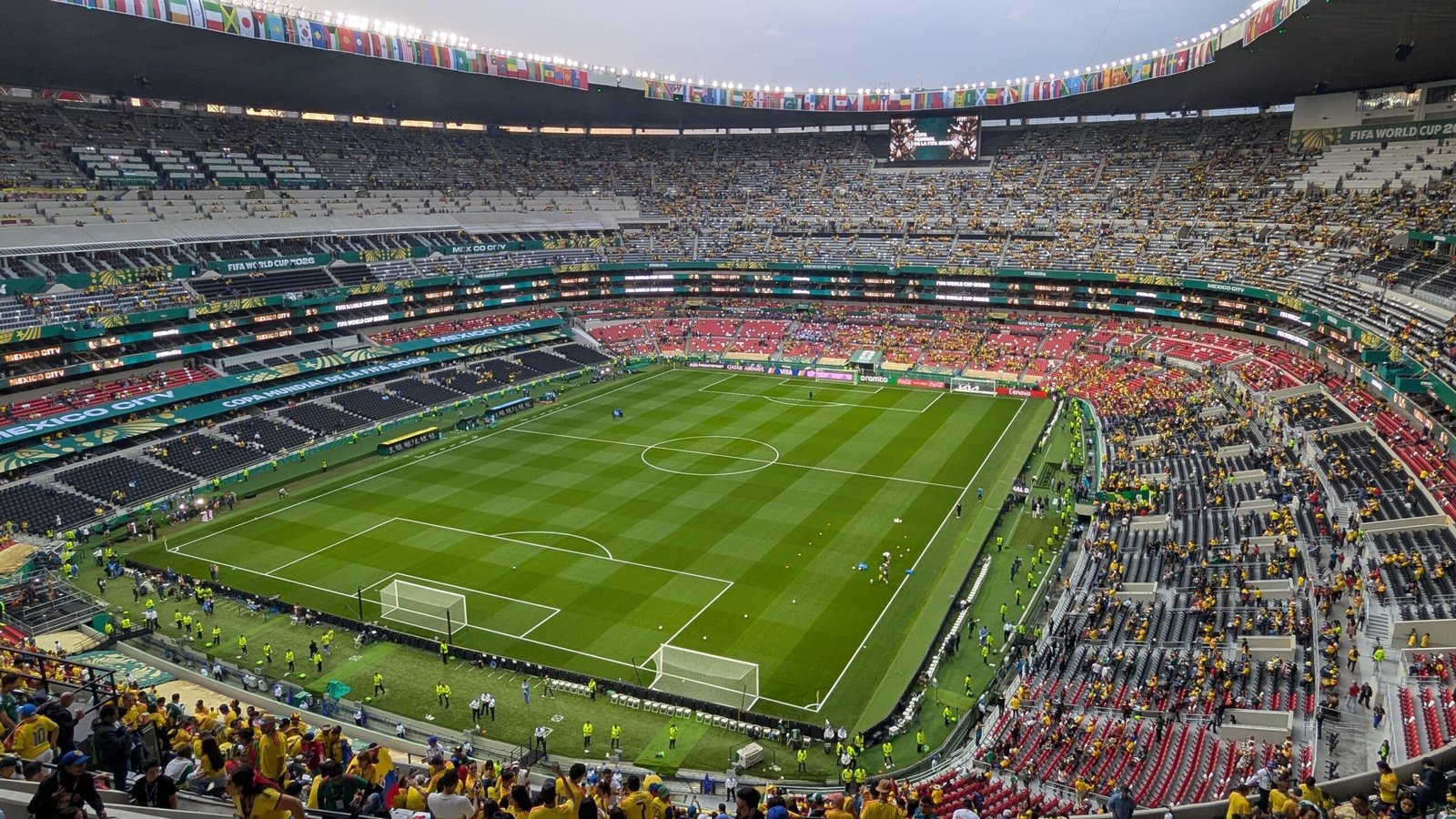
The first and currently only stadium to have hosted two World Cup finals, each a triumph for a football legend, the Estadio Azteca is forever linked with those two tournaments. Currently holding 87,500 spectators, 20,000 fewer than that memorable Brazil-Italy final of 1970, the Azteca was pressed into service for the 1968 Olympics, for which it co-hosted the football tournament.
By the time it staged its curtain-raising fixture in 1966, involving regular tenants Club América, Mexico had already been awarded the 1970 finals. Head of the organising committees for both the Games and World Cup, Pedro Ramírez Vázquez and his fellow architect Rafael Mijares travelled Europe in the early 1960s to observe major sports arenas and bring those influences to bear on their common project.
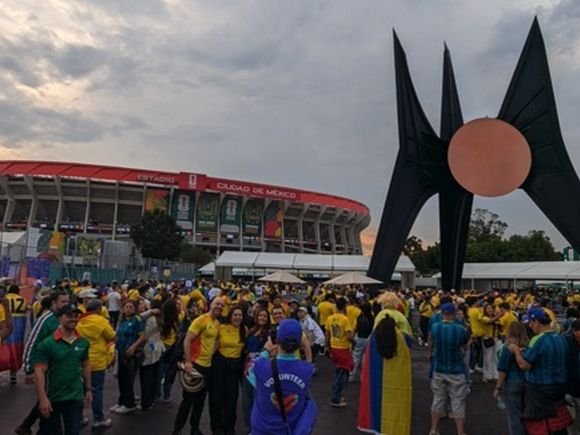
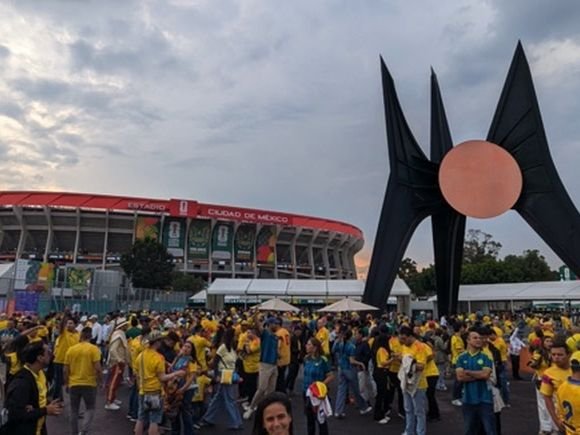
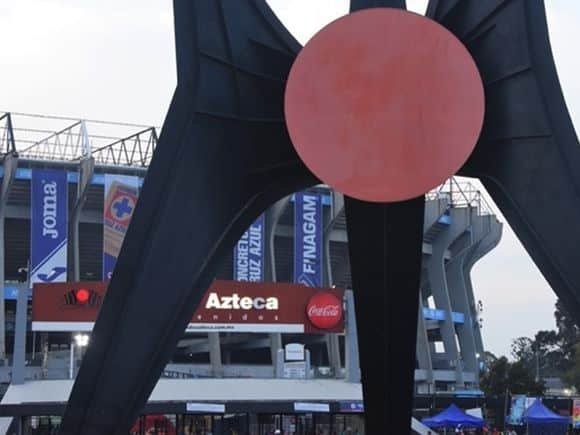
Both were inspired by European modernism but also the pre-Columbian culture of Mexico – in the stadium concourse, they had American sculptor Alexander Calder create his largest work, El Sol Rojo, its red sun motif summoning the central tenets of Aztec culture.


But, ironically, this area of lakes and volcanic soil 10km south of the main square of Zócalo, the main ceremonial gathering place of the Aztecs, was the domain of the Tepanec, Aztec contemporaries who sided with the Spanish when the Europeans conquered the dominant tribe in the early 1500s. This area is now called Coyoacán, all parks and leafy plazas. The other side of the vast university complex stands the stadium that the Azteca replaced as the national football arena, the Estadio Universitario.
This was also the home of the city’s most prominent football team, Club América. When las Águilas were taken over by rapidly developing TV channel Telesistema Mexicana in 1959, its president, Emilio Azcárraga Milmo, had already experienced first-hand major sports events at the Universitario, and instinctively knew this would make for compulsive viewing. What was needed was a suitable arena. In fact, two.
Once Mexico City was awarded the Olympic Games, the Estadio Universitario was expanded and transformed as an athletics showcase. Here, in the rarefied air 2,200 metres high, records were set and great drama unfolded, from Bob Beamon’s prodigious long jump to Dick Fosbury’s revolutionary flop, not to mention the Black Power salute by medal-winning US sprinters.


Some 4km south-east, the Azteca had already opened despite the logistical problems created by the volcanic soil on which it was built. Pedro Ramírez Vázquez and Rafael Mijares had created a bowl of six levels, with superb sightlines for the 100,000-plus spectators gathered here. A record attendance of just under 120,000 had already been set in July 1968, three months before the Olympics, when Mexico beat a Pelé-less Brazil 2-1. While crowds were lower for the Olympic football tournament, dominated by sides from Communist Europe, more than 100,000 still witnessed the bronze medal game between Mexico and Japan.
It was the 1970 World Cup, however, that forever sealed the Azteca in the global imagination. A year after the Moon landing, colour broadcasts helped establish record audiences around the world, games kicking off at noon or mid-afternoon to correlate with TV viewing times in Europe. After the heart-stopping 4-3 semi-final between Italy and West Germany here, the Match of the Century commemorated with a plaque, Pelé’s band of gold Brazil put on a wonderful display in the final.
Images of the world’s greatest player being carried shoulder-high through the crowd, backdropped by 100,000 spectators in the multi-tiered arena, each knowing they had witnessed once-in-a-lifetime magic, remain among the most indelible in football history. This would also be the last time the original Jules Rimet trophy still gleamed – kept by Brazil, it would later be stolen and probably melted down.


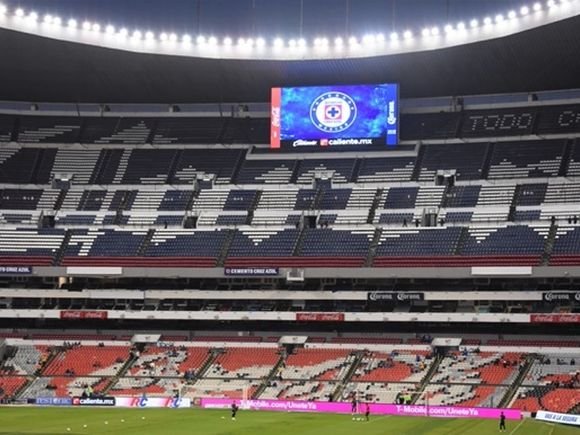
Stadium owners Televisa, the former Telesistema Mexicana and headed by the Azcárraga family for six decades until 2017, then went the whole hog and sold naming rights to Monterrey financial giant Banorte. On the plus side, this helped pay for the recent renovation and expansion initiated in 2024, four years after it was announced that Mexico City would co-host a third World Cup finals.
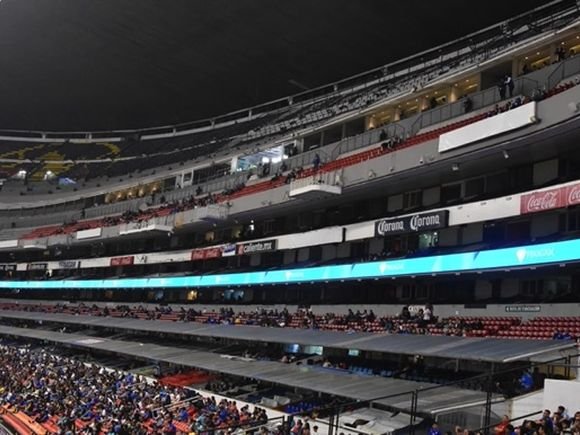
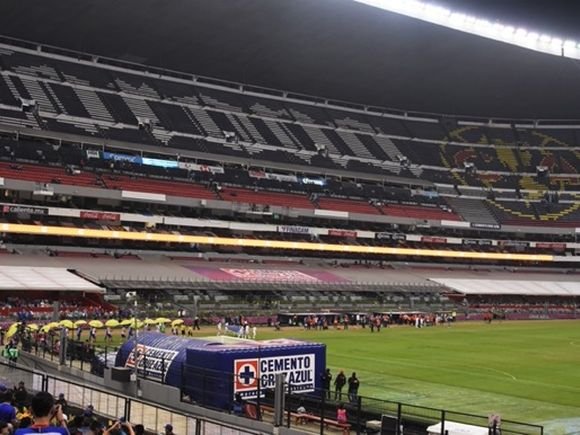
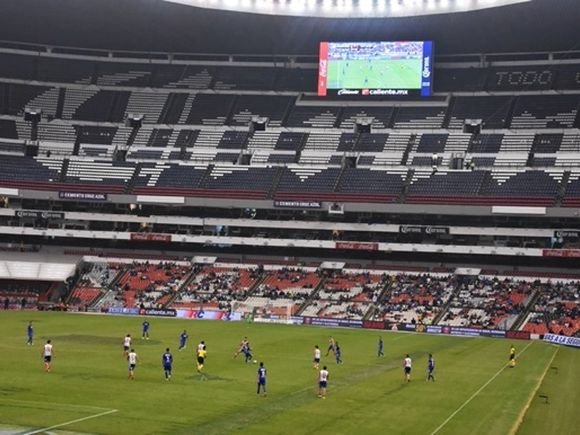
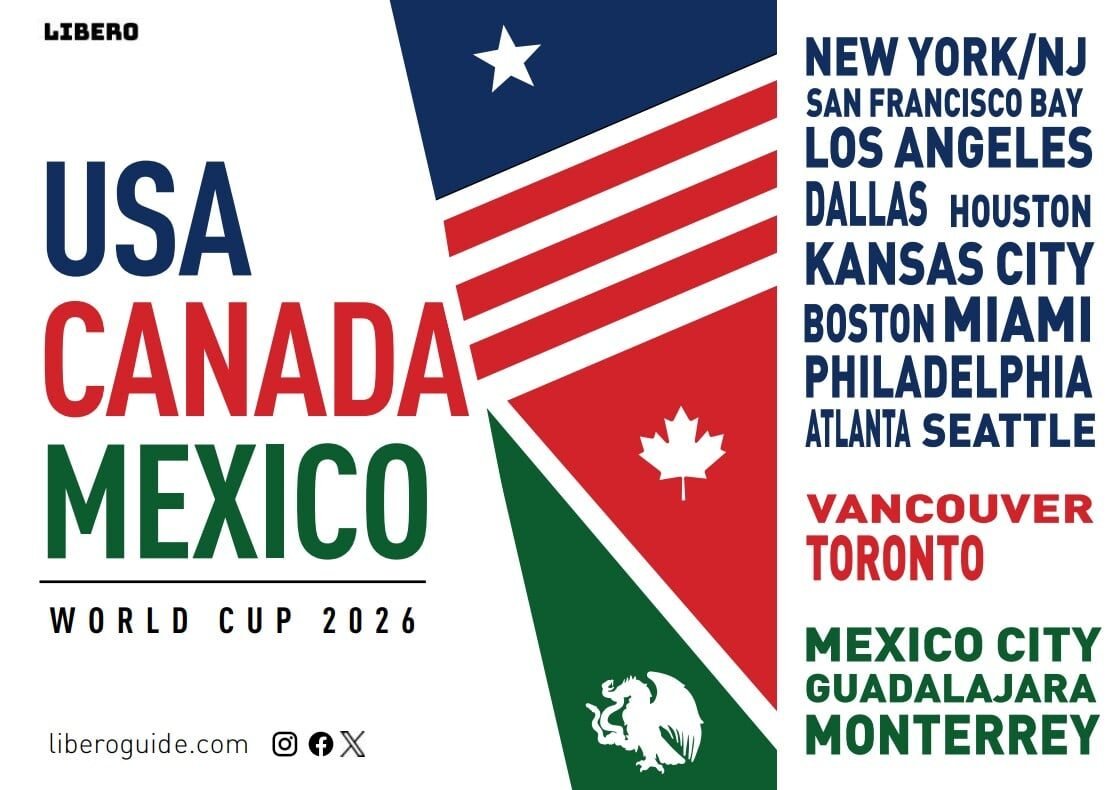
With high-res LED screens and new seating throughout, the Azteca now holds 87,500, the second-biggest of the 16 stadiums staging the 2026 tournament and a fitting stage for the opening ceremony. While the World Cup circus leaves town on July 5 after the Round of 32 game here, the Azteca may have hosted Mexico four times, two group games and potentially two knock-out games.
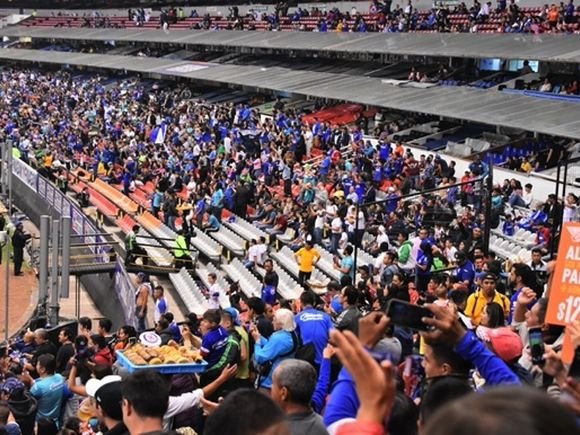
Fittingly, it was the national team, El Tri, which starred in the post-renovation curtain-raiser here in late March 2026. Before a near full house, the 0-0 draw with Portugal marred by the death of a fan falling from the second level of box seating.


getting here
Going to the stadium – tips and timings


Benito Juárez International Airport is 8km (five miles) north-east of downtown Mexico City. Travellers with a boarding pass can use the free Aerotrén service between the two terminals 6min apart or those without, the free bus that shuttles between Gate 6 at Terminal 1 and Gate 4 at Terminal 2.
Red Metrobús line 4 runs every 10-15mins from Gate 7 of Terminal 1 and Gate 2 of Terminal 2 to San Lázaro metro station 1min away. Even if you’re intending to continue into town 30mins away, you still have to change onto a different vehicle at San Lázaro. Buy an integrated mobility card (Tarjeta de Movilidad Integrada, MX$15/US$0.90) valid for the Metrobús, Metro and light-rail networks from machines at stations and stops (card only), Metrobús MX$6/US$0.35 per ride, Metro MX$5/US$0.30 and light rail MX$3/$0/20.
Alternatively, a short walk from Terminal 1, the Terminal Aérea station is the terminus of Metro line 5 while some 500m from Terminal 2, Pantitlán station serves lines A, 1, 5 and 9. Note that networks close at midnight and reopen at 5am.
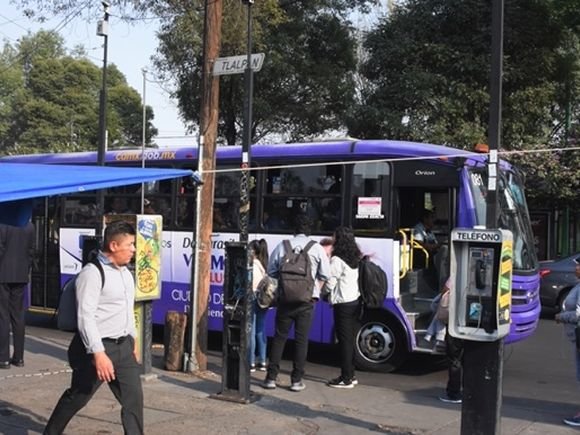
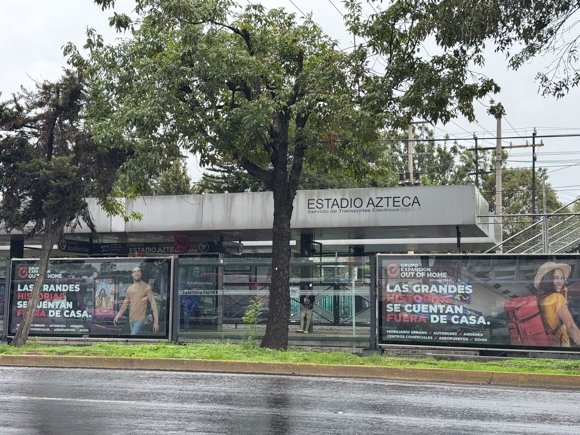
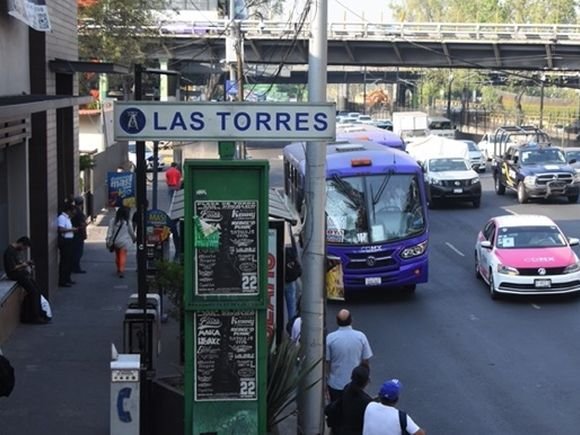
Lines 1 and 5 connects to the city centre and line 2, which terminates at Tasqueña. Here you can pick up the Xochimilco light-rail line (tren ligero), 15mins/nine stops from Estadio Azteca serving the stadium alongside. From central Zócalo via Tasqueña to the stadium, allow around 1hr overall. Estadio Azteca is also on several bus routes, the pesero shared minibus 2-F and, at some point in the future, trolleybus line 14 – but as the stadium is a good 12km south of the city centre, light rail is easiest.
From the airport, a taxi can skirt the city centre and reach the Azteca in under 40mins, traffic willing, or be in the city centre in 30mins. Buy your taxi ticket at the Transporte Terrestre kiosk in either terminal – expect to pay around MX$300/US$17 into town, MX$400/US$23 to the Azteca. Yellow Cab (+55 25 99 60 24) is based at the airport, Taxi Mex (+55 62 50 74 57) in Roma Norte.