Soccer’s loudest arena in the city of Hendrix and Nirvana
The field of dreams – and the story behind it
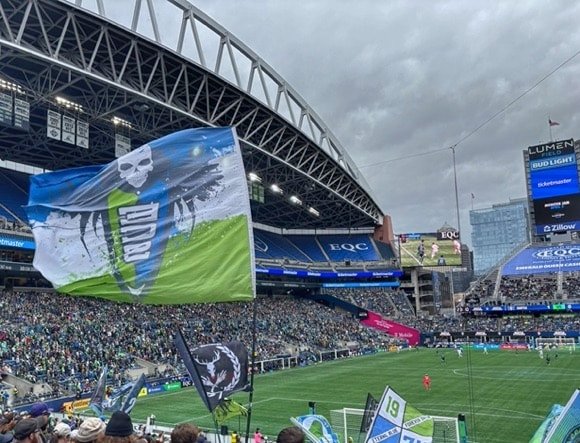
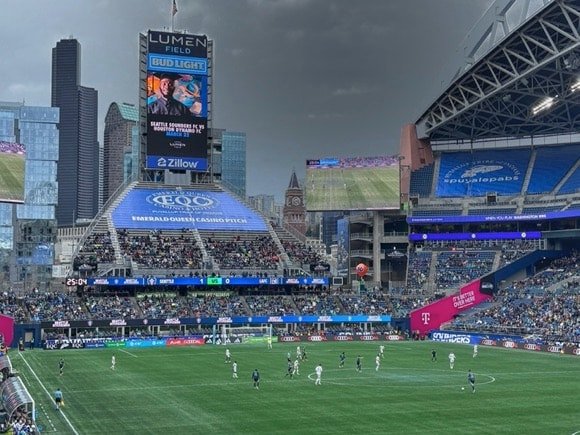
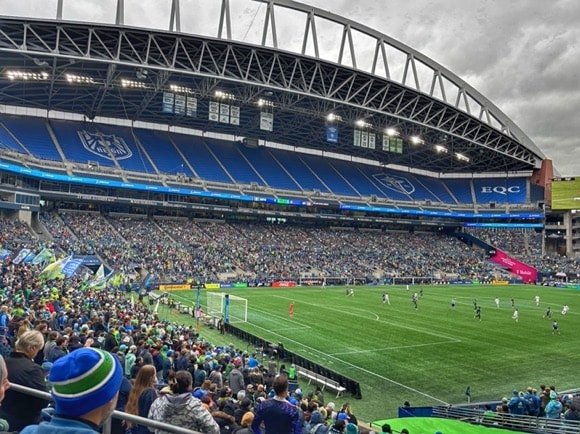
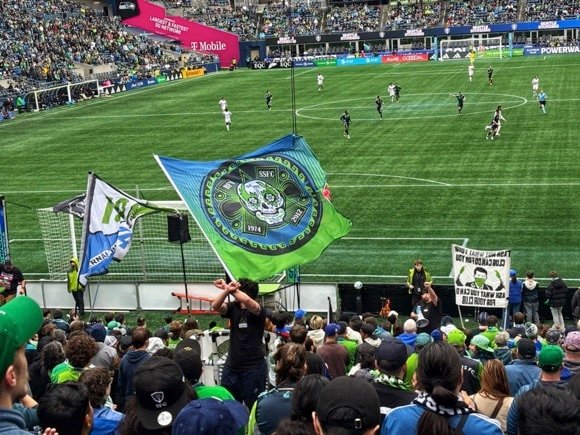
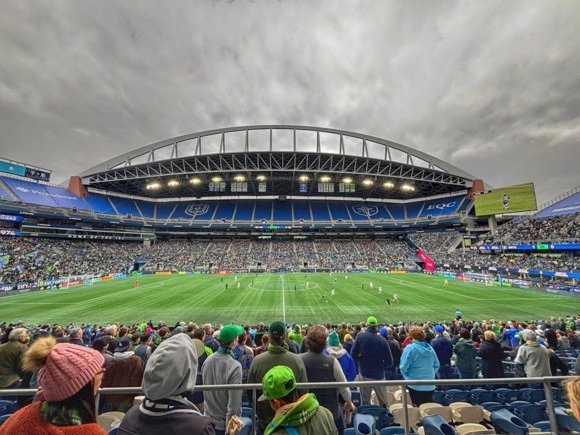
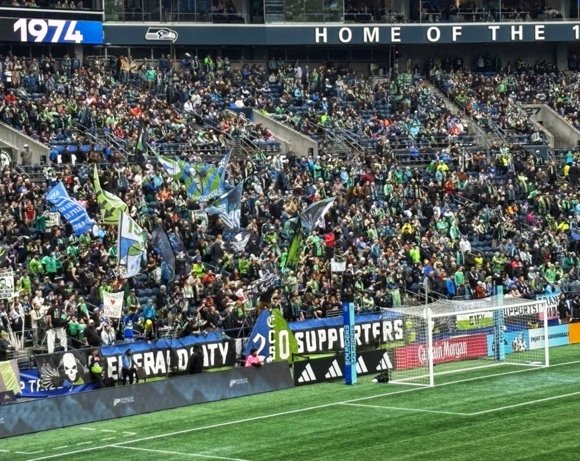
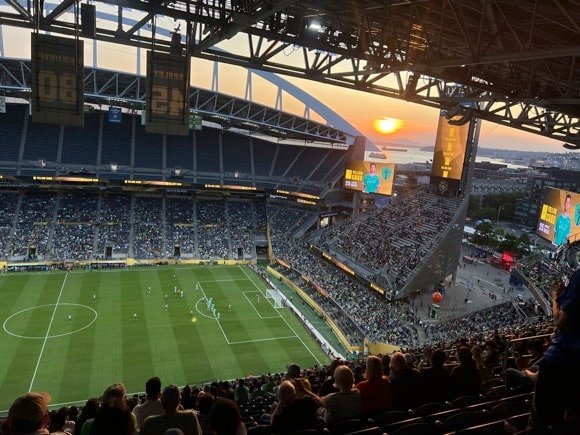
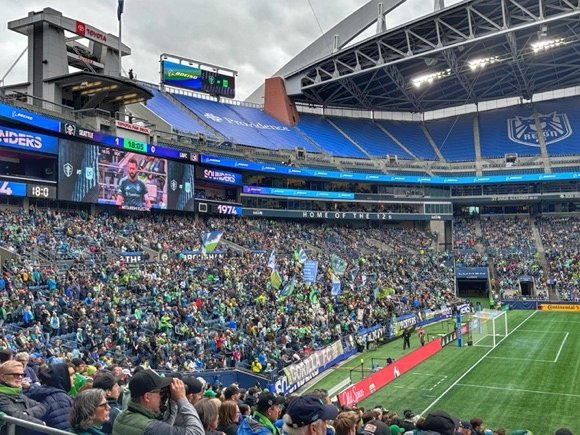
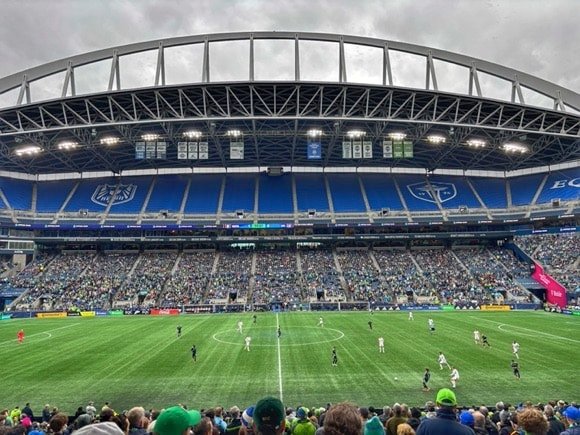
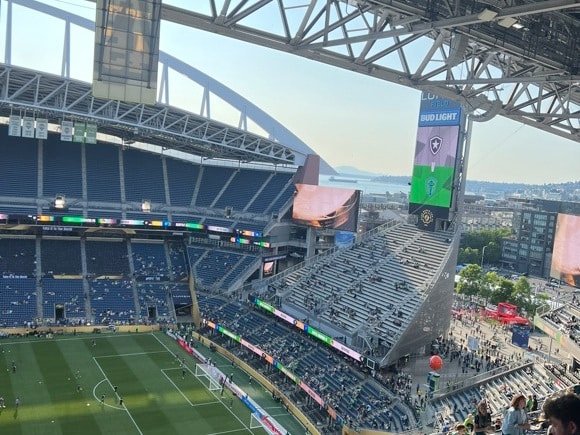
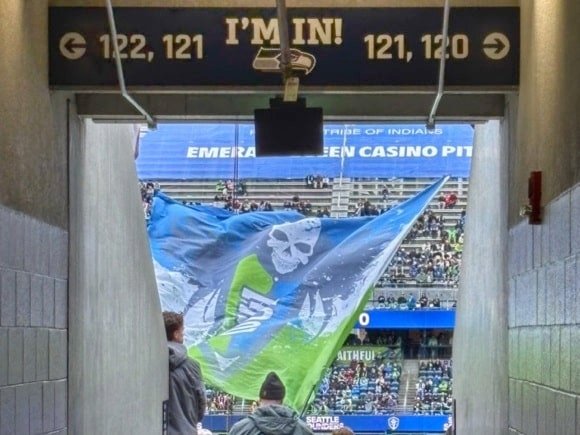
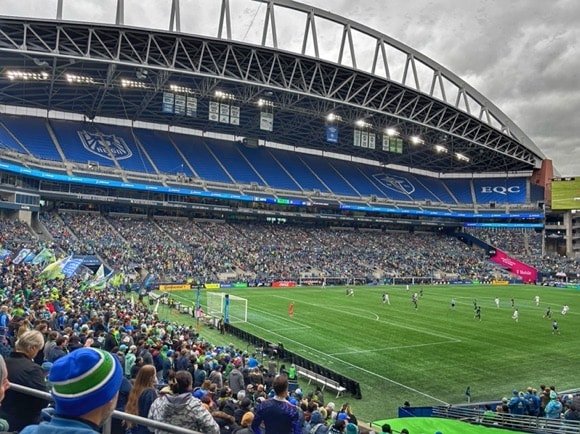
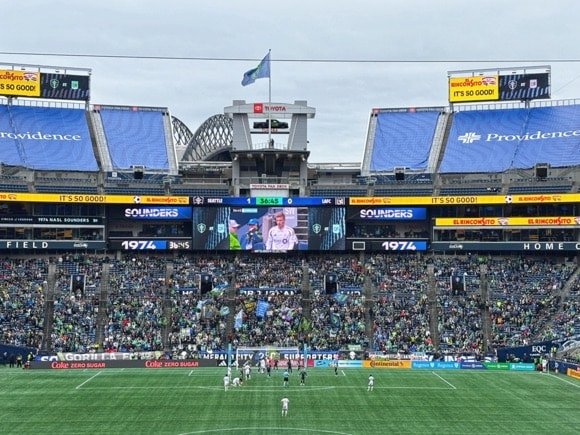
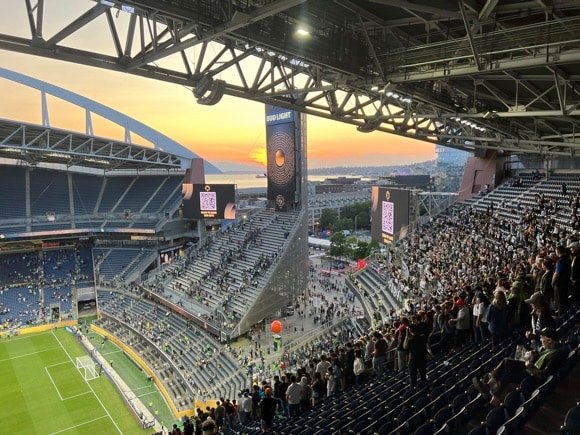
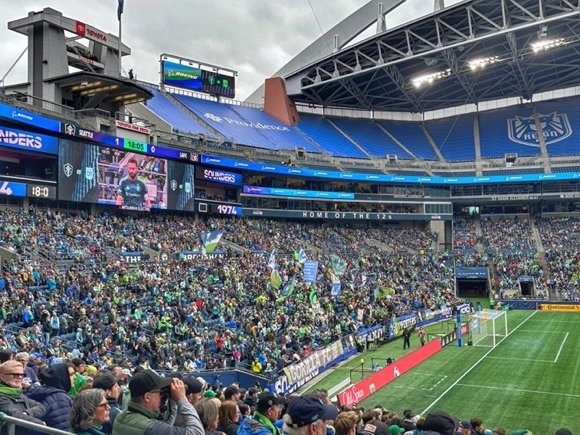
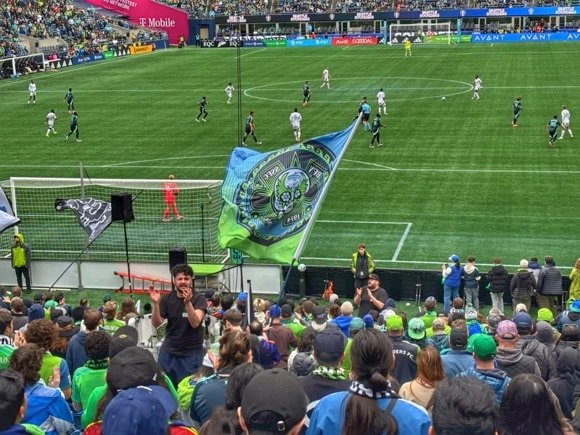
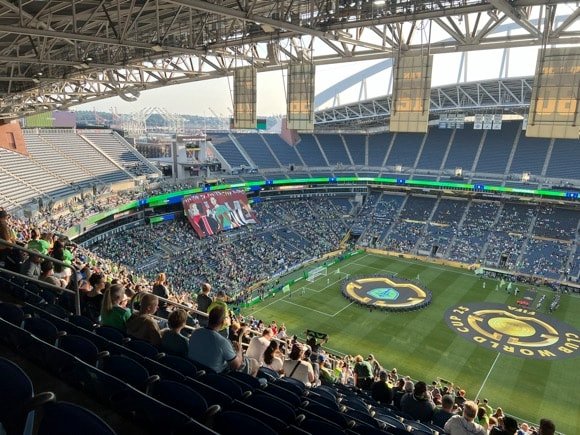
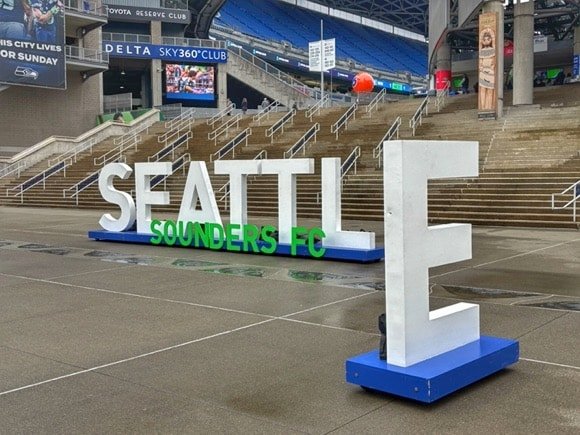
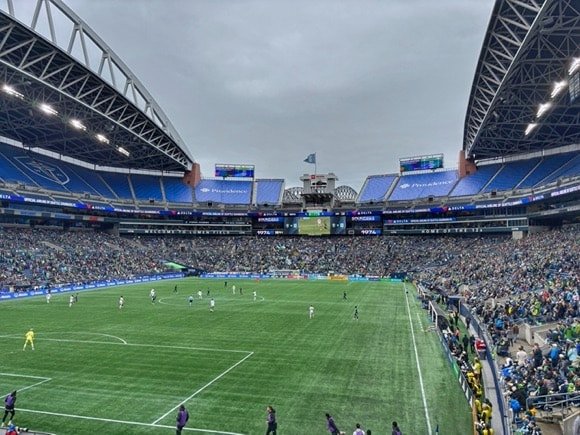
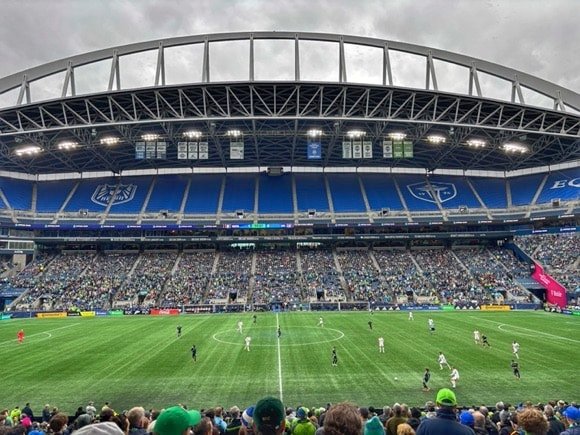
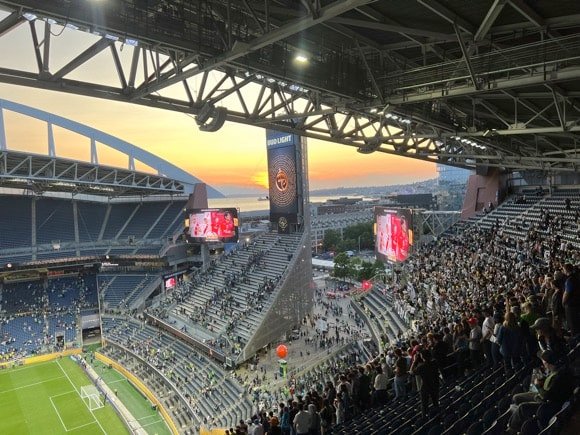
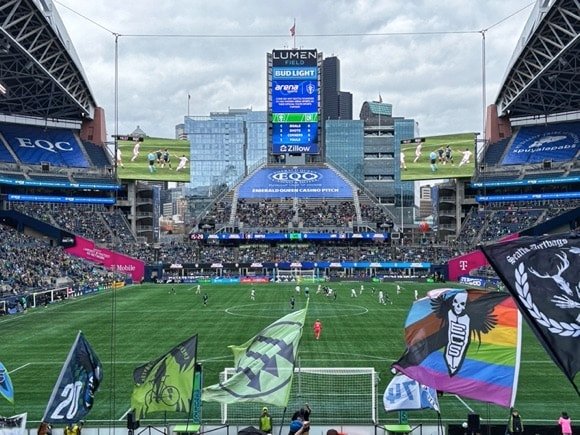
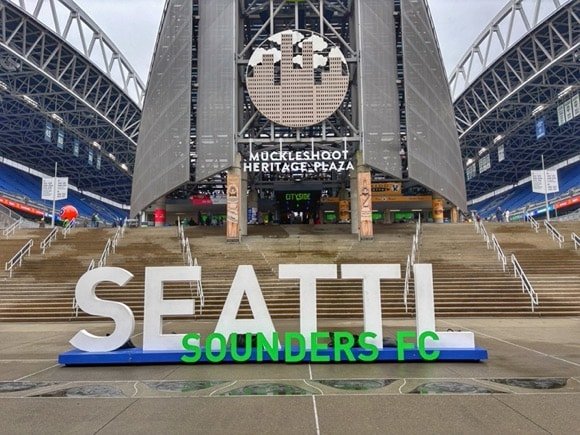
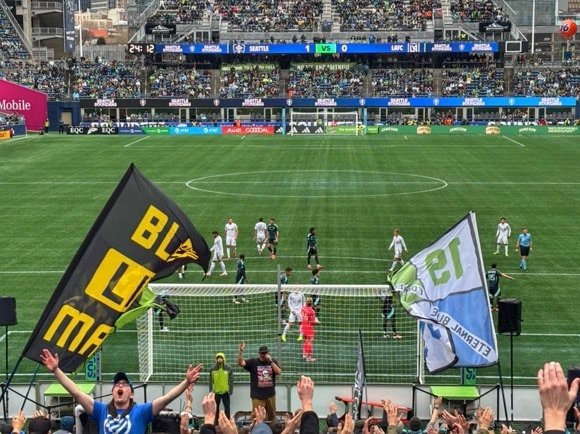
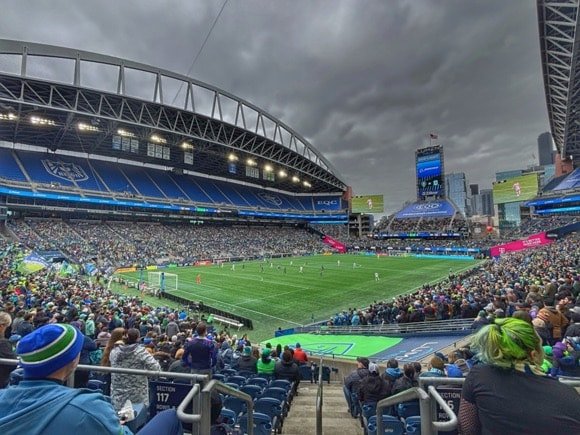
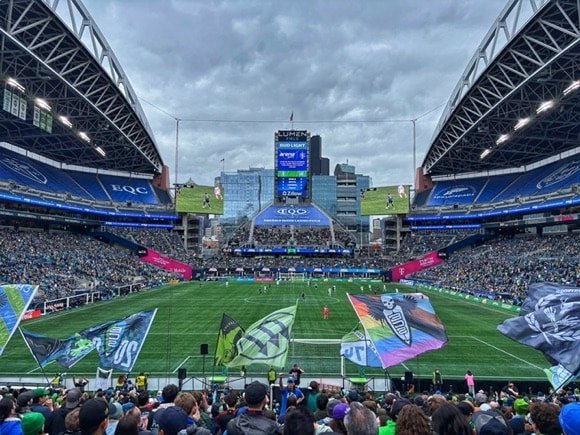
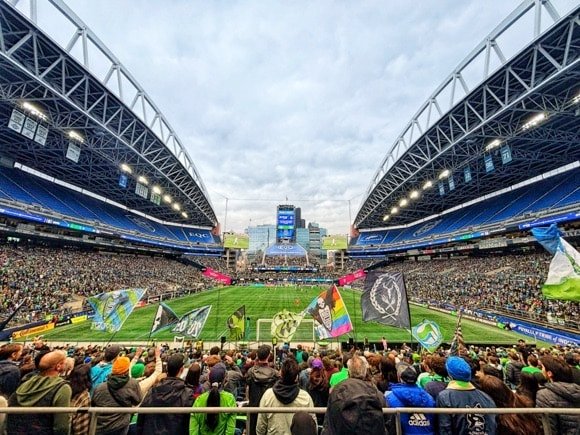
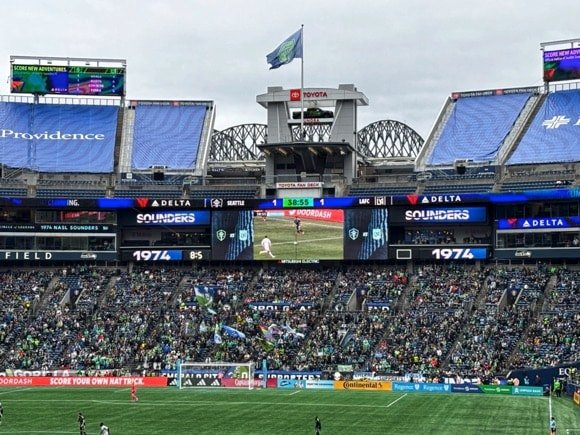
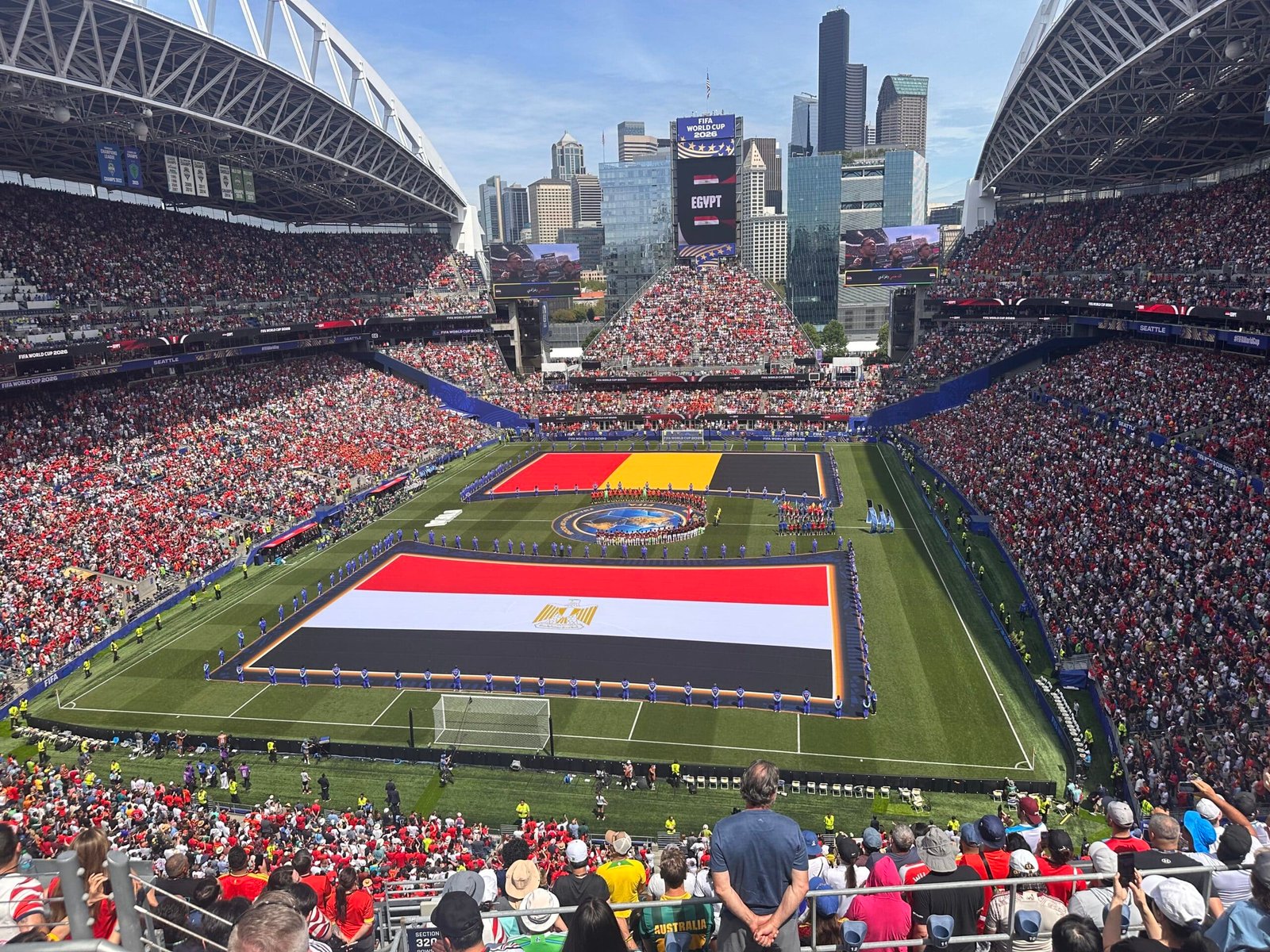
Regularly cited as one of the most atmospheric stadiums in both NFL and MLS, Lumen Field stands on a former industrial zone just south of Downtown Seattle. Twin arches rising over the long sidelines and a scoreboard tower at the north end, with the 3,000-seater Hawk’s Nest at its base, distinguish this arena unveiled in 2002 from the soccer-specific stadiums that have followed it.
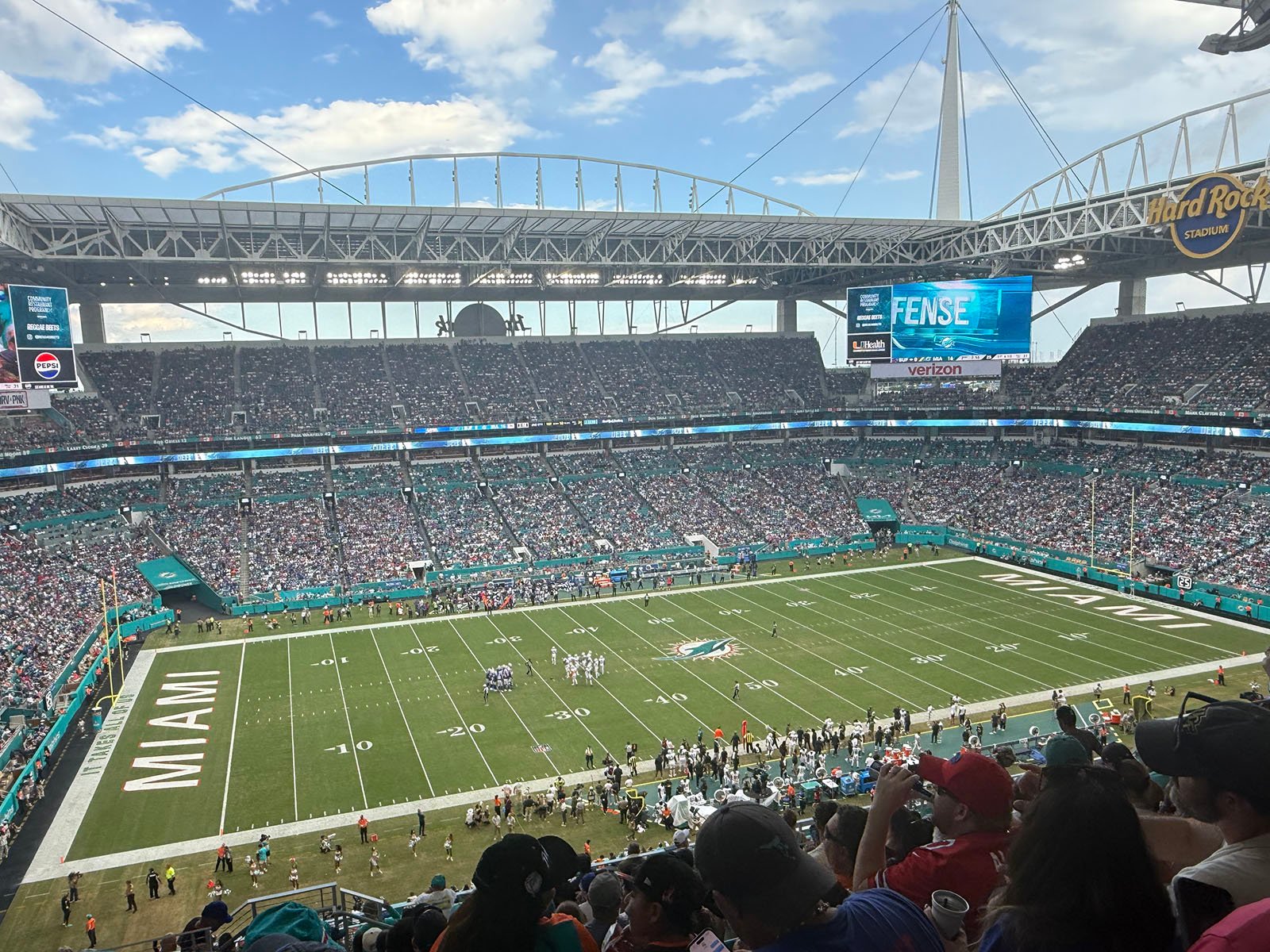
It’s also considerably bigger, capacity set at just under 69,000 for football, 38,000 for soccer, while the likes of Austin, Miami and Philadelphia are way below 30,000, even 20,000.
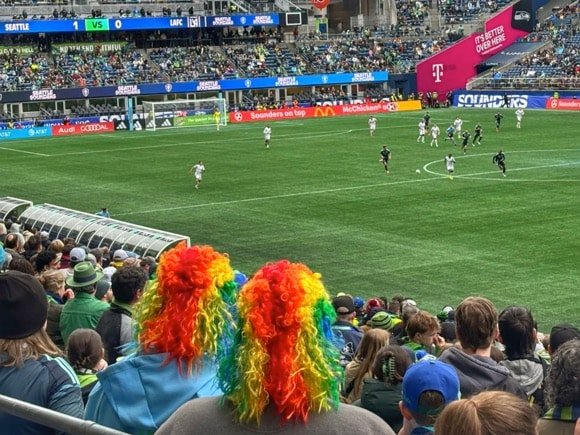
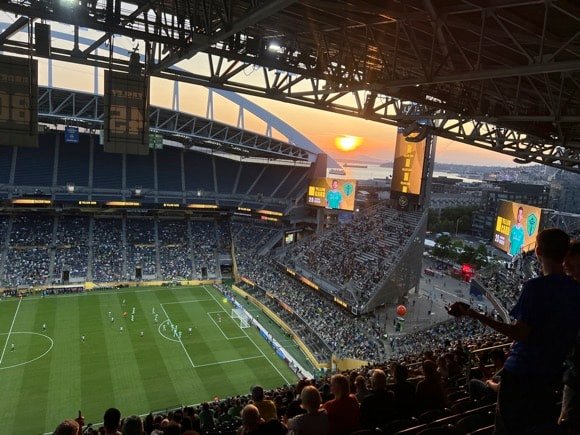
The beauty of Lumen Field, apart from allowing in great swathes of Seattle cityscape through its open north end and views of the volcanic peak of Mount Rainier to the south, is its flexibility. Capacity for Sounders games gradually increased season upon season as more sections were opened, rising to a record average gate of 44,247 in 2015, more than every Premier League club but four that year, Anfield included.
Lumen Field/Stuart Fuller
Lumen Field/Stuart Fuller
Lumen Field/Stuart Fuller
Lumen Field/Stuart Fuller
Lumen Field/Stuart Fuller
Lumen Field/Stuart Fuller
Lumen Field/Chuck Carlson
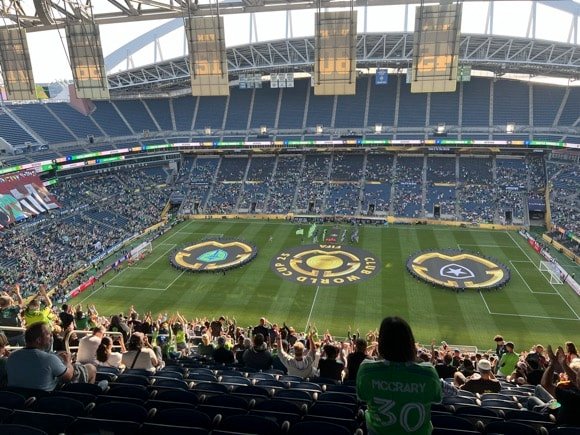
In 2019, Seattle’s MLS Cup win over Toronto was witnessed by 69,274, the second-biggest since the league started in 1996. As well as attendances, noise levels will be recorded this summer, to see if a game – USMNT v Australia, say – can better the decibel levels set here for a Seahawks football game in 2013.
It was Seattle-born Microsoft co-founder Paul Allen, a childhood friend of Bill Gates, who conceived of an open-air yet intimate arena for his Seahawks and Sounders franchises, having invested heavily in both. Having stepped in to prevent their previous owner from moving the team to California, Allen transformed the Seahawks into a successful operation, extending their fan base and eventually securing the Super Bowl in February 2014.
Allen was also involved in the rapid development of Seattle’s soccer team, for years by far the most popular in MLS, even after the Beckham effect of the early 2010s helped improve attendances across the league. The Sounders’ first MLS Cup came in 2016, shortly before Allen succumbed to the cancer he had been battling for decades.
Lumen Field/Stuart Fuller
Lumen Field/Stuart Fuller
Lumen Field/Chuck Carlson
Lumen Field/Stuart Fuller
Lumen Field/Stuart Fuller
Lumen Field/Stuart Fuller
Lumen Field/Chuck Carlson
One of the earliest pioneers of the computer age, Allen was an old-school philanthropic entrepreneur, donating fortunes to fight Ebola and investing in science. HIs plaque can be found in Downtown Seattle, near the one honouring the co-founders of the Sub Pop label, early champions of Nirvana – although Allen himself was a fan of another local musical legend, Jimi Hendrix.
Back in the late 1990s, having bought the Seahawks on the promise of keeping the team in Seattle but moving them out of the dated (but equally raucous) Kingdome, Allen worked closely with two teams of architects to recreate the atmosphere of the city’s legendary Husky Stadium.
Built in 1920s, the home field of the college football team at the University of Washington campus earned itself a place in the record books for being the loudest of its kind in the United States and for initiating the stadium wave – although Oakland also lays claim to this dubious distinction.
Lumen Field/Stuart Fuller
Lumen Field/Stuart Fuller
Lumen Field/Chuck Carlson
Lumen Field/Stuart Fuller
Lumen Field/Stuart Fuller
Lumen Field/Stuart Fuller
Lumen Field/Stuart Fuller
Lumen Field/Chuck Carlson
n any case, sport-crazy Allen was a regular there in his formative years, and had Husky Stadium in mind when he pored over the blueprints for what would become Lumen Field. The Seahawks themselves had already played several seasons at Husky Stadium, one after the Kingdome’s roof collapsed while the baseball team was training in it, and then when Allen’s new arena was being built at the turn of the new century.
With the installation of a retractable roof rejected, partly due to costs, roofs only cover the two long sidelines, leaving each end and the pitch open to the elements. With a natural surface logistically challenging, eventually a grass-like FieldTurf surface was laid in 2024, though not without its critics.
When Lumen Field staged games as part of the Club World Cup in 2025, a hybrid grass pitch was used, again to the dislike of visiting teams such as Paris Saint-Germain and Atlético Madrid. For the World Cup, a grass surface will be used. For the six matches here, the sponsored name of Lumen Field will be dropped in favour of SeattleStadium.
Lumen Field/Stuart Fuller
Lumen Field/Stuart Fuller
Lumen Field/Stuart Fuller
Lumen Field/Stuart Fuller
Lumen Field/Stuart Fuller
Lumen Field/Chuck Carlson
Lumen Field/Stuart Fuller
Lumen Field/Stuart Fuller
Lumen Field/Chuck Carlson
Getting here
Going to the stadium – tips and timings
Seattle Link/Anatol Steck
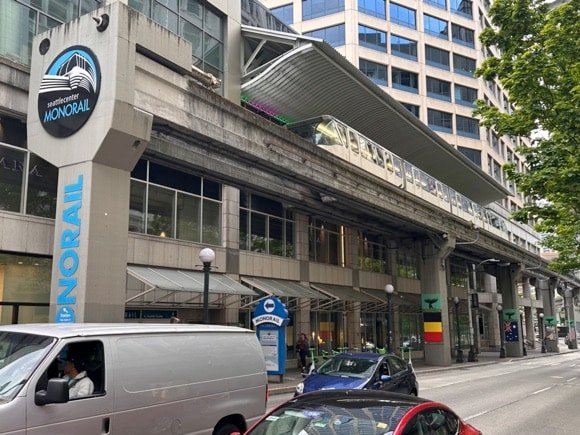
Seattle monorail/Anatol Steck
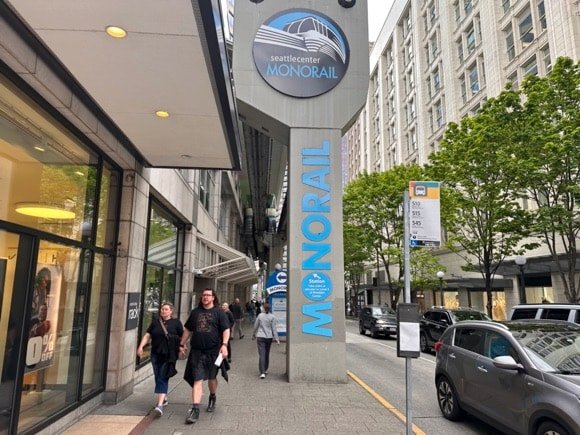
Seattle monorail/Anatol Steck
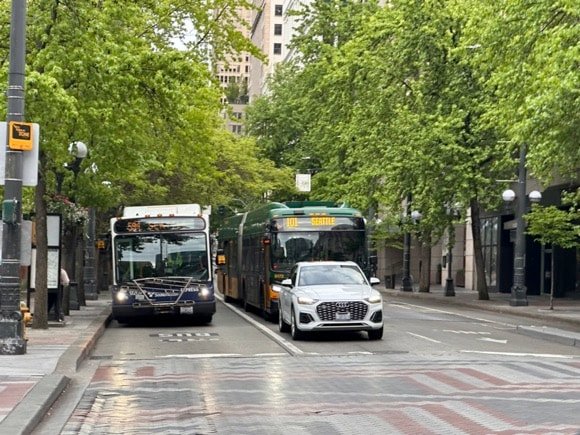
Seattle buses/Anatol Steck
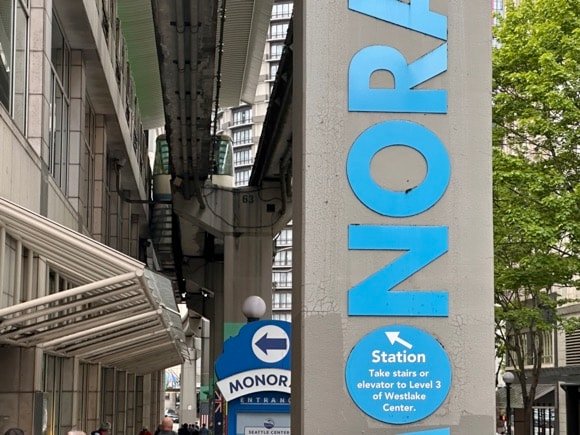
Seattle monorail/Anatol Steck
Seattle monorail/Anatol Steck
Seattle Monorail/Anatol Steck
Seattle buses/Anatol Steck
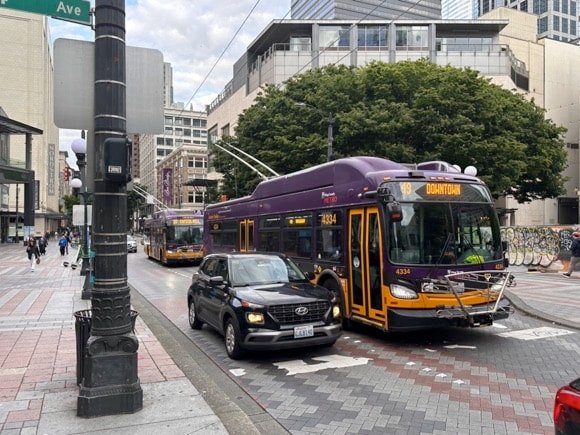
Seattle-Tacoma International Airport is 14 miles (23km) south of Downtown Seattle, on the same 1 Line of Sound Transit’s Link light-rail network (every 8-15mins) as Stadium and, more convenient for Lumen Field, International District/Chinatown beside King Street, journey times 30-35mins.
A one-way ticket (by cash/card, local ORCA card ($3) or Transit GO app) is $3, a day pass $6, 3-Day PugetPass $18. King Street Station is also served by Amtrak trains from Los Angeles, Portland, Vancouver, and other destinations.
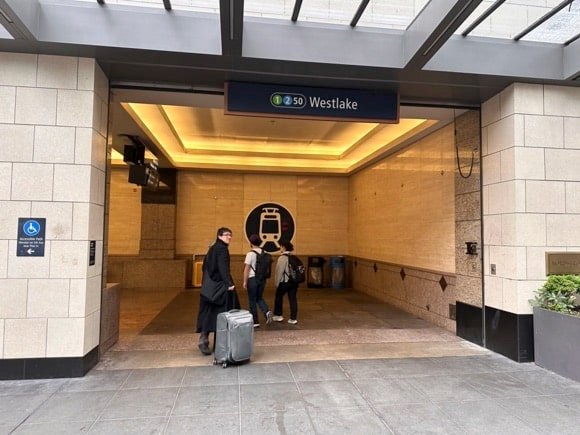
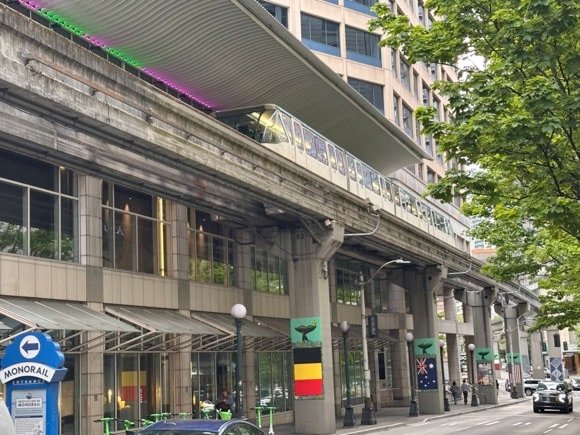
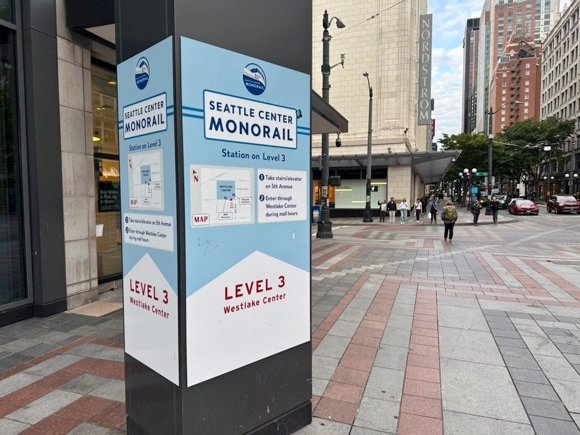
The ORCA card is valid fo the Monorail ($4, every 10mins) between Westlake Station (3 stops up from International District/Chinatown) and Seattle Center (journey time 2mins) beside the Space Needle and Fan Zone.
A 3-Day Monorail Sea26 Fan Pass is $20. Seattle Airport Taxi (+1 206-430-5051) has a set rate of $45 to Downtown. For zipping around town, Seattle Yellow Cab taxis (+1 206-622-6500) can be booked through the company app.
Stadium parking can be arranged through SpotHero. Prices to park near the ground on game days currently start around $70 but are sure to rise.
Where to Drink
The best pubs and bars for football fans
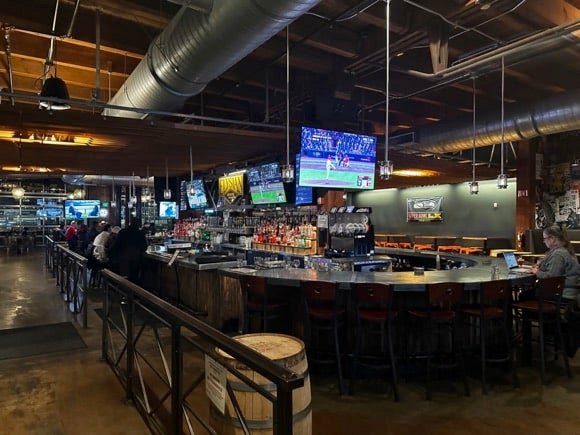
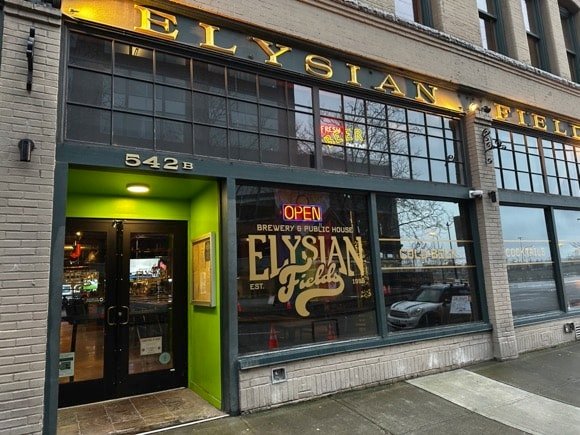
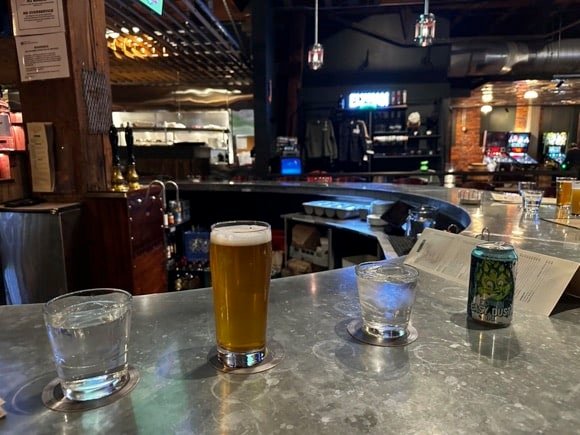
Elysian Fields/Anatol Steck
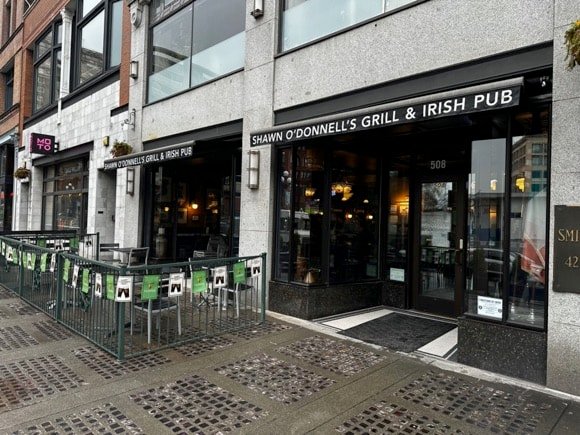
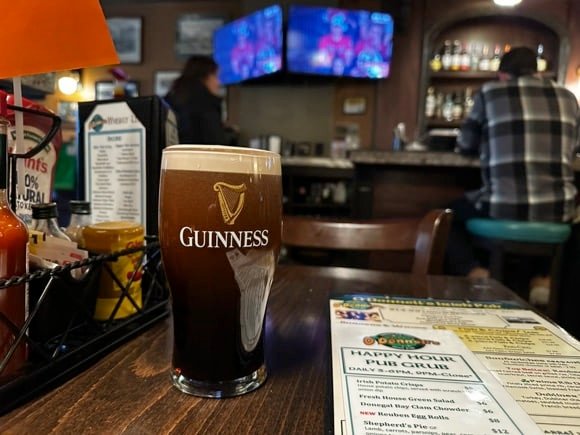
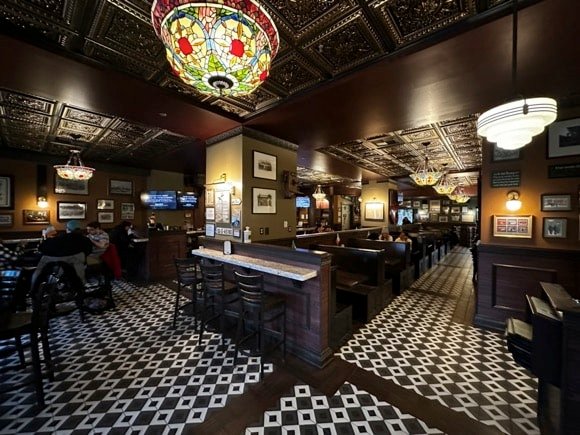
Shawn O'Donnell’s/Anatol Steck
Elysian Fields/Anatol Steck
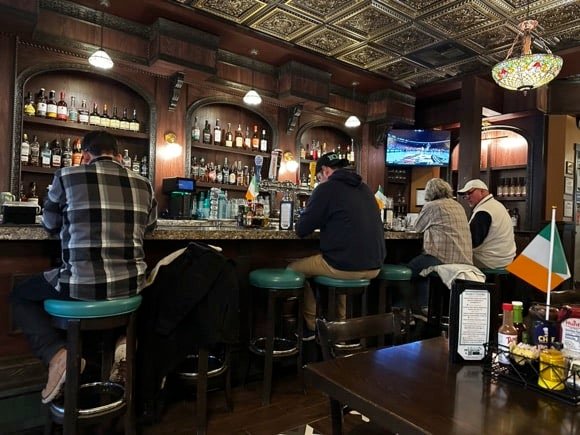
Shawn O'Donnell’s/Anatol Steck
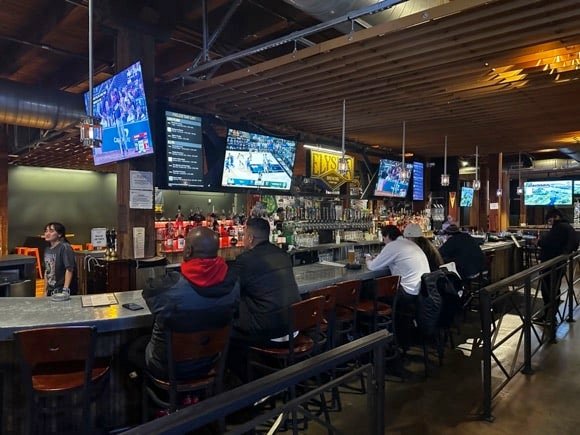
Elysian Fields/Anatol Steck
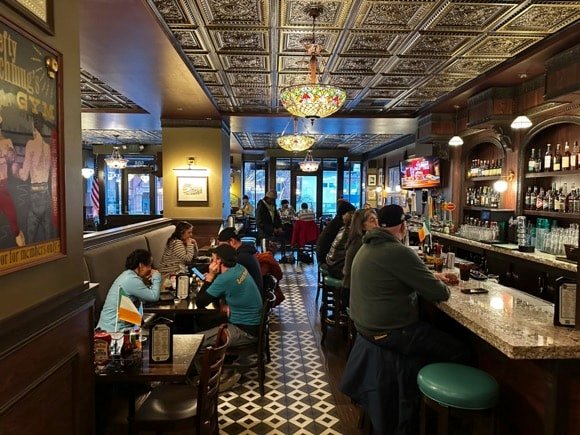
As well as tailgating near the stadium, you can find pre-match drinks at Shawn O’Donnell’s at the base of Smith Tower at Pioneer Square, a homely Irish pub serving hearty fare, Guinness and local craft IPAs.
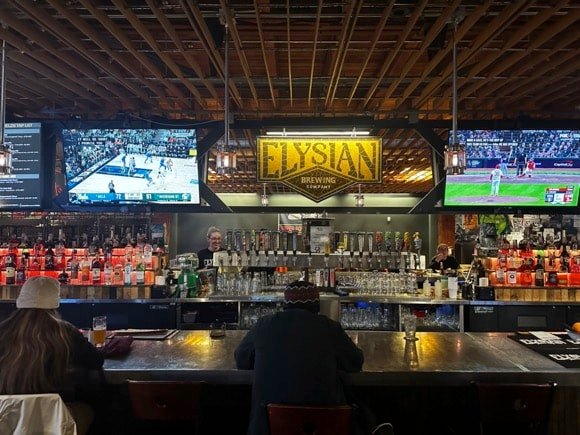
Right by stadium, brewpub Elysian Fields embodies Seattle, its craft beer scene, its passion for local sports and its arty, bohemian side as illustrated by funky beer cans lining the fridge. Come early on game day for a terrace table.
We use cookies on our website to give you the most relevant experience by remembering your preferences and repeat visits. By clicking “Accept All”, you consent to the use of ALL the cookies. However, you may visit "Cookie Settings" to provide a controlled consent.
This website uses cookies to improve your experience while you navigate through the website. Out of these, the cookies that are categorized as necessary are stored on your browser as they are essential for the working of basic functionalities of the website. We also use third-party cookies that help us analyze and understand how you use this website. These cookies will be stored in your browser only with your consent. You also have the option to opt-out of these cookies. But opting out of some of these cookies may affect your browsing experience.
Necessary cookies are absolutely essential for the website to function properly. These cookies ensure basic functionalities and security features of the website, anonymously.
Cookie
Duration
Description
cookielawinfo-checkbox-analytics
11 months
This cookie is set by GDPR Cookie Consent plugin. The cookie is used to store the user consent for the cookies in the category "Analytics".
cookielawinfo-checkbox-functional
11 months
The cookie is set by GDPR cookie consent to record the user consent for the cookies in the category "Functional".
cookielawinfo-checkbox-necessary
11 months
This cookie is set by GDPR Cookie Consent plugin. The cookies is used to store the user consent for the cookies in the category "Necessary".
cookielawinfo-checkbox-others
11 months
This cookie is set by GDPR Cookie Consent plugin. The cookie is used to store the user consent for the cookies in the category "Other.
cookielawinfo-checkbox-performance
11 months
This cookie is set by GDPR Cookie Consent plugin. The cookie is used to store the user consent for the cookies in the category "Performance".
viewed_cookie_policy
11 months
The cookie is set by the GDPR Cookie Consent plugin and is used to store whether or not user has consented to the use of cookies. It does not store any personal data.
Functional cookies help to perform certain functionalities like sharing the content of the website on social media platforms, collect feedbacks, and other third-party features.
Performance cookies are used to understand and analyze the key performance indexes of the website which helps in delivering a better user experience for the visitors.
Analytical cookies are used to understand how visitors interact with the website. These cookies help provide information on metrics the number of visitors, bounce rate, traffic source, etc.
Advertisement cookies are used to provide visitors with relevant ads and marketing campaigns. These cookies track visitors across websites and collect information to provide customized ads.