Liberating football travel

Liberating football travel

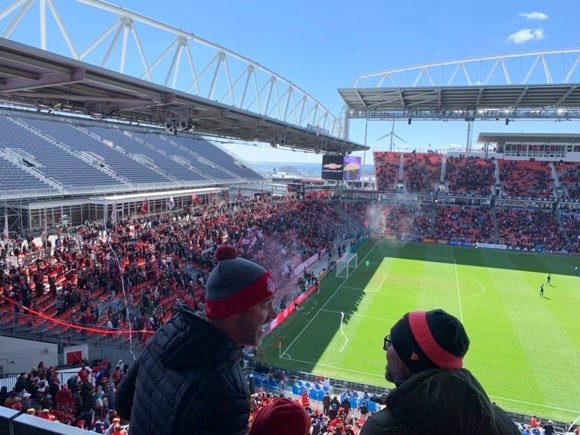
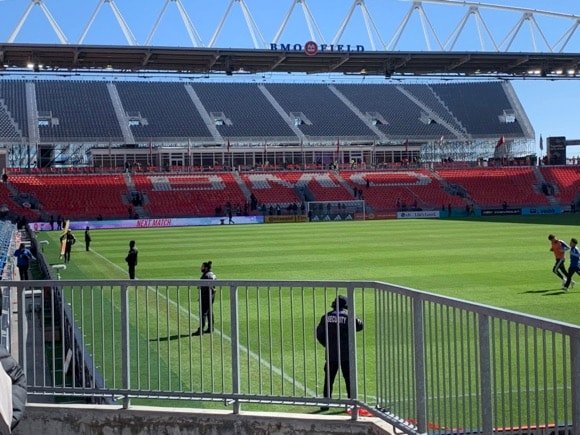
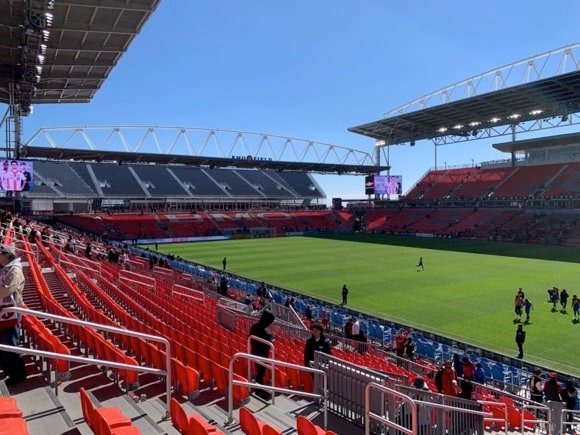
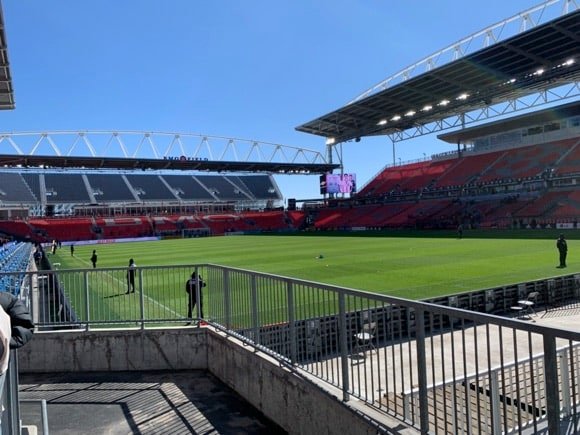
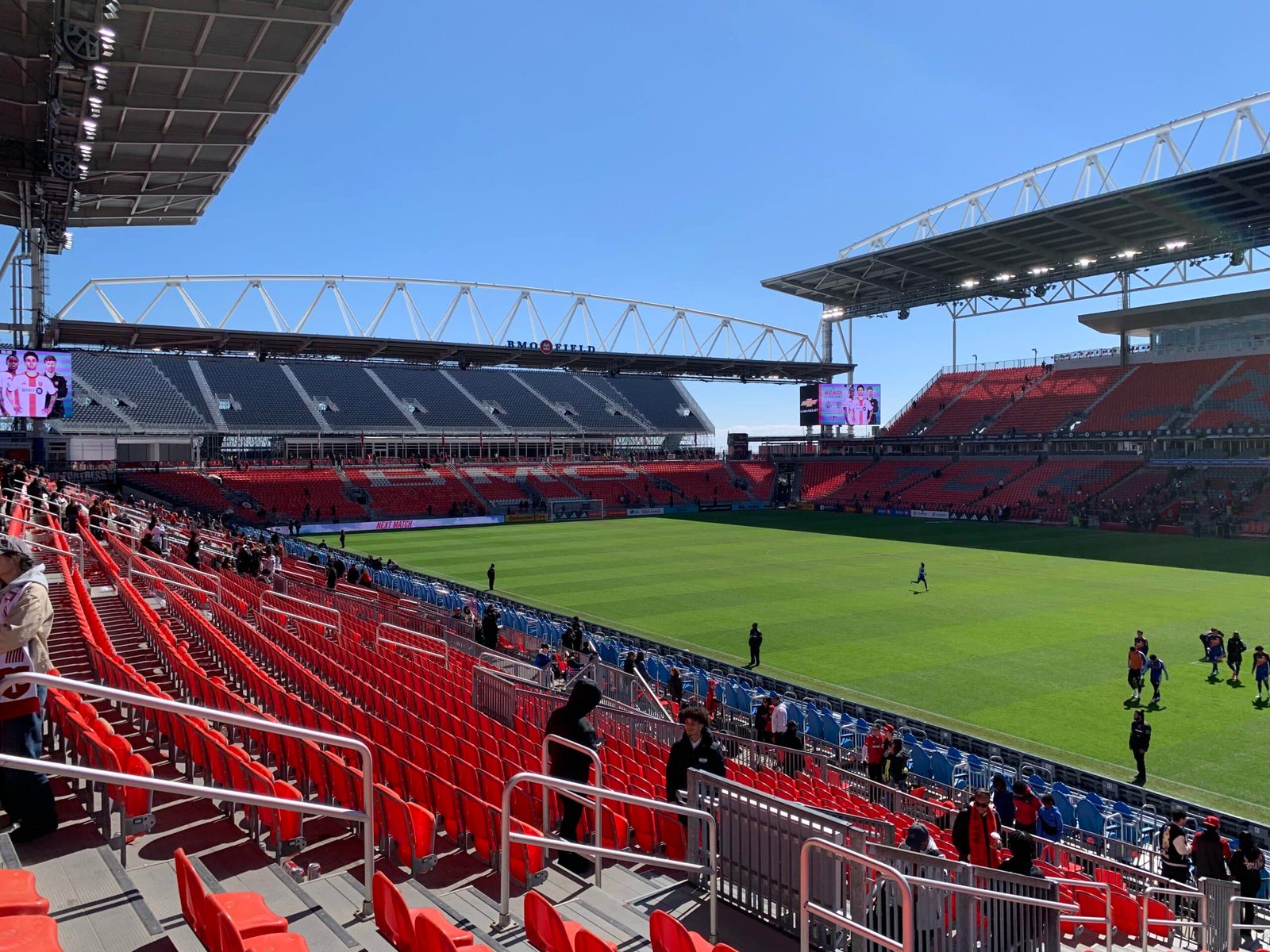
BMO Field

Canada’s soccer home, a sports site since the 1800s

The field of dreams – and the story behind it

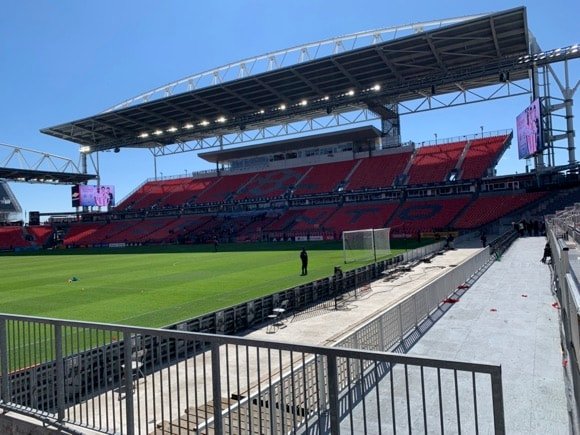
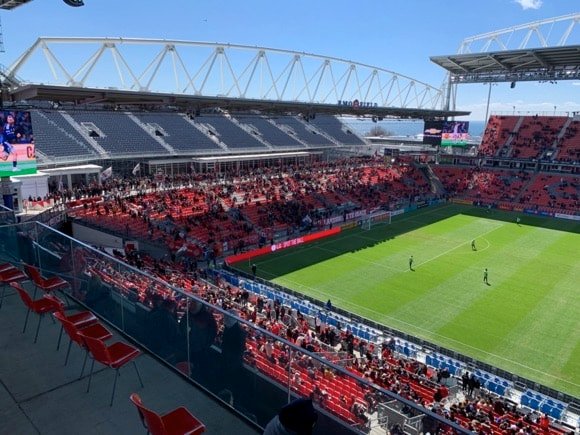
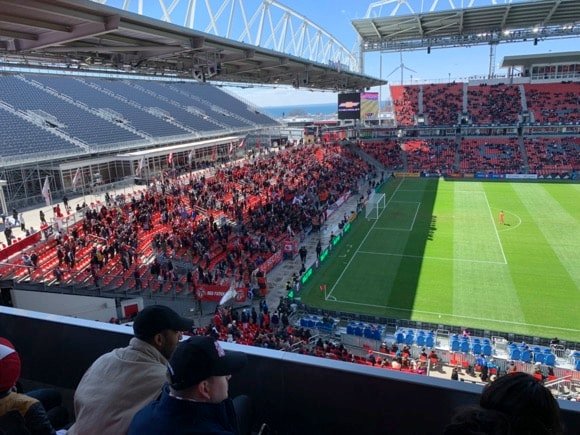
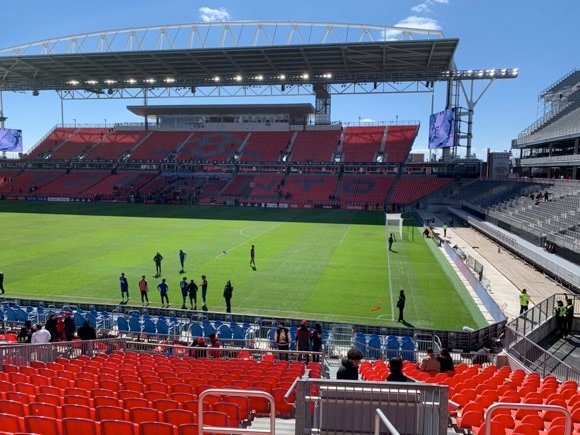
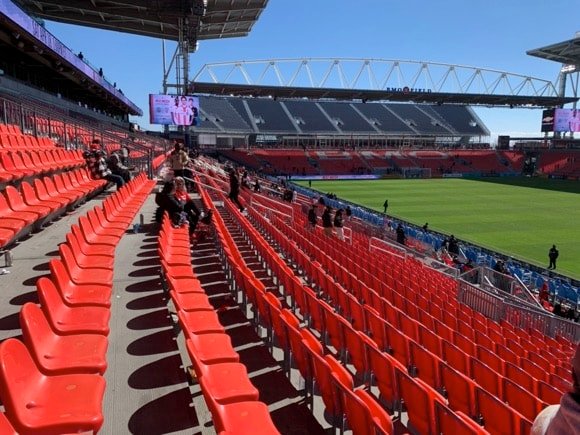
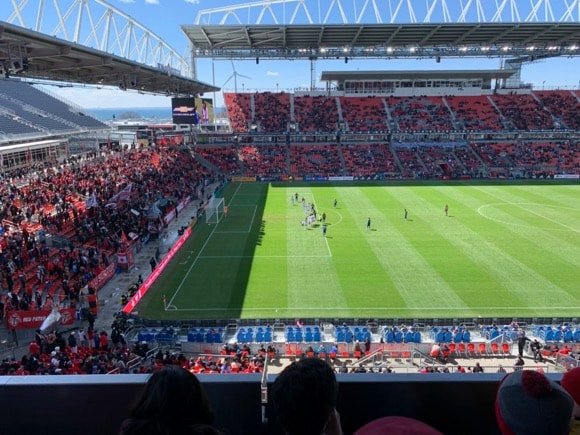
BMO Field is located within Toronto’s Exhibition Place district, about two miles west of downtown on the shoreline of Lake Ontario.

Here once stood the Exhibition Stadium, home of Toronto Blizzard in the NASL days. Demolished in 1999, it was known for the wind and snow that used to blow in off the lake. They didn’t call the soccer team Blizzard for nothing.

With baseball, gridiron football and basketball moved to Toronto’s downtown SkyDome, now called Rogers Centre, it was agreed that a new arena being built on the site of the old Exhibition Stadium should be soccer-specific.

Part-funded by two levels of government and the City of Toronto, BMO Field is overseen by Maple Leaf Sports & Entertainment of Toronto Maple Leafs fame. Originally, CFL team the Toronto Argonauts had proposed a new stadium here but Canada’s bid to host the 2007 U-20 World Cup swayed the authorities to go with soccer.

MLSE, keen on a soccer franchise, as well as contributing CA$8 million toward construction, paid CA$10 for the naming rights, sold on to Bank of Montreal (‘BMO’) for nearly three times that amount. After work started in March 2006, in May, Toronto FC was named as the first Canadian team in MLS.

Unveiled in April 2007 with a TFC defeat against Kansas City Wizards, officially opened that May, BMO Field was referred to as ‘National Soccer Stadium’ for its role as main venue for the U-20 World Cup that summer. Played on an artificial surface before crowds of a near-capacity 20,195, the recently unveiled arena proved the perfect stage for tournament MVP Sergio Agüero and fellow 2014 World Cup star Ángel Di María, winners with Argentina. Later TFC lynchpins Michael Bradley and Jozy Altidore scored vital goals here for the US.

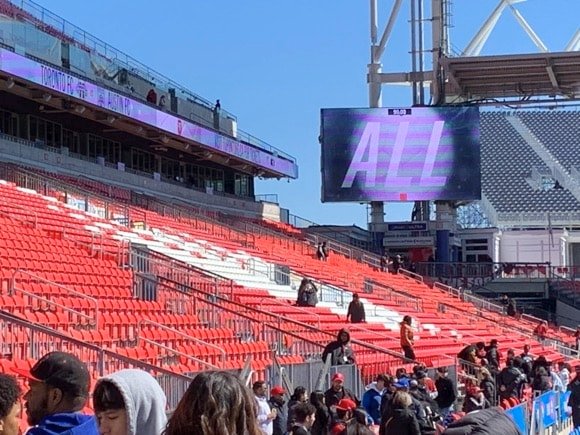
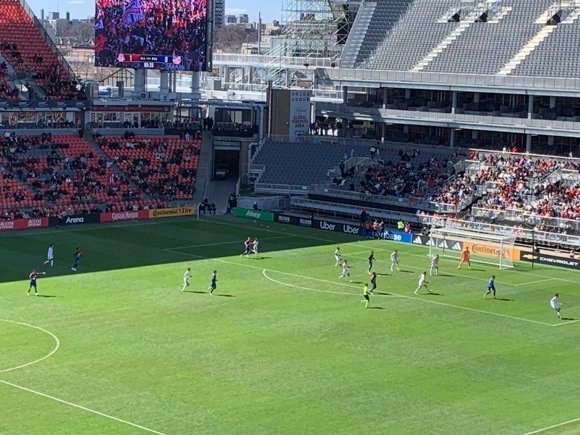
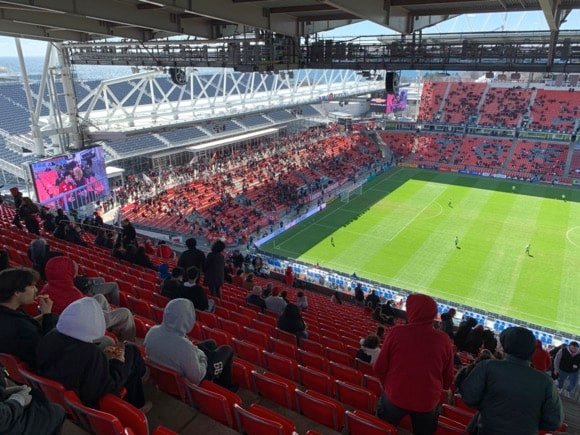
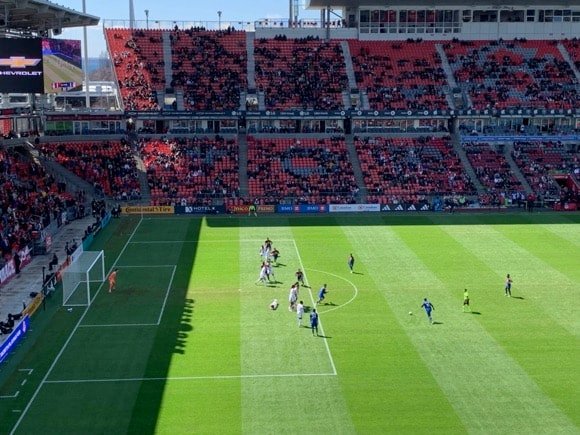
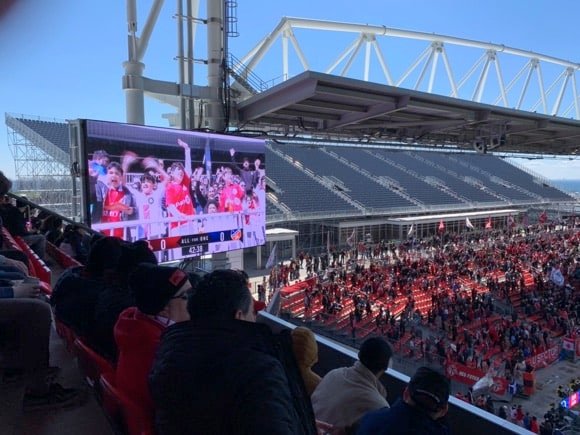
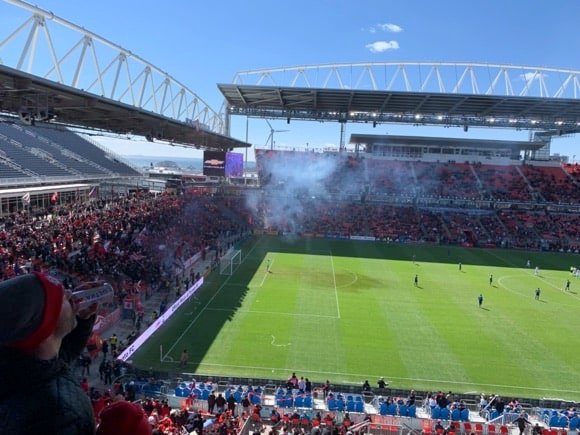
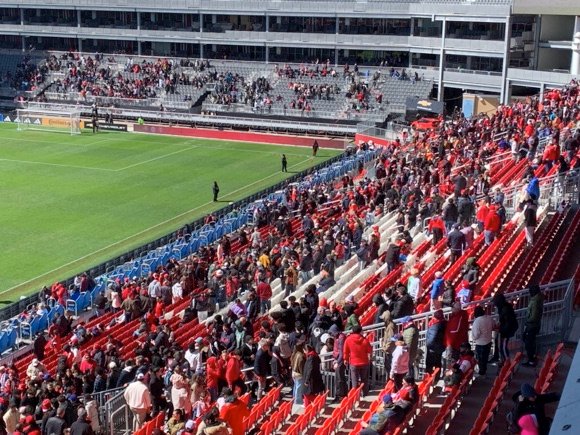
Despite poor form from its home team, BMO Field averaged a 20,000-plus attendance for its first five years as an MLS stadium, 16,000 of these season-ticket holders.  Fan groups such as Red Patch Boys, U-Sector and Original 109 created a real soccer atmosphere in sections 111-113.

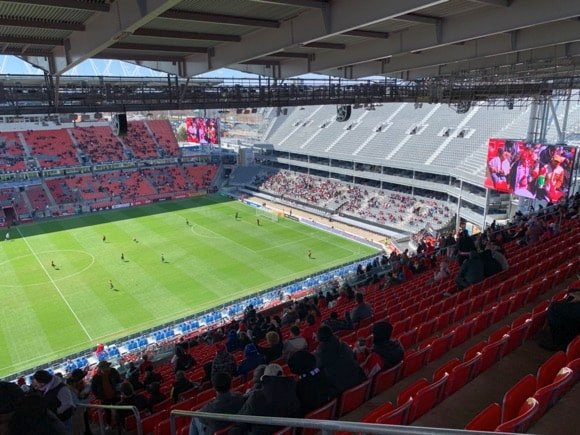
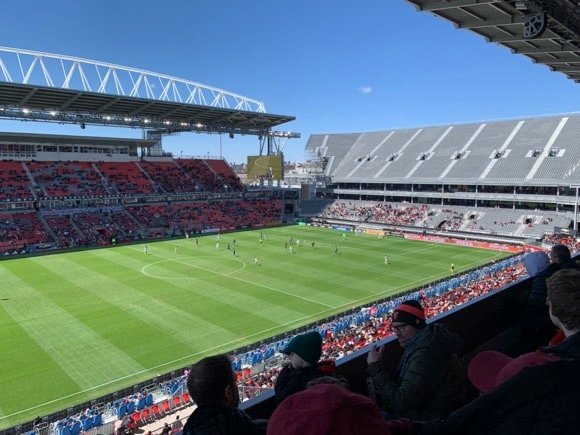
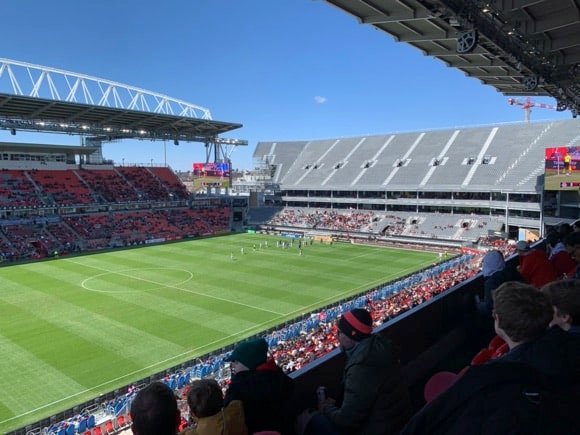
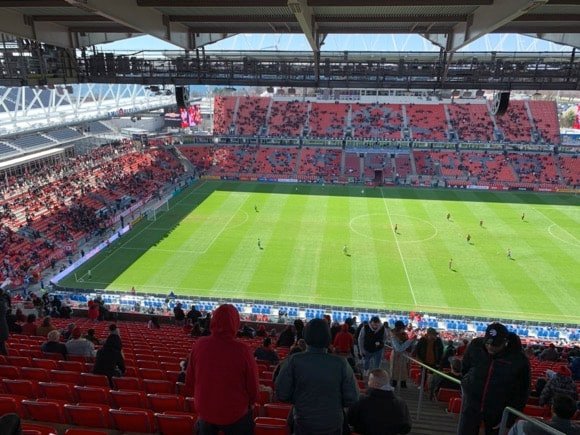
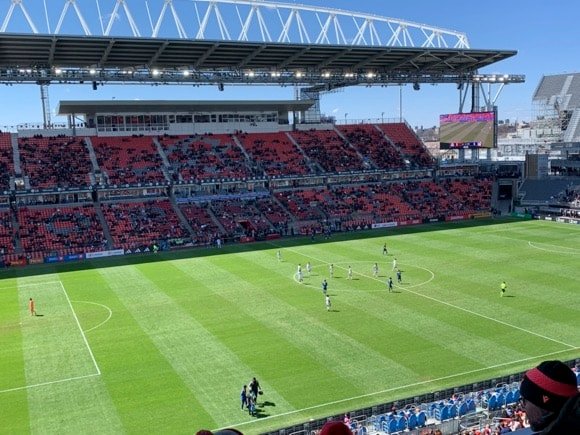
After a natural grass field was laid in 2010, a further CA$120 million renovation between 2014-16 saw an extra tier added to the East Stand and roof added, plus the pitch reconfigured for gridiron football.

Capacity then rose to just over 30,000, perfect for the rise of superstar Sebastian Giovinco and his Italianate following in Section 114, Inebriatti.

Capacity has now risen again for 2026, BMO Field one of only two Canadian stadiums to co-host the World Cup, 17,000 temporary seats raising the figure to 45,000.

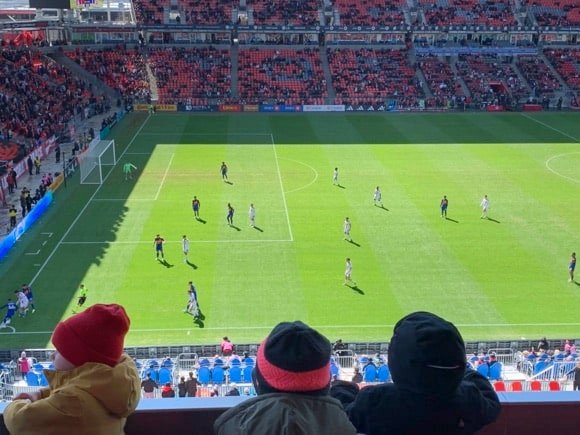
This has been recently tested by none other than Lionel Messi, whose visit with Inter Miami for an MLS game in May set a record attendance of 44,828. 

While Toronto might be the lowest of the 16 stadiums co-hosting the tournament, the national soccer capital will be keen to roar on Canada in their opening game, just as it celebrated the 4-0 win over Jamaica in 2022 to take the Canucks to a first World Cup in 36 years. Local fans will also be keen to watch the likes of Croatia, Germany, Ghana and Ivory Coast, Canada’s biggest city having fallen pretty lucky with the group draw.

Note that for the duration of the tournament, the venue will be known as Toronto Stadium, the name used on maps and local signage.
getting here

Going to the stadium – tips and timings

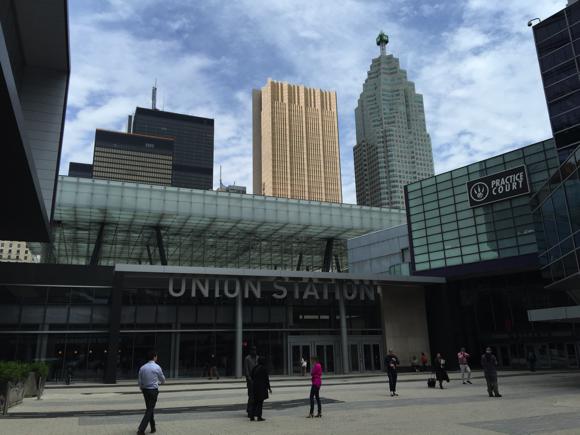
Toronto Pearson Airport is 12 miles northwest of downtown Toronto, connected by the Union Pearson Express rail link from Terminal 1 to Union Station (every 15mins, 30min journey time). The Terminal Link people mover (free, every 4-8mins) serves Terminal 1 from various parts of the airport.

Tickets are available from vending machines (cash/cards), online, contactless, or via the PRESTO discount top-up card (CA$4). The stadium is by Exhibition Station, one stop west of Union Station on the GO Train. Direct from the airport, the one-way fare, including transfers within 2hrs, to the stadium is CA$8.70 (PRESTO CA$8.05). From Union Station, it’s CA$4.40 (PRESTO CA$3.70). On weekends and holidays, a day pass is CA$10.

A taxi from Terminal 1 (Door D) of Pearson Airport to Exhibition Place should cost around CA$60-65, or CA$70 to downtown. To contact City Taxi Toronto, call +1 416-740-2222 or download the app.

Toronto Transit Commission also operates streetcars from downtown to Exhibition Place. Increased service is laid on for game days. The #509 Harbour-front streetcar runs from Union Station along Lake Shore Boulevard West, the #511 service along focal Bathurst Street.
Billy Bishop City Airport on Toronto Islands near the stadium serves short-hop flights within Canada and from Boston, Chicago and New York. A pedestrian tunnel links to the mainland (6min walking time) at Eireann Quay and the #509 Harbour-front streetcar. There’s also a free ferry service (every 15mins, 2min journey time). The stadium is a 15min walk away.

Where to Drink

Pre-match beers for fans and casual visitors

On the waterfront, a couple of miles east of the stadium on Queens Quay, Ontario chain Shoeless Joe’s attracts Toronto’s Red Patch Boys supporters’ group, and offers daily meal deals, wings, burgers and the like.

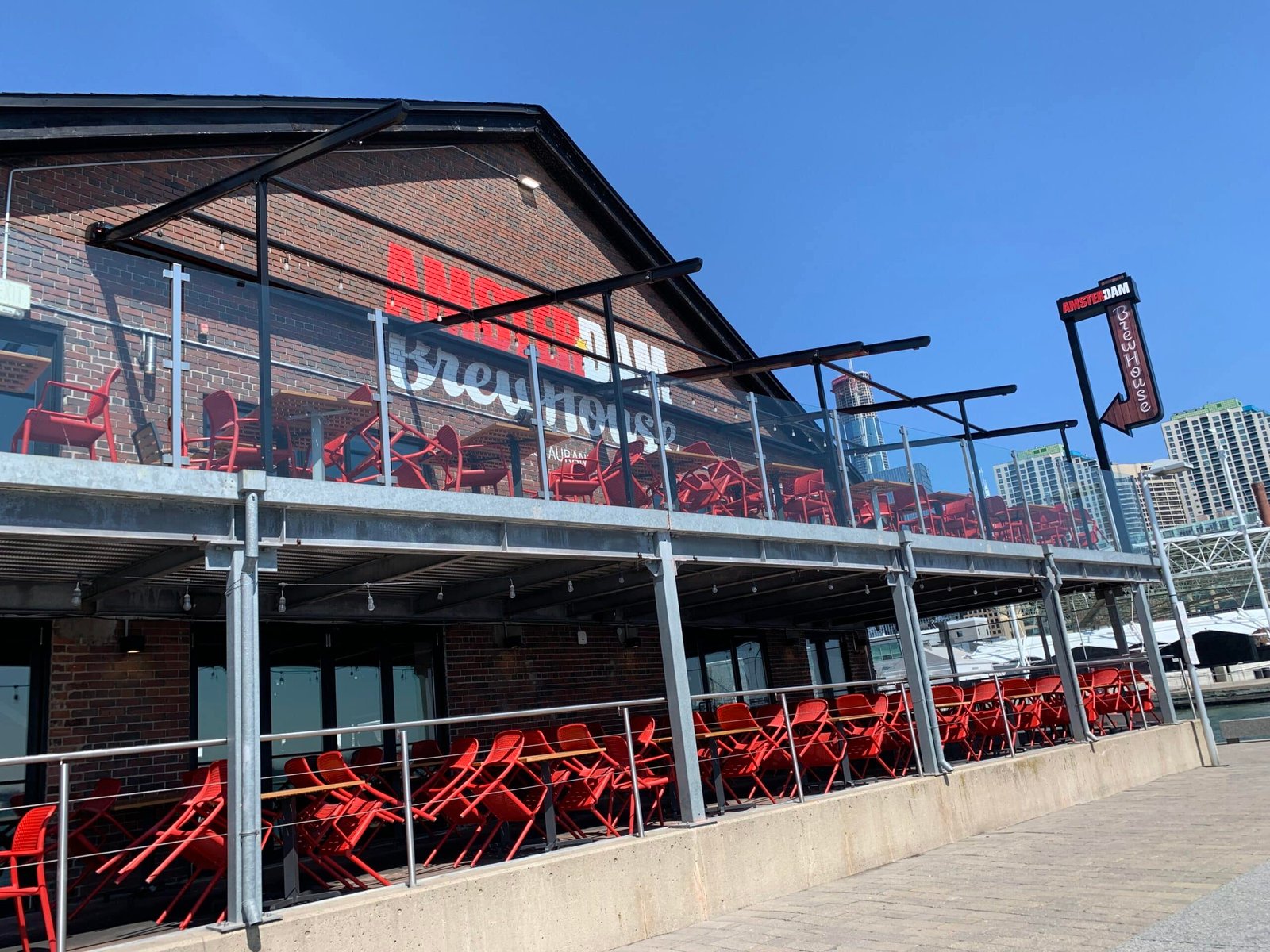
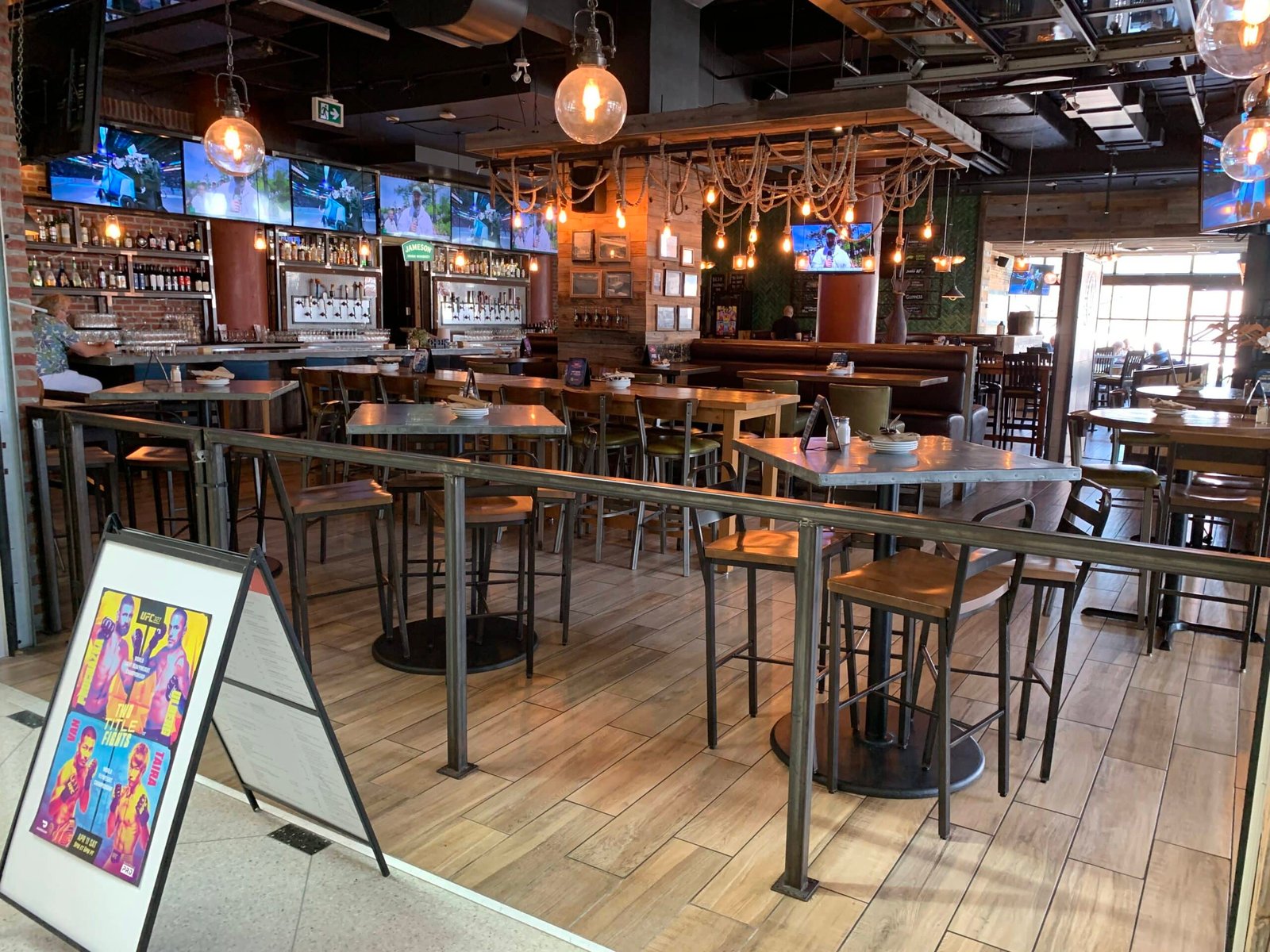
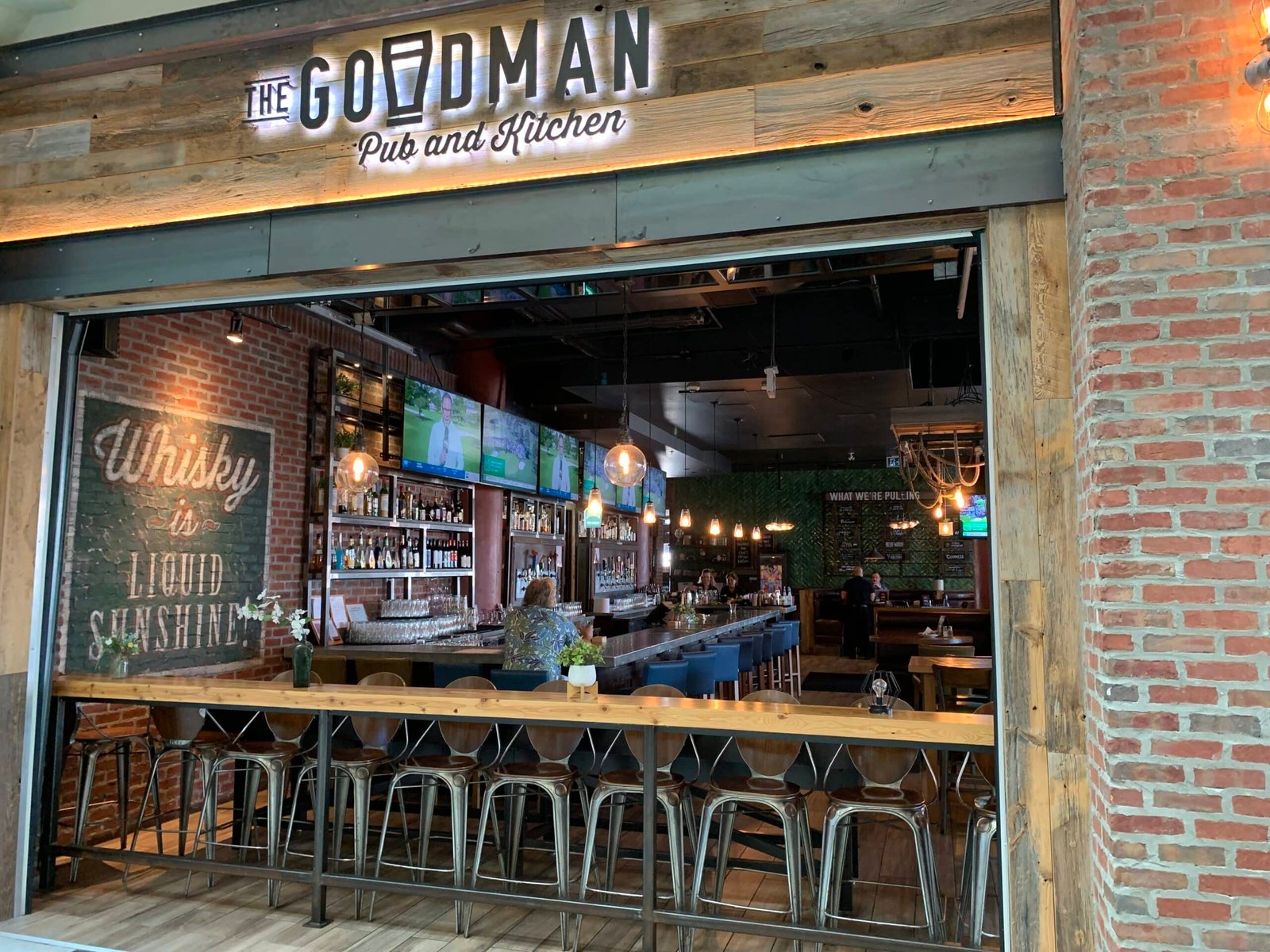
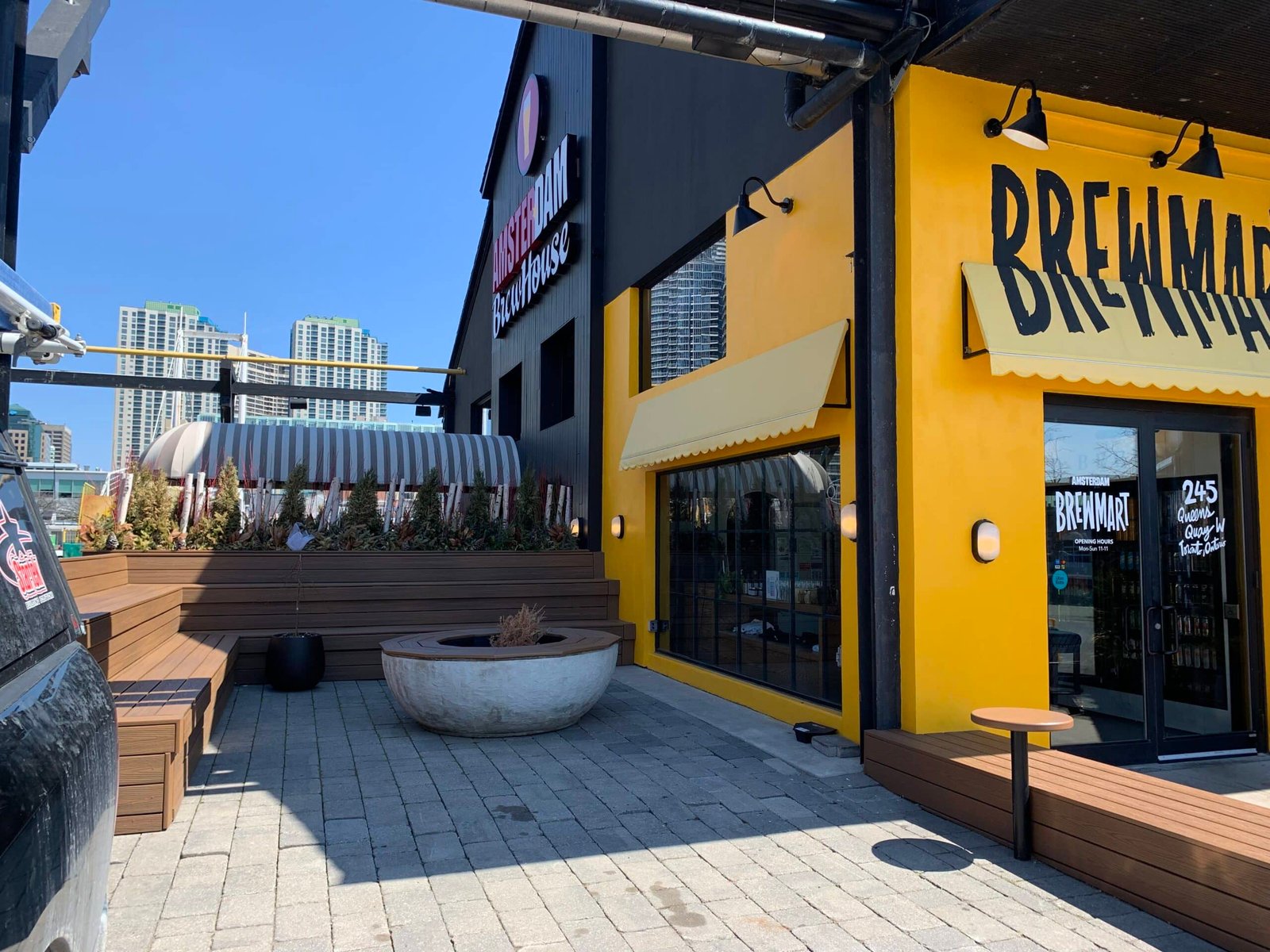
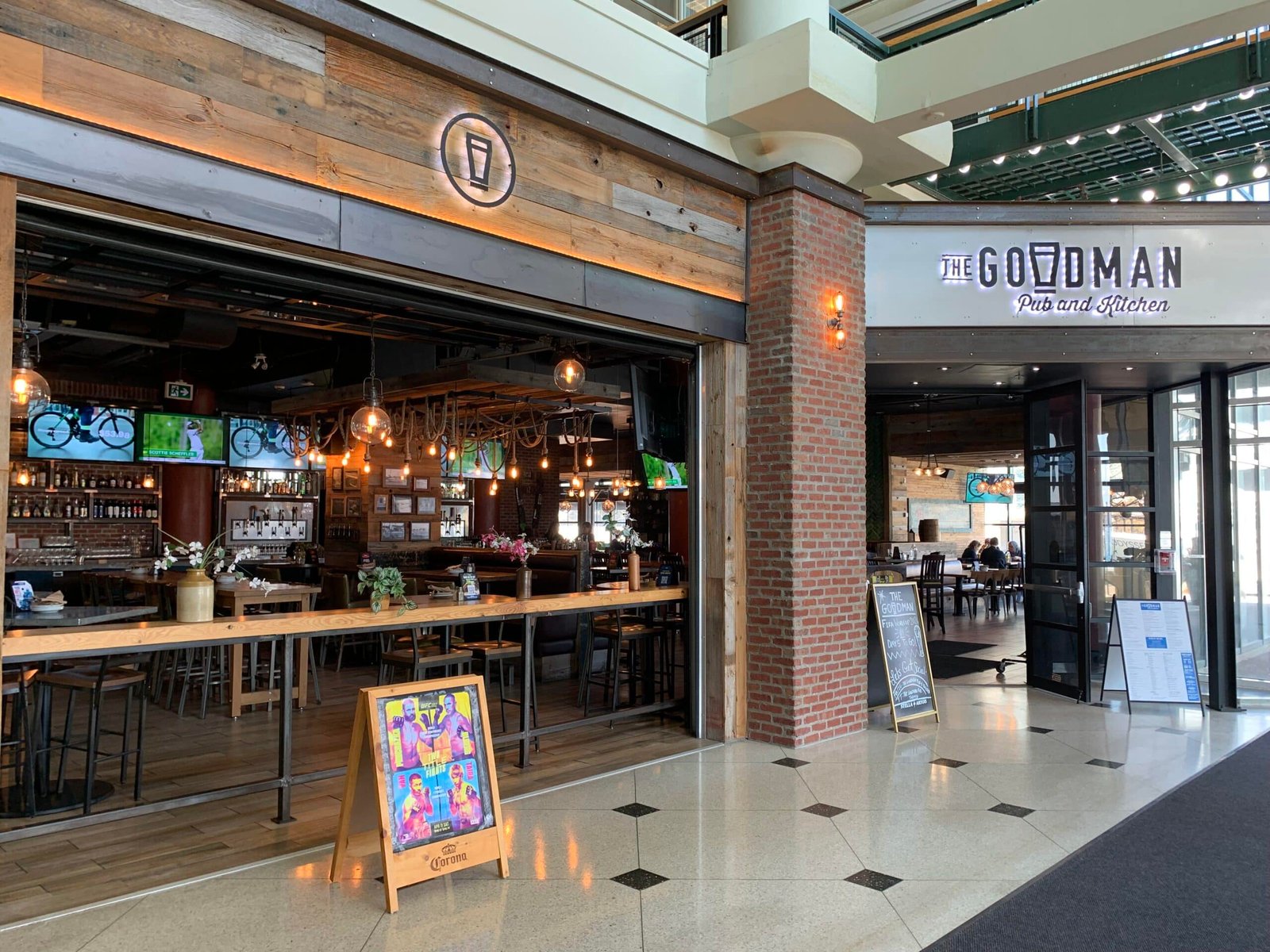
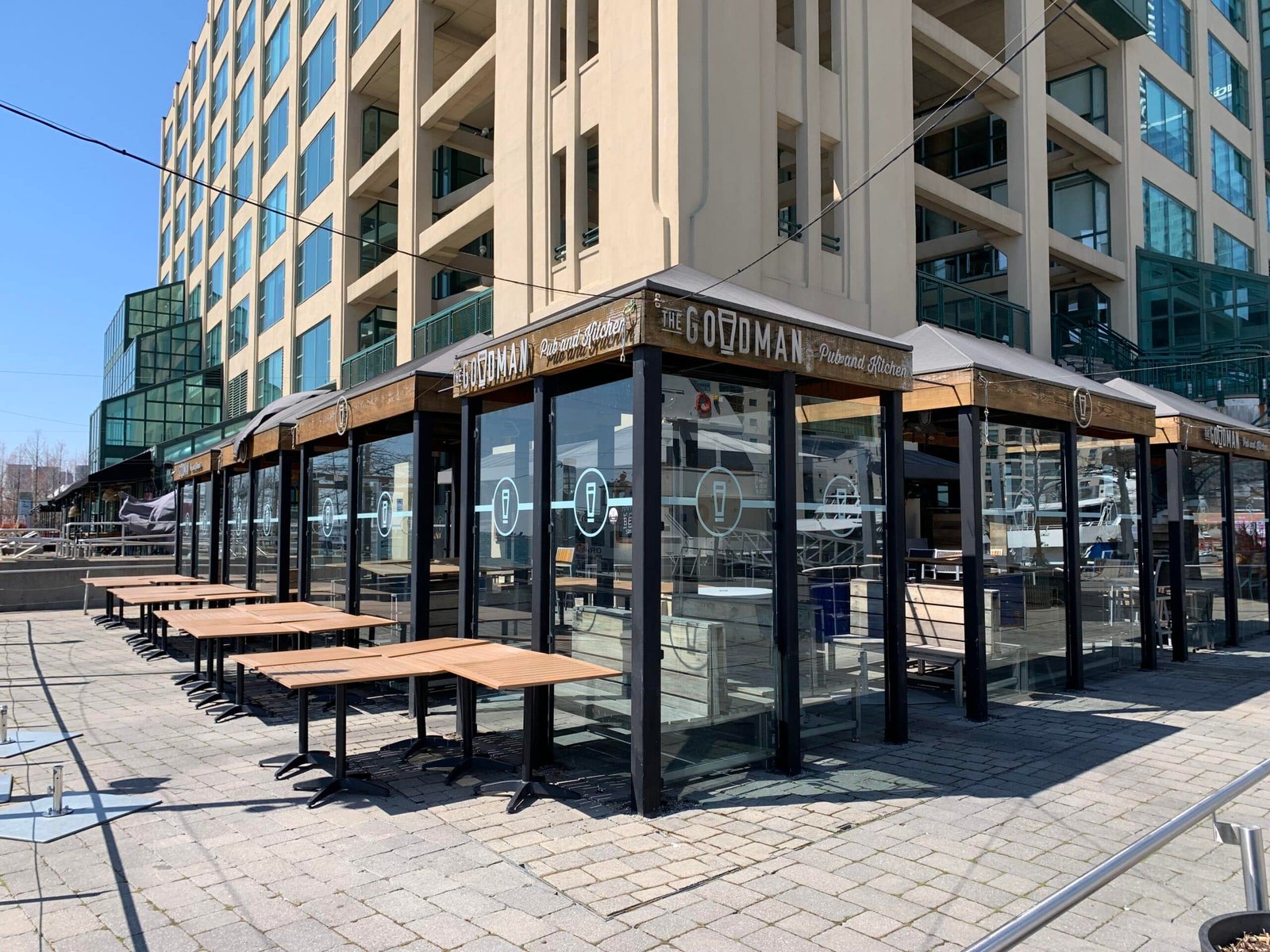
Close by, Amsterdam Brewhouse is the lakeside outlet of a Dutch-founded craft-beer bar set up on John Street in 1986. Serving house beer brewed in northeast Toronto, this attractive locale comprises four spacious patios, with views of the water and CN Tower. Inside, TVs screen sports and a kitchen turns out superior bar food. Further along, The Goodman has a trendier feel but still with a row of TV screens over the bar, and tables with lake views.