Teams, tales and tips – a football fan's guide to Toronto
Canada’s soccer capital was also the country’s first MLS franchise, after professional sports and real estate firm Maple Leaf Sports & Entertainment stumped up a CA$10 million expansion fee to join in 2007.
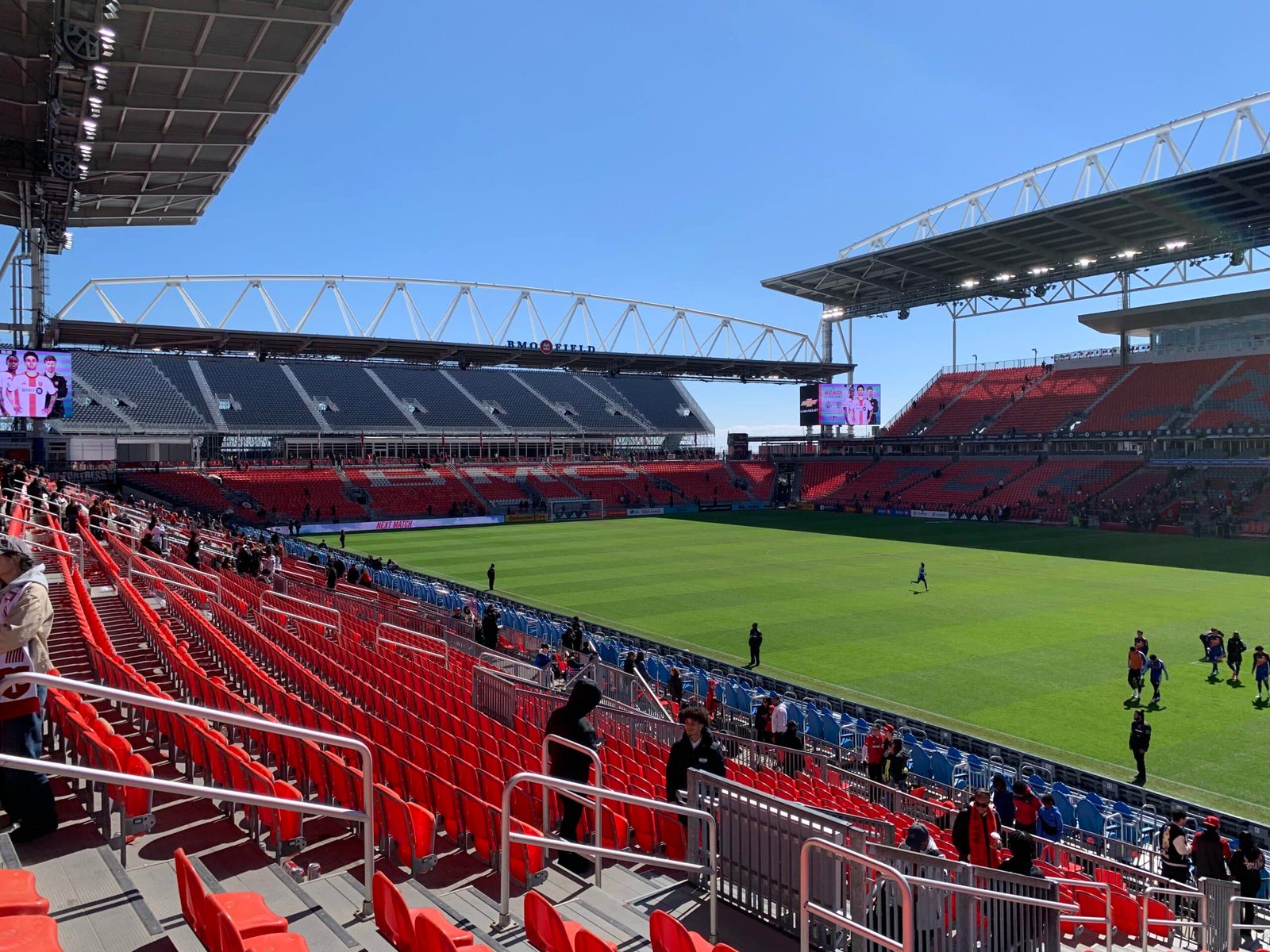
Unveiled that April when Toronto FC played Kansas City Wizards, BMO Field was referred to as ‘National Soccer Stadium’ for its role as main venue for the U-20 World Cup that summer. With crowds at a then near-capacity 20,195 and an artificial surface, the new arena proved the perfect stage for tournament MVP Sergio Agüero and fellow 2014 World Cup star Ángel Di María, winners with Argentina.
Conveniently close to a city airport a short walk away – literally – the stadium is the latest, soccer-specific iteration of a long-established sports ground at this prime site west of downtown Toronto, Tucked in from windy, chilly Lake Ontario, the original Exhibition Stadium dated back to the late 1800s and hosted baseball, soccer and Canadian football – yes, there is such a thing.
The first recorded football association outside of Great Britain was established in Toronto in 1877, a year after the first game played according to the modern rules took place here.
With ice hockey and other sports so dominant, it then took over nearly a century for the round-ball game to establish itself. Canada first entered the World Cup for its 1958 edition, the Canucks’ debut a 5-1 thrashing of the USA at Toronto’s all-purpose collegiate Varsity Stadium in 1957. The fact that the visitors’ only goal came from 1950 World Cup hero Harry Keough, who starred in the 1-0 win over England, suggests something about the quality of the Canadian side. His last international was another defeat, Canada winning the return game 3-2 in St Louis.
A decade later, Varsity Field hosted Toronto City in the solitary season of the United Soccer Association, the team made up of players from Hibernian, managed by Bob Shankly, elder brother of Bill. Equally short-lived rivals Toronto Falcons played at Varsity Field for their NASL season of 1968, coached by Barcelona legend László Kubala.
Most of these leading football personalities soon headed back across the Atlantic. The strength of the game in Toronto lay in its many ethnic communities. 2026 marks the centenary of the foundation of the Canadian National Soccer League, won by teams such as Toronto Ulster, Scottish, Ukraina, Italia, and so on.
Spearheaded by Eusébio at the height of NASL’s fame, Toronto Metros-Croatia were crowned Soccer Bowl Winners in 1976 despite the presence of Pelé in the regular season. The club’s rebranding as Toronto Blizzard in 1979 generated a doubling of attendances mainly at Varsity Stadium, rising an impressive average of 15,000 by 1980.
The name, inspired by the vicious snowy winds whipping in from Lake Ontario, stuck, and went through two iterations. Juventus legend Roberto Bettega spent two summers here in 1983 and 1984. In winter, indoor seasons were played at Maple Leaf Gardens, one of Canada’s great hockey cathedrals.
Built on those foundations, Toronto FC soon found a fan base despite an initial lack of success. The Reds attracted sell-out crowds, 30,584 in full voice for TFC’s MLS Cup win here in 2017, starring all-time hero Sebastian Giovinco, also a Serie A winner with Juve. The average home game had been 27,000-plus that season.
By then, BMO Field had been revamped and expanded, nearly 30,000 packing the place for Canada’s decisive 4-0 win over Jamaica in March 2022, to send the Canucks to a first World Cup for 36 years. With capacity now just over 45,000, a FIFA requirement for co-hosting the finals, Lionel Messi was able to help set a record attendance of 44,828 in May, a month before Canada opens its World Cup campaign here against Bosnia on June 12.
Toronto’s Fan Festival runs all tournament at Fort York & the Bentway. No general admission tickets left, admission from CA$122.
Getting here
Arriving in town and city transport


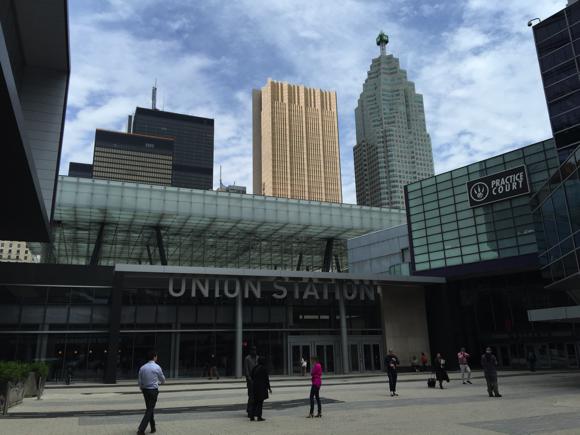
Toronto Pearson Airport is 12 miles northwest of downtown Toronto, connected by the Union Pearson Express rail link from Terminal 1 to Union Station (every 15mins, 30min journey time). The Terminal Link people mover (free, every 4-8mins) serves Terminal 1 from various parts of the airport.
Tickets are available from vending machines (cash/cards), online, contactless, or via the PRESTO discount top-up card (CA$4). The stadium is by Exhibition Station, one stop west of Union Station on the GO Train. Direct from the airport, the one-way fare, including transfers within 2hrs, to the stadium is CA$8.70 (PRESTO CA$8.05). From Union Station, it’s CA$4.40 (PRESTO CA$3.70). On weekends and holidays, a day pass is CA$10.
A taxi from Terminal 1 (Door D) of Pearson Airport to Exhibition Place should cost around CA$60-65, or CA$70 to downtown. To contact City Taxi Toronto, call +1 416-740-2222 or download the app.
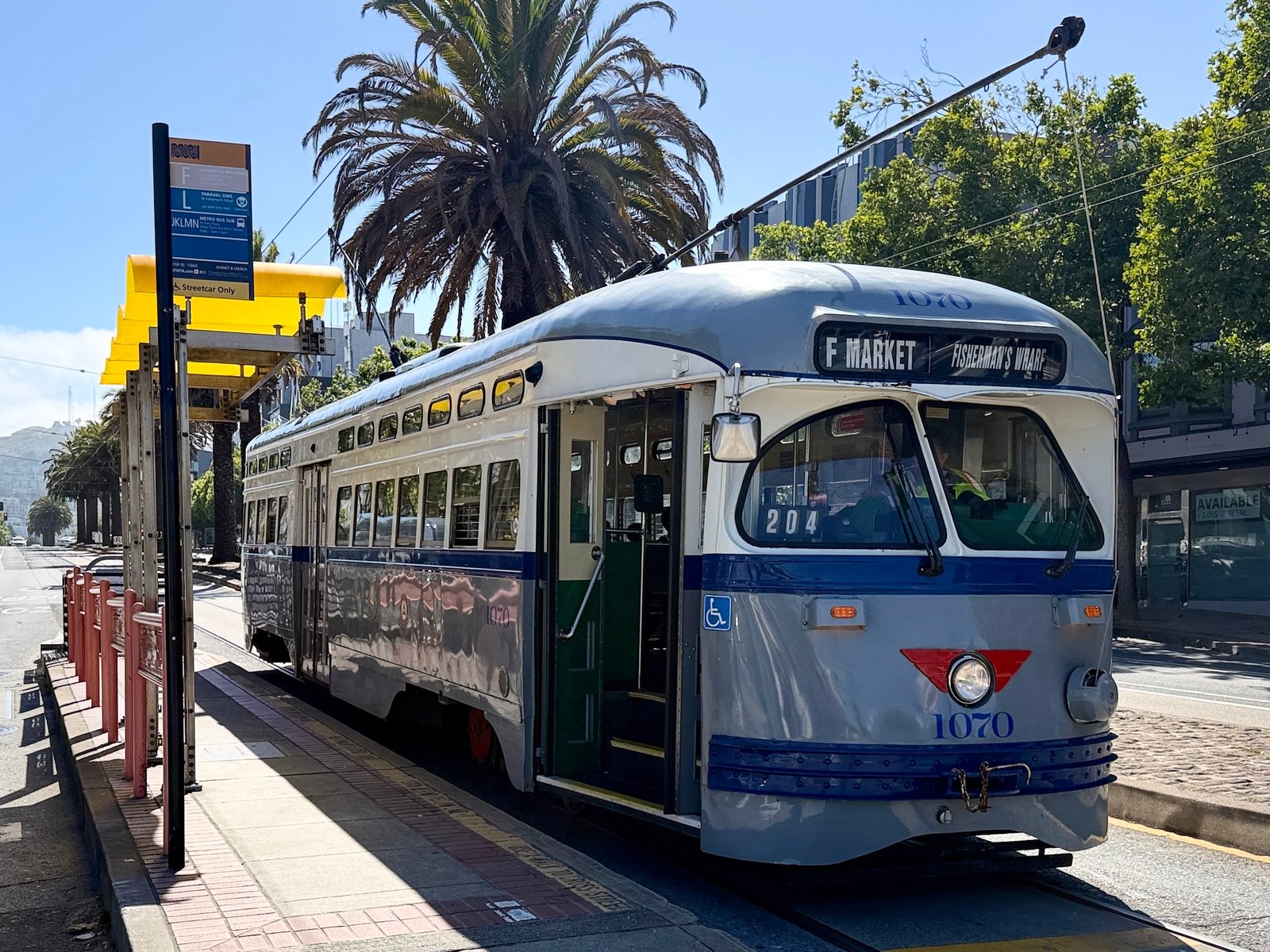
Toronto Transit Commission also operates streetcars from downtown to Exhibition Place. Increased service is laid on for game days. The #509 Harbour-front streetcar runs from Union Station along Lake Shore Boulevard West, the #511 service along focal Bathurst Street.
Billy Bishop City Airport on Toronto Islands near the stadium serves short-hop flights within Canada and from Boston, Chicago and New York. A pedestrian tunnel links to the mainland (6min walking time) at Eireann Quay and the #509 Harbourfront streetcar. There’s also a free ferry service (every 15mins, 2min journey time). The stadium is a 15min walk away.
Where to Drink
The best pubs and bars for football fans


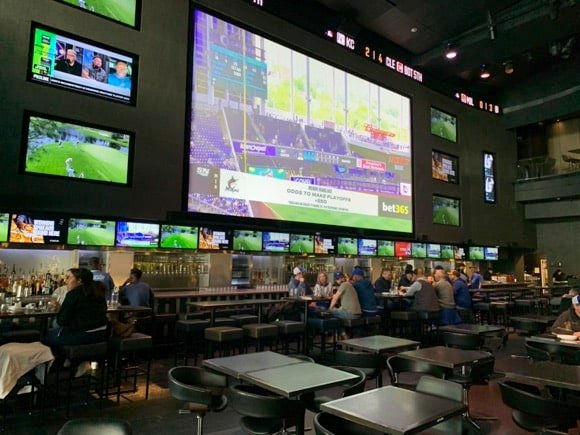
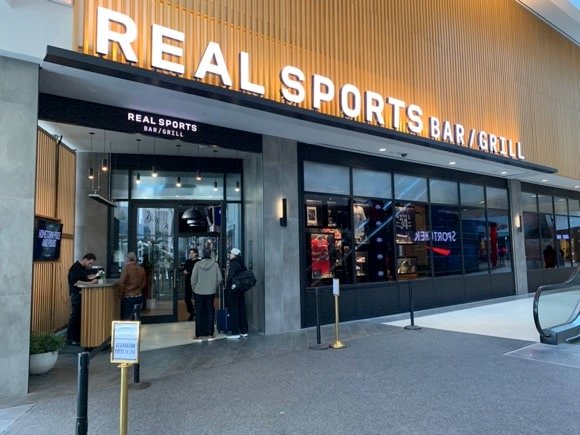
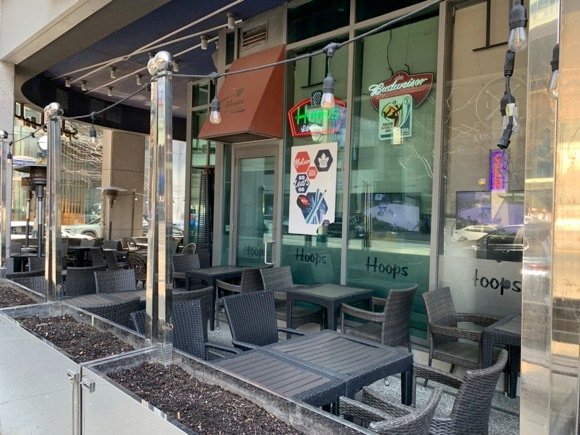
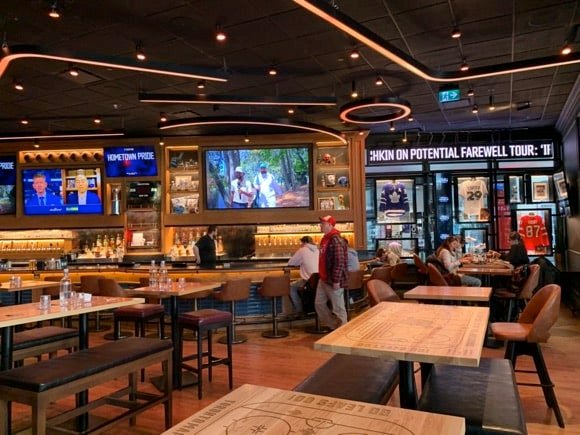
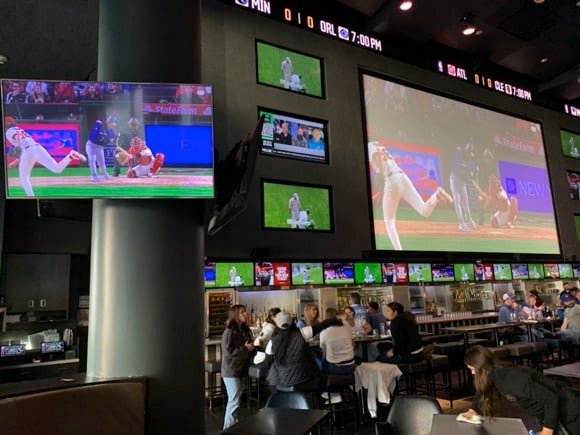
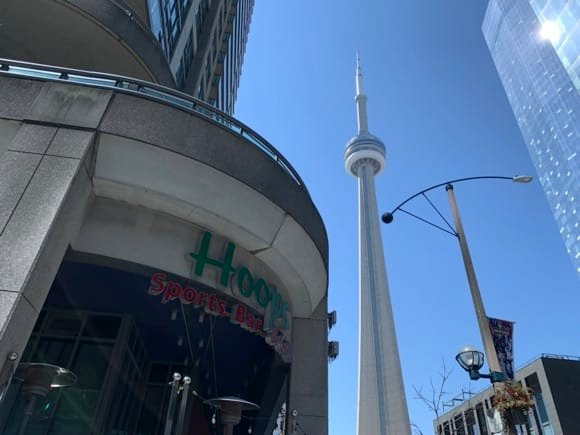
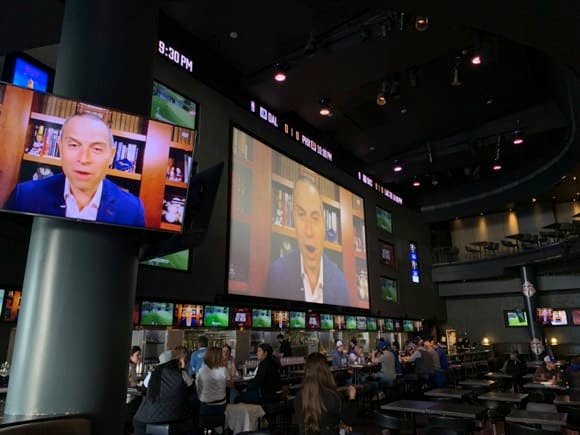
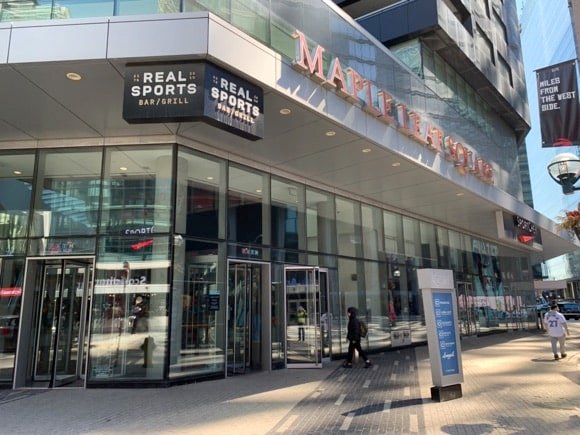
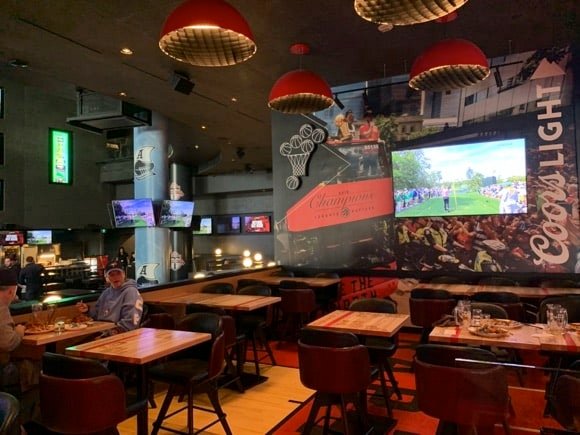
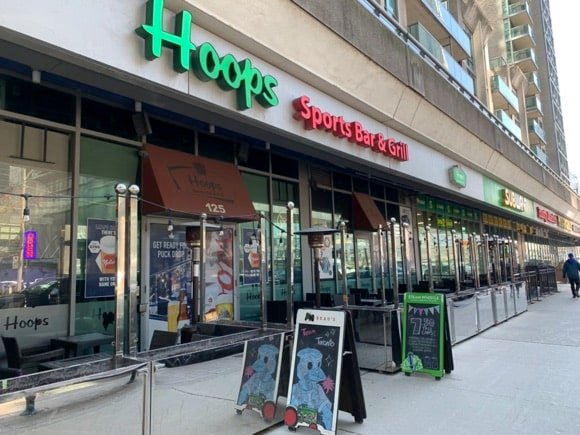
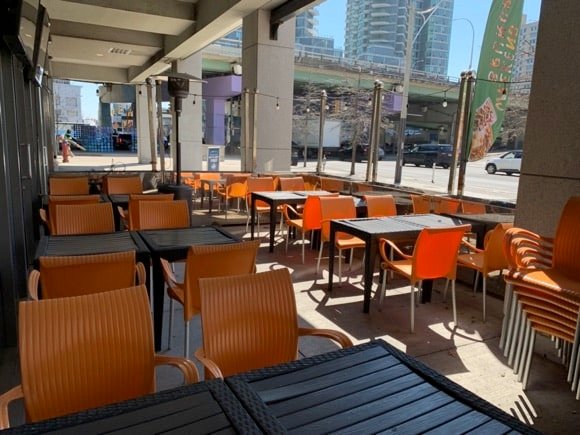
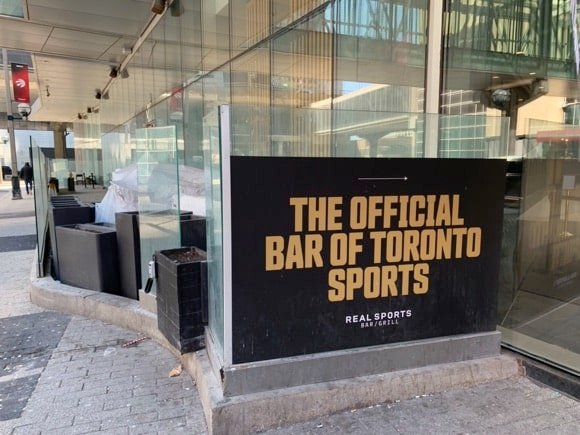
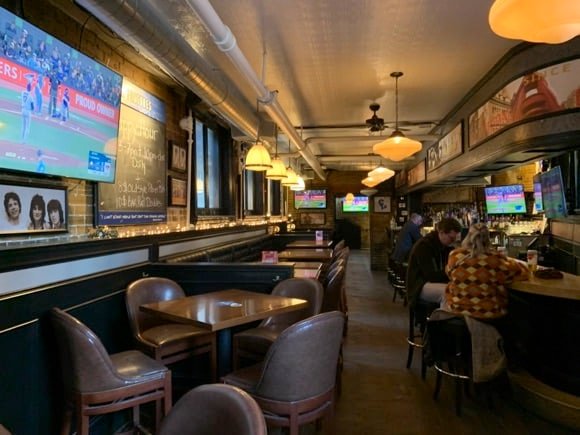
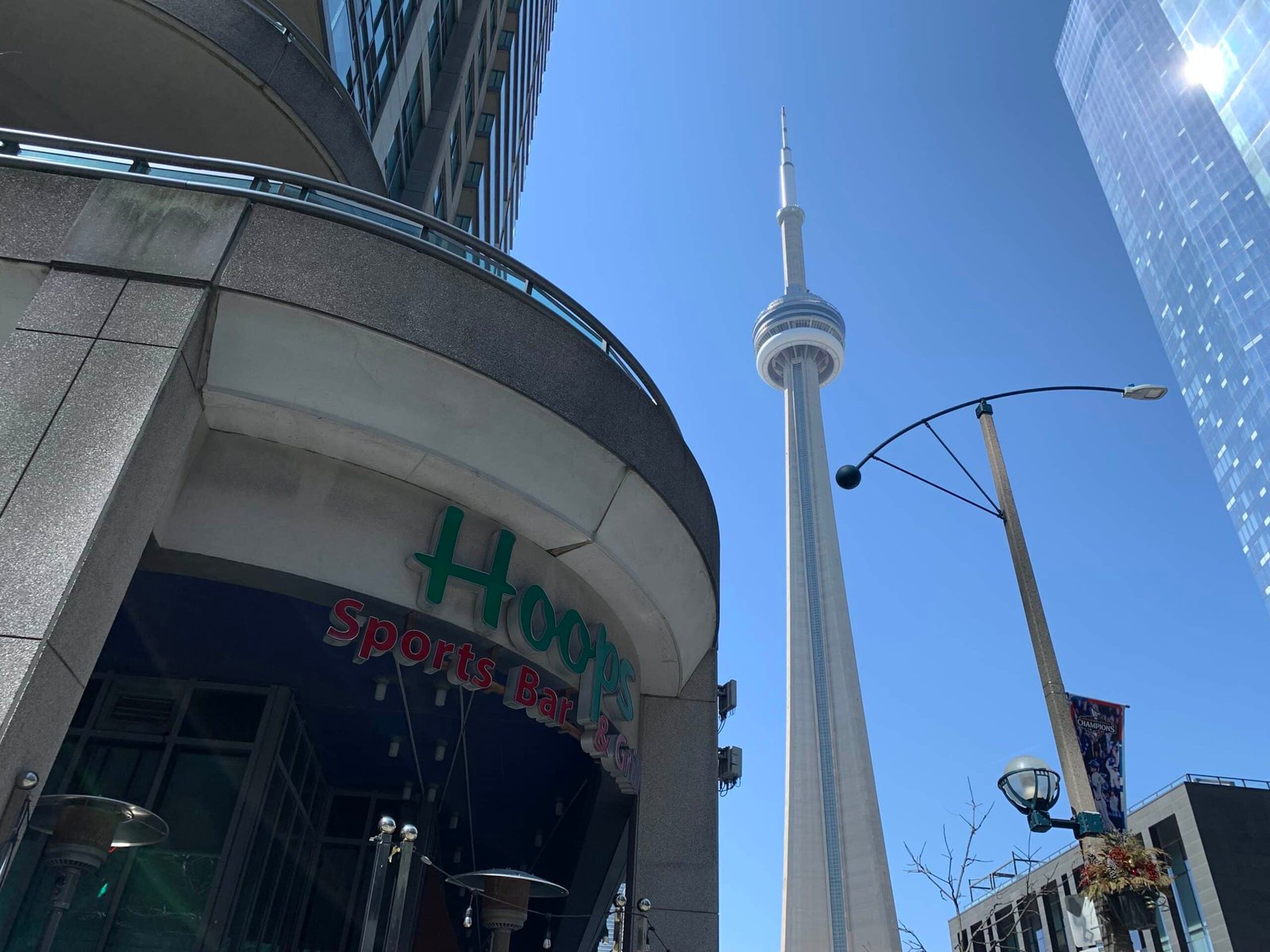
Sports bars are concentrated in Toronto’s Entertainment District, around Union Station, convenient before the hop to BMO Field. For match watching on an industrial scale, by Air Canada Centre, Real Sports Bar & Grill has 199 (!) HD TVs, a 39-footer HD screen and 126 draught beer taps while round the corner, Hoops Sports Bar & Grill has wall-to-wall TVs and a slew of draft beers.
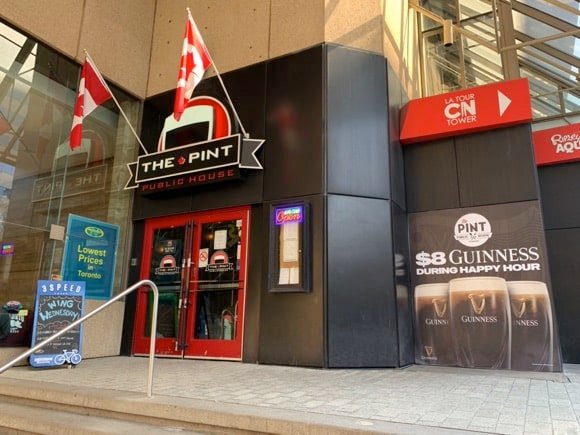
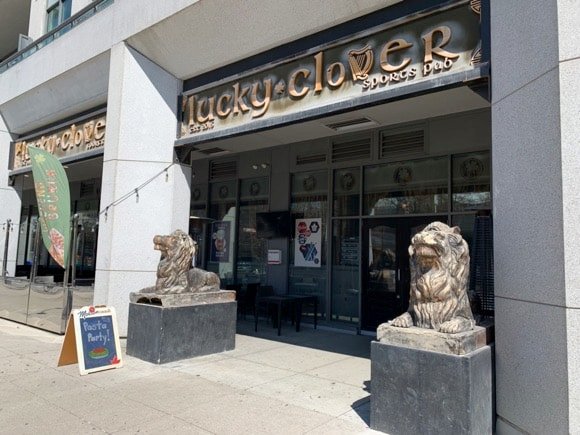
In the shadow of CN Tower, The Pint features numerous Ontario small-batch brews among its 40 tap beers and many screens. Carefully conceived Lucky Clover prides itself on its 165-inch, double-sided video wall, large patio and top-quality kitchen.


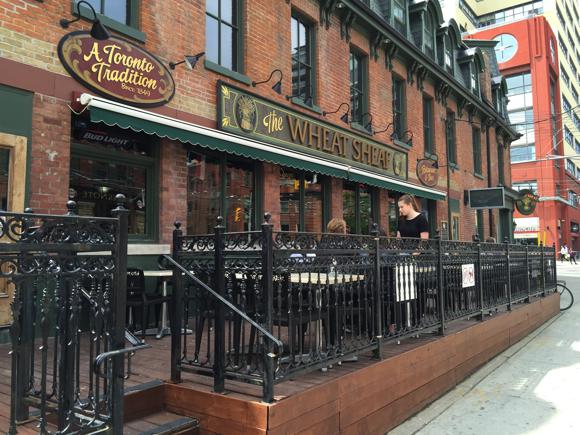
A few blocks away, the Wheatsheaf Tavern has a neighbourhood feel, dating back to 1849 and a sense of character amid the tourist-friendly gleam elsewhere. Live music and TV sports receive equal focus.
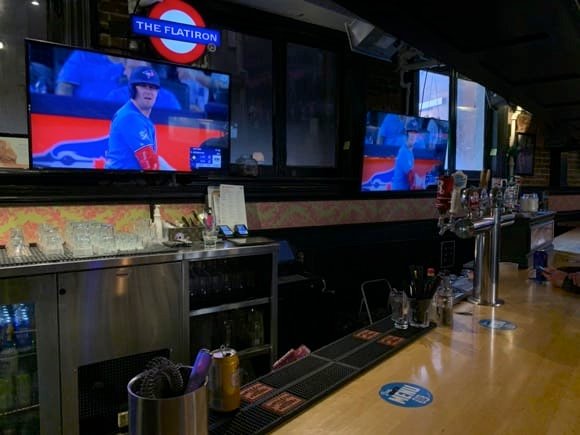
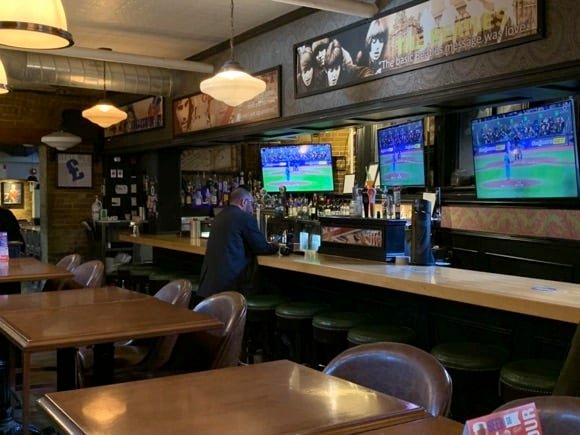
Further east, the Flatiron & Firkin is carries the added attraction of being located in the basement of the city’s historic Flatiron building three blocks from the station. Outdoor seating is available in summer. Premium tap beers complement a British touch to the menu, and live TV sport.
For waterfront bars near the stadium, see BMO Field.