Teams, tales and tips – a football fan's guide to Guadalajara
Mexico’s second city is, locals would argue, its football capital. Home to the eponymous CD Guadalajara, Mexican champions 12 times since the professional game was introduced in 1943, this is where some of the most memorable moments in World Cup history have taken place.
The Banks save, the Pelé lob from the halfway line, his Mazurkiewicz dummy, Josimar’s thunderbolt, the epic France-Brazil showdown of ‘86, they all took place here. But they all took place at the Estadio Jalisco – and the four group games involving hosts Mexico, Spain and Uruguay, among others, this June will not only be at another stadium, the Estadio Akron, but in another city, Zapopan, a 15-minute drive west from Guadalajara.
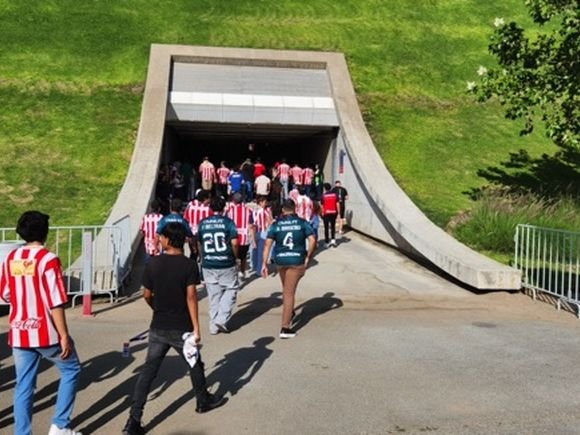
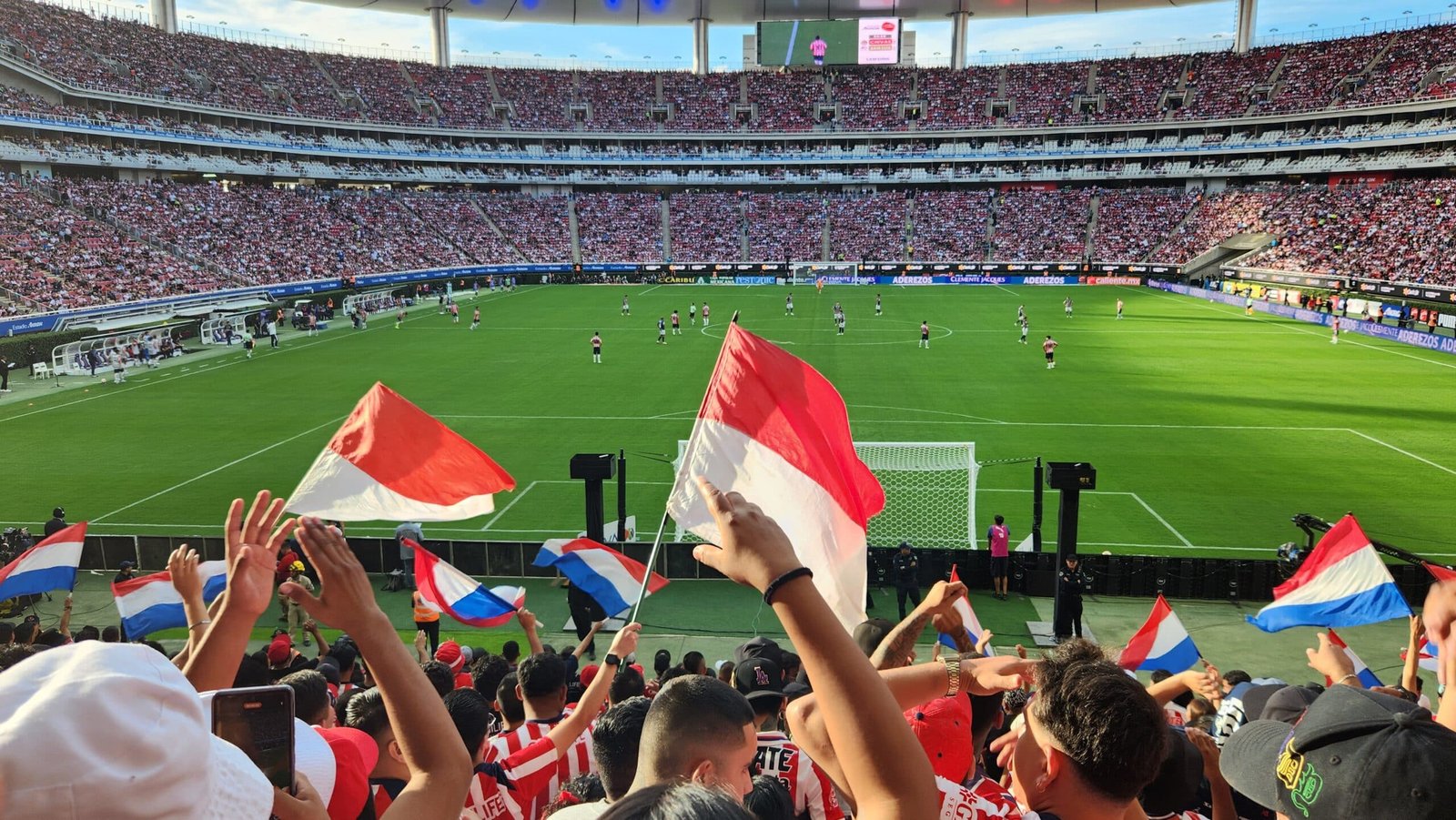
CD Guadalajara, known by all as Chivas, the Goats, moved in as soon as the stadium opened in 2010. Their city rivals, however, Atlas, stayed at the Jalisco, which means that the Clásico Tapatío between them has since taken place at alternate stadiums.
Zapopan World Cup 2026/Stephen Woodman
Each team has a European heritage of sorts. The original members of Chivas, as Atlas fans are keen to point out, worked at a factory producing French lingerie, though the prime mover in the club’s foundation was a Belgian, Edgar Everaert. Originally called Unión, their decision to switch soon afterwards to Guadalajara was prompted by a move to engender local support.
Initially rivals with América of Mexico City – the clash between them is called El Súper Clásico – Chivas then directed their ire towards Atlas, considered the more bourgeois of the two.
The Rojiblancos link to a public school in North Yorkshire, Ampleforth, although it’s a tenuous one – friends of well-to-do schoolboys here had studied there and were taken with football. This was in 1916, the year that the first derby took place, although decades later the 0-0 scoreline was bizarrely recorded as 18-0.
Los Famosos Equipales/Stephen Woodman
A look at the current Atlas squad reveals a patchwork of players from across South America while Chivas recruits solely Mexicans, ideally players from Jalisco state.
While this rule is sometime stretched, it is typified by locally born Javier Hernández, who joined Chivas when he was nine. After a successful career at Old Trafford and across Europe, Chicarito returned to Guadalajara in 2023 and was still playing (and scoring) at the age of 37 two years later.
Fittingly, it was Chicarito who scored the first goal at the newly built Estadio Akron in 2010, against Manchester United, the striker then playing the second half for his new club. Back then, the stadium was called Estadio Omnilife after the dietary-supplement company founded by then Chivas owner, film producer Jorge Vergara. Having taken over the club in 2002, he also set up the initially successful MLS side Chivas USA in Los Angeles.
Señor Stone/Stephen Woodman
It was Vergara who was behind the move for Chivas to have their own stadium, although the deadline to time its opening with the club’s centenary in 2006 was pushed back four years. After his death in 2019, his son Amaury assumed the presidency of CD Guadalajara, which remains in the hands of the Grupo Omnilife.
Visitors whose early football memories were shaped by the 1970 World Cup can make a pilgrimage to the Estadio Jalisco north-east of the city centre, near Monumental on Line 1 (Mi Macro Calzada) of the Guadalajara Macrobús network. Just across the main road from the stadium, a dramatic sculpture by ex-player Miguel Miramontes Carmona, Los Futbolistas, celebrates the tournament on a square renamed Plaza Brasil.
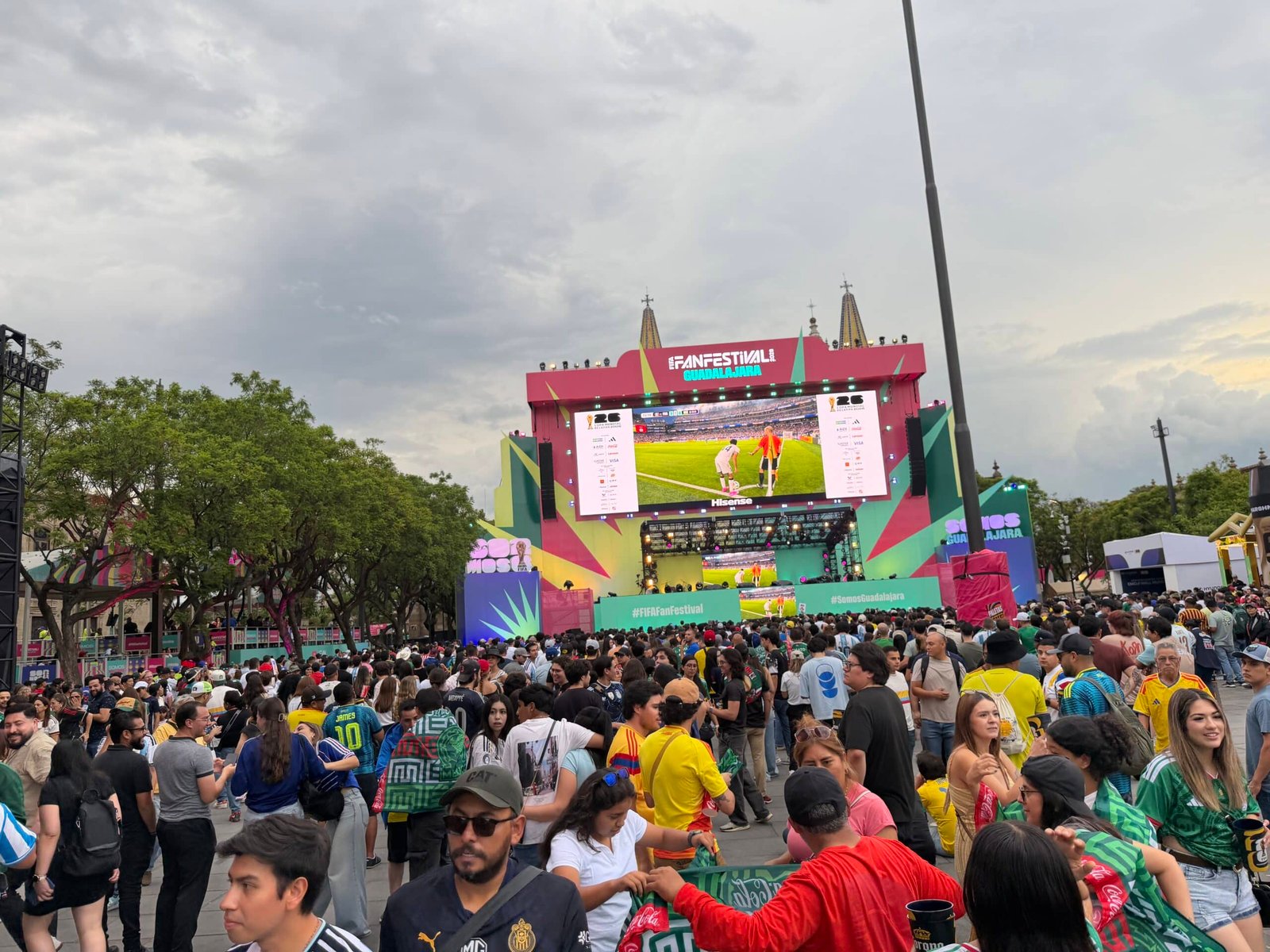
Central square Plaza de la Liberación is the location for the Fan Festival, between the Teatro Degollado and the illuminated Cathedral.
Getting HERE
Arriving in town and city transport
Estadio Akron/Stephen Woodman
The Estadio Akron is not actually in Guadalajara but Zapopan, an adjoining community a 15-minute drive west from the metropolis. A new express route on the Macrobús network, Line 5 (Mi Macro Aeropuerto), will run from the airport, calling at eight stops including main points in the city centre and the stadium.
Order and pay for a taxi at the desk in airport arrivals. Expect to pay around MX$750/US$42 to the stadium and MX$500/US$28 to the city centre. Zapopan-based A Su Servicio GDL taxis (+52 33 3146 2354) are fairly reliable. Note that Uber drivers must pick up and drop off in a car park 1.2km from the airport on the Chapala highway.
Where to Drink
The best pubs and bars for football fans
Sky Wings/Stephen Woodman
York Pub/Stephen Woodman
Gallo Cervecero/Stephen Woodman
York Pub/Stephen Woodman
Señor Stone/Stephen Woodman
Gallo Cervecero/Stephen Woodman
York Pub/Stephen Woodman
Sky Wings/Stephen Woodman
Gallo Cervecero/Stephen Woodman
Sky Wings/Stephen Woodman
Señor Stone/Stephen Woodman
Gallo Cervecero/Stephen Woodman
Sky Wings/Stephen Woodman
York Pub/Stephen Woodman
Sky Wings/Stephen Woodman
Señor Stone/Stephen Woodman
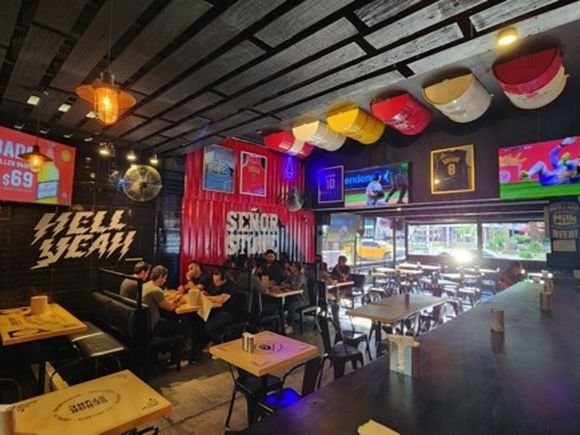
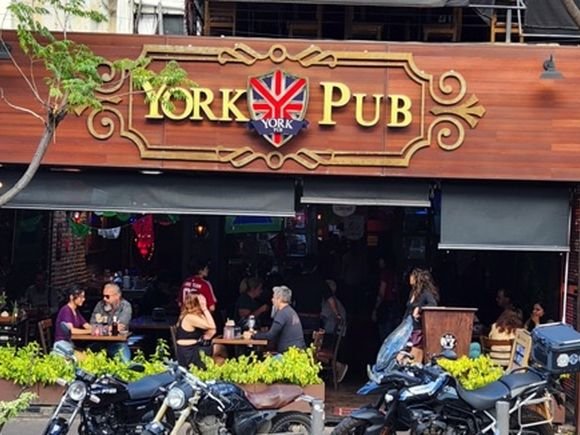
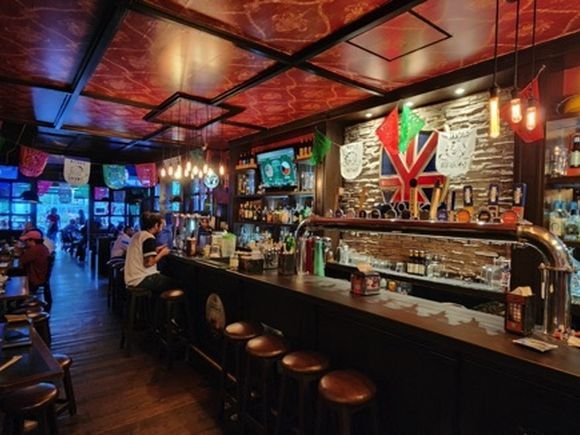
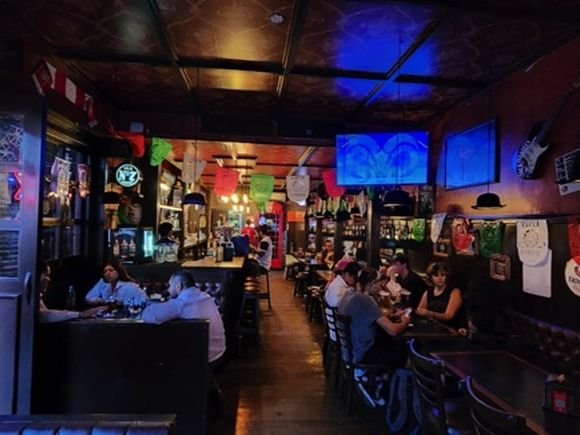
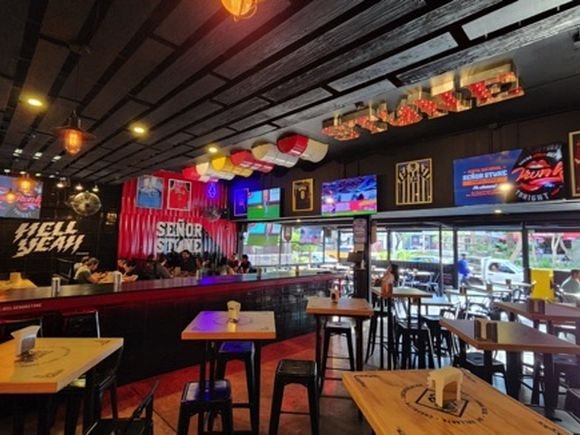
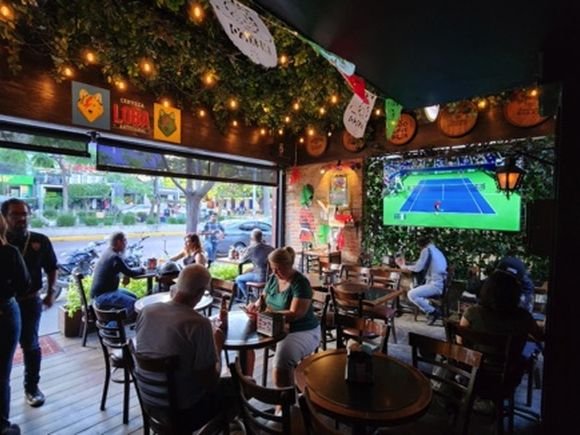
About 2km west of the city centre, Colonia Americana is the city’s celebrated trendy quarter – not that the York Pub there is particularly trendy, although it did set up way back in 2012. Serving its own-brand beers with the Union Jack logo on the glass, it beams sport on several TVs, including a large one within a terrace area facing the street. A few buildings along, Señor Stone goes big on ribs, beer and football – note the framed shirts and multi-screen action.
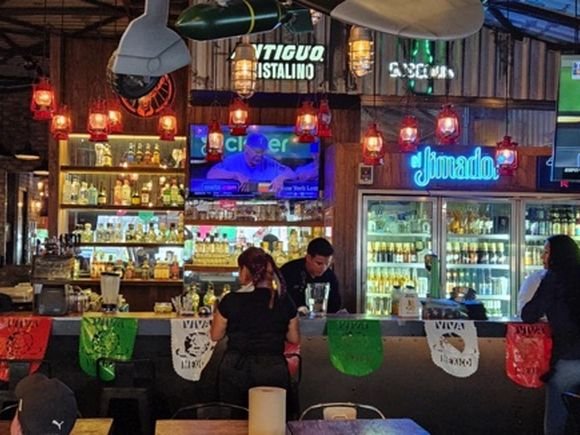
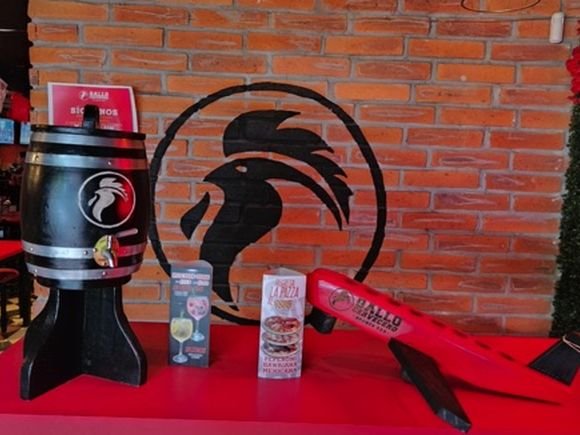
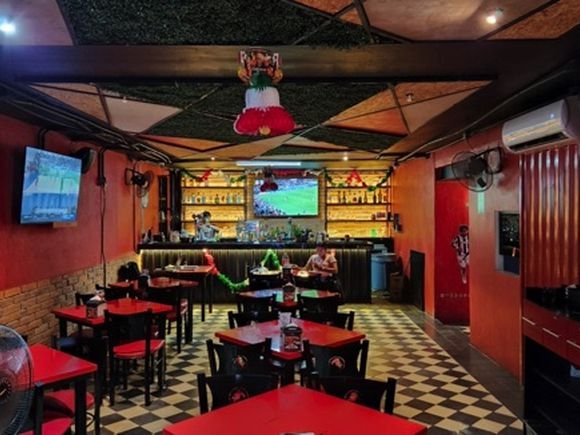
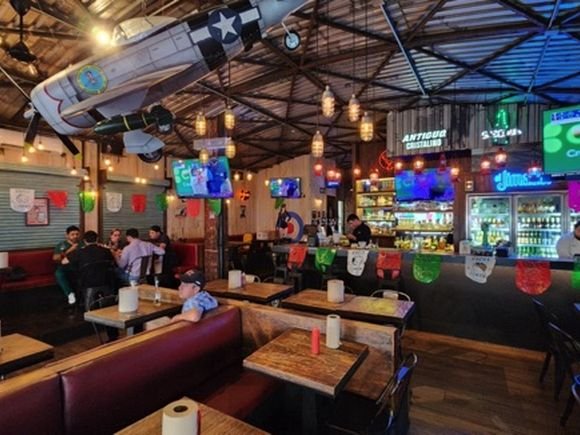
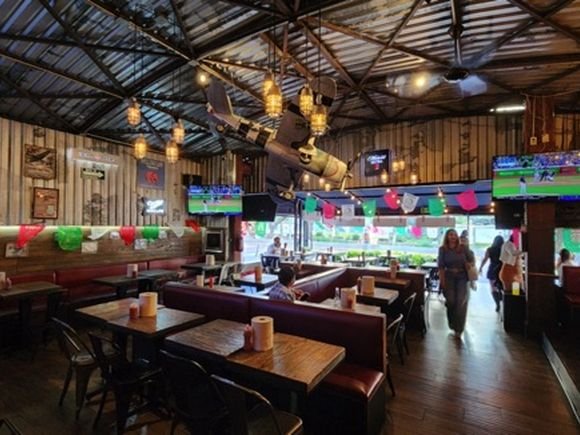
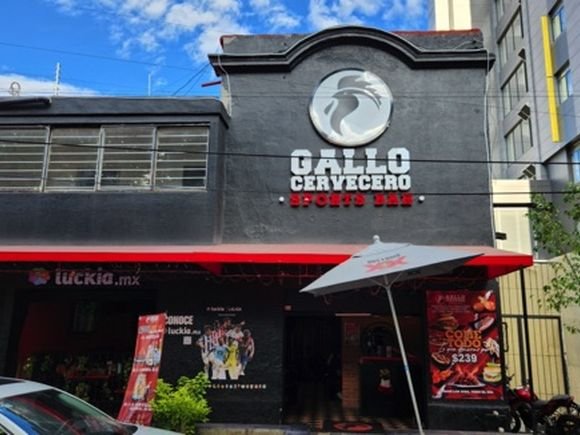
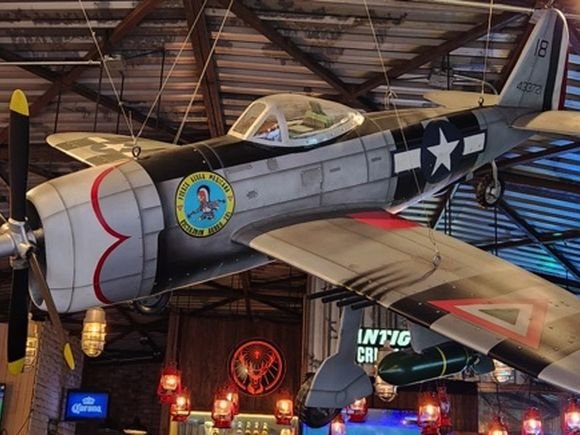
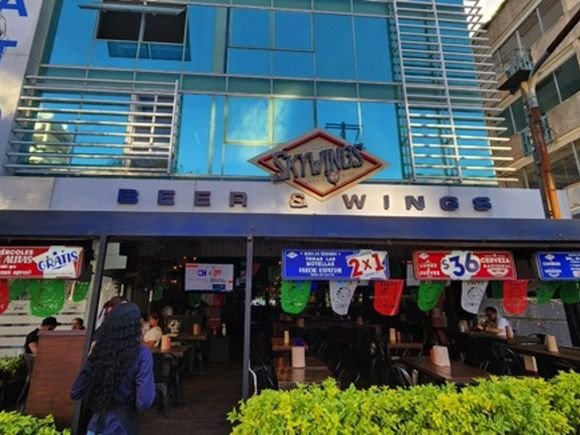
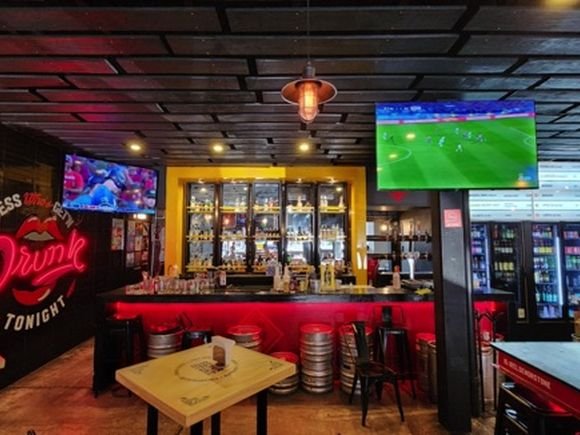
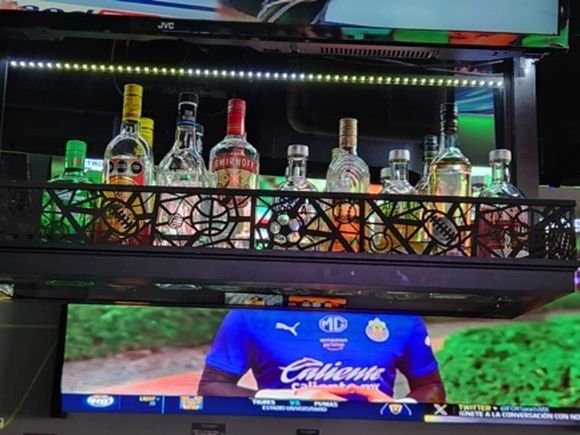
Nearby Sky Wings has screens a-plenty plus a huge range of bottled beer to accompany its namesake chicken speciality. A block away, Gallo Cervecero also focuses on chicken and cerveza, poured by the litre during generous happy hours after 7pm Mon-Thur. Screened sport is another major feature.
Los Famosos Equipales/Stephen Woodman
Sky Gamers Sport Bar/Stephen Woodman
Los Famosos Equipales/Stephen Woodman
Sky Gamers Sport Bar/Stephen Woodman
Los Famosos Equipales/Stephen Woodman
Los Famosos Equipales/Stephen Woodman
Los Famosos Equipales/Stephen Woodman
Sky Gamers Sport Bar/Stephen Woodman
Los Famosos Equipales/Stephen Woodman
Sky Gamers Sport Bar/Stephen Woodman
Los Famosos Equipales/Stephen Woodman
Sky Gamers Sport Bar/Stephen Woodman
Los Famosos Equipales/Stephen Woodman
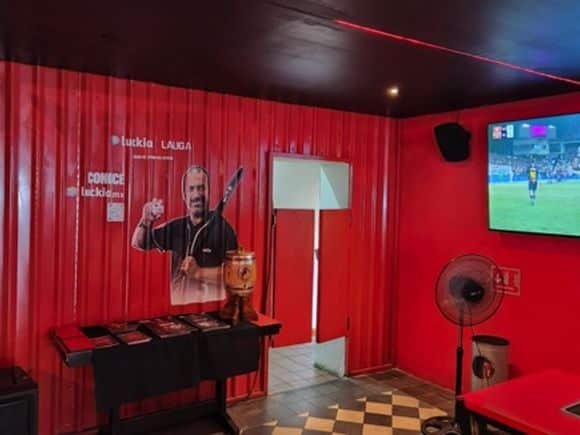
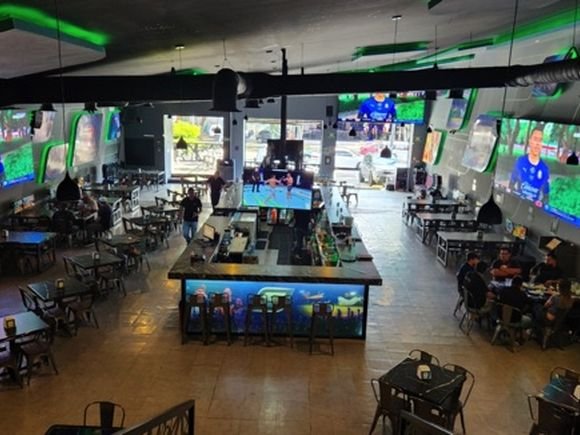
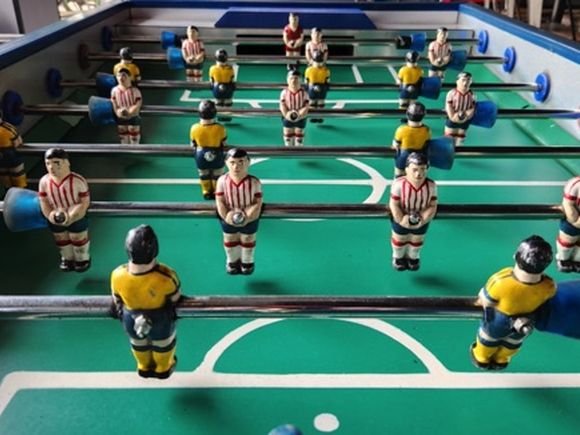
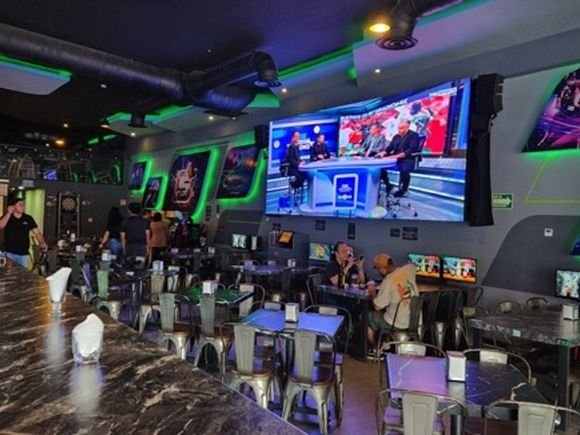
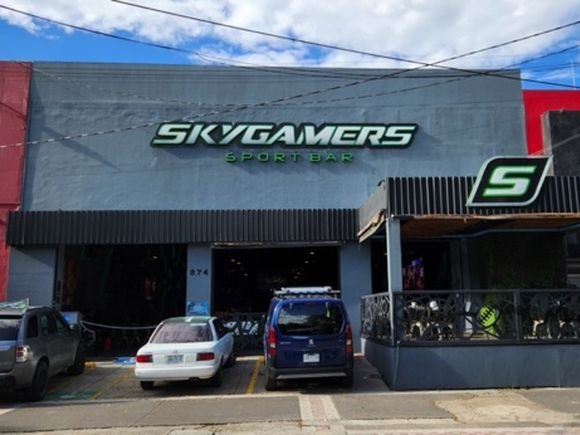
Over in the city centre close to Cineforo, the Sky Gamers Sport Bar ‘feels like you were at the stadium’, vast screens showing any number of fixtures, classic video games and old-school bar pastimes providing pre- and post-match entertainment.
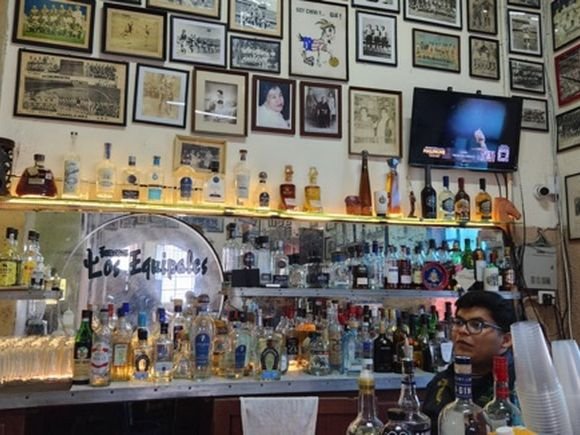
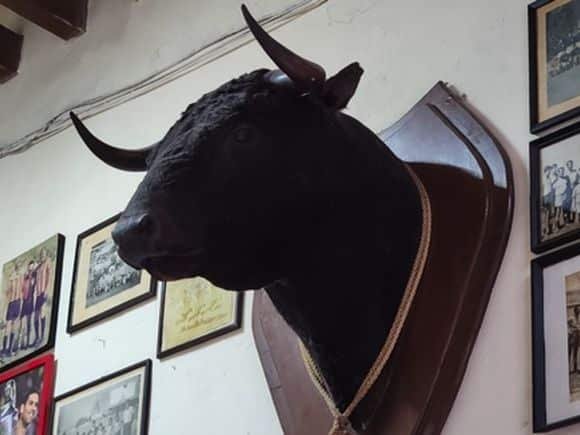
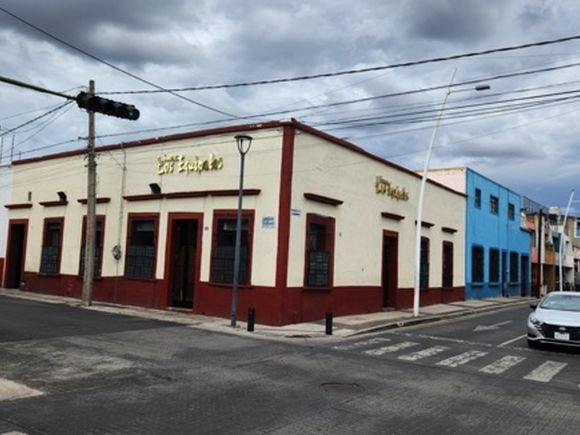
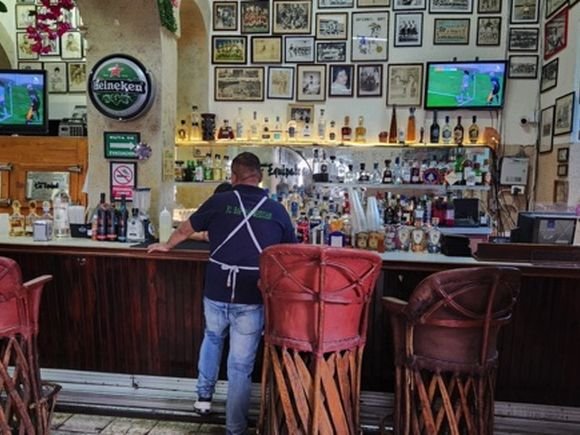
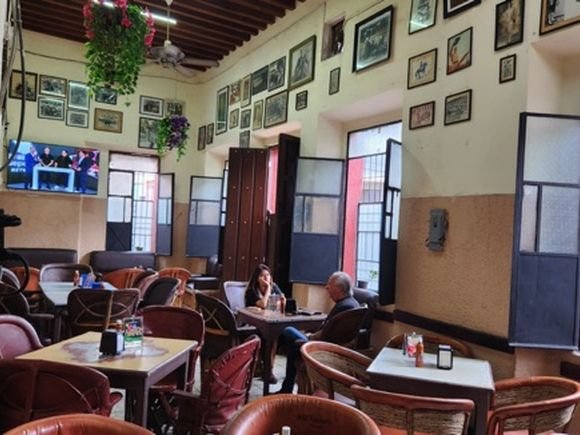
Don’t leave Guadalajara without dropping into legendary corner cantina Los Famosos Equipales, once a corner grocery store that developed into a popular hangout as regulars pulled up a table outside, equipales being the chairs they sat on.
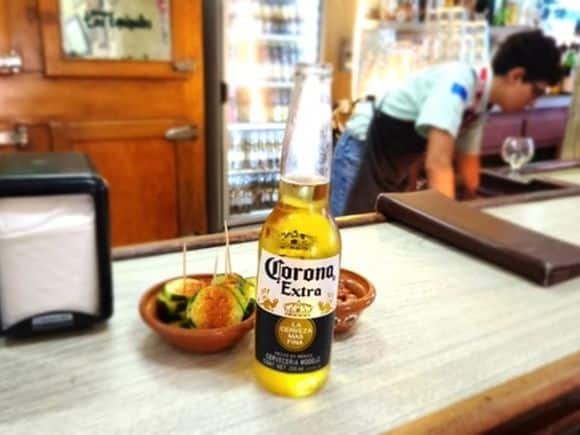
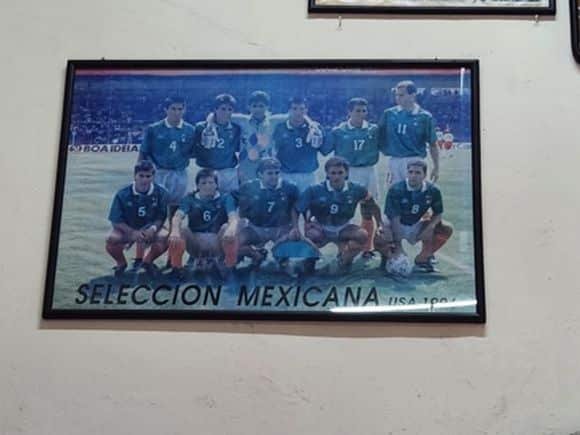
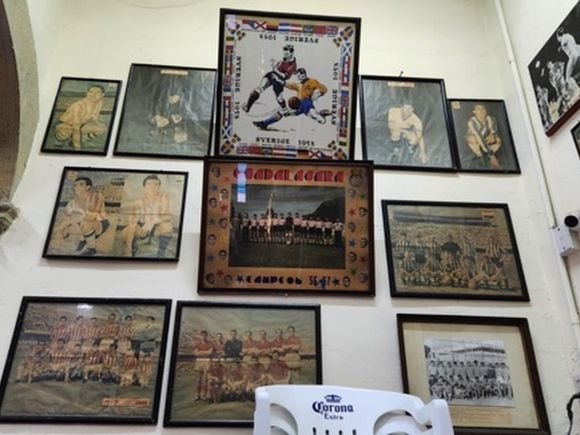
Dating back to 1920, it’s hardly changed In decades, hence the team line-ups and match photos from the radio era. The speciality here is the Nalga Alegre, a sweet cocktail of rum, gin, red wine and orange soda – if you need to stagger home afterwards, you’re two blocks from the Refugio tram stop.
We use cookies on our website to give you the most relevant experience by remembering your preferences and repeat visits. By clicking “Accept All”, you consent to the use of ALL the cookies. However, you may visit "Cookie Settings" to provide a controlled consent.
This website uses cookies to improve your experience while you navigate through the website. Out of these, the cookies that are categorized as necessary are stored on your browser as they are essential for the working of basic functionalities of the website. We also use third-party cookies that help us analyze and understand how you use this website. These cookies will be stored in your browser only with your consent. You also have the option to opt-out of these cookies. But opting out of some of these cookies may affect your browsing experience.
Necessary cookies are absolutely essential for the website to function properly. These cookies ensure basic functionalities and security features of the website, anonymously.
Cookie
Duration
Description
cookielawinfo-checkbox-analytics
11 months
This cookie is set by GDPR Cookie Consent plugin. The cookie is used to store the user consent for the cookies in the category "Analytics".
cookielawinfo-checkbox-functional
11 months
The cookie is set by GDPR cookie consent to record the user consent for the cookies in the category "Functional".
cookielawinfo-checkbox-necessary
11 months
This cookie is set by GDPR Cookie Consent plugin. The cookies is used to store the user consent for the cookies in the category "Necessary".
cookielawinfo-checkbox-others
11 months
This cookie is set by GDPR Cookie Consent plugin. The cookie is used to store the user consent for the cookies in the category "Other.
cookielawinfo-checkbox-performance
11 months
This cookie is set by GDPR Cookie Consent plugin. The cookie is used to store the user consent for the cookies in the category "Performance".
viewed_cookie_policy
11 months
The cookie is set by the GDPR Cookie Consent plugin and is used to store whether or not user has consented to the use of cookies. It does not store any personal data.
Functional cookies help to perform certain functionalities like sharing the content of the website on social media platforms, collect feedbacks, and other third-party features.
Performance cookies are used to understand and analyze the key performance indexes of the website which helps in delivering a better user experience for the visitors.
Analytical cookies are used to understand how visitors interact with the website. These cookies help provide information on metrics the number of visitors, bounce rate, traffic source, etc.
Advertisement cookies are used to provide visitors with relevant ads and marketing campaigns. These cookies track visitors across websites and collect information to provide customized ads.