Teams, tales and tips – a football fan's guide to Mexico City
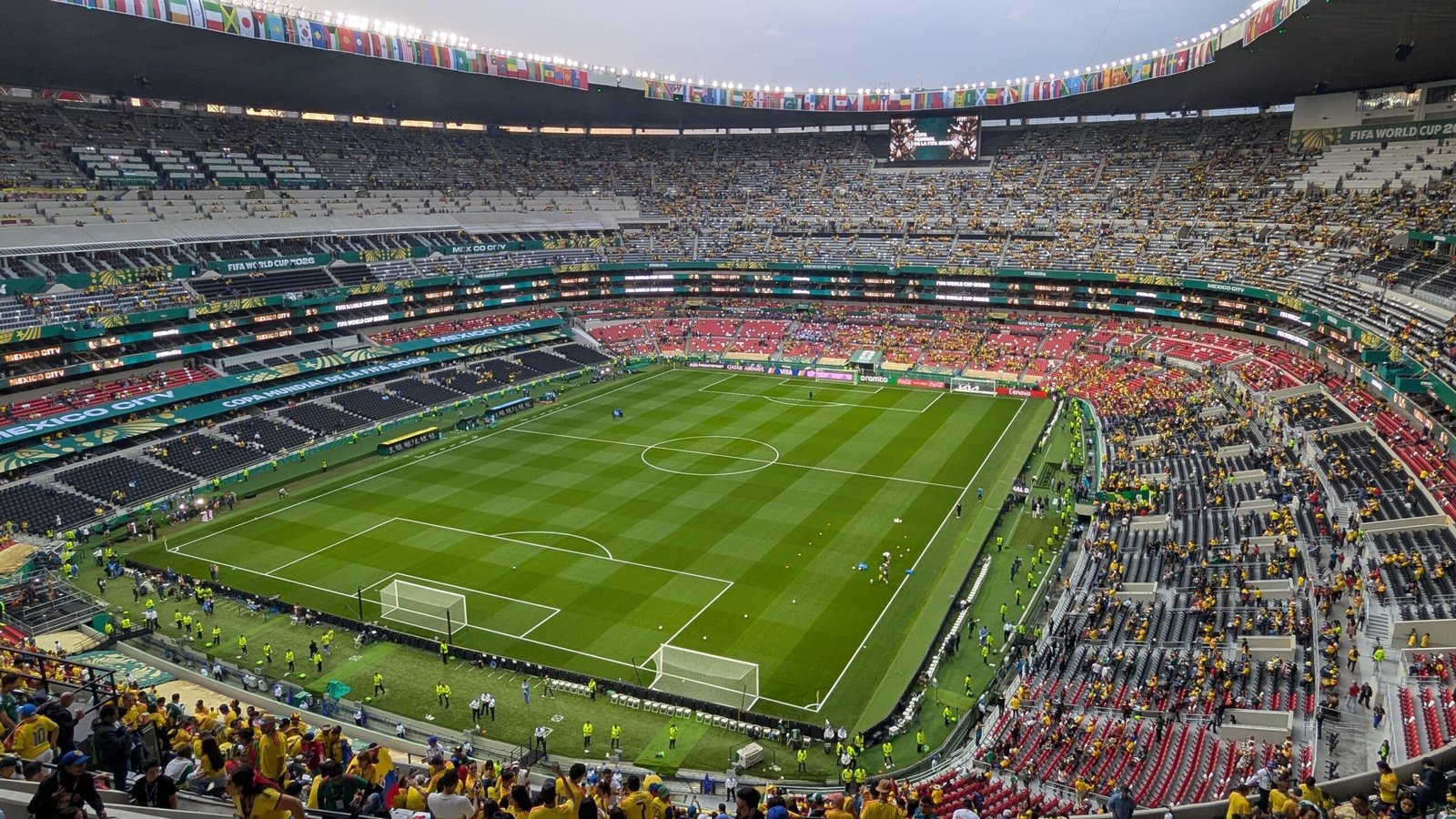
No other capital has witnessed as many memorable moments in World Cup history as Mexico City. Pelé and Maradona were crowned here in 1970 and 1986. The Hand of God, the 4-3 semi, the casual pass for Carlos Alberto’s smash finish, the 3-2 final, these all unfolded in one of the game’s most iconic – yes, we can use that word – stadiums, the Azteca.
Only one stadium has so far hosted two World Cup finals and, although it won’t be a third in 2026 but the opening fixture, the Azteca will still provide a memorable setting for this three-nation occasion. With an outline of the Americas on its badge, the domestic team based at the Azteca is Club América. Mexico’s most successful club, the country’s first winners of the Copa Interamericana, was formed on Columbus Day in 1916.
Backed by media giant Televisa since 1959, América are loved and hated in equal measure, adding spice to El Súper Clásico with Guadalajara and cross-city derbies with Cruz Azul and Pumas UNAM. Founded at the university of the same acronym in 1954, UNAM moved into the newly built Estadio Universitario by the sprawling college campus in Coyoacán, around the same time that this leafy independent municipality was swallowed up by Mexico City.
Some 10km south of the capital’s main square of Zócalo, Coyoacán still feels separate and tranquil. Awarded to Mexico City in 1963, the 1968 Olympic Games not only saw the significant expansion of what was now the Estadio Olímpico Universitario to accommodate the main ceremonies and athletics events – Bob Beamon’s leap, Fosbury’s flop and the Black Power salute – but the construction of the Estadio Azteca close by. This was where the Olympic football final took place and, of course, those World Cups of 1970 and 1986.
Sharing the Estadio Universitario with UNAM from 1955, Club América took part in the opening fixture at the Azteca in May 1966, attracting a crowd of 107,000, the same attendance as witnessed Pelé’s Brazil win the World Cup four years later. Also the occasional home of working-class Cruz Azul until 2023 – the club founded by a cement-producing co-operative in 1927 are currently nomadic – the Azteca became Mexico’s figurehead national stadium, although hundreds of friendlies have been played over the border in the United States, most notably in Dallas.
Cruz Azul are not from Mexico City at all, but Jasso in Hidalgo, more than an hour’s drive north. It was in 1971 that they moved into the Azteca, downsizing to the more central Estadio Ciudad de los Deportes in 1996. Built in 1947 when it hosted Club América until 1955, this deep 34,000-capacity bowl located by the world’s largest bullring south-west of the historic centre became the Estadio Azul for the Cement Workers’ long sojourn until 2018.
Ignored for Mexico’s two World Cups, the stadium was to be demolished in 2018, hence Cruz Azul’s departure, and is currently closed for safety reasons. The Cement Workers briefly moved into the Estadio Olímpico Universitario in 2025. Host of four games at the 1986 World Cup including the win by Platini’s France over holders Italy, the Universitario features one of the last works by legendary Mexican muralist Diego Rivera, which dominates the main entrance. Like the naming of the Azteca itself, it depicts the city’s pre-Hispanic heritage, when this was Tenochtitlan, the largest city in the Americas before Columbus.
Now holding 87,500, the Azteca underwent much-needed renovation around 2016 to coincide with its 50th anniversary and the centenary of Club América, and again nearly a decade later to prepare it for the World Cup. Funding partly came from Monterrey bank Banorte, which also bought the naming rights to the stadium, to much derision. Its reopening, in late March, a friendly between Mexico and Portugal, attracted a near full house for the occasion, 60 years after its original unveiling.
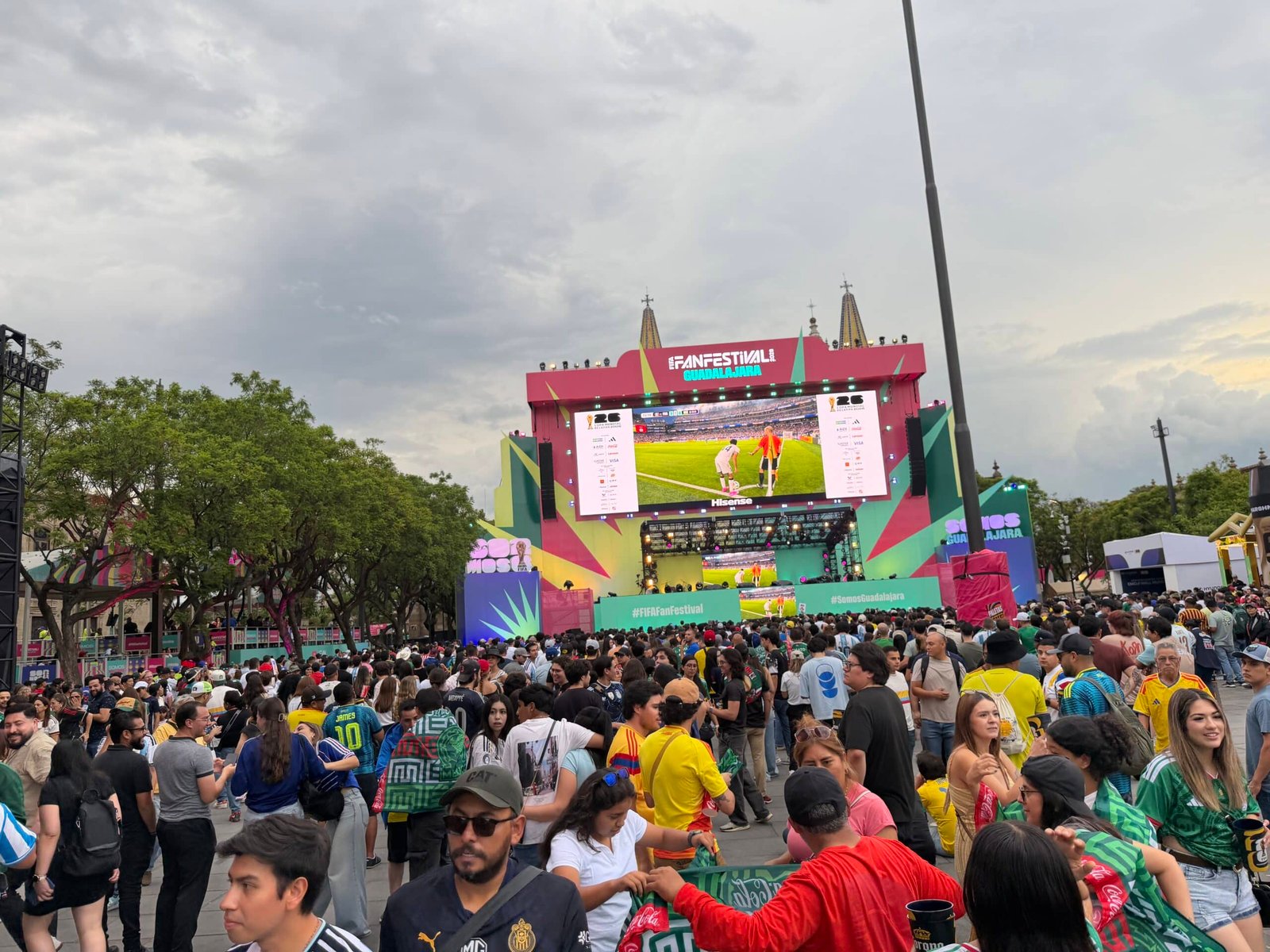
The city’s main square of Zócalo will host the Fan Festival all through the tournament, from the opening ceremony here on June 11 to July 19.
Getting Here
Arriving in town and city transport


Benito Juárez International Airport is 8km (five miles) north-east of downtown Mexico City. Travellers with a boarding pass can use the free Aerotrén service between the two terminals 6min apart or those without, the free bus that shuttles between Gate 6 at Terminal 1 and Gate 4 at Terminal 2.
Red Metrobús line 4 runs every 10-15mins from Gate 7 of Terminal 1 and Gate 2 of Terminal 2 to San Lázaro metro station 1min away. Even if you’re intending to continue into town 30mins away, you still have to change onto a different vehicle at San Lázaro. Buy an integrated mobility card (Tarjeta de Movilidad Integrada, MX$15/US$0.90) valid for the Metrobús, Metro and light-rail networks from machines at stations and stops (card only), Metrobús MX$6/US$0.35 per ride, Metro MX$5/US$0.30 and light rail MX$3/$0/20.
Alternatively, a short walk from Terminal 1, the Terminal Aérea station is the terminus of Metro line 5 while some 500m from Terminal 2, Pantitlán station serves lines A, 1, 5 and 9. Note that networks close at midnight and reopen at 5am.
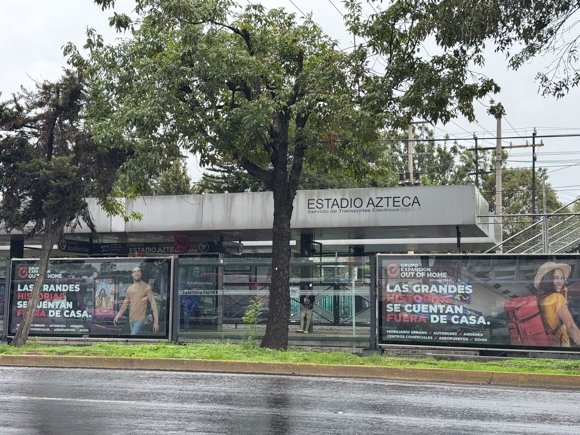
Lines 1 and 5 connects to the city centre and line 2, which terminates at Tasqueña. Here you can pick up the Xochimilco light-rail line (tren ligero), 15mins/nine stops from Estadio Azteca serving the stadium alongside. From central Zócalo via Tasqueña to the stadium, allow around 1hr overall. Estadio Azteca is also on several bus routes, the pesero shared minibus 2-F and, at some point in the future, trolleybus line 14 – but as the stadium is a good 12km south of the city centre, light rail is easiest.
From the airport, a taxi can skirt the city centre and reach the Azteca in under 40mins, traffic willing, or be in the city centre in 30mins. Buy your taxi ticket at the Transporte Terrestre kiosk in either terminal – expect to pay around MX$300/US$17 into town, MX$400/US$23 to the Azteca. Yellow Cab (+55 25 99 60 24) is based at the airport, Taxi Mex (+55 62 50 74 57) in Roma Norte.
Where to Drink
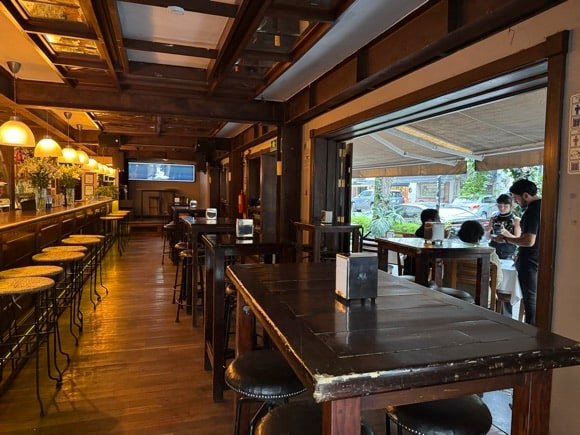
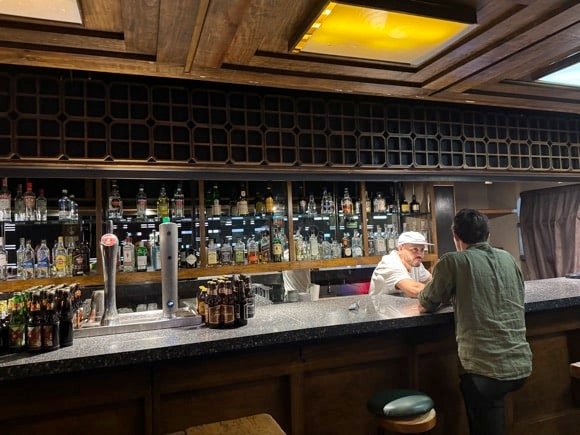
The best pubs and bars for football fans


Leafy Colonia Condesa and, as celebrated in the Oscar-winning film, Roma, south-west of the city centre, are convivial starting points for bar-hopping in the capital.
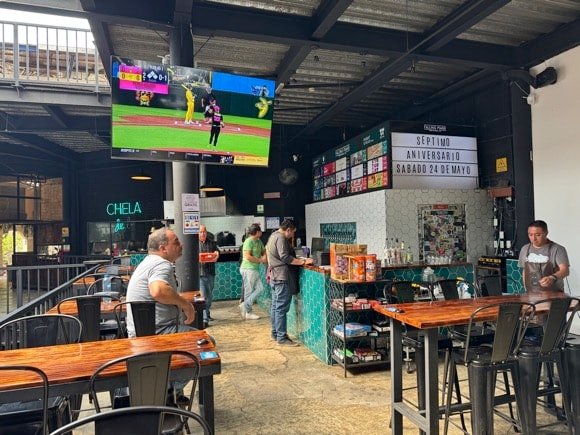
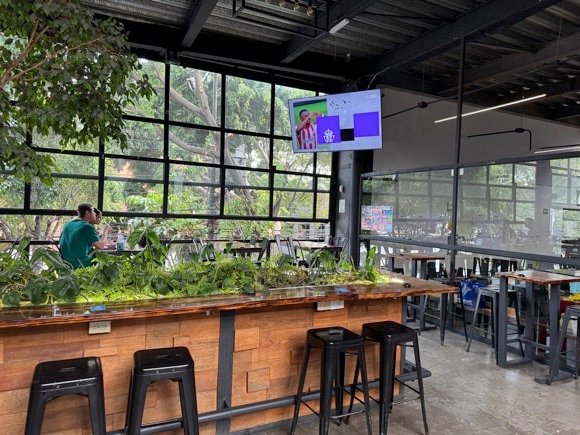
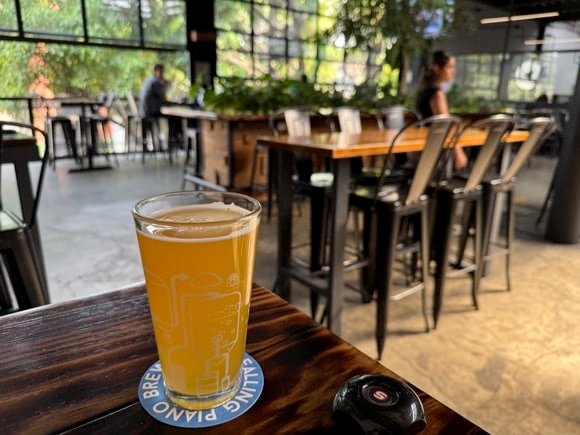
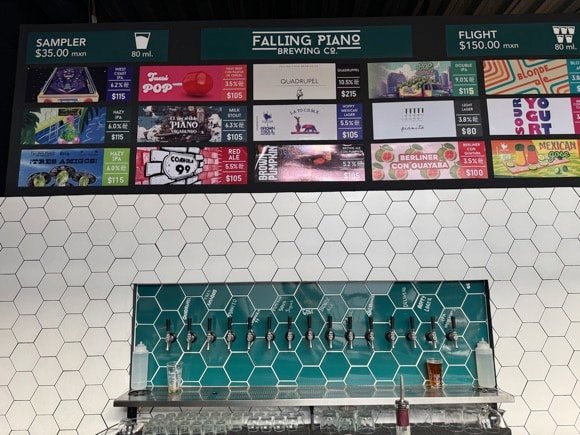
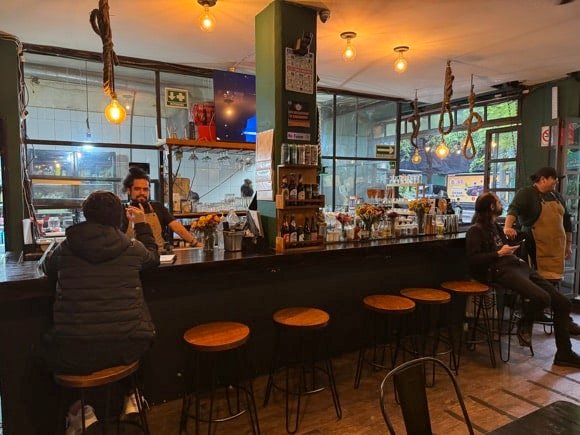
Falling Piano (Coahuila 99) is the tap room and two-floor bar of the in-house brewery inspired by George Snyder of Grand Rapids, Michigan, killed when a piano fell on his head in 1887.
Opened some 130 years later, this bar allows visitors to investigate the dozen or so brews on tap here – IPA, Porter, pale ale – and superior tacos and nachos while studiously avoiding the piano dangling from the ceiling. Should it stay in place, sport on three screens, speed beer dating and trivia quizzes provide the entertainment.
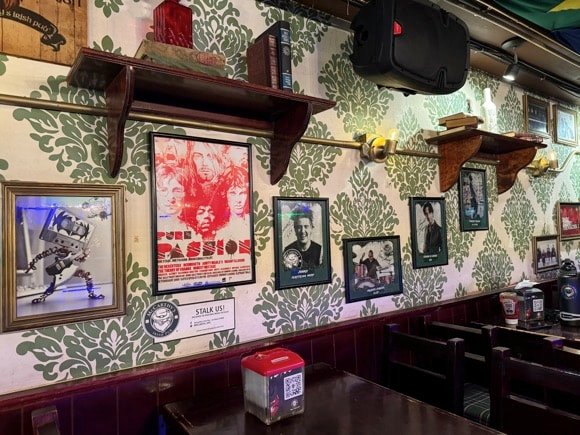
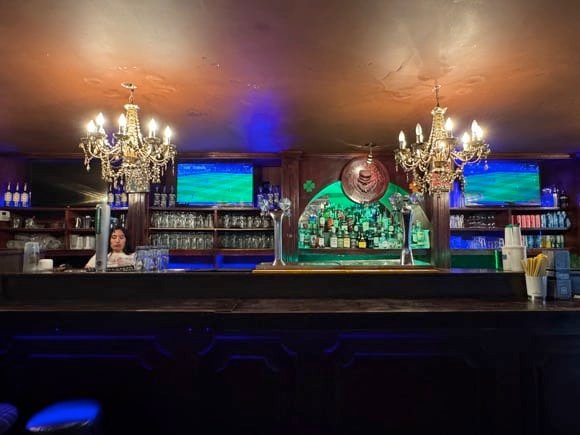
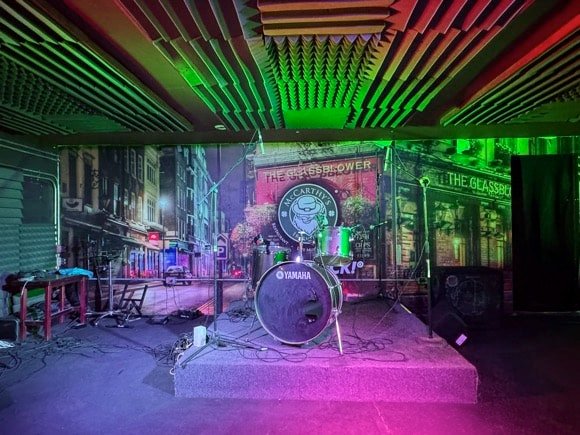
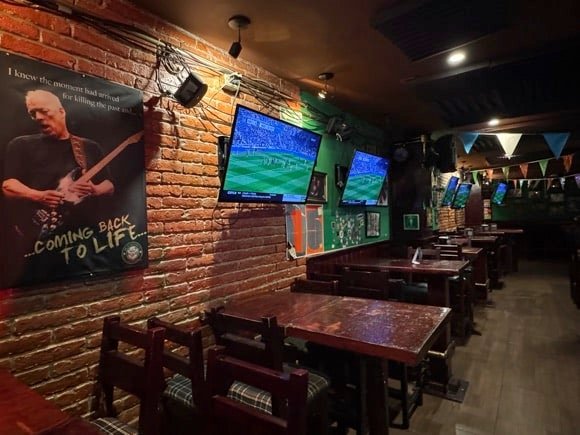
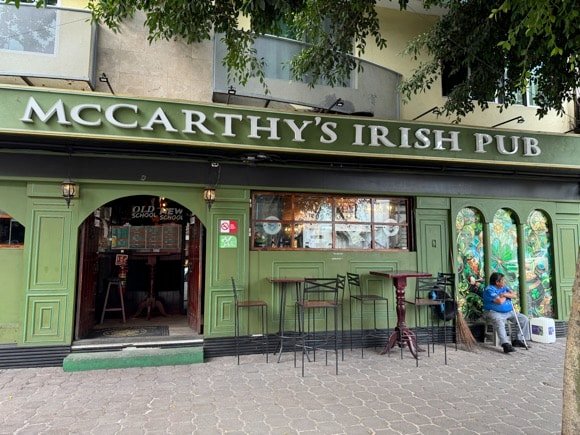
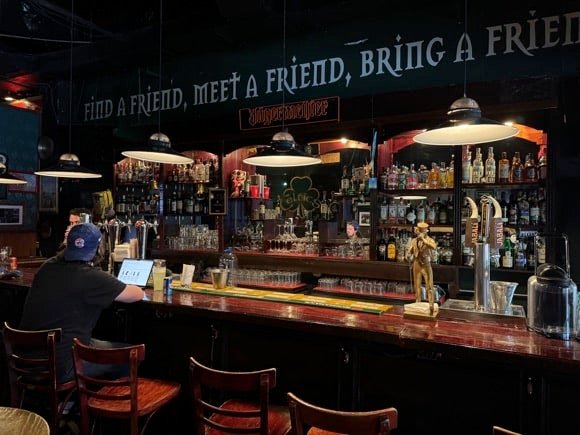
A few blocks north at Querétaro 207, the local branch of the Mexico-wide McCarthy’s Irish Pub puts on live music Thursdays through Saturdays, serves hefty bar food and pours copious pints of the in-house lager


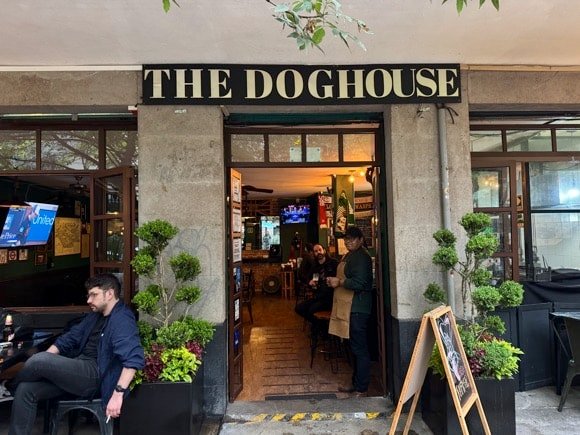
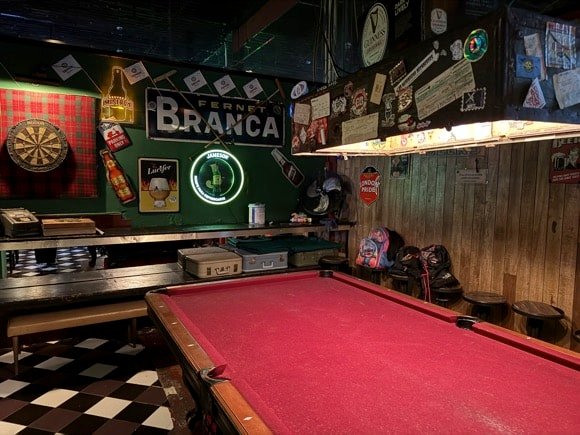
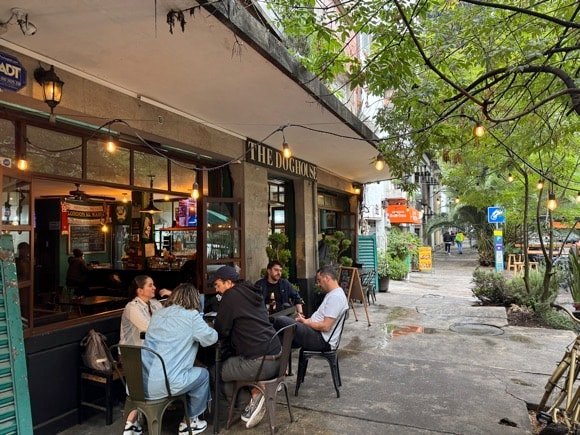
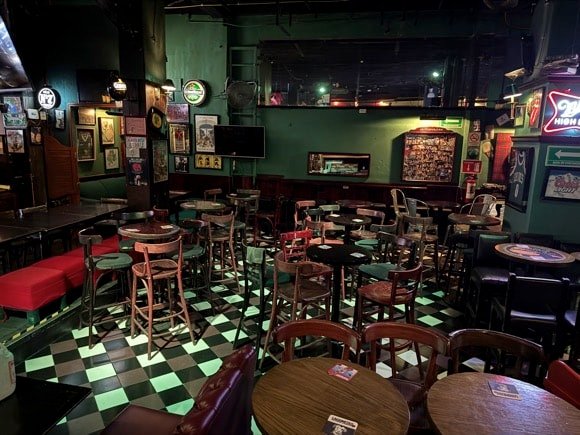
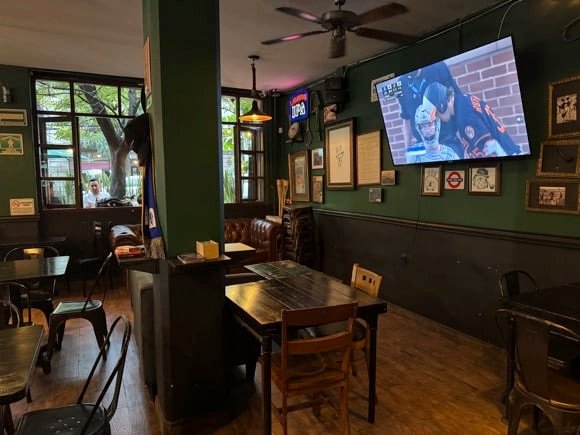
Further north at Sinaloa 61, the Doghouse Pub is a classier attempt at recreating the atmosphere of UK hostelry, with TV sport brought to the fore, plentiful tap beers, pub food (including English breakfasts) and darts. Open from 10am weekends, 1pm Tue-Fri.
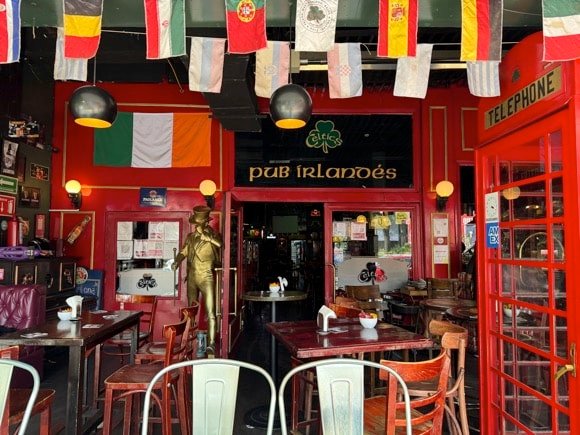
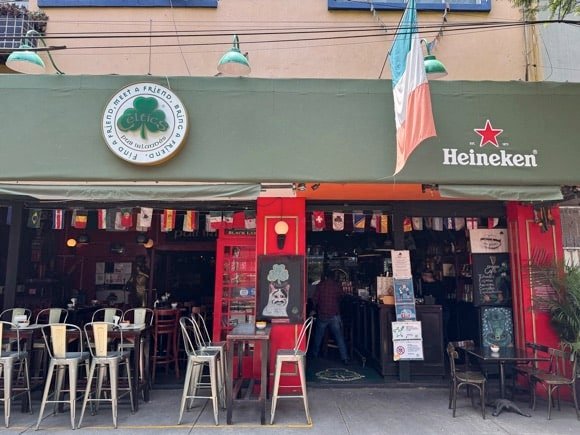
Over on Condesa, the Celtics Pub Irlandés (Avenida Tamaulipas 37) dates back to 2003, when an Asturian opened this tavern dedicated to all things Celtic, including north-west Spain. Pizzas, burgers and pool also feature, as well as TV sport and live music five nights a week. Open from 1pm.


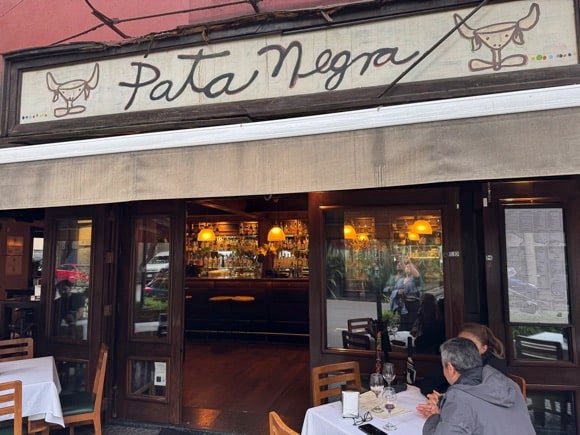
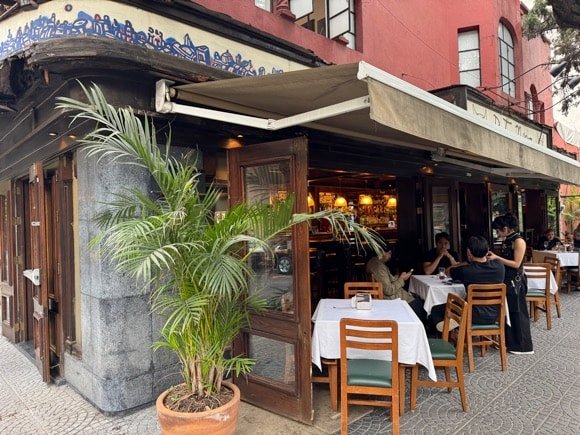
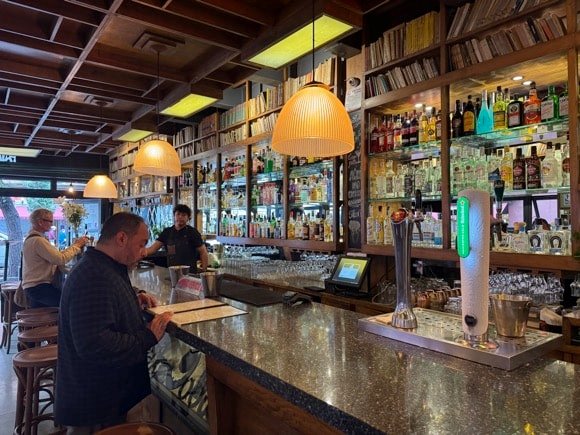
Close to the main square of Zócalo, Pata Negra Centro Histórico shows Champions League and Liga MX games in surroundings suitable for the cocktails and superior Spanish tapas they serve.
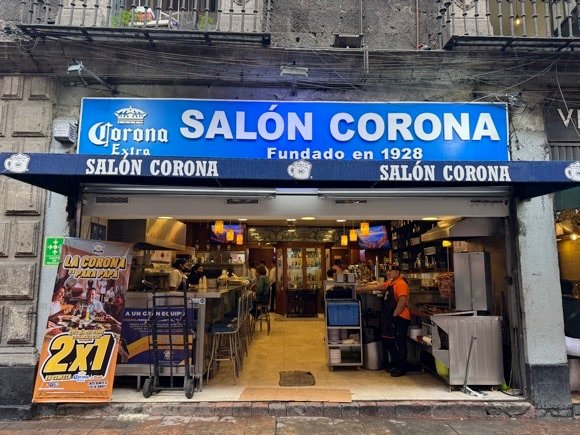
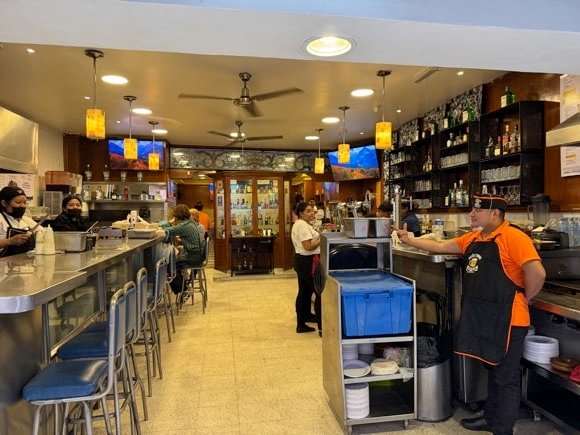
To sample a little piece of history, the Salón Corona on Calle de Bolívar in the heart of town has been dishing out beer and tacos for almost a century – note the ‘Founded in 1928’ sign outside and the wonderful photo of patrons clustered around the TV, living every moment of the match.