Soccer nirvana, craft brews and top coffee in Cascadia
Teams, tales and tips –a football fan's guide toSeattle
The name ‘Seattle Sounders’ echoes across half a century of soccer in the States, from Pelé’s last competitive game in the 1970s to the MLS Cups of the 2010s. Another common thread is large crowds. When the original Sounders started life at Memorial Stadium in 1974, they often sold the place out, even in the pre-Pelé NASL days. Before Portland staged his farewell at Soccer Bowl ’77, Seattle’s Semifinal victory over Los Angeles Aztecs was witnessed by 56,256.
But it was when Sounders Mark 3 was launched at Lumen Field in 2009 that Seattle’s fan phenomenon exploded, pushing the team top of the MLS attendance table, way ahead of Beckham’s LA Galaxy.
By the time Portland Timbers arrived in 2011, the Pacific Northwest had its local rivalry, a three-way Cascadia derby with Vancouver that helped transform a league that was in jeopardy a few years earlier. It was only when Atlanta burst onto the scene in 2017 that Seattle lost its hegemony in terms of crowd numbers across North America.
Seattle monorail/Anatol Steck
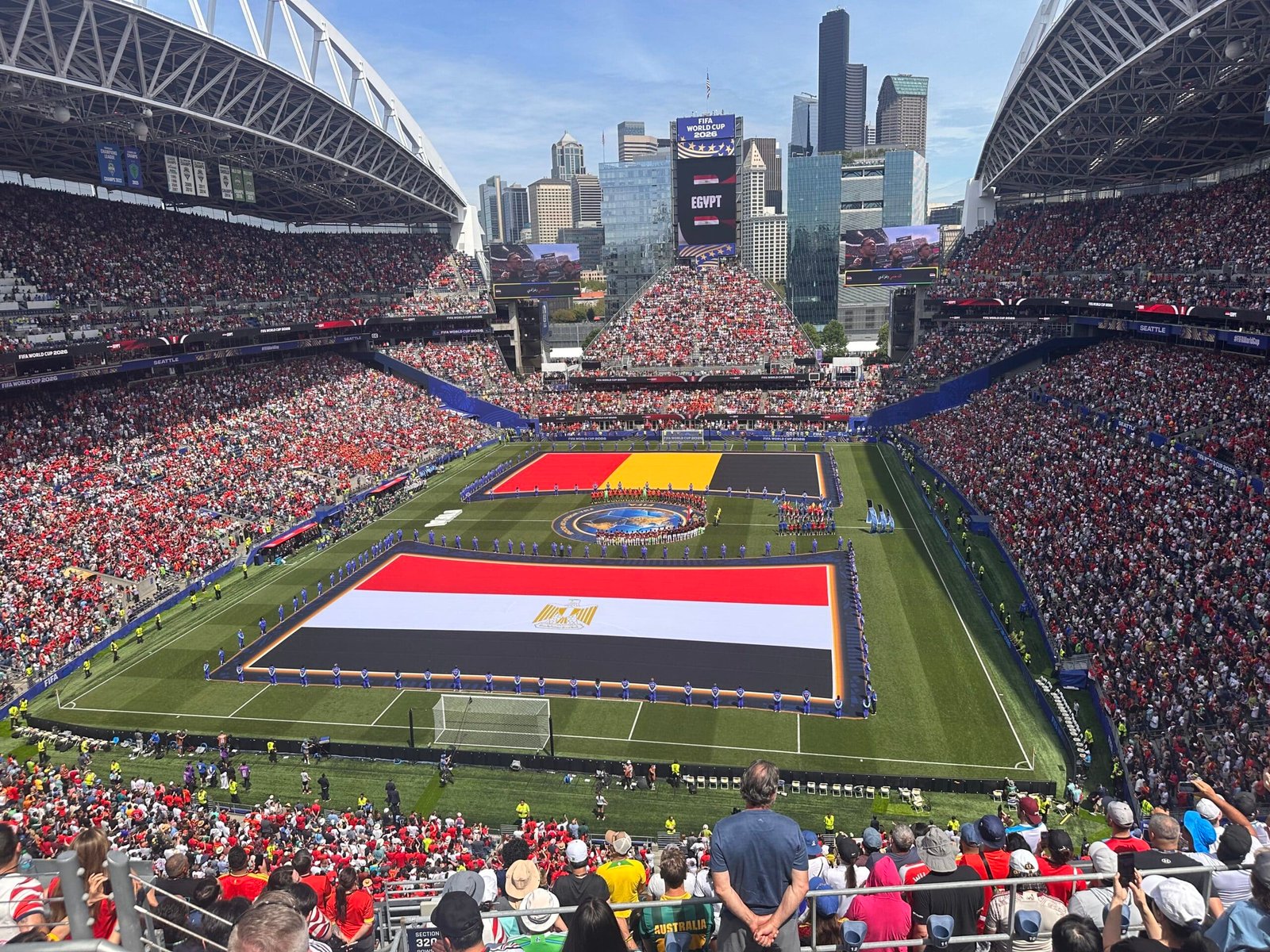
Built to replace the indoor Kingdome – where that 1977 Semifinal took place – Lumen Field is ingeniously designed to cater for both NFL and MLS, capacities set at just under 69,000 and 38,000 for each, with the possibility of a crossover for major soccer games, such as the six World Cup games here. The one that brings together USMNT and Australia may challenge the stadium record noise levels set here for a Seahawks football game in 2013.
Easily accessible by light rail and Intercity trains, this former industrial zone, rebranded SoDo – initially South of the DOme, now South of Downtown – is rapidly gentrifying, only a couple of miles from that symbol of 1960s’ optimism, the Space Needle. When the Sounders rebranded for MLS, it put this landmark front and center of the logo. Alongside the tower, the foundation date of 1974 links to the original NASL team, a sense of continuity unique in U.S. soccer.
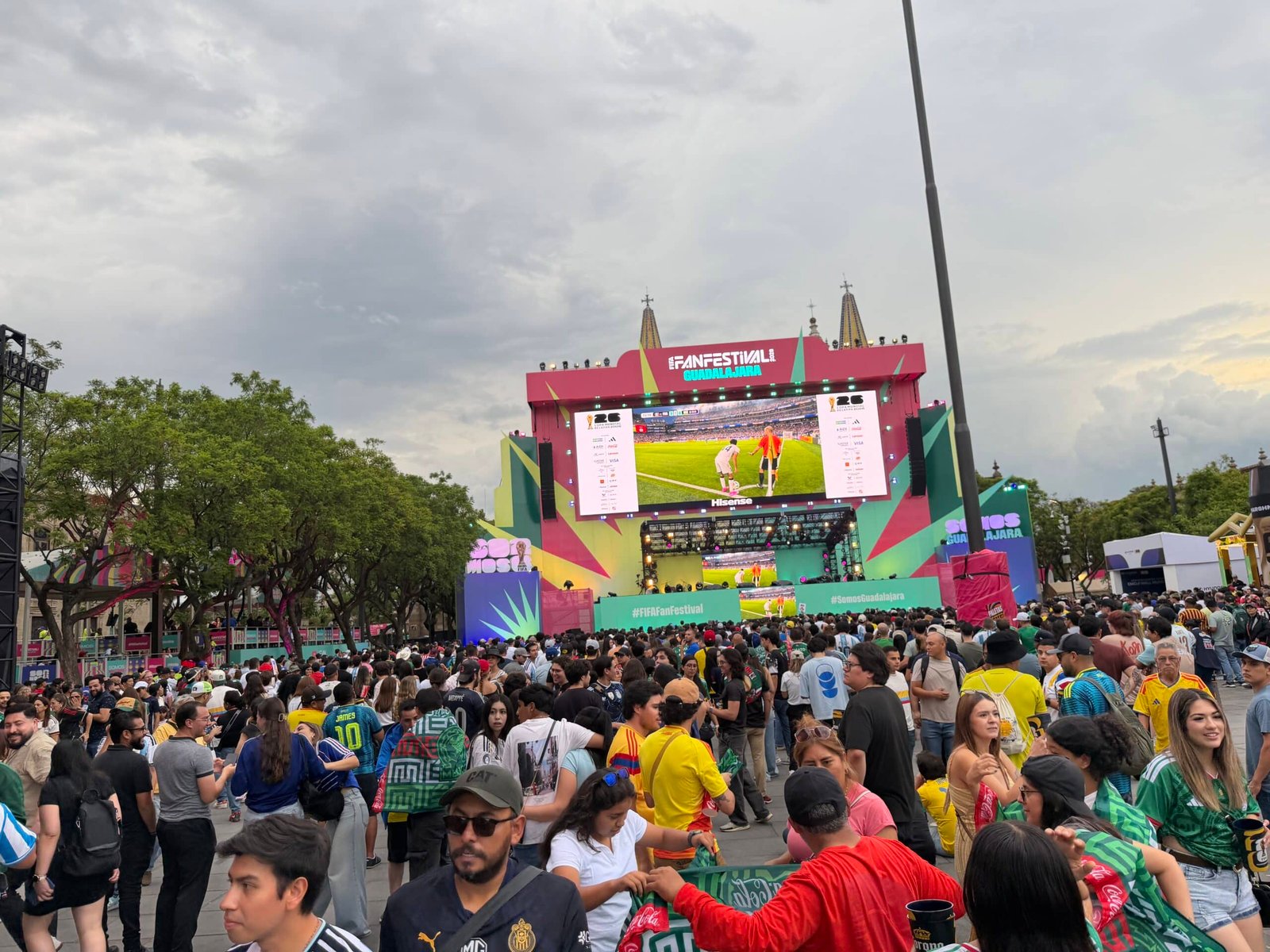
Seattle’s Fan Festival runs along at locations along Unity Loop, including Seattle Center, Waterfront Park, Pacific Place and Victory Hall in SoDo.
Getting HERE
Arriving in town and city transport
Seattle monorail/Anatol Steck
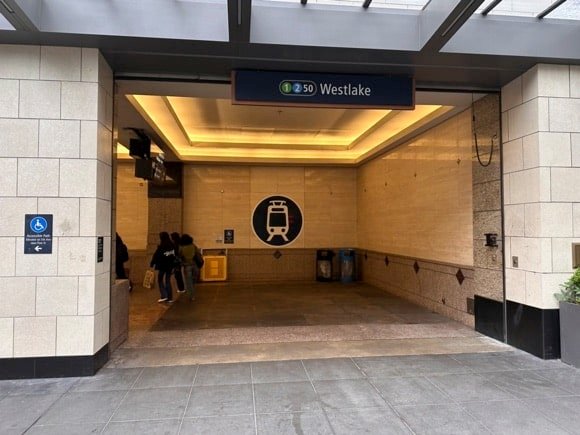
Seattle Link/Anatol Steck
Seattle monorail/Anatol Steck
Seattle Monorail/Anatol Steck
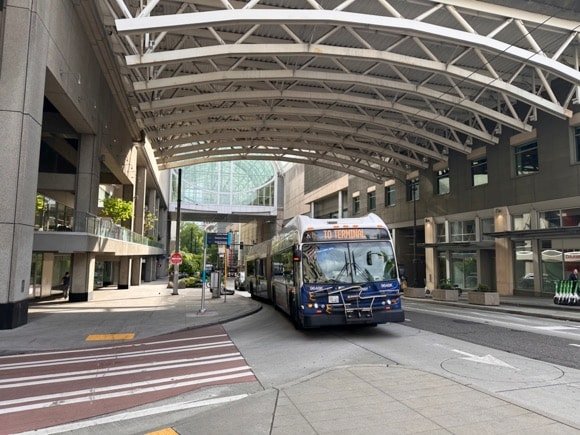
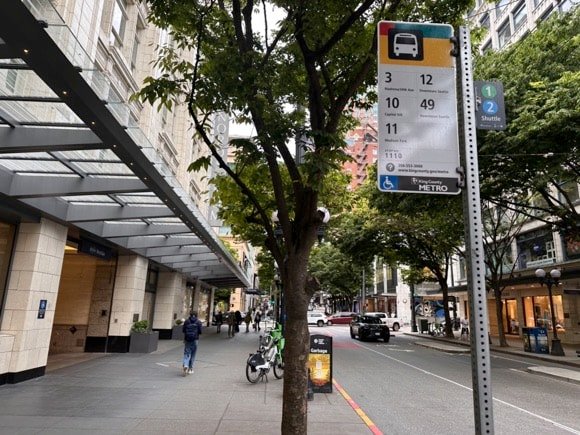
Seattle buses/Anatol Steck
Seattle monorail/Anatol Steck
Seattle-Tacoma International Airport is 14 miles (23km) south of Downtown Seattle, on the same 1 Line of Sound Transit’s Link light-rail network (every 8-15mins) as Stadium and, more convenient for Lumen Field, International District/Chinatown beside King Street, journey times 30-35mins.
A one-way ticket (by cash/card, local ORCA card ($3) or Transit GO app) is $3, a day pass $6, 3-Day PugetPass $18. King Street Station is also served by Amtrak trains from Los Angeles, Portland, Vancouver, and other destinations.
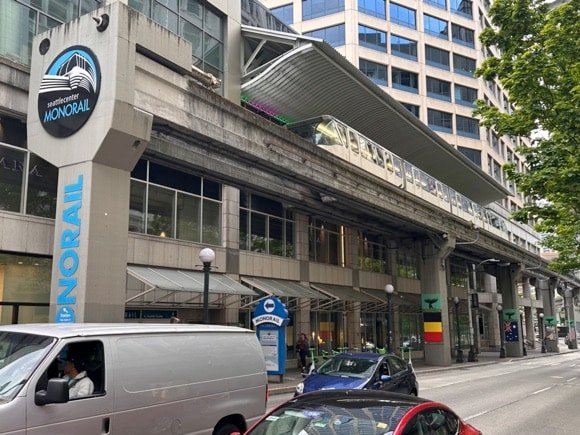
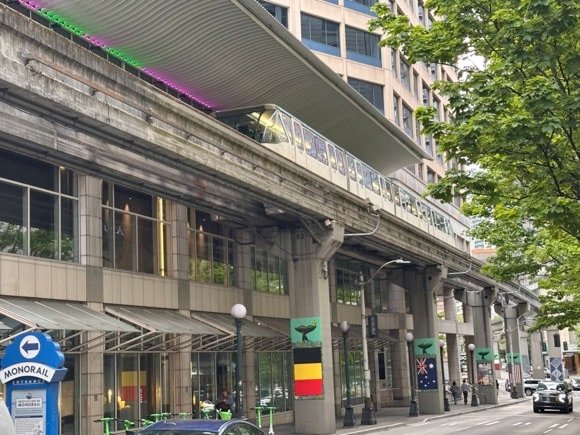
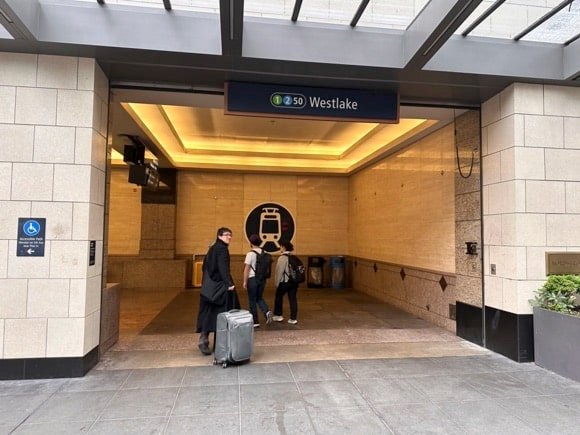
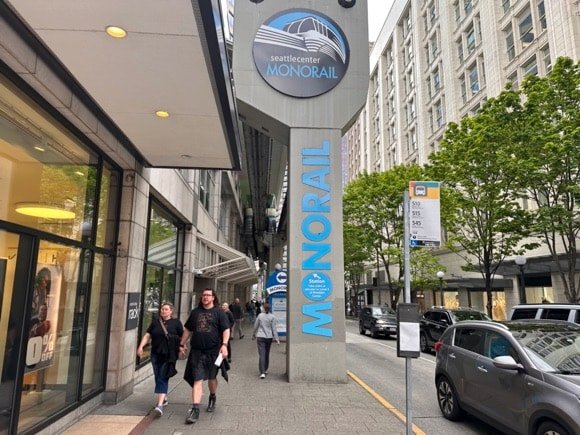
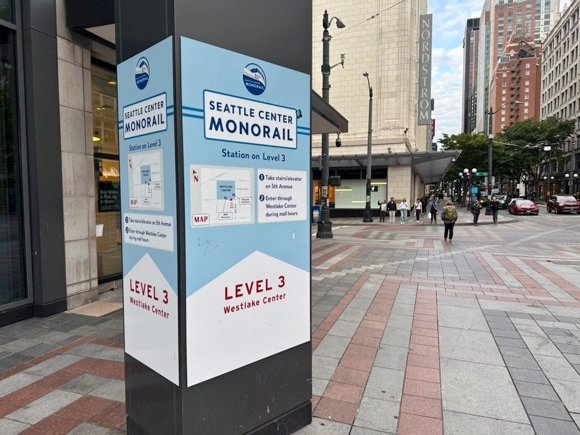
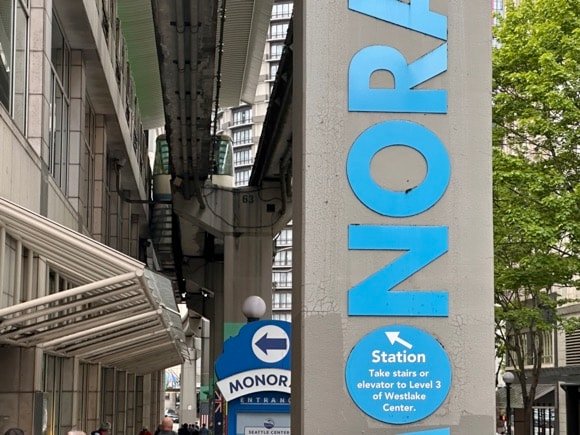
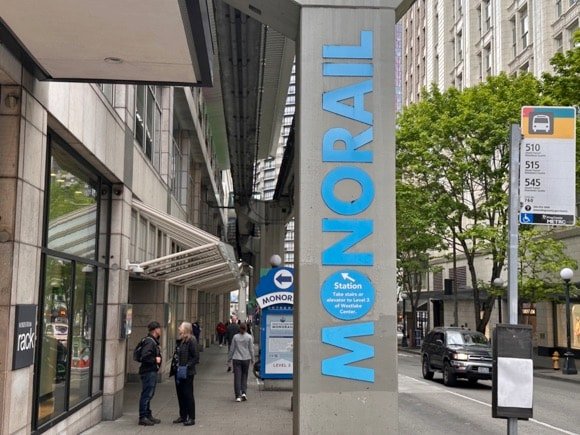
The ORCA card is valid fo the Monorail ($4, every 10mins) between Westlake Station (3 stops up from International District/Chinatown) and Seattle Center (journey time 2mins) beside the Space Needle and Fan Zone.
A 3-DayMonorail Sea26 Fan Pass is $20. Seattle Airport Taxi (+1 206-430-5051) has a set rate of $45 to Downtown. For zipping around town, Seattle Yellow Cab taxis (+1 206-622-6500) can be booked through the company app.
Stadium parking can be arranged through SpotHero. Prices to park near the ground on game days currently start around $70 but are sure to rise.
Seattle buses/Anatol Steck
Seattle Link/Anatol Steck
Seattle buses/Anatol Steck
Seattle monorail/Anatol Steck
Seattle Link/Anatol Steck
Where to Drink
The best pubs and bars for football fans
Reuben's Brews/Anatol Steck
Blarney Stone/Anatol Steck
Reuben's Brews/Anatol Steck
Blarney Stone/Anatol Steck
Blarney Stone/Anatol Steck
Reuben's Brews/Anatol Steck
Blarney Stone/Anatol Steck
Reuben's Brews/Anatol Steck
Blarney Stone/Anatol Steck
Reuben's Brews/Anatol Steck
Blarney Stone/Anatol Steck
Reuben's Brews/Anatol Steck
Blarney Stone/Anatol Steck
Blarney Stone/Anatol Steck
Reuben's Brews/Anatol Steck
Seattle is overflowing with craft beer, best sampled at a sports bar such as Uptown Hophouse by Climate Pledge Arena, the city’s Fremont Brewing, Georgetown Brewing, and Urban Family Brewing featured among its 24 taps. Match action beams down from many screens, Hop dogs, wings, and flatbreads served on non-event days at the Arena. Across the street, Tom’s Watch Bar follows its same nationwide formula, a multiscreen wraparound surrounding a huge sports bar in which jumbo wings, burgers and draft beers are served.
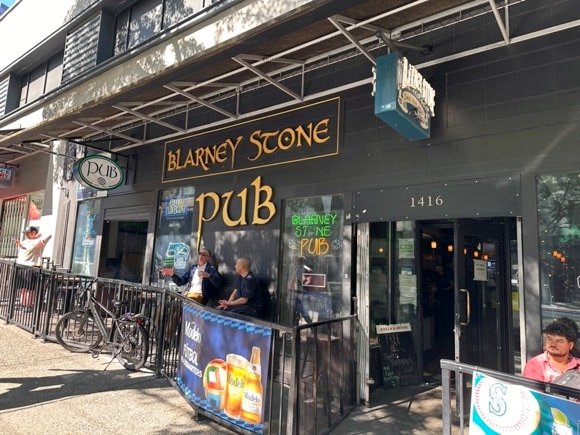
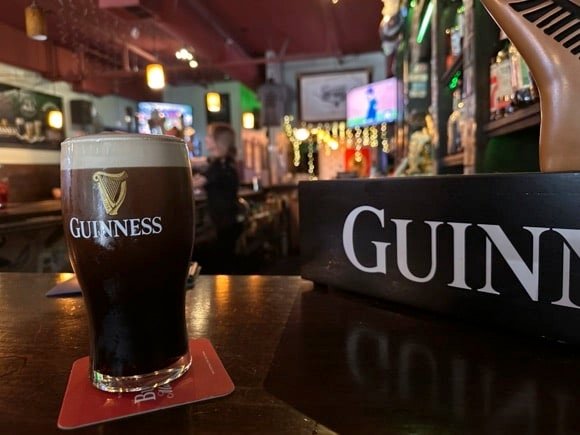
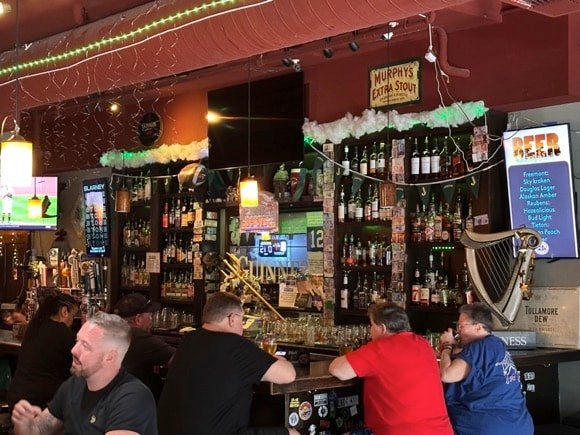
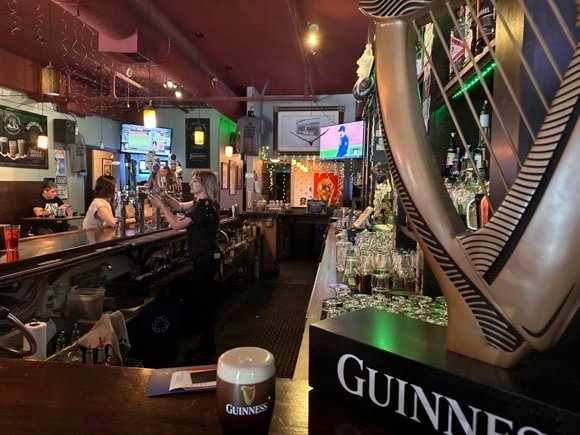
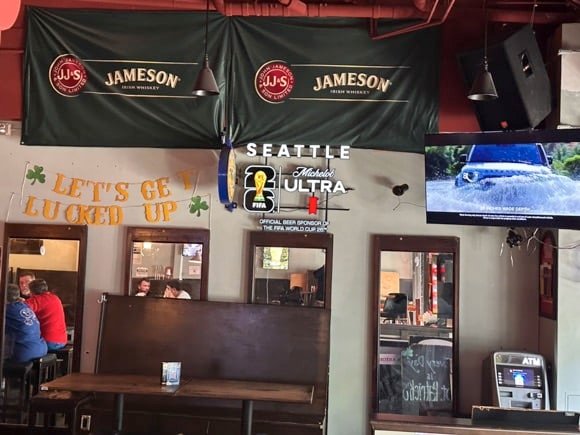
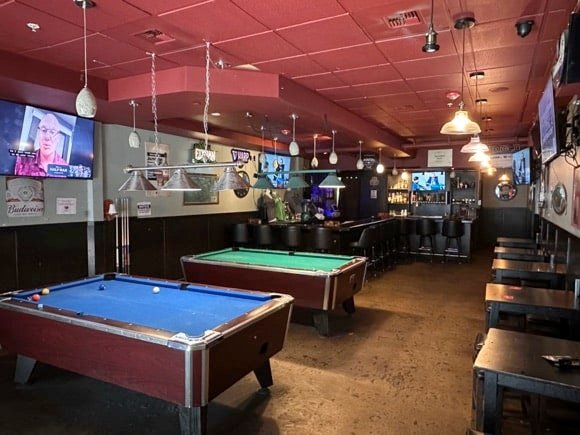
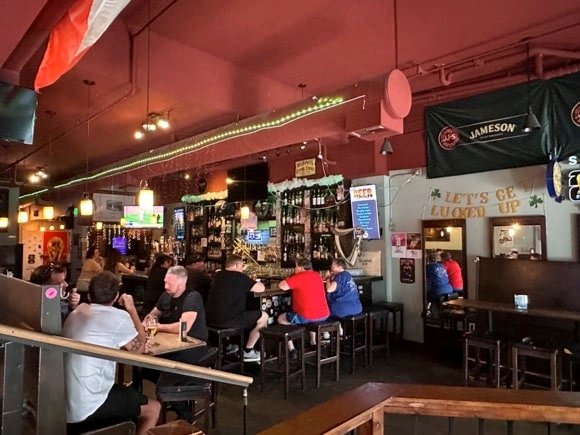
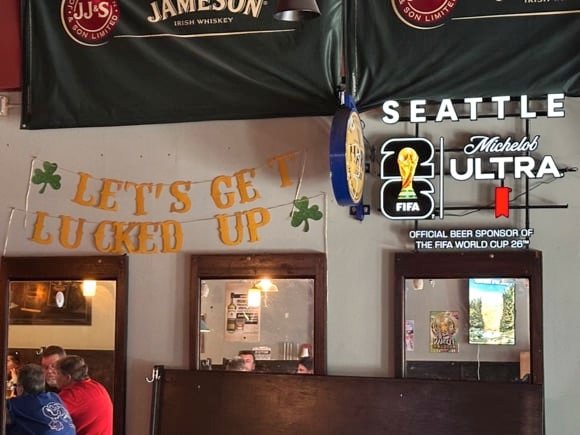
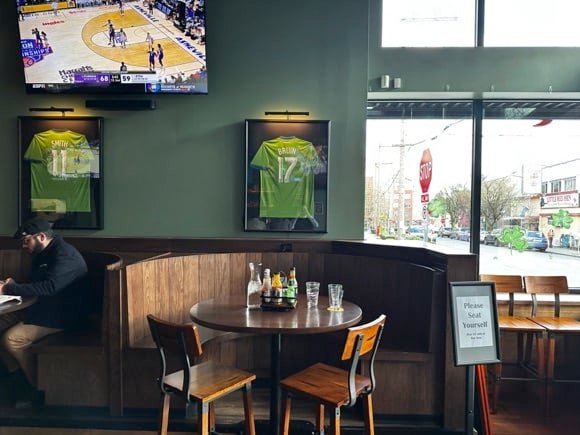
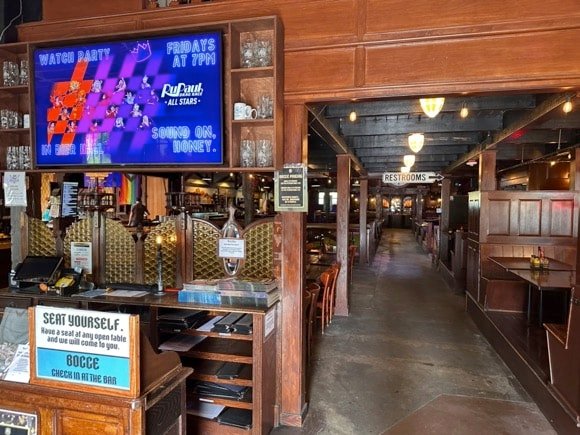
Across from the landmark Pike Place Market, Blarney Stone accurately describes itself as an ‘authentic, old-school, downtown Seattle bar, pub and restaurant’, 14 big screens generally tuned to Seahawks and Mariners NFL and baseball games, and kitchen turning out classic cheeseburgers and leprechaun balls.
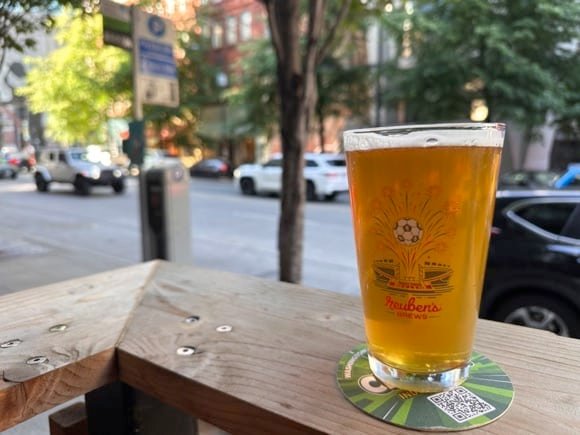
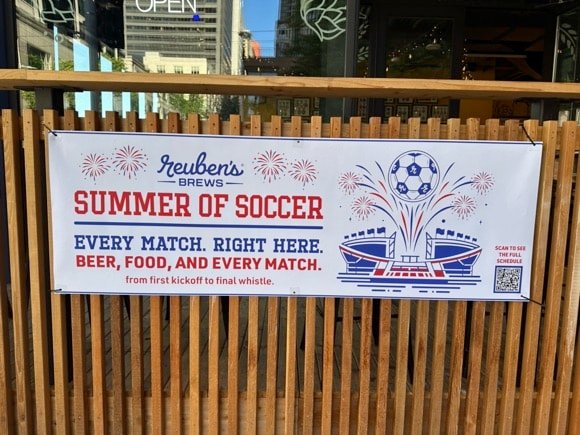
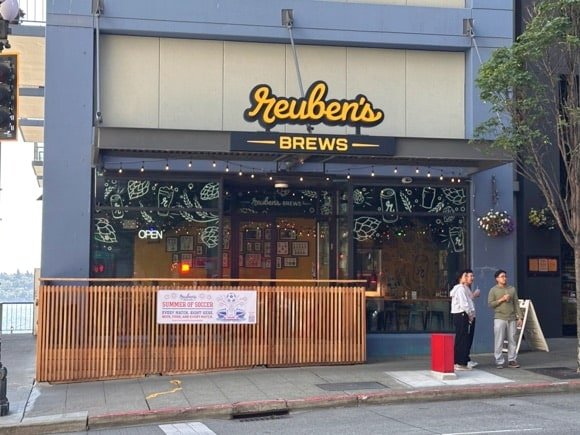
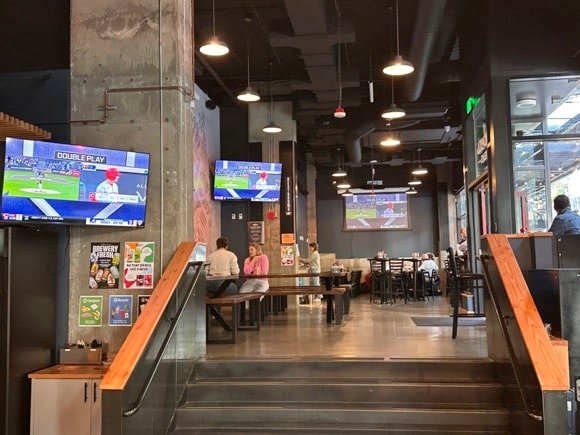
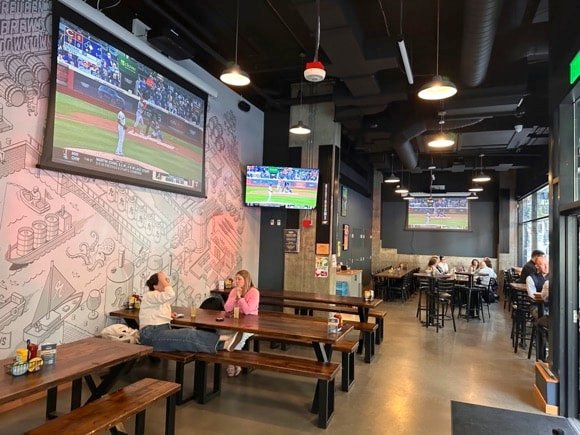
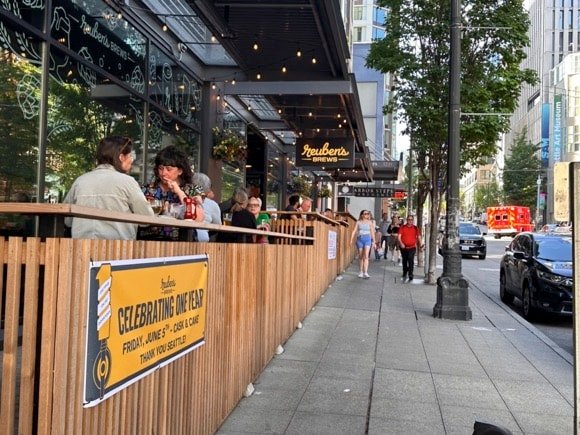
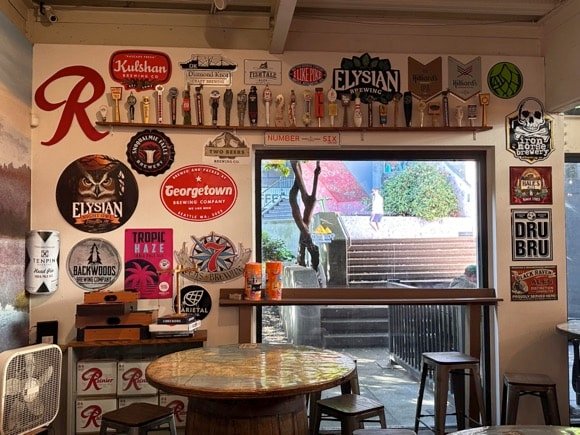
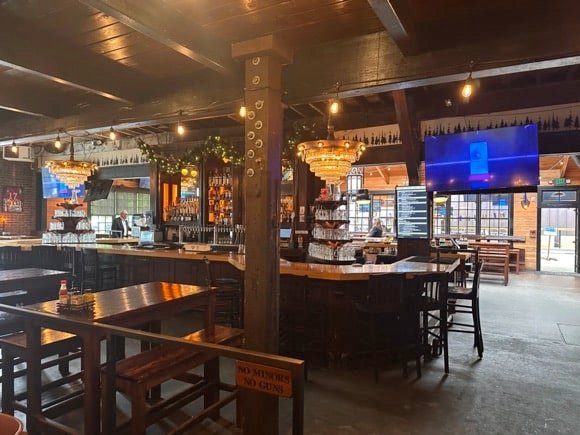
Steps from the market, you’ll find the Downtown branch of a three-outlet local mini-chain launched in Ballard, Seattle by Adam and Grace Robbings in 2012, Reuben’s, named after their first-born. Here you can choose from 28 brews and opt to sit outside or in, sharing a Seattle poutine with your dining partner and sinking a Seattleweizen. Sport shows inside or you might want to watch Seattle go by along a tree-lined street.
Seattle Beer Co/Anatol Steck
Yard House/Anatol Steck
Seattle Beer Co/Anatol Steck
Yard House/Anatol Steck
Seattle Beer Co/Anatol Steck
Yard House/Anatol Steck
Seattle Beer Co/Anatol Steck
Yard House/Anatol Steck
Seattle Beer Co/Anatol Steck
Yard House/Anatol Steck
Seattle Beer Co/Anatol Steck
Seattle Beer Co/Anatol Steck
Yard House/Anatol Steck
Seattle Beer Co/Anatol Steck
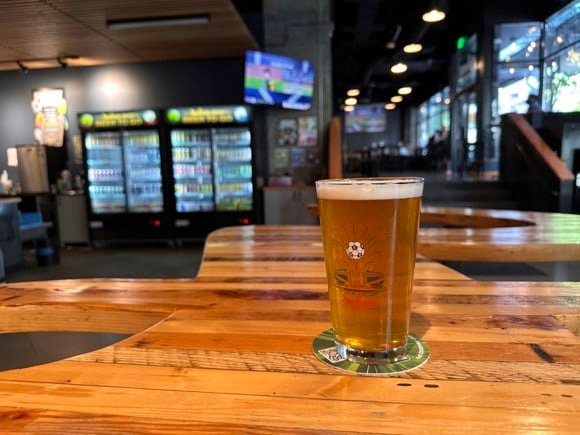
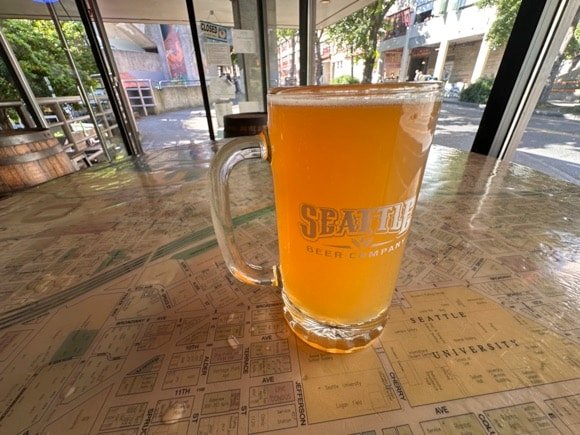
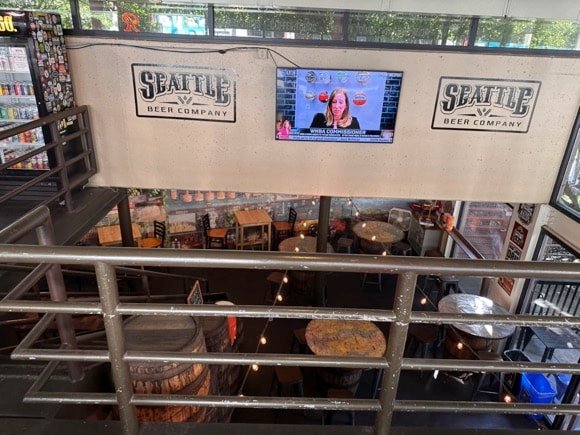
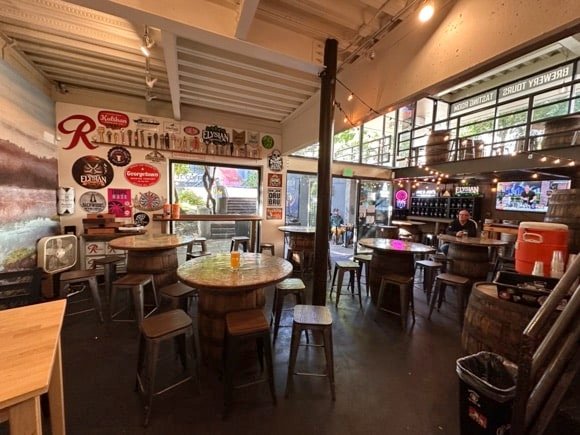
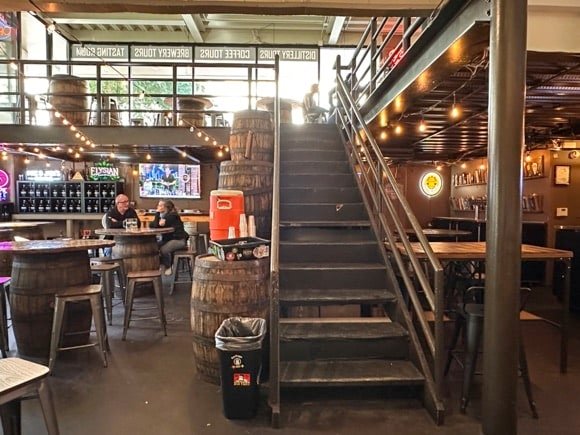
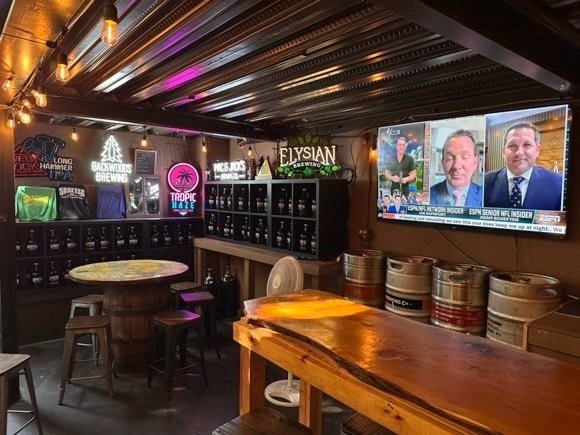
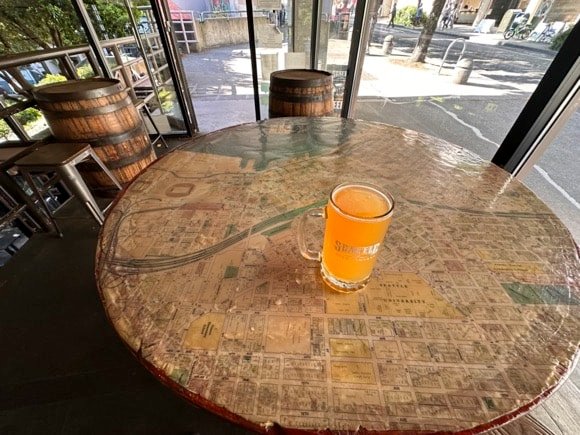
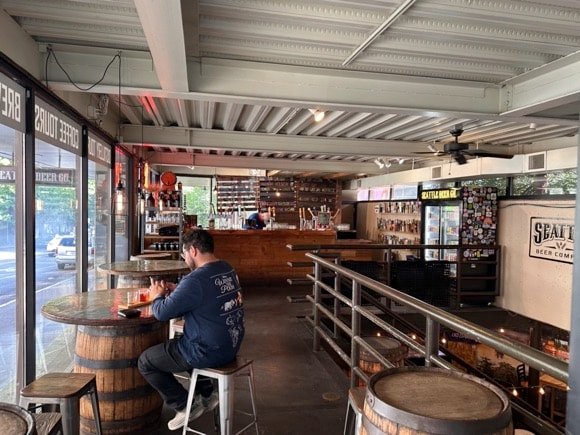
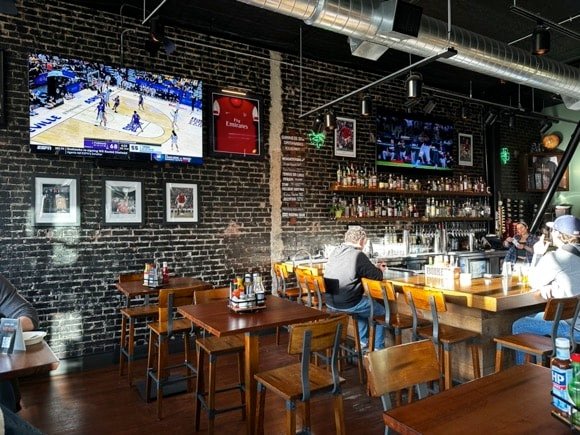
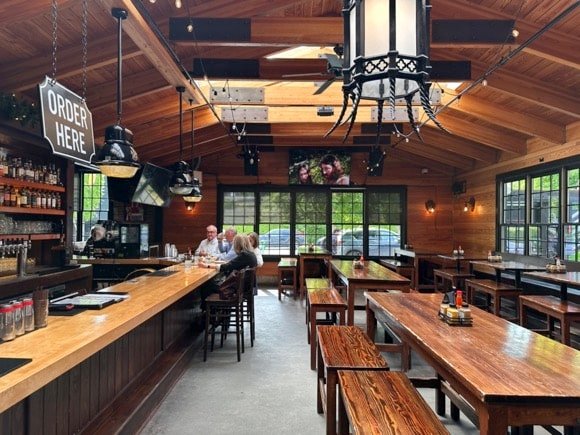
There’s more craft brews at nearby Seattle Beer Co, close to the market, the waterfront and Seattle Aquarium. SBC only serves brands from Washington State, ‘from the big names in the Yakima Valley to the tiny garage breweries in your neighborhood’, and does so in a cosy, two-floor space where planks of wood over beer barrels double up as tables and TV sport plays. More a daytime/post-work hangout, given its closing times at 7pm, 9pm Thur-Sat.
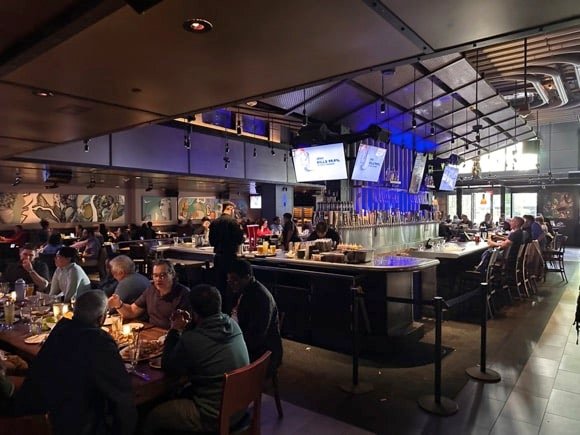
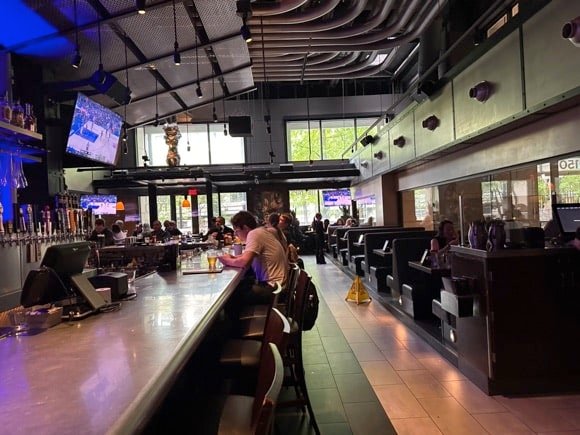
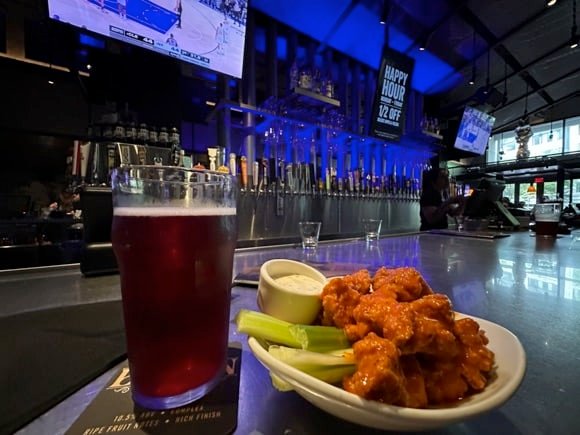
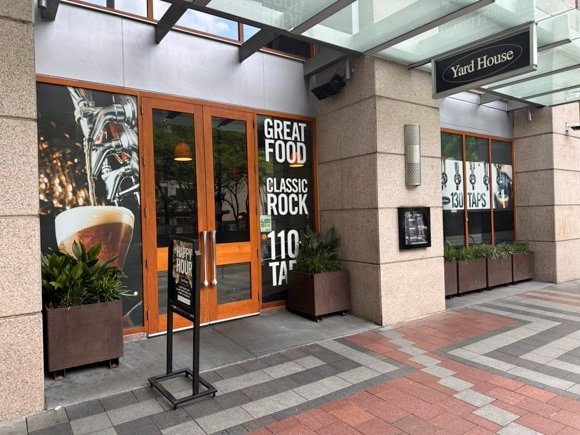
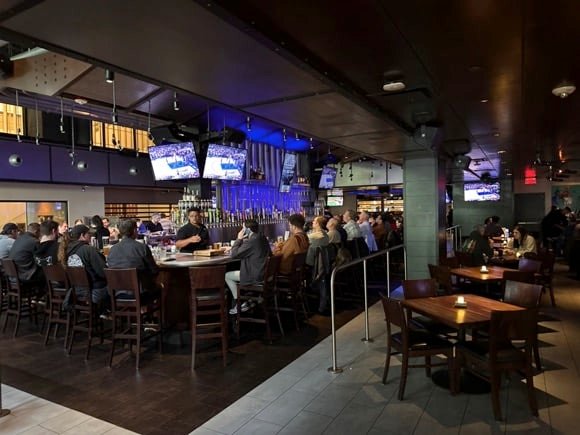
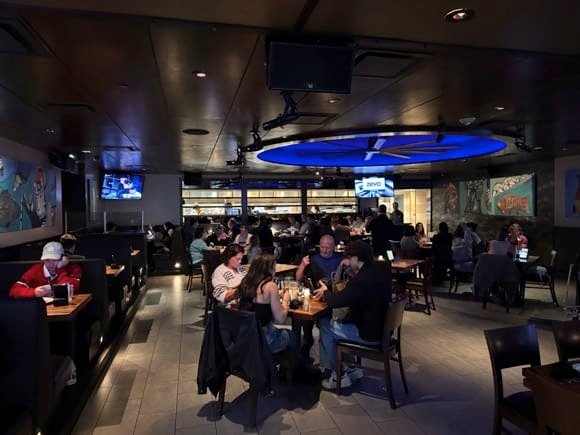
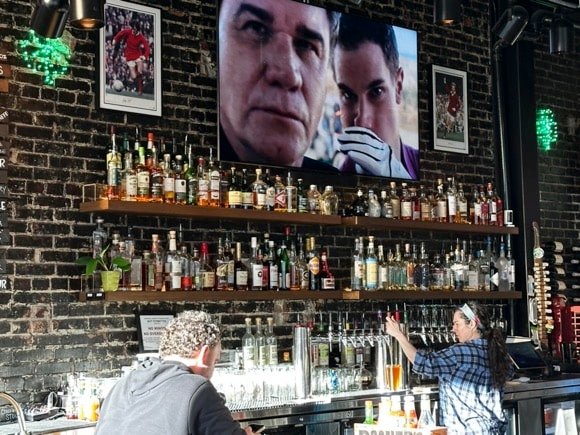
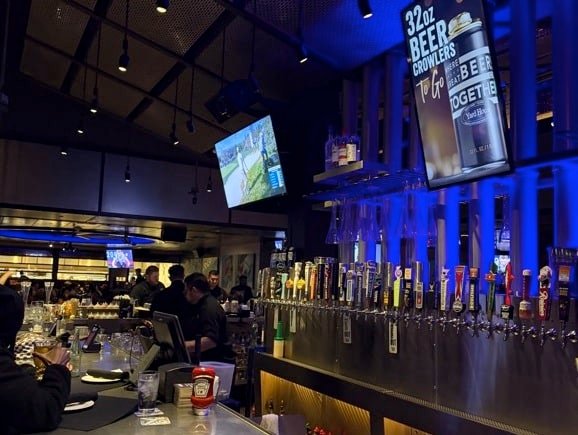
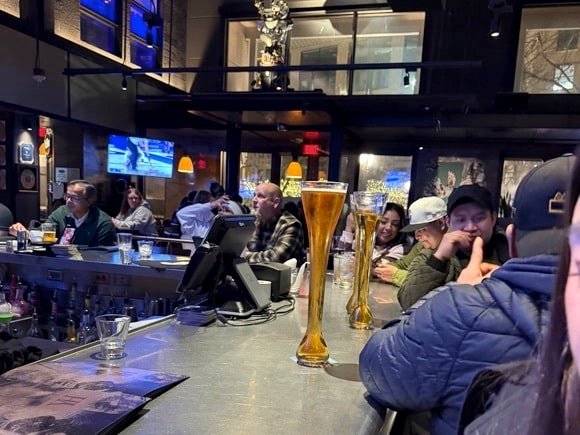
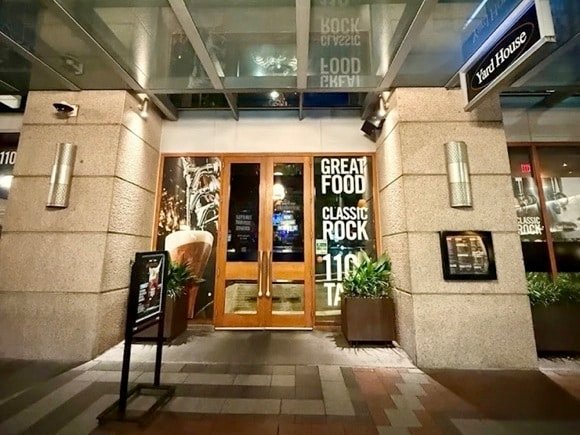
On 4th Ave near Westlake Station, Yard House is a little classier, TVs dangling over an island bar and superior food on offer, not to mention hundreds, yes hundreds, of draft ales, beers and ciders.
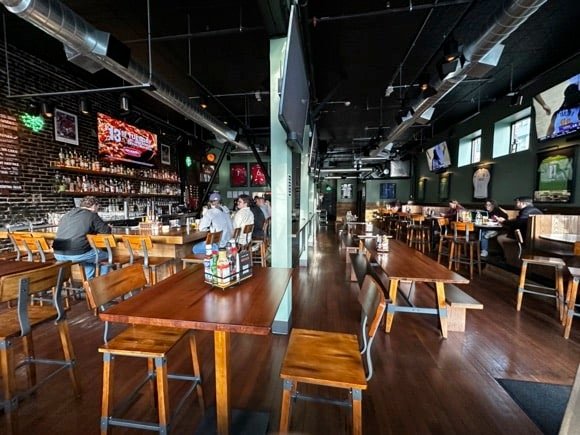
Recently moved to Capitol Hill in central Seattle, RheinHaus claims to be, with some justification, ‘Seattle’s favorite German beerhall and sports bar’, illustrated by its house lager and pilsner on tap, prime bratwurst and 25 big-screen TVs. Plenty of craft choices, too, beer-wise, and generous closing times of 1.30am at weekends. Happy hour Tue-Fri 3pm-6pm.
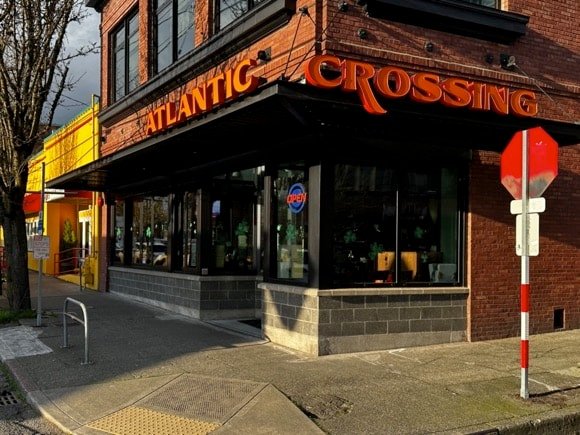
Pouring pints of Guinness, Smithwick’s, quality European beers and local craft IPAS, The Atlantic Crossing in Greenlake opens for Premier League action from 8.30am, its weekend breakfasts a treat for sore hangovers.
We use cookies on our website to give you the most relevant experience by remembering your preferences and repeat visits. By clicking “Accept All”, you consent to the use of ALL the cookies. However, you may visit "Cookie Settings" to provide a controlled consent.
This website uses cookies to improve your experience while you navigate through the website. Out of these, the cookies that are categorized as necessary are stored on your browser as they are essential for the working of basic functionalities of the website. We also use third-party cookies that help us analyze and understand how you use this website. These cookies will be stored in your browser only with your consent. You also have the option to opt-out of these cookies. But opting out of some of these cookies may affect your browsing experience.
Necessary cookies are absolutely essential for the website to function properly. These cookies ensure basic functionalities and security features of the website, anonymously.
Cookie
Duration
Description
cookielawinfo-checkbox-analytics
11 months
This cookie is set by GDPR Cookie Consent plugin. The cookie is used to store the user consent for the cookies in the category "Analytics".
cookielawinfo-checkbox-functional
11 months
The cookie is set by GDPR cookie consent to record the user consent for the cookies in the category "Functional".
cookielawinfo-checkbox-necessary
11 months
This cookie is set by GDPR Cookie Consent plugin. The cookies is used to store the user consent for the cookies in the category "Necessary".
cookielawinfo-checkbox-others
11 months
This cookie is set by GDPR Cookie Consent plugin. The cookie is used to store the user consent for the cookies in the category "Other.
cookielawinfo-checkbox-performance
11 months
This cookie is set by GDPR Cookie Consent plugin. The cookie is used to store the user consent for the cookies in the category "Performance".
viewed_cookie_policy
11 months
The cookie is set by the GDPR Cookie Consent plugin and is used to store whether or not user has consented to the use of cookies. It does not store any personal data.
Functional cookies help to perform certain functionalities like sharing the content of the website on social media platforms, collect feedbacks, and other third-party features.
Performance cookies are used to understand and analyze the key performance indexes of the website which helps in delivering a better user experience for the visitors.
Analytical cookies are used to understand how visitors interact with the website. These cookies help provide information on metrics the number of visitors, bounce rate, traffic source, etc.
Advertisement cookies are used to provide visitors with relevant ads and marketing campaigns. These cookies track visitors across websites and collect information to provide customized ads.