Elite status once more for the home of Stradivarius
Teams, tales and tips – a guide to the local game
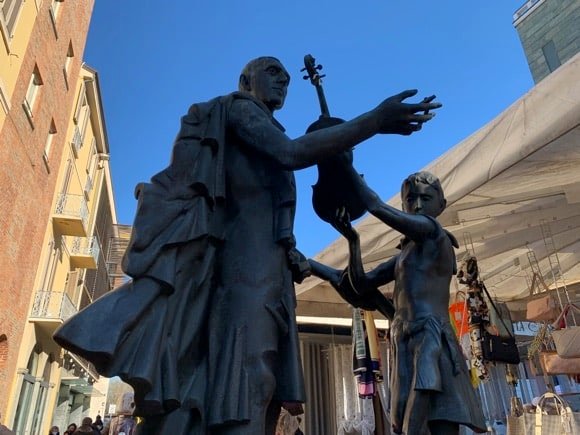
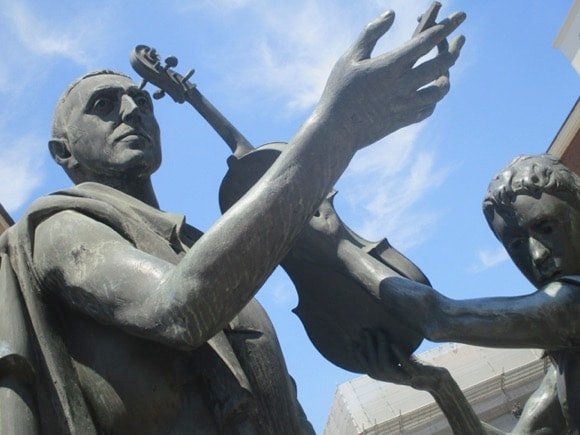
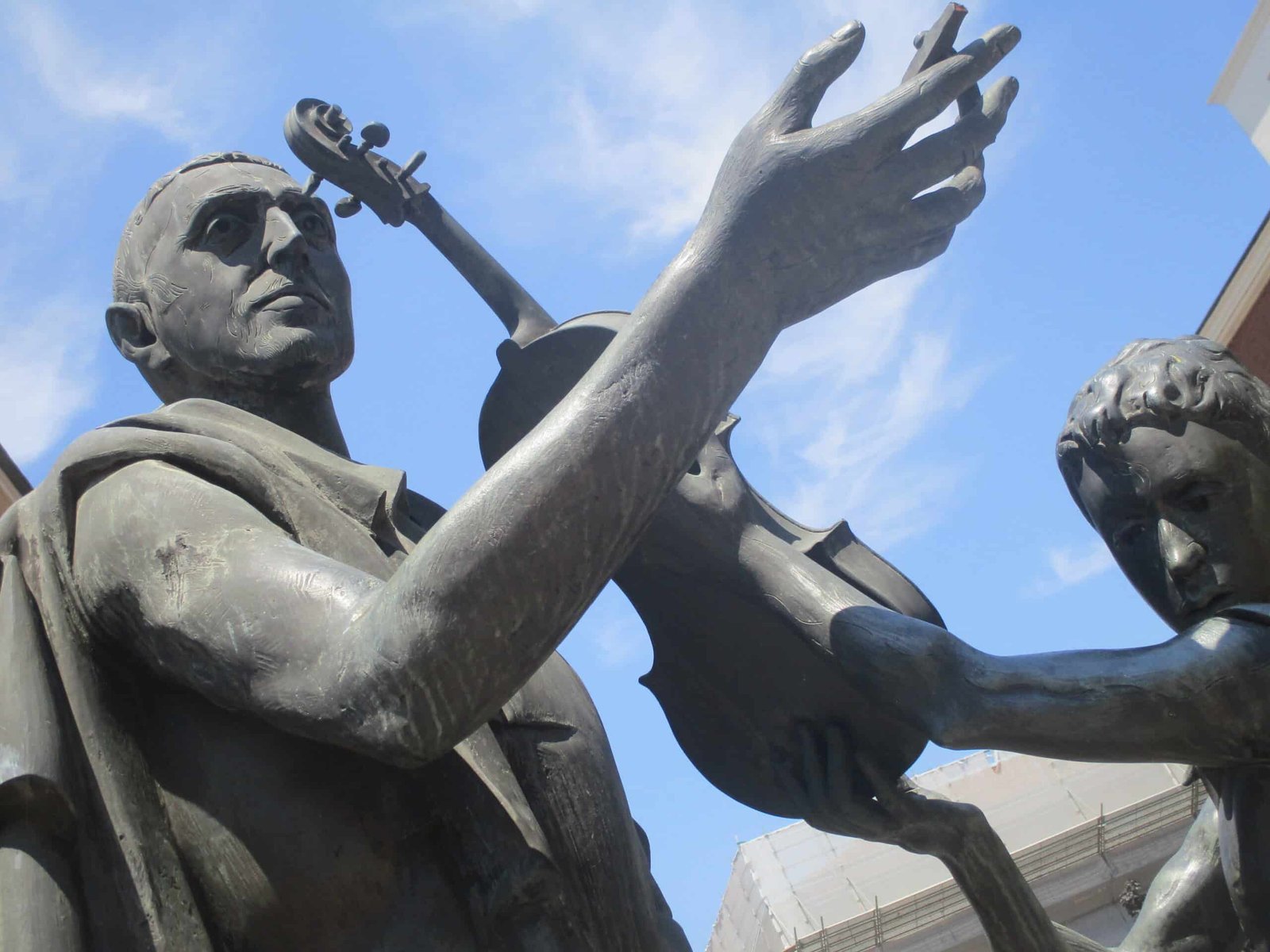
Near the Violin Museum where an original Stradivarius, il Cremonese, dates back to 1715, the football club of the same name was founded at what was the Osteria Varesina restaurant on piazza Sant’Angelo in 1903.
While the instrument, crafted here in Cremona by the city’s most famous son, represents the ultimate in musical mastery, its name alone a byword for elite performance, US Cremonese have mainly played second fiddle in Serie B or C. Five seasons were even spent in fourth-tier Serie D.
This imbalance began to be addressed in 2025, when i Violini shocked Spezia by galloping ahead 3-0 in the away leg of the Serie B play-off final, having taken a goalless draw to the Ligurian coast.
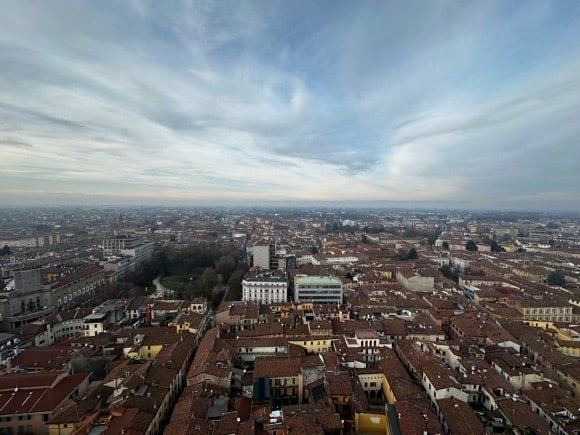
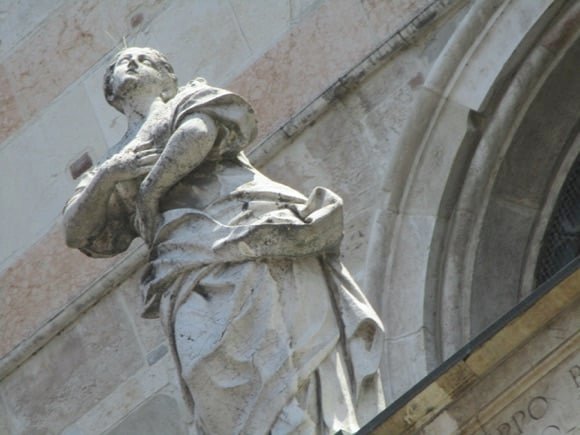
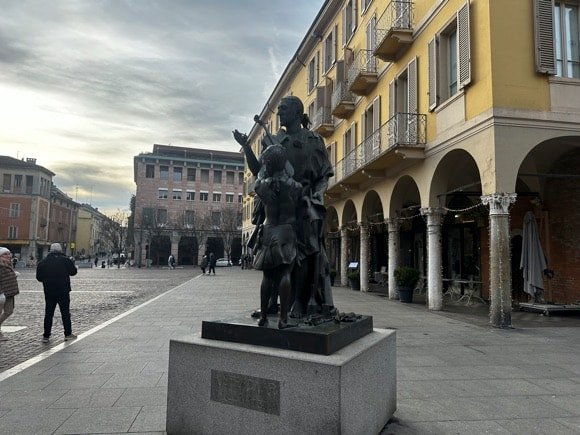
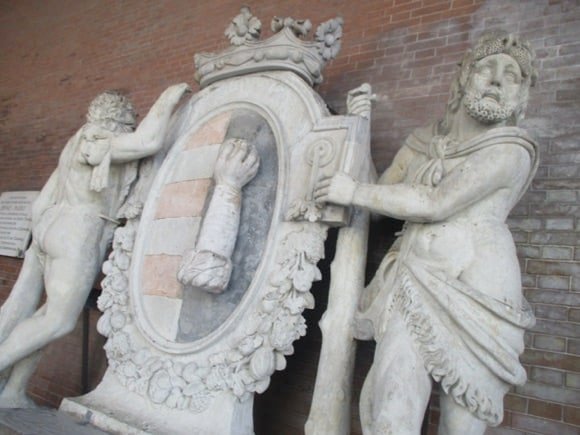
Welcome to Cremona/Joe Stubley
Welcome to Cremona/Peterjon Cresswell
Welcome to Cremona/Joe Stubley
Welcome to Cremona/Peterjon Cresswell
Welcome to Cremona/Alan Deamer
Welcome to Cremona/Alan Deamer
Welcome to Cremona/Peterjon Cresswell
Three months later, having marked their return to Serie A with a 2-1 win at AC Milan, Cremonese again surprised the football world by announcing the arrival of all-time Leicester hero, veteran striker Jamie Vardy, to this tranquil home of violin-makers and trophy-less calcio.
Ever since, Foxes fans have beaten a path to the Stadio Giovanni Zini, the ground more than a century old named after the young local who kept goal in the club’s first two league seasons before succumbing to typhoid fever in 1915.
When it first opened in 1919, it was known as the Campo inglese, as a camp for British soldiers stood on this site north-east of the city centre during the same war that claimed the life of the 21-year-old portiere.
Welcome to Cremona/Alan Deamer
Welcome to Cremona/Peterjon Cresswell
Welcome to Cremona/Peterjon Cresswell
Welcome to Cremona/Alan Deamer
Welcome to Cremona/Peterjon Cresswell
Welcome to Cremona/Peterjon Cresswell
Welcome to Cremona/Alan Deamer
Originally a multi-sports association, Cremonese only embraced football in 1910. Zini and his teammates came into the picture a year later when the first serious matches were played, which led to the club joining the Italian Football Federation in 1913. Later that same debut season, the colours of grey and red replaced the initial lilac and white, giving rise to the alternative nickname of the Grigiorossi.
Having established their identity, Cremonese spent the 1920s in early iterations of a top flight, but quickly became estranged from the newly created Serie A following immediate relegation after its inauguration in 1929-30.
The club’s subsequent lower-tier meanderings matched those of local rivals Piacenza, two provincial capitals 35km apart whose teams contest the Po derby. Cremona-born talent – Gianluca Vialli, Antonio Cabrini – has come and all too quickly gone, promising stars helping the Grigiorossi win the FIFA Youth Cup and Italy’s own Trofeo Dossena.
Welcome to Cremona/Alan Deamer
Welcome to Cremona/Peterjon Cresswell
Welcome to Cremona/Peterjon Cresswell
Welcome to Cremona/Peterjon Cresswell
Welcome to Cremona/Peterjon Cresswell
Welcome to Cremona/Alan Deamer
Welcome to Cremona/Rudi Jansen
As for the seniors, a chilly November night in Tranmere in 1992 granted Cremonese passage to Wembley for the final of the Anglo-Italian Cup, where Derby were defeated 3-1 by the Grigiorossi. Both were representing the second tier of their respective countries, as were all teams in that season’s competition.
Despite the lack of silverware or European competition since, Cremonese’s two recent promotions to Serie A, the one in 2022 automatic, have been impressive achievements, contrasting with Piacenza’s long stay in Serie D.
Supporters of Italy’s top clubs – and, indeed, followers of Leicester City – have therefore had the good fortune to experience a historic Italian city, brimming with civic pride and age-old violin shops. Success for the men in grey and red would mean a continuation of this Serie A sojourn, and perhaps an expansion of the modest Stadio Giovanni Zini.
Welcome to Cremona/Alan Deamer
Welcome to Cremona/Peterjon Cresswell
Welcome to Cremona/Alan Deamer
Welcome to Cremona/Peterjon Cresswell
Welcome to Cremona/Peterjon Cresswell
Welcome to Cremona/Rudi Jansen
Getting Around
Arriving in town and local transport
Cremonese transport/Alan Deamer
Cremonese transport/Peterjon Cresswell
Cremonese transport/Peterjon Cresswell
The nearest major international airport to Cremona is Milan Linate 80km (50 miles) away but there’s no direct public transport between the two. You can take new metro line 4 two stops from Linate to Milan Forlanini (€2.20), change onto a Trenord regional train one stop to Milan Lambrate (€2.20), then another Trenord service 1hr to Cremona (€8).
Alternatively, coming into Milano Centrale main station from any Milan airport, a Trenord train to Cremona (€8) takes just over 1hr. Note that you can only use the Trenord app to download tickets onto your phone, you can’t print them out.
Cremonese transport/Alan Deamer
Cremonese transport/Alan Deamer
Cremonese transport/Alan Deamer
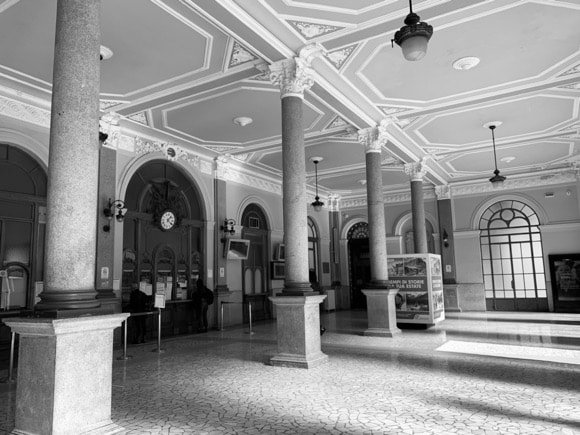
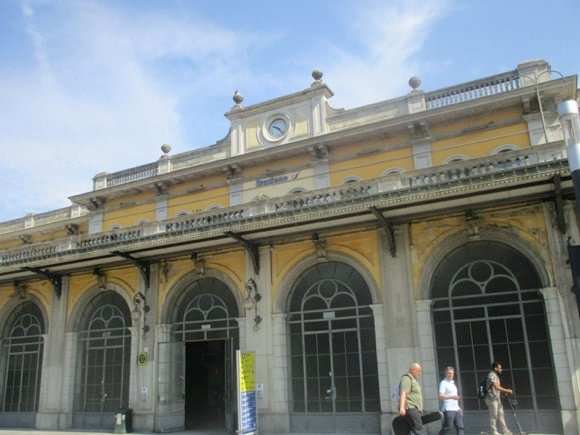
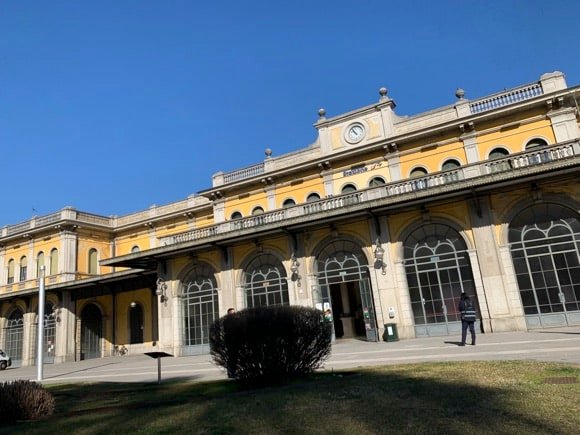
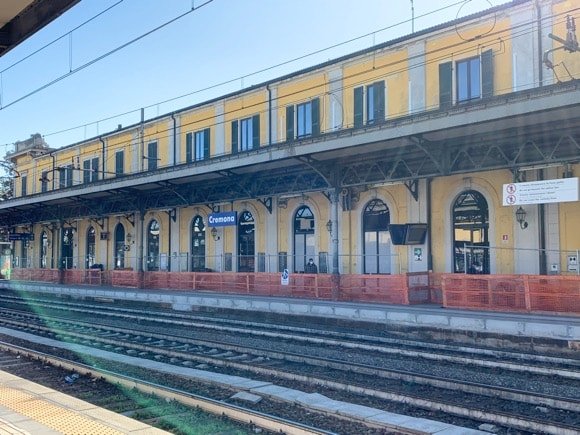
Cremona station is north of the city centre a 10-15min walk away. The stadium is a straight 10-15min walk east. If you need one, local buses are run by Arriva – download the Arriva app for tickets and schedules.
There’s also a ticket office (Mon-Fri 7.30am-1pm, 3.30pm-5.15pm, Sat 7.30am-12.30pm) at the bus concourse facing the train station and other sales points around town.
Radio Taxi Cremona ( +39 0372 807 808) can also be contacted through the app available on their website.
Where to Drink
The best pubs and bars for football fans
Bar Ai Portici/Peterjon Cresswell
Lex/Peterjon Cresswell
Bar Ai Portici/Peterjon Cresswell
Lex/Peterjon Cresswell
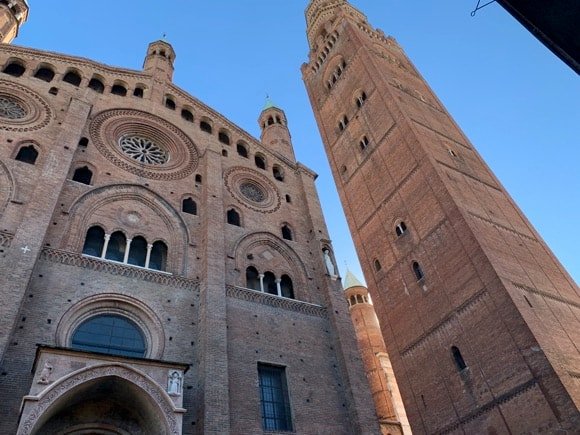
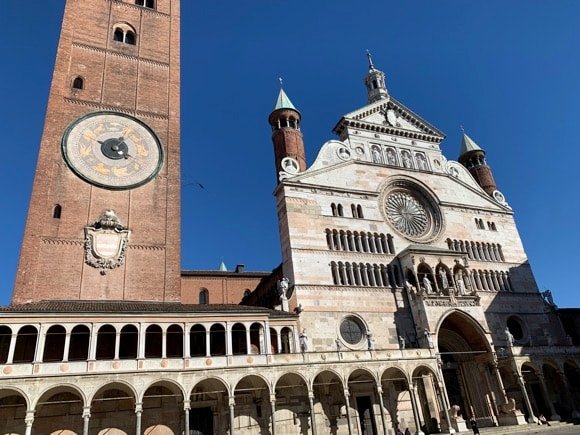
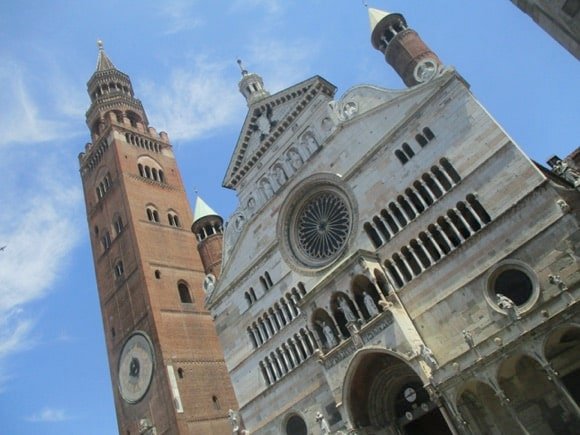
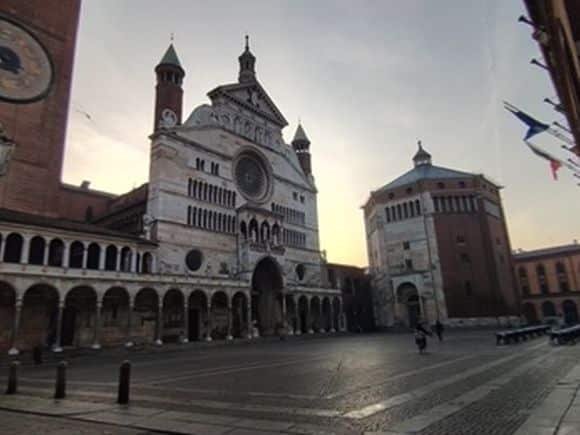
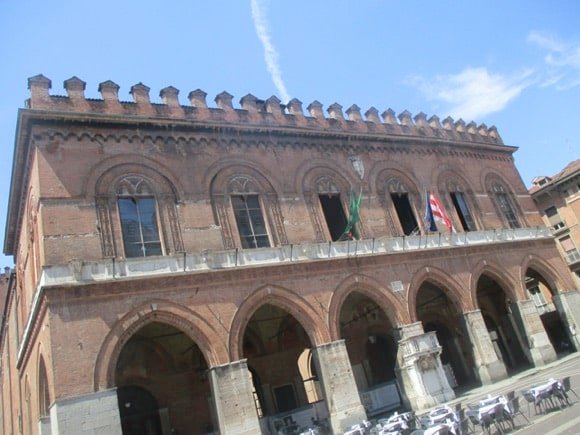
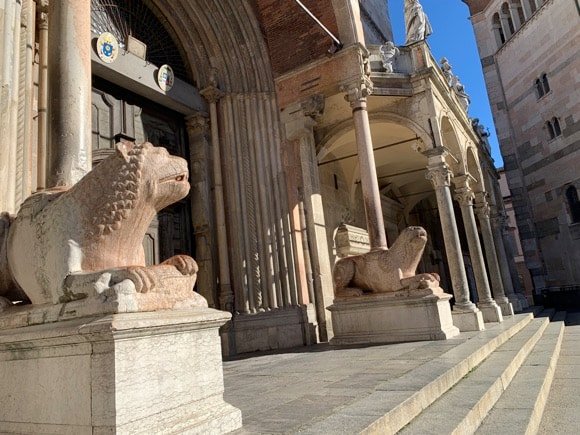
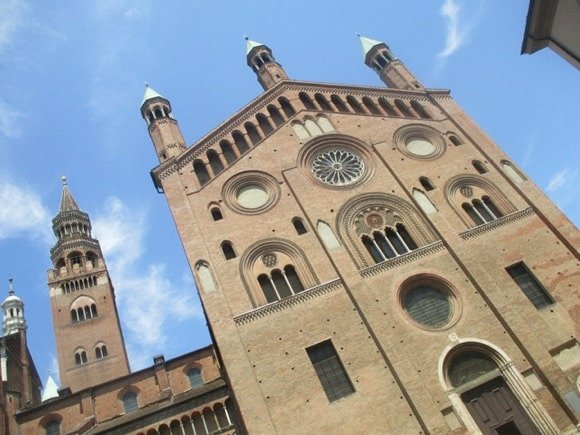
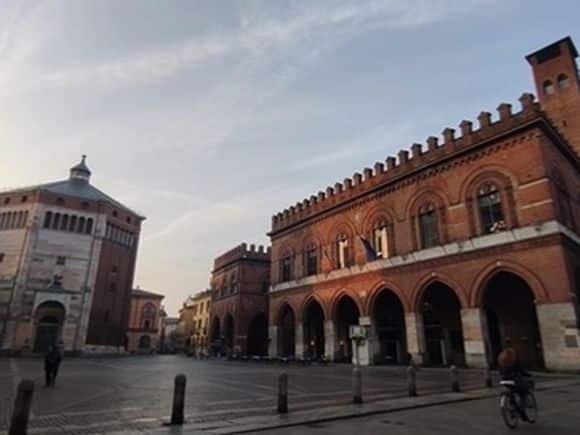
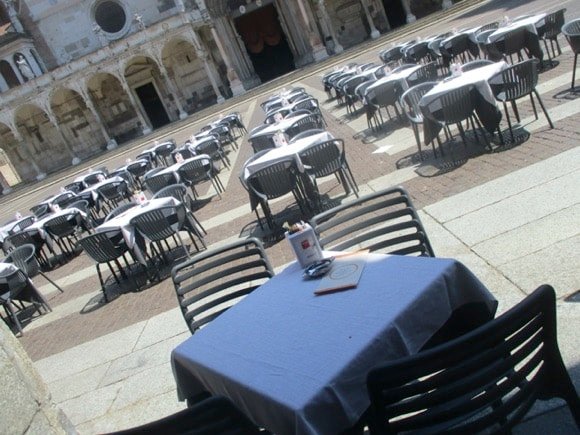
Overlooking the main square of piazza del Comune, Bar Ai Portici has been serving drinks for the best part of two centuries, its terrace spreading over the cobblestones in the shadow of the cathedral and the tower alongside. At its best for afternoon apéritifs, it stays open late on Saturday nights to generate a buzz around the venerable bar.
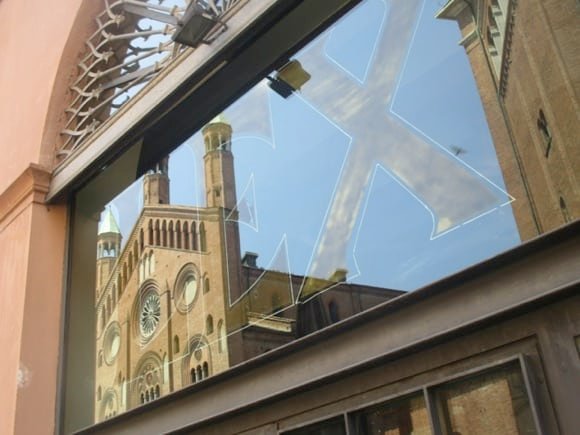
To one side of the cathedral, part-beer hall, part-party spot Lex should be reliably lively most nights, the attractive range of tap beers, occasional DJs and popular terrace drawing a crowd all week 6pm-2am.
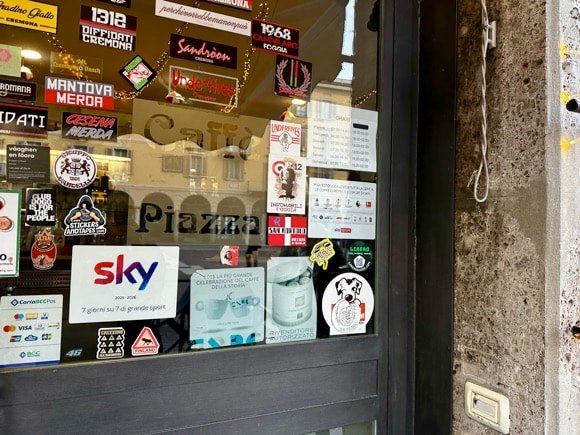
Caffé in Piazza/Joe Stubley
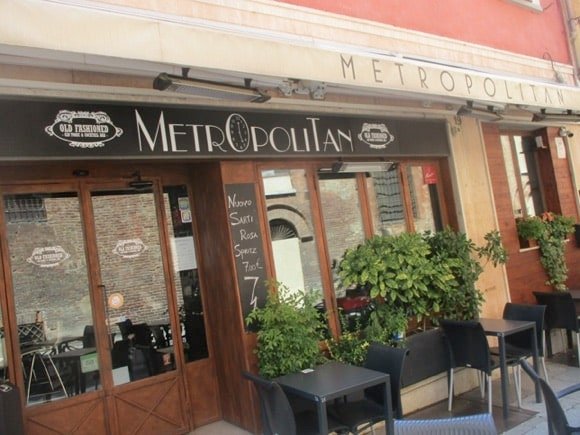
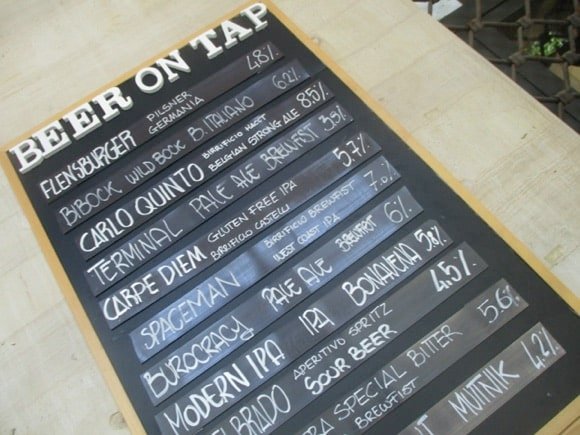
Metropolitan/Peterjon Cresswell
La Ciocco/Peterjon Cresswell
Caffé in Piazza/Joe Stubley
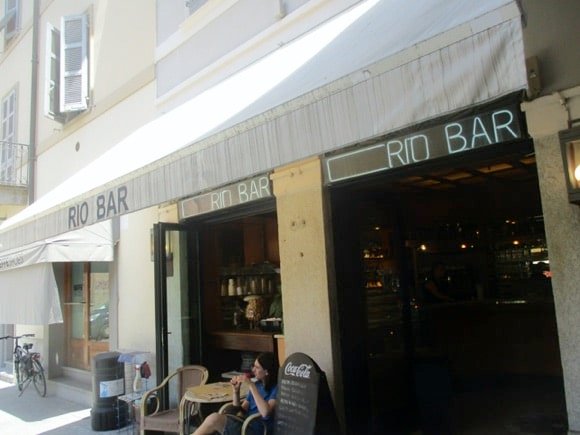
Rio/Peterjon Cresswell
Caffé in Piazza/Joe Stubley
Metropolitan/Peterjon Cresswell
La Ciocco/Peterjon Cresswell
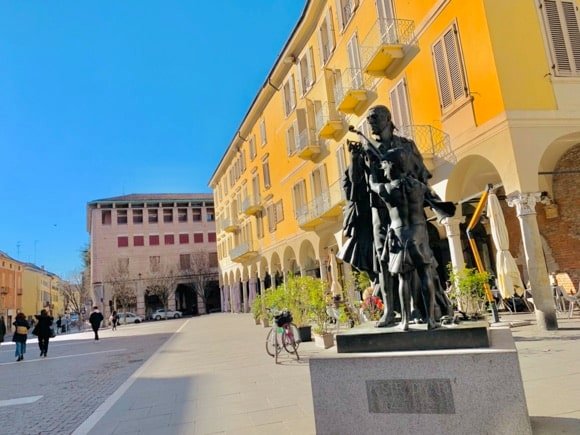
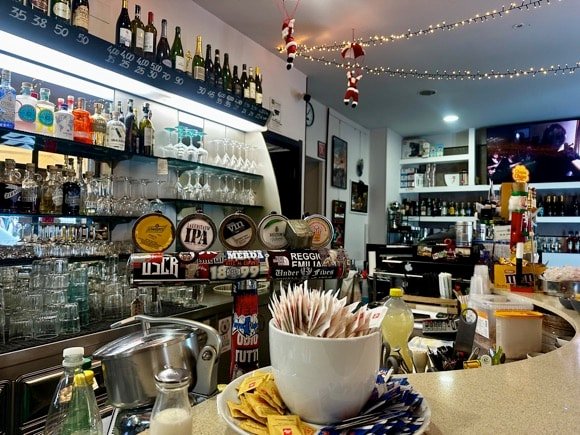
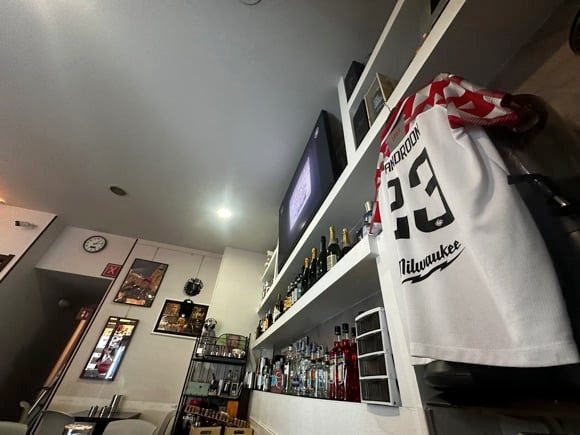
Nearby, on piazza Antonio Stradivari, Caffé in Piazza screens football in smart surroundings, offset by Cremonese shirts on full display. For major games, large screens face the terrace where infrequent DJ sets are also set up.
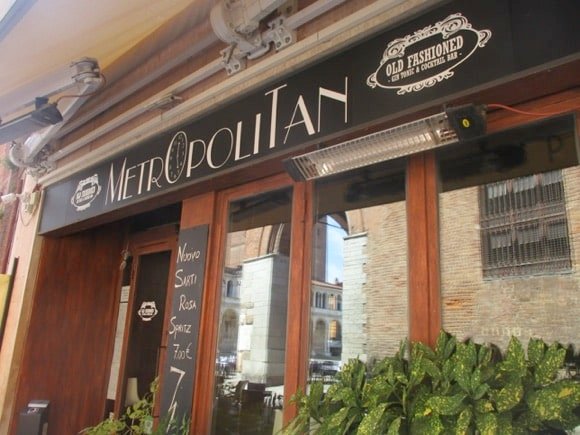
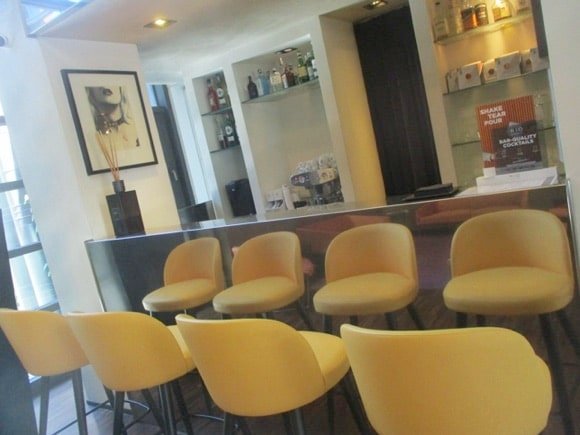
There’s another TV in the more standard, old-school Rio on piazza della Pace, and high-quality nibbles and cocktails at the Metropolitan by the Hotel Duomo on via del Gonfalonieri.
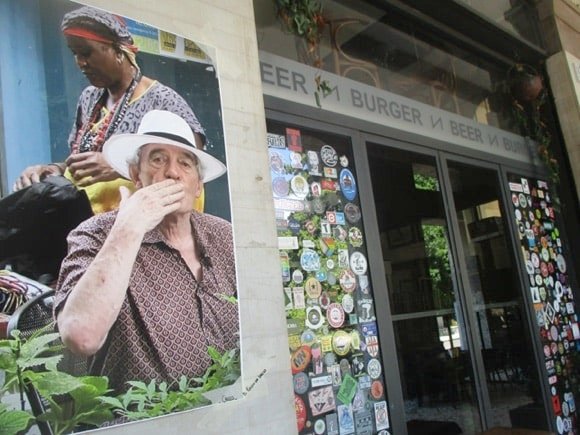
A little further from the main square on piazza Roma, La Ciocco makes use of the historic arcade covering its terrace. Inside, a spacious, high-ceilinged two-floor beer hall runs a kitchen that turns out decent burgers. Evenings only until 2am, closed Mondays.
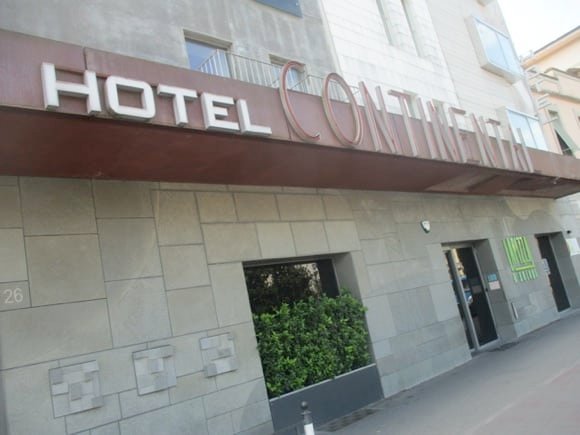
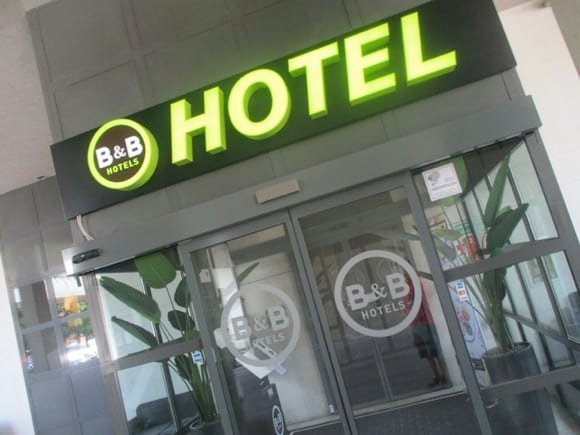
On the city and Varolino sides of the stadium, two lodgings sit a five-minute walk away: French budget chain B&B, its affordable rooms decoratively themed after the city, tucked in a complex of businesses’ and the classic four-star Continental comprises 63 brightly furnished rooms with Sky TV, a rooftop bar and restaurant, high-end pizzeria and panoramic gym. With parking nearby, and a ten-minute stroll to the main square, it’s an ideal base for a football weekend.
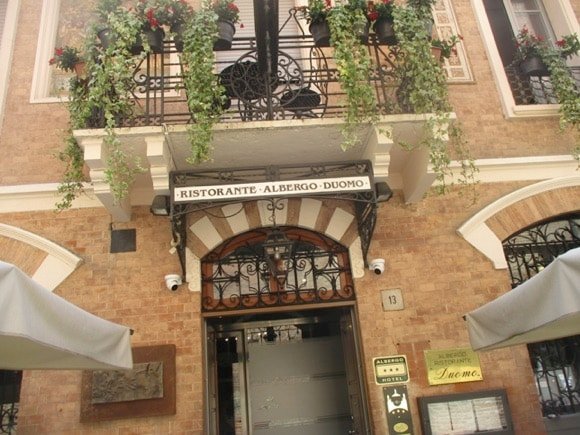
To stay in the city centre, the mid-range Hotel Duomo suits a couples happy with a balcony overlooking pretty via del Gonfalonieri and single travellers keen to be a few paces from piazza del Comune.
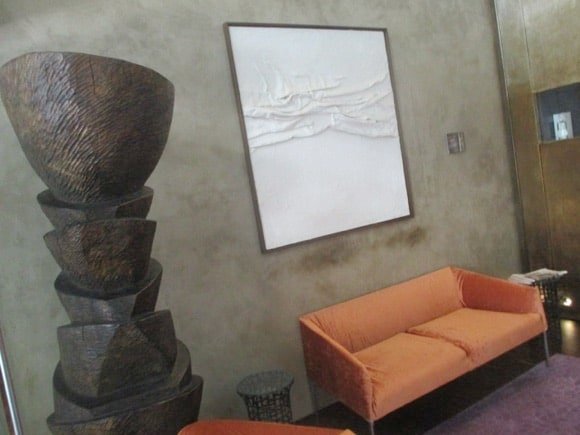
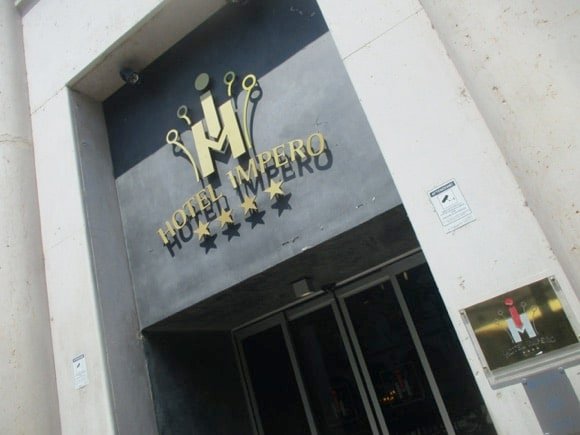
Approaching its centenary, the Impero echoes the pre-war era though a 2004 renovation has brought its 51 rooms into the 21st century. It’s also beside the excellent, football-friendly Caffé in Piazza.
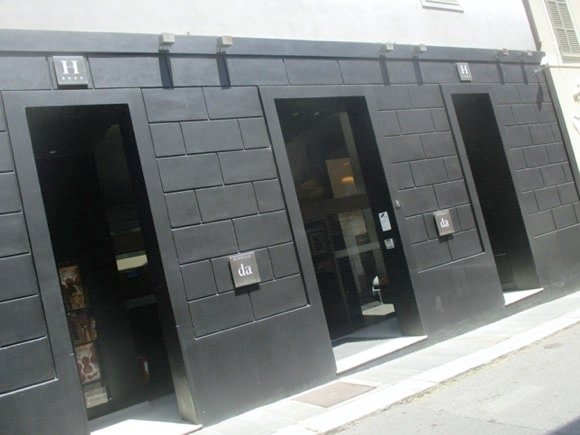
For somewhere unique, the Dellearti Design Hotel, aka da, was one of the most groundbreaking lodgings of its kind in Italy when it opened in 2002. Here, a Technogym, three-dozen stylish rooms and a veranda sit behind a shiny black façade close to piazza Antonio Stradivari.
We use cookies on our website to give you the most relevant experience by remembering your preferences and repeat visits. By clicking “Accept All”, you consent to the use of ALL the cookies. However, you may visit "Cookie Settings" to provide a controlled consent.
This website uses cookies to improve your experience while you navigate through the website. Out of these, the cookies that are categorized as necessary are stored on your browser as they are essential for the working of basic functionalities of the website. We also use third-party cookies that help us analyze and understand how you use this website. These cookies will be stored in your browser only with your consent. You also have the option to opt-out of these cookies. But opting out of some of these cookies may affect your browsing experience.
Necessary cookies are absolutely essential for the website to function properly. These cookies ensure basic functionalities and security features of the website, anonymously.
Cookie
Duration
Description
cookielawinfo-checkbox-analytics
11 months
This cookie is set by GDPR Cookie Consent plugin. The cookie is used to store the user consent for the cookies in the category "Analytics".
cookielawinfo-checkbox-functional
11 months
The cookie is set by GDPR cookie consent to record the user consent for the cookies in the category "Functional".
cookielawinfo-checkbox-necessary
11 months
This cookie is set by GDPR Cookie Consent plugin. The cookies is used to store the user consent for the cookies in the category "Necessary".
cookielawinfo-checkbox-others
11 months
This cookie is set by GDPR Cookie Consent plugin. The cookie is used to store the user consent for the cookies in the category "Other.
cookielawinfo-checkbox-performance
11 months
This cookie is set by GDPR Cookie Consent plugin. The cookie is used to store the user consent for the cookies in the category "Performance".
viewed_cookie_policy
11 months
The cookie is set by the GDPR Cookie Consent plugin and is used to store whether or not user has consented to the use of cookies. It does not store any personal data.
Functional cookies help to perform certain functionalities like sharing the content of the website on social media platforms, collect feedbacks, and other third-party features.
Performance cookies are used to understand and analyze the key performance indexes of the website which helps in delivering a better user experience for the visitors.
Analytical cookies are used to understand how visitors interact with the website. These cookies help provide information on metrics the number of visitors, bounce rate, traffic source, etc.
Advertisement cookies are used to provide visitors with relevant ads and marketing campaigns. These cookies track visitors across websites and collect information to provide customized ads.