BrianMulligan visits defunct pubs and peers into gardens in search of Arsenal's past
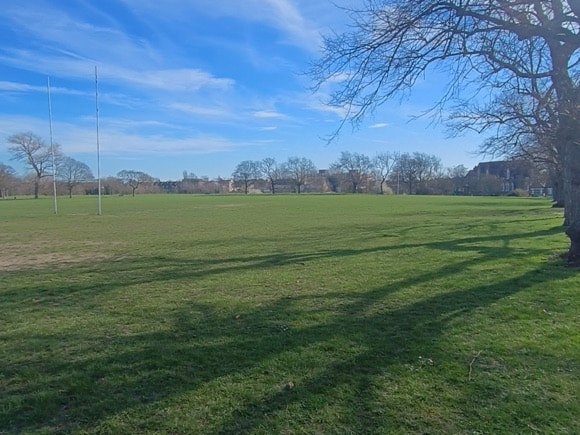
If you were looking to create a huge global football brand, you probably wouldn’t start in leafy, suburban Plumstead on London’s south-eastern outskirts. But it was here that Arsenal, long associated with Highbury and London N5/N7, played their earliest matches, changing in pub toilets and taking the field on Plumstead Common until moving to a proper ground in 1893.
That was the year that Royal Arsenal became Woolwich Arsenal, linking the team to this part of SE18 adjoining Plumstead, where rows of two-up, two-down houses accommodated workers at the nearby munitions factory. In the run-up to 1914, it had some 80,000 staff on its books – by which time Arsenal had simplified their name and relocated north of the river.
Those original Plumstead pubs – or pub buildings, at least – are still in place today, while remnants of the club’s first proper ground are hidden behind someone’s garden wall.
Arsenal's first regular pitch: sunny Plumstead Common/Brian Mulligan
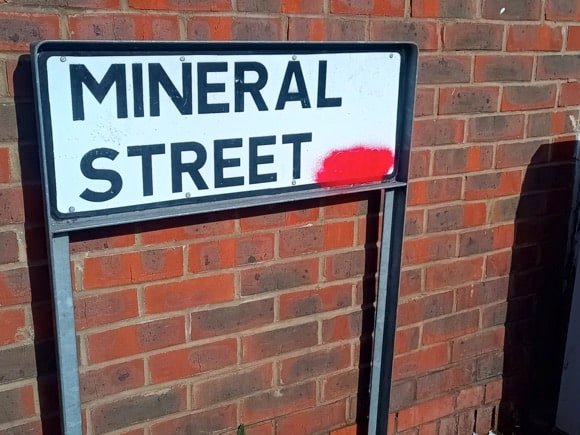
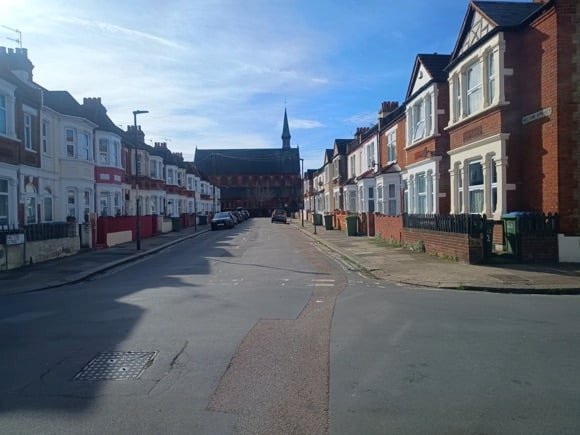
Where Arsenal fans first congregated: Mineral Street in Plumstead/Brian Mulligan
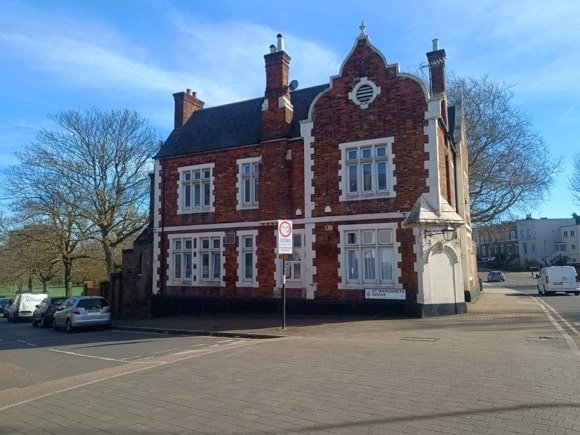
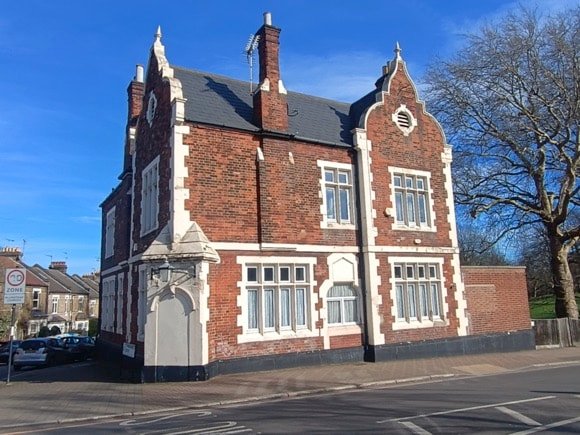
Arsenal's alma mater: The former Prince of Wales pub/Brian Mulligan
Arsenal were founded as Dial Square FC in 1886 at the Prince of Wales pub (111 Plumstead Common Road, SE18), which closed in 2011 and was converted to a residential building the following year.
Dial Square, now trendy, sport-loving pub/restaurant Dial Arch, was the munitions factory, storehouse and artillery testing ground, named after the sundial that stood in the middle.
The Royal Arsenal works attracted numerous Irish immigrants in search of work, characterising the club as the London Irish side that would welcome the likes of Liam Brady, David O’Leary and Pat Rice generations later.
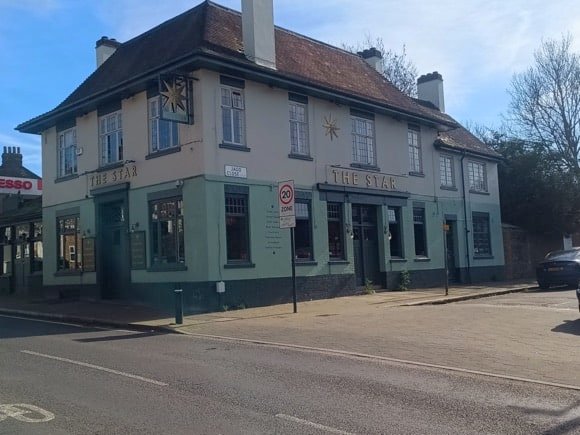
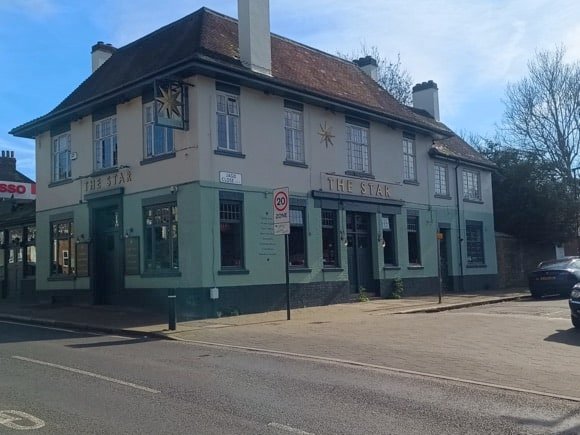
Back in 1886, members soon changed the team’s name to Royal Arsenal in sync with their workplace. Players would pull on their woollen jerseys, knickerbockers (still referred to as ‘knickers’ in 1950s’ match programmes) and stockings (ditto) in another pub nearby before heading to the cricket pitch on Plumstead Common to face their plucky opponents. The Star (158 Plumstead Common Road) is very much in operation today, welcoming pool sharks and darts players.
Arsenal's first changing room: The Star pub, Plumstead/Brian Mulligan
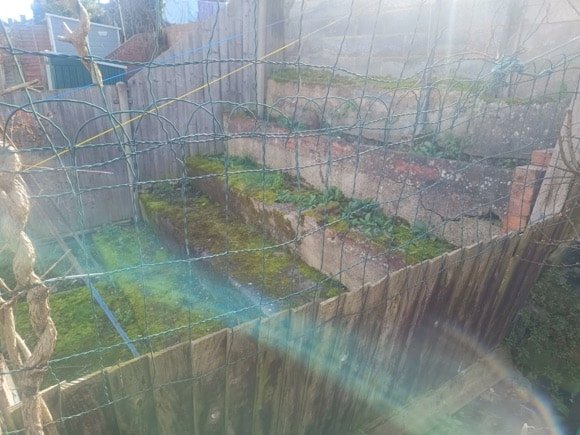
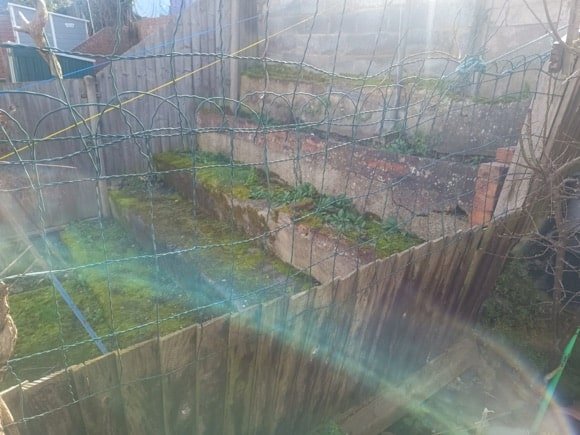
The original North Bank: Remains of terracing from the early 1890s/Brian Mulligan
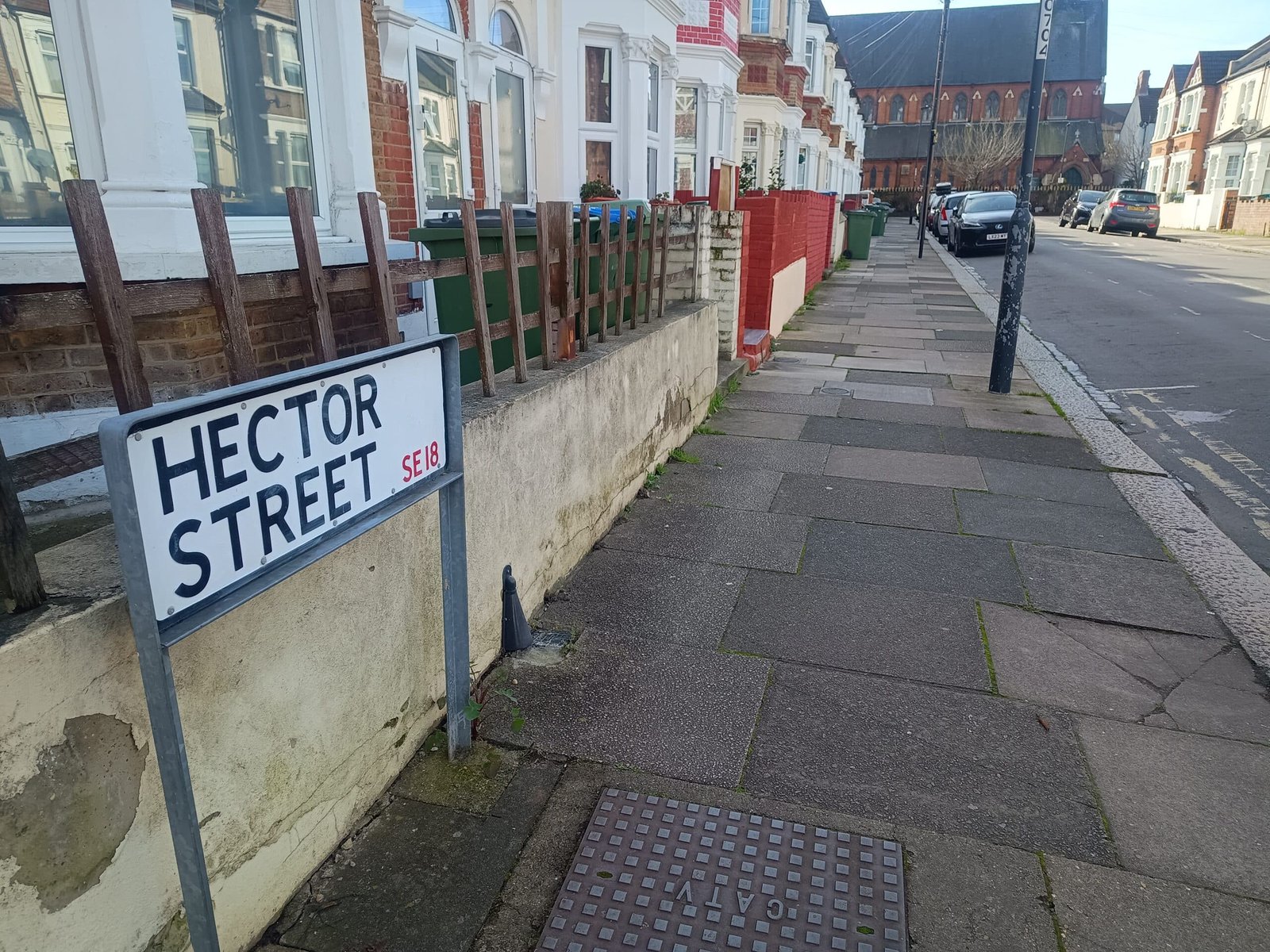
Ground share: Hector Street today/Brian Mulligan
Arsenal’s moved into their first proper home, the Invicta Ground on Hector Street, in 1890, staying as tenants until 1893. Their departure was triggered by an attempt from landlord George Pike Weaver to hike the rent – probably motivated by the club’s recent acceptance into the fledgling Football League as a professional outfit, the first southern team to do so.
There’s no blue plaque for any photo op as the distinctive Hector Street square of houses has been built upon the site of the original ground. As stadium tours go, this one is a bit different but it’s free and you won’t get bombarded with merchandise opportunities at the end. (The only replica shirts you’ll see locals wearing will probably be Charlton ones.)
If you can persuade any of the mainly Asian residents to let you glimpse into their garden – sometimes dropping the names of famed Pakistani cricketers helps, unless they’re Vietnamese – you might be lucky enough to see the very terraces from the early 1890s.
Here, the OG Gunners sang their hearts out, without having to crowbar the words ‘Dial Square’ into a popular melody of the Music Hall. This was the original North Bank – these weed-strewn concrete steps have a romantic potency of their own. The grassroots of football, indeed.
Gunners landmark: The former pub where Arsenal were formed/Brian Mulligan
The South Bank: Arsenal's ground before their move north/Brian Mulligan
Still serving today: The Star pub, Plumstead/Brian Mulligan
Getting there
Take the train from London Bridge to Plumstead (25mins), then trek uphill or jump on a 53 bus from Griffin Road/Plumstead Station to Blendon Terrace (5 stops). This takes you to The Star pub of Arsenal lore and the Common where early games were played.
For Hector Street, walk 10mins along Plumstead High Street from the station, turning right just before the post office down Gallosson Road. Look right for Mineral Street, named after Weaver’s Mineral Water Company – then turn left into Hector Street. The address is marked on Google Maps as Invicta Ground (13 Mineral Street, SE18).
Dial Arch and the original munitions factory site are by Woolwich station on the Elizabeth line – or a 5min walk from Woolwich Arsenal station on the same train line for Plumstead one stop away.
We use cookies on our website to give you the most relevant experience by remembering your preferences and repeat visits. By clicking “Accept All”, you consent to the use of ALL the cookies. However, you may visit "Cookie Settings" to provide a controlled consent.
This website uses cookies to improve your experience while you navigate through the website. Out of these, the cookies that are categorized as necessary are stored on your browser as they are essential for the working of basic functionalities of the website. We also use third-party cookies that help us analyze and understand how you use this website. These cookies will be stored in your browser only with your consent. You also have the option to opt-out of these cookies. But opting out of some of these cookies may affect your browsing experience.
Necessary cookies are absolutely essential for the website to function properly. These cookies ensure basic functionalities and security features of the website, anonymously.
Cookie
Duration
Description
cookielawinfo-checkbox-analytics
11 months
This cookie is set by GDPR Cookie Consent plugin. The cookie is used to store the user consent for the cookies in the category "Analytics".
cookielawinfo-checkbox-functional
11 months
The cookie is set by GDPR cookie consent to record the user consent for the cookies in the category "Functional".
cookielawinfo-checkbox-necessary
11 months
This cookie is set by GDPR Cookie Consent plugin. The cookies is used to store the user consent for the cookies in the category "Necessary".
cookielawinfo-checkbox-others
11 months
This cookie is set by GDPR Cookie Consent plugin. The cookie is used to store the user consent for the cookies in the category "Other.
cookielawinfo-checkbox-performance
11 months
This cookie is set by GDPR Cookie Consent plugin. The cookie is used to store the user consent for the cookies in the category "Performance".
viewed_cookie_policy
11 months
The cookie is set by the GDPR Cookie Consent plugin and is used to store whether or not user has consented to the use of cookies. It does not store any personal data.
Functional cookies help to perform certain functionalities like sharing the content of the website on social media platforms, collect feedbacks, and other third-party features.
Performance cookies are used to understand and analyze the key performance indexes of the website which helps in delivering a better user experience for the visitors.
Analytical cookies are used to understand how visitors interact with the website. These cookies help provide information on metrics the number of visitors, bounce rate, traffic source, etc.
Advertisement cookies are used to provide visitors with relevant ads and marketing campaigns. These cookies track visitors across websites and collect information to provide customized ads.