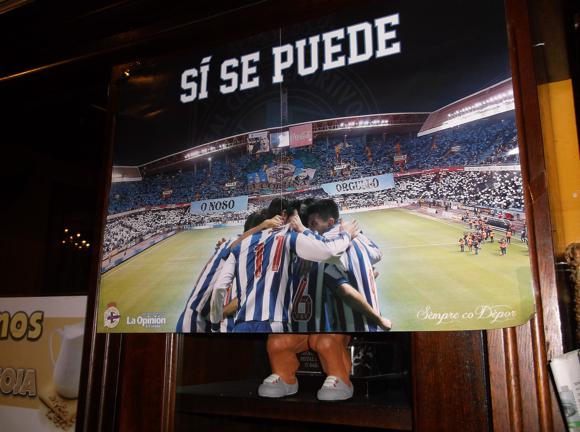
The Galician port of La Coruña is revered throughout Spain for its football club, Deportivo. Swashbuckling ‘Super Dépor’ were known for challenging the big names in the Spanish game, coming agonisingly close to the title, before winning it in 2000.
Defeat in the Champions League semi-final of 2004 seemed to close the chapter on their great adventure. Dépor slipped down the table, eventually to the Segunda. Twice relegated, Dépor bounced back straight away both times, most recently in 2013-14.
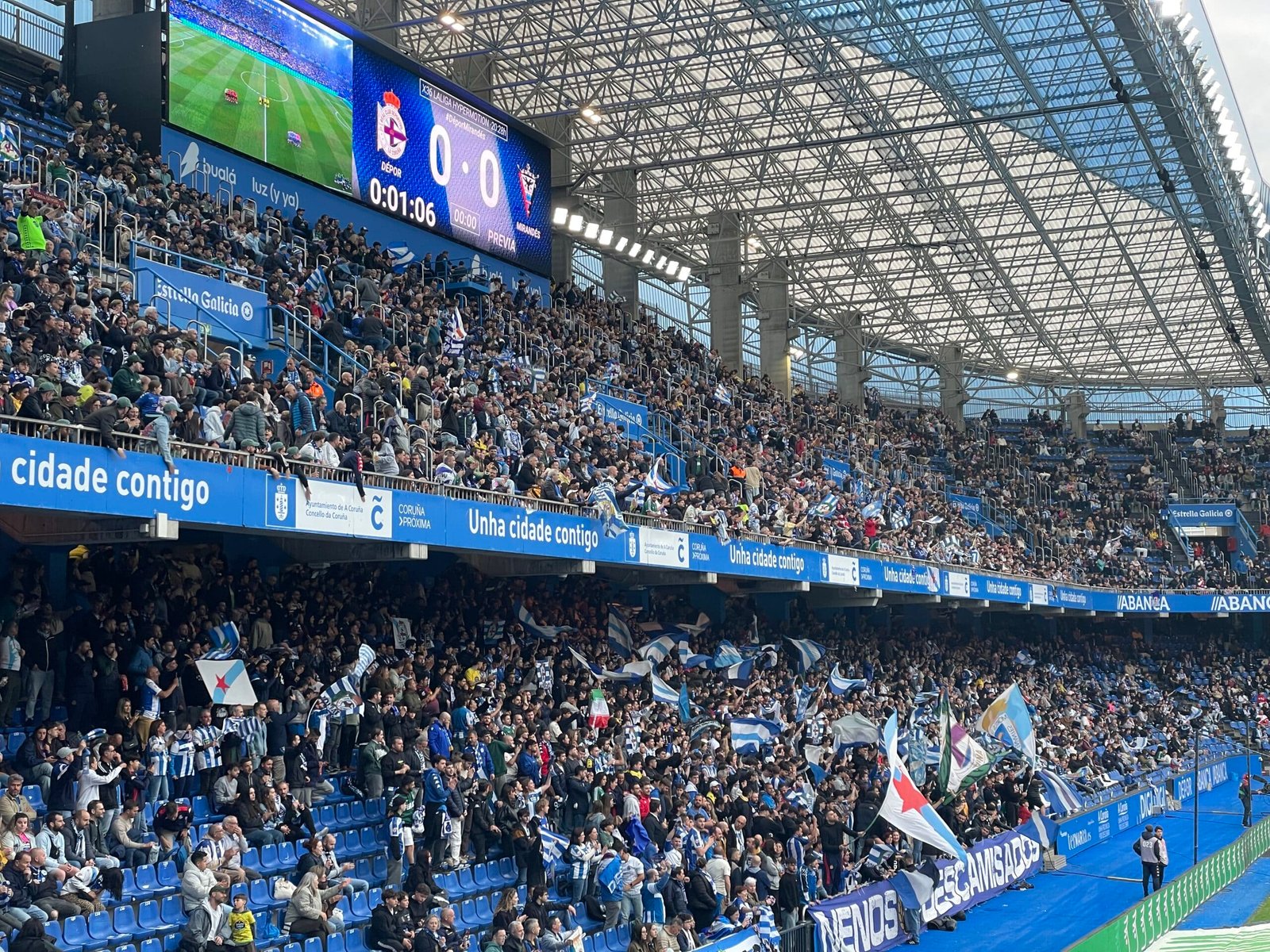
Relegation in 2018 led to another in 2020. In 2022, the Riazor, Dépor’s seaside home since 1944 and stage for great European nights two decades earlier, suffered further humiliation when the home side lost to Albacete after extra-time in a play-off to clamber out of Spain’s third tier.
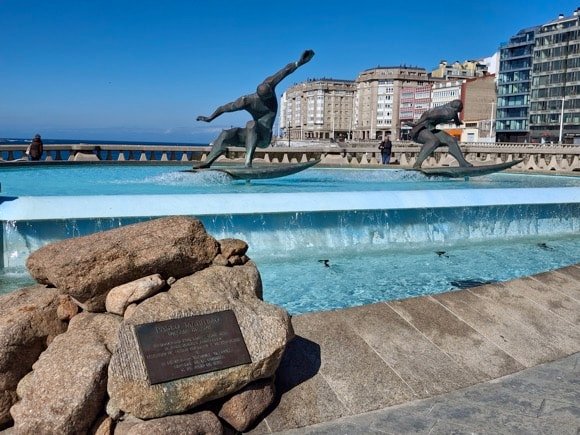
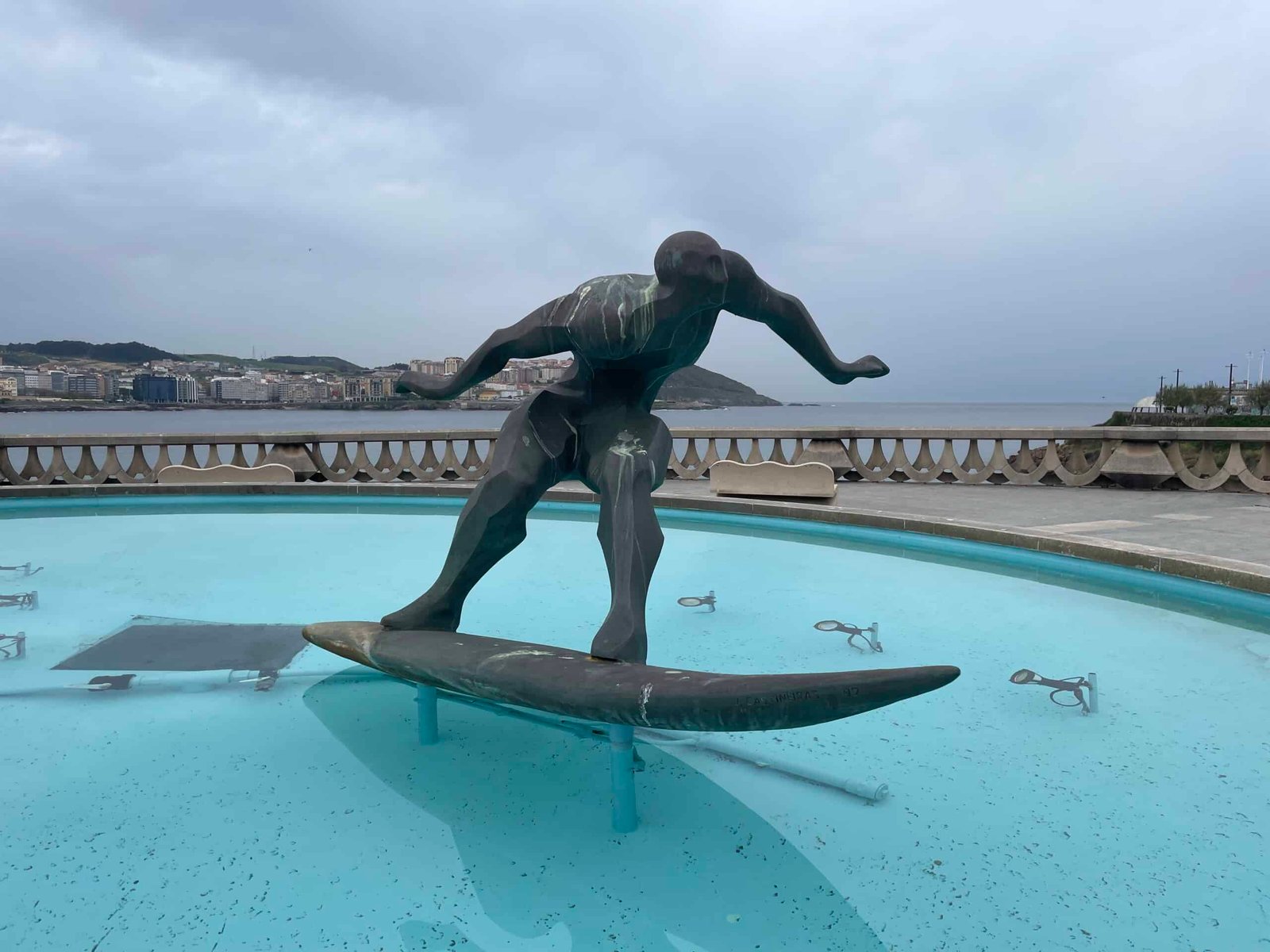
Welcome to La Coruña/Ben James
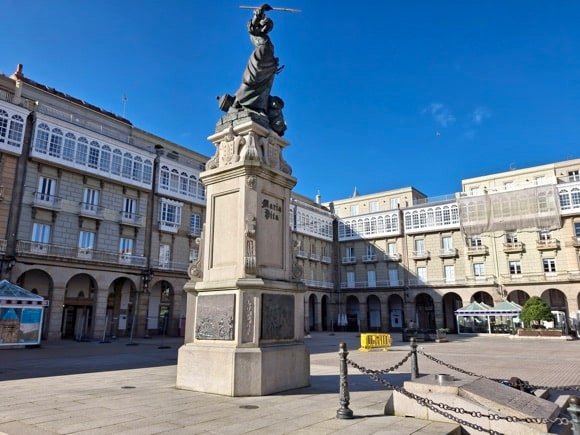
Welcome to La Coruña/Paul Davis
Hotel Nogallás/Peterjon Cresswell
Welcome to La Coruña/Paul Davis
At last gaining promotion in 2024, and setting attendance records for third-tier football in Spain, Dépor set their sights on a return to La Liga in 2026. Promotion would mean the return of the Galician Derby, O derbi galego, with Celta Vigo, last played in 2018.
While both sets of fans sing the Galician national anthem, Os Pinos. the social divisions between them are usually outlined as Vigo being working-class and industrial, La Coruña happy to indulge in food and fashion. It was here that huge global brand Zara was set up and developed half a century ago.
Both La Coruña and Vigo hosted group games for the 1982 World Cup – although Peru, Poland and Cameroon hardly proved a big draw at Dépor’s Riazor.
Given the region’s remote location and ties to the sea, it seems inevitable that football was brought here from overseas, long before it came to Madrid. British sailors docking at Vilagarcia de Arousa in 1873 broke out a football and started a game in the main square.
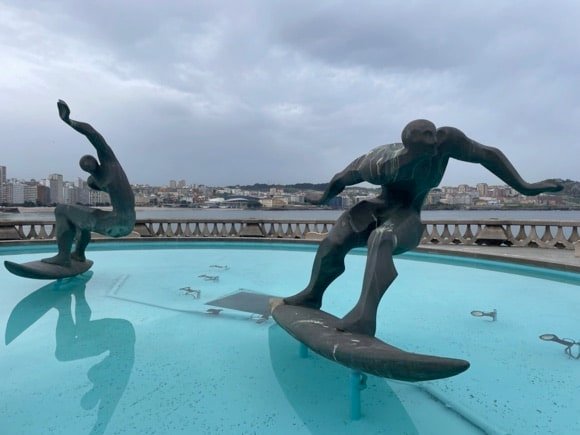
Welcome to La Coruña/Ben James
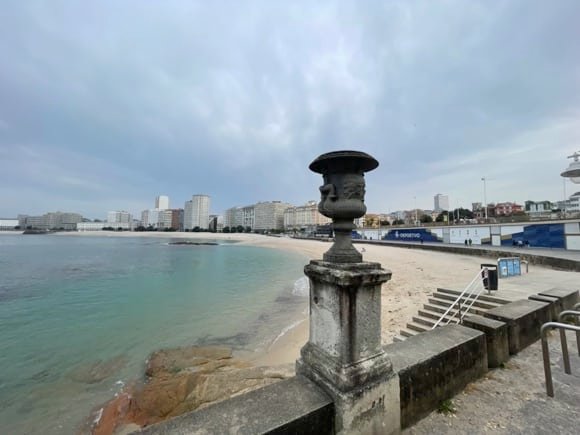
Welcome to La Coruña/Peterjon Cresswell
Welcome to La Coruña/Paul Davis
Welcome to La Coruña/Paul Davis
In La Coruña, it was a young student, José María Abalo, who brought the game over from England where he had been studying. Several teams were formed, including Deportivo, who soon moved out to Riazor beach, striking up a fierce rivalry with Celta Vigo.
In 1940 Dépor missed out on promotion thanks to a play-off defeat to… Vigo, who saved themselves from relegation. But the following year saw La Coruña in the top flight for the first time.
Producing and selling local talent of the calibre of Luis Suárez and Amaro Amancio, later stars for Barcelona and Real Madrid, Dépor were always a tricky if inconsistent proposition – though it was another forward from the 1950s, locally born Arsenio Iglesias, who would prove the most influential figure. As coach, he would establish the Super Dépor side in the 1990s, and bring the local game to a whole new level.
Welcome to La Coruña/Ben James
Welcome to La Coruña/Peterjon Cresswell
Welcome to La Coruña/Ben James
Welcome to La Coruña/Peterjon Cresswell
Dépor’s golden years around the last turn of the century were also Galicia’s – representing this remote, windswept north-west corner of Spain, Celta Vigo made the Champions League and even little Santiago de Compostela had four seasons in the top flight. Dépor’s solitary title win, however, has also been Galicia’s.
One future battle already seemingly won by Vigo was settled in March 2026, when young Socialist mayor of La Coruña Inés Rey and Dépor president Juan Carlos Escotet officially withdrew the city’s bid to co-host the World Cup in 2030, leaving the way free for the Estadio de Balaídos to represent Galicia on the game’s biggest stage.
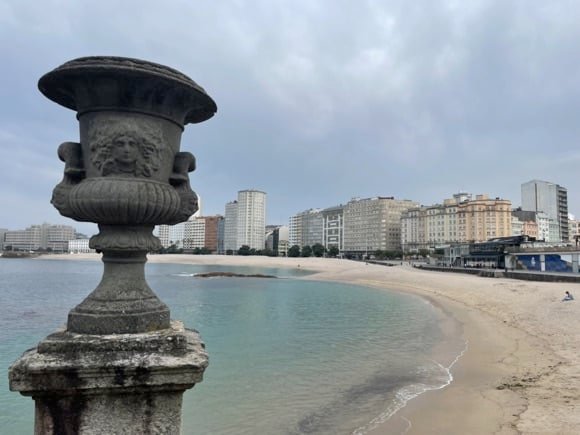
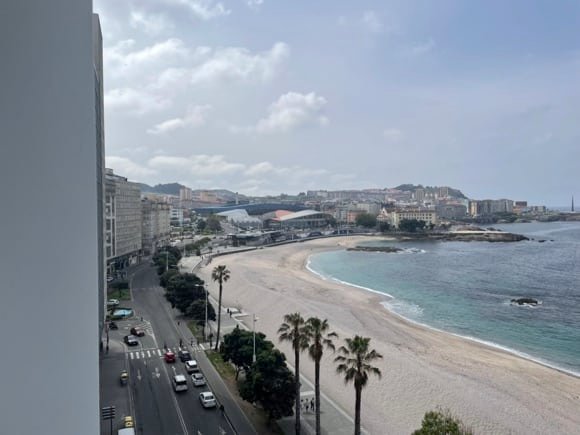
Though Dépor haven’t finished in the top six since the fateful season of 2003-04, the town remains an alluring football hub, its stadium overlooking a half-moon of beach, its busy centre full of match-focused bars and restaurants, many of its hotels charmingly old-school.
Getting Around
Arriving in town and local transport
Deportivo La Coruña transport/Peterjon Cresswell
Deportivo La Coruña transport/Peterjon Cresswell
Deportivo La Coruña transport/Peterjon Cresswell
La Coruña has its own underused airport, 7km (four miles) south-east of town. Currently most flights are inland.
Alsa buses A4, D3, D5, D6 run to various points in town (€1.60, Mon-Fri every 30mins, Sat-Sun every 1hr, journey time 25mins). Radiotaxi Coruña (+34 981 24 33 33) should charge around €22 and accepts credit cards.
Santiago de Compostela Airport 52km (32 miles) away has a more regular international service, including budget links with London Gatwick and Stansted. There is currently no direct link by public transport from the airport to La Coruña.
Tussa bus 6A runs every hour to Hórreo Intermodal (€1, journey time 25mins), Santiago’s transport hub of bus and rail stations (€1). Radio Taxi Compostela (+34 981 56 92 92) has a fixed rate of €23 to the stations and charges €80-€100 to La Coruña.
From Santiago station, an hourly train takes about 30mins to reach La Coruña (€6). The town is referred to as A Coruña on Spanish websites.
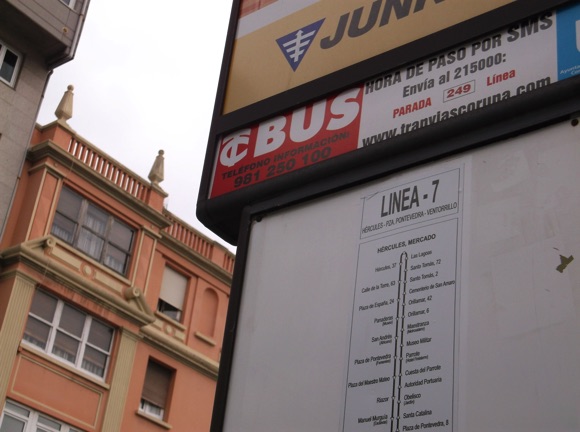
In La Coruña, local buses cost €1.30 a ride or €0.45 with a Coruña Millennium charge card available as an app. The train station is south of the city centre a 15min walk away, the bus station close by across a tangle of main roads. The stadium is a pleasant 15min walk west of the city centre, ideally along the beach-lined seafront.
Where to Drink
The best pubs and bars for football fans
Sport Café/Peterjon Cresswell
Bristol/Peterjon Cresswell
Sport Café/Peterjon Cresswell
Bristol/Peterjon Cresswell
Sport Café/Peterjon Cresswell
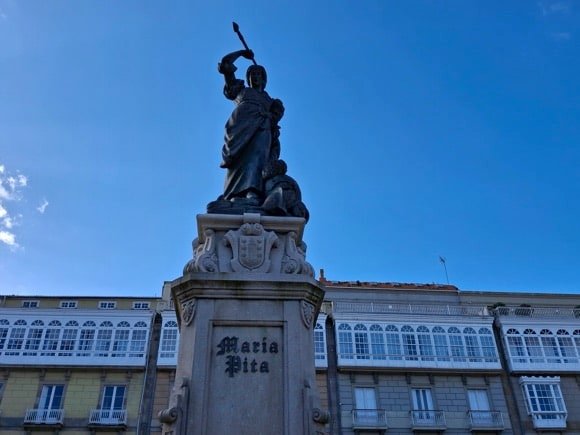
Estrella Galicia beer, seafood tapas and TV football are provided in abundance, particularly in the narrow streets between the main square of Praza de Maria Pita and the beach, and the along the beach itself in season. The parallel streets of Rúa Barrera and Rúa Torreiro, in particular, are lined with bars.
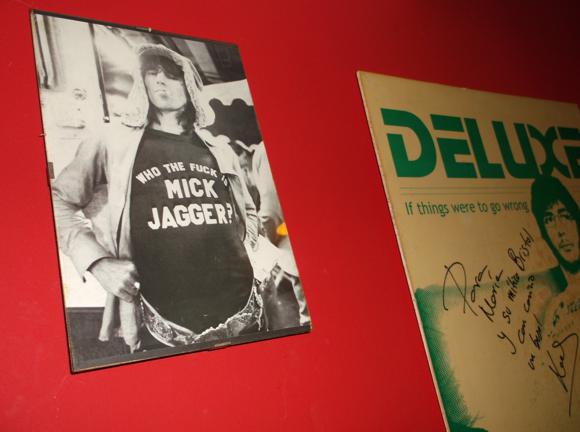
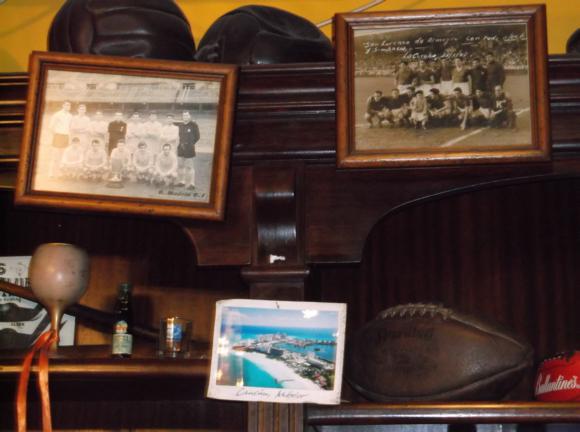
Your first port of call, though, should be the marvellous Sport Café (Rúa Marqués de Pontejos 14), in a little square by Rúa San Nicolás. In this pub-like corner bar, Dépor memorabilia and archive line-ups cover the walls and ceiling, fighting for space with signed photos of Real and Barça stars. Food is served along with Estrella Galicia.
Head in one direction and you find the evening-only Cervecería Rochester (Rúa Panaderas 50), filled to the brim with beer varieties – head in the other and you find the bar vortex. On nearby Rúa Torreiro, Brit-themed Bristol (No.11) puts the focus on music, without forgetting the football. Locals also flock to Rúa Barrera for loud chat and tapas.
Cervecería Estrella Galicia/Peterjon Cresswell
The Breen's Tavern/Paul Davis
Cervecería Estrella Galicia/Peterjon Cresswell
CD Marte/Paul Davis
The Breen's Tavern/Paul Davis
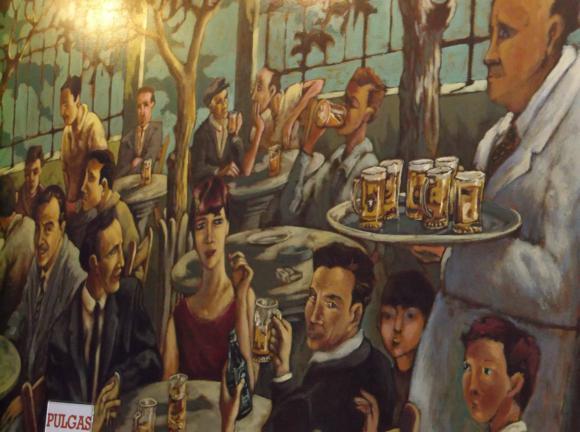
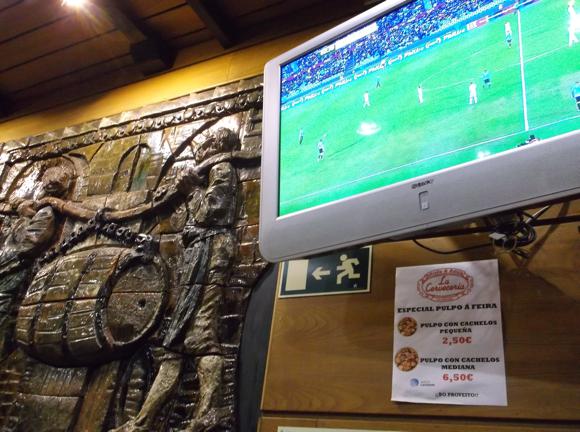
Another major venue is the Cervecería Estrella Galicia, set in a century-old brewery converted by the same Rivera family into a large beer hall/restaurant in modern times. Three large TVs, mounted between the huge bronze vats and bright murals, screen football to regulars.
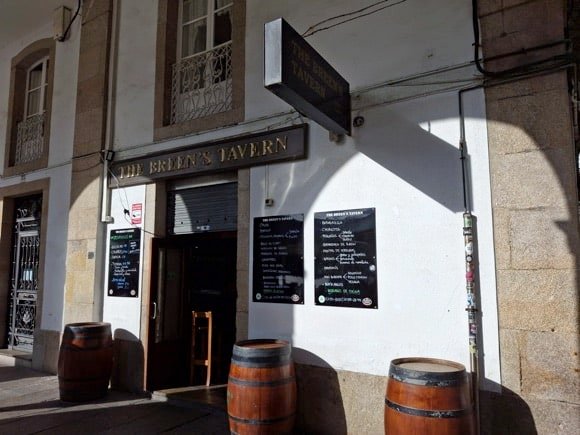
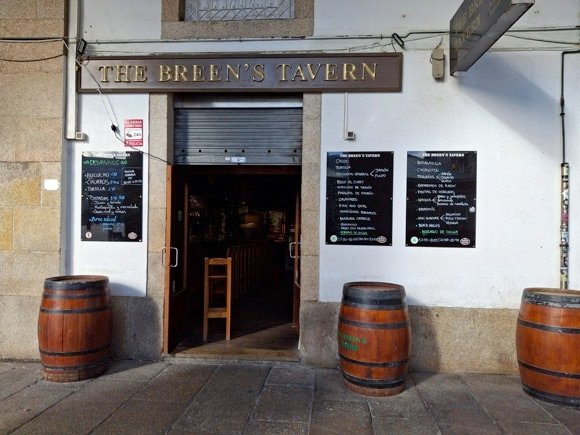
Overlooking the main square of Plaza de María Pita, The Breen’s Tavern ticks familiar boxes and screens sport, 3am closing at weekends and 1am weekdays making it an attractive option for a late one.
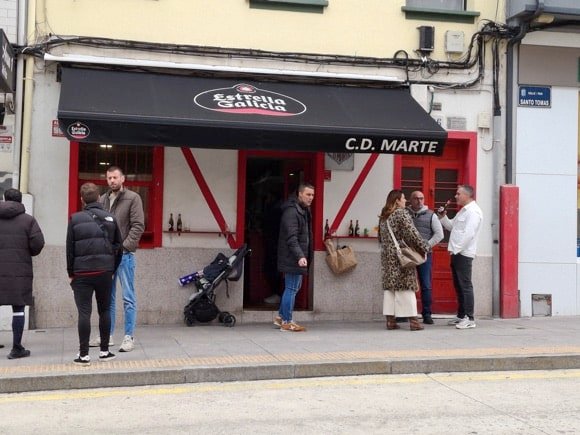
More obscure but worth seeking out for its vintage line-ups on the wall and neighbourhood feel, CD Marte (Rúa Santo Tomás 66) has barely changed since Dépor won the title in 2000, probably since that string of Segunda titles in the 1960s.
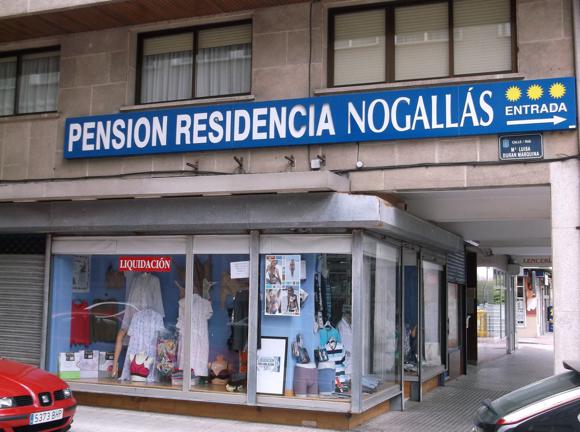
The stadium is surrounded by hotels, whose seaside location means some prices rise about 15% in summer. The nearest is away from the beach: the affordable, one-star Nogallás, which opened on the eve of the 1982 World Cup. Clean and equipped with TVs and Wi-Fi, it’s a real budget option if proximity to the match is all you’re after.
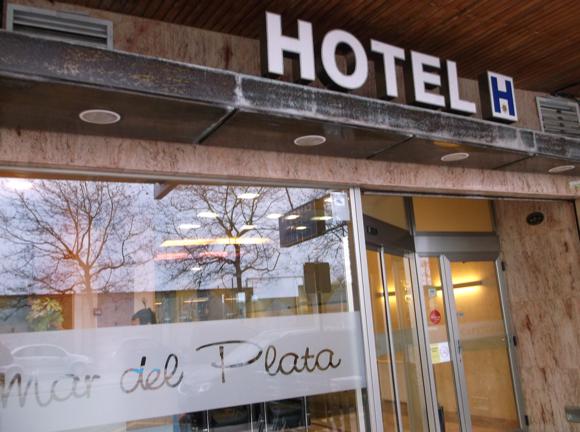
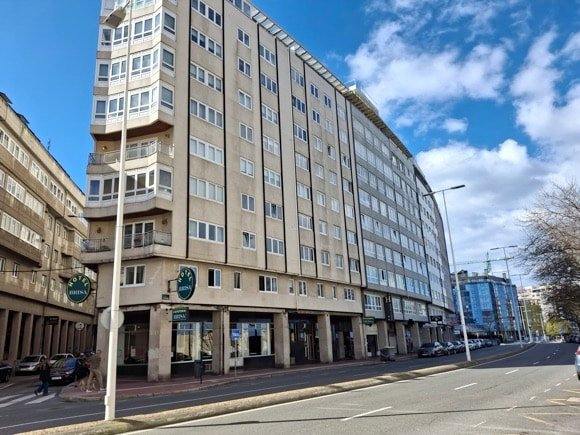
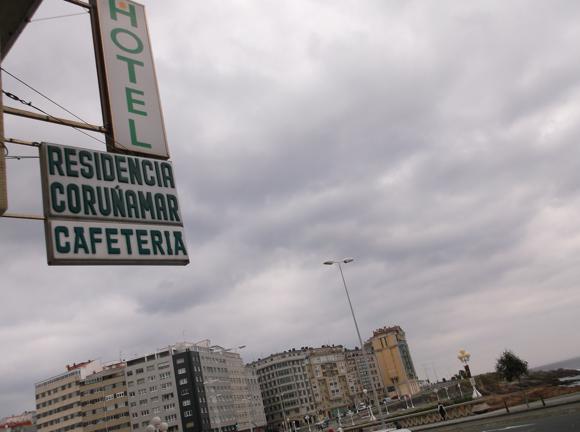
Nearer the beach, the Mar del Plata is simple but comfortable. The nearby Hotel Brisa is similar in genre and price, while the CoruñaMar(Paseo de la Ronda 50) has been spiffed up since coming under the local Alda Hotels chain, based in Santiago de Compostela but now spread all over Galicia and beyond.
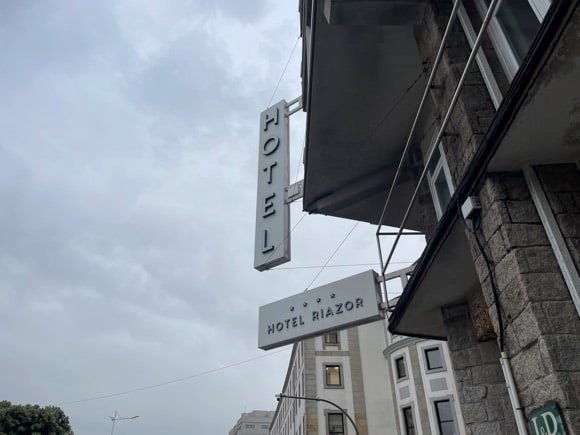
Nearer town but still a short walk from the stadium, the now four-star boutique Hotel Riazor would be the most comfortable choice close to the ground, its 24-hour gym and restaurant upping the ante – although you won’f find many doubles for under €150, not even with direct booking.
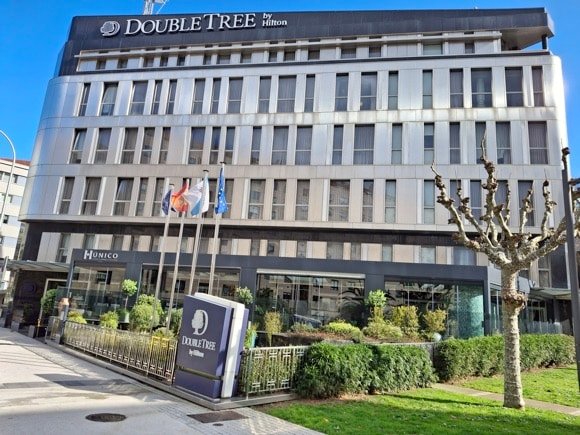
DoubleTree by Hilton A Coruna/Paul Davis
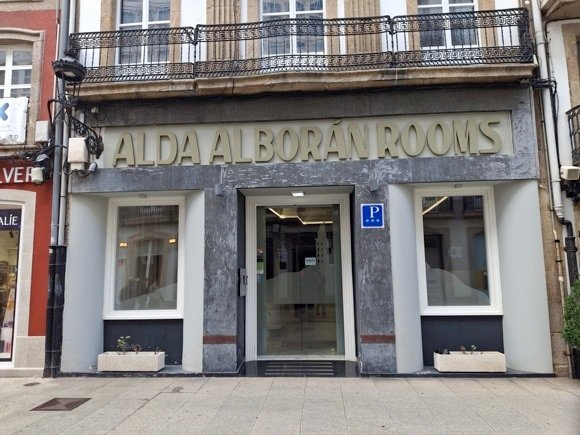
Alba Alborán Rooms/Paul Davis
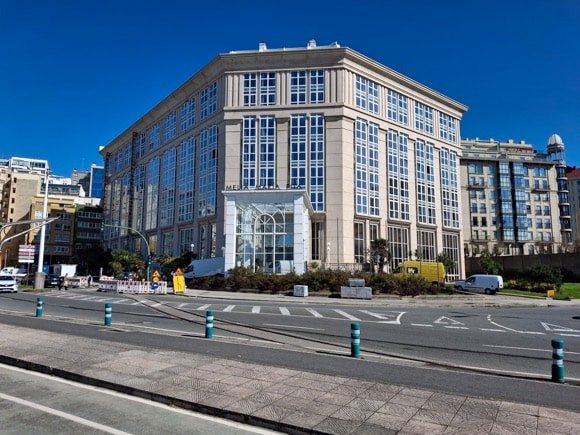
Meliá María Pita/Paul Davis
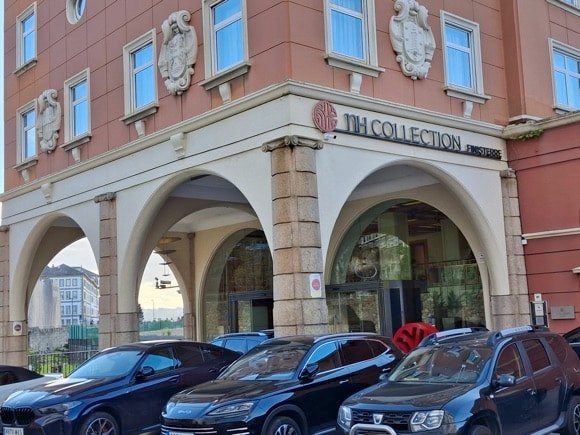
NH Collection A Coruña Finisterre/Paul Davis
Around the bay from the stadium, by the Museum of Fine Arts, the DoubleTree by Hilton A Coruna offers four-star accommodation with a spa, gym and EV charging thrown in. Close by, the Meliá María Pita includes sea-view terraces and winning sunsets among its four-star rooms.
At the other side of the headland, overlooking the Marina, the NH Collection A Coruña Finisterre can justifiably claim to be the best address in town, its pools, gym, sauna, and tennis and padel courts at least two notches above. You can even request a 3pm lazy Sunday check-out.
Tucked in behind the Marina and the park surrounding it, the Alba Alborán Rooms provides low-key lodgings in a handy location.
We use cookies on our website to give you the most relevant experience by remembering your preferences and repeat visits. By clicking “Accept All”, you consent to the use of ALL the cookies. However, you may visit "Cookie Settings" to provide a controlled consent.
This website uses cookies to improve your experience while you navigate through the website. Out of these, the cookies that are categorized as necessary are stored on your browser as they are essential for the working of basic functionalities of the website. We also use third-party cookies that help us analyze and understand how you use this website. These cookies will be stored in your browser only with your consent. You also have the option to opt-out of these cookies. But opting out of some of these cookies may affect your browsing experience.
Necessary cookies are absolutely essential for the website to function properly. These cookies ensure basic functionalities and security features of the website, anonymously.
Cookie
Duration
Description
cookielawinfo-checkbox-analytics
11 months
This cookie is set by GDPR Cookie Consent plugin. The cookie is used to store the user consent for the cookies in the category "Analytics".
cookielawinfo-checkbox-functional
11 months
The cookie is set by GDPR cookie consent to record the user consent for the cookies in the category "Functional".
cookielawinfo-checkbox-necessary
11 months
This cookie is set by GDPR Cookie Consent plugin. The cookies is used to store the user consent for the cookies in the category "Necessary".
cookielawinfo-checkbox-others
11 months
This cookie is set by GDPR Cookie Consent plugin. The cookie is used to store the user consent for the cookies in the category "Other.
cookielawinfo-checkbox-performance
11 months
This cookie is set by GDPR Cookie Consent plugin. The cookie is used to store the user consent for the cookies in the category "Performance".
viewed_cookie_policy
11 months
The cookie is set by the GDPR Cookie Consent plugin and is used to store whether or not user has consented to the use of cookies. It does not store any personal data.
Functional cookies help to perform certain functionalities like sharing the content of the website on social media platforms, collect feedbacks, and other third-party features.
Performance cookies are used to understand and analyze the key performance indexes of the website which helps in delivering a better user experience for the visitors.
Analytical cookies are used to understand how visitors interact with the website. These cookies help provide information on metrics the number of visitors, bounce rate, traffic source, etc.
Advertisement cookies are used to provide visitors with relevant ads and marketing campaigns. These cookies track visitors across websites and collect information to provide customized ads.