After ten years in the driving seat, Thierry Gomez steers Le Mans to an unlikely triumph
Synonymous with the motor race that takes place by the football stadium, Le Mans FC have just roared back to Ligue 1 after an unexpected double promotion from the third tier. Les Sang et Or claimed runners-up spot in Ligue 2 long after the final whistle sounded at the Stade Armand Cesari, condemning hosts Bastia to relegation.
Or rather, didn’t. Attempting to stop the game, home fans had rained flares onto the pitch after the visitors hit a second goal late into stoppage time. Referee Ruddy Buquet indicated afterwards that he had no intention of restarting the match with only a few seconds to play – but that he had not actually blown for full time.
Sixteen years after Le Mans’ last stint in Ligue 1, the longest wait came during the four days before the league’s authorities upheld the final score, imposing a two-match ban on Bastia. The former European finalists now have to deal with the ignominy of third-tier football next season while playing two games behind closed doors.
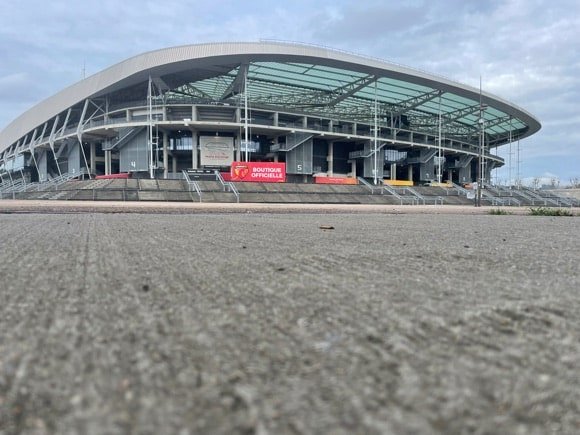
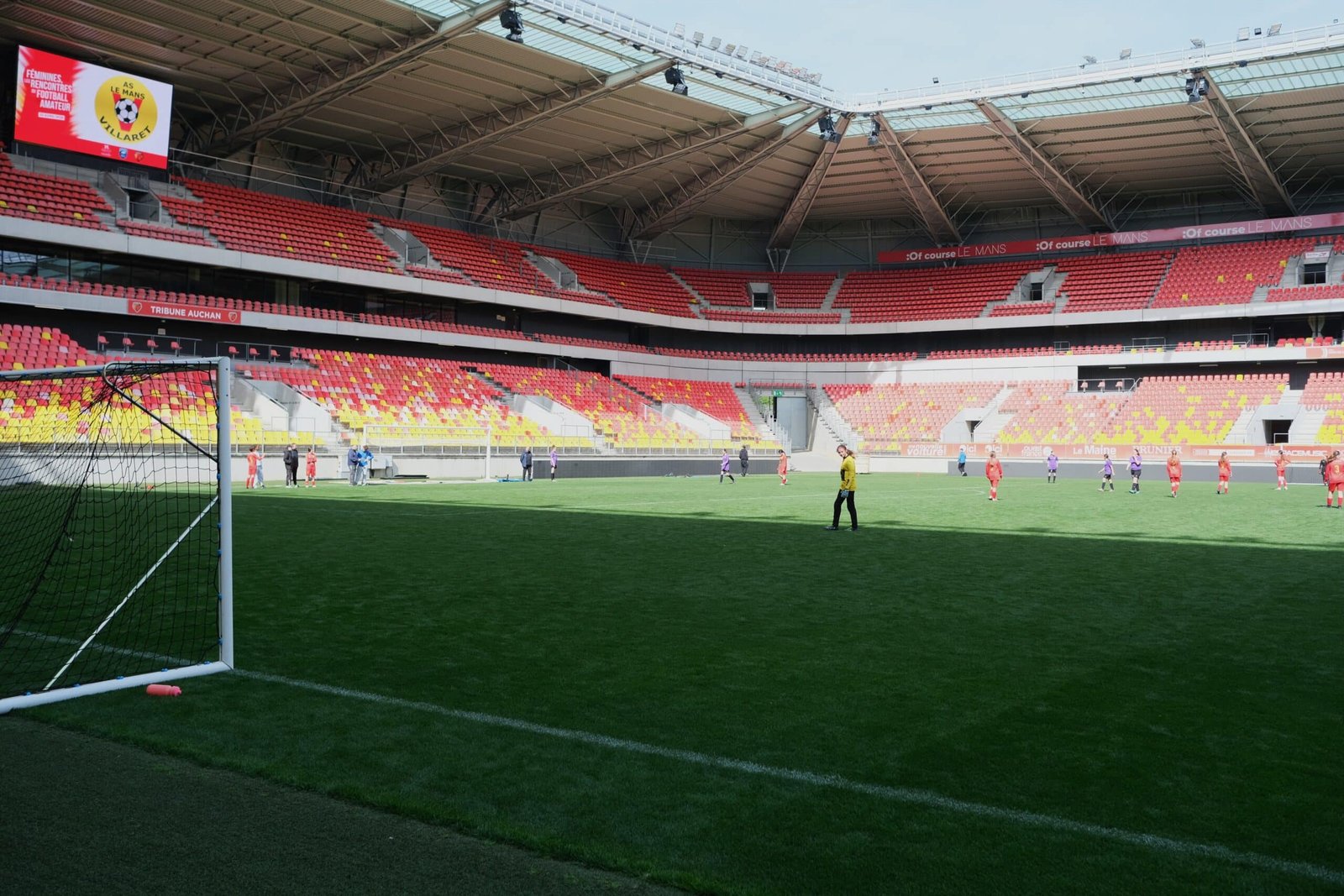
Nearly 1,000km away on mainland France, celebrations broke out at the Stade Marie-Marvingt, where fans had gathered to await the decision. For club chairman Thierry Gomez, the result was a personal triumph. The entrepreneur had invested a million euros into the club when taking over in 2016 at a time when Le Mans were struggling to climb out of the fifth-tier CFA 2.
In Ligue 1 for most of the early 2000s, when Didier Drogba had started his professional career there, Le Mans fell into dire financial straits after relegation in 2010, and moving into the new-build, City-owned MMArena soon afterwards. Away from the intimate if decrepit Stade Léon Bollée, in place just over the narrow river Sarthe from the city’s cathedral since 1906, the club struggled to attract fans and pay the higher rates.
The first stadium in France to be sponsor-branded, the arena bade farewell to its main tenants in 2013, when Le Mans were forcibly relegated to the amateur ranks after failing to find players’ salaries. When Gomez arrived, Les Sang et Or were barely surviving, playing home games at their training ground.
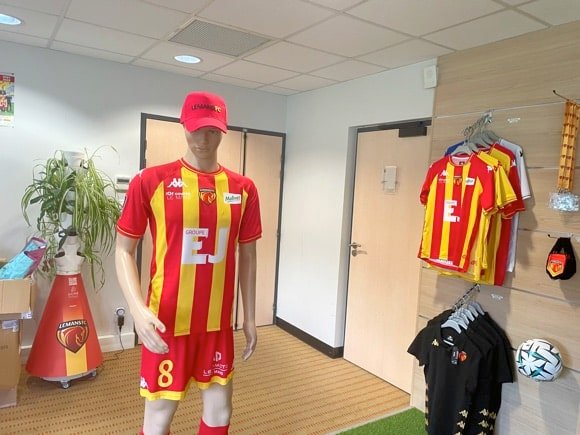
But, having cut his teeth working behind the scenes at the famously chaotic Lagardère era at Racing Club in the 1980s, this son of a scout at once illustrious Sochaux wasn’t fazed by the task in hand. After all, Gomez had saved Ligue 1 Troyes AC from disappearance a decade earlier, in his only previous stint as chairman. As fate would have it, it was Troyes who claimed the first of the two automatic promotion places alongside Le Mans this May.
Back in 2016, Gomez first insisted that Le Mans moved back to the MMArena as a matter of prestige. On the pitch, the team rose up the French league pyramid thanks to goals from Vincent Créhin, figurehead of the club’s revival and ultimately its all-time leading scorer until his departure in 2020. Three straight promotions swept Le Mans back to Ligue 2 in 2019 but crowds remained in four figures, goal difference limiting their second-tier stay to one solitary campaign.
His huge investment dependent on top-flight football, Gomez didn’t waver. Regrouping, Le Mans rode out the pandemic as the chairman courted various celebrities to share in his belief that such an illustrious name from the world of sport should be supporting a Ligue 1 club.
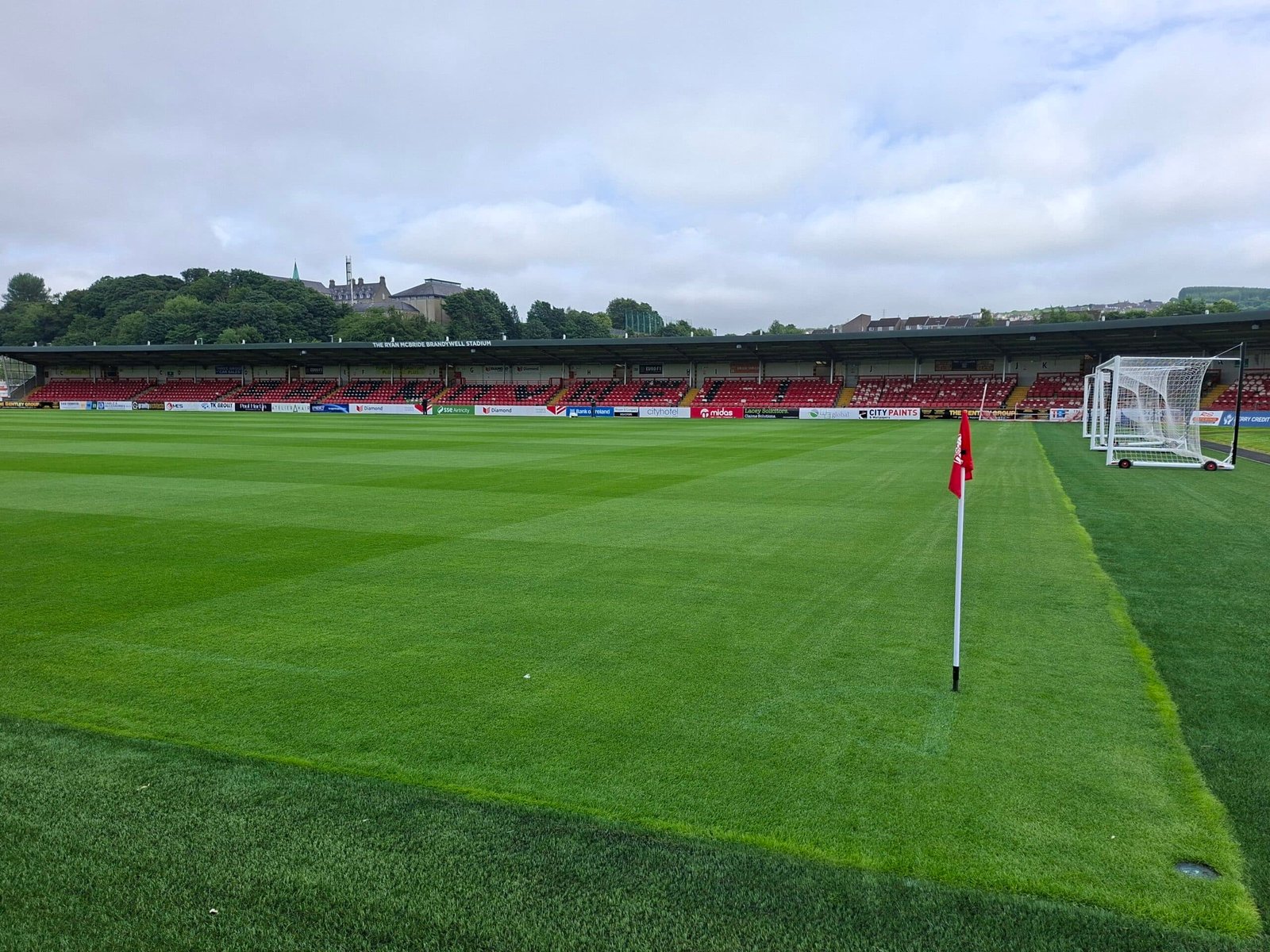
Celebrating its centenary in 2023, the legendary endurance race for sports cars, notably portrayed by Steve McQueen in the 1971 film of the same name, 24 Heures du Mans has always taken place at the Circuit de la Sarthe some 4km south of Le Mans. The football stadium lies within the circuit, beside the first right kink of the famed Mulsanne Straight.
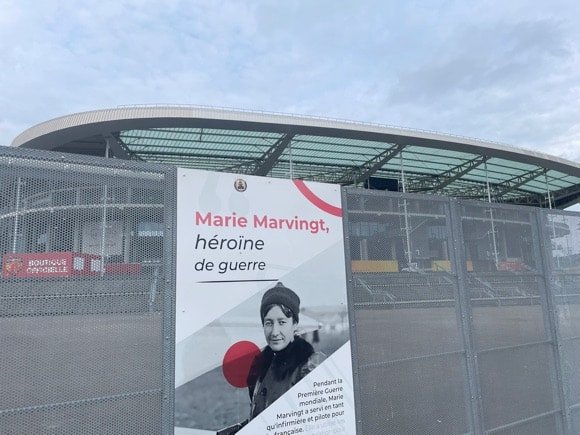
In a rare example of a stadium losing its branding and reverting to a long-lost name from the sporting past, as the Le Mans centenary approached, the City and club agreed that the MMArena should become the Stade Marie-Marvingt. Though dying in relative obscurity in 1963, this decorated war hero, pioneering sportswoman, mountaineer and aviator had lived a life of courageous feats and firsts.
The first woman to complete the Tour de France in 1908, the year before she became the first woman to fly solo from France to England – albeit after being blown off course over the freezing North Sea in a hot-air balloon – Marie Marvingt dressed as a man to fight on the front line in World War I and developed a prototype air-ambulance rescue service in World War II.
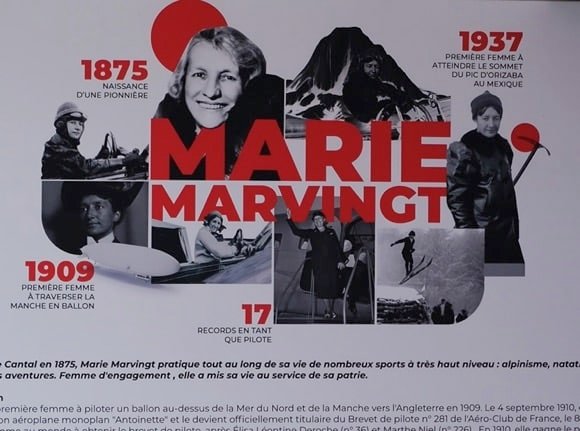
Marvingt’s connection to Le Mans may have been tenuous, having presented a conference on aeronautics there in 1928, but the renaming initiative coincided with a national reassessment of women’s achievements in war, culture and sport.
Shortly before, French president Emmanuel Macron had praised Marvingt at a ceremony to honour another war hero being ushered into the Panthéon. Le Mans was on the map for reasons other than motor racing.
Placing his faith in a former journeyman midfielder in his first major coaching post, Patrick Videira, in 2024, Gomez began negotiations with a well-connected firm of sports investors based in São Paulo, OutField. The Brazilians duly came on board as minority shareholders in their first European venture and, crucially, persuaded Serbian tennis legend Novak Djokovic and Grand Prix star Felipe Massa to join them.
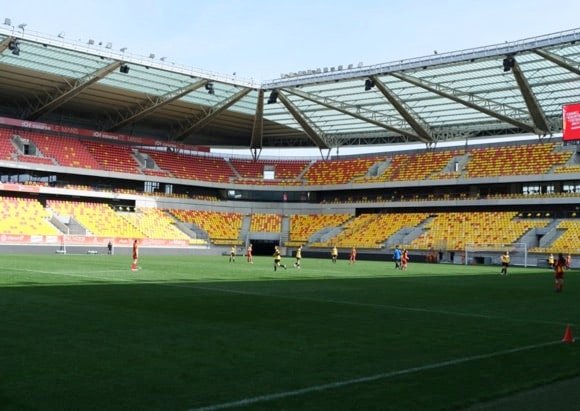
Meanwhile, Videira was repaying his chairman’s trust by putting into practice all he had learned as a youth player at PSG and stints at a dozen other clubs over the course of an undistinguished career. Six years as coach at struggling Furiani-Agliani in National 2 had also put Videira in good stead to lead Le Mans out of the third tier in 2025.
Ironically, his old club plays just over the road from Bastia’s Stade Armand Cesari, scene of Videira greatest triumph this May. To get there, Le Mans have beaten off challenges by St-Étienne, Reims and Red Star, relying on a cast-iron defence to concede only eight goals at home and lose a mere two games on the road.
Now partly backed by wealthy superstars, Le Mans can expect an influx of marquee signings before taking on the big boys of Ligue 1 – although among the factors that attracted Brazilian investors OutField to this debt-free club was its two training centres and reputation for athletic development.