Teams, tales and tips – a guide to the local game
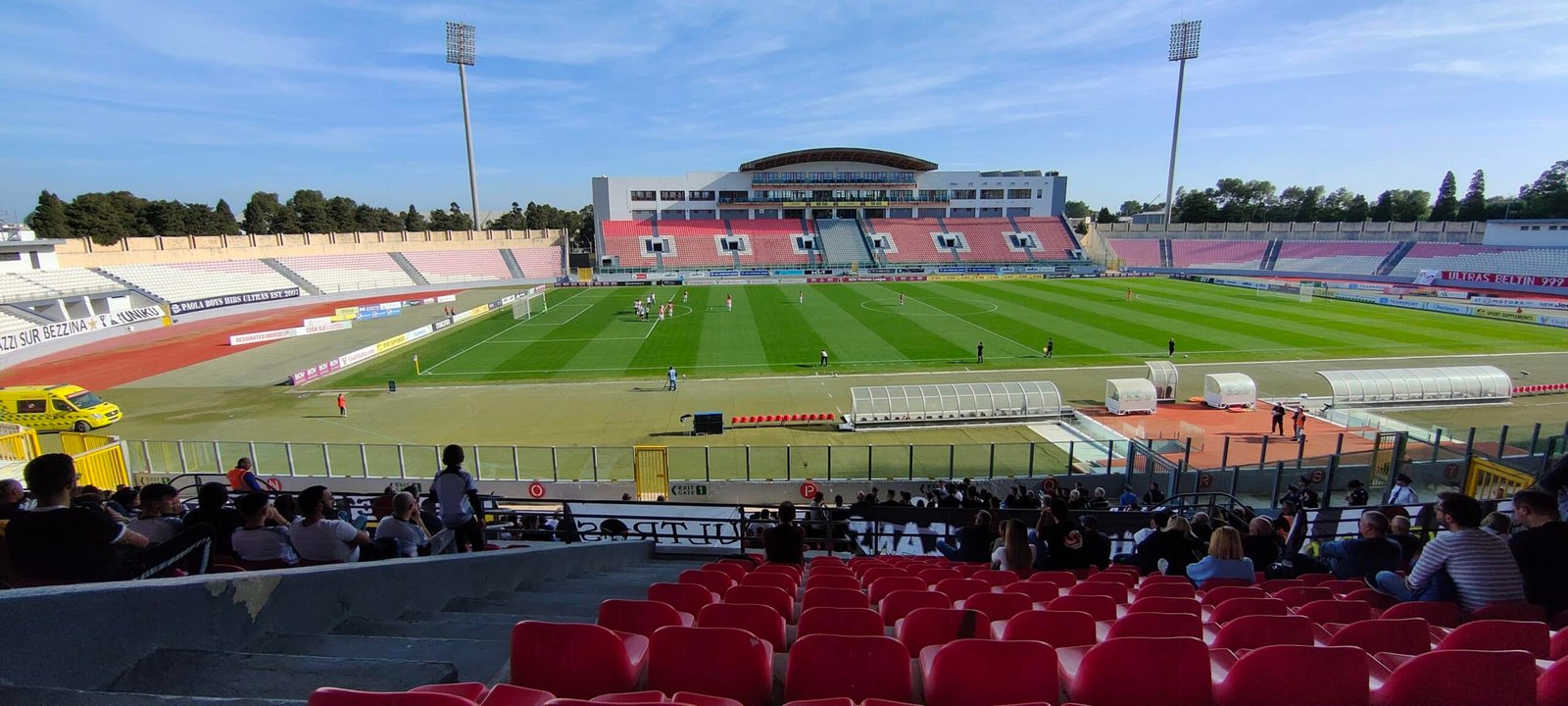
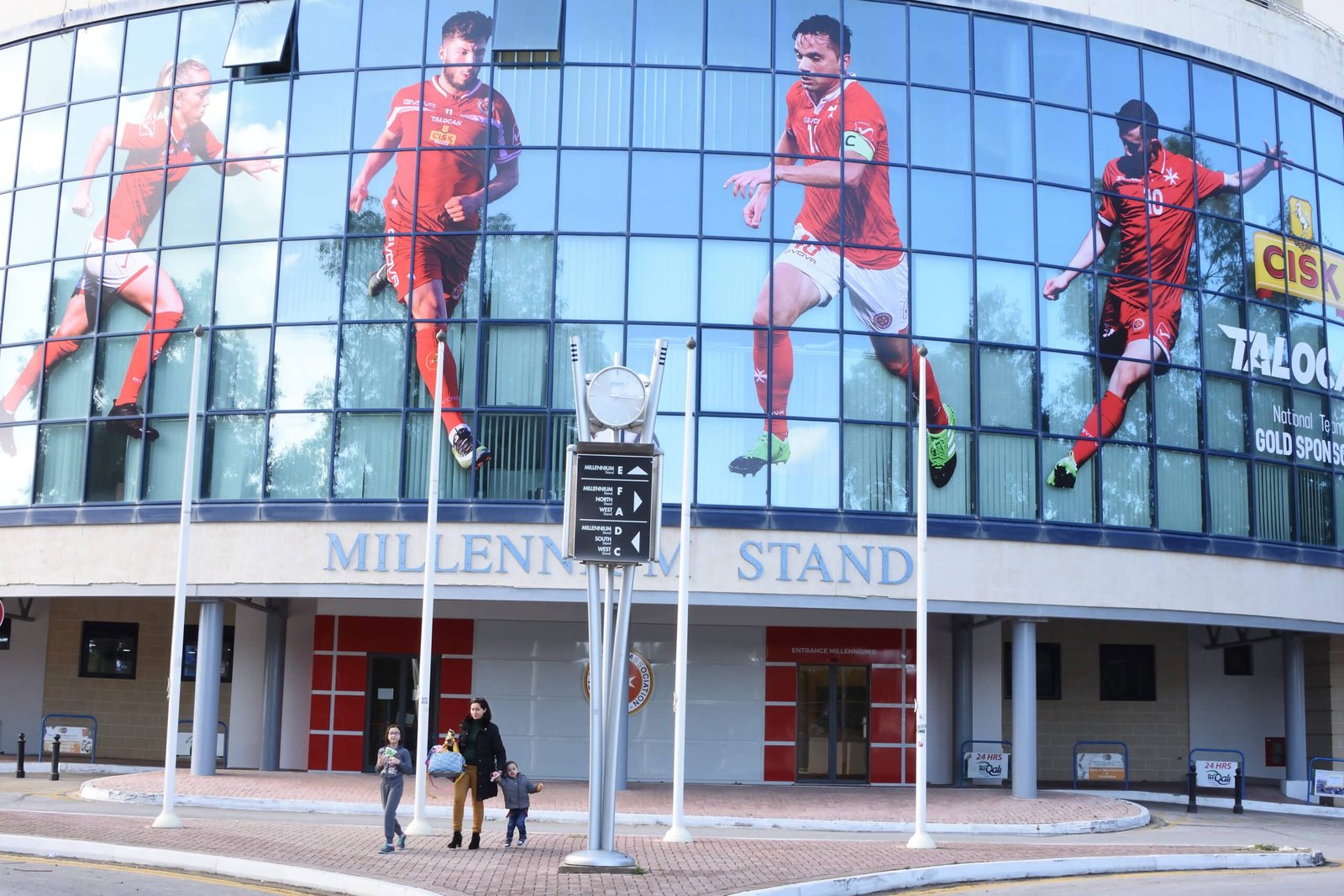
With regular wins for the national team and a local club appearing (and winning) in the new league phase in Europe, Malta is justifying the investment into the game on this Mediterranean island near Sicily. Much of these funds has gone into the national stadium at Ta’Qali, where all major games take place, co-hosting duties shared with the Centenary Stadium next door and the Tony Bezzina Stadium, home of Hibernians in Paola.
Malta’s football rivalries hark back to the time of British rule, when its status as a vital naval base saw a strong military presence on the island. The game arrived here earlier than in many countries in mainland Europe, with an FA founded in 1900.
Record champions Floriana were founded in 1894 in the fortified town of the same name just outside Valletta, games between locals and members of the Royal Dublin Fusiliers based there giving rise to an exchange of shirts. ‘Tal-Irish’ have worn green and white ever since, from the inaugural Maltese First Division won in 1910 to the 27th league title in 2026.
The team Floriana pipped to that first league crown is the one most foreign fans of a certain age would recognise: Sliema Wanderers. Regular performers in Europe since the early 1960s, the Blues representing affluent, resident Sliema just north of Valletta have become the sleeping giants of the Maltese football, last winning a title in 2005. A rare European appearance in 2024, a tonking by Noah of Armenia, was the first in a decade.

The dominant force in Maltese football since the arrival of owner, Canada-born property developer Joseph Portelli, in 2020, has been Hamrun Spartans. Dating back to 1907, representing the historic community of Hamrun adjacent to Floriana, the Spartans stacked up occasional silverware through the 20th century but were involved in a match-fixing scandal in 2014. A first title for 30 years in 2021 was followed by significant wins over Velež Mostar, Levski Sofia and Dinamo Tbilisi in Europe, helping to raise Malta’s UEFA co-efficient so that a win over RFS of Riga in 2025 pushed Hamrun Spartans into the league phase of the Conference League.
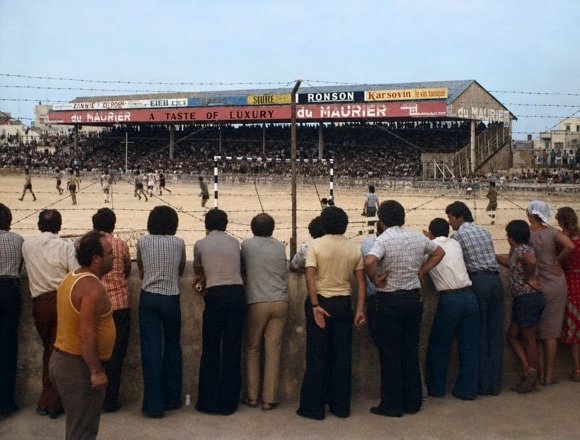
Making their debut alongside Crystal Palace, Rayo Vallecano and others, the Maltese team won one game, against Lincoln Red Imps of Gibraltar, and held Lausanne-Sport and Jagiellonia Białystok to single-goal victories. While the home legs were played at Ta’Qali, the Spartans are a rare Maltese club who have their own ground, the modest Victor Tedesco Stadium on Triq Mile End in Hamrun, which Portelli has pledged to upgrade, putting in place the Spartans Arena, nearly twice the size at 3,000 capacity.
The original ground takes its name from the man who revived the club in the 1980s, affectionately known as ‘Mr Vic’, and who brought in foreign players to win the Maltese league in 1983, a first for 36 years, on the 75th anniversary of the Spartans’ foundation. The following year, Tas-Sikkina (‘the Knives’) registered a rare win for a Maltese club in Europe, over Ballymena United of Northern Ireland. Towards the end of the decade, Tedesco began to plan the stadium that would take his name, eventually opened in 1996.
It stands beside the site of what was Malta’s first proper football pitch, the Mile End Sports Ground, opened in 1912 and overseen by another influential pioneer, Carmelo ‘Memé’ Scicluna. A passionate lover of the game, Scicluna later married into the noble Testaferrata dynasty, which allowed him to lease from them a plot of land in Gżira, then a working-class suburb of Sliema. Here Scicluna would first build an impressive football ground, rebuilding it a decade later once European teams had begun making regular visits to the island to play exhibition friendlies during the winter break.
Scicluna knew there was an appetite for the game as played on mainland Europe, as opposed to mere entertainment for British servicemen posted here. The Empire Stadium, as it was called, would welcome several major names to Malta, particularly once the main international competitions were set in motion a decade or so after the war. Although Scicluna wasn’t alive to see it – a memorial stands near the ruins of old ground on Pjazza Memé Scicluna – Malta played its first international here in 1957, a creditable 3-2 defeat to Austria. Malta and its handful of semi-professional teams soon competed at national and club level with their European counterparts, opting to become part of UEFA rather than Africa, although friendlies with Libya and Tunisia were also arranged.
Home games all took place on the compacted sand of the Empire Stadium, referred to as The Stadium after ownership passed back to the Testaferrata clan. When a newly independent Malta took part in European Championship qualification for the 1972 series, the subsequent visit of Greece was only the sixth time a full national side from the Continent had visited the island. But such were the conditions they found there – awkward pitch, intimidating atmosphere – that the Greeks had to salvage a late draw before Switzerland claimed a single-goal win.
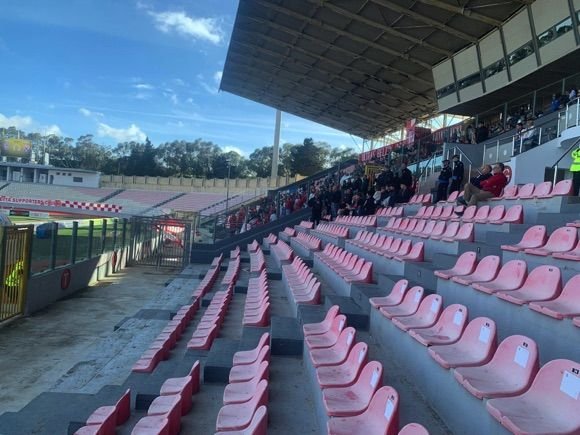
Drawn in the same group, England famously visited in February 1971, images of the sandy surface, crowded stands and stripy goalposts embedded in the memory of many. The recent World Cup winners could only scrape a 1-0 win, locals remembering the one-on-one chance missed by former QPR striker Joe Cini against Gordon Banks towards the end. Four years before, a Manchester United side with all its stars had played out a 0-0 draw against Hibernians here. Malta was not a place elite teams wanted to risk defeat or worse, injury.
With the departure of British forces in 1979, their former bases fell into Maltese hands, the Socialist government of Dom Mintoff keen on creating a nationalised infrastructure. So it was that a former airfield at Ta’Qali, in the middle of the island, was developed as a national stadium of 30,000 capacity, thus ending the era of the Empire Stadium and its links to a noble dynasty.
Slowly crumbling and gradually overgrown behind high walls, Gżira would become a historical curiosity and the subject of a bitter legal dispute as the land around it grew significantly in value. Membership of the EU and Schengen in the early 2000s only attracted richer entrepreneurs with international ties and the long-running ownership feud has been rumbling on in the courts for more than a decade.
Meanwhile, as more money flowed into the game, another influence grew: Italian, and its ultra fan culture of flares and banners. Given that most league games take place at Ta’Qali, usually scheduled as double-headers over a weekend – check Match Centre for fixtures – followers of the long-established clubs display their support in different areas of a neutral ground. One key rivalry is between the Paola Boys of Hibernians and White Warriors of Valletta FC, supporting another of Malta’s Big Five.
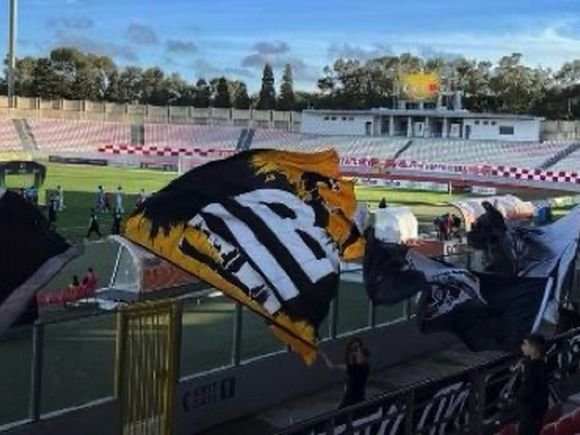
Although today’s club date back to the dark days of World War II on Malta, the Lilywhites have their roots in the random games that took place around the turn of the century in main St George’s Square centrepiecing Malta’s capital. The first football club was, in fact, St George’s, who won the title during World War I but faded after World War II and now operate in the amateur ranks.
Emerging from this casual scene around the square, Valletta United competed in the early editions of the Maltese First Division, winning the league in 1915, when only four or five games were played, and again in 1932. Other teams from Valletta also took part in the domestic league between the wars but at some point in 1943, perhaps amid the relief of the Siege of Malta being lifted the previous November, Valletta United, St Paul’s and Prestons merged to form today’s Valletta FC.
Gathering the best players, VFC won league titles in the dying days of the war and soon afterwards, and remained a major force, picking up silverware every decade. A first ever relegation in 2024 was reversed with an immediate return, ensuring that the 12-team Maltese Premier League in 2025-26 featured the Big Five plus ever-dangerous Birkirkara. The team from Malta’s second city out towards Ta’Qali shocked West Ham by taking the Hammers to penalties in 2015, then beat Hearts over two legs, including a win at Tynecastle in 2016.
Getting Around
Arriving in Malta and local transport
Malta International Airport is at Luqa, 11km (seven miles) south-east of Ta’Qali National Stadium and 8km (five miles) south-west of Valletta. A taxi (+356 2182 3017) to the stadium (€25) should take 15mins and 10mins to the capital (€20). Malta Taxi also has its own app .
There’s no direct bus to the Stadium stop by the football arena, you need to change at Rabat. Airport Direct bus 4 runs to Valletta bus station at the entrance to town every 30mins (15min journey time). A single fare is €2, €2.50 in summer (cash/contactless on board, valid for all transfers for 2hrs). Hourly bus 56 to Dingli runs from Valletta bus station (C3) to Stadium (40mins) – a taxi should take 15mins and cost €20-€25. Services close around 6pm.
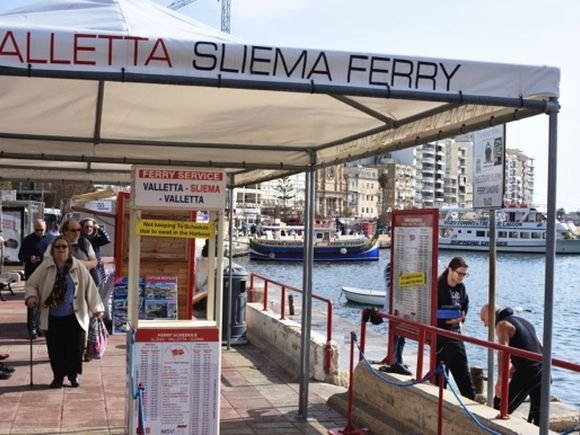
With buses so slow, you’ll probably be hopping between Valletta, Sliema and the nightlife hub of St Julian’s by using Uber or the half-hourly 15-minute hop between Valletta and Sliema (€3) by catamaran. Ferries from Sicily into Valletta dock at the terminal in Floriana, south-east of Valletta a short walk away.
Where to Drink
The best pubs and bars for football fans
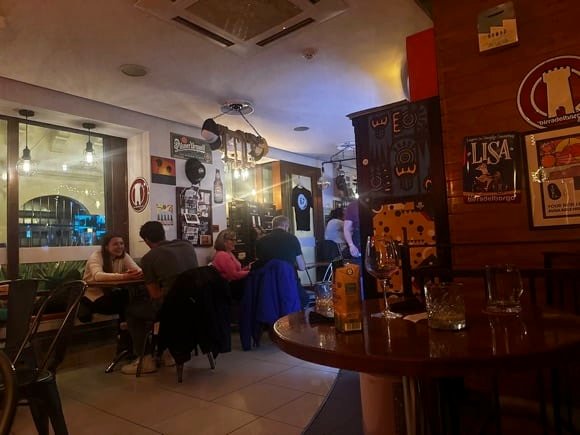
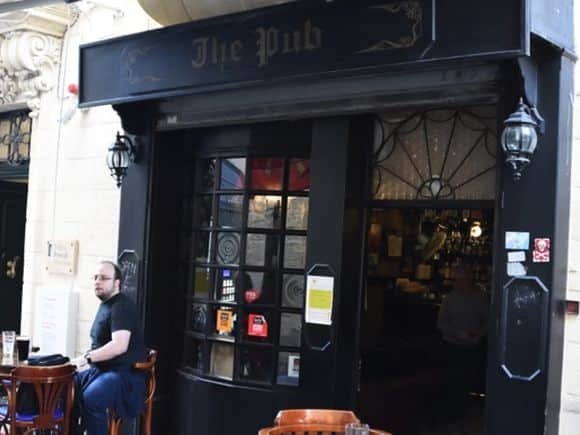
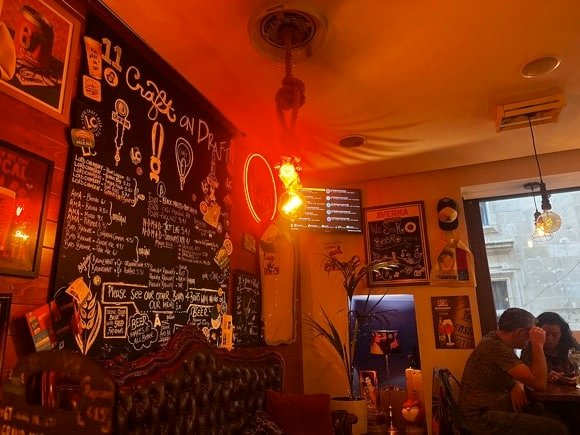
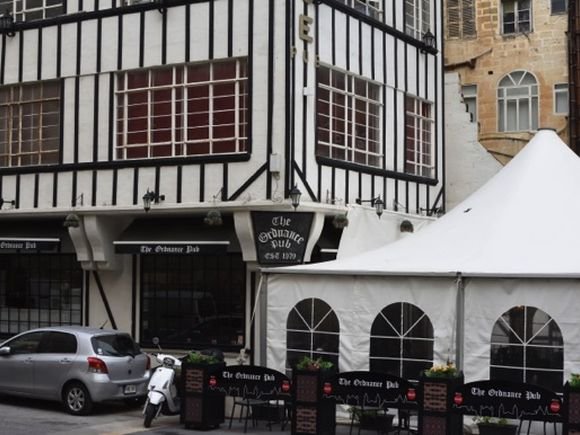
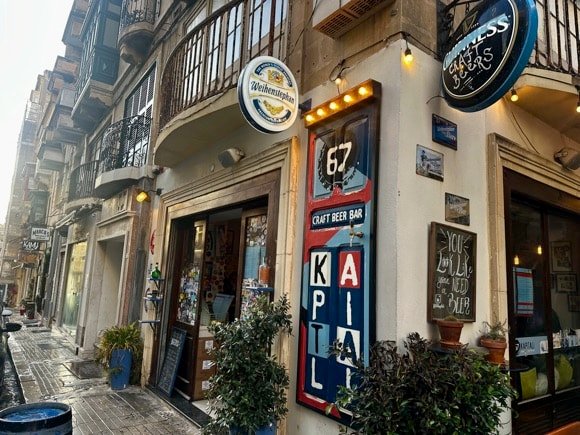
As well as football, one hangover from British control of Malta is pubs and Cisk beer, produced since 1929. Both Valletta and Sliema are dotted with age-old hostelries such as the one where notoriously thirsty actor Oliver Reed had his last drink. Most are sport-focused, as are the trendier bars in Malta’s nightlife hub of Paceville in St Julian’s.
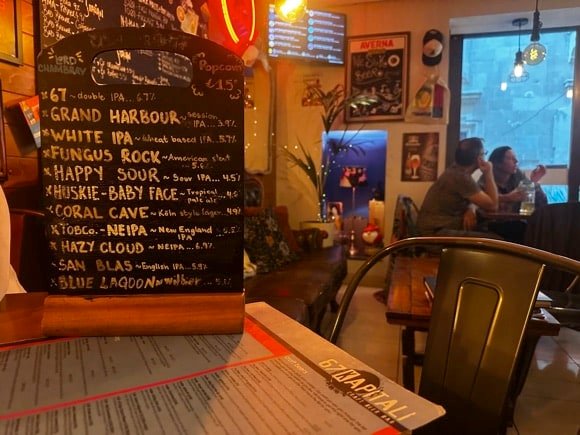
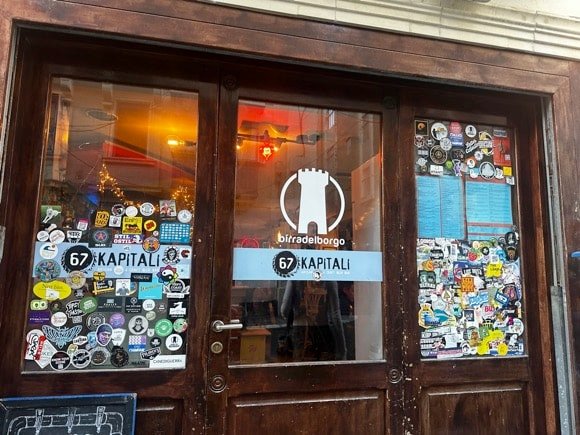
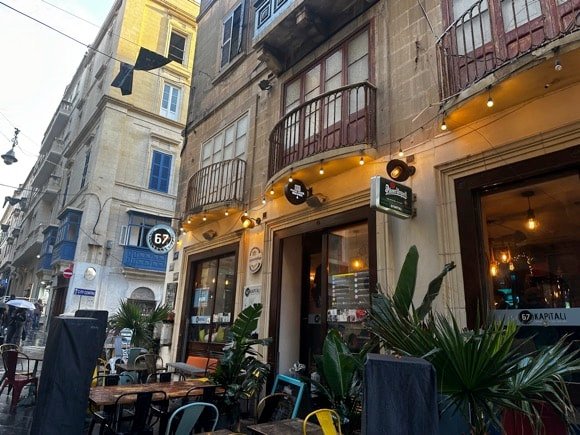
In Valletta, lively 67 Kapitali has been serving craft beer and classy bar food just off St George’s Square in Valletta for well over a decade, a few blocks from old-school The Pub off Republic Square, where Oliver Reed supped his last. The recent introduction of house brew Hellraiser Pale Ale nods to the legendary bon vivant.
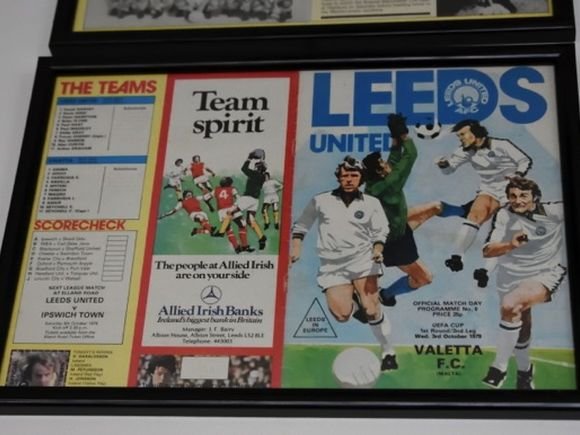
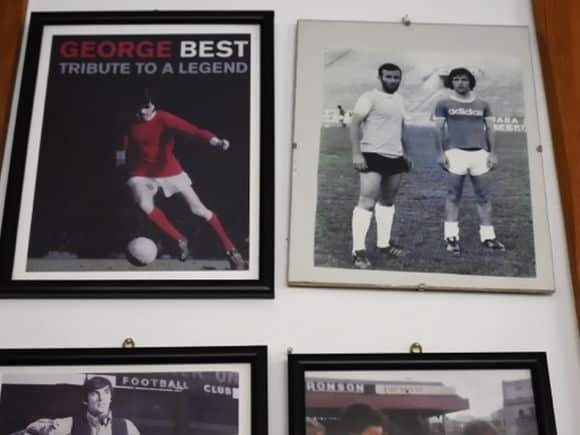
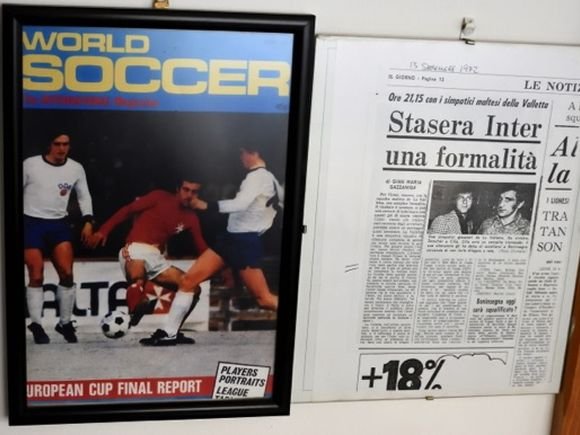
Nearby on Strait Street, upscale Str.Eat whiskey bar can pour you a €2.50 Cisk lager as well as fix you a quality cocktail. Over by City Gate, The Ordnance is part-pub, part-restaurant, its walls a pictorial history of football on the island.
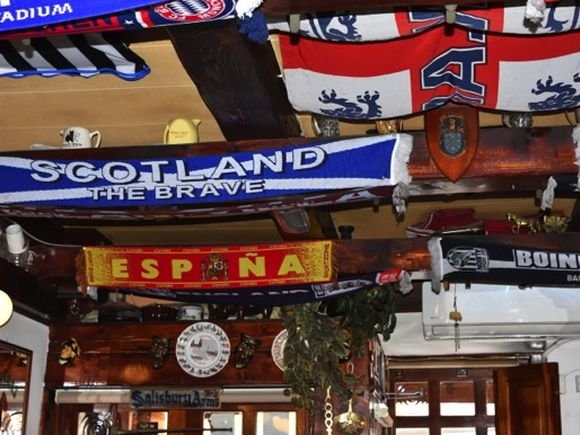
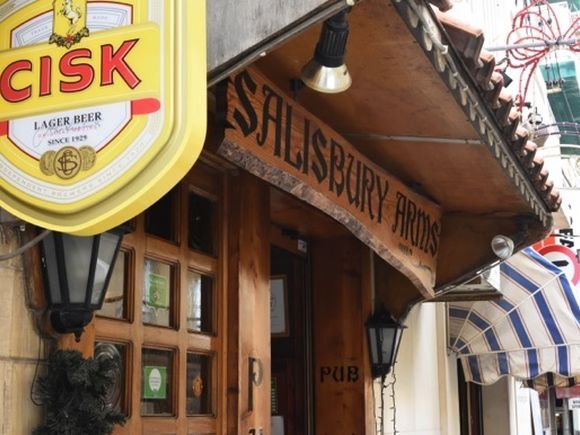
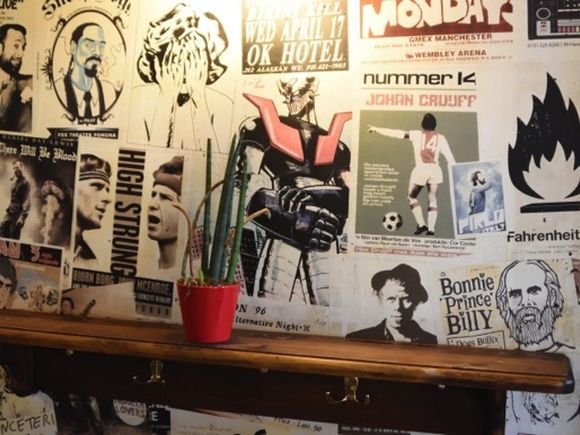
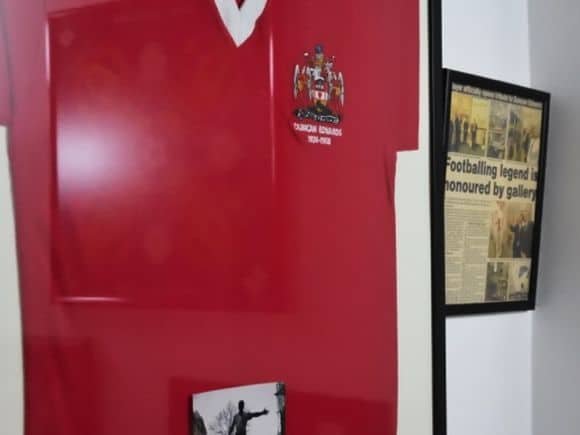
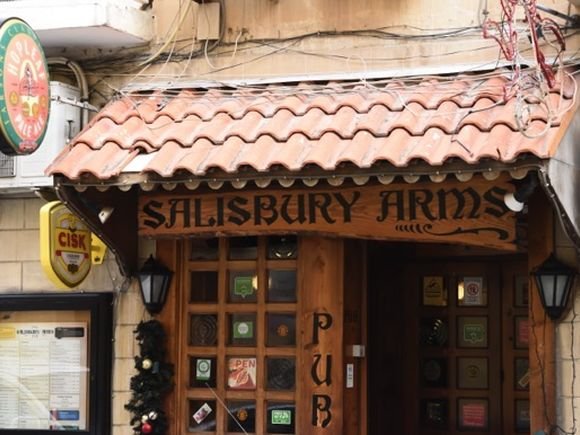
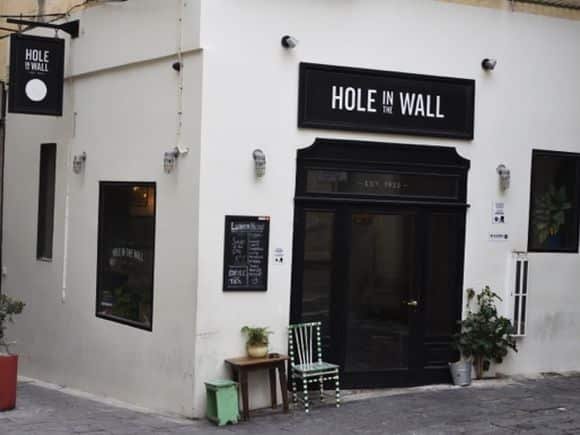
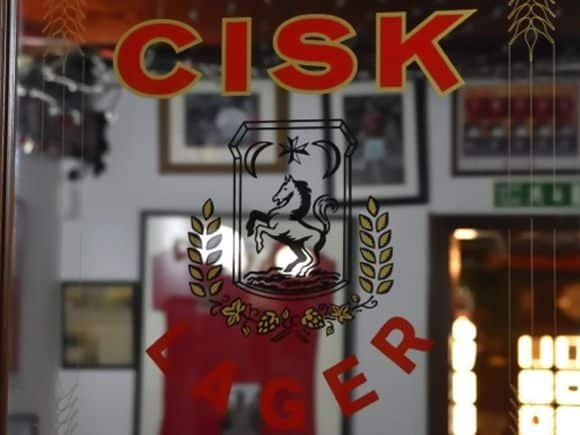
In the heart of Sliema, the family-run Salisbury Arms puts football first – shirts, scarves and screenings – while Sunday roasts reflect its character and clientele. The Hole in the Wall nearby claims a history back to 1922 when BA pilots would drop in for drinks before flying off the next day. Transformed by new ownership from 2015, it now specialises in small-batch local beers and coffee, but you can still order up a standard pint of Cisk and look forward to a little live music at weekends.
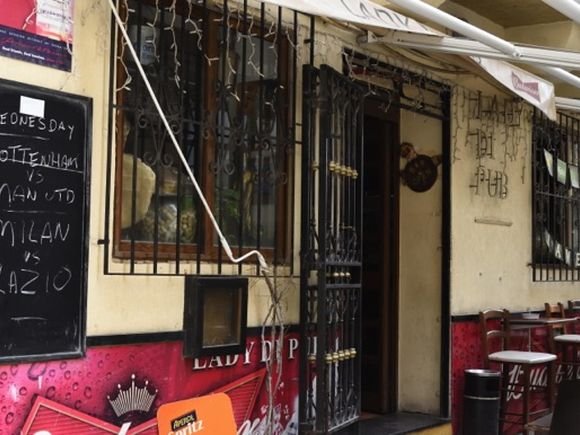
Closer to the ferry port, Tony’s Bar also dates to 1922, and still feels very much traditional, breakfasts served from 8.30am six mornings a week amid authentic surroundings. TV football is another mainstay along with hearty pints of Cisk. Nearby Lady Di broadcasts matches amid images of the tragic royal, whom the pub owner once met at a social event in the UK.
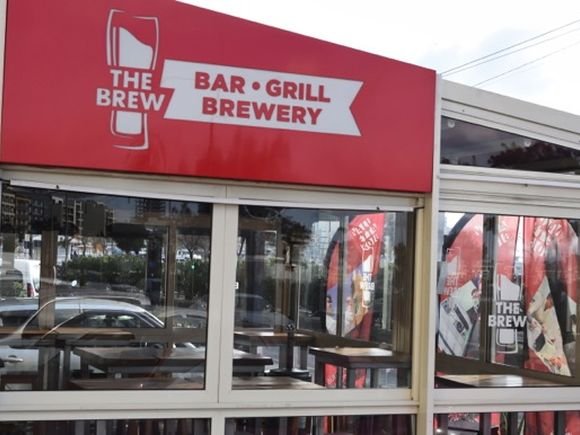
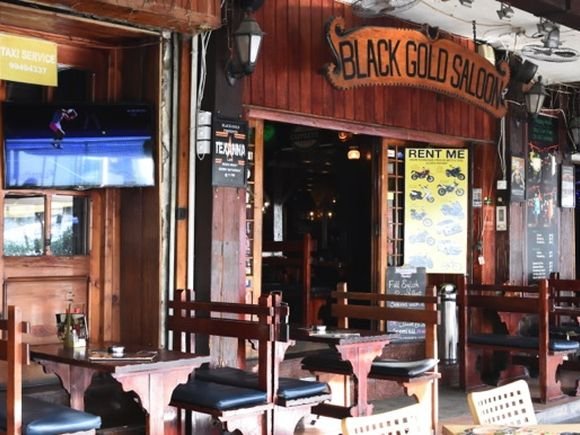
Live music, rugby and Aussie rule at the Black Gold Saloon near Sliema’s waterfront, a cosy pub by day and late-opening nightspot after dark. Alongside, The Brew lives up to its name with its extensive and ever-changing selection of local beer, helped along by happy hours and drinks deals, meaty dishes, live sounds and TV sport.
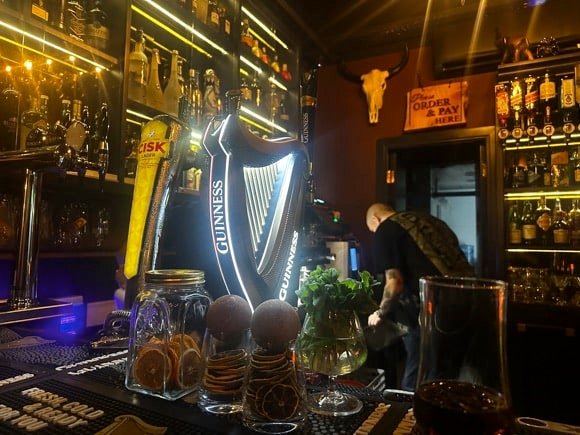
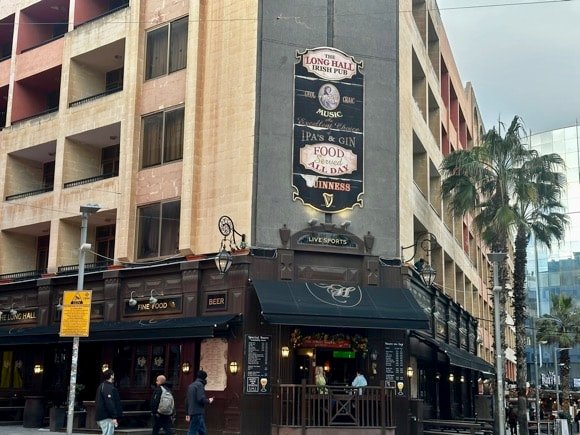
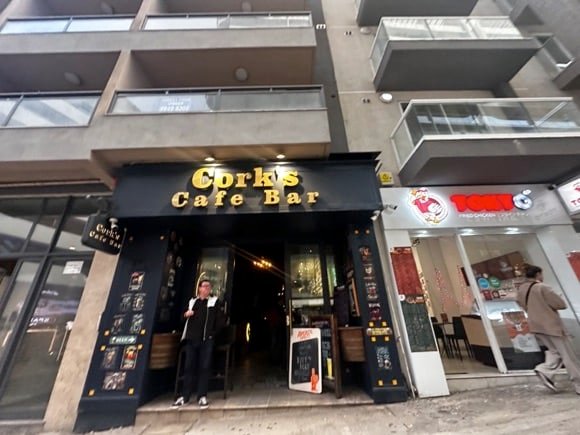
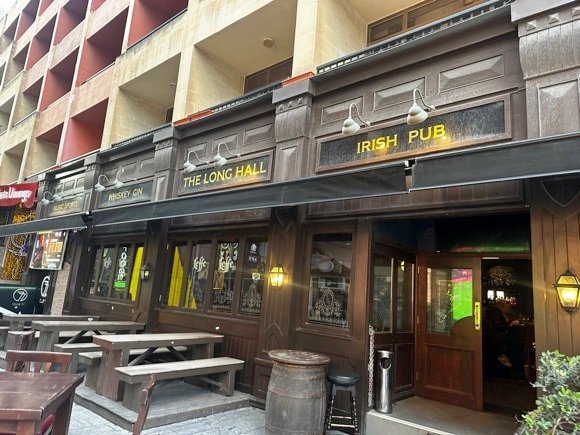
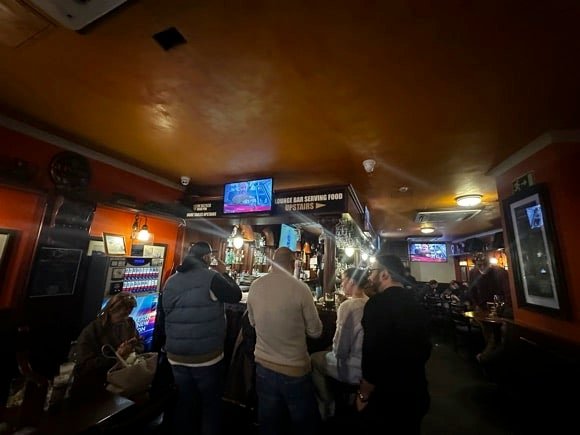
Further north in St Julian’s, and the party hub of Paceville, Cork’s (59 Triq San Gorg) shows sport and pours Guinness in a fairly small space with enough room for a pool table. Further up the same street, The Long Hall is a major football haunt filling the ground floor of a large apartment building, whose quality kitchen turns out hearty fare from 10am.
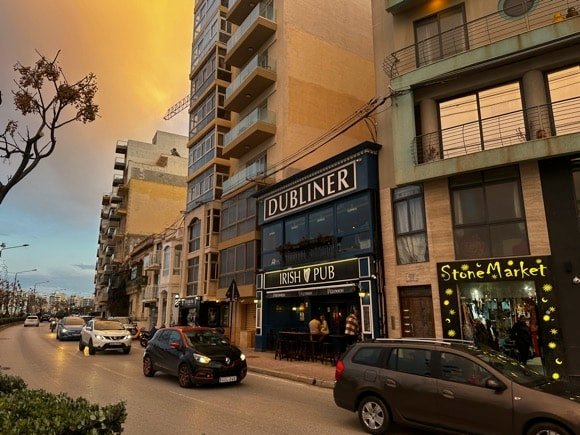
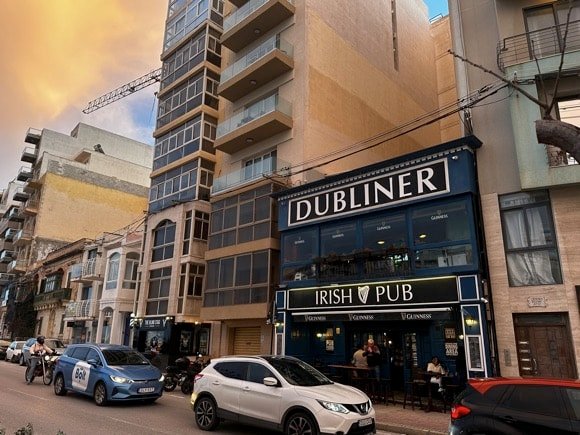
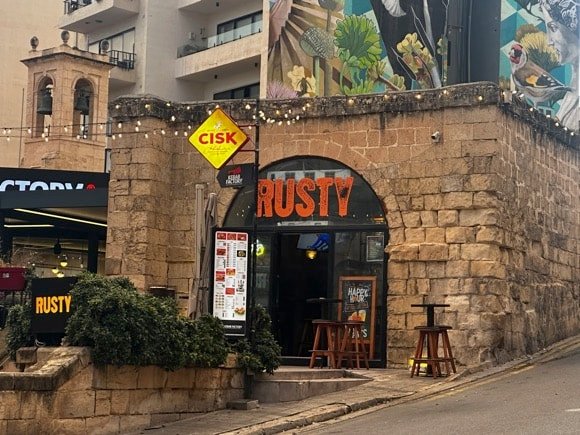
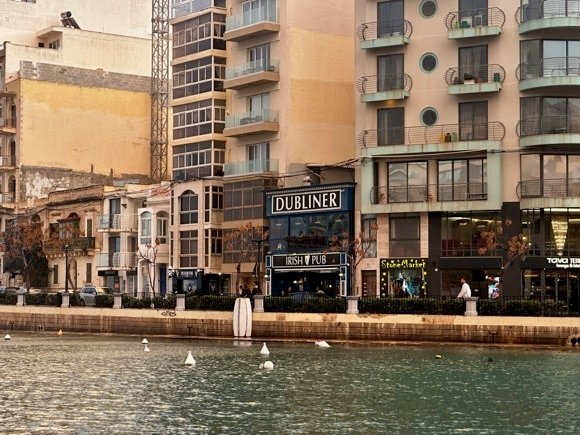
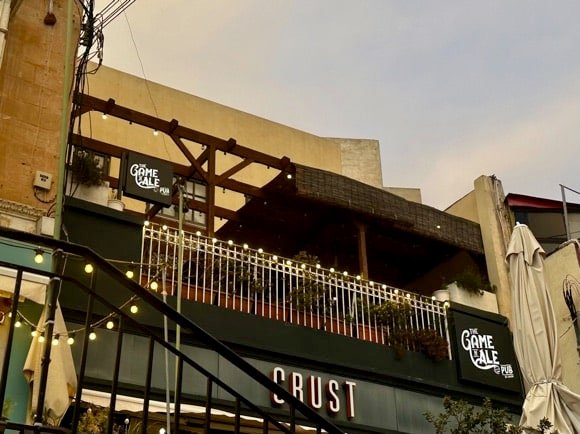
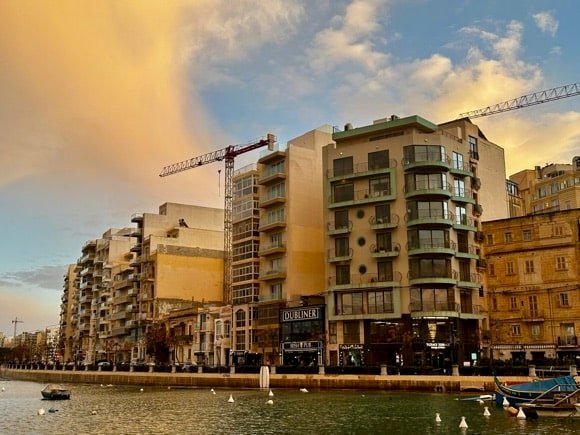
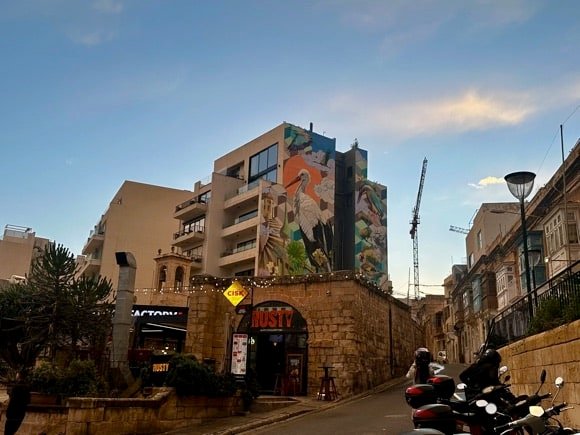
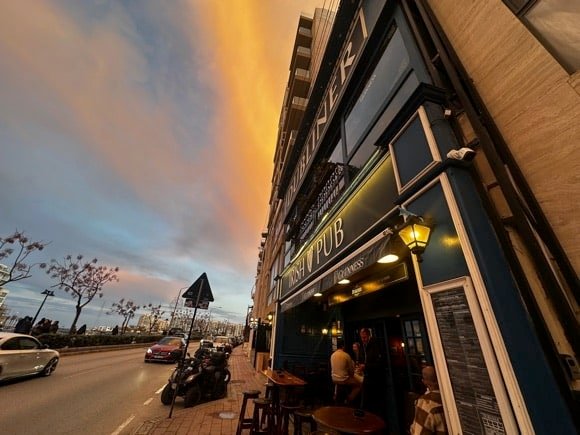
Nearer Spinola Bay, Game & Ale occupies the upper floor of a building that once housed the Crust bistro below. The trendy G&A features a popular covered terrace, with screens inside showing the game. At the gateway to the bar zone, built into the fortifications, the contemporary Rusty screens major tournaments and stages DJ nights. On the shores of the bay, The Dubliner allows you to sup your Guinness and tuck into breakfast overlooking the water, though you’ll have to sit inside, ideally at the bar counter, to focus on the match action.
Where to stay
The best hotels for the stadium and city centre
Visit Malta has a database of hotel options. There are no hotels close to the Ta’Qali National Stadium – the nearest would be in the historic retreat of Rabat 2km west. Most visitors prefer to stay around the attractions and amenities of Valletta and Sliema.
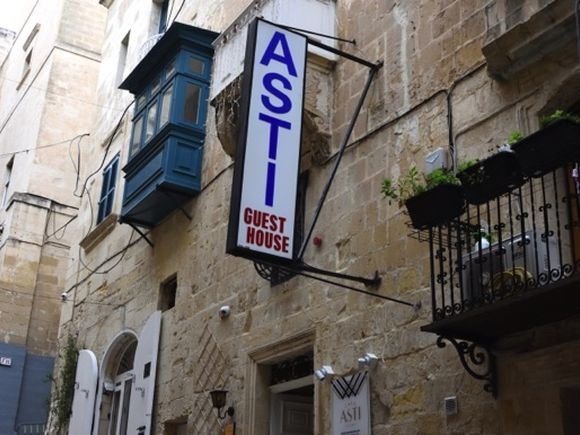
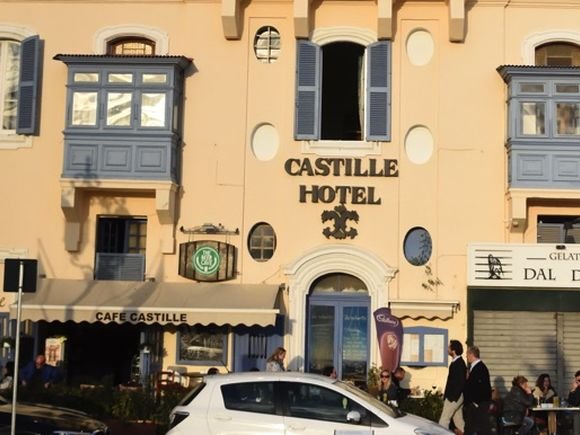
Near the bus station in Valletta, an easy hop for the airport bus, the Castille Hotel serves breakfast on its panoramic fifth-floor rooftop, 38 upper mid-range guest rooms bookended by a beer cellar and café on the ground floor. Nearby, the family-run Casa Asti comprises nine comfortable rooms in a 400-year-old building tucked down a quiet side street.
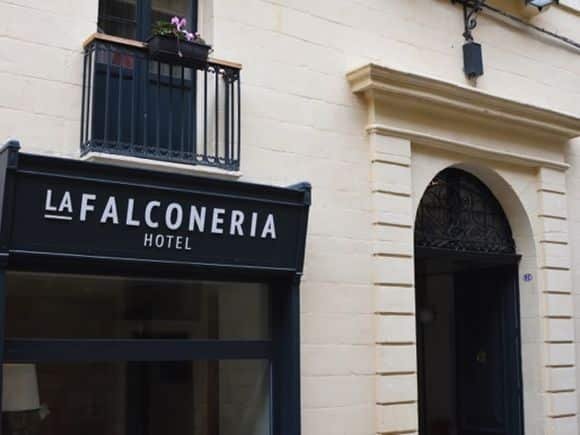
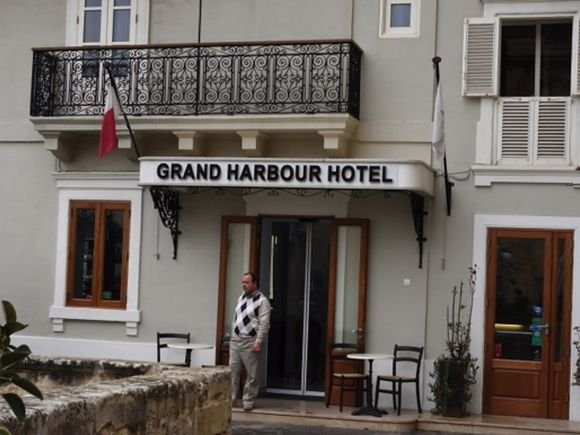
A few steps away, overlooking the waterfront, the location of the old-school Grand Harbour Hotel makes up for the lack of frills in the 30 guest rooms. Very much a notch above and offering discounts for direct booking, boutique lodging La Falconeria on Melita Street takes its name from the Maltese falcons once kept here by the Knights of St John, its heritage echoed in gleaming tiles and marble. The tasteful surroundings extend to the immaculate guest rooms, complemented by a small pool and gym, and all is an easy hop for the ferry to Sliema.
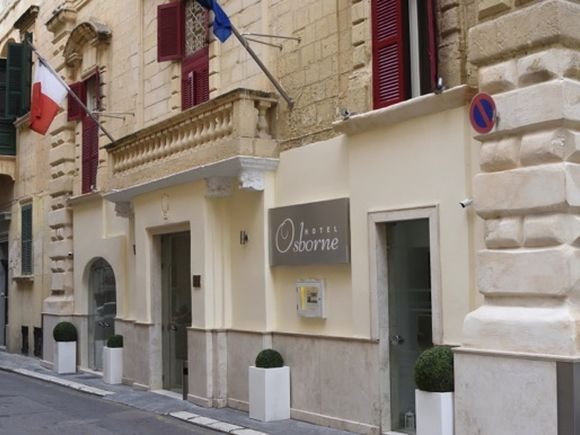
Close by, the Osborne fills a palace built by the Knight of St John with 63 tasteful bedrooms topped by a rooftop pool and sun loungers. It’s all old-school in the best sense of the word, with sewing and bathrobes left for guests’ disposal.
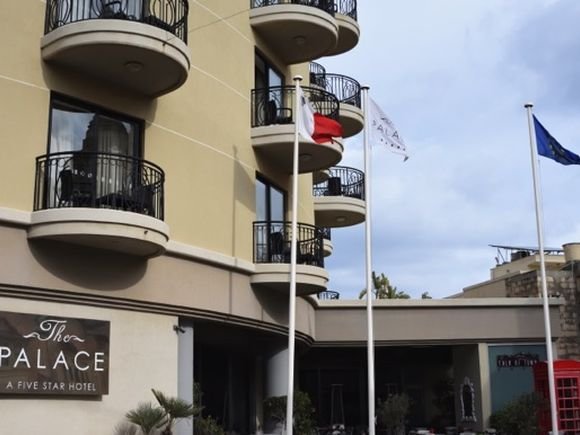
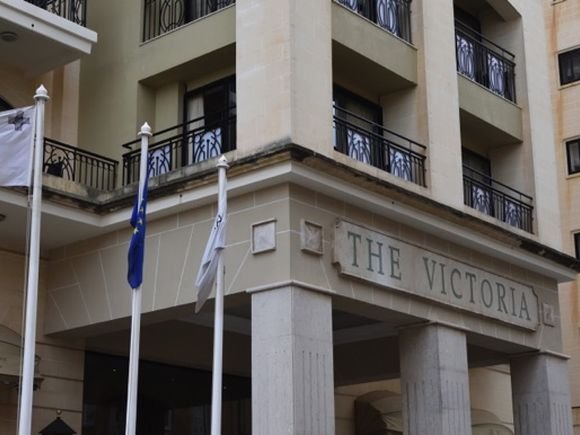
In the heart of Sliema, The Palace is the place to stay if budget isn’t an issue – and it’s currently offering a 20% discount with direct booking. For your €200+ for two, you’re treated to a five-star with a rooftop infinity pool, sauna and steam room, indoor pool and contemporary restaurant. The nearby four-star Victoria isn’t shabby either, with its own pools and gym, restaurant and Penny Black pub.