Proud of their heritage, once nomadic Cray Wanderers can now build a bright future
Abraham Lincoln will soon be elected president, triggering the American Civil War. Golf’s first Open Championship tees off in Prestwick. And, in this year of 1860, London’s first football club is formed.
Arsenal? Nope. Chelsea, Spurs? Wrong again. Surely not Charlton or Millwall? No, mate. The first football club in London was… Cray Wanderers.
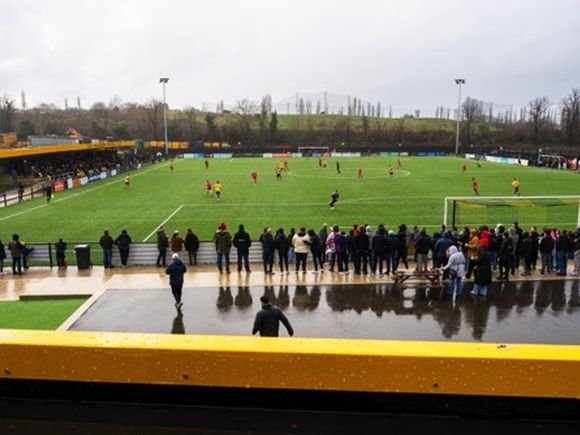
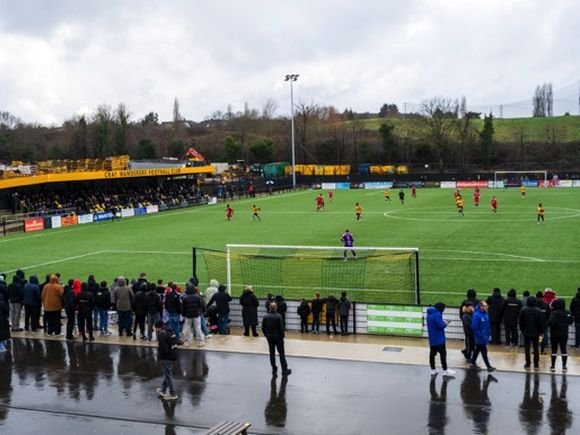
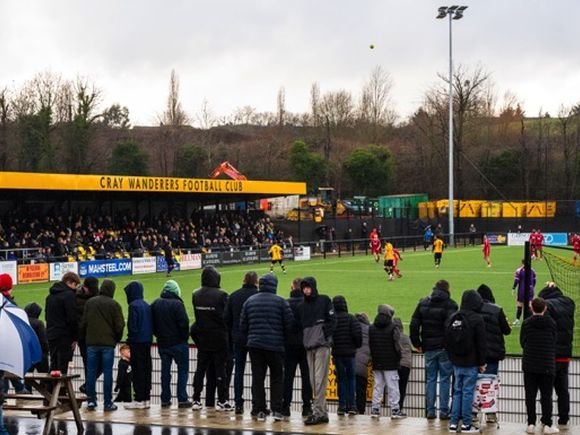
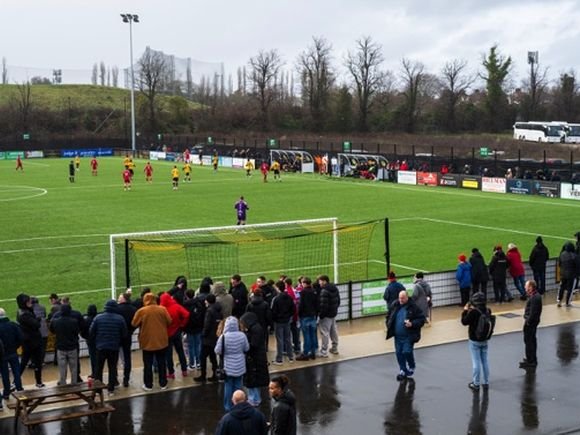
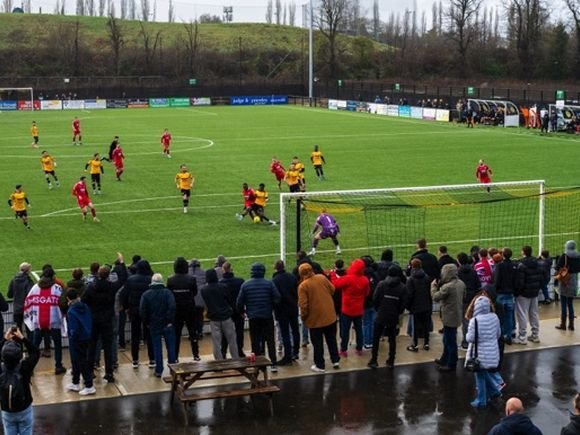
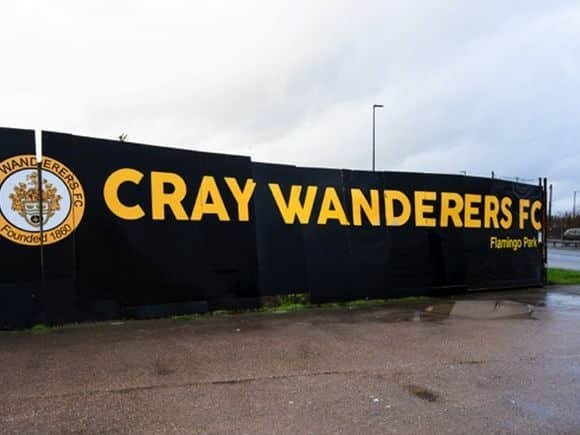
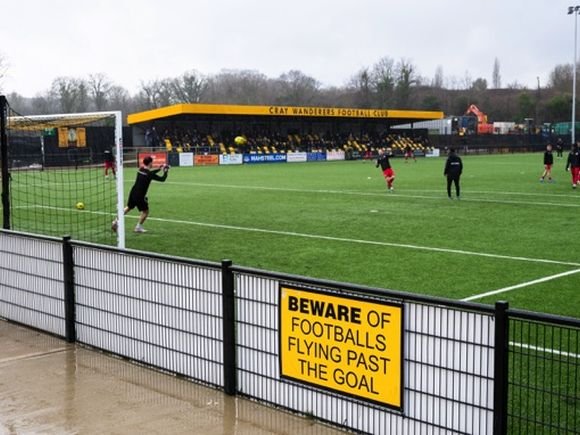
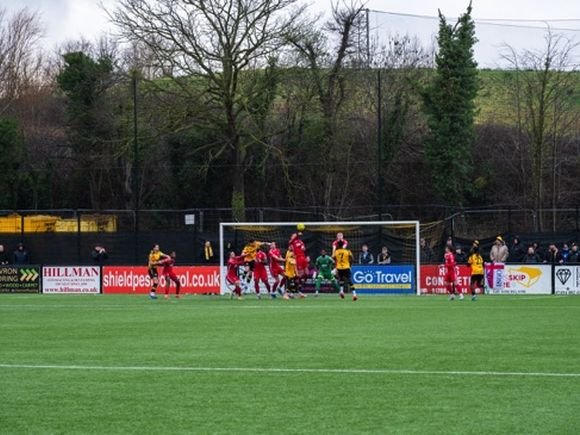
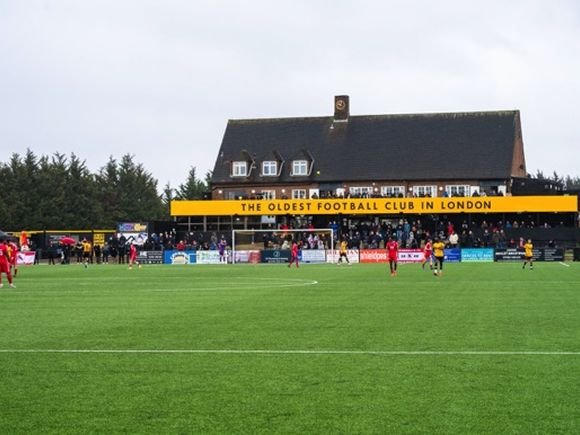
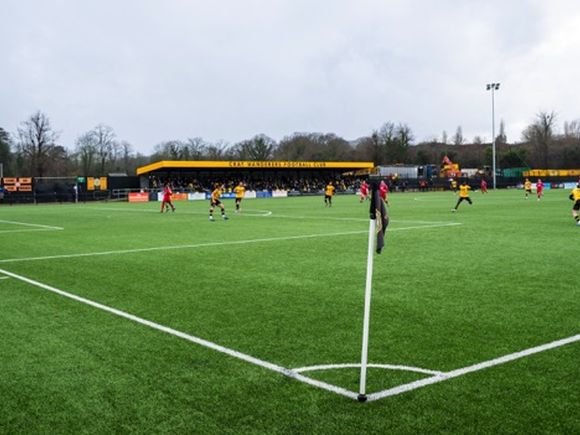
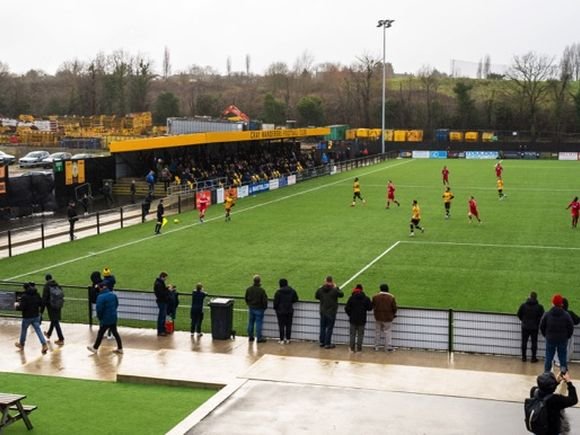
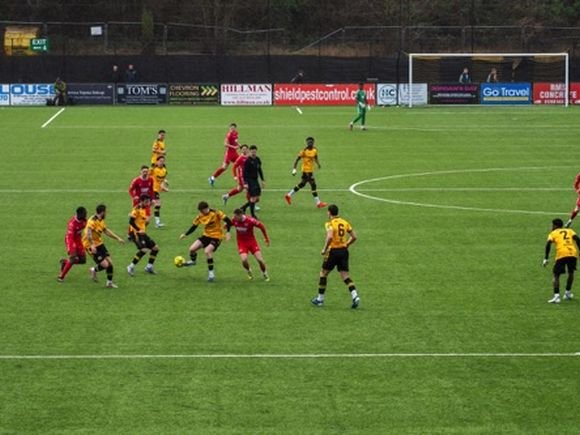
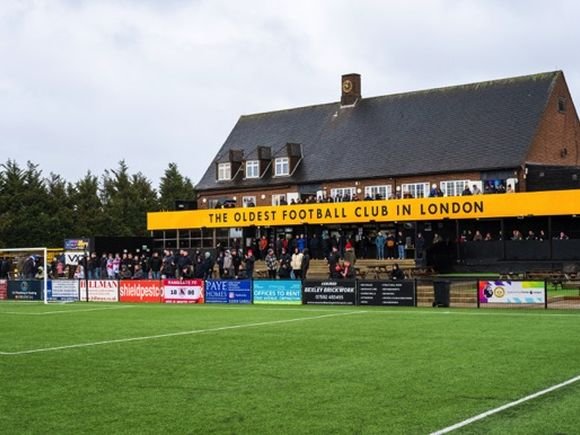
And, to see that history writ large, literally, go to a Cray Wanderers game at Flamingo Park. Currently just below the play-off places in the Isthmian Premier – promotion would mean joining the National League South – the Wands have only very recently set up at their own ground, after a nomadic half-century.
“Since the confirmed move to Flamingo Park in 2019, the club has sought out a broader fan base around the Boroughs of Bromley, Bexley, Greenwich, Lewisham and beyond,” Wanderers press officer and long-term fan Mark Hunt tells Libero. “In particular, those fans from our traditional heartlands of St Mary and St Paul’s Cray. As Wanderers had been playing in Bromley, those residents might have been unaware of our success.”
Flamingo Park/Brian Aldrich
Flamingo Park/Brian Aldrich
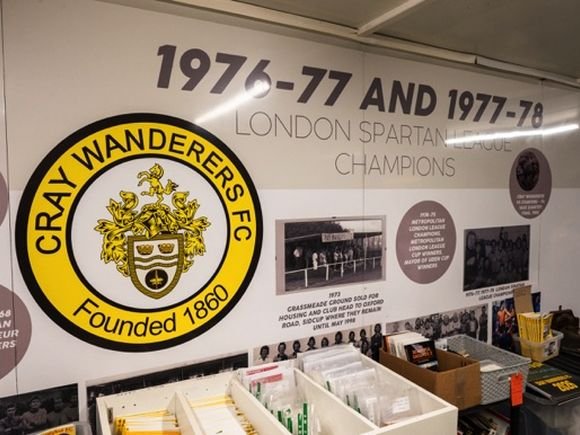
Cray Wanderers shop/Brian Aldrich
Flamingo Park/Brian Aldrich
Flamingo Park/Brian Aldrich
The return of this prodigal club to its roots completes one of the longest journeys in football – one that began, suitably enough, with the development of the railways in early Victorian England.
In 1858, the London, Chatham & Dover line was being extended to go through the village of St Mary Cray. Migrant workers were duly brought in to build the imposing, nine-arch viaduct that still looms over the High Street today, conveying commuters from the suburbs nearly 170 years later. This sleepy corner of Kent only became subsumed into the Borough of Bromley, Greater London, in 1965.
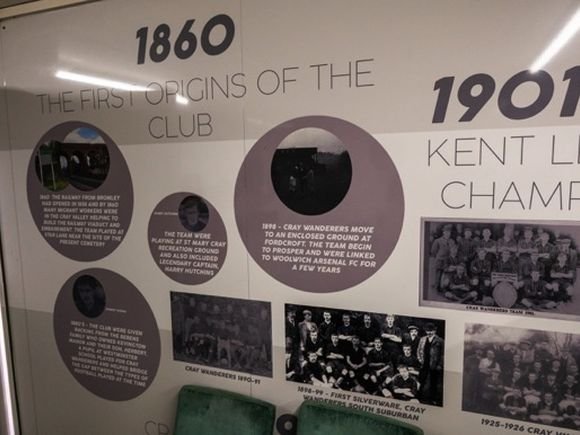
In their lunch breaks, the railway labourers would kick a ball about and eventually in 1860, along with a few villagers, started a club on Star Lane in St Mary Cray. Today, it’s a cemetery.
“What form of football was played is not known as the rules of the game were still fragmented across different codes across the country,” says Mark, who has delved deep into the archives to find these nuggets of information in the club history.
“It would probably have been pretty basic compared to the oldest club in Sheffield, which stemmed from an educational background.”
Flamingo Park/Brian Aldrich
Flamingo Park/Brian Aldrich
Flamingo Park/Brian Aldrich
Flamingo Park/Brian Aldrich
Flamingo Park/Brian Aldrich
The team played local friendlies but by the mid-late 1880s, the men in chocolate and amber were taking on opponents at a more competitive level.
The changing room was in Barnard’s Coffee Tavern in the village high street, a quarter mile from the ground. Workers from the paper mills provided most of the support as industry expanded.
Local newspaper reports referred to the club simply as St Mary Cray. It was not until 1887 that Cray Wanderers became the name and the Wands the nickname, possibly a nod towards those itinerant labourers of the late 1850s.
An emerging force in Kent County football and a nursery club for Woolwich Arsenal, Wanderers became founder members of the two-division Kent League in 1894, winning the championship in 1902.
Moving to a permanent home at Fordcroft and changing colours to amber and black, Cray Wanderers enjoyed a period of stability either side of World War I until their ground was sold in 1936.
Flamingo Park/Brian Aldrich
Cray Wanderers shop/Brian Aldrich
Flamingo Park/Brian Aldrich
Flamingo Park/Brian Aldrich
Flamingo Park/Brian Aldrich
Nearly going under in the aftermath, the club was rescued by a local businessman new to the area, Mick Slater, whose £50 gave Wanderers a new lease of life after the war.
It was Slater who oversaw the move from the temporary home of Northfield Farm to a revered regular one at Grassmeade, and accession to the London League, then the Metropolitan League. Crowds would gather in healthy numbers to watch Wanderers take on the A teams of Tottenham, Arsenal and West Ham.
The sale of Grassmeade spelled the end of this golden period. Unable to join one of the top non-professional leagues in the days before direct promotion and relegation, unable to find a home ground, the club suffered another terrible blow when Mick Slater died suddenly in 1974, exactly a year after the last game at Grassmeade.
Over the course of the next 50 years, Cray Wanderers settled in Sidcup, lost a century’s worth of history in a fire and began a groundshare with Bromley in 1998.
Mark takes up the story: “Around 1994-95, things were looking desperate. Attendances at Oxford Road – Wanderers’ long-term refuge at the Sidcup Conservative Sports & Social Club – were poor, the team had started season badly and in October 1994, the club chairman stepped down and the manager left.”
Flamingo Park/Brian Aldrich
Cray Wanderers shop/Brian Aldrich
Flamingo Park/Brian Aldrich
Cray Wanderers shop/Brian Aldrich
Flamingo Park/Brian Aldrich
“The club was in a terrible quandary. A young local businessman, Gary Hillman, was approached to be a temporary chairman while other avenues were being explored. A new manager and players were brought in and relegation was avoided”.
“But like Mick Slater before him, Gary was looking to make Cray Wanderers self-sustainable and stable while other local clubs such as Darenth Heathside, Alma Swanley, Slade Green, Swanley Furness fell by the wayside.”
“The temporary chairman saw potential in the club and carried out improvements to the Oxford Road ground to make it a bit more habitable and acceptable for Kent League rules.”
The benefits, sadly, were short-term. “At the start of 1997-98, the authorities announced that clubs without floodlights would not be accepted into the Kent League. Cray would have been demoted to the backwaters of the Kent County League as they couldn’t receive permission from the Conservative Club to install lighting. Moving quickly, Gary used his connections to local business and with the people at Bromley FC, the senior club in the borough, to negotiate a groundshare.”
Flamingo Park/Brian Aldrich
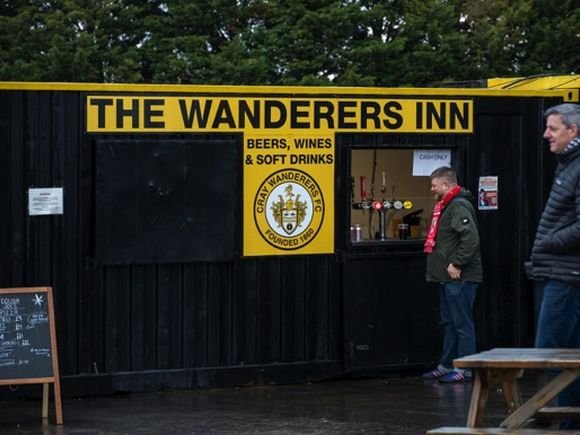
The Wanderers Inn/Brian Aldrich
Flamingo Park/Brian Aldrich
Flamingo Park/Brian Aldrich
Flamingo Park/Brian Aldrich
In May 1998, Cray Wanderers played their last game at Oxford Road and set up at Hayes Lane the following August.
The move would prove fortuitous. Rising to the restructured Isthmian League Division One in 2004, Wanderers crossed paths with their Bromley landlords and AFC Wimbledon, both members of the Football League today.
In 2009, in a feat that not even Mick Slater was able to achieve, Cray Wanderers reached the prestigious institution of the Isthmian Premier and the seventh rung of the league pyramid.
“After surviving our first season up, we decided to celebrate our 150th anniversary. We commissioned a new kit in retro Victorian chocolate and amber. We took part in a pre-season tournament at Sheffield FC, between the world’s three oldest clubs, along with Hallam FC.”
In a more contemporary twist, Cray won the tourney on penalties. More significantly, the event reminded many of Cray’s unique heritage and the club’s importance to the area.
Flamingo Park/Brian Aldrich
The Wanderers Inn/Brian Aldrich
Flamingo Park/Brian Aldrich
Cray Wanderers shop/Brian Aldrich
Flamingo Park/Brian Aldrich
Behind the scenes, chairman Gary Hillman tried to pull more strings. “He knew the club needed to get back home, so he sought planning permission for a new ground at Sandy Lane in sister village, St Paul’s Cray. Despite a solid proposal which seemed to tick the right boxes, the project was rejected by Bromley Council due to Green Belt concerns.”
After this setback, while Wanderers were losing their way in the Isthmian Premier, Hillman was focusing his attention on a ground in Sidcup which the long defunct National Dock Labour Board once used at weekends: Flamingo Park.
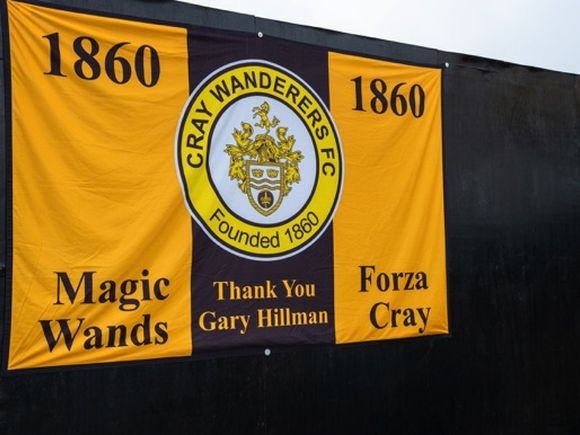
Initial planning permission was granted in 2014, revised, then, after a rousing speech from Gary Hillman himself, ratified in 2018. On November 26, 2019, he received notification that there were no reasons to turn down his proposal for a second time. “The best phone call ever!” he immediately Tweeted. “Football’s coming home!”
The previous spring, the Wands had secured the Isthmian South-East title at Hayes Lane, in the same month that they had been declared owners of the land at Flamingo Park – and Hillman was celebrating his 25 years in charge of the club as stopgap chairman.
Flamingo Park/Brian Aldrich
Flamingo Park/Brian Aldrich
Flamingo Park/Brian Aldrich
Flamingo Park mural/Brian Aldrich
Flamingo Park/Brian Aldrich
With a first-ever full-time manager joining in 2022, ex-Bromley boss Neil Smith, Wanderers went on to reach the play-offs of the Isthmian Premier but succumbed to Hornchurch on penalties in the semi-finals.
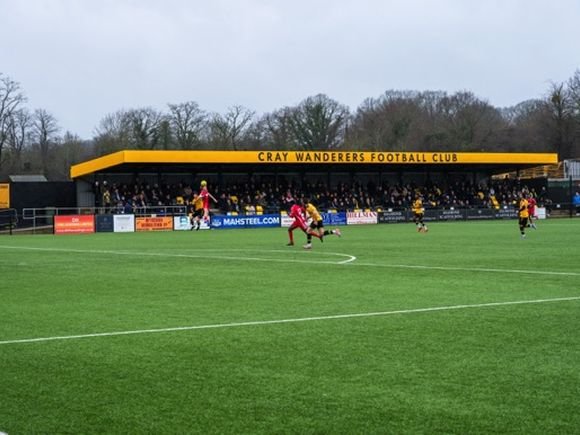
The new ground was already taking shape, with grass pitches laid for Cray’s youth and girls’ sides, serving the 30 teams overseen by the club. Before the seniors started out in 2023-24, it was announced that by 2024-25, Cray would finally be playing at their own ground for the first time since 1973.
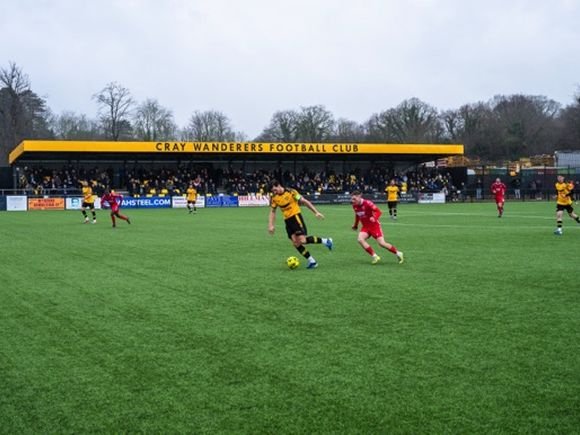
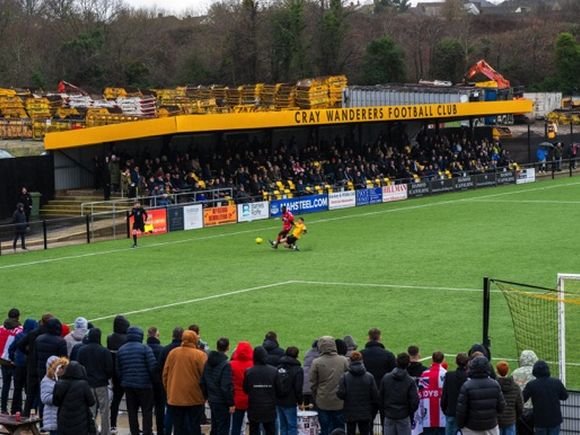
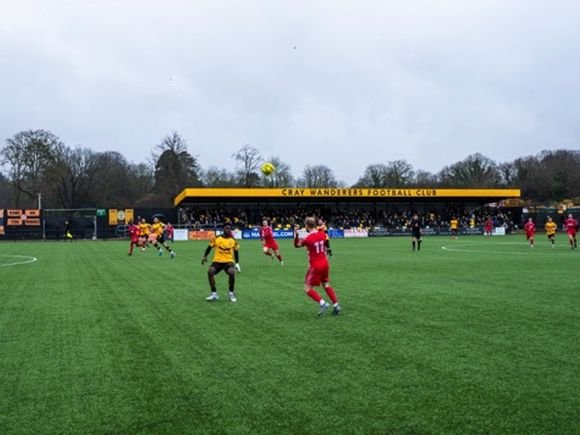
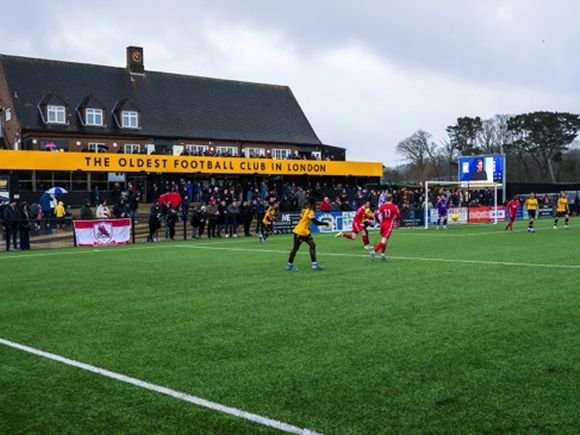
That winter, floodlights were installed and the women’s team were the first to grace the new 3G pitch in February 2024. The men took on Corinthian Casuals under the lights in March, before pre-season friendlies included matches against Sheffield FC and Bromley, Millwall and Crystal Palace XIs, each connected to Cray by history or geography. The visit of a Tottenham Hotspur XI drew a crowd of 1,000-plus.
Flamingo Park/Brian Aldrich
The Wanderers Inn/Brian Aldrich
Flamingo Park/Brian Aldrich
Flamingo Park/Brian Aldrich
Flamingo Park/Brian Aldrich
Fittingly, the first home league match that August was against near neighbours Cray Valley Paper Mills, formed in 1919 as the Nash works team in St Paul’s Cray. Surviving a similarly nomadic existence as their hosts, the newly promoted Millers have been based at the Badgers Sports Ground in Eltham since 1998.
As Wanderers have always been at least one rung above Paper Mills, this stadium opening was a first meeting between the Cray teams – both with histories dating back well over a century and yet, strangely, both only now seeking a local fan base.
A crowd of 840 gathered for this first derby, won by the ambitious visitors, 2-0. A rivalry had been sparked. “With the anticipation of the new ground, there has been a new generation of fans who are from the Crays,” explains Mark Hunt.
Flamingo Park/Brian Aldrich
The Wanderers Inn/Brian Aldrich
Cray Wanderers shop/Brian Aldrich
Flamingo Park/Brian Aldrich
The Wanderers Inn/Brian Aldrich
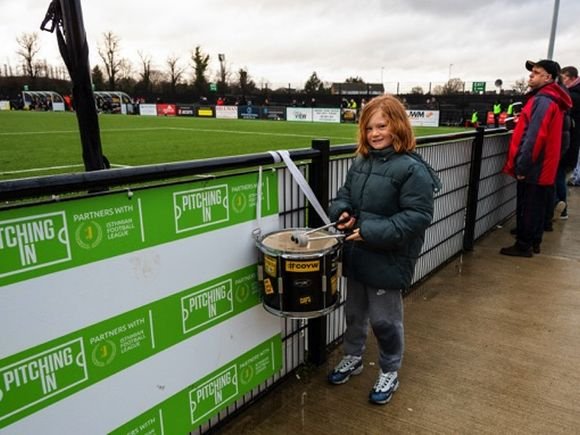
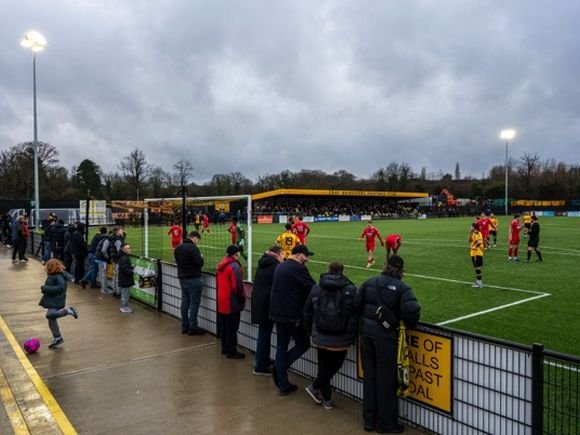
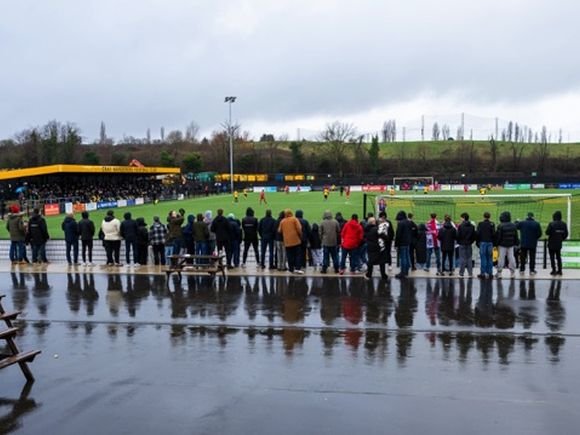
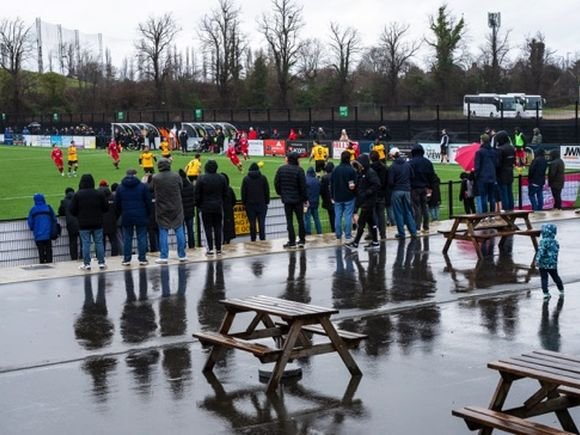
“They were also attracted by a free season ticket for the first season at Flamingo Park in 2024-25 for local residents. Average attendances are around the 450-500 mark now, and a whole lot better than the Hayes Lane years – and definitely better than those at Oxford Road when the club were struggling on and off the field.”
How times have changed. Seven points off a play-off place for the National League South, Cray Wanderers are more than just a non-league side on the up – they’re a historic institution and London’s most unique groundhop.
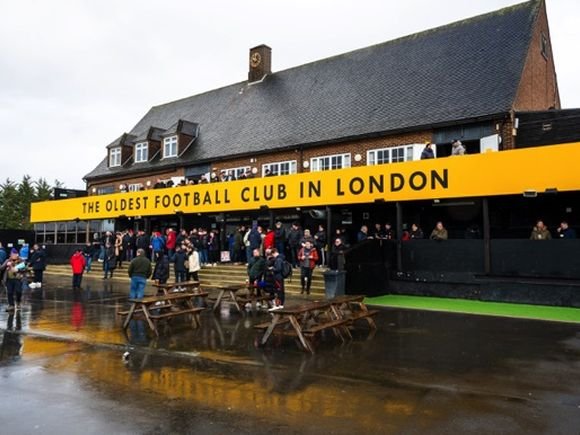
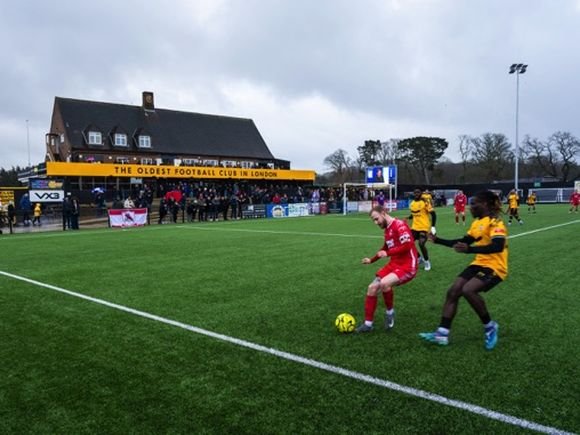
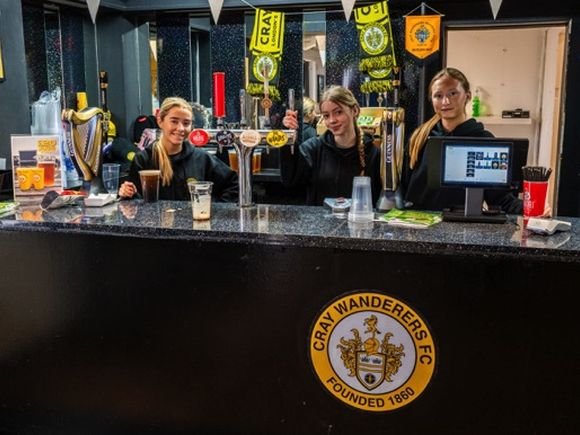
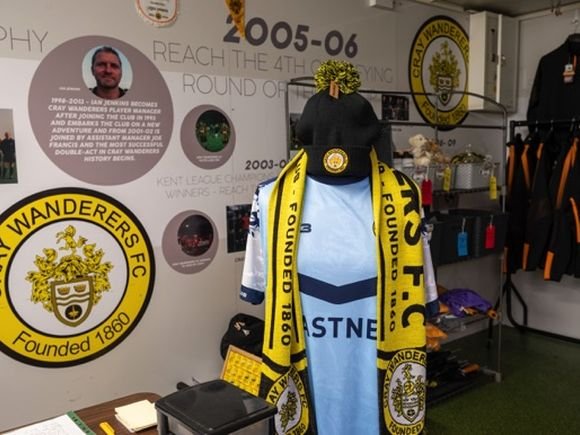
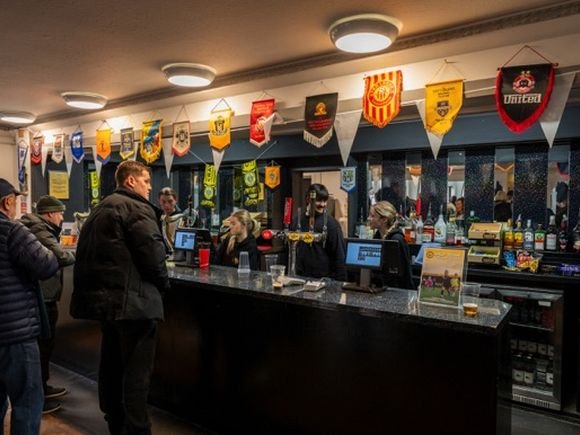
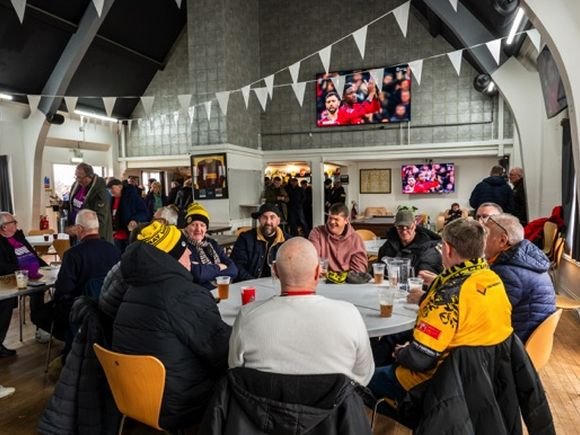
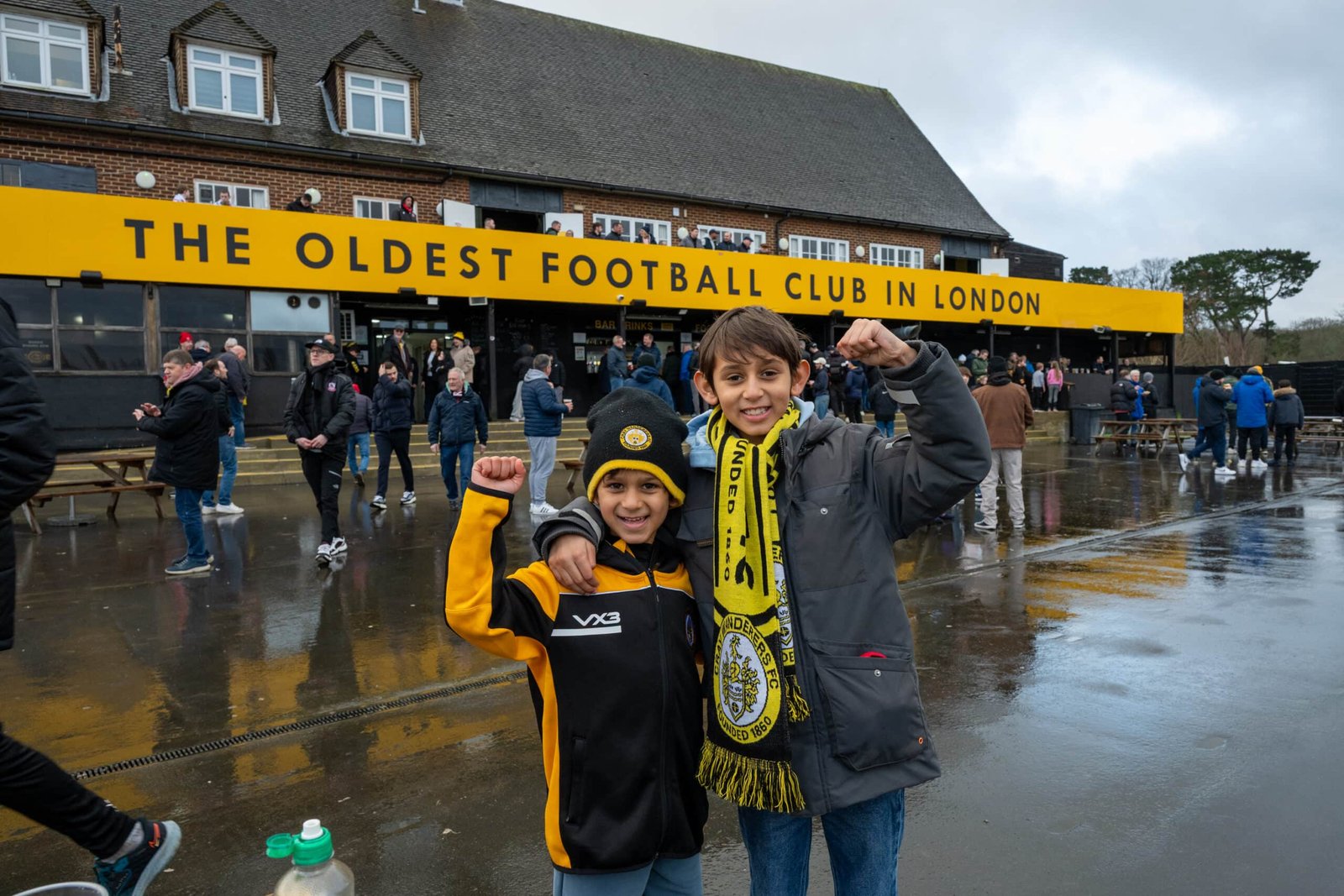
“We welcome many to the ground who have London’s Oldest Football Club at the top of their list of places to visit.” Though transport links aren’t the best, few leave disappointed, with a convivial main bar (note the pennants), a well-stocked shop (check out the timeline display of Wanderers history) and affordable football, up close and intimate.
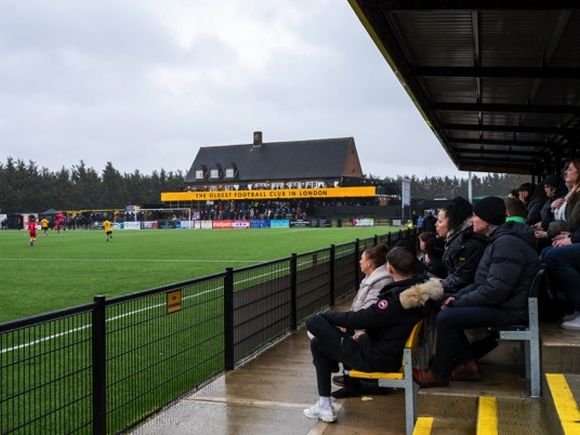
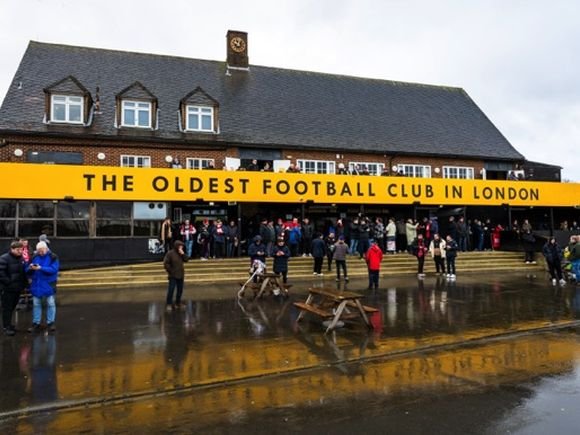
And, of course, across the suitably venerable clubhouse, a huge sign in signature amber and black is emblazoned: THE OLDEST FOOTBALL CLUB IN LONDON.
Cray Wanderers, Flamingo Park, Sidcup By-Pass, Chislehurst, BR7 6HL.
We use cookies on our website to give you the most relevant experience by remembering your preferences and repeat visits. By clicking “Accept All”, you consent to the use of ALL the cookies. However, you may visit "Cookie Settings" to provide a controlled consent.
This website uses cookies to improve your experience while you navigate through the website. Out of these, the cookies that are categorized as necessary are stored on your browser as they are essential for the working of basic functionalities of the website. We also use third-party cookies that help us analyze and understand how you use this website. These cookies will be stored in your browser only with your consent. You also have the option to opt-out of these cookies. But opting out of some of these cookies may affect your browsing experience.
Necessary cookies are absolutely essential for the website to function properly. These cookies ensure basic functionalities and security features of the website, anonymously.
Cookie
Duration
Description
cookielawinfo-checkbox-analytics
11 months
This cookie is set by GDPR Cookie Consent plugin. The cookie is used to store the user consent for the cookies in the category "Analytics".
cookielawinfo-checkbox-functional
11 months
The cookie is set by GDPR cookie consent to record the user consent for the cookies in the category "Functional".
cookielawinfo-checkbox-necessary
11 months
This cookie is set by GDPR Cookie Consent plugin. The cookies is used to store the user consent for the cookies in the category "Necessary".
cookielawinfo-checkbox-others
11 months
This cookie is set by GDPR Cookie Consent plugin. The cookie is used to store the user consent for the cookies in the category "Other.
cookielawinfo-checkbox-performance
11 months
This cookie is set by GDPR Cookie Consent plugin. The cookie is used to store the user consent for the cookies in the category "Performance".
viewed_cookie_policy
11 months
The cookie is set by the GDPR Cookie Consent plugin and is used to store whether or not user has consented to the use of cookies. It does not store any personal data.
Functional cookies help to perform certain functionalities like sharing the content of the website on social media platforms, collect feedbacks, and other third-party features.
Performance cookies are used to understand and analyze the key performance indexes of the website which helps in delivering a better user experience for the visitors.
Analytical cookies are used to understand how visitors interact with the website. These cookies help provide information on metrics the number of visitors, bounce rate, traffic source, etc.
Advertisement cookies are used to provide visitors with relevant ads and marketing campaigns. These cookies track visitors across websites and collect information to provide customized ads.