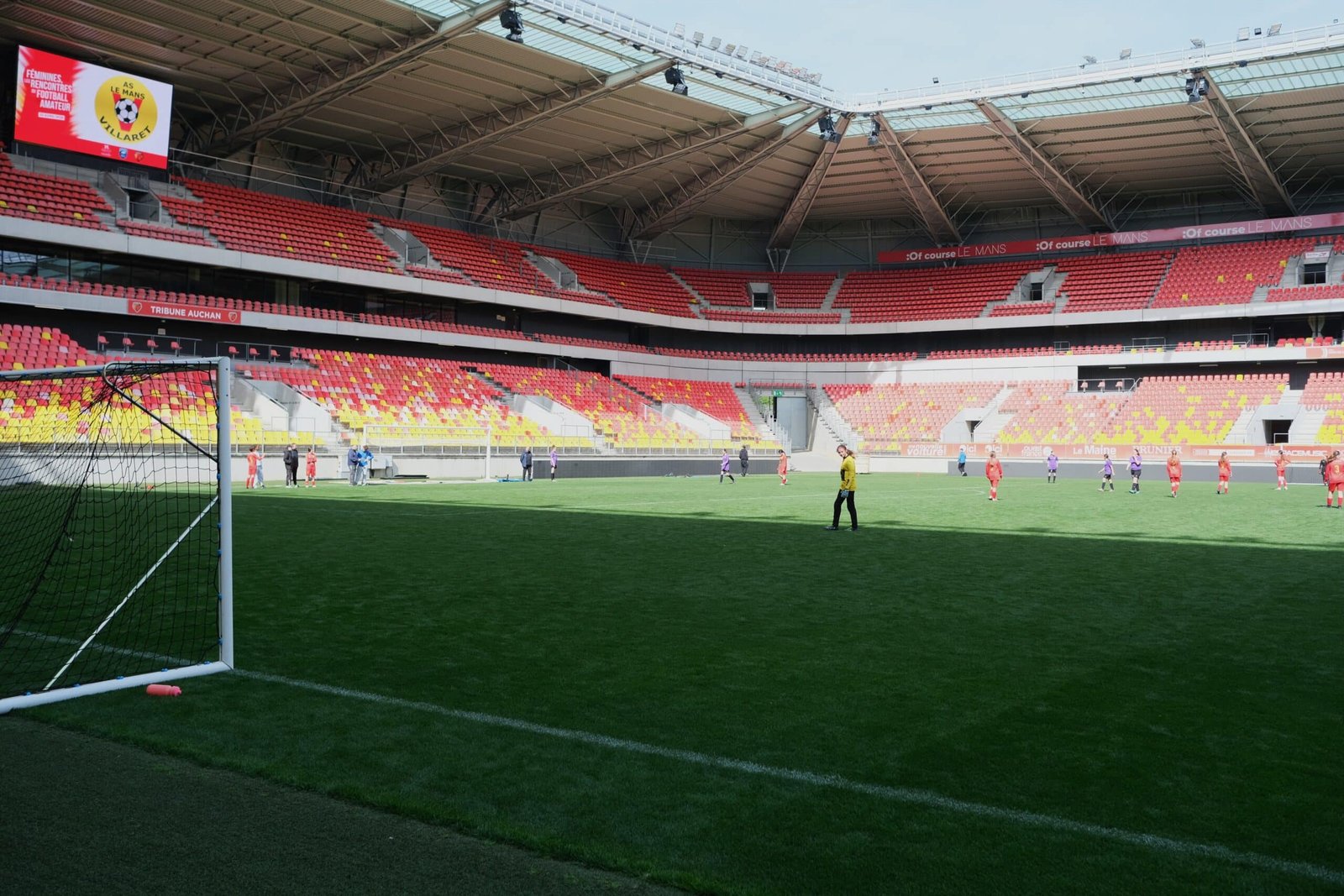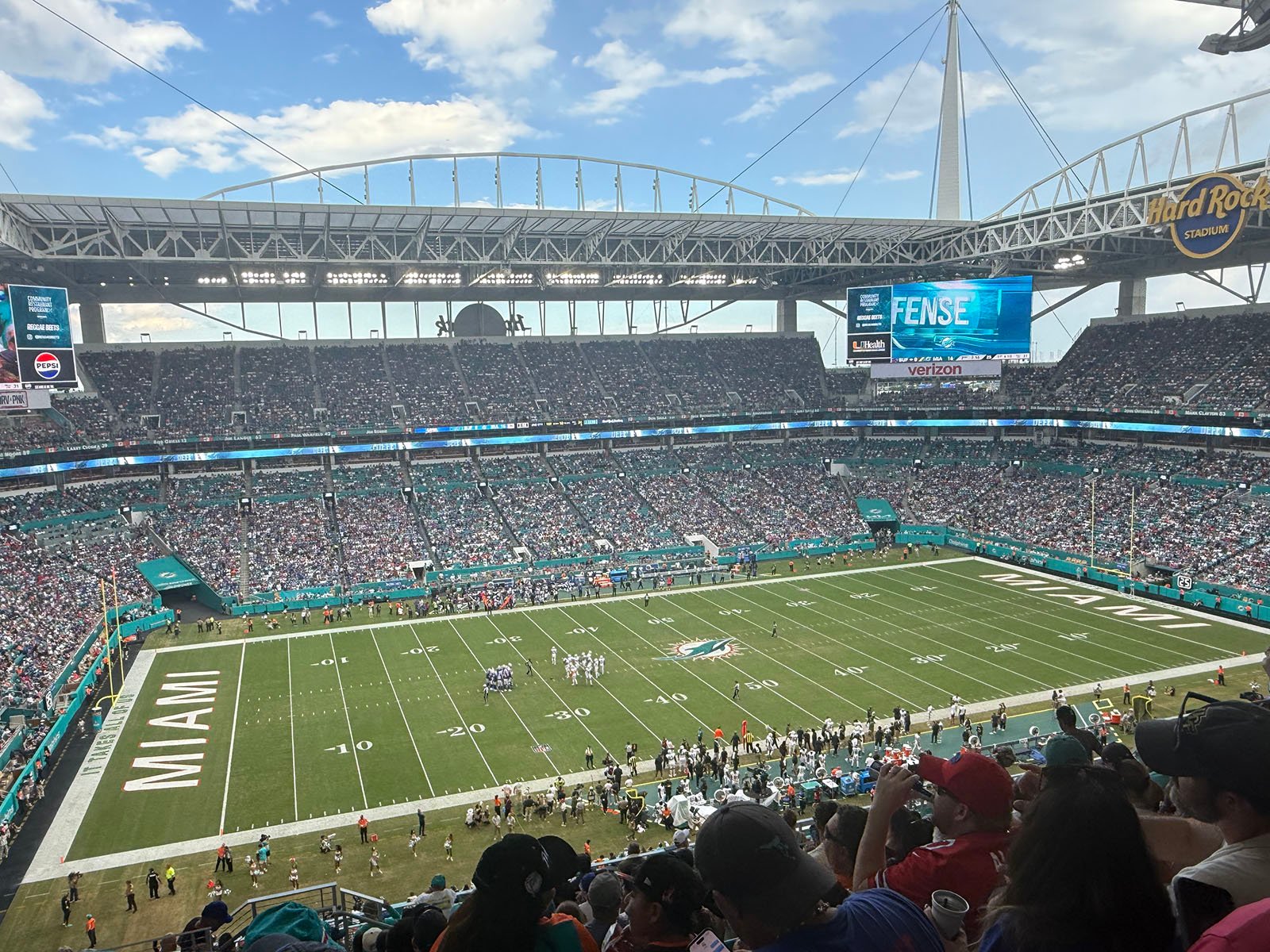
Itinerant Fan Edward de la Fuente treks coast to coast to visit all 124 major sports arenas
There have been almost as many Apollo astronauts as members of Club 124, sports fans who have stepped foot inside each stadium currently hosting all four major leagues in North America. While England has its 92 and Scotland its 42, for Americans, the golden goal involves a coast-to-coast odyssey and the arenas used for the NFL, NBA, NHL and MLB.
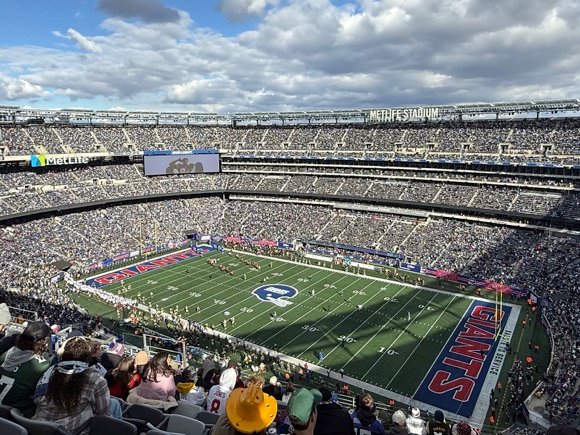
One recent inductee, Edward de la Fuente, not only reached the summit in November 2025 but his excellent website, Itinerant Fan, chronicles his travels with superb original stadium photography, detailed write-ups and entertaining reportage.
Now 49, this modest, likeable Angeleno started his journey 40 years ago as many of us did, being taken to a stadium as a boy: “I couldn’t believe being somewhere that could hold so many people. The stadium wasn’t even half full but the idea that 30,000 or 40,000 people could fit into this one place blew my nine-year-old mind.
From then on, whenever I watched sports on TV, every place had its own little personality. Now, when I go to a new place, I put myself in the shoes of the people who live there and experience what it’s like from their point of view – or at least imagine it.

The young Edward pored over the details, dates, stats and photos of the stadiums featured in a guide to the four major sports created by USA Today. In these days before MLS – of which more later – he dreamed of pitching up in one or two of these historic venues across the States and seeing them for himself.
“As I got into the college years and had a little money to travel on my own, I started thinking that it would be cool to go to every single one of these stadiums. It started from there. I tried not to make it a hard and fast goal because you could set yourself up for disappointment that way, having to do it a certain period of time. But as I got closer, I thought to myself, ‘This is fun!’ He decided to do as much of it as he could afford.
“At the time, it seemed a little more attainable as there were 28 or so team in each league, whereas now there are 30 or 32.” While European football associations operate as pyramid systems, promotion and relegation allowing clubs to climb divisions or sink to new lows – an anathema to most Americans, even followers of MLS – franchises for sports teams in North America can up sticks and move cities.
New stadiums are often built in suburban locations, and leagues are occasionally expanded. Just as MLS began with ten teams and currently comprises 30, so NHL jumped to 32 in 2021, with more expected over the coming decade.
For travelling fans such as Edward, it’s a moving target: “It used to be Club 122, now it’s 124. I’m pretty obsessive about looking at the different schedules for the various leagues, comparing and contrasting – so if I went to this certain city on this weekend, I have this period of time when I’m free, what can I see? I usually have a specific team or stadium I have to visit and build an itinerary around it. I’m going to Chicago in a couple of weeks to see the Cubs and the White Sox. Milwaukee is only 100 miles away – maybe I can go there and catch a game of some kind…”
Since Edward’s first sporting experience in 1986, a new element has come into play: Major League Soccer. “When MLS first started, I was in high school. I remember going to a few of those games, but they tried to adjust the rules to make it more appealing here, so the clock would stop, there were commercial breaks, and so on, but I think the league gained in popularity once it decided to be more like Europe, so the fans who got to know the game through the big European teams preferred it. Even though the stadiums aren’t really that big, 20,000 or 25,000 capacity, they’re full most of the time, they’re nearly all soccer-specific and have great supporter sections.”
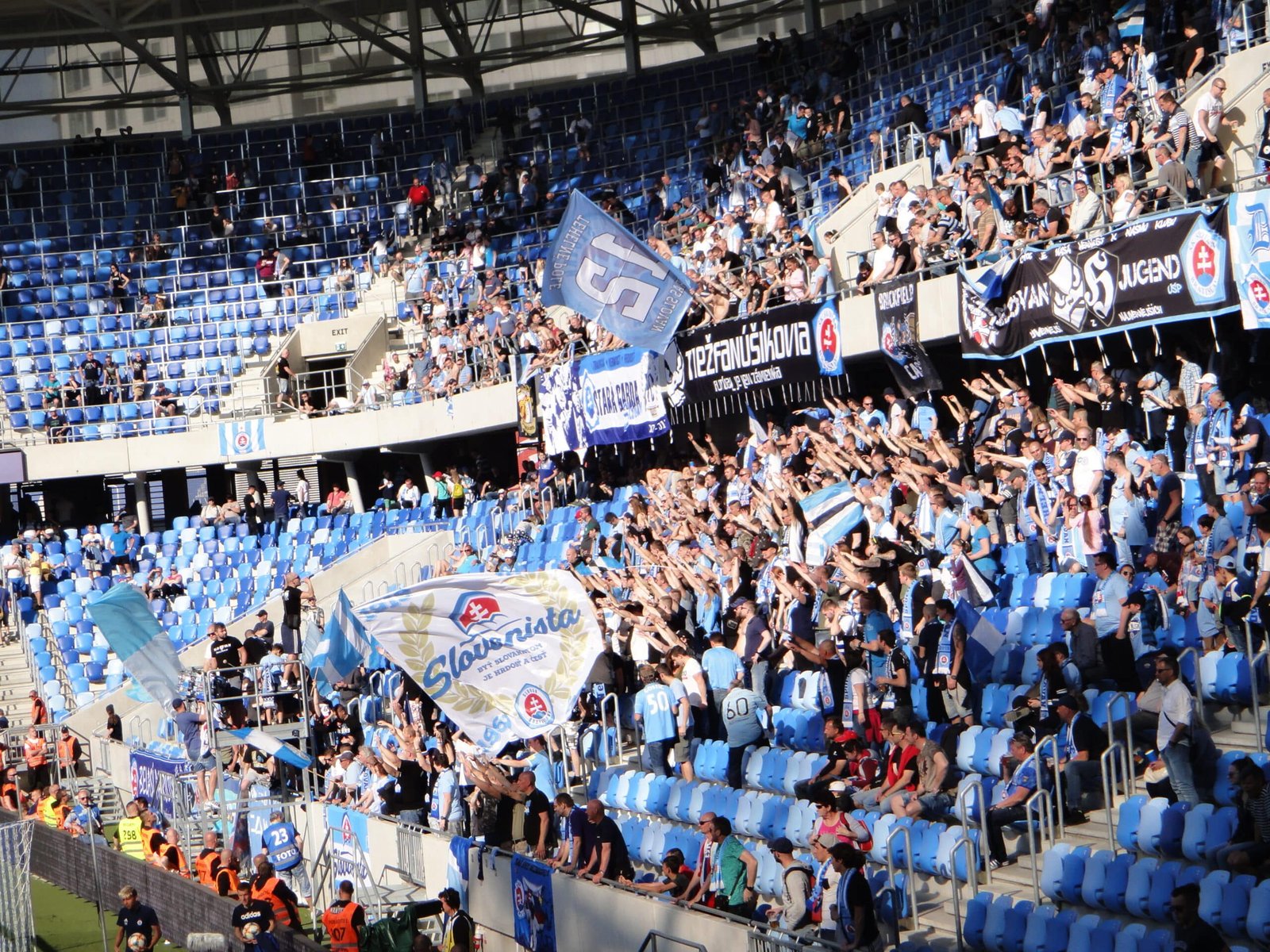
“I recently went to LAFC for the first time, you have your family-friendly areas, but you also have that one section behind the goal where there’s people beating drums, and flags waving, It’s not nearly to the same scale as in Europe, but the atmosphere is great, and the MLS clubs are doing a really good job of marketing. That’s definitely a growth opportunity for me. Some cities are better soccer-friendly than others – Seattle for one, Nashville, and I was surprised by how well Atlanta took to MLS. I was at Atlanta United and the whole lower tier was full and rocking.”
“A downtown location also helps – while LA Galaxy is the longer tenured club and more successful, LAFC is the hot new team on the block. And when Messi came over, that was like a watershed moment. More casual fans started taking it seriously. Son Heung-min is huge here in LA, for example.”
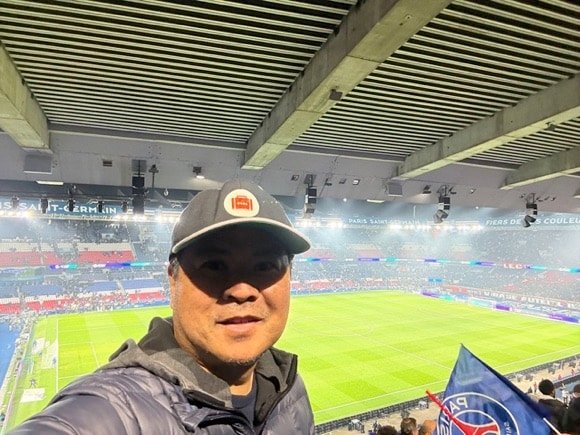
“Post-Covid, I’ve made it a point to focus a little more on international sports, so I’ve travelled to the big clubs in Europe, the Premier League, Camp Nou in Barcelona and the Parc des Princes in Paris. Those are truly foreign experiences to me. American sports fans still don’t know about the true passion of European football fans.”
“There’s such a difference. When I went to PSG, I hardly know a lick of French, but to go there and hear everyone chant in French, not knowing a thing of what they’re singing, I was absorbing it all, and it was totally awe-inspiring. I definitely want to experience more of that. I’ve been doing the US sports leagues for 30 years, I feel that I’ve maybe seen it all at this point, but the whole European stage is really new to me. I want to go deeper, to some of the lesser-known clubs, outside of the big leagues that get a lot of exposure.”
“Sourcing tickets for the Premier League is harder than for the major American sports. I’ve bought memberships for several different clubs in order to get in. That’s a foreign concept to the US sports fan but it beats paying four or five times as much on the secondary market. Anything outside of England, though, is generally fine. PSG wasn’t that hard, even for a game against Marseille.”
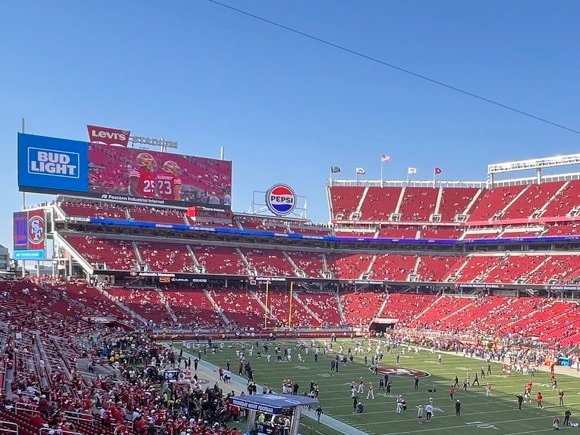
Edward, like many of us, is saddened by current trends: “It’s all becoming more corporate, catering to the rich. They try and sell experiences. Food outlets at stadiums are like restaurants these days, they give you these massive portions, more food than you want, and you have to pay twice as much as you care to, but that’s your only choice. A lot of people just want to pay $20 for a ticket, get into the game and enjoy it. You can’t do that nearly as much any more.
On the plus side, ever more sports fans in the States are travelling from their home cities – and out of their comfort zones. While few fans will follow their team to every single game away from home all season, especially abroad, there’s a growing fascination for experiencing new stadiums.
“A ritual for a lot of fans is to see one road game. The distances are much greater here – but just the idea of seeing a different environment appeals to a lot of folk. The NFL is now moving more games abroad – they’ve been playing in London for a long time, now it’s going to Brazil, France, and so on. Fans are getting a lot of exposure to different parts of the world through the NFL.”
So what does Edward look for in a stadium? “In general, the overall fan experience. How easy it is to get there, especially if you don’t have a car. Also what’s nearby… for a lot of fans, the experience is the pre-game, going to a bar nearby or tailgating.”
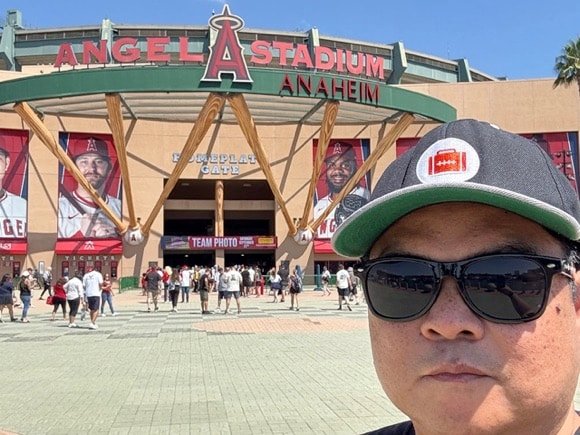
“And then once inside, I feel that a lot of these stadiums are in a kind of an arms race in terms of providing the best food, the best experience. Good venues make it so that you don’t have to sit in your seat all afternoon to have a good time. There should be good standing room spots to watch from there every so often. Also, good food and drink outlets without being wildly expensive, good angles from the cheaper seats. If I’m right at the top, I still want to be able to see the game.”
“Also, how well does the team manage the whole experience? In the end, what it comes down to is, ‘Is this better than watching it on TV? Do I get something out of paying to be here?’ I factor all of this into it. I shy away from a rating system but I do rank stadiums – I go by my overall experience. How much I enjoyed being there, and I think that’s different for everybody.”
“This has made me expand my horizons. I really want to make it inspire people, people who have been on the fence about going to see a team they’ve always supported or a stadium they’ve always wanted to visit. ‘I’ve always followed Manchester United but I live in the States so I’ll never get to see them.’ My question would be, ‘Why not?’. Maybe I can inspire them to do that. Hopefully my content already does that, and also motivates me to see more.”
“The key is that I still enjoy doing this after ten to 15 years of running my site – the day I stop enjoying it is the day I stop doing it. Hopefully that never happens.”
Edward’s site Itinerant Fan covers all major American sports in full, with comprehensive stadium and city guides, and ticket information.