New stadium echoes golden era and ushers in a new one
The field of dreams – and the story behind it
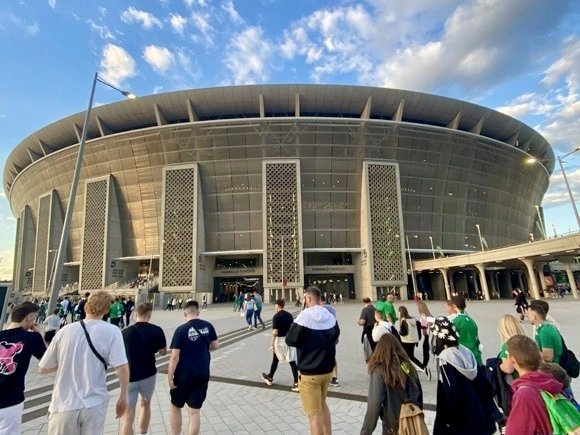
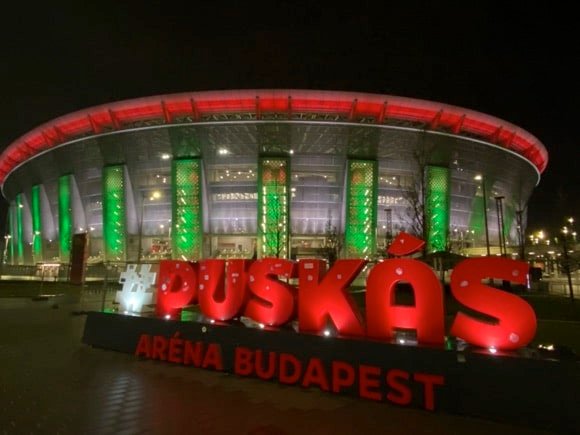
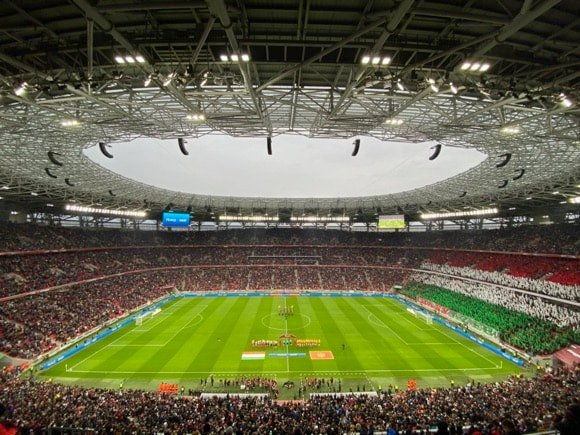
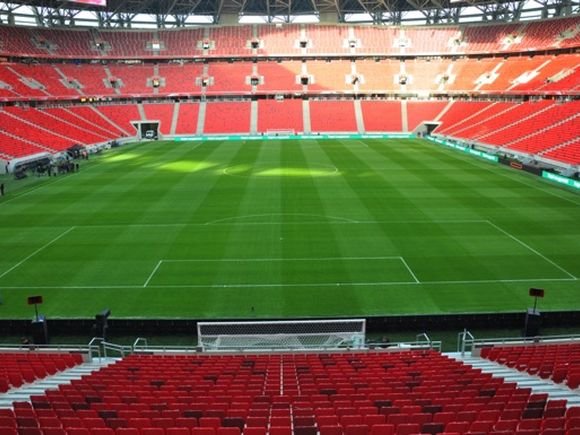
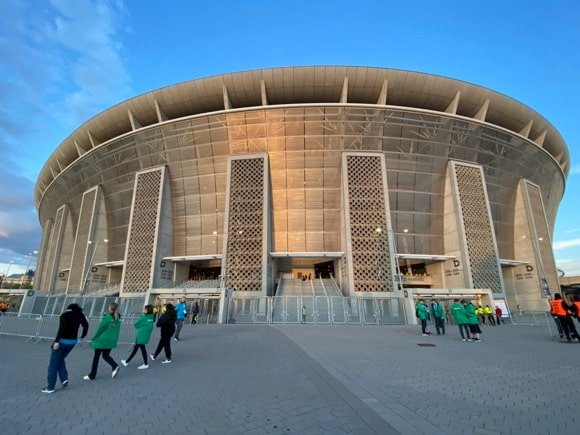
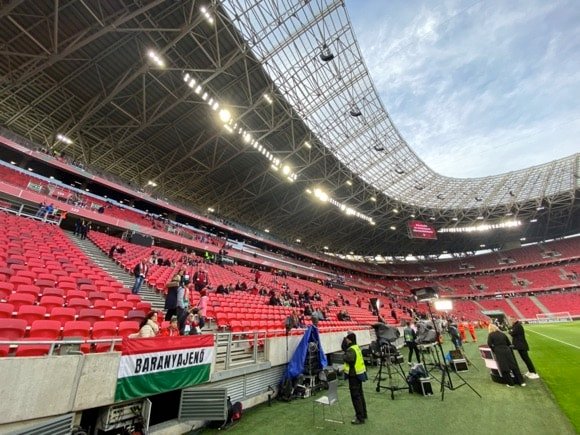
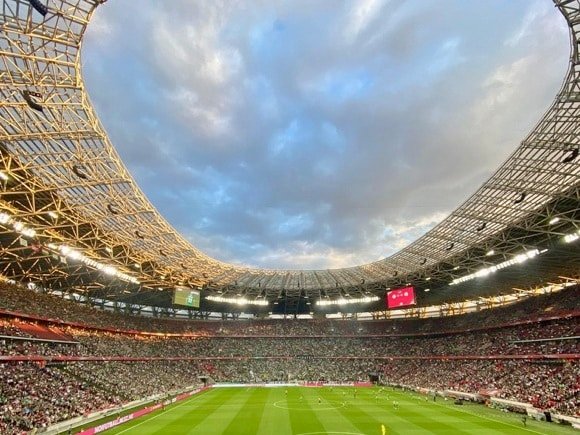
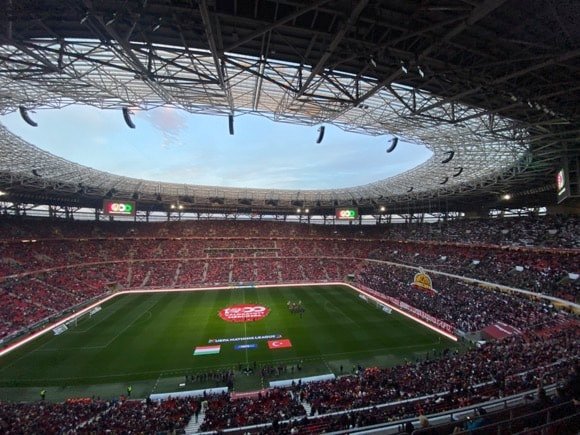
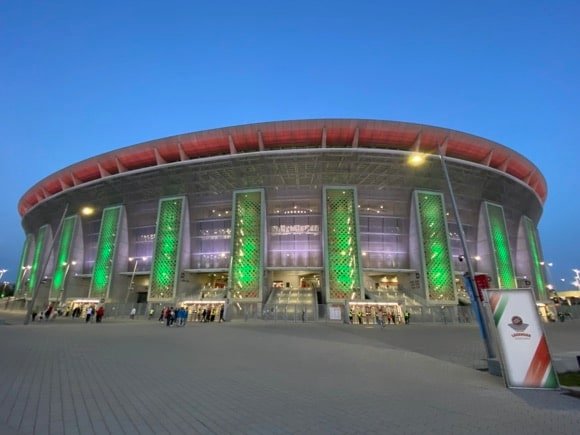
The Puskás Aréna is the second iteration of Hungary’s national stadium.
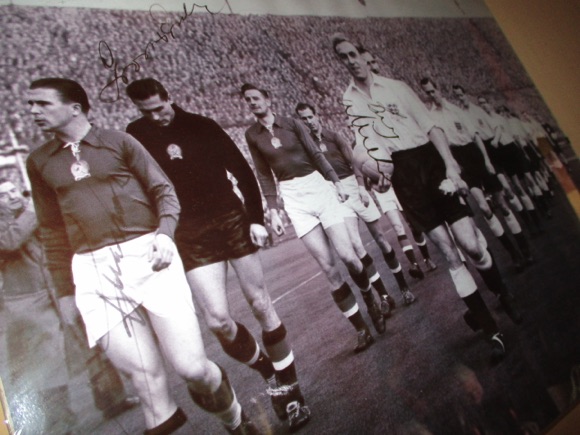
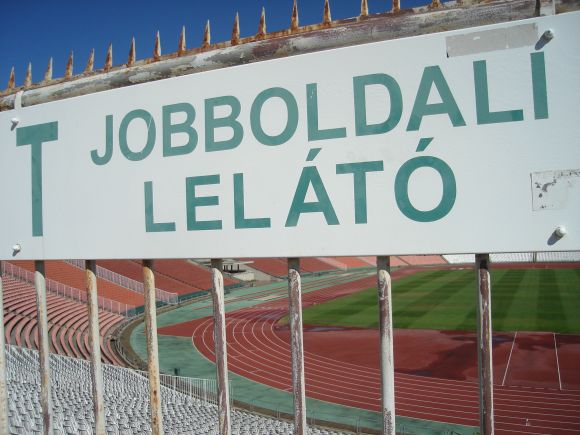
The first and most iconic, the Népstadion (‘People’s Stadium’) not only hosted the great stars of the early 1950s, they helped build it – motivational photos show Puskás and co lugging wheelbarrows full of bricks with hundreds of other volunteers. The stadium opened on Hungary’s national day, August 20, in 1953, with an exhibition game between Honvéd and Moscow Spartak. Nine months later, many of the same Hungarian players trounced England here, 7-1.
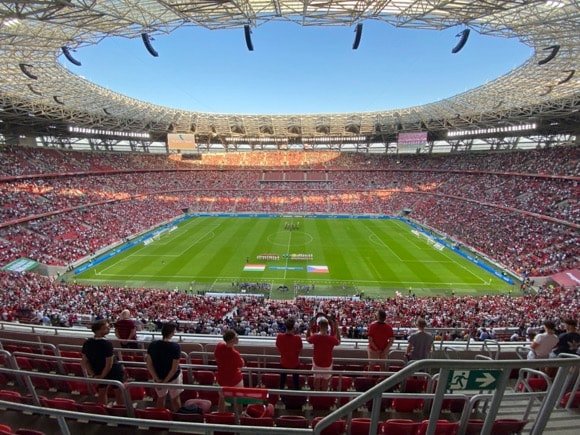
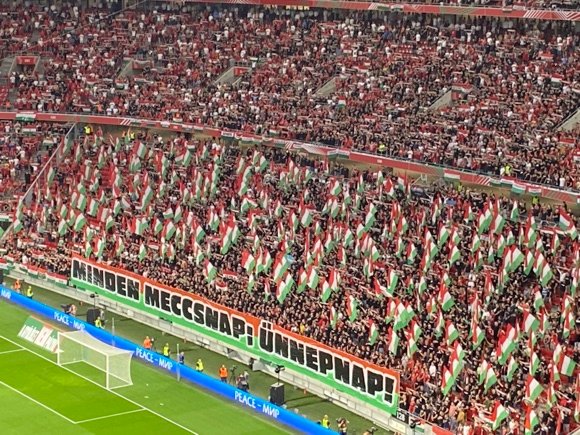
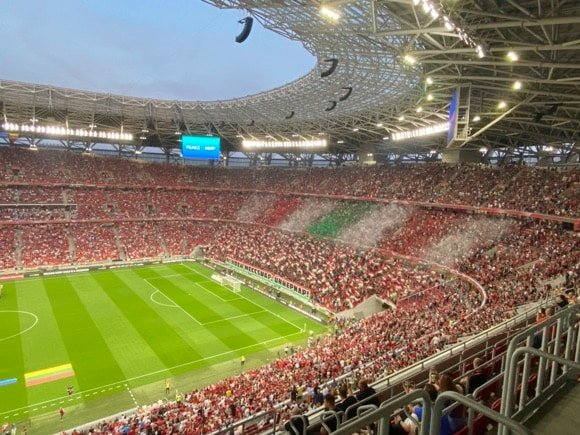
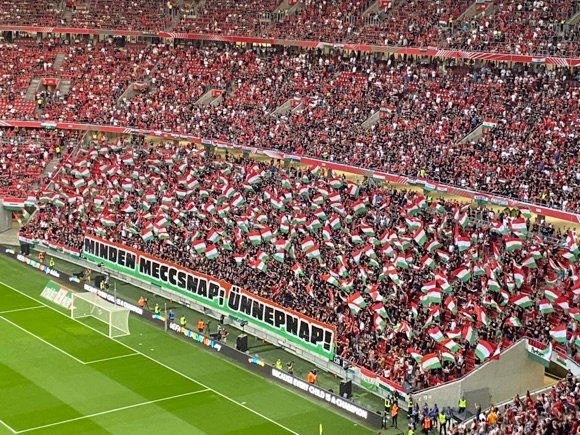
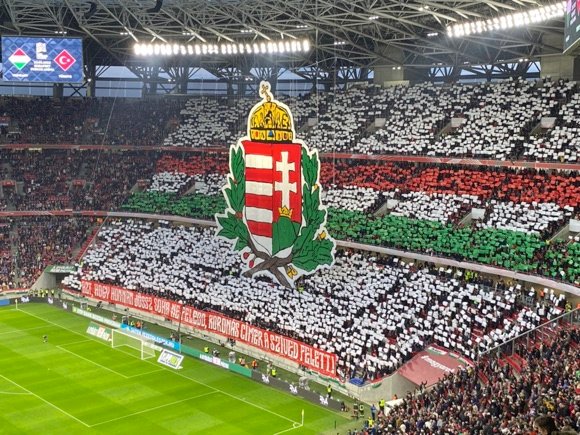
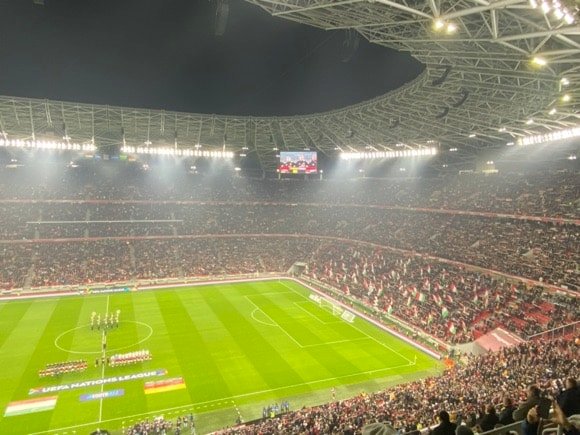
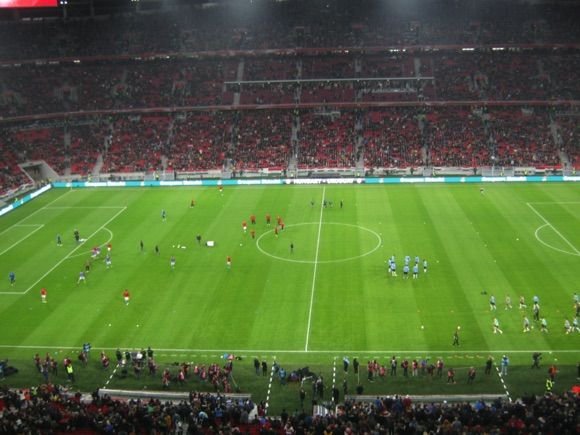
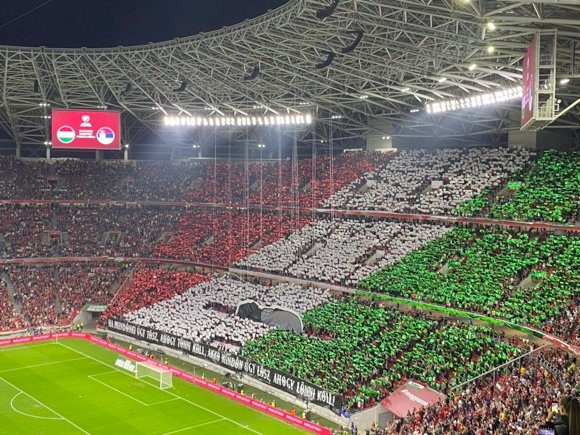
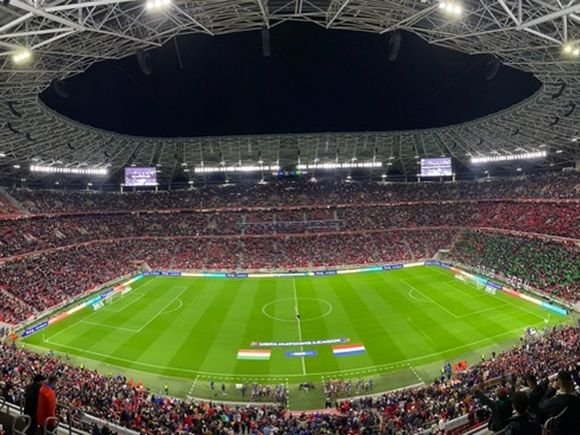
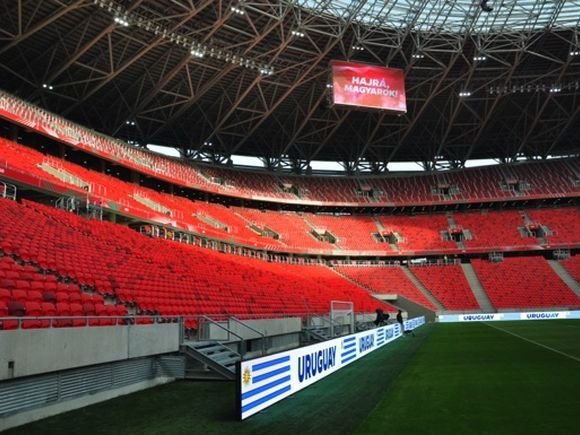
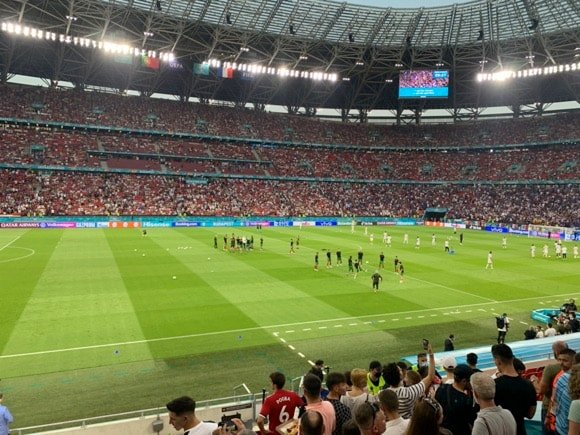
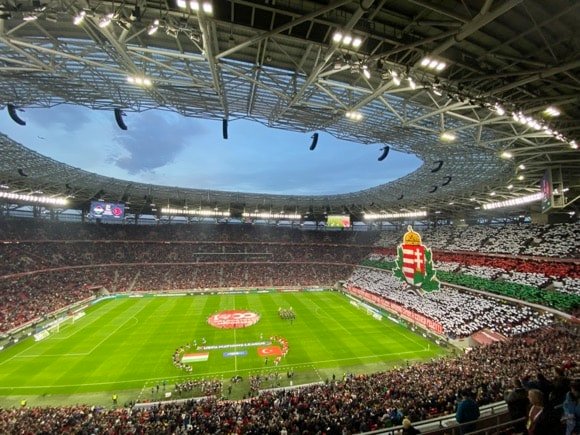
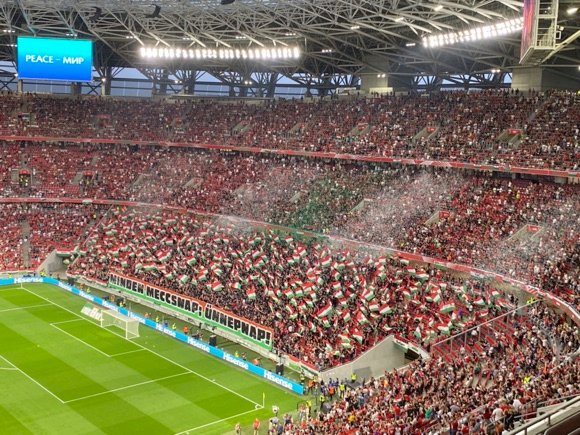
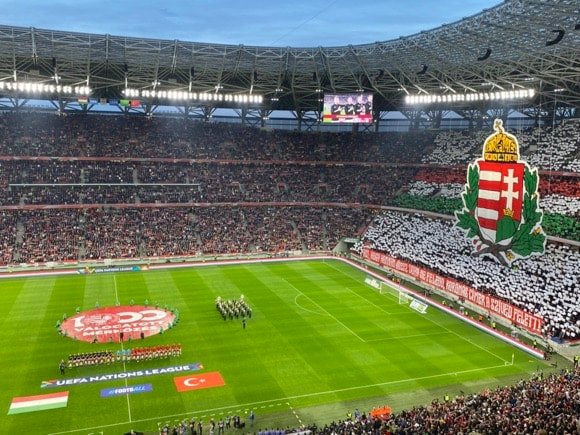
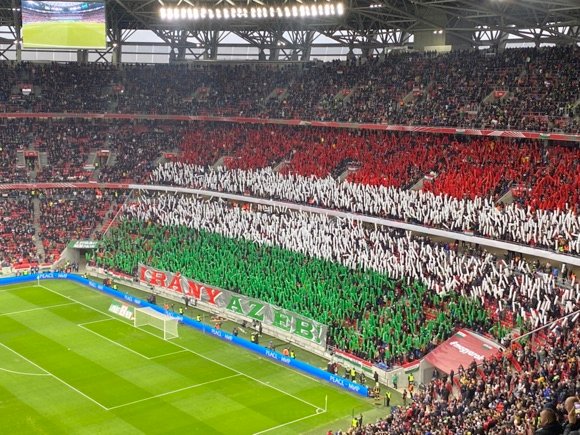
Fast forward nearly 70 years and Hungary’s national team again filled the national arena for a major occasion, this time the first international football tournament to be held in Budapest. Postponed for a year, Euro 2020 saw four matches played at the new-build Puskás Aréna, opened shortly before the pandemic with a curtain-raising fixture against Uruguay in November 2019.
A year later, the stadium empty, the golden boy of Hungarian football, Dominik Szoboszlai, scampered through a scattering Iceland defence to cannon a fierce long-range shot off the post and into the net to send Hungary to the Euro 2020 finals the country had spent so many years trying to co-host. In the desperate last seconds of a qualifying play-off, his timing was impeccable – a minute later, the final whistle blew.
Puskás Aréna/Joe Stubley
Puskás Aréna/Igor Spanjević
Puskás Aréna/Andy Clark
Puskas Aréna/Andy Clark
Puskás Aréna/Andy Clark
Puskas Aréna/Andy Clark
Puskás Aréna transport/Peterjon Cresswell
Puskas Aréna/Andy Clark
Puskas Aréna/Andy Clark
Puskas Aréna/Andy Clark
Puskas Aréna/Andy Clark
Puskás Aréna/Andy Clark
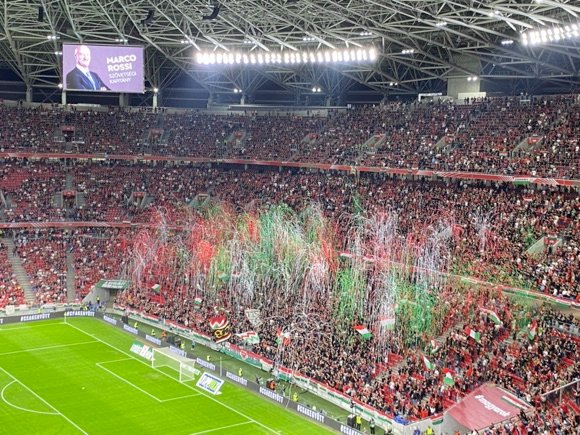
Although the Magyars had to wait more than 18 months to welcome European champions Portugal and world champions France in June 2021, a boisterous crowd limited to 56,000 hitting the roof when Attila Fiola gave the hosts the lead against the French, the Puskás Aréna had not been idle.
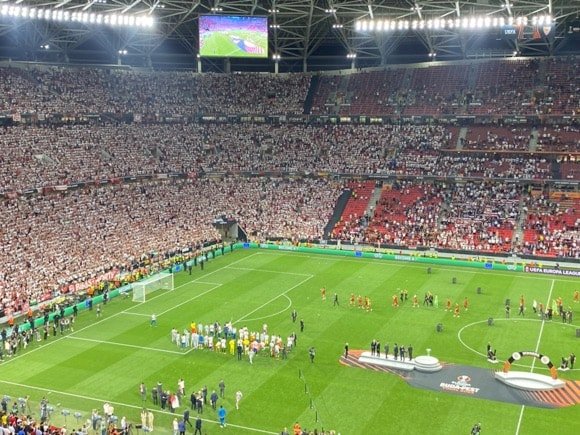
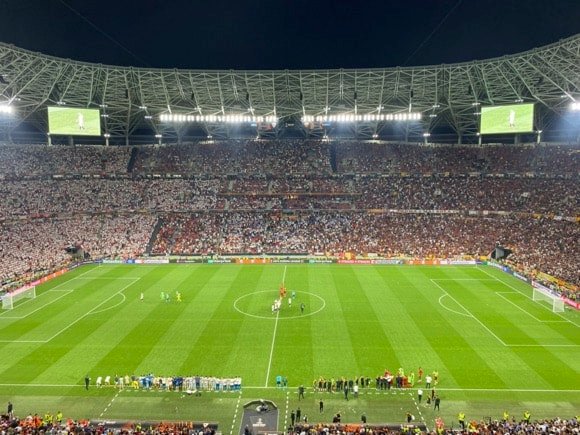
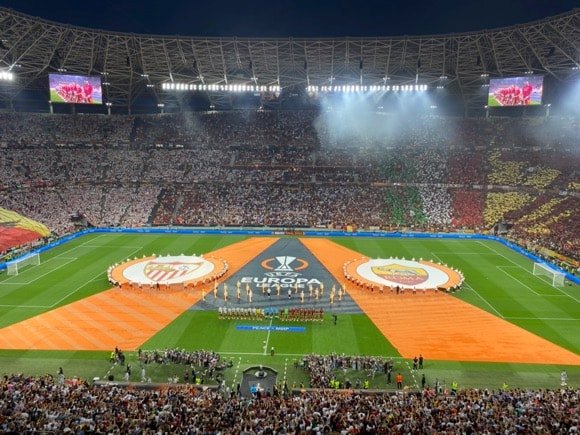
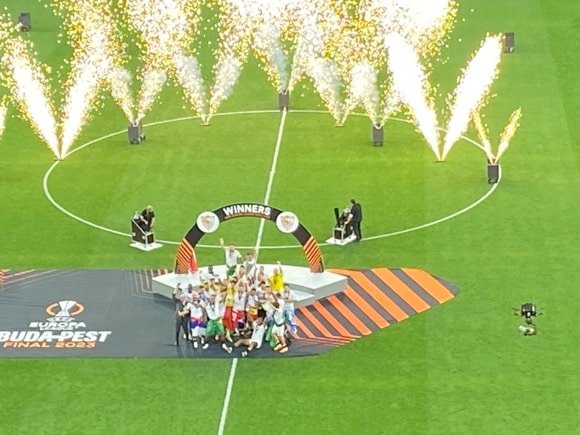
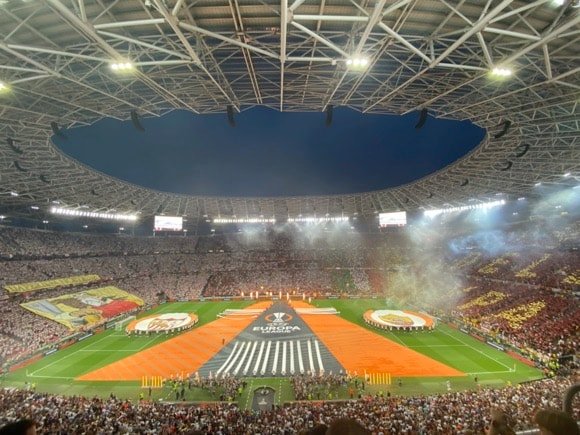
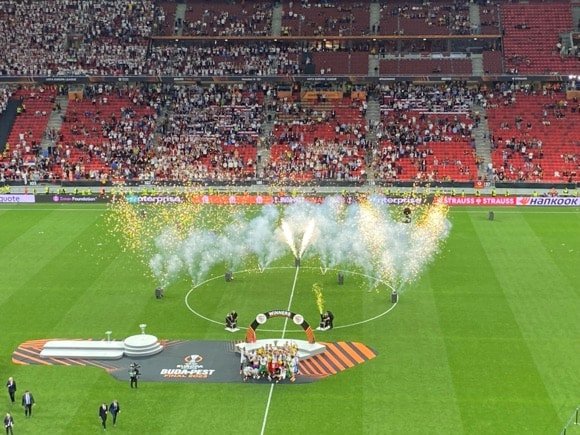
Pleasing UEFA by successfully staging the Super Cup between Bayern Munich and Seville, and European games involving Liverpool, Tottenham and Manchester City during the pandemic, Budapest was rewarded with hosting of the Europa League final in 2023.
With a national arena of 67,000 capacity in the centre of town, a short walk from the city’s main international train station and alongside its own metro station, in a capital brimming with excellent hotels, Budapest welcomed further good news in 2024 that it would host the Champions League final in 2026. Heritage, of course, was another factor.
Puskás Aréna/Andy Clark
Stadion Söröző/Peterjon Cresswell
Puskás Aréna/Andy Clark
Puskás Aréna statue park/Peterjon Cresswell
Puskás Aréna/Andy Clark
Népstadion/Peterjon Cresswell
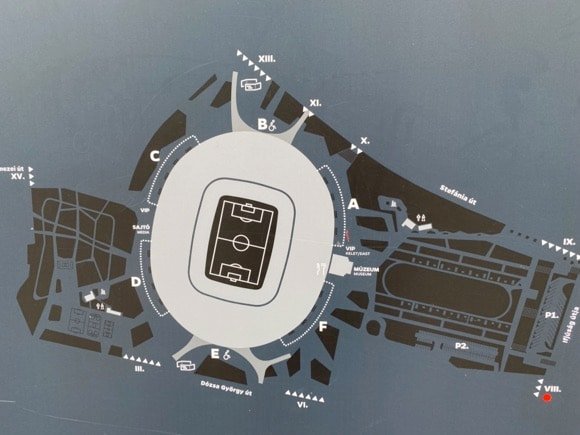
Puskás Aréna stadium plan/Andy Clark
Népstadion/Peterjon Cresswell
Puskás Aréna/Andy Clark
Puskás Aréna/Andy Clark
Puskás Aréna/Andy Clark
Puskás Aréna/Andy Clark
Built by the people for the people (nép), the former Népstadion was named after Hungary’s most famous footballing son in 2002. It was Puskás who strode out onto its turf for its first major international in 1954, Hungary’s 7-1 demolition of England.
He and his team had been part of the volunteers who had helped build it from 1948 onwards. When the Magic Magyars first set out on their unbeaten run, the nearby national Millenáris Stadium, built for the 1896 Hungarian Millennial celebrations, had long been surpassed by various club grounds as their main venue. Either side of World War I and II, the original Ferencváros stadium of Üllői út mainly did the honours, occasionally Hungária körút, where MTK played.
The notion of a Hungarian national stadium had been discussed as far back as 1896, when Budapest bid to host the inaugural modern Olympics that Athens eventually held. In the aftermath of World War I and the economic downtown, the project was put on ice, even when stellar architect Alfréd Hajós, the first Hungarian Olympian to win gold in 1896, then silver for stadium design in 1924, created a credible blueprint.
Hungarian Olympic & Sport Museum/Peterjon Cresswell
Puskás Aréna/Andy Clark
Puskás Aréna/Andy Clark
Puskás Aréna football statue/Peterjon Cresswell
Puskás Aréna/Andy Clark
Puskás Aréna/Andy Clark
Puskás Aréna/Andy Clark
Puskás Aréna/Andy Clark
Puskás Aréna/Andy Clark
Puskás Aréna transport/Peterjon Cresswell
Puskás Aréna/Andy Clark
That same year, the Hungarian Parliament issued a decree to construct a national arena and created a sports tax to pay for it. Various locations were considered – Margaret Island, the leafy Buda district of Pasarét, Népsziget where the Sziget music festival would be held from the 1990s on – but World War II put a stop to any further development.
Planned in the 1930s, the open bowl of the Népstadion was still on the drawing board when Hungary beat Austria 2-0 at Üllői út in August 1945. Much of Budapest lay in rubble. So keen were players and spectators to enjoy normality that the two old rivals played the very next day, the national holiday of August 20. The line-ups were almost the same with one stellar exception: that was when Ferenc Puskás made his national debut, scoring after 12 minutes.
By 1947, despite the political upheaval, football was enjoying a post-war boom. For another friendly with Austria that May, an official attendance of 37,000 crammed into the 25,000-capacity Üllői út, causing one of the stands to collapse. Though no-one was killed, hundreds were taken to hospital. It was clear that, after half a century of debate, and with huge interest in the national team, Hungary needed a national stadium.
Népstadion/Peterjon Cresswell
Puskás Aréna/Andy Clark
Puskás Aréna/Andy Clark
Puskás Aréna/Andy Clark
Puskás Aréna/Andy Clark
Népstadion/Peterjon Cresswell
Puskás Aréna/Andy Clark
Puskás Aréna/Andy Clark
Puskás Aréna/Andy Clark
Puskás Aréna/Andy Clark
Puskás Aréna/Andy Clark
Puskás Aréna/Andy Clark
As the Magic Magyars began to thump teams by five goals or more, and the incoming Communists took control of sport, the Népstadion featured on their first five-year plan in 1950. Working-class Újpest became the main venue for Hungary’s international fixtures in the interim.
Le Courbusier-influenced architect Károly Dávid duly finished work on the main terminal at Budapest airport (now referred to as Ferihegy 1 and sadly closed) and turned his attention to completing the Népstadion.
The site for this huge undertaking was a flat expanse of east Pest where a racecourse used to be. It sits just inside the third of three concentric ring roads that serve as major arteries around the Hungarian capital.
Puskás Museum/Andy Clark
Puskás Museum/Peterjon Cresswell
Puskás Museum/Andy Clark
Puskás Museum/Peterjon Cresswell
Puskás Museum/Peterjon Cresswell
Puskás Museum/Peterjon Cresswell
Puskás Museum/Peterjon Cresswell
Puskás Museum/Peterjon Cresswell
Puskás Museum/Andy Clark
Puskás Museum/Peterjon Cresswell
Seven on-site factories prepared the reinforced concrete, 2,500 tonnes of it, as tens of thousands of locals pitched in to provide free labour. By the time Puskás and his men joined their fellow volunteers to carry bricks, the players were already folk heroes.
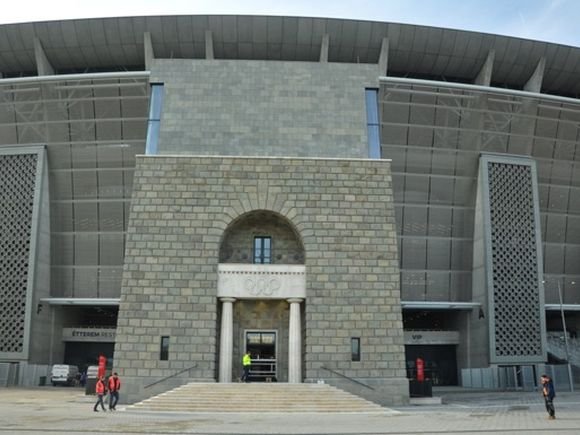
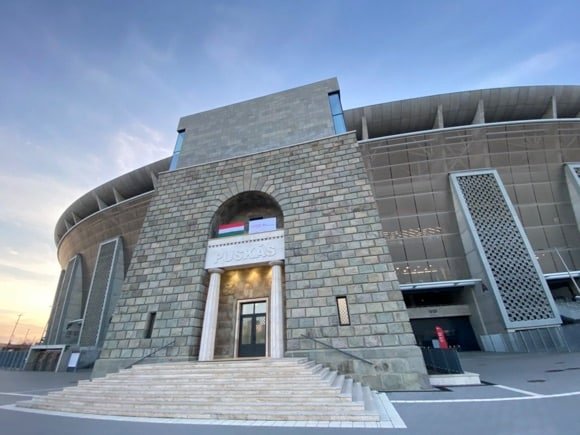
Recently appointed head of the National Olympic Committee Avery Brundage watched the grand opening of the stadium from the press seats, the Communist leadership in the VIP balcony unwilling to sit alongside the virulently anti-Communist American. Access for dignitaries was through a tower on the east side of the arena, still in place today but now housing the Puskás Museum (seebelow).
Capacity, originally set for 70,000, would creep up to 100,000 and even break that figure when 104,000 watched the Mitropa Cup final here between Vasas and Rapid Vienna in 1956.
Népstadion/Peterjon Cresswell
Hungarian Olympic & Sport Museum/Peterjon Cresswell
Puskás Museum/Andy Clark
Puskás Aréna/Andy Clark
Puskás Aréna/Peterjon Cresswell
Puskás Aréna/Andy Clark
Puskás Aréna/Andy Clark
Puskás Museum/Andy Clark
Népstadion/Peterjon Cresswell
Puskás Aréna/Andy Clark
Puskás Aréna transport/Peterjon Cresswell
Ten days before the Match of the Century at Wembley in November 1953, Hungary warmed up with a somewhat shaky 2-2 draw at home to Sweden, the crowd of 80,000 at the newly opened Népstadion heading home afterwards with serious doubts about the upcoming marquee fixture in London. Crafty Hungarian manager Gusztáv Sebes had the Sweden game played using heavier football imported from England to acclimatise his men to conditions over the Channel.
Perhaps the most vital preparation came shortly before the big day, with Sebes pulled a few strings with his old mates at the Renault car factory at Boulogne-Billancourt, just outside western Paris, for the works XI to take on the then Olympic champions of Hungary. It would prove to be a worthwhile detour.
Happy for the run-out after days of kicking about rain-sodden footballs with trepidation, Puskás and the boys notched up an 18-0 win without even breaking sweat, and the next day checked into the Cumberland Hotel by Hyde Park in London full of beans. The rest is history.
Puskás Aréna/Andy Clark
Puskás Aréna/Andy Clark
Puskás Aréna transport/Peterjon Cresswell
Puskás Museum/Andy Clark
Puskás Museum/Andy Clark
Puskás Aréna/Andy Clark
Puskás Aréna/Andy Clark
Puskás Museum/Peterjon Cresswell
Puskás Museum/Andy Clark
Puskás Aréna/Andy Clark
The Népstadion was not only the national arena for football and athletics, and concert stage for the likes of the Rolling Stones and Michael Jackson, but a venue for domestic league fixtures too. In the late 1960s and 1970s, double-headers filled the then 70,000-capacity ground.
The arena’s last hurrah as the Népstadion came in the 1980s, with a World Cup qualifying game against England, a shot from Trevor Brooking famously lodging in a corner of the net, and Hungary’s 3-0 pasting of Brazil in a run-up to the finals in 1986. That summer, rock band Queen gave a seminal show here, later made into a feature film.
The gradual decline of Ferenc Puskás in the early 2000s led to the stadium taking his name. By then, capacity was barely 40,000 and Hungary hadn’t qualified for a major finals in two decades.
Puskás Museum/Andy Clark
Puskás Aréna/Andy Clark
Puskás Museum/Andy Clark
Puskás Aréna/Andy Clark
Puskás Aréna/Andy Clark
Puskás Aréna/Andy Clark
Puskás Aréna/Andy Clark
Puskás Museum/Andy Clark
Puskás Aréna/Andy Clark
Puskás Museum/Andy Clark
Puskás Museum/Peterjon Cresswell
It was clear that Hungary’s national arena needed to be revamped, if not rebuilt. But with international fixtures attracting crowds of a few thousand, often at major club grounds, there was little appetite or budget to reconfigure this iconic landmark, let alone demolish it. It took the return of the nationalist, sport-focused Fidesz party in 2010 for the project to come into focus once more.
A football-obsessed prime minister also helped. Over the course of a decade, some 25 football stadiums would be built or rebuilt across Hungary and in Hungarian-speaking areas nearby. Following on from three failed bids to co-host the Euros, the government gave the green light in 2013. Around the time of Hungary’s last game at the old Puskás Ferenc Stadion, a sad 2-0 pyrrhic victory over Andorra before 5,000 long-suffering spectators, a budget for the new arena was announced.
The stadium would cost 60-80 billion Hungarian forints, 90 billion including the surrounding area and car park. A ring would be built between the new and old stadia, with space for halls for boxing, ice hockey and training facilities.
Puskás Aréna/Andy Clark
Puskás Aréna/Andy Clark
Puskás Aréna/Andy Clark
Puskás Aréna statue park/Peterjon Cresswell
Puskás Aréna/Andy Clark
Puskás Aréna/Andy Clark
Puskás Aréna statue park/Peterjon Cresswell
Puskás Aréna/Andy Clark
Puskás Aréna statue park/Peterjon Cresswell
Puskás Aréna/Andy Clark
Puskás Aréna statue park/Peterjon Cresswell
Puskás Aréna/Andy Clark
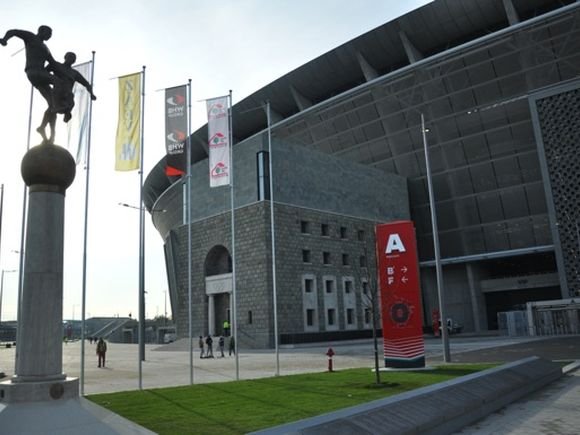
The original walls would remain in place and, as it turned out, the statue park created from the Socialist-Realist figures, sporting, military and industrial, erected in the Puskás era.
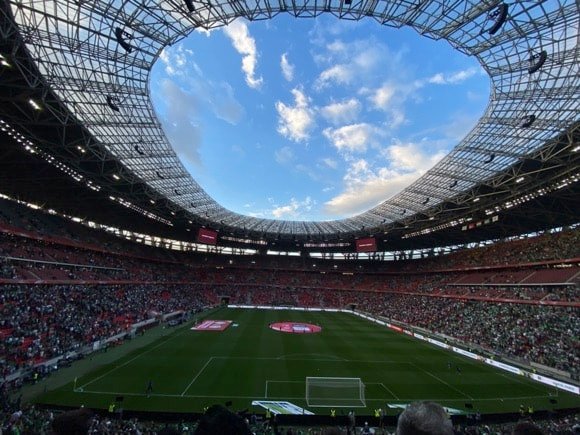
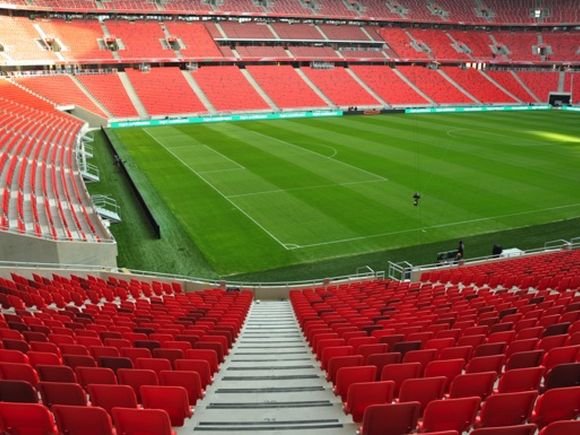
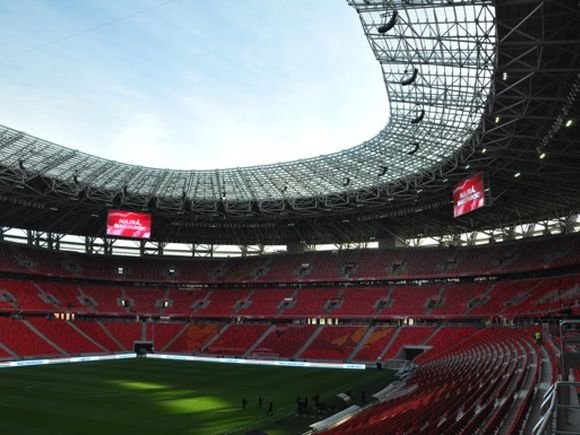
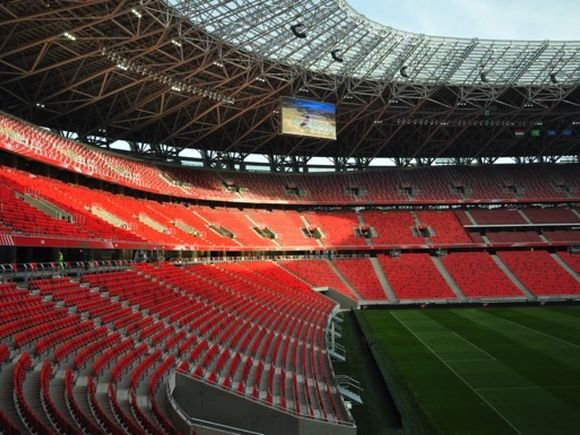
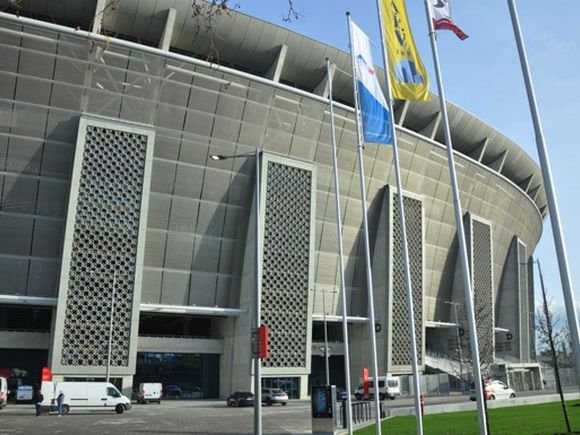
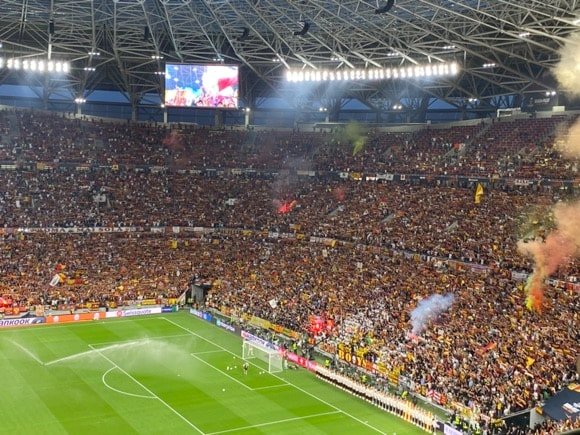
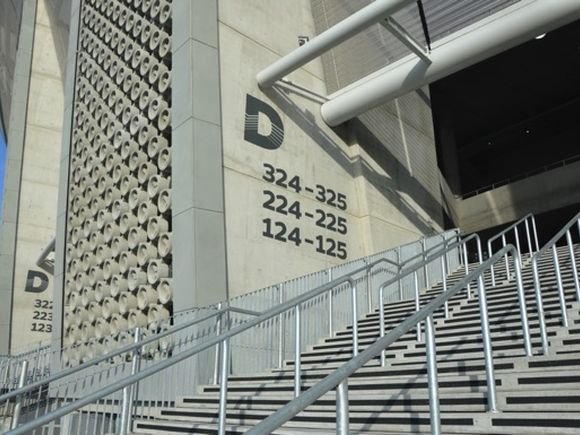
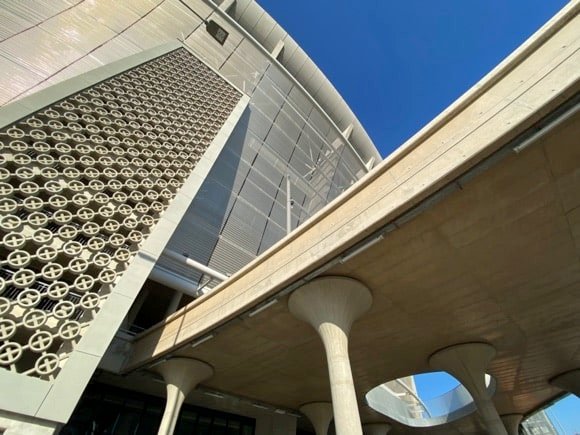
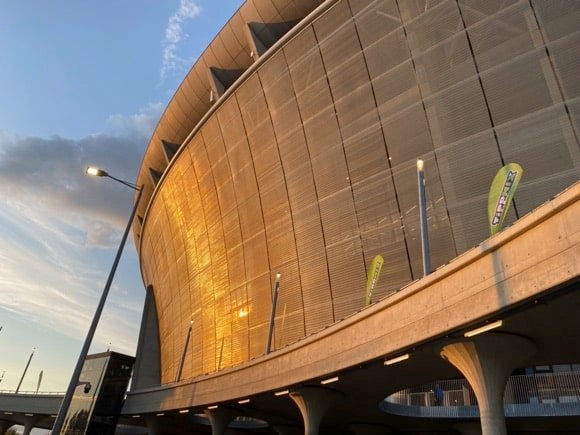
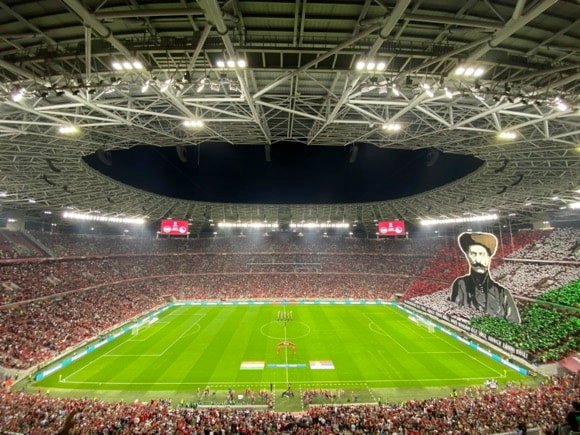
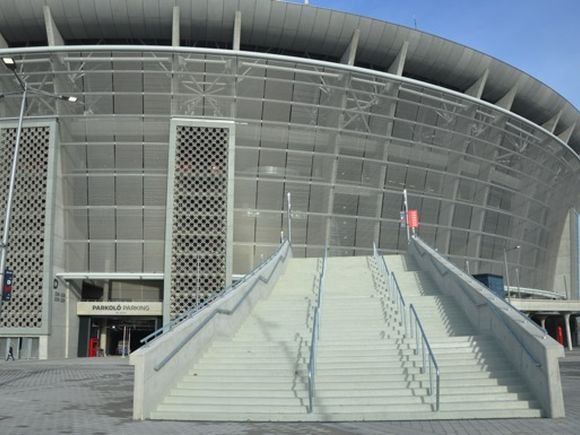
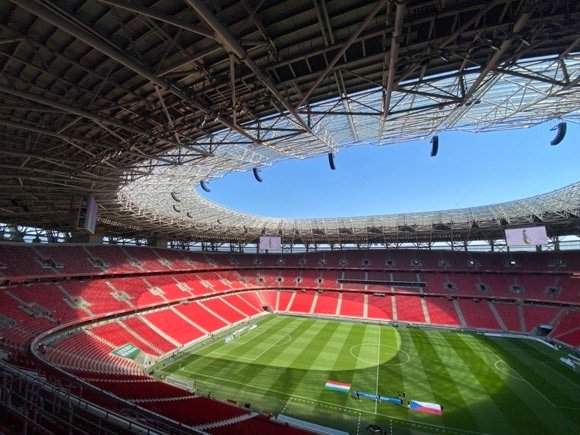
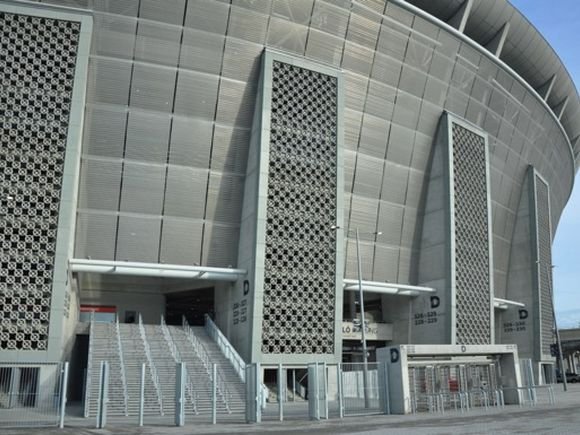
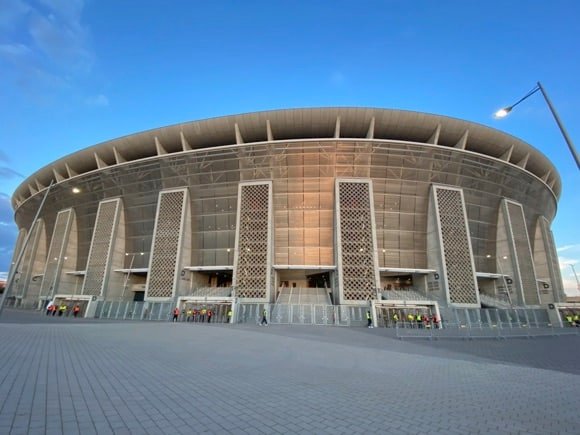
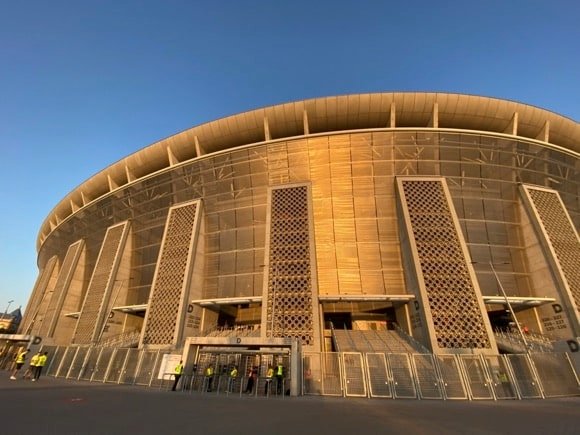
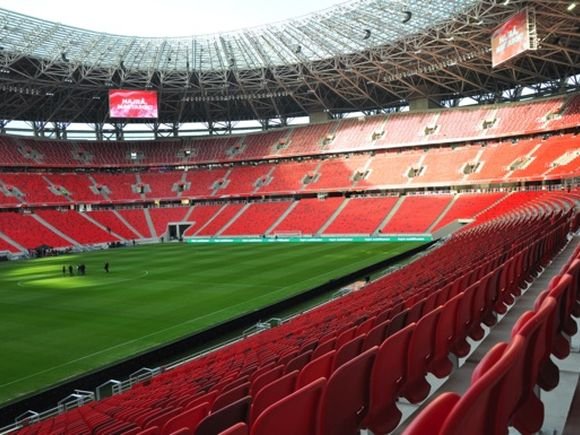
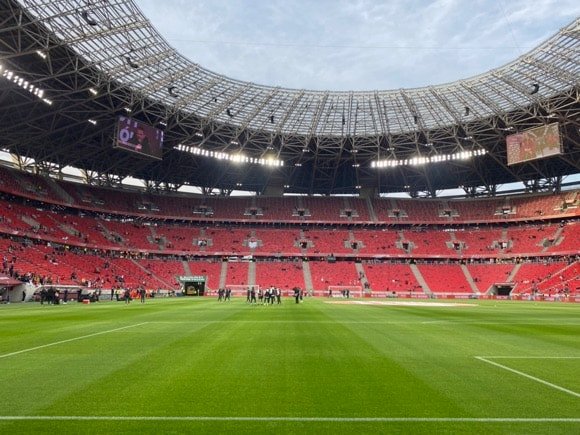
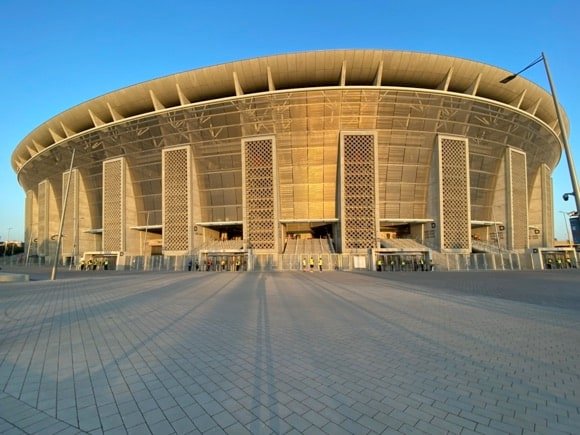
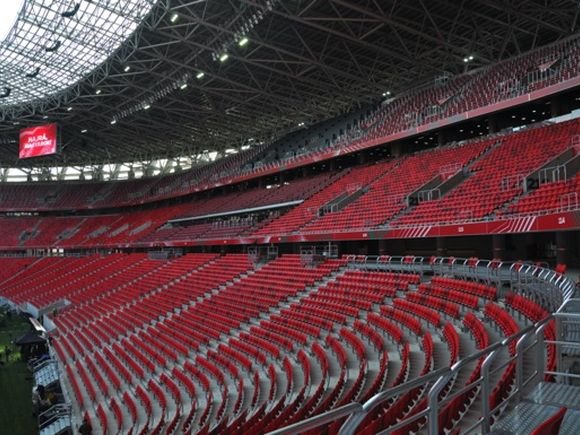
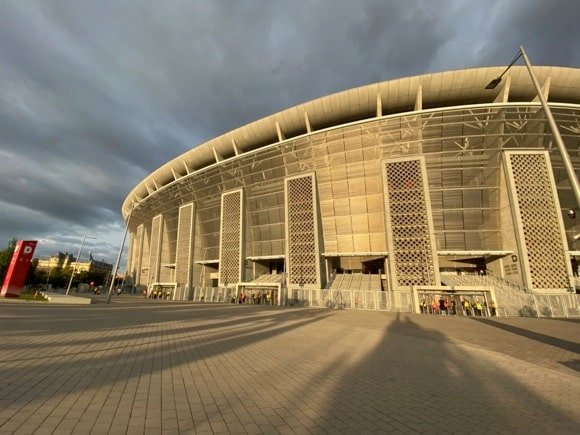
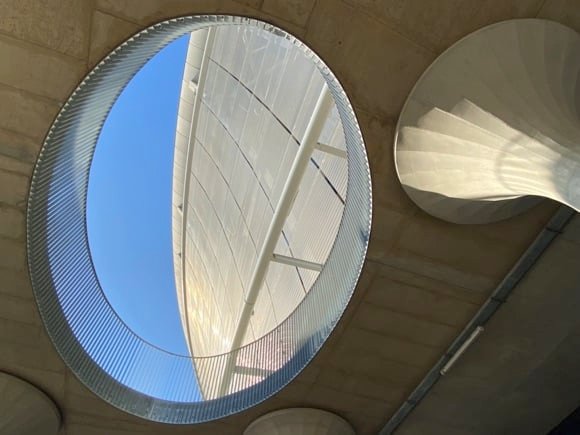
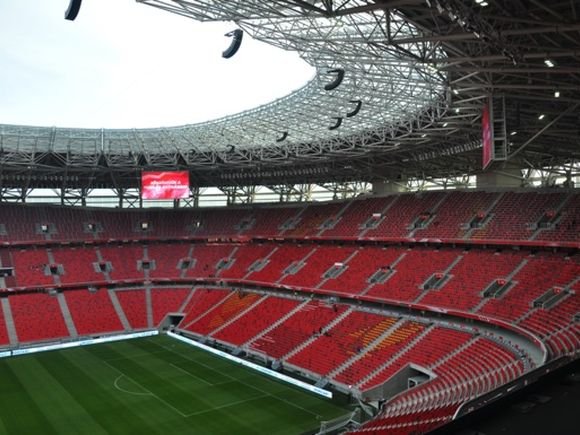
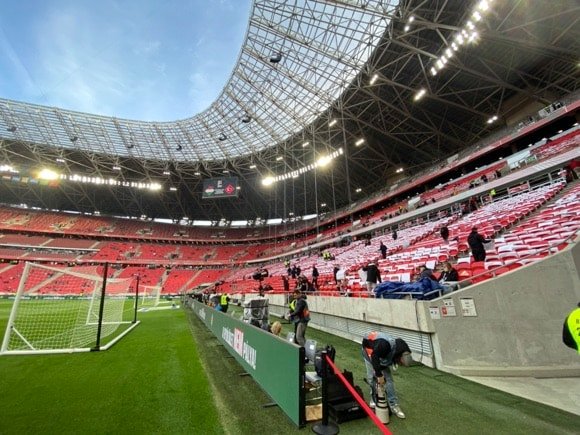
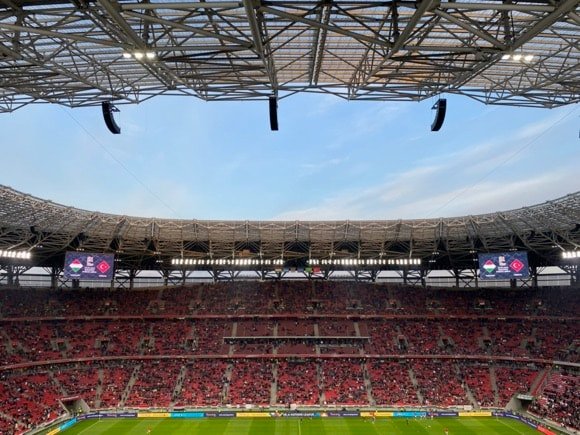
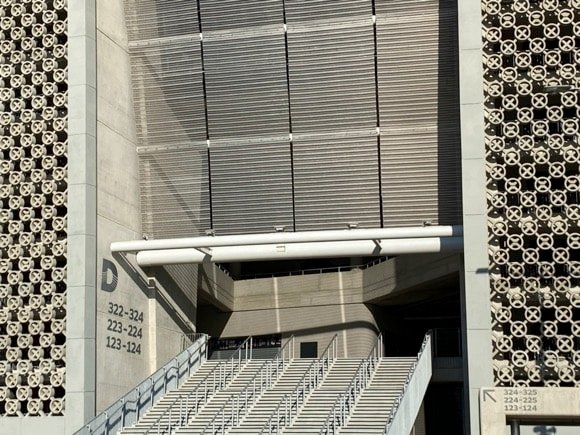
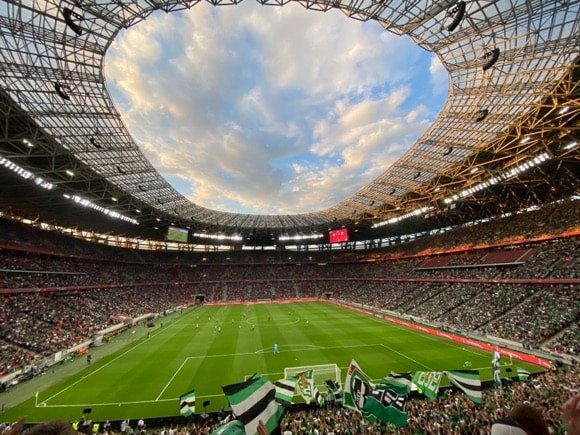
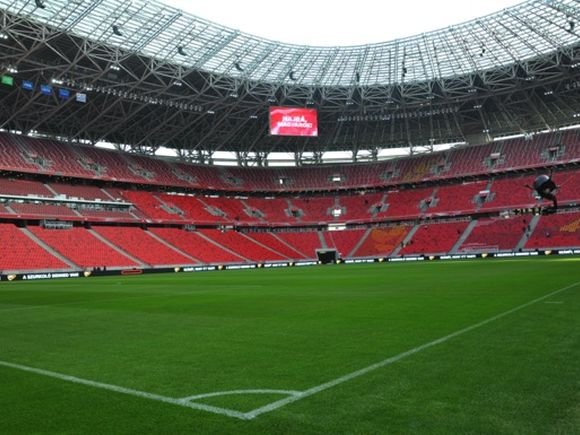
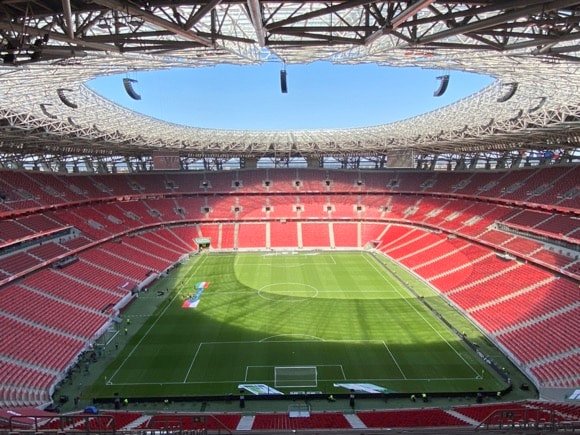
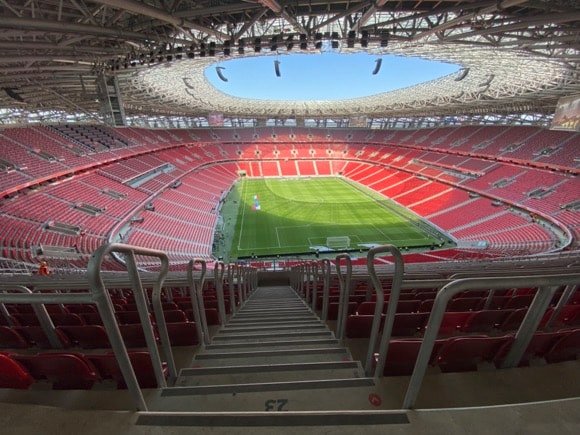
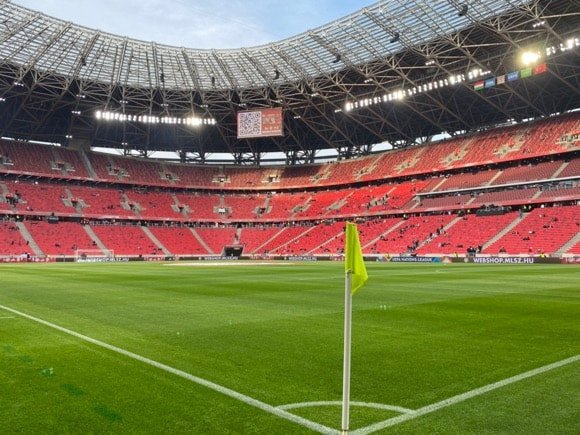
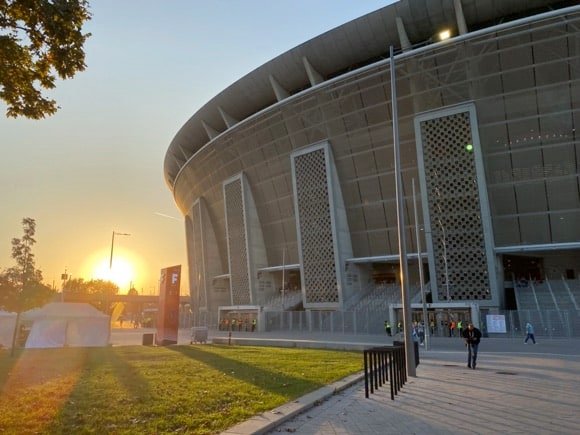
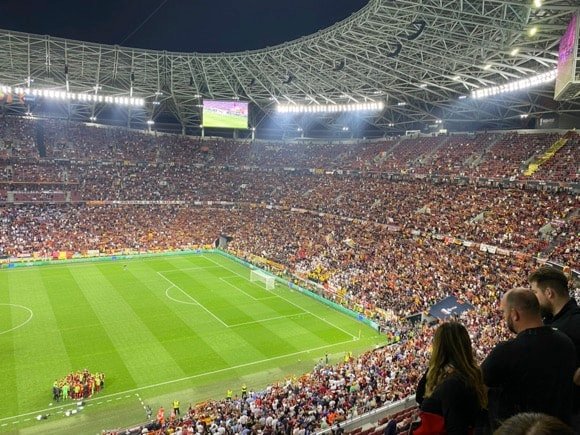
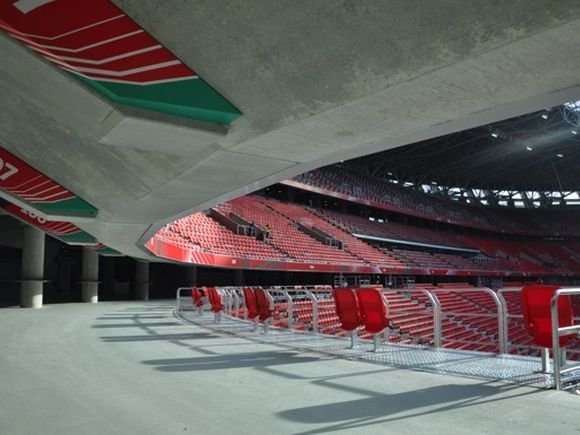
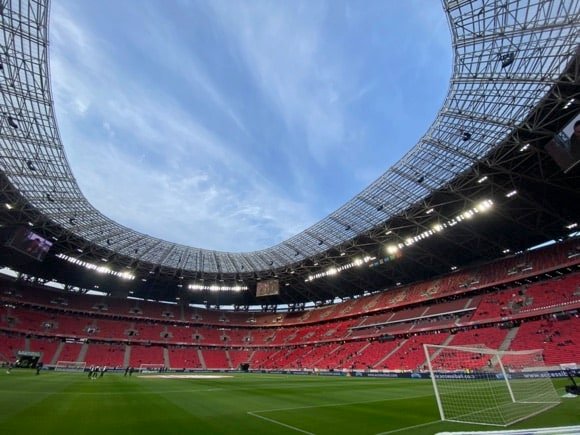
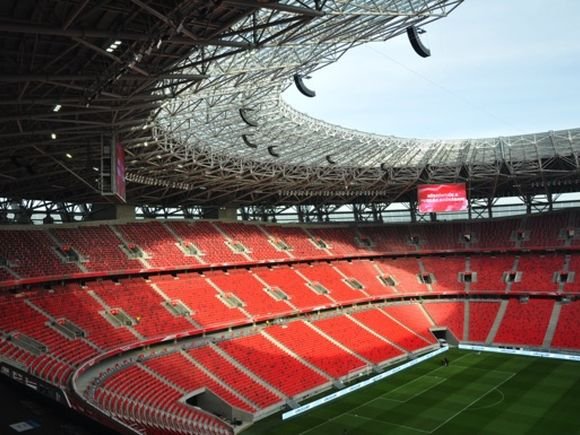
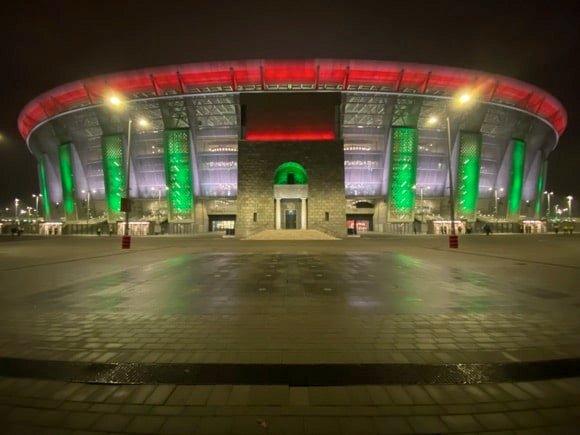
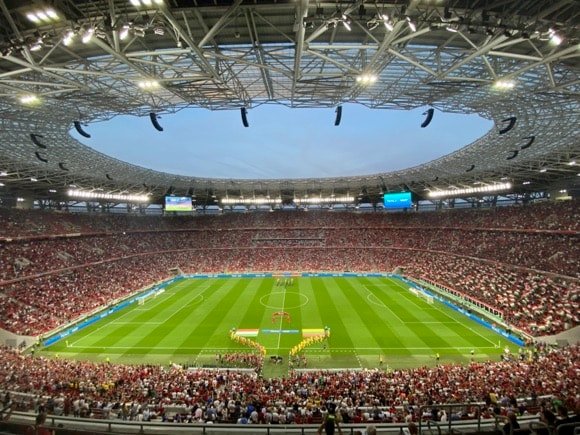
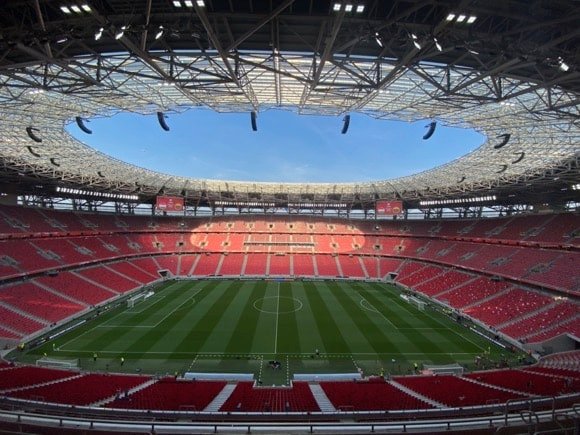
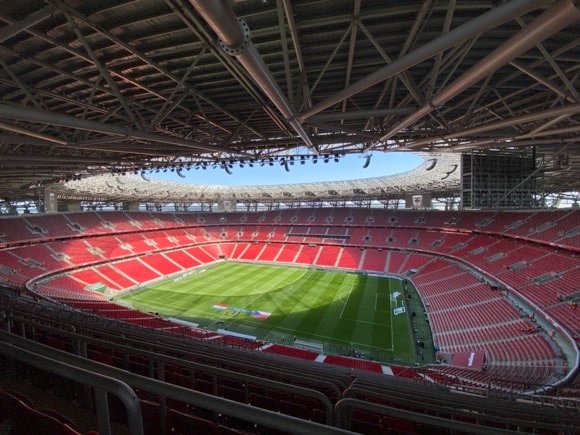
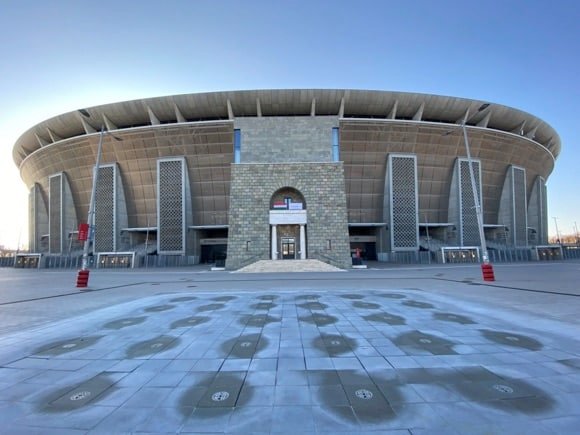
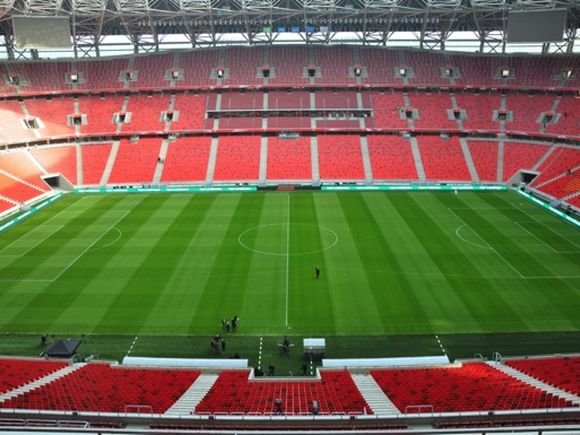
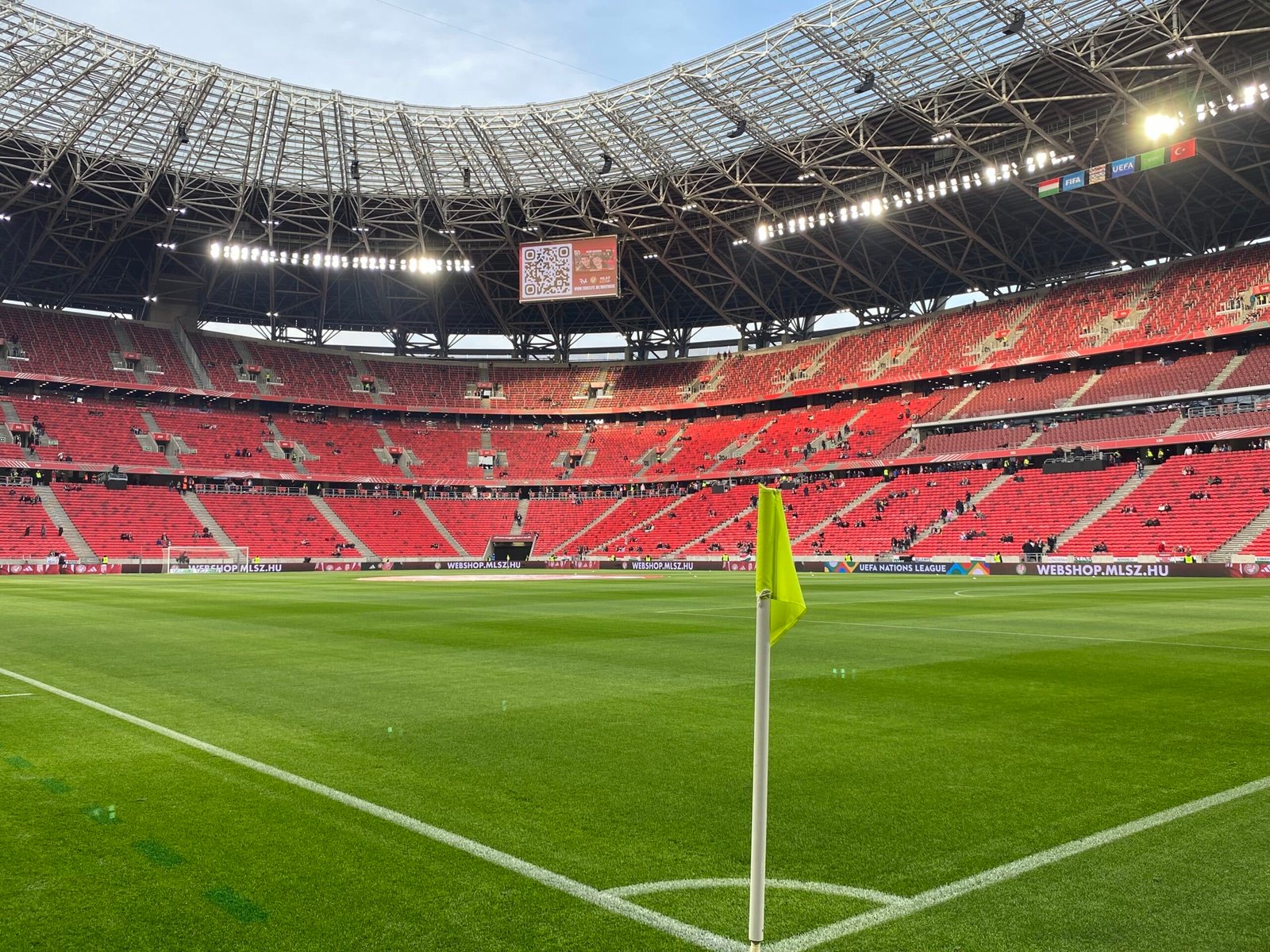
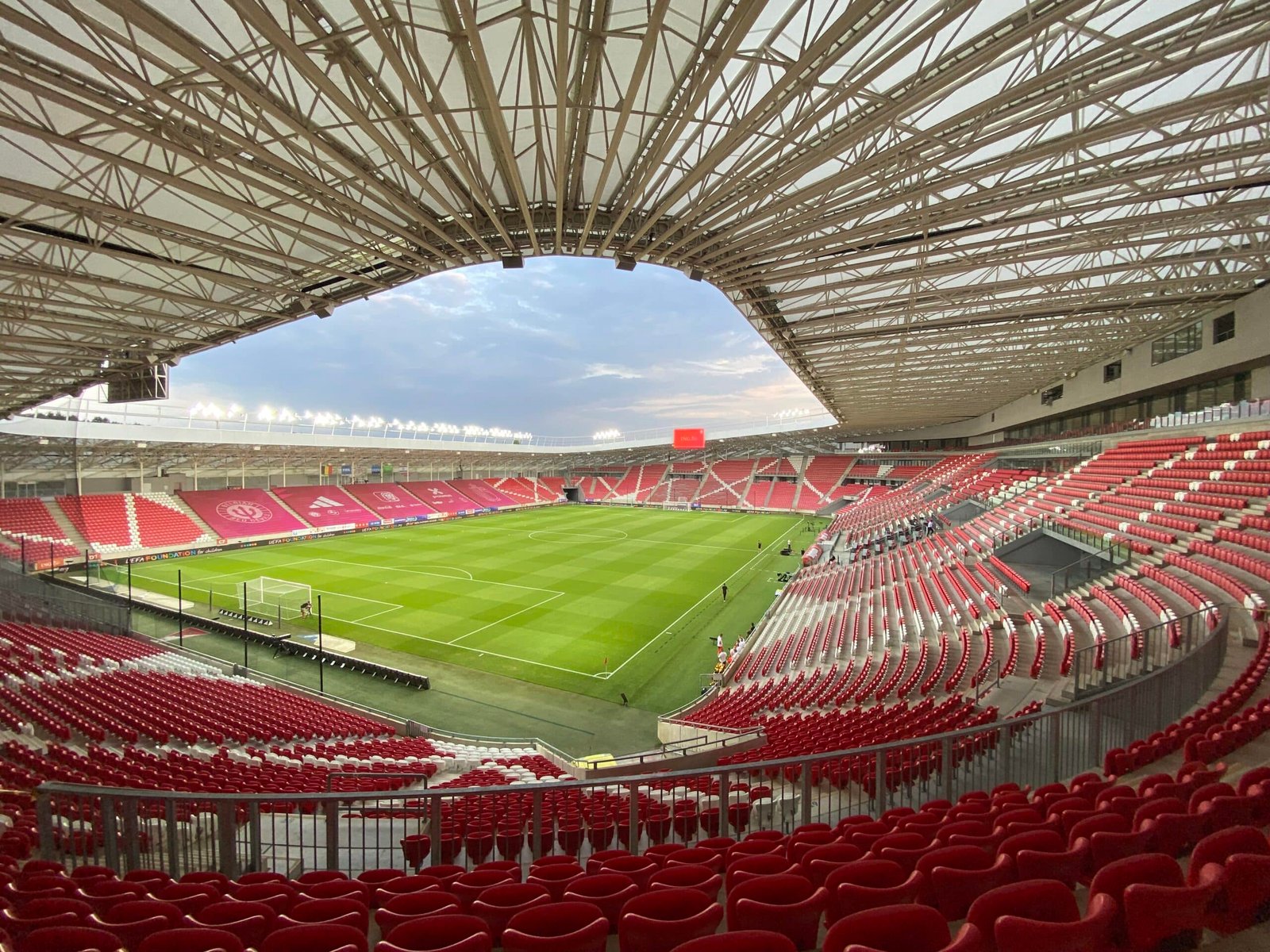
The old stadium was demolished in 2016, and the new 67,000-capacity Puskás Aréna built between 2017-19. Architect György Skardelli managed to echo as much of the original stadium as possible, a steel mesh replicating its monolithic exterior. Three tiers of seats ring the pitch in intimate fashion, each of around 20-25 rows for excellent sightlines and aesthetic uniformity.
The basic cost? 190 billion Hungarian forints, at the time €500 million-plus, now closer to €600 million. But for that, Hungary has made its way back onto the international stage, where it last stood in the early 1950s. And, as the advert goes, the payment for that is priceless – although many in Hungary grumbled about the vast sums spent on sporting arenas when the country’s health system required far greater investment.
Puskás Aréna/Andy Clark
Puskás Aréna/Andy Clark
Puskás Aréna/Andy Clark
Puskás Aréna/Andy Clark
Puskás Aréna/Andy Clark
Puskás Aréna/Andy Clark
Puskás Aréna/Andy Clark
Puskás Aréna/Andy Clark
Puskás Aréna/Andy Clark
Match day, Puskás Aréna/Andy Clark
Puskás Aréna/Andy Clark
Puskás Aréna/Andy Clark
Much of this was forgotten, of course, when Dominik Szoboszlai cut through the Icelandic ranks to fire Hungary into the Euros they would be hosting the following summer of 2021. The decisive qualifier took place during the second wave of the pandemic lockdown, the stadium empty but every living room in the land raucous.
Seven months later, unlikely hero Attila Fiola broke through against France at Euro 2020, hitting an opener on the stroke of half-time to send the Puskás Aréna doolally. The goal, after all, had been a long time coming.
With the national side now enjoying a resurgence and Hungarian clubs now regulars in the group stages of European competition, there was talk of reviving the concept of double-header league fixtures being held here for the 2022-23 season but the Puskás Aréna remains the domain of Hungarian Cup finals and showcase internationals.
Puskás Aréna/Igor Spanjević
Puskás Aréna/Andy Clark
Puskás Aréna/Peterjon Cresswell
Puskás Aréna/Andy Clark
Puskás Aréna/Andy Clark
Puskás Aréna/Andy Clark
Puskás Aréna/Andy Clark
Puskás Aréna/Andy Clark
Puskás Aréna/Andy Clark
Puskás Aréna/Andy Clark
Puskás Aréna/Peterjon Cresswell
Puskás Aréna/Andy Clark
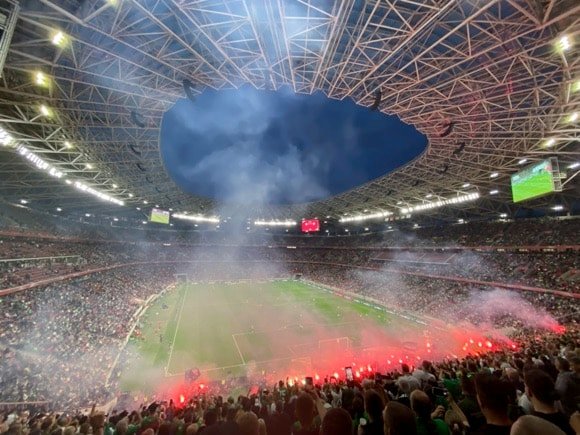
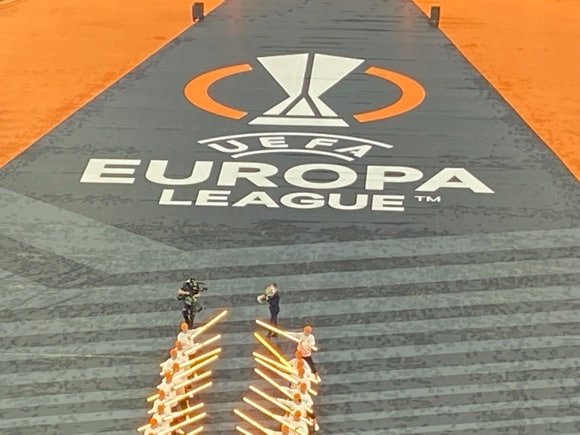
The Europa League Cup final of 2023 between Sevilla and Roma saw real drama – in the stadium car park, as José Mourinho berated referee Anthony Taylor and family. On the pitch two years later, Ireland’s Troy Parrott put paid to Hungarian hopes of World Cup participation with a stoppage-time toe-in to reverse the scoreline in the visitors’ favour.
Ten years after Hungary’s surprise qualification for Euro 2016, with Szoboszlai speechless and Hungarian FA chief Sándor Csányi in tears when interviewed on TV, the occasion signalled the end of an era. Prompting wild celebrations in Budapest the following spring, the Fidesz government was voted out of office and a decade of spendthrift stadium-building was over.
All that remained was the staging of the Champions League final between Arsenal and Paris Saint-Germain in May – a reminder of Budapest’s considerable advantages as a host city.
Puskás Aréna/Andy Clark
Puskás Aréna/Andy Clark
Puskás Aréna/Andy Clark
Match day, Puskás Aréna/Andy Clark
Puskás Aréna/Andy Clark
Puskás Aréna/Andy Clark
Puskás Aréna/Andy Clark
Puskás Aréna/Andy Clark
Puskás Aréna/Andy Clark
Puskás Aréna/Andy Clark
Puskás Aréna/Andy Clark
getting here
Going to the stadium – tips and timings
Puskás Aréna transport/Peterjon Cresswell
Puskás Aréna transport/Peterjon Cresswell
Puskás Aréna transport/Peterjon Cresswell
Puskás Aréna transport/Peterjon Cresswell
Puskás Aréna transport/Peterjon Cresswell
Puskás Aréna transport/Peterjon Cresswell
Puskás Aréna transport/Peterjon Cresswell
Puskás Aréna transport/Andy Clark
Puskás Ferenc Stadion is still the name of the stop for the stadium on the red M2 metro line, one up from main Keleti station, four from the central hub of Deák Ferenc tér.
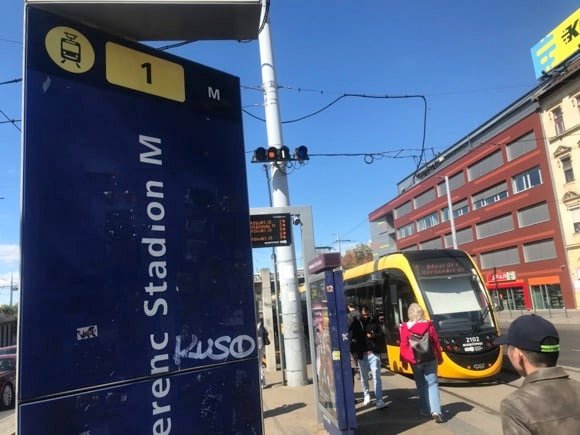
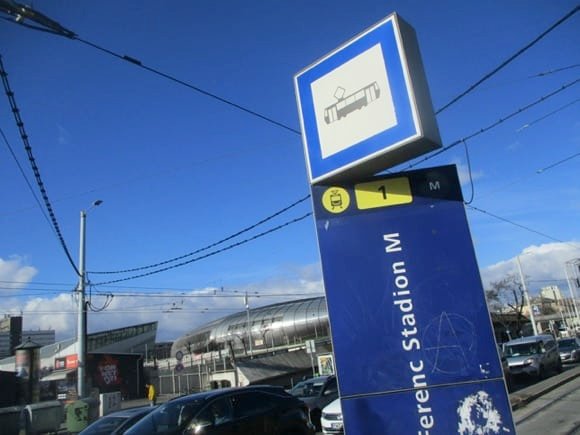
The stadium has a stop of the same name on frequent tram 1 that also calls at Ferencváros (Népliget) and MTK (Hidegkuti Nándor Stadion).
From Keleti station, it’s a 8-10min walk, either up Thököly út and veer right or along Kerepesi út and veer left.
getting in
Buying tickets – when, where, how and how much
Puskás Aréna tickets/Peterjon Cresswell
Puskás Aréna tickets/Peterjon Cresswell
For major international fixtures involving Hungary, matches sell out fast. There is only one online resource, at the MLSZ-affiliated meccsjegy, which has an outlet at INTERTICKET (1139 Budapest, Váci út 99, Mon-Fri 9am-5pm, 3 days before match 9am-6pm, match day from 9am), near Forgách utca metro station on the blue M3 line. This has its own online outlet at jegy.hu.
You can contact the office by email at mlsz@interticket.hu or use the chat function at meccsjegy.
You can also try local ticket distributors Eventim, who can be contacted at info@tex.hu.
For games less in demand, such as the Hungarian Cup final and national games against lesser opposition, tickets should be available at the windows on the Dózsa György út side of the stadium, near the Papp László Budapest Sportaréna.
For a typical international, there are four price categories: Ft20,000/€46 for the best seats over the halfway line on either side, Ft15,000/€35 for seats either side, Ft10,000/€23 for those around the corners and Ft5,000//€12 behind the goals.
what to see
Visit the Puskás Museum within the Puskás Aréna
Puskás Museum/Andy Clark
Puskás Museum/Andy Clark
Puskás Museum/Andy Clark
Note that the Puskás Museum will be closed between May 18-June 15, 2026.
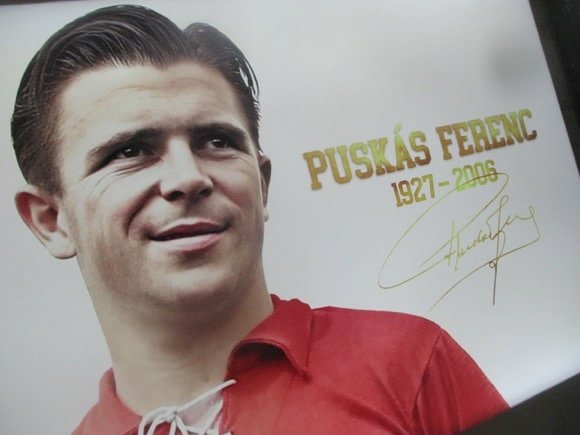
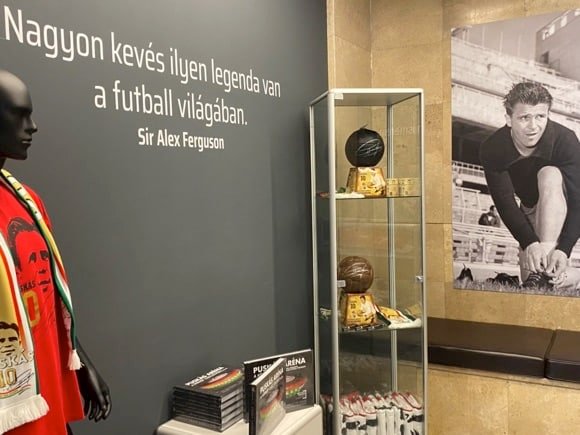
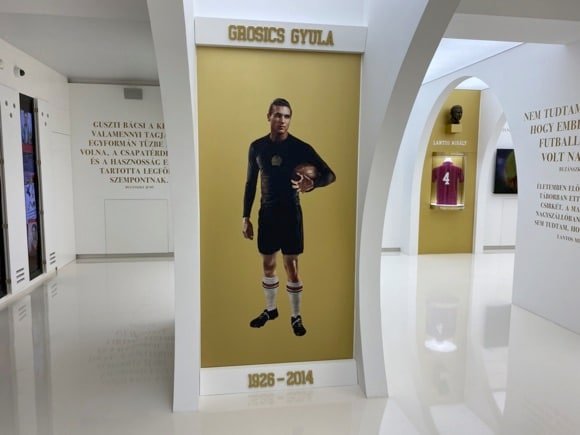
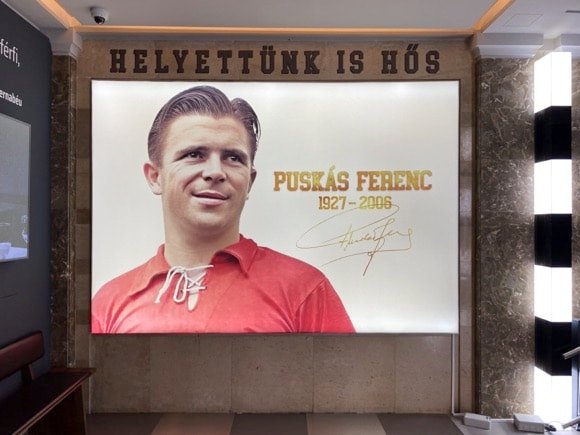
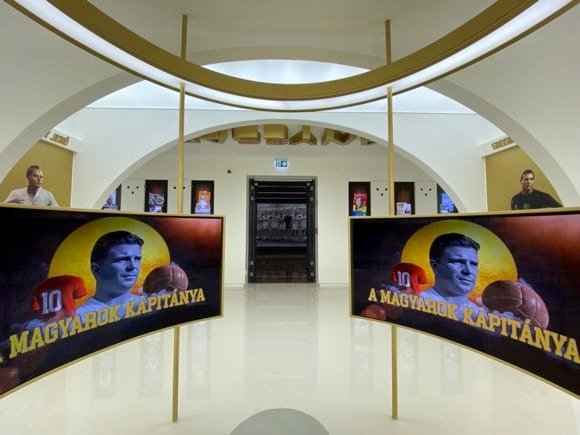
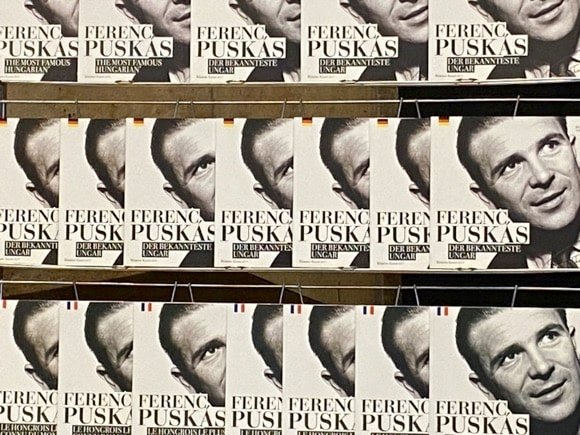
A stage play, statues, films, books, murals – and now his own museum. All-time Hungarian football hero Ferenc Puskás has been honoured with a four-floor presentation of his life and times, set in the last remaining feature integral to the national stadium he graced back in the 1950s.
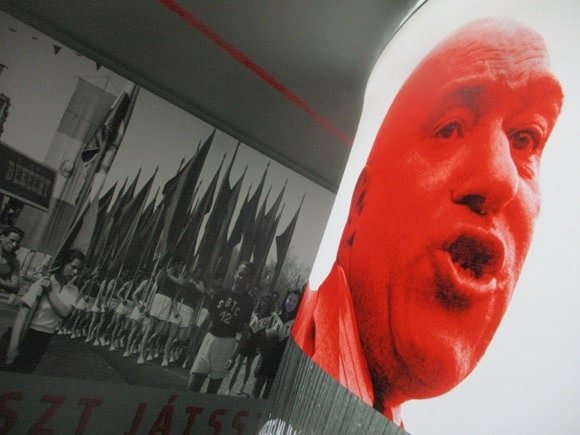
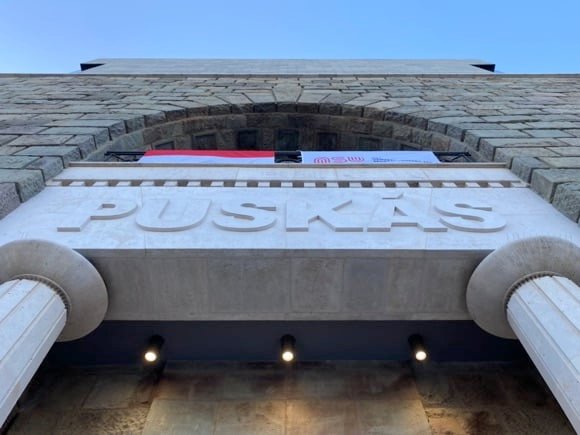
The Puskás Aréna incorporates the tower through which leaders and dignitaries once passed on their way to the VIP area of the former Népstadion. Its legacy and location have allowed the museum designers to make use of this Communist-era time capsule and grant visitors the chance to look into the new stadium for snaps and selfies for a modest supplement to the €10 entrance fee.
It also presents the authorities with an eternal dilemma. How to glorify Puskás, whose state funeral in 2006 took place at the nation’s sacred Basilica in the heart of Budapest, without aggrandising the Socialist régime which built the Golden Team he starred in, the Magic Magyars of 6:3 legend? And, in fact, built the original stadium itself?
While there is no doubt that Puskás had little time for political theory, and made the life-changing decision, as did key teammates Sándor Kocsis and Zoltán Czibor, to stay in Western Europe after the failed anti-Communist Uprising of 1956, the one-party system helped create the Golden Team, Hungary’s best players corralled into one club, Honvéd.
Puskás Museum/Andy Clark
Puskás Museum/Andy Clark
Puskás Museum/Andy Clark
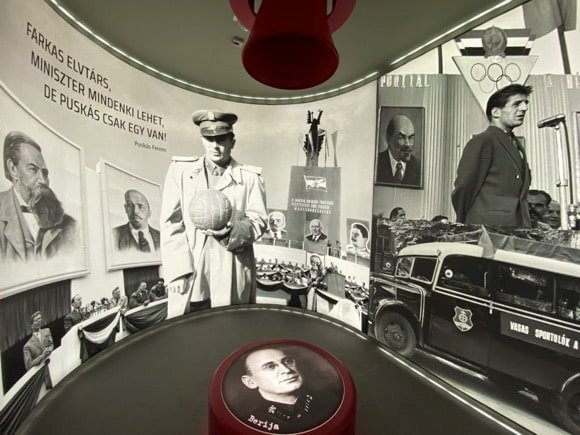
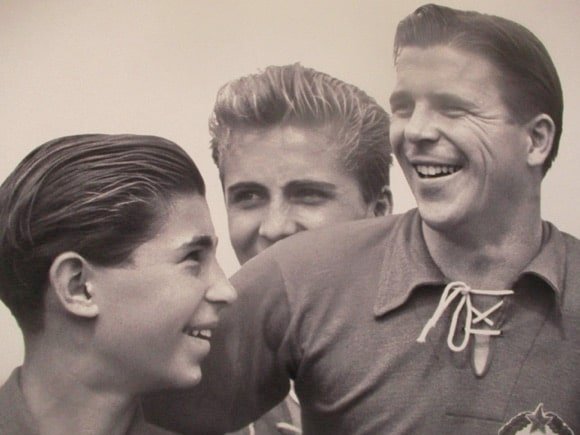
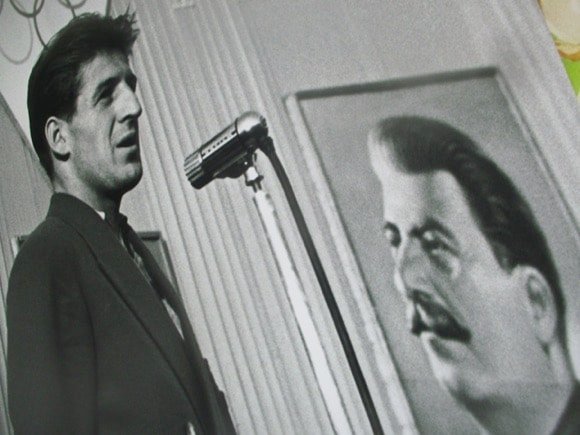
Under the command of Communist-leaning manager Gusztáv Sebes, these players developed and interacted with each other as one unit, week in, week out. They were also the perfect poster boys for Communist Hungary, the red star and hammer-and-wheatsheaf emblem emblazoned on those cherry-red or red-white-and-green banded shirts. Puskás and company were even photographed lugging wheelbarrows of bricks to help construct this very tower and the Népstadion, the People’s Stadium, around it.
In turn, some 70 years later, the deification of Puskás in statue, museum, stadium and stage play form feeds into a narrative followed by the recent Hungarian government, virulently anti-Communist and completely spendthrift where 30 new and/or rebuilt football stadiums were concerned.
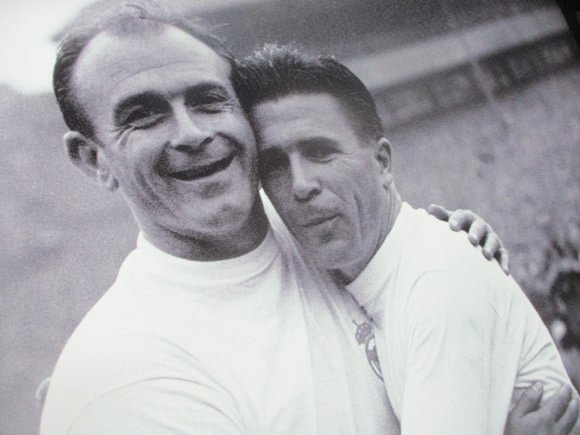
Exiled from Communist Hungary to become a global star at Real Madrid, then returning to see out his last 15 years in Budapest, Puskás is the definitive Magyar hero, banished by a Socialist dictator, defiantly triumphant on the world stage.
It was logical, therefore, that these authorities should look to Mária Schmidt to create the Puskás Museum. A main force behind the House of Terror, the chilling collection of artefacts related to the imprisonment, torture and execution of victims in Socialist-era Hungary, Schmidt has made the subject matter her profession and is adept at handling big-budget projects of national importance.
Puskás Museum/Andy Clark
Puskás Museum/Peterjon Cresswell
Puskás Museum/Andy Clark
For the long-delayed Puskás Museum, as head of the Public Foundation for the Research of Central and Eastern European History and Society, she had a sum just shy of four billion Hungarian forints (almost €10 million) at her disposal.
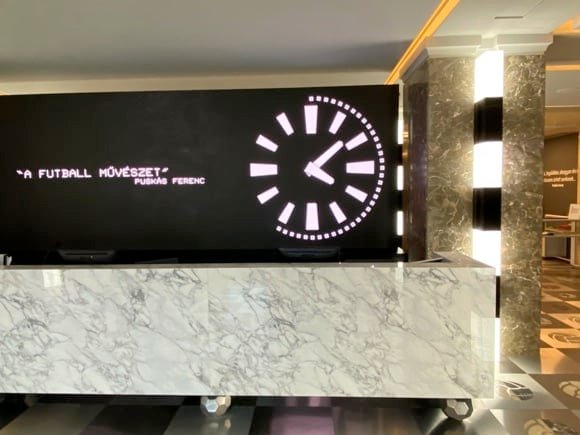
After their successful collaboration on the visually stunning House of Terror, it was also logical that Schmidt should turn to award-winning designer Attila F Kovács. Having worked with Oscar-winning film director István Szabó and designed opera sets in Vienna, Kovács is a visual genius. No doubt it was his idea to use the iconic scoreboard and clock from the Népstadion to display admission prices behind reception.
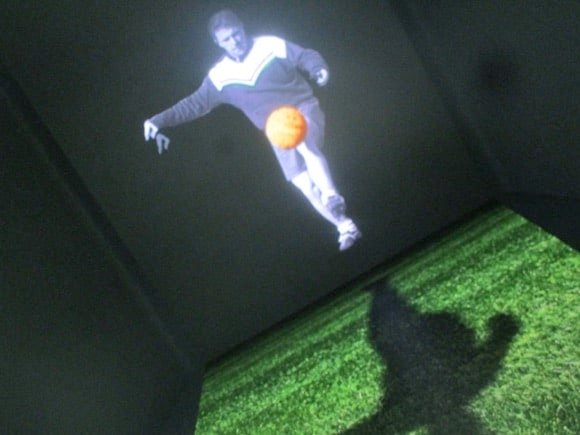
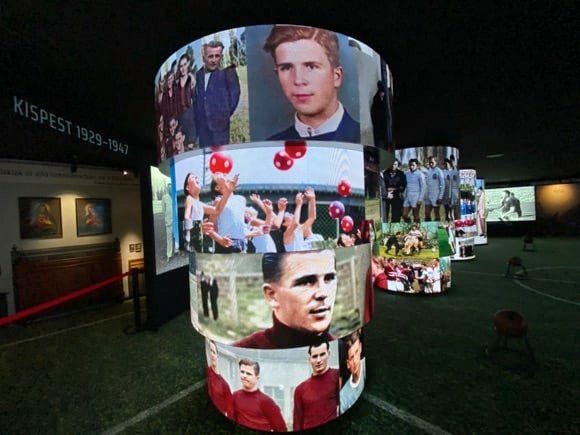
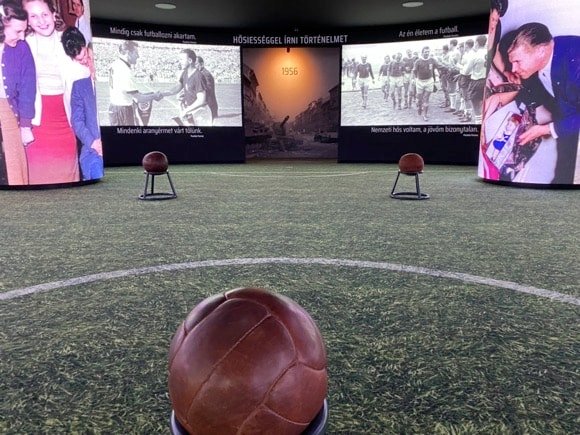
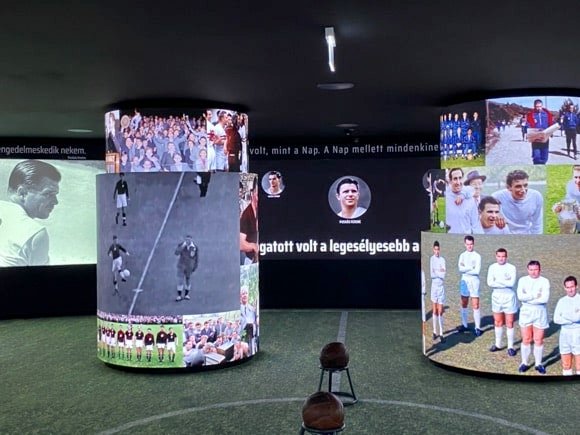
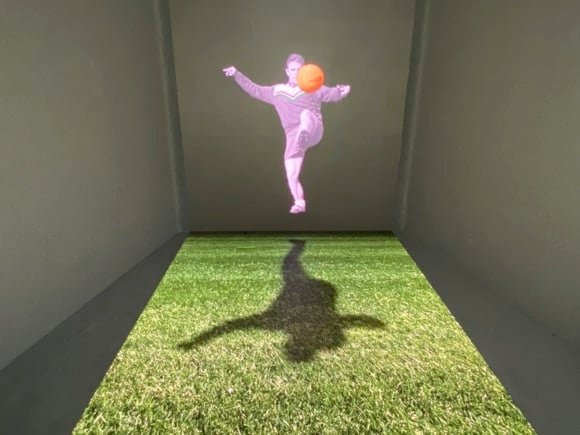
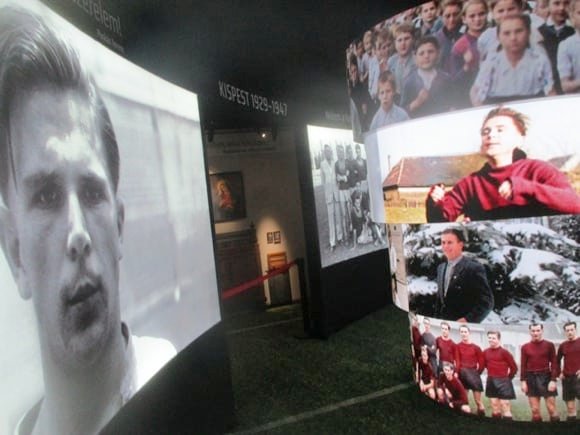
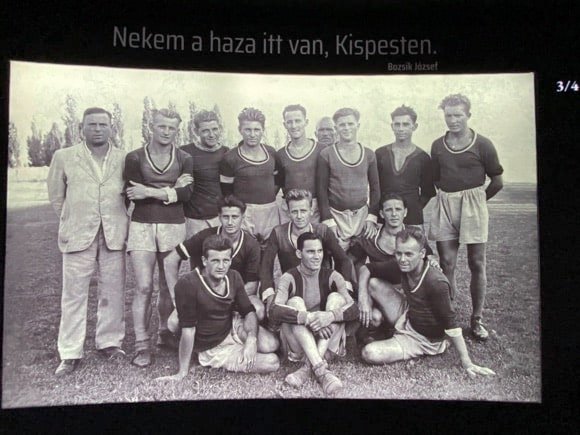
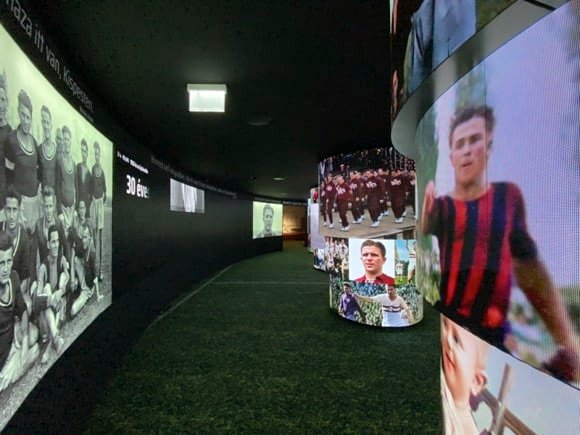
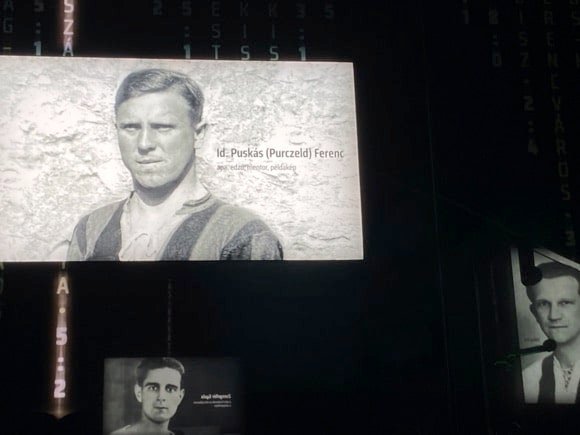
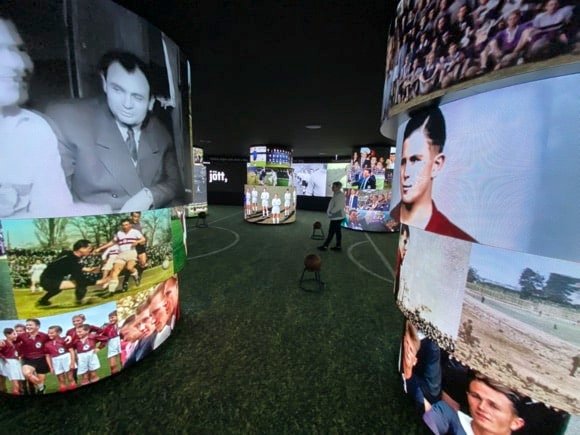
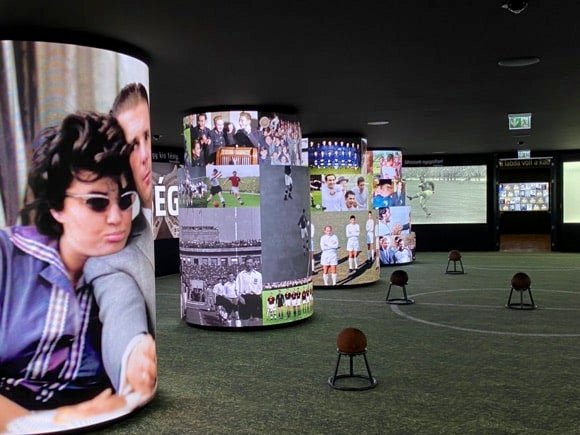
The first floor of the museum, the only one of the four that deals solely with Puskás the footballer, is a work of art and worth the €10 admission alone. Pillars of images from his life and career spin around a large exhibition space bordered by four corners, each a mock-up of the player’s main abodes.
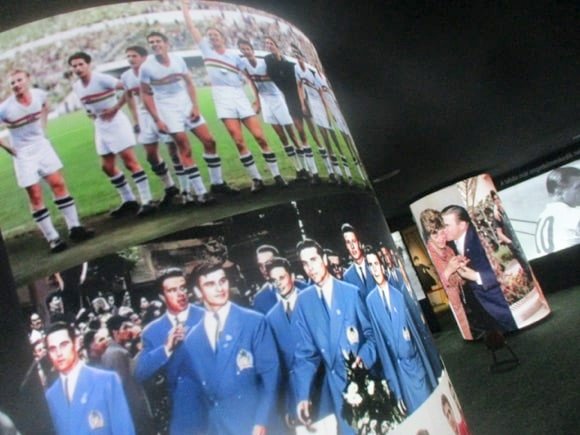
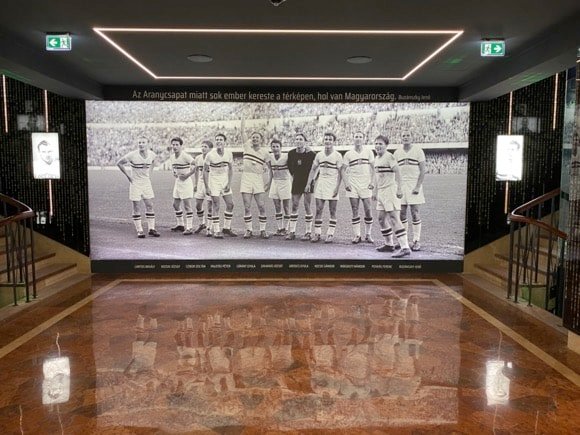
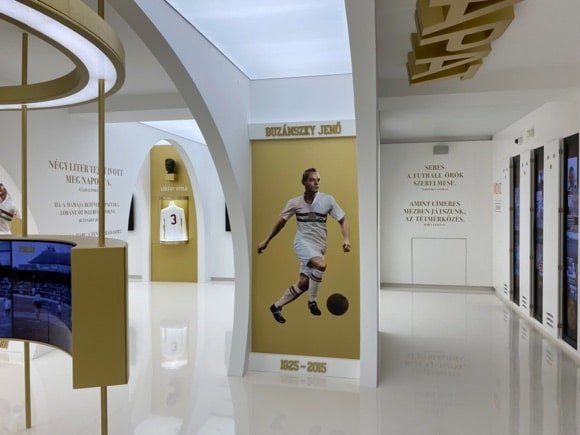
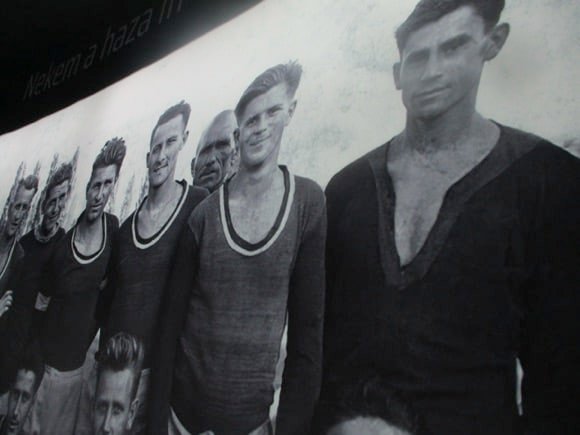
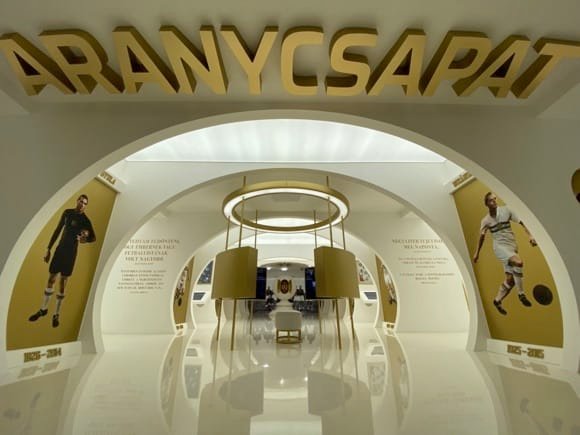
The next floor focuses on the Golden Team, each member shown individually in action against a gold backdrop, outfield players dressed in Hungary’s mainly white second kit for better effect. A video loop with Hungarian-only commentary presents each one in turn, explaining their position, their key assets and a brief bio, rounded out by comparisons with later international stars in the same role and tips for young players today.
Puskás Museum/Peterjon Cresswell
Puskás Museum/Andy Clark
Puskás Museum/Andy Clark
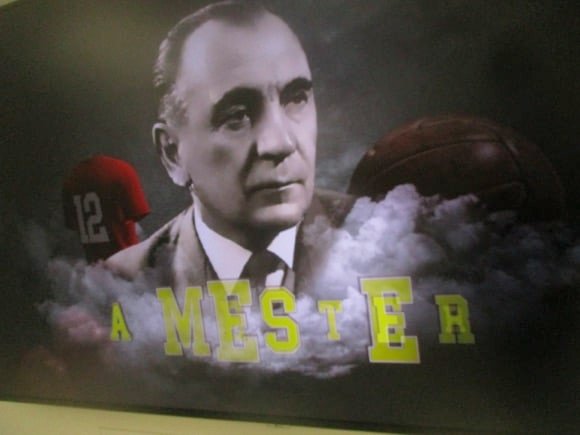
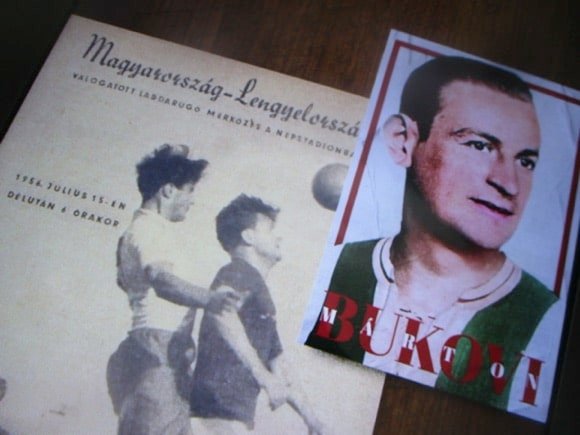
As if in a spaghetti Western, each is also shown by their nickname, or provided with one, manager Sebes being ‘The Master’. Sadly, Márton Bukovi, who did so much to develop the 4-2-4 system with Nándor Hidegkuti the deep-lying centre-forward, is pretty much left out of the picture.
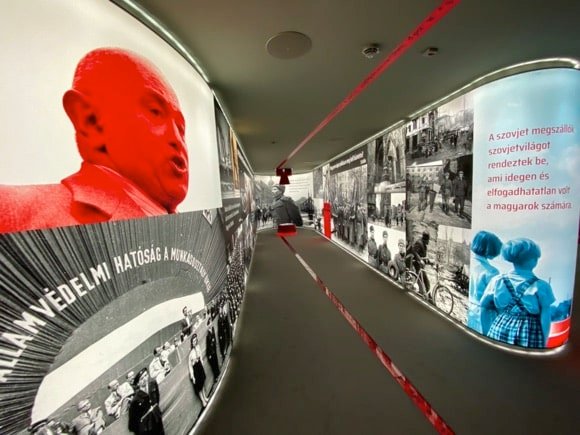
Next comes a whole floor entirely dedicated to Communism in Hungary, the shortages, the repression and the brutality, culminating in the Uprising of 1956. It is suggested that the protests in Budapest after the defeat in the World Cup final of 1954 were the precursor to the ’56 Uprising, a theory often posited. Judging by the spread of evidence on offer here, Hungarians had more than enough hardships to deal with – a Welsh linesman’s flag ruling out a late Puskás goal in Switzerland would surely have been the least of their worries.
Given the lack of documentation, for the average football fan, the emphasis placed on the ills of post-war Hungary will be confusing – would a George Best museum have an entire floor dedicated to the Troubles? Probably not.
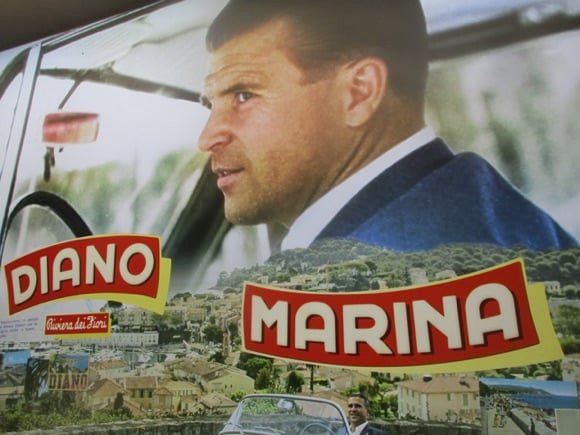
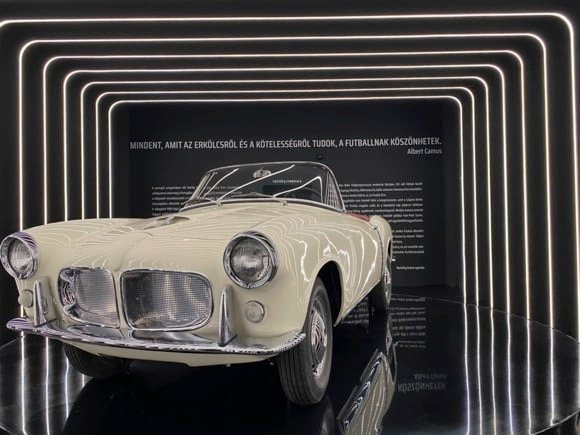
Things feel even more off-kilter when you reach the fourth and final floor, which is almost entirely given over to a pretty unspectacular Fiat car gifted to Puskás by an Italian sponsor in his early years of exile. The switch is now to southern Europe, the style, the extravagance and the pop tunes.
Puskás Museum/Andy Clark
Puskás Aréna/Andy Clark
Puskás Museum/Andy Clark
Those purchasing the €3.75 supplement can then climb another level for that bird’s eye view within the Puskás Aréna. Between floors, wall-to-wall displays of microfiche text, the kind spies preferred in the Cold War, present narrow strips of information – it’s only when you scrutinise them that you realise these are the microscopic details of every match Puskás ever played.
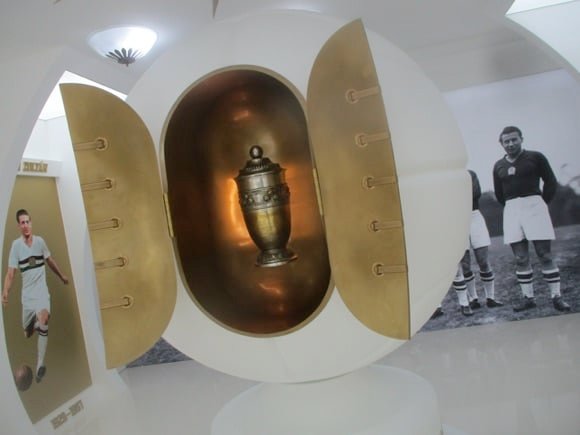
Equally, original artefacts from his life, boots, trophies, mementoes, are displayed in illuminated cubes that glide past you on a pulley system, but whether those studs were the ones that dragged the ball back at Wembley that foggy November afternoon of 1953, you’ll never know.
Pivotal to two of the greatest teams in the history of the game, Ferenc Puskás also had the most fascinating life of almost any footballing superstar, with the arguable exception of Maradona. There’s an almost equally fascinating museum just begging to be created about him. This isn’t it – but do go for the visual treat of his life story in photo, film and furniture form on the first floor. Exit through the gift shop, as they say.
Puskás Museum, Istvánmezei út 3-5, Budapest 1146. Open Tue-Sun 10am-6pm (last entry 5pm). Admission Ft4,000/€10, seniors & students Ft2,500/€6.20. Stadium view supplement Ft1,500/€3.75. Combined ticket with stadium tour Ft7,200/€20. Tour times Tue-Sun 11am, 1.30pm & 3pm (tour-only Ft4,200/€11.75).
Where to Drink
Pre-match beers for away fans and casual visitors
Stifler Garden/Peterjon Cresswell
Félidő Söröző/Peterjon Cresswell
Stadion Söröző/Peterjon Cresswell
Keleti Waiting Room/Peterjon Cresswell
Stifler Garden/Peterjon Cresswell
Keleti Waiting Room/Peterjon Cresswell
Félidő Söröző/Peterjon Cresswell
Keleti Waiting Room/Peterjon Cresswell
Stifler Garden/Peterjon Cresswell
Stadion Söröző/Andy Clark
Félidő Söröző/Peterjon Cresswell
Stifler Garden/Peterjon Cresswell
Keleti Waiting Room/Peterjon Cresswell
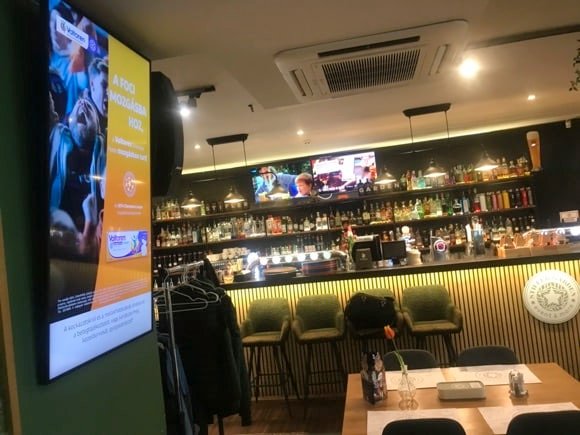
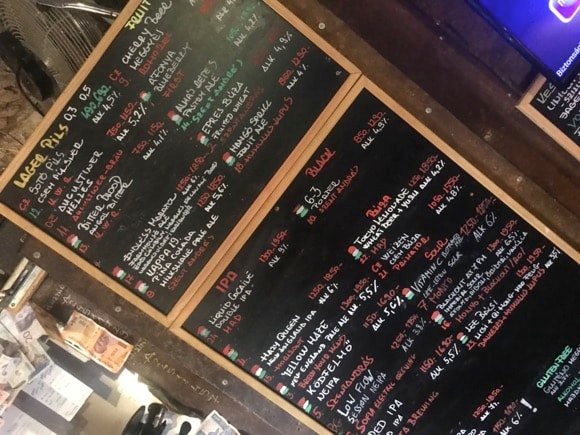
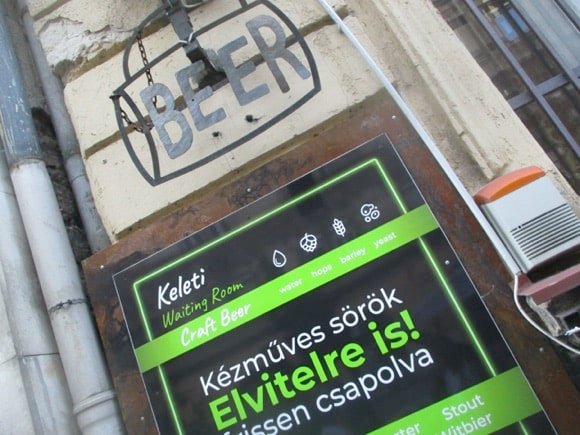
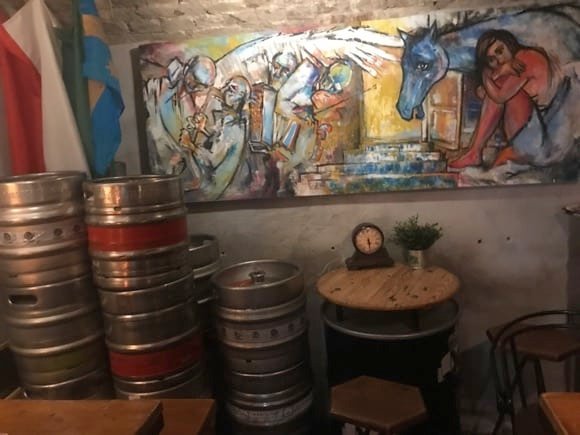
If you’ve just arrived at Keleti station, the Keleti Waiting Room is a great pit stop, 24 beer taps somehow squeezed into a cellar filled with original art and a TV tuned to sport. The street-level terrace looks out onto pedestrianised Bethlen Gábor utca.
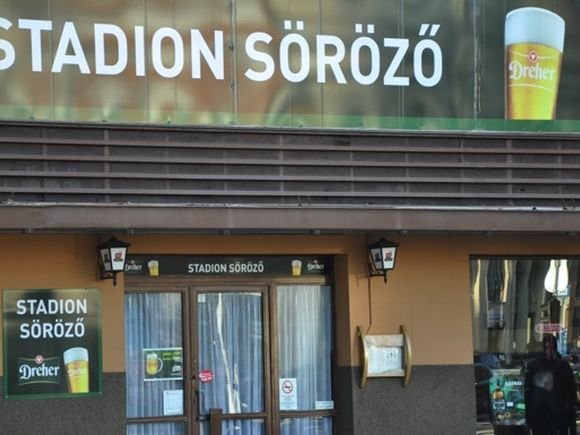
Walking up Thököly út from there, the Stadion Söröző is a popular pre-match spot at the junction of Dózsa György út. Note the classic images of Hungary-England games from the 1950s.
On the other, Hungária körút side of the arena (exit right from the metro carriage from town), the Félidő (‘Half-Time’) Söröző at the corner of Kerepesi út attracts regulars with its affordable Hungarian beers. It also has seats outside.
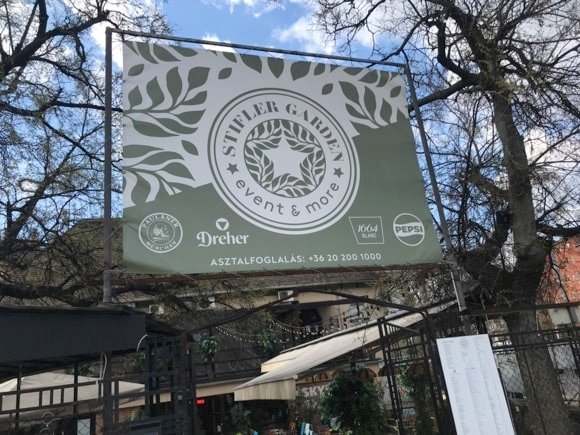
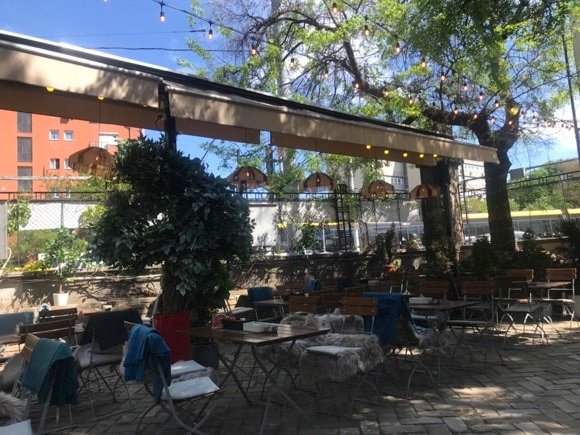
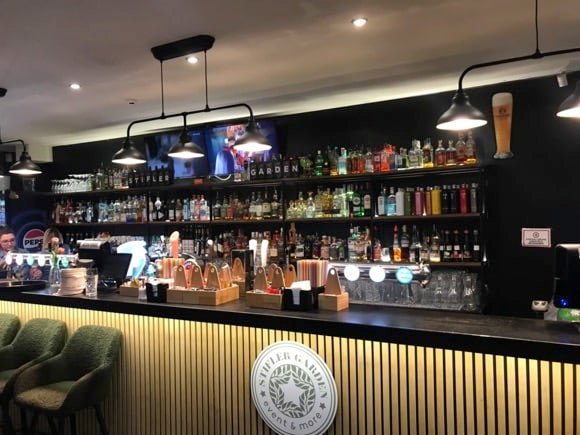
Further round, where Hungária körút meets leafy, residential Stefánia út, a new branch of the popular Stifler chain combines a smart café-restaurant-club with a nice terrace and balcony. There’s even a rooftop terrace for VIP guests, Stifler Garden is that kind of place. Paulaner, HB, Peroni, Pilsner Urquell and Guinness number among the many draught-beer options, Sauska and Törley among the Hungarian wine and sparkling wine labels, and there’s a decent kitchen, too. Reserve for big-match nights.
Tücsok sörkert/Peterjon Cresswell
Puskás Aréna Fan Village/Andy Clark
Danubius Hotel Arena bar/Peterjon Cresswell
Tücsok sörkert/Peterjon Cresswell
Bistrodium/Peterjon Cresswell
Puskás Aréna Fan Village/Andy Clark
Bistrodium/Peterjon Cresswell
Rampart Büfé/Peterjon Cresswell
Puskás Aréna kiosk/Andy Clark
Bistrodium/Peterjon Cresswell
Puskás Aréna Fan Village/Andy Clark
Tücsok sörkert/Peterjon Cresswell
Bistrodium/Peterjon Cresswell
Puskás Aréna restaurant/Peterjon Cresswell
Tücsok sörkert/Peterjon Cresswell
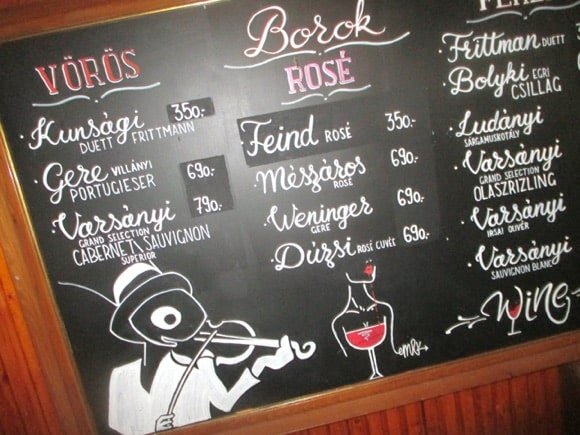
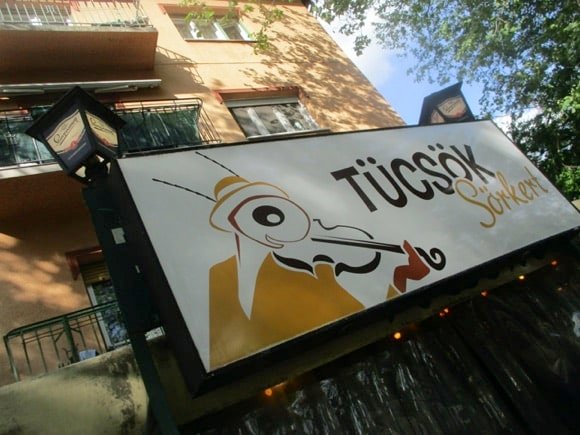
Further down Stefánia at No.29, another terrace awaits at the timeless Tücsök sörkert, with an interior of vintage Hungarian beer posters. Although a longer walk to the stadium, its homely, local atmosphere merits a visit – this is authentic Hungary, best celebrated with a reasonable selection of wine and the local grappa, pálinka.
If you just need a quiet drink and working WiFi, then the bar at the Danubius Hotel Arena should suffice, sport action shown on TV.
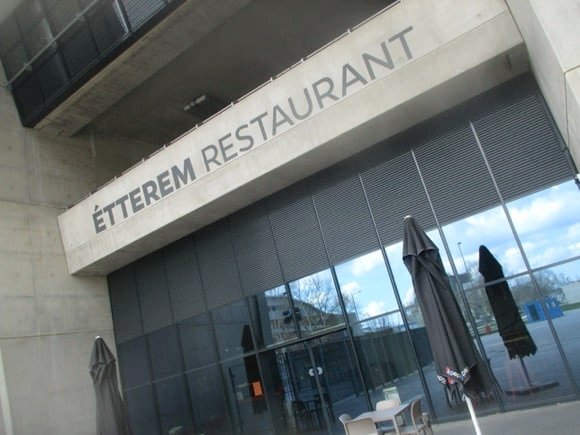
Within the arena complex at the neighbouring BOK events centre, Bistrodium, the former Planet Sport, serves workers on weekdays lunchtimes but may open on match days. If so, its first-floor terrace overlooking the sculpture park and stadium should come into its own. If you’re visiting the stadium by day, then you can also find a drink at the Rampart Büfé, by the playground on the Stefánia út side of the arena.
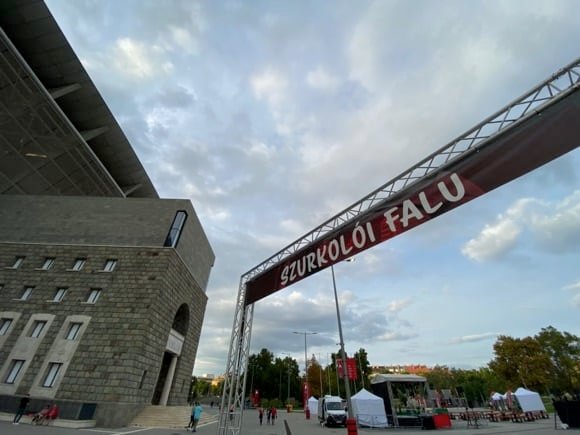
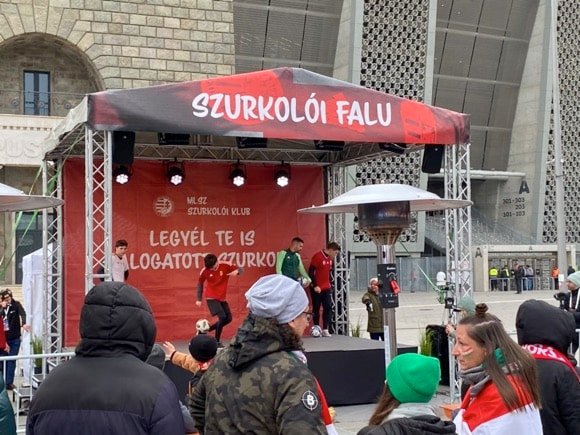
For major fixtures and finals, a Fan Village is set up at the stadium, usually alongside the Tower and statue park.
The kiosks inside the stadium are cash-free but happy to dispense half-litres of Heineken – there’s a deposit on glasses (repohár) that you need to take back.
We use cookies on our website to give you the most relevant experience by remembering your preferences and repeat visits. By clicking “Accept All”, you consent to the use of ALL the cookies. However, you may visit "Cookie Settings" to provide a controlled consent.
This website uses cookies to improve your experience while you navigate through the website. Out of these, the cookies that are categorized as necessary are stored on your browser as they are essential for the working of basic functionalities of the website. We also use third-party cookies that help us analyze and understand how you use this website. These cookies will be stored in your browser only with your consent. You also have the option to opt-out of these cookies. But opting out of some of these cookies may affect your browsing experience.
Necessary cookies are absolutely essential for the website to function properly. These cookies ensure basic functionalities and security features of the website, anonymously.
Cookie
Duration
Description
cookielawinfo-checkbox-analytics
11 months
This cookie is set by GDPR Cookie Consent plugin. The cookie is used to store the user consent for the cookies in the category "Analytics".
cookielawinfo-checkbox-functional
11 months
The cookie is set by GDPR cookie consent to record the user consent for the cookies in the category "Functional".
cookielawinfo-checkbox-necessary
11 months
This cookie is set by GDPR Cookie Consent plugin. The cookies is used to store the user consent for the cookies in the category "Necessary".
cookielawinfo-checkbox-others
11 months
This cookie is set by GDPR Cookie Consent plugin. The cookie is used to store the user consent for the cookies in the category "Other.
cookielawinfo-checkbox-performance
11 months
This cookie is set by GDPR Cookie Consent plugin. The cookie is used to store the user consent for the cookies in the category "Performance".
viewed_cookie_policy
11 months
The cookie is set by the GDPR Cookie Consent plugin and is used to store whether or not user has consented to the use of cookies. It does not store any personal data.
Functional cookies help to perform certain functionalities like sharing the content of the website on social media platforms, collect feedbacks, and other third-party features.
Performance cookies are used to understand and analyze the key performance indexes of the website which helps in delivering a better user experience for the visitors.
Analytical cookies are used to understand how visitors interact with the website. These cookies help provide information on metrics the number of visitors, bounce rate, traffic source, etc.
Advertisement cookies are used to provide visitors with relevant ads and marketing campaigns. These cookies track visitors across websites and collect information to provide customized ads.