A fan’s guide – the club from formation to today
Think of Orlando, and Florida sunshine, oranges, and Walt Disney all spring to mind – though probably not grimy Stoke-on-Trent. And yet the man who brought MLS to this part of Central Florida is Stokie through and through.
Back in 2010, former Potters board member Phil Rawlins had promised that a franchise would launch here within three to five years, and, true to his word, Orlando City not only made its MLS debut in 2015, it did so in front of 62,510 spectators and with a World Cup winner, Brazilian star Kaká, scoring the equalising goal in stoppage time for the Floridians.
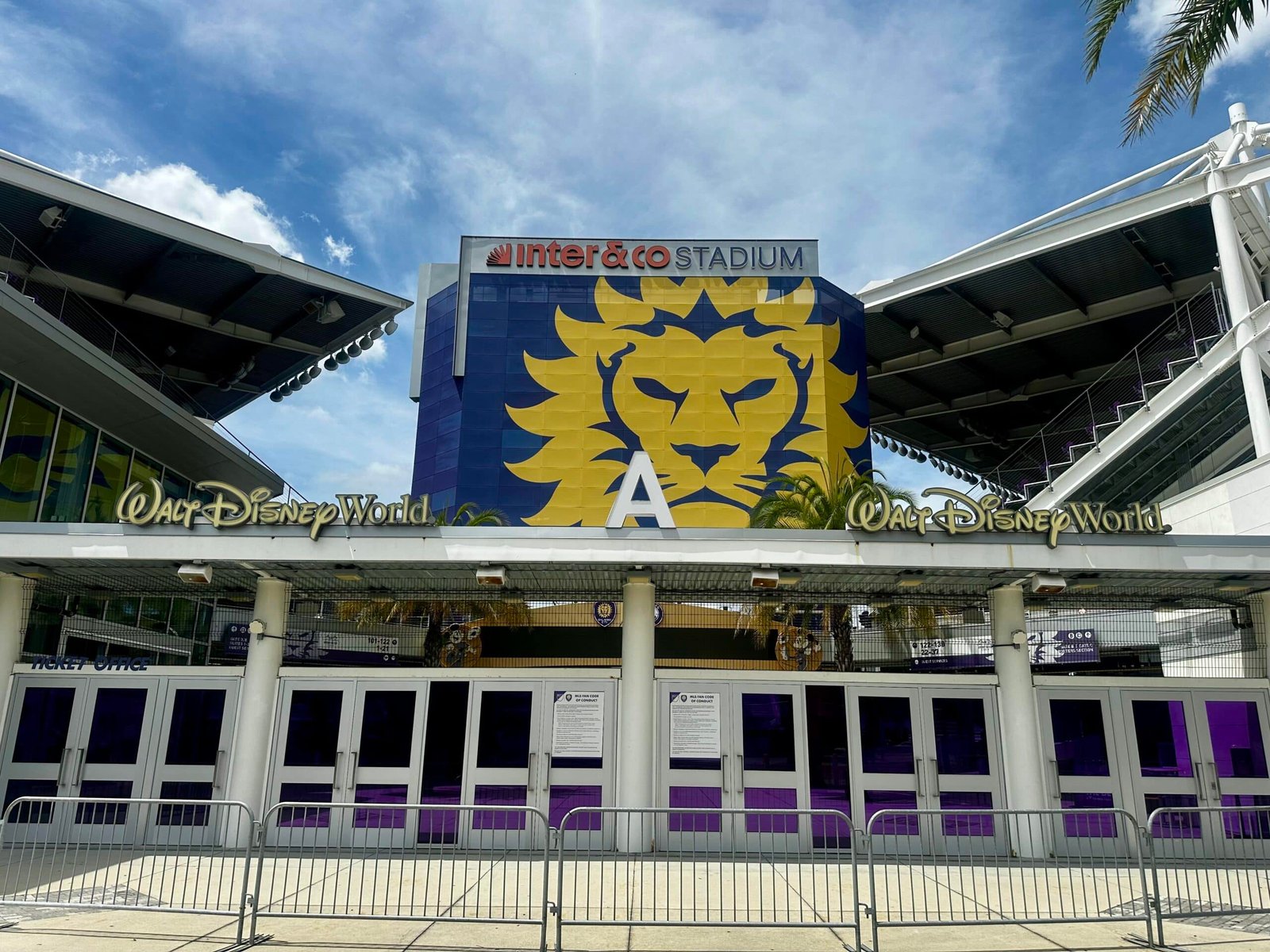
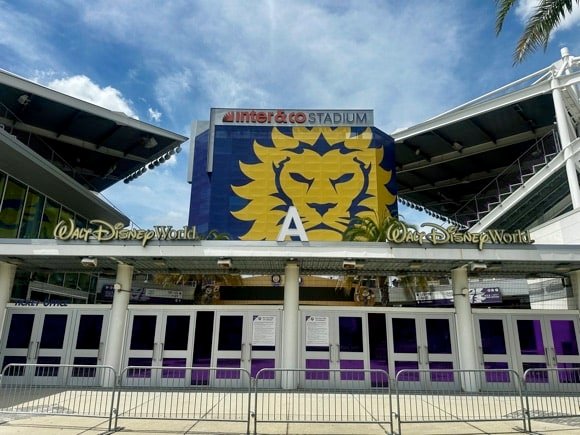
The venue, the Citrus Bowl west of Downtown Orlando, would be replaced by a soccer-specific new-build, Inter & Co Stadium, closer to the Central Business District, in 2017. Construction had just begun when the former Ballon d’Or recipient set the newly formed Lions en route to a reasonable inaugural season in MLS, but it would be another eight years before Orlando would be in serious contention for the MLS Cup, by which time Rawlins had long gone.
The man who first put Orlando soccer on the map in the pre-MLS days remains one of the sport’s great pioneers in the States. Having falling in love with soccer as a teenager, playing in rainy, windy conditions in his native San Francisco, Mark Dillon quickly appreciated the dedication generations of local players and coaches had shown to maintain the semipro game in the City of Fog since the early 1900s.
Training hard and painstakingly improving his technique, Dillon was only 16 when played for one of those San Fran sides, leading to induction into the University of San Francisco. Starring in the team under legendary coach and National Soccer Hall of Famer Stephen Negoesco which won the national championship in 1975, Dillon turned pro to join San Jose Earthquakes in the NASL day before taking the unusual step of offering himself to play for Wrexham – the Wrexham – in 1977.
Though not making any appearances for the senior team, having impressed at trials, he became the first American to be signed by a Football League club. Returning to the States, he set up the Orlando Lions in 1985, the name later honored by MLS side City in its crest and mascot. Playing professionally until 1991 when it merged with Fort Lauderdale Strikers, the Lions returned to play win awards at amateur level through the 1990s.
Where the team played, the Citrus Bowl, was among the many challenges coach and founder Dillon had to overcome to keep the team going. Built as part of Roosevelt’s New Deal in 1936, the 50,000-capacity Citrus Bowl hosted the annual college football game of the same name, but would only attract crowds of under 3,000 for soccer. These sparse figures were only accentuated by a major stadium rebuild and expansion to 65,000 capacity in 1989.
Initially welcoming local college players and renegades from the now defunct NASL, the Lions turned pro in 1988 to join the short-lived American Soccer League, Dillon bringing in a major investor in Tallahassee entrepreneur Colin Phipps, but the pair soon fell out as the ASL began to collapse.
Returning to reawaken the Lions as amateurs in 1992, Dillon popularized the game at local grassroots level just as Orlando was co-hosting two major tournaments, the World Cup and the Olympic soccer tournament two years later. The Citrus Bowl staged five games in 1994, Irish and Benelux players subjected to punishing temperatures with no water relief as their matches kicked off around noon. Few teams left Orlando with much affection despite crowds of 60,000-plus.
For games in the men’s and women’s Olympic tournament involving France, Spain and a Brazil side starring Ronaldo, Bebeto and Juninho, as well as Mia Hamm and her gold-medal winning USWNT teammates, kickoff times were generally scheduled for the early evening, though this still failed to bring more than 30,000 through the gate, even to cheer on U.S.A..
After the Lions folded, with MLS now started up and Florida represented by Tampa Bay, soccer evangelist Dillon persuaded another rich backer to fund another venture, Orlando Sundogs, to play pro in the second-tier A-League. Even fewer spectators occupied a thousand or more seats in the Citrus Bowl, and the Sundogs were done after a solitary season. Dillon cut his losses and began working with big European names, eventually heading the Düsseldorf-based Talent Projekt to nurture young American players at notable clubs across the Atlantic.
Though Tampa only lasted six seasons in MLS, money men far wealthier than the ones Mark Dillon had found kept the big teams afloat and by 2010, experienced sports executive Steve Donner, having successfully brought professional hockey to Florida, had bought a pro expansion slot for Orlando in the United Soccer League. At the time, Phil Rawlins was overseeing USL Second Division side Austin Aztex, linked with Stoke City, whose colors they shared.
Upon hearing of an opportunity in Orlando, and despite promising initial attendances in Texas where he had set up a company working in IT sales training, Rawlins moved Aztex to Florida in October 2010 to become Orlando City. He took with him all-time Stoke City hero, locally born Adrian Heath, a former England U-21 international who had been persuaded across the Atlantic to coach in Austin, and Texan goalkeeper Miguel Gallardo, an award-winning regular at Aztex.
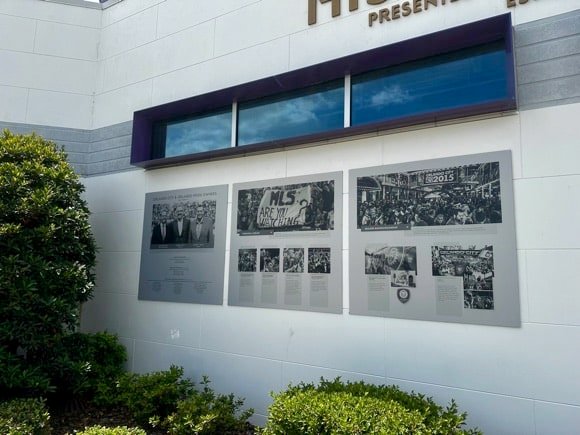
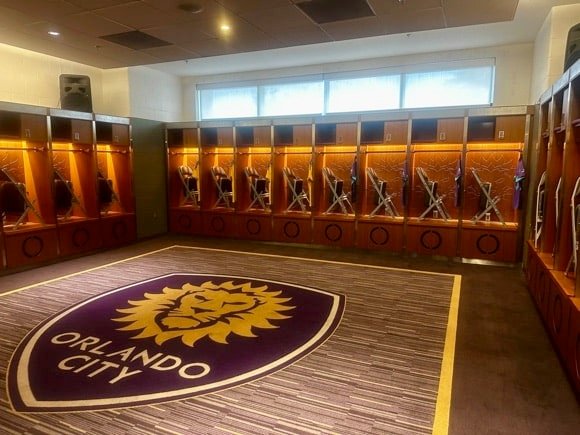
Orlando proved to be an inspired move. Announcing his ambition to become an MLS franchise, Rawlins sold his IT company and poured the proceeds into his dream team, meeting with MLS commissioner Don Garber as early as February 2011. Winning the third-tier USL Pro League in its debut season, Orlando City also attracted the highest average attendance to the Citrus Bowl. Individual honors for the season were awarded to coach Adrian Heath and goalkeeper Gallardo.
Signing Trinidad and Tobago international striker Kevin Molino, Orlando won the USL Pro League in the regular season once more but succumbed to a 3-4 defeat by Wilmington Hammerheads in front of nearly 8,000 spectators at the Citrus Bowl in the Playoff Semifinal. Claiming back the title in 2013 with goals from Sussex-born loanee from Sporting Kansas City, Dom Dwyer, Orlando won the Commissioner’s Cup in 2014, having moved out of the Citrus Bowl to play at the ESPN Wide World of Sports Complex at Walt Disney World Resort.
The city had long been preparing for the arrival of MLS, the franchise obtained by incoming owner Flávio Augusto da Silva in November 2013 after the Brazilian had bought the club for $80 million. Having sold his chain of English language schools, da Silva also announced the construction of a soccer-specific stadium and, behind the scenes, worked his business links with his compatriot and key contact Kaká, a recent La Liga winner with Real Madrid.
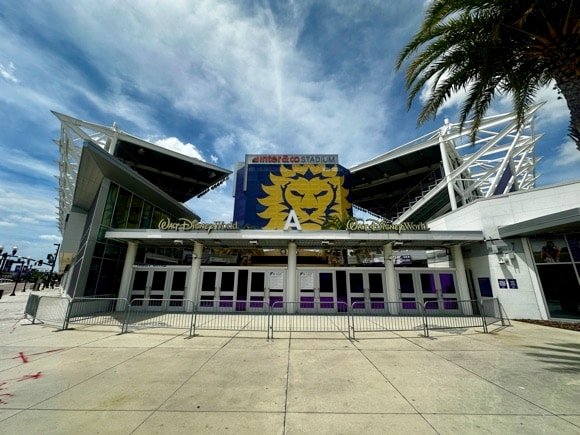
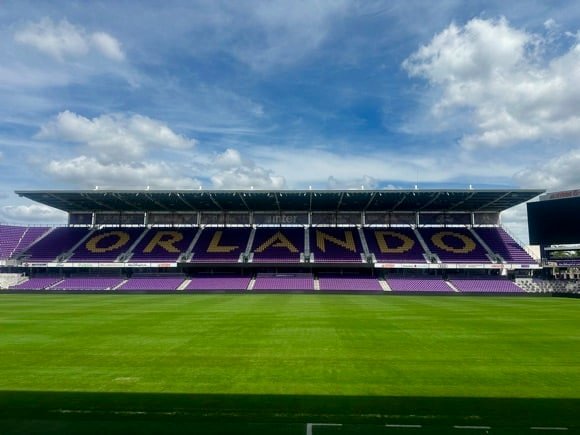
Seeing out the last three years of his playing career at Orlando, Kaká kept the Lions in the hunt and attendances above 30,000, the second-highest in MLS while the Citrus Bowl was the home stadium. All this time, da Silva’s new arena was being built from his own funds, skirting local politics and interference from the authorities. The club now owns the stadium it plays in, despite construction costs of $155 million.
An appropriate capacity of 25,550 filled for the inaugural game at Orlando City Stadium in March 2017, the hosts beating New York City 1-0, and for a USMNT World Cup qualifying match against Panama five months later. The same fixture was repeated in front of a similarly full attendance for a 2022 World Cup qualifier five years later. In between, the venue gained the sponsor’s name of a Brazilian digital bank, Inter&Co Stadium, although crowd numbers for subsequent internationals and showcase fixtures have been somewhat disappointing.
By 2016, Phil Rawlins had already stepped back from his duties, announcing his departure from his wife and club co-founder Kay, and his next destination of Colorado. While Reddit posts posited theories of a romantic dalliance and growing friction with owner da Silva, Rawlins remains life president of Orlando City, his long travails in establishing the operation outlined in the 2017 book, Defying Expectations by Simon and Susan Veness. Adrian Heath had been pushed out shortly before his mentor’s exit.
After a couple of false starts, Orlando’s next major coaching hire was a smart one: Óscar Pareja, who had run the midfield at FC Dallas for seven seasons. With MLS halted during lockdown shortly afterwards, the Colombian led the Lions to the Final of the MLS is Back Tournament, losing narrowly to Portland Timbers.
Making the playoffs once the regular season restarted, Orlando edged the first game on penalty kicks to New York City, during which fiery Peruvian goalkeeper Pedro Gallese was shown a second yellow card after seeming to save NYC’s fifth attempt – only to have his efforts ruled out by VAR. Defender Rodrigo Schlegel was eventually commandeered to don the gloves, and duly saved the visitors’ vital last try after former Manchester United star Nani had failed to convert for Orlando. The Floridians had won the first playoff match in their history.
The Eastern Conference Semifinal with New England Revolution lacked similar drama, and Orlando ran out of luck with a routine defeat to the Revs. Falling in the First Round to Nashville the following year, the Montréal the next, Orlando was at least staying in contention following the regular season.
Silverware would come in the form of the U.S. Open Cup in 2022, following a penalty shootout win over new local rivals, Inter Miami, in the Round of 16. In the Final in Orlando, a capacity crowd watched the hosts suffer for much of the game against the underdogs from California, Sacramento Republic, only for Facundo Torres to score a brace in a 3-0 win. The young Uruguayan international had been a club record signing of $9 million earlier in the season. The stadium filled again for the Eastern Conference Semifinal with the Columbus Crew in 2023, Torres unable to score as the visitors edged a win in extratime.
The penalty drama increased in 2024 when Torres strode up to hit a crucial spot kick as the clock stood on 98 minutes and Charlotte seconds away from making the Conference Semifinals. Though the Uruguayan hit the post, he was the first to react to snaffle up the rebound, and send the three-game series direct to a shootout. Peruvian keeper duly Gallese shone and Torres buried his second penalty minutes later for Orlando to reach the final four for the first time.
In front of another full house at Inter&Co Stadium, one game away from a first ever MLS Cup Final, the Lions failed to capitalize on the few chances they made against tenacious visitors, New York Red Bulls. A single NYRB header just after halftime sent the Eastern Conference League trophy to the Big Apple.
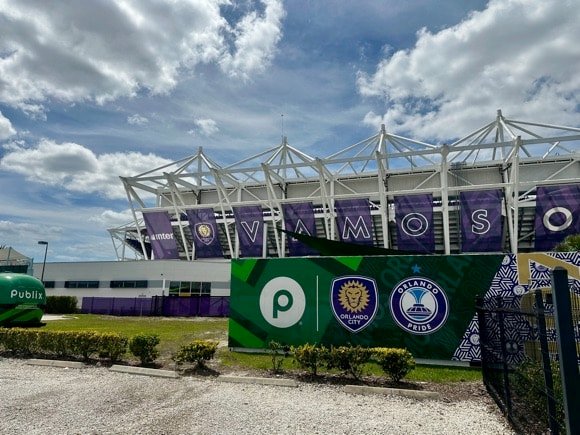
Succeeding in taking Orlando to the Playoffs in 2025 for the sixth time running, Óscar Pareja had had to make do without the prolific Facundo Torres, transferred for a club record $14 million to Palmeiras of Brazil after topping the scoring charts yet again for the Lions the year before. Da Silva had sold the club to the Wilf brothers, owners of NFL’s Minnesota Vikings, in 2021 for around $400 million, the deal including NWSL side Orlando Pride which went on to win the Championship in 2024. Sharing Inter&Co Stadium with the men’s team, Pride plays in the same purple jerseys, fielding the likes of Alex Morgan and Brazilian superstar Marta.
Stepping into the role left by Torres was Argentine Martín Ojeda, signed in 2023, but Orlando could only claim a Wild Card spot in the Playoffs and succumbed to a lackluster defeat to Chicago Fire. The poor form continued into 2026. A loss to Florida rivals Inter Miami was followed by a 5-0 whitewash by New York Red Bulls, the signal for coach Pareja to leave after six creditable seasons. Replacing him with his assistant, Martín Perelman, the Lions improved to overcome Inter Miami at Nu Stadium, an Ojeda hat-trick setting up a memorable 4-3 win thanks to a decider in stoppage time from Trinidad international, Tyrese Spicer.
STADIUM GUIDE
The field of dreams – and the story behind it
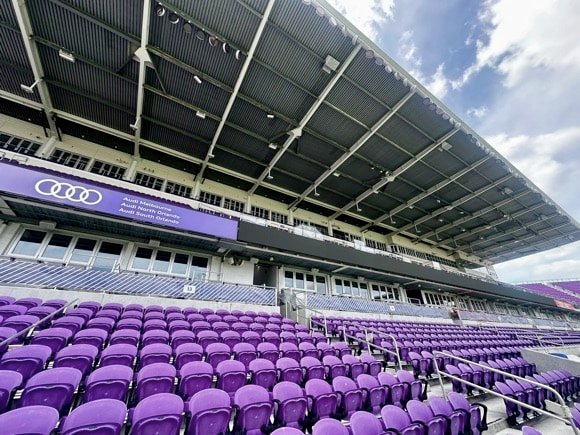
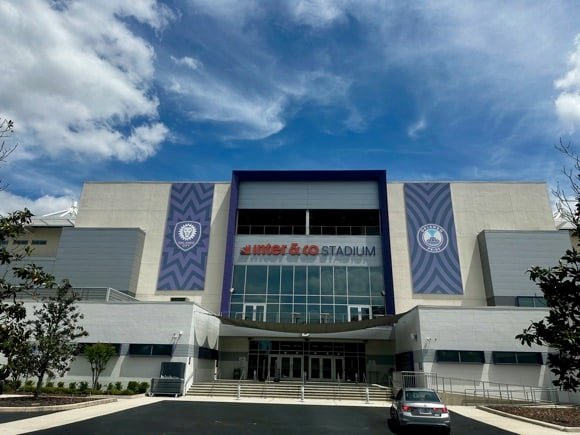
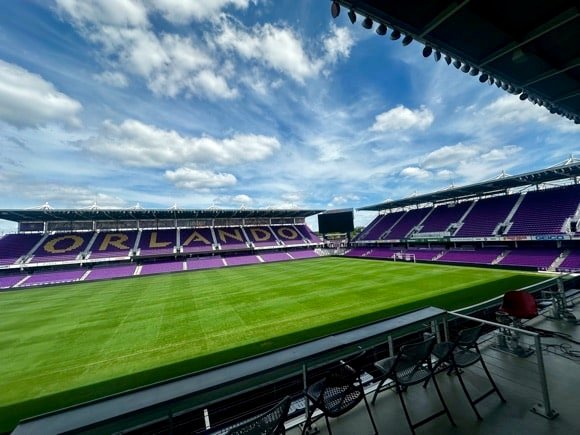
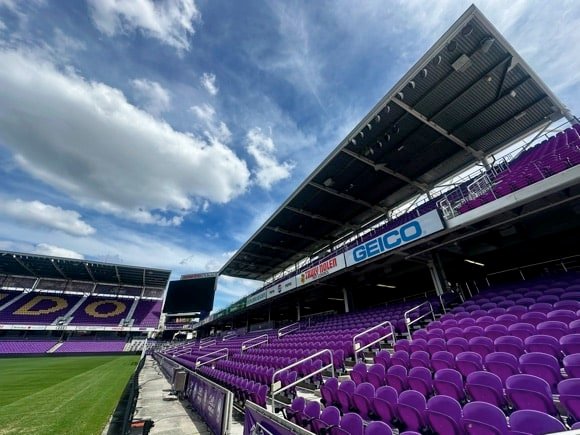
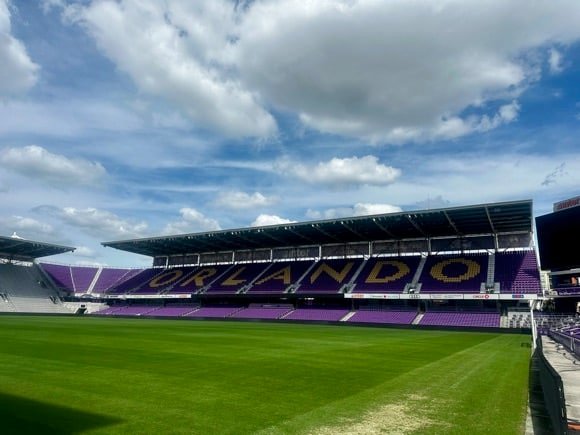
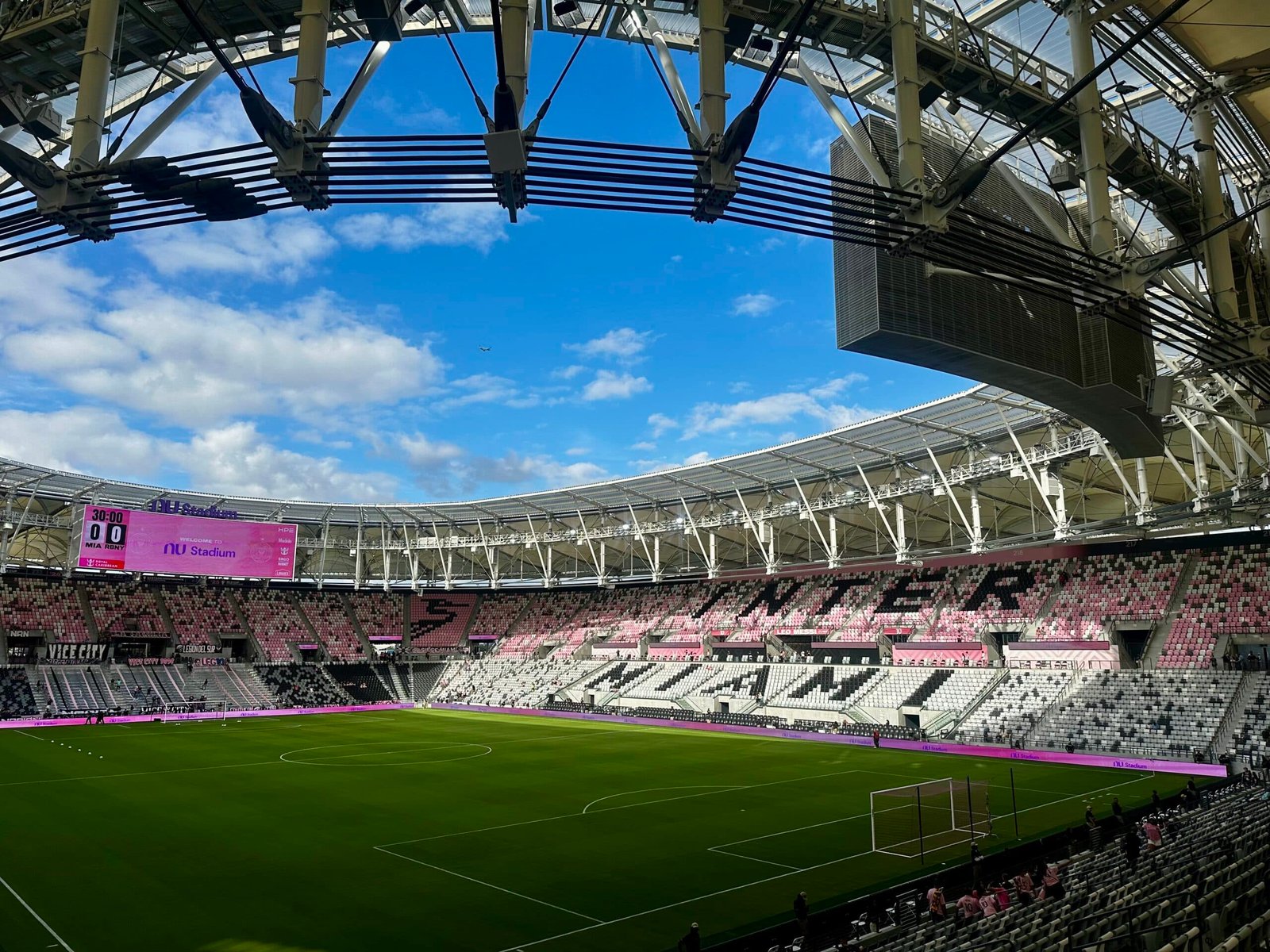
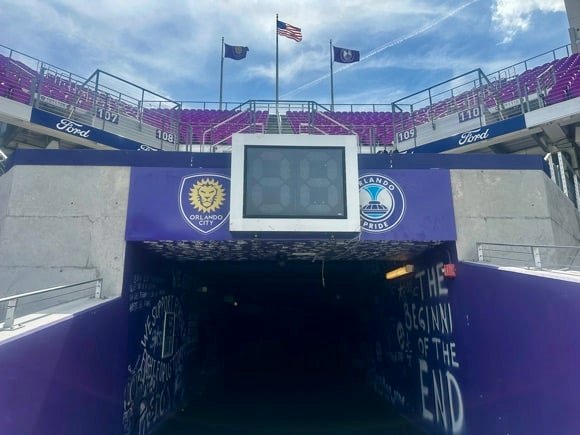
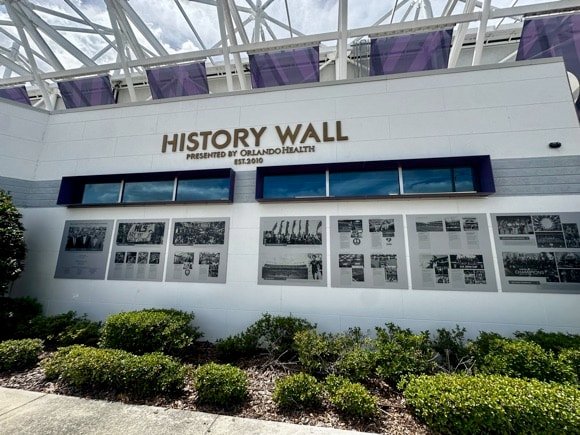
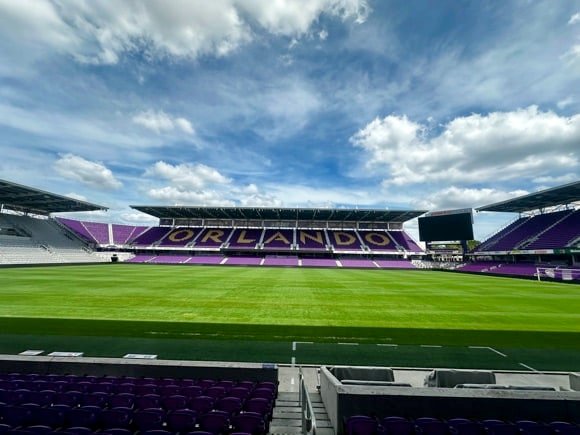
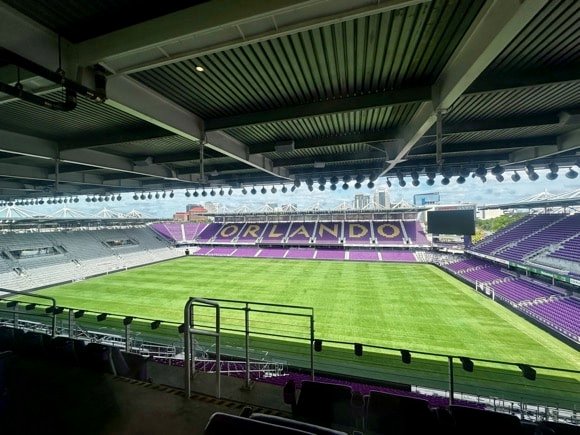
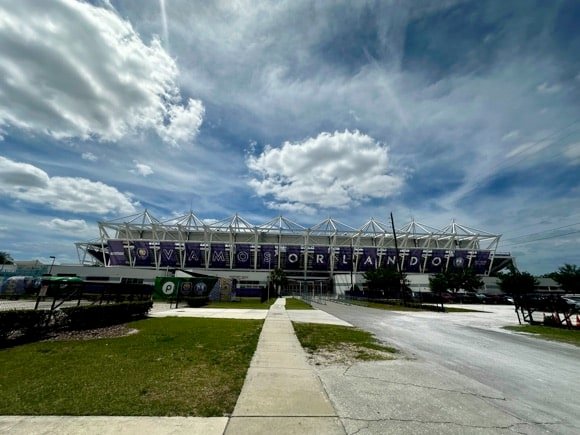
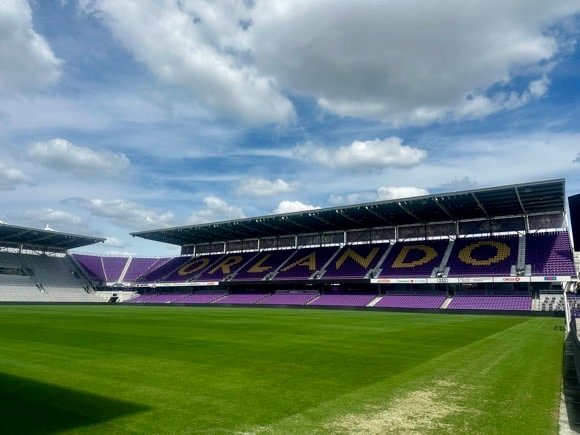
A short walk from the city center, close to Church Street Station on the SunRail line linking with suburban Orlando, Inter&Co Stadium shows what you can do by keeping a project in your own hands, a superb soccer-specific arena set in a downtown location.
Originally to be part-funded by Orange County, construction was then entirely financed privately once Brazilian entrepreneur Flávio Augusto da Silva bought Orlando City from Phil Rawlins, who had long been battling officialdom to get the stadium built. The club’s ownership was now able to up the proposed capacity from 19,000 to 25,500 and move the site one block west, incurring an increased cost of $155 million overall.
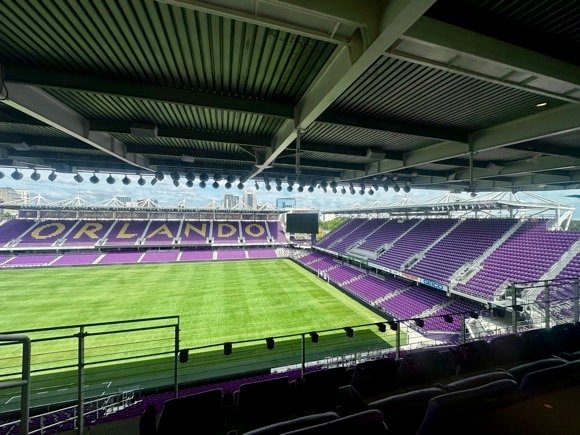
It could also dictate design and features. The stadium celebrates the city as well as hosting its two major soccer clubs, men’s and women’s. Its four sides covered, this was the first stadium in North America to feature a safe-standing area, The Wall, for The Ruckus and the Iron Lion Firm in sections 22-28 in the north end. It was also the first to honor victims of a mass shooting in a local gay nightclub, installing 49 seats rainbow-colored seats in Section 12. Integral to the complex is a large fan plaza for pregame socializing on the corner of W Pine Street and S Terry Avenue on the east side of the stadium.
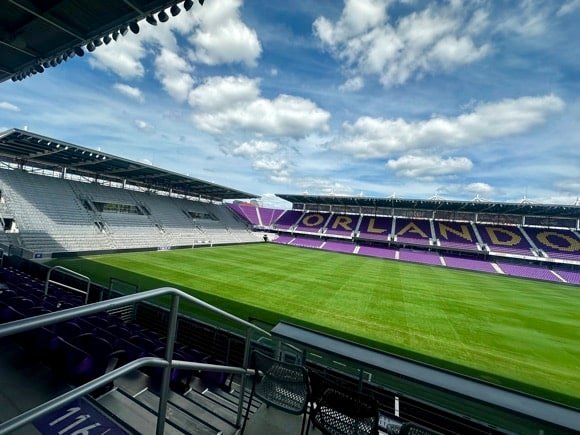
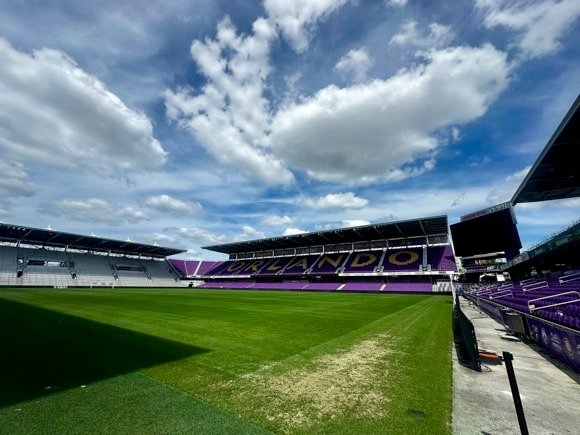
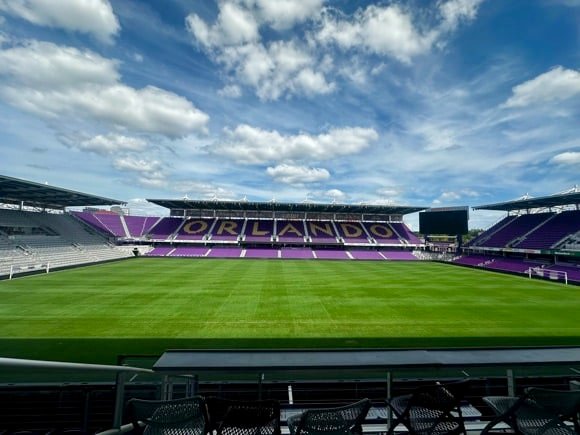
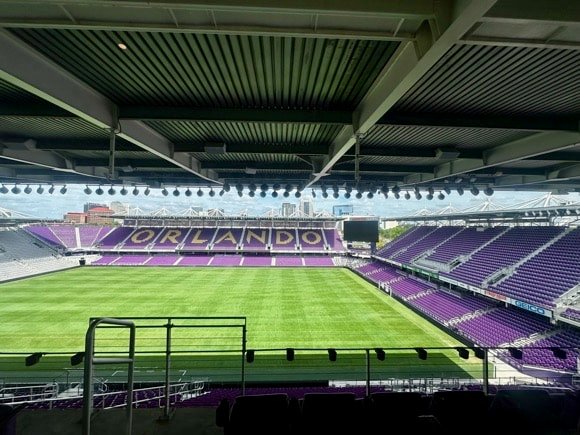
Lowering the pitch of natural grass by eight feet has granted all spectators excellent sightlines of the action, also beamed on TV screens around the stadium. This includes followers of the away team at the top of Section 101, accessed through Gate A in the southeast corner behind the south goal. The atmosphere can turn from fiery to hostile for the Florida derby with Inter Miami and the visit of previous nearest rivals, Atlanta United.
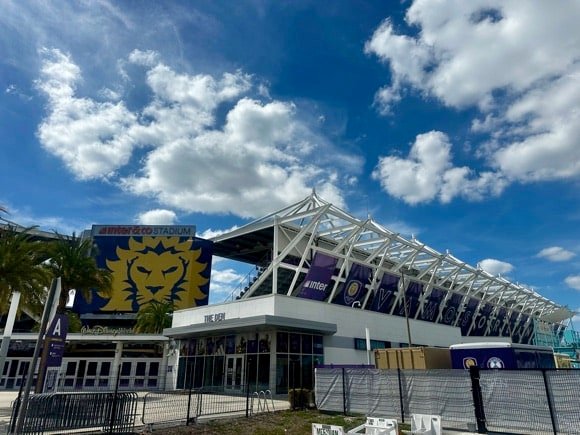
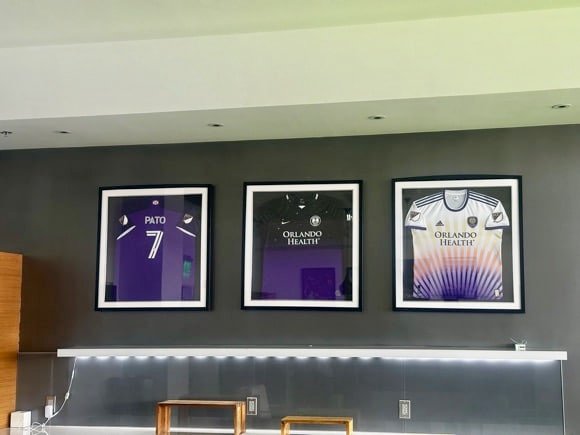
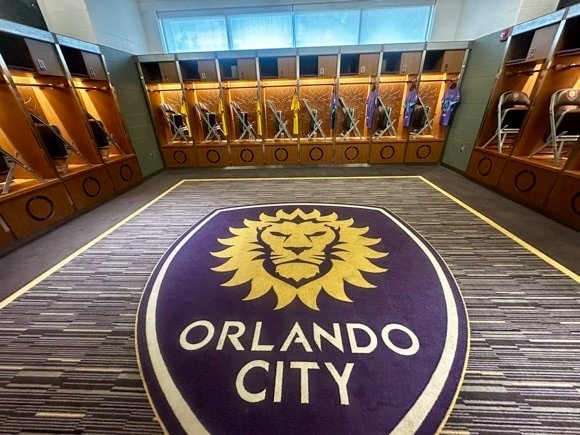
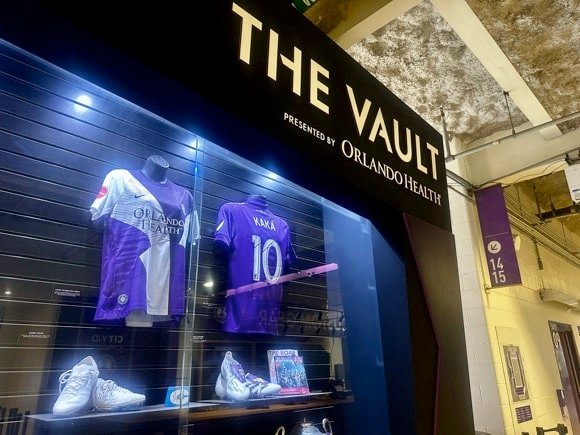
You’ll find the club store at The Den by Section 1, a selfie station in Section 10, The Vault in Section 15 for trophy displays and exhibitions, the Jersey History Experience of past Lions and Pride kits in Section 16, and the jerseys of that day’s starting XI presented in Section 18.
These family-friendly features and the downtown location have enabled the stadium to stage more than 30 international fixtures, starting with USMNT v. Panama, a World Cup qualifier, in 2017, the same year that the venue was unveiled, right up to a England’s pre-World Cup game with Costa Rica in June 2026. The MLS All-Star Game of 2019 with Atlético Madrid, featuring Wayne Rooney and Zlatan Ibrahimović, also attracted a full house, as did the U.S. Open Cup Final in 2022.
TRANSPORTATION
Going to the stadium – tips and timings
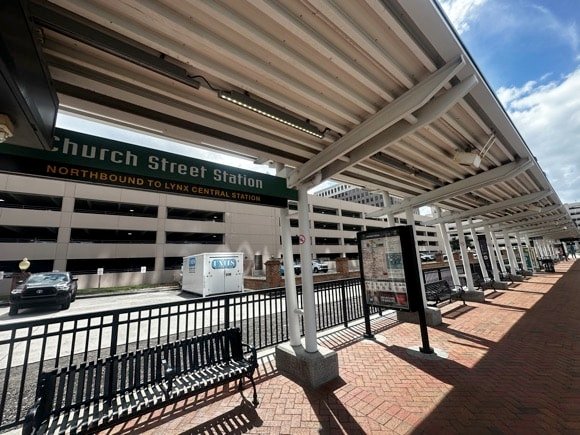
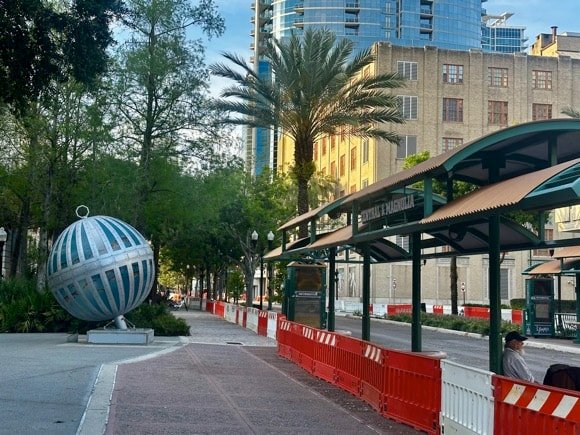
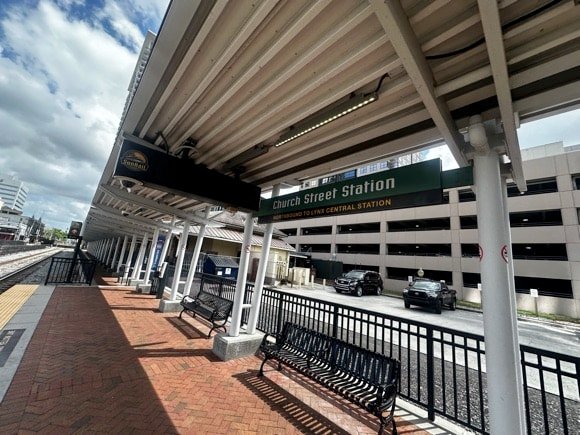
Orlando International Airport is six miles (10km) southeast of Downtown Orlando, with an Intermodal Terminal for Brightline trains from Miami (from $40, journey time 3hrs 30mins) connected to Terminal C. The free Terminal Link people mover connects to Terminals A and B.
A direct SunRail link to Downtown Orlando is currently in the planning stage. For the time being, passengers should take advantage of the weekday-only Train to Plane service, boarding LYNX Buses 11, 42 or 311 (every 15-30mins, journey time 15-20mins) to Sand Lake Road SunRail and then the SunRail train to Church Street Station (15mins) a short walk from the stadium.
Tickets ($2 including transfers, All-Day pass £4.50) are available from vending machines. You can also use the SunRail or LYNX app, or buy a SunCard ($5) for convenience and discounts. For trains, tap in and tap out using the readers on the platform, for buses, show your ticket or pass to the driver. On weekends, you have to buy a separate ticket ($2) or pass for the bus. LYNX also operates a city-wide network of buses accessed by the same ticketing system but with the stadium, hotels and bars all sited Downtown, you’ll probably end up walking everywhere.
Orlando Taxi24 (+1 407 529-4848) should charge around $50 for the 20-minute drive to Downtown Orlando, nearer to $60 for the stadium. Many local hotels also provide a Shuttle Service.
Where to Drink
Matchday beers at the stadium and downtown
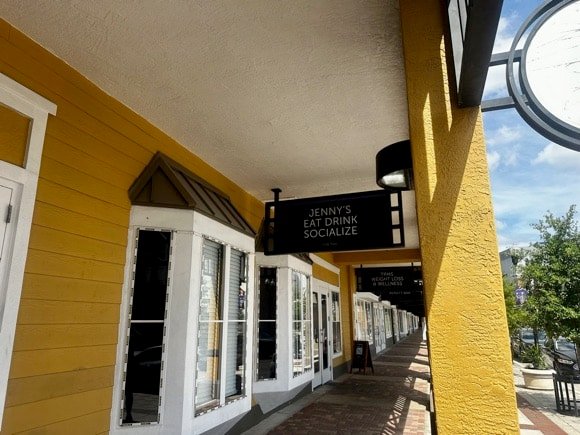
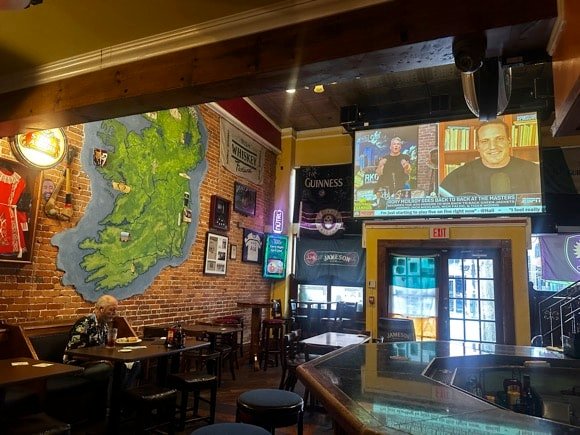
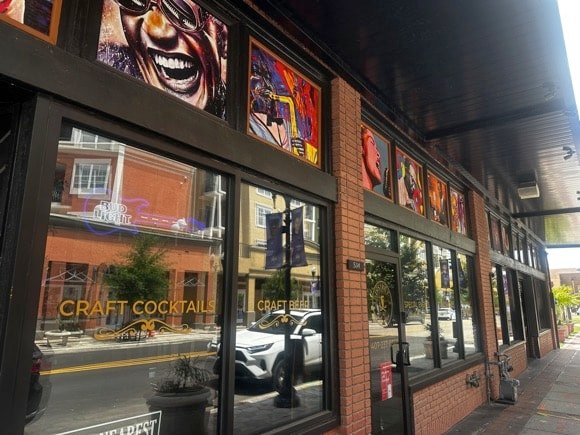
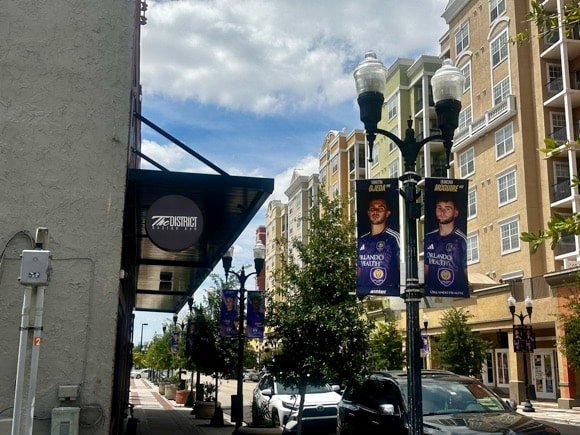
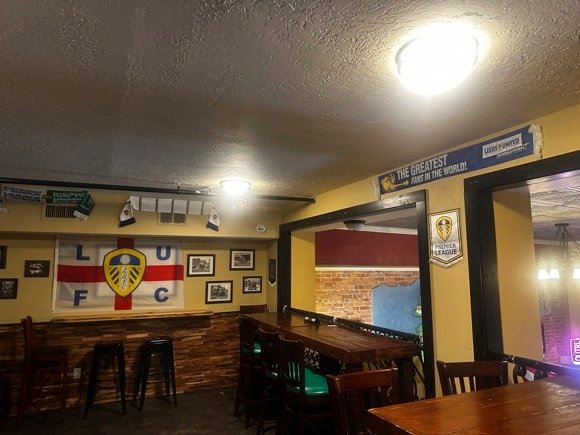
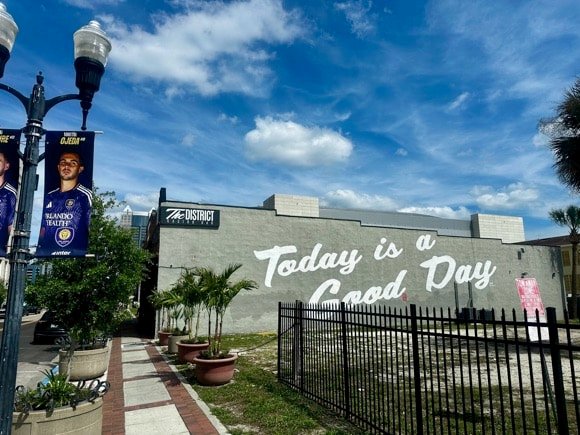
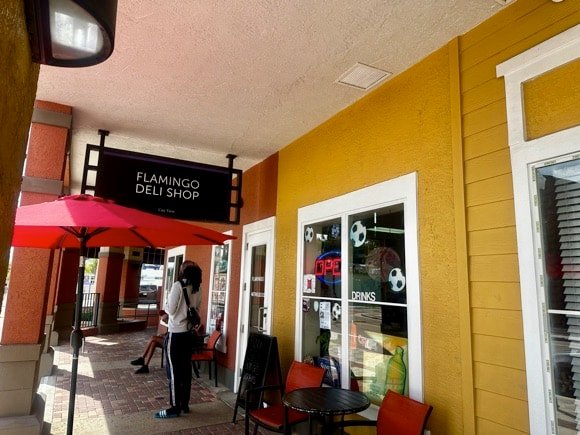
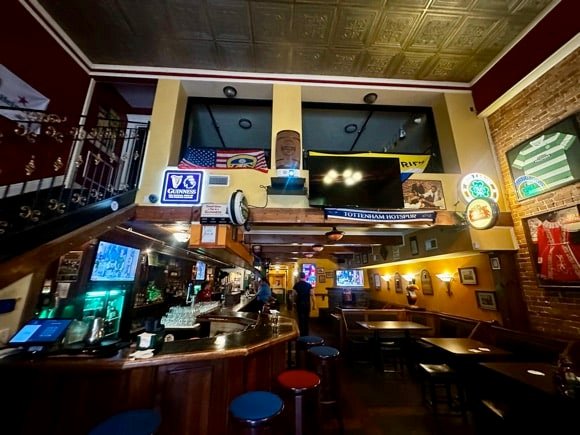
Given the strange closure of the British PaviLION, a sports pub in the stadium complex, before the World Cup, the nearest bar/restaurants is Jenny’s Downtown Orlando Southern Retreat on adjoining W Church St, which specializes in fried wings, stone baked flatbreads, and shared small plates (Motown beef meatballs, house tacos, and fried fish nuggets). Look out, too, for soul food and happy hour specials. A few hundred yards away, The District Gastrobar considers itself a classier choice, happy hour cocktails offered Tue-Fri 4pm-7pm, backdropped by bare brick and TV screens. Closed Mondays.
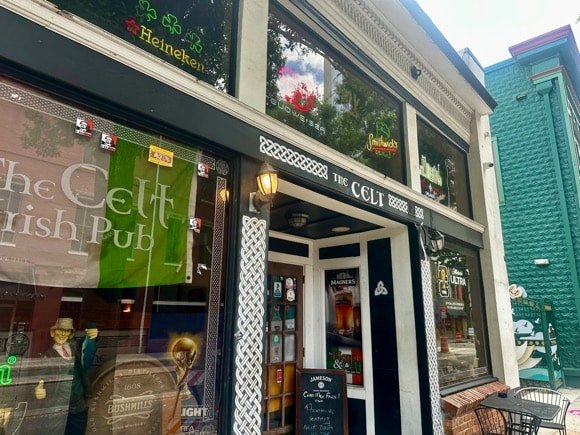
Downtown is close by. Your first port of call should be The Soccer Republic at Harp & Celt on Magnolia Ave, both a genuine, family-run Irish pub in business since 2007, and a must for lovers of the Beautiful Game. This applies in particular to fans of Orlando City and Pride, but also American Outlaws, those who follow both national teams, and supporters of Leeds, Liverpool, Real Madrid, and, rarely catered to in Florida, Nottingham Forest.
Taps of Guinness, Magners, Harp and Smithwick’s line the bar, along with Yeungling from Pottsville, PA, soon to celebrate 200 years of brewing. Classic pub fare may involve an Irish breakfast, and a top of the morning Martini, or save your appetite for one of the humungous sandwiches. Opening hours can be stretched for certain matches.
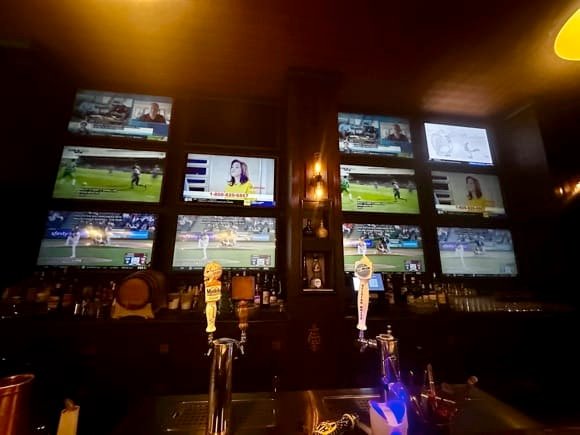
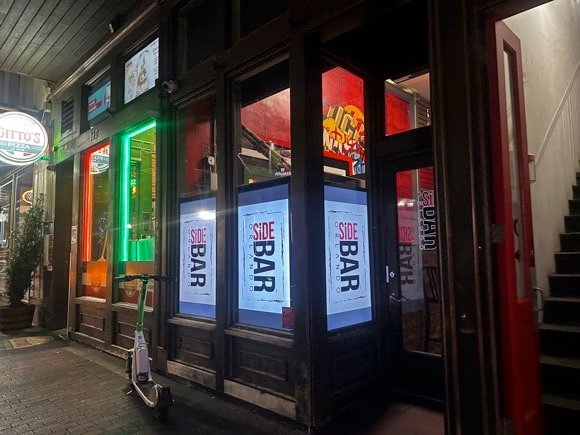
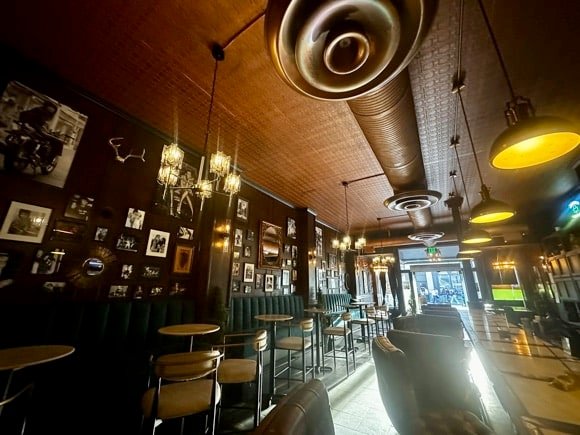
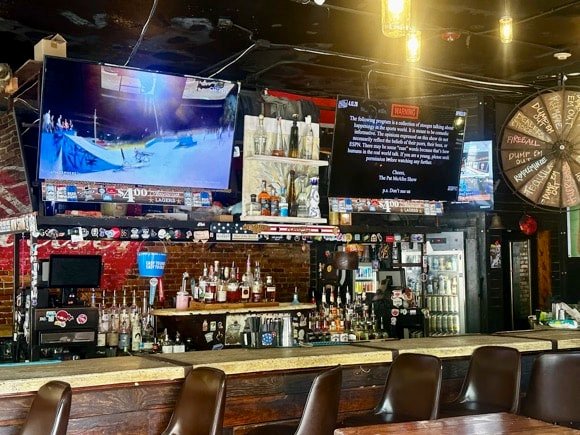
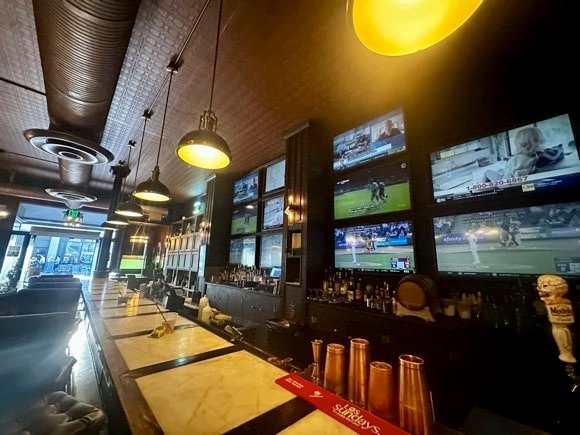
A block away, SideBar Orlando fills a historic building dating back to 1914 with TV screens beaming sports and a long bar upon which glasses of craft beer, pizza slices, and cool cocktails are served. Bar specials run from 5pm Mondays through Thursdays and Sundays.
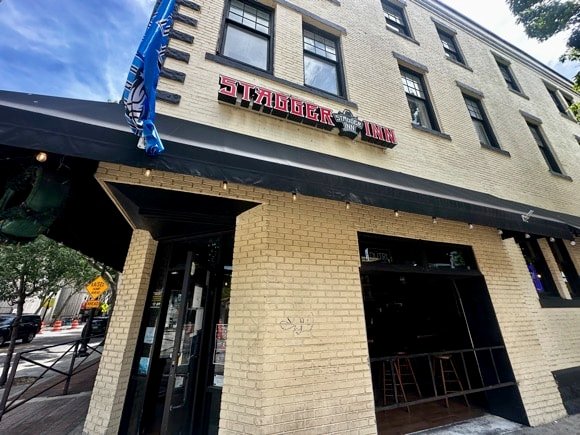
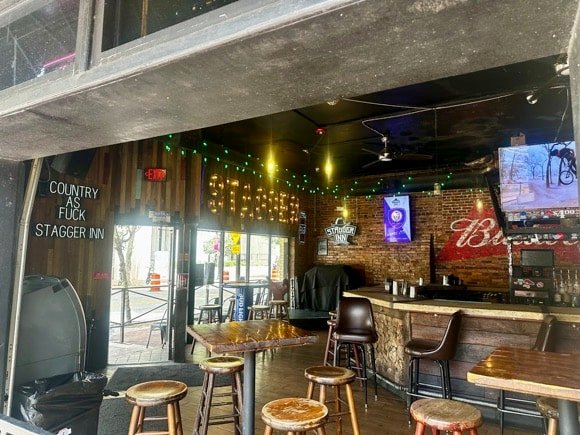
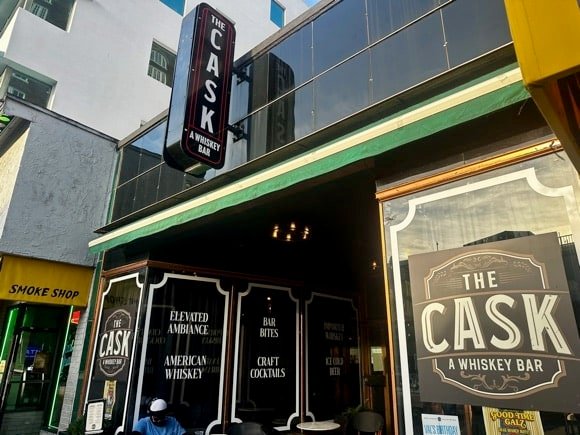
Further up Orange Ave, The Cask was the subject of a televised revamp by the popular Jon Taffer team from Bar Rescue in 2025, hence the plentiful whiskeys and TV screens. Nearby on E Central Blvd, Stagger Inn is Orlando’s home of country music as well as staging tailgate parties and screening sports.
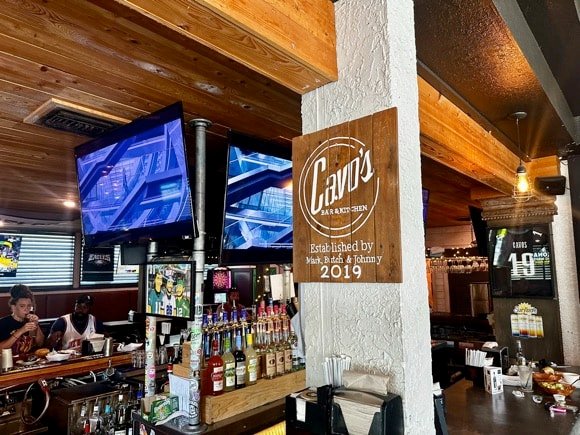
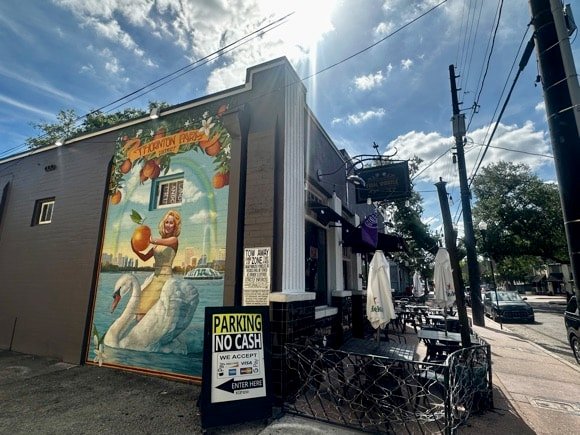
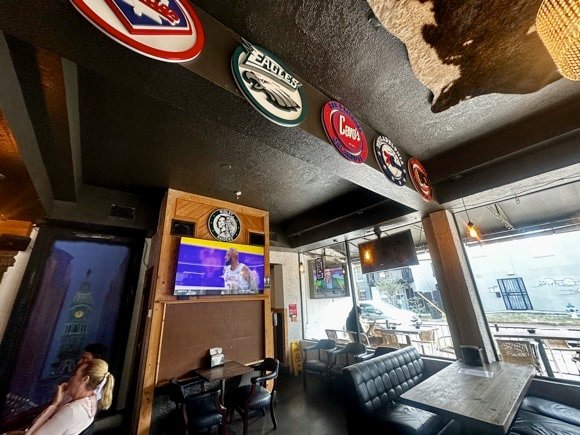
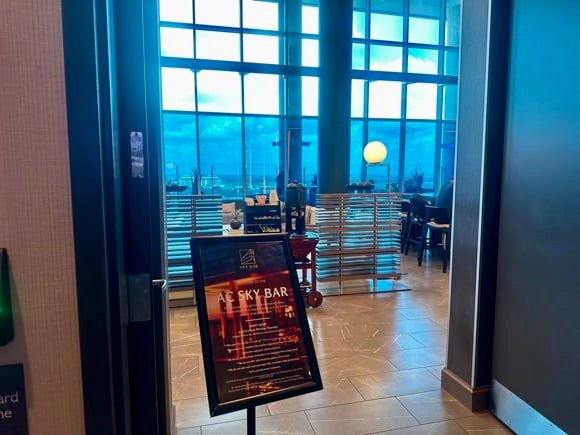
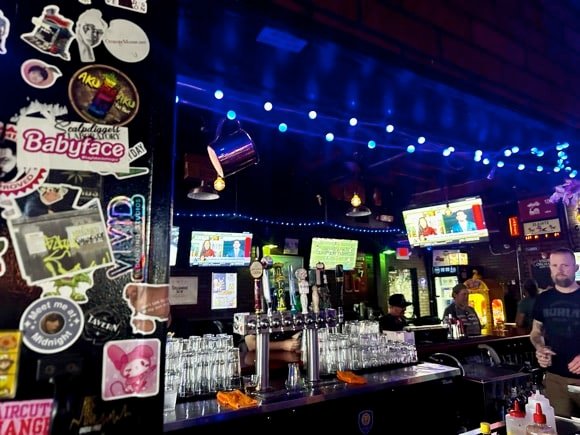
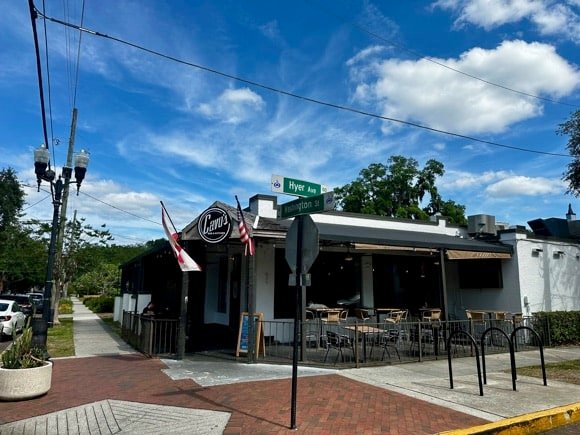
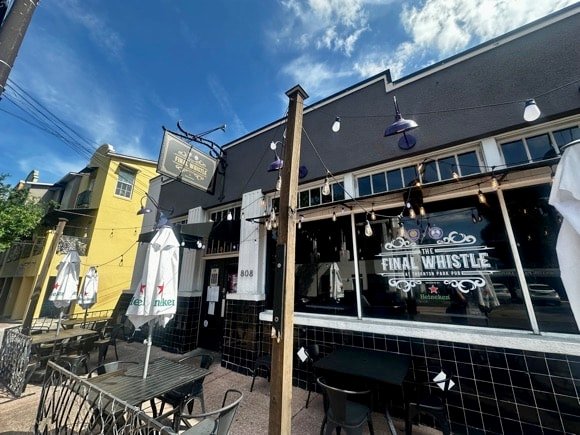
Of the bars the other side of Lake Eola Park, The Final Whistle at Thornton Park Pub makes no bones about its love of the round-ball game, soccer jerseys hanging from the ceiling and an Orlando City flag dangling outside. You can watch the game over a Lions’ Pie pizza sassied up with vodka sauce, and a Florida Showers beer from the Little Wekiva Brewery from nearby Longwood. Nearby, family-run Cavo’s specializes in Philly cheesesteaks and quality handhelds, with TV screens everywhere you look.
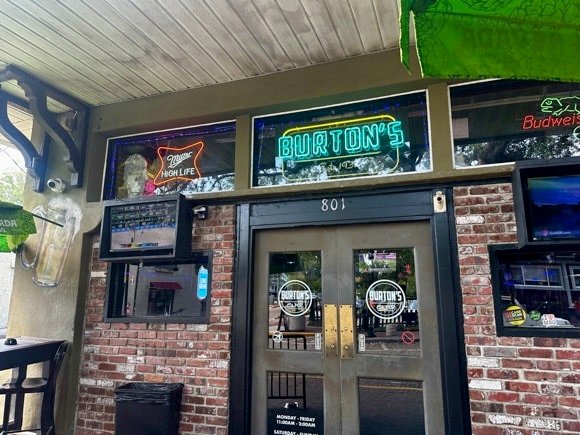
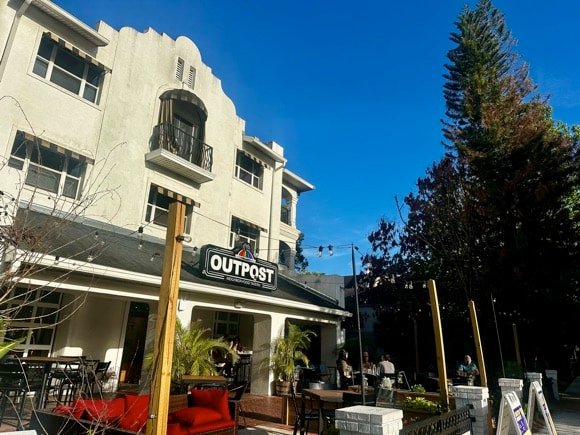
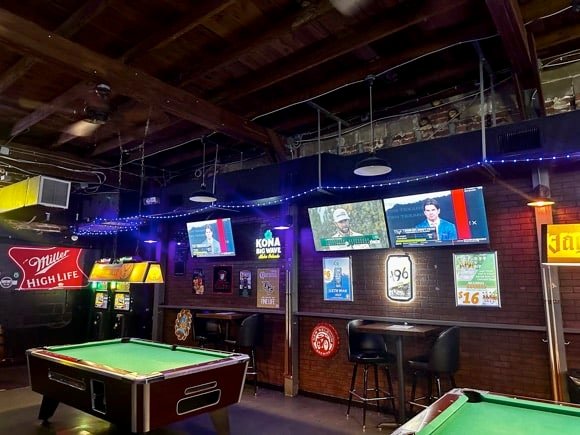
Alongside, Burton’s ticks all the boxes – beer, shots, pool – as promised on blackboard outside, but also has TV sports, a decent kitchen, and a terrace. Nearby, closer to the lake, Outpost screens games and supports the LGBTQ+ community, welcoming visitors with Southern hospitality and cuisine, not to mention generous happy hours.
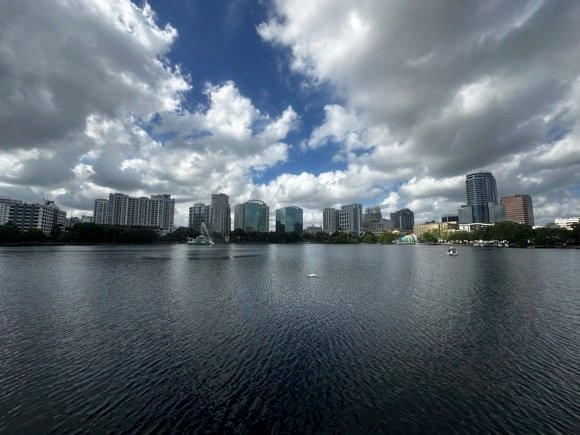
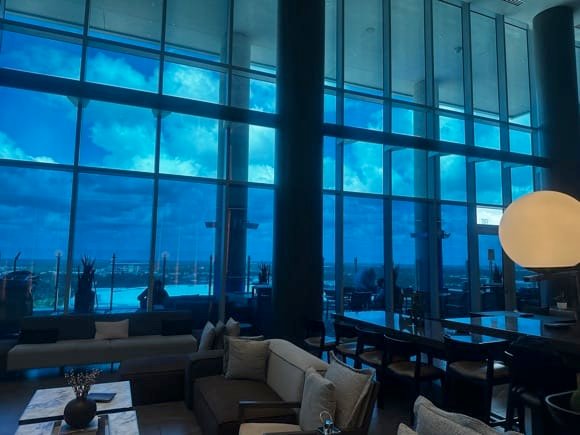
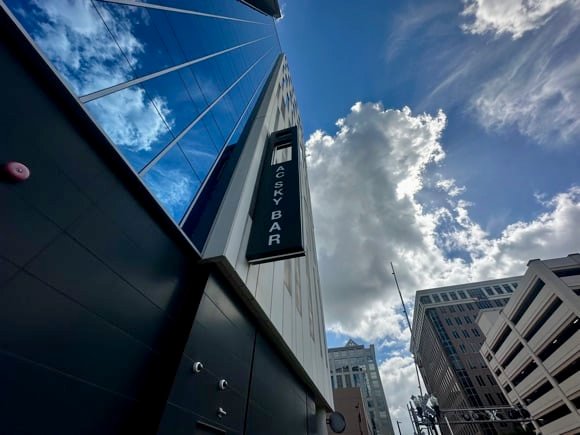
Before you go, or when you arrive, head up to the AC Sky Bar in the AC Hotel Orlando Downtown near Church Street Station for prime views over the city as you sip your local Crooked Can Florida Sunshine tap beer, or house or seasonal cocktail. If you’re here on a weekend, tuck into an AC Orlando elevated brunch, breakfast favorites with extras and, of course, those panoramic vistas.
timeline
Following the local soccer scene
1985 Mark Dillon sets up Orlando Lions
1991 Orlando Lions merges with Fort Lauderdale Strikers
1992 Dillon revives Orlando Lions as a briefly successful amateur side
1994 Orlando stages five World Cup games before capacity crowds at the Citrus Bowl
1996 Citrus Bowl hosts several matches as part of the Olympic men’s and women’s soccer tournaments
1997 Dillon sets up the short-lived Orlando Sundogs
2010 Sports executive Steve Donner purchases a pro expansion slot for Orlando in the United Soccer League
2010 Stoke City board member Phil Rawlins moves his feeder club, Austin Aztex, from Texas to Florida to become Orlando City. He brings with him former Stoke and Everton star Adrian Heath as coach.
2011 The Lions win the USL Pro League in their debut season, then again in 2013. First talks to set up an MLS franchise in Orlando.
2013 Rawlins sells club to Brazilian entrepreneur Flávio Augusto da Silva but remains chairman. Orlando City announced as 21st MLS franchise.
2014 Jersey color, purple, presented to the public, plus logo and nickname in honor of Orlando’s predecessors, the Lions. Brazilian World Cup star Kaká announced as Designated Player. Work starts on self-funded Inter&Co Stadium.
2015 Playing at the Citrus Bowl, Orlando City makes MLS debut, Kaká scoring in stoppage time.
2016 Heath and Rawlins depart, the club’s founder named life president.
2017 Inter&Co Stadium opens, also stages USMNT World Cup qualifier with Panama in front of a near full house of 25,303.
2020 Colombian Óscar Pareja arrives as coach, improving results straight away. The Lions reach the Playoffs six seasons running, including the Eastern Conference Final in 2024.
2021 Da Silva sells both Orlando City and women’s team Orlando Pride to the Wilf brothers for around $400 million.
2022 Orlando City wins first trophy, the U.S. Open Cup
2024 Orlando Pride wins NWSL Championship.
2026 Óscar Pareja leaves Orlando City following a poor start to the season.