A fan’s guide – the club from formation to today
In 2025, Major League Soccer celebrated its 30th anniversary by accepting a 30th team into the fold: San Diego FC. The newest member of MLS perfectly reflected soccer’s most diverse franchise. In terms of ownership, this was a partnership between a British-Egyptian entrepreneur with roots in Alexandria, and the Sycuan Band of the Kumeyaay Nation with interests in hospitality and entertainment, San Diego was also co-founded by Dominican-American Manny Machado, a local baseball star.
The involvement of the Kumeyaay community indigenous to California means that San Diego became the first soccer club in the world to be overseen by Native American ownership. Moreover, San Diego sits on the frontier with Mexico – so close, in fact, that the oldest line of the city’s trolley network runs right up to the border post, the San Ysidro Transit Center.
Just beyond is Tijuana. To mark its launch, San Diego FC organized a friendly with Club Tijuana (aka Xolos) to “celebrate the rich football culture of the bi-national region” on Mexican Independence Day, September 16, 2025, with festive entertainment. The plan is to make the occasion an annual event.
The venue, Snapdragon Stadium, was built in 2022 beside the former San Diego Stadium, home of San Diego Sockers in the golden era of indoor NASL/MISL in the 1980s, dovetailing with the dying embers of the razzamatazz outdoor version.
But, as detailed in the informative series on YouTube created by local station KPBS, Soccer a la Frontera, there was a professional team here pre-Sockers. In 1968, San Diego Toros set up here after two seasons in Los Angeles, attracting lively crowds in the low thousands to the legendary Balboa Stadium. Built in 1914, stage for presidential speeches and Beatles concerts, this was the main sports arena in the city until 1967.
Starring Brazilian World Cup star Vavá, the first player to score in consecutive finals, and with a distinctively Latin flavor, Toros topped the Pacific Division and won through to the 1968 NASL Final. A crowd of 9,360 at Balboa Stadium watched a goalless tie with Atlanta Chiefs, which claimed the trophy after a 3-0 win a week later in Georgia.
Interestingly, San Diego Toros had been bought halfway through the season by Mexican media mogul Emilio Azcárraga Milmo but was one of a dozen teams to fold before the 1969 season. But a fire had been lit, soccer had caught on here while over the border in football-crazy Mexico, kids in Tijuana were more interested in American sports. Soccer was for chilangos in faraway Mexico City.
Over in Europe, a rebellious Hungarian teenager by the name of Gyula Visnyei was writing the most important letter of his life. It was to the coach of his Vasas junior team to say that he wasn’t planning on returning from the club’s tour of Italy in February 1969. As Vasas was the preferred team of Hungary’s Communist dictator János Kádár, this went down poorly and state-security agents were soon dispatched.
But Visnyei had an uncle in the U.S.A., one who had called the most famous Hungarian football exile of all, Ferenc Puskás, to ask his advice. Young Gyula was soon heading across the Atlantic and Hungary had lost another talent.
After stints in Los Angeles, San Jose and Belgium, Gyula Visnyei landed in San Diego where he reinvented himself as fan favorite Juli Veee, the Sockers star who just couldn’t stop scoring. This followed the short-lived appearance of the bizarrely named San Diego Jaws, inspired by the hit movie, wearing a shark logo. In a preseason game, Cosmos and Pelé attracted 18,126 to Balboa Stadium but would play a pretty miserable season at Aztec Bowl, home of the college football team of the same name, and later soccer teams attached to the adjacent San Diego State University.
After Jaws had finished last in its division in front of a couple of thousand paying customers, few had high hopes when Sockers set up here in 1978. Moving into Jack Murphy Stadium, named for a revered local sportswriter whose statue now stands outside the Snapdragon, Sockers initially filled a tenth of this 48,460-capacity arena.
Coached by Austrian soccer pioneer Hubert Vogelsinger, who had worked at Yale University in the early 1960s, receiving funding from Nike to set up academies to promote the game, Sockers topped the Western Division in its first season, losing out to Rodney Marsh’s Tampa Bay Rowdies in the Conference Semifinals.
But it was when the team moved indoors that Sockers, and ‘Juli Veee’ in particular, took off. Based at the more intimate San Diego Sports Arena of 12,920 capacity, where boxer Ken Norton famously beat Ali in 1973, Sockers whipped the crowd into a frenzy with high-scoring wins that earned the team ten indoor championships out of 11 through the 1980s.
Stats for the prolific Veee were off the charts, 51 goals from 18 games in 1981-82, for example. Even in his late thirties, the former Hungarian was good for a goal a game. By now, Veee had earned four caps for USMNT, and would have taken part in the 1980 Olympics but for the ban on competing in Moscow.
After retiring, Veee went into coaching but enjoyed an equally successful career as an artist, creating a series of posters for the 1994 World Cup and painting the portrait of the San Diego city mayor.
As Veee bowed out, so Belfast-born Brian Quinn stepped in, bagging enough goals to earn himself 48 caps for USMNT as a combative midfielder, almost making the 1994 World Cup squad. He stayed in San Diego to coach later iterations of the indoor Sockers, run soccer schools and become involved with the University of San Diego team.
The current Sockers dates back to 2009, bursting out of the traps to secure regional titles and achieve a 48-game winning streak between 2010 and 2013, a record in the American professional game. Hiring USMNT legend Landon Donovan for one last hurrah in 2018, Sockers moved from San Diego Sports Arena to the newly built Frontwave Arena in Oceanside, 40 minutes north of San Diego, in 2024.
Like Quinn, Donovan stayed in the city to become involved in a new if short-lived venture, USL’s San Diego Loyal, from 2019, then professional women’s team San Diego Wave, set up in 2021.
By then, negotiations were being finalized for an MLS franchise in the city, something for which San Diego had log seemed eminently cut-out for, even back in the 1990s. In 1999, Qualcomm (formerly Jack Murphy) Stadium hosted the MLS All Star Game, featuring the big names from the Landon Donovan era – Cobi Jones, Alexi Lalas – in a real goal fest. A 23,227 crowd was treated to the incomparable Preki and Carlos Valderrama putting on a 6-4 spectacle in a perfect advertisement for the sport. Tellingly, this was also the first and only time that the annual event was staged in a non-MLS city.
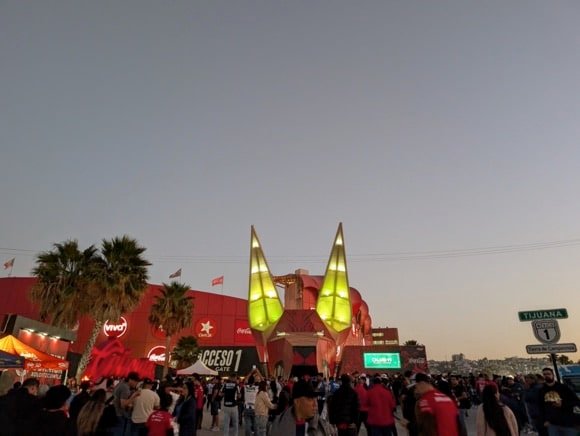
The real driving force behind the eventual creation of San Diego FC was two-fold. The first was over the border in Mexico. Former Tijuana city mayor and gambling tycoon Jorge Hank Rhon sank part of his fortune into a project to develop and popularize the game in Mexico’s most soccer-sceptical community. Building Estadio Caliente, named after his betting company, and installing new Club Tijuana there in 2007, the savvy owner created a brand around the Xoloitzcuintle, a breed of Mexican hairless dog, providing the venture not only with a mascot but with the identifiable abbreviated nickname of Los Xolos.
Gaining promotion to the top-flight Liga MX in 2011 allowed local fans and many streaming over from the border from San Diego to watch the country’s top stars in action. Winning the Mexican title the following year was unprecedented and made great waves in the San Diego press. The Mexican side also played several exhibition games at Qualcomm Stadium, 20 miles north of its hometown of Tijuana – where the national team, El Tri, had not long before drawn a crowd of 68,498 for a friendly with Argentina.
As Xolos became an established top team, taking on and beating the best from Mexico City, Toluca and Guadalajara, Estadio Caliente great to its present capacity of 27,333 and football-crazy Hank Rhon funded the creation of soccer schools, academies and recruitment squads on both sides of the border. Not only could boys and girls around San Diego enjoy playing the fastest-growing game in a city of trophyless sports teams, they received coaching too.
With urban pitches cropping up around town, Hank Rhon had got around the dreaded pay-to-play model which blights young development in so many U.S. cities, and helped spread the seeds of a borderless soccer culture for which San Diego should be lauded.
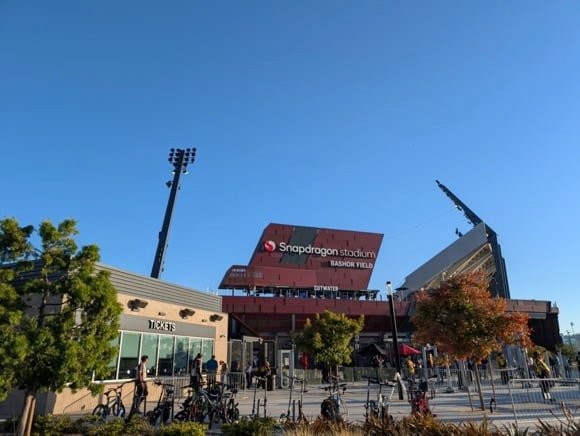
The second factor which helped bring an MLS franchise here was instigated by a departure rather than an arrival. In 2015, frustrated by being unable to receive permission to build a new venue in downtown San Diego to replace the aging Jack Murphy/Qualcomm Stadium, NFL team San Diego Chargers announced it was returning to LA after 55 years. The way was clear, not only for potential investors to back construction of a new stadium, but for soccer to replace gridiron in the hearts and minds of San Diegans, already beginning to be won over by the Xolos academy network.
Two credible bids emerged, and two stadium proposals. One involved Landon Donovan and entailed the rebuilding of Qualcomm Stadium into a Soccer City complex. As already outlined, this project evolved into USL team San Diego Loyal, based at Torero Stadium, a perfectly accommodating heritage multisports ground of 6,000 capacity on the campus of the University of San Diego.
The other involved San Diego State University (SDSU), which proposed a site whose sale the City of San Diego would approve in 2020, at a cost of $88 million. The plan involved demolishing the adjacent Qualcomm Stadium and arranging a sponsorship deal with the local telecoms company of the same name, but promoting its microchip systems: Snapdragon.
Initial tenants would be SDSU college football team Aztecs but such would be the flexibility of the location that it wasn’t out of the question for NFL to return at some point in the future. In the meantime, newly formed women’s team San Diego Wave had opted to vacate Torero Stadium for Snapdragon towards the end of its inaugural season in 2022. U.S. soccer legend Alex Morgan who had decided to see out her illustrious career in San Diego, now had a prestigious stage to perform on, by far the largest in NWSL. She would later become a minority investor in the club.
With Wave setting attendance records, it was obvious that the potential owners in the local MLS franchise would need to strike a deal with SDSU to use Snapdragon Stadium. Having made much of its money from casinos, Sycuan Band of the Kumeyaay Nation had long been looking for investment in a sports team. The partner they reached out was not only a billionaire and head of Egypt’s second-largest conglomerate, but had also just taken over chairmanship of soccer’s global, Ghana-based Right To Dream Academy, Mohamed Mansour.
Possessing serious political connections in the U.K. and business ones in the U.S., the Alexandria-born entrepreneur could enable the new ownership team to put up the $500 million for the MLS expansion fee, beating out Las Vegas for the milestone 30th franchise in its 30th year. The news was announced at Snapdragon Stadium in May 2023.
Within a year, San Diego FC had announced a five-year partnership with Club Tijuana, a first such arrangement between teams from MLS and Liga MX. A first Designated Player, 75-time Mexico international Hirving ‘Chucky’ Lozano, with seven years’ experience in Italy’s Serie A and Holland’s Eredivisie, also seemed a perfect fit.
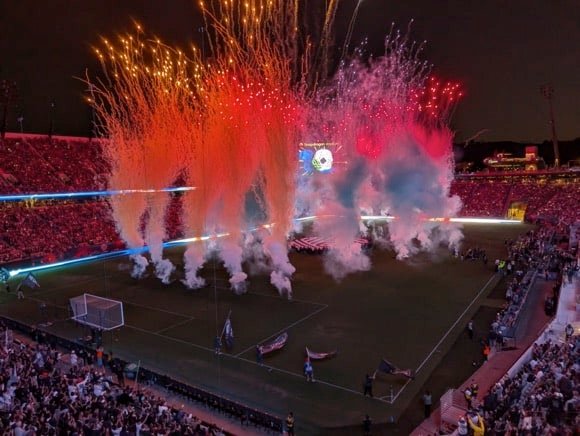
As California’s fourth participant in MLS, San Diego’s arrival signalled the prospect of a number of local derbies that first season of 2025, including the team’s debut at LA Galaxy. Around 1,000 fans traveled north to Los Angeles, underlining a growing trend of visiting support in MLS, particularly along the West Coast.
The game was also notable for the performance of Danish international Anders Dreyer, who hit both goals in the visitors’ impressive victory over the MLS Cup champions.
Under former USMNT assistant coach Mikey Varas, San Diego attracted crowds of around 30,000 to 35,000-capacity Snapdragon Stadium, setting a soccer attendance record of 34,506 for its first home game, with St. Louis City. Dreyer would go on to hit 19 goals in the regular season as San Diego topped the Western Conference, bagging another three in the three Playoff games with Portland Timbers.
A narrow win over Minnesota and another Dreyer goal took San Diego to the Conference Final with Vancouver Whitecaps. After two early goals, the Canadians finished as the surprise winners at Snapdragon Stadium, denying San Diego a dream debut season as MLS Cup Finalists against Lionel Messi’s Miami. In truth, its 3-1 win could have been 4-1 or 5-1 after a red card was shown to the hosts’ goalkeeper Pablo Sisniega – although his Japanese counterpart Yohei Takaoka kept Vancouver in the game at the death.
Regrouping under Varas for the 2026 season, San Diego will be looking to Scottish international Lewis Morgan to show the kind of form that made him MLS Comeback Player of the Year for New York Red Bulls in 2024.
STADIUM GUIDE
The field of dreams – and the story behind it
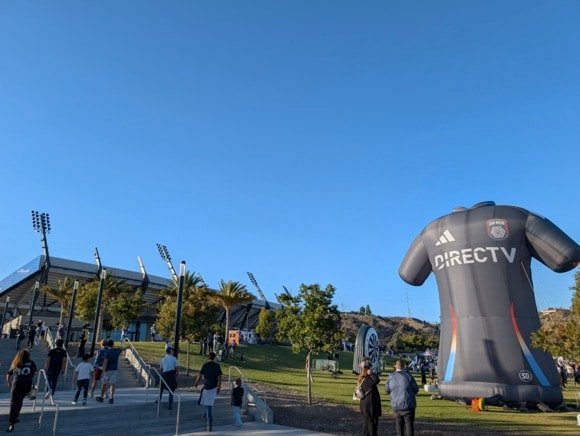
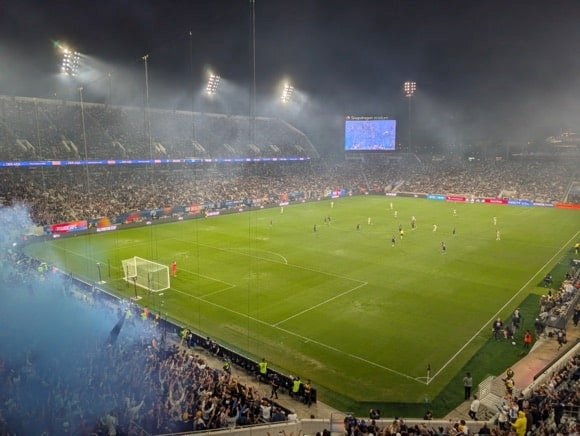
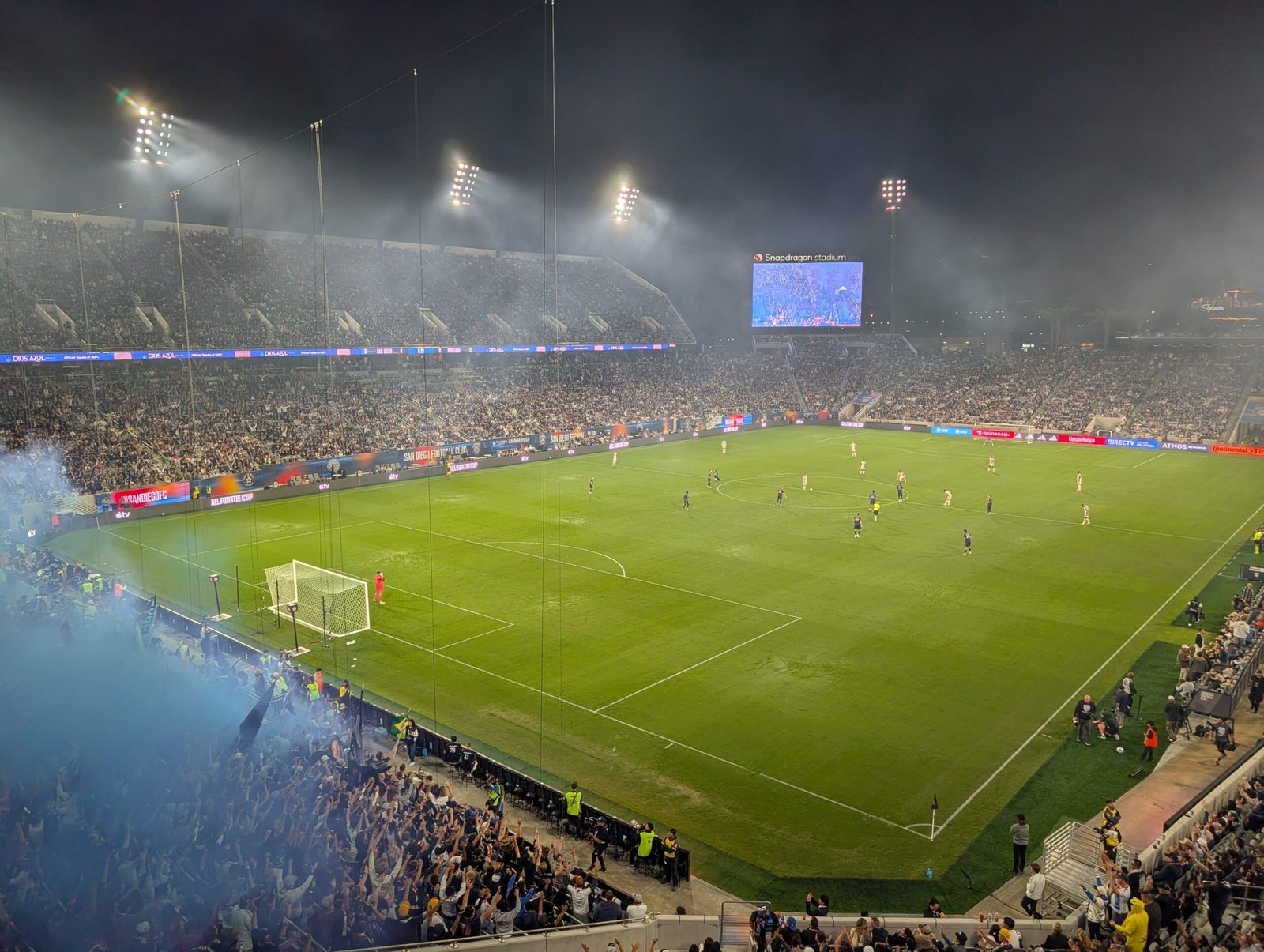
Essential to San Diego claiming the 30th MLS franchise in the league’s 30th year, Snapdragon Stadium is currently home to three teams: College football team San Diego State Aztecs, women’s soccer team San Diego Wave and, the last to arrive, San Diego FC.
Initially known as Aztec Stadium during its two-year construction from August 2020, Snapdragon Stadium sits in what’s known as Mission Valley, a 166-acre expansion of the San Diego State University (SDSU) campus, west towards the Pacific.
This was also the site, or adjacent to it, of San Diego Stadium, aka Jack Murphy Stadium, aka Qualcomm Stadium, home of San Diego Sockers during the NASL years nearly half a century ago. Moreover, from its construction in 1967 onwards, it hosted NFL team San Diego Chargers, whose departure in 2016 opened the door for a new stadium to be built.
Owned by SDSU, Snapdragon Stadium cost $310 million to build, but it’s only part of the 15-year Mission Valley project of residential, retail and office space, hotels, and a park running along the San Diego River. The stadium itself, its capacity for soccer games set at 34,500, can be expanded to welcome 55,000 spectators, the return of NFL very much a factor in this thinking.
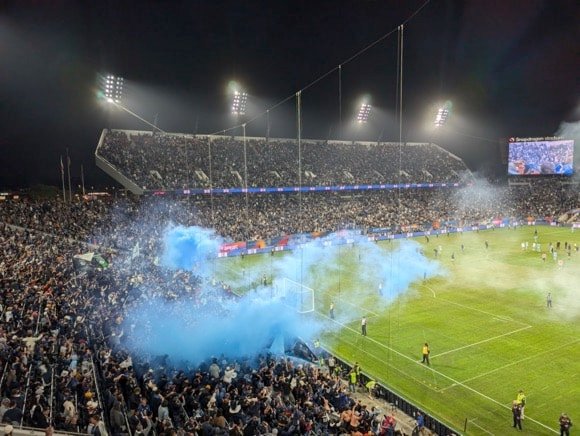
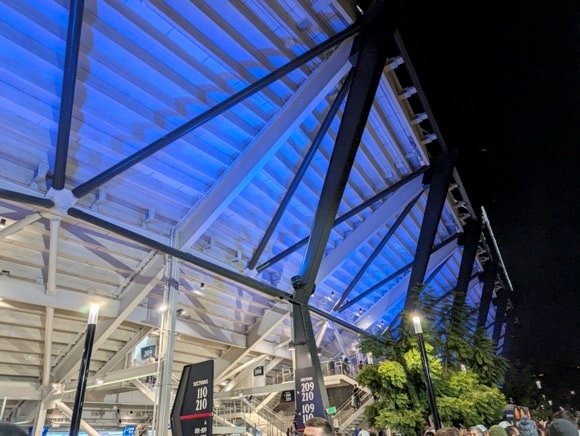
San Diego FC attracted gates of around 30,000 for most of its games in its debut season of 2025 – similar to San Diego Wave’s record-breaking figures for NWSL fixtures. Near-capacity crowds also witnessed Mexico and USMNT play friendly and CONCACAF Gold Cup matches here, and Snapdragon Cup games featuring Wrexham, Manchester United, and Betis. This will also be one of six stadiums to be used for the Olympic soccer tournament of 2028.
Built by San Francisco-based architects Gensler, also responsible for LAFC’s Banc of California Stadium, Snapdragon Stadium consists of twin-tiered stands along each long sideline – the West Stand with an extra middle tier for premium and VIP spots – and sloping banks of seating in a single tier behind each goal.
With no roofs or pillars and fans up close to the pitch, the atmosphere can heat up, although that might not be the right expression on certain afternoons. Exposed to the burning sun of Southern California, those in each end of Snapdragon Stadium, oriented north-south, receive the full glare of sunlight, the south goal from noon onwards, the north goal from late afternoon, beaming from behind the West Stand
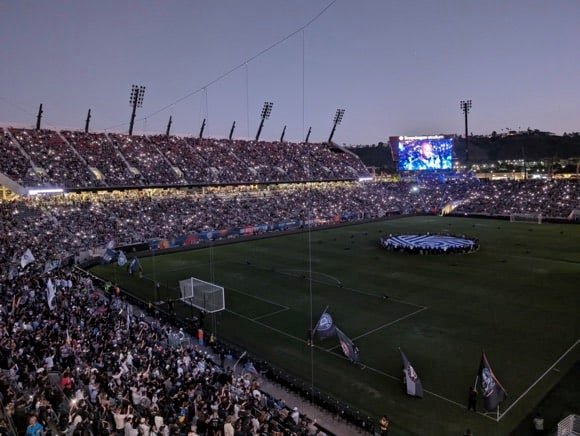
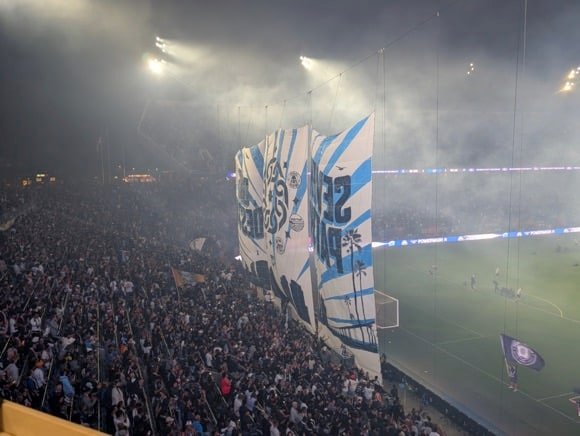
If it’s an early-afternoon kick-off, wear a cap, suncream and drink plenty of water. If you’re on the west side of the stadium (sectors 323-333), relief should come by mid-afternoon. The east side (101-113 and 202-212) is particularly exposed. If the game starts after 7pm, then three sides should be in shade, those in the East Stand still exposed to the sinking sun. Note, too, that once the sun has gone down, the wind coming in off the Pacific Ocean can be pretty bitter in the colder months.
The North End hosts the Supporter Section in Sectors 136-140, which are standing-only, following the safe-standing model and allowing Frontera SD ultras to drum up a fiery atmosphere – although much of the noise fails to carry in this open-air arena. The South End earned instant notoriety for the homophobic chants which rang out for the inaugural match here in March 2025, a sorry state of affairs after San Diego soccer fans had waited 30 years for MLS to come to their city. Section 212 at the far end of the East Stand nearest the south goal is allocated to visiting supporters.
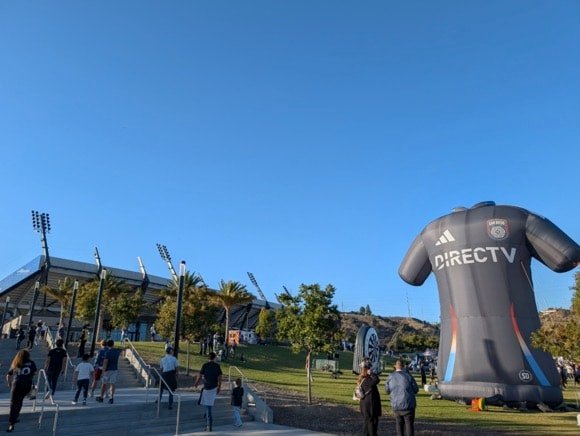
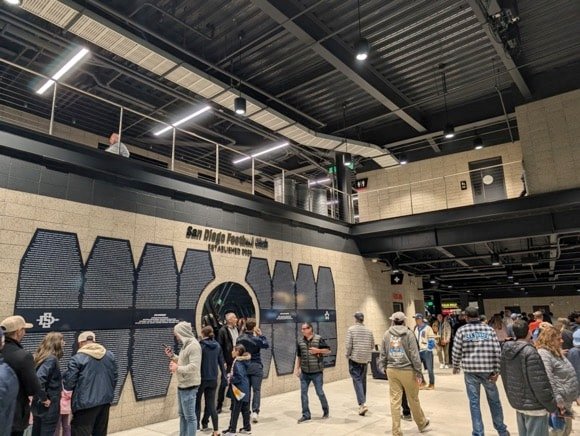
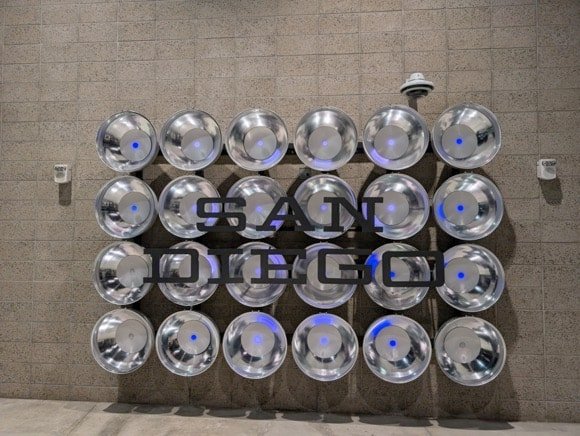
With spacious concourses and plentiful animated tailgating from early doors, Snapdragon Stadium is a welcome addition to the growing roster of (mainly) soccer-specific stadiums in MLS. Note also the artifacts salvaged from the previous Qualcomm Stadium, mounted for display in the corridors beneath the stands.
TRANSPORTATION
Going to the stadium – tips and timings
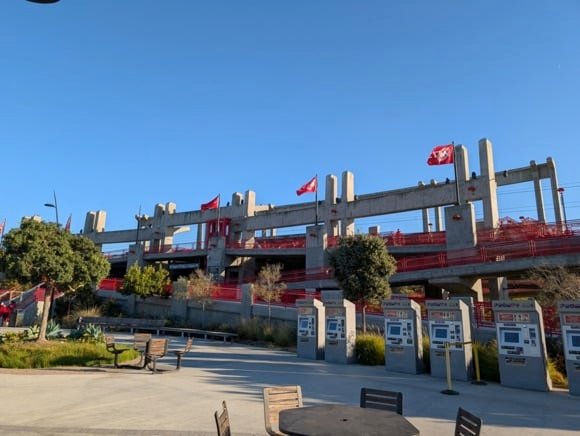
San Diego International Airport is around three miles (5km) north-west of downtown San Diego. MTS city bus 992 runs from the upper platforms at Terminals 1 and 2 to the Santa Fe Depot (every 15mins, 15min journey time), the main transportation hub close to downtown San Diego. The easiest way to buy your ticket is with a PRONTO Card ($2) sold at machines at stops and stations, or app. While rides are the same price ($2.50) as if you pay contactless, fares are capped at $6 ($3 reduced) for the day.
A single ride is valid for 2hrs, for most combinations of MTS buses, Trolley, NCTD BREEZE buses, and SPRINTER and COASTER trains. Tap in each time and, for the COASTER, when alighting as well.
Alternatively, a free orange shuttle bus, San Diego Flyer, runs from each terminal every 20mins to San Diego Old Town Transit Center 15-20mins from the airport. A stop on the COASTER and Amtrak rail services, it also serves the Green Line of the San Diego Trolley. This offers a direct transfer to Stadium seven Trolley stops (20mins) away, site of Snapdragon Stadium.
Orange Cab (+1-619-223-5555) has a flat rate of $20 from airport to city center.
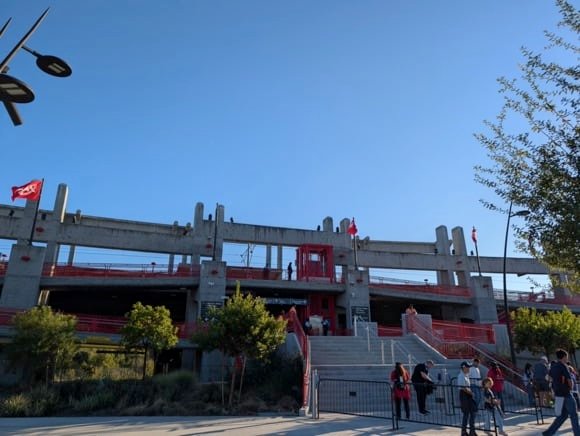
On matchdays, Green Line Trolleys to and from the stadium can be more frequent than every 15mins as per the regular schedule. Allow 25mins from Santa Fe Depot, which is also direct. Although it’s usually only 12mins to drive the 7.5 miles (12km) north from town, parking is horrendously expensive around the stadium and sells out fast, so the Trolley is highly recommended.
The bus drops you at the south-east corner of the stadium, nearest the Alaska Airlines Gate and sector 212 for visiting supporters.
Parking costs around $45-$50 in the Orange/Yellow Lots but ongoing construction for the Mission Valley Project may complicate directions. The official address of Snapdragon Stadium is 2101 Stadium Way, San Diego, CA 92108.
Some Trolley stations have free parking, such as Old Town, Port of San Diego has plentiful free parking close to Middletown, directly linked by Trolley to the stadium on the Green Line, as is Grossmont with a few free parking spots.
TICKETING
When, where, how, and how much
San Diego usually attracts close to capacity of 34,500, so purchase early for a wider choice of seat. Single-match tickets are available for the entire regular season. For less attractive opposition, you could pick up a spot in the standing Supporter Section for $35, with prices rising to $100-plus for a decent seat in the long sideline East Stand. Don’t expect to find availability in the Supporter Section for derby games with either of the LA teams – although you can find a seat in sector 202 at the far end of the East Stand (overlooking the Supporter Section) for $55. This rises to around $70 slightly further to the center and lower nearer the pitch you go.
Even the day before the game, against most visiting teams, you should be able to find a seat in the $70-$100 range. The view is generally excellent wherever you sit, with a decent gradient between rows, meaning you shouldn’t have someone in front of you blocking your view.
For inquiries, a Box Office (Wed-Fri 10am-6pm) operates by the Team Store at the Southeast Gate. Note that all tickets are digital, no print-outs. Do bear in mind kickoff times – while most are around 7.30pm-8pm, the occasional 4pm, even 6pm, start means you should be prepared for bright sunshine with little shade.
MERCHANDISE
Jerseys, souvenirs, and all kinds of gear
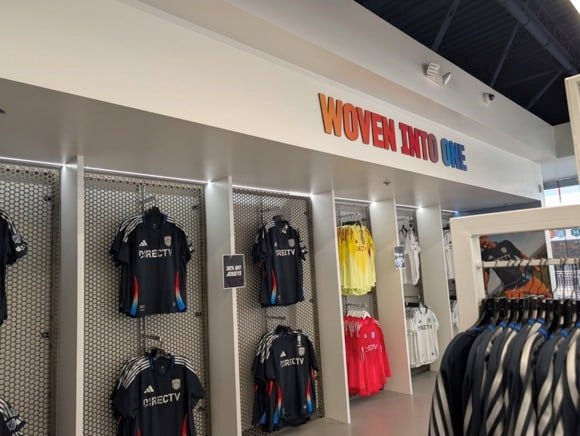
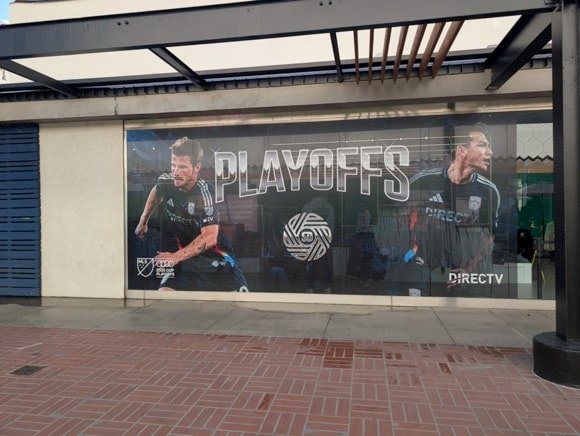
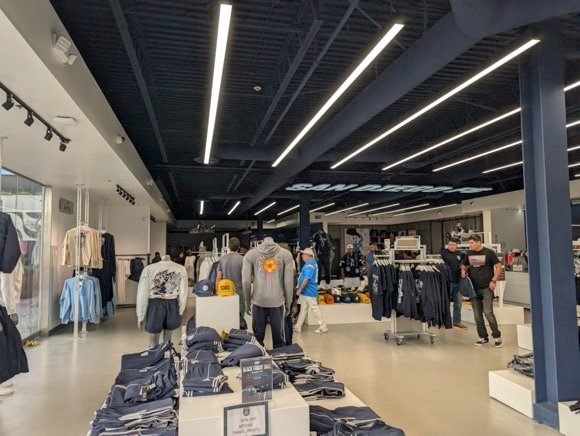
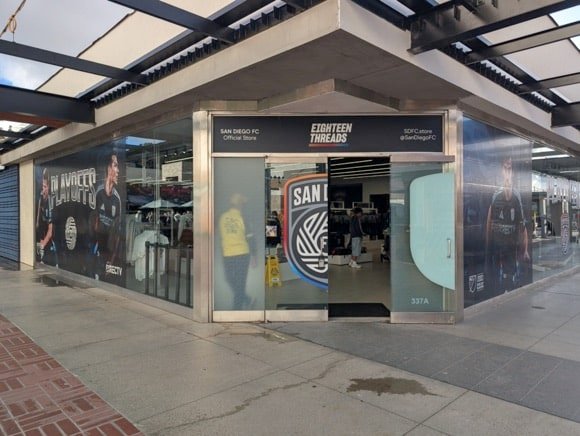
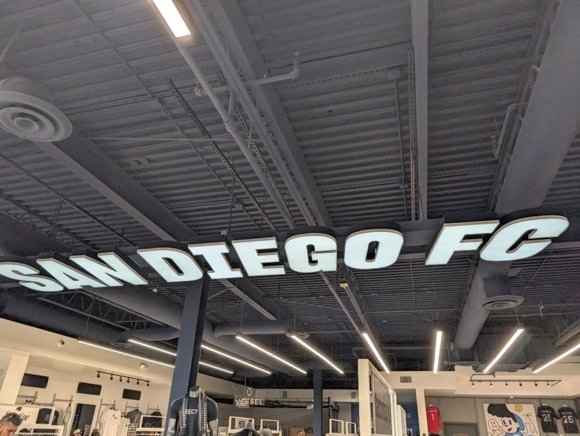
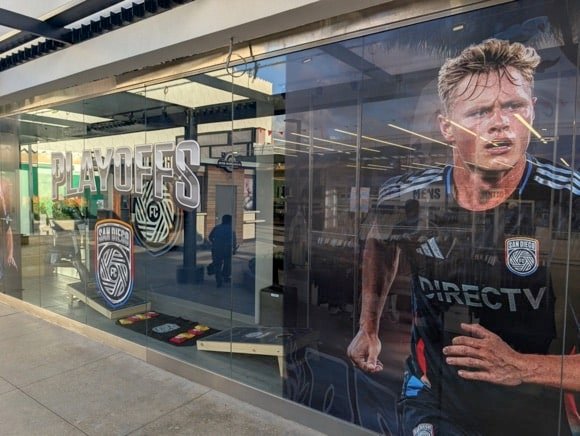
Under the motto ‘Woven Into One’, fan store Eighteen Threads (Mon-Sat 10am-9pm, Sun 11am-7pm, extended hours match days & December) is named after the 18 diverse cities of San Diego County. It’s located in Mission Valley Mall (1640 Camino del Rio N Suite 337) by Mission Valley Center, three stops on the Green Line from Stadium. Another outlet, Team Store, operates at the south-east corner of the stadium behind Sector 211 on match days.
For 2026, San Diego’s primary jersey is black, with a blue-tinged open collar and multicolored side fins. Names and numbers are outlined in the same woven pattern as the Eighteen Threads theme.
The away jersey celebrates the borderless connections between San Diego and Tijuana. ‘Unprecedented Unity’ features spidery patterns of orange and blue on a white background. The most striking T-shirts and scarves feature a gang of dudes in sunglasses, about to do battle on the futsal pitch, against a sunburst backdrop.
TAILGATING
Enjoy the full matchday experience

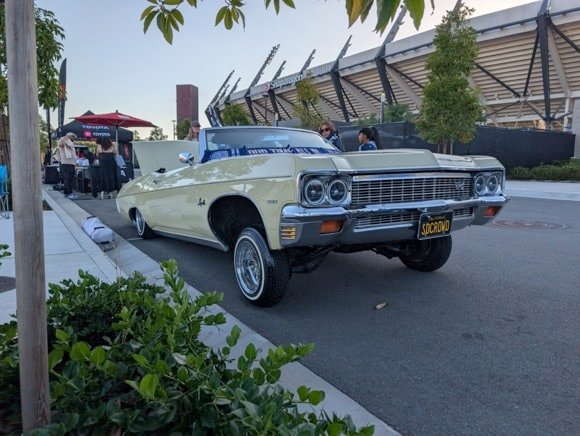
Lively, inclusive tailgating takes place from three hours before kickoff, most notably around the Purple Parking Lot north-east of the stadium, with drumming and drinking a-plenty.
There’s more tailgating in the Orange and Yellow Lots, as well as an official Fan Fest behind the East Stand, with a Modelo beergarden and family-friendly activities.
STADIUM TOURS
Explore San Diego's home, inside and out
Most days of the week, four daily guided tours ($30, 3-12s $12; 10am-5.30pm, except on match days and fewer on Sundays) grant visitors access to the press box, suites and business clubs, and usually the locker rooms. Tours last 75 minutes and begin on the west side of the stadium at Ironwood Street and Stadium Way. Parking is in the Green Lot on the north side.
Where to Drink
Matchday beers at the stadium and downtown
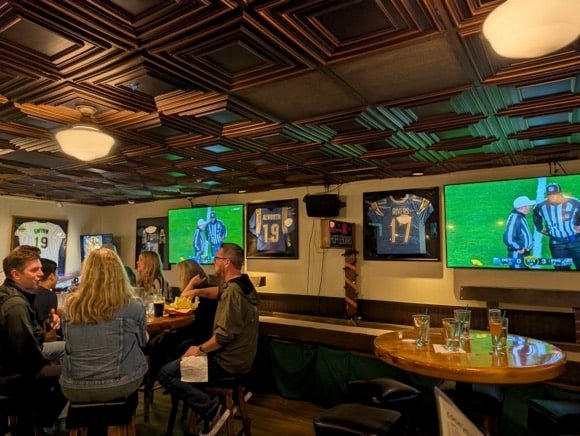
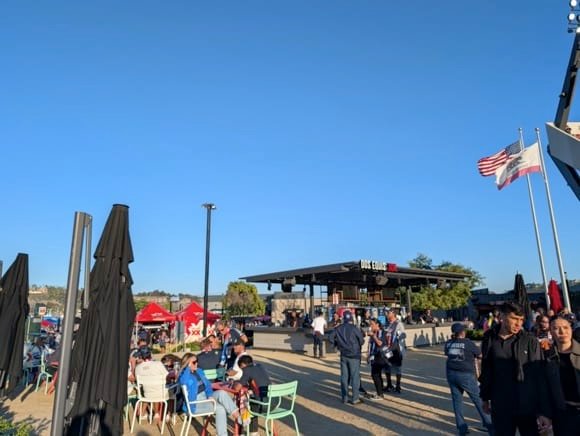
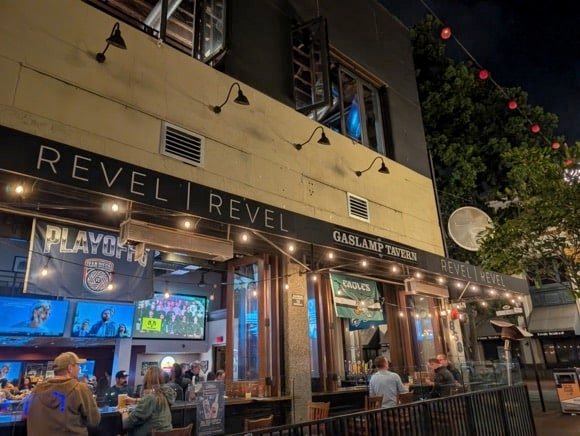
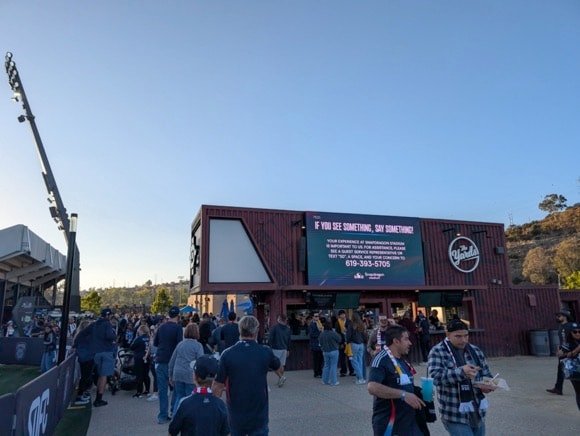
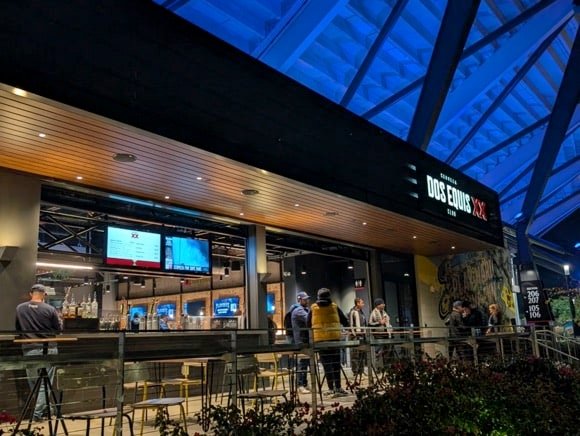
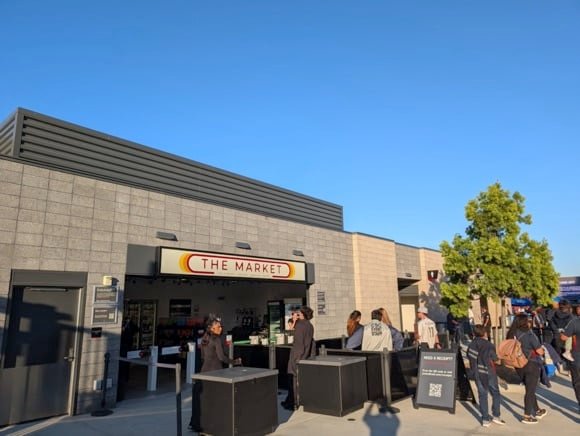
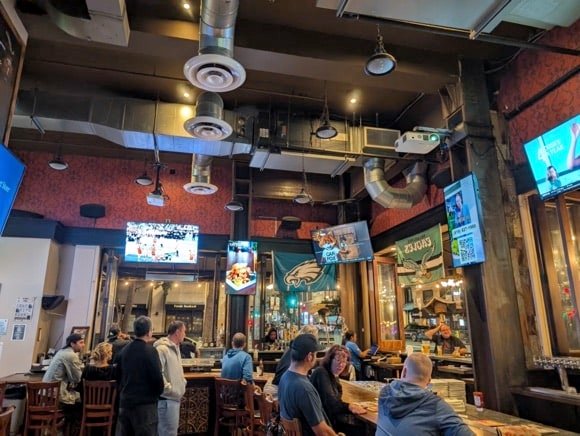
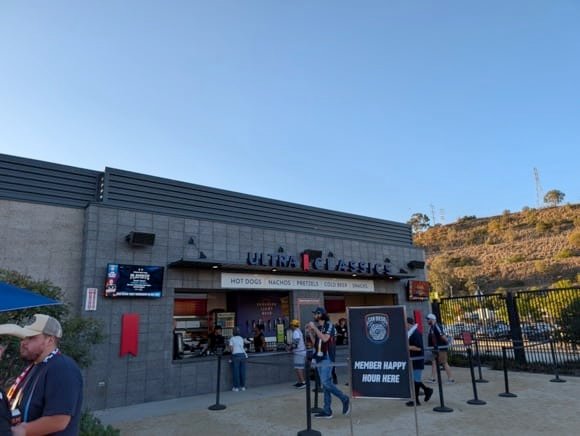
Within the stadium complex, the Dos Equis bar behind the Supporter Section, near Sectors 101/102, serves pricey tap lager plus wine by the glass and bottle, including Californian Kendall Jackson Sauvignon Blanc. Alongside, The Yards is popular for snacks. Ultra Classics caters to fans behind the South End.
The nearest regular bar to the stadium, McGregor’s on Mission Road marked its 30th anniversary as 2026 rolled around, still the same homely tavern equipped with pool tables, multiple TV screens for sports and a capable kitchen. Eighteen tap options, nearly all served by the pitcher if preferred, run from bargain-basement local lager Bay City Pilsner to strong craft Latitude 33 Blood Orange IPA, prices offset by regular happy hours. Pre-game offers recently included a raffle to win two tickets for an upcoming San Diego match, but it’s invariably pretty busy here regardless.
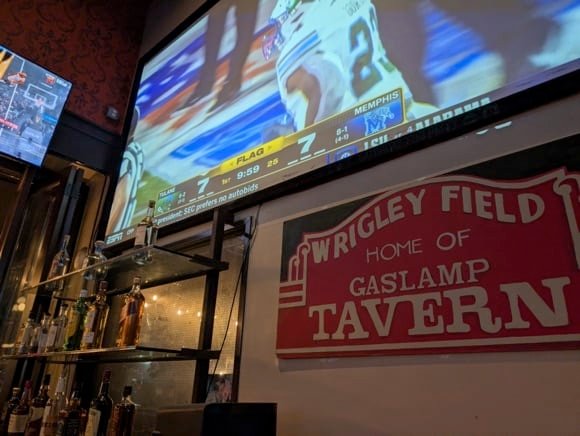
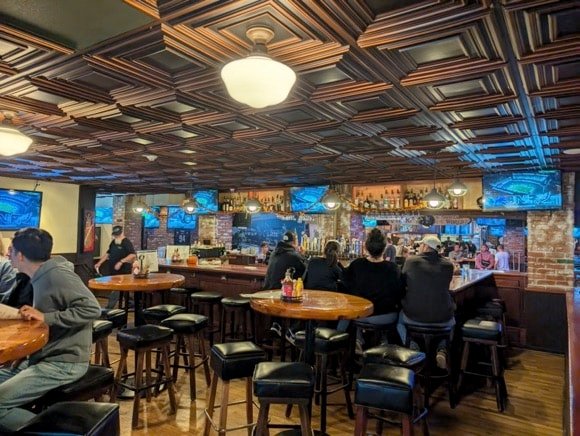
Downtown, the classic bar zone is the revamped Gaslamp Quarter south of Broadway, between Fourth and Sixth Avenues. Here you’ll find Gaslamp Tavern (868 Fifth Ave) near Balboa Theatre, fronting events venue Revel Revel, filling its large space with numerous TV screens tuned to sports and a long bar lined with 11 taps, including local Latitude 33 Blonde and AleSmith 394 pale ale. Groups can order platters of shareables and tots. Open till midnight five nights a week, 2am on weekends.
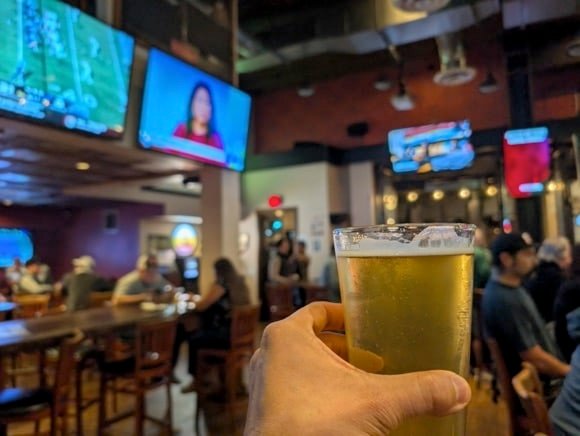
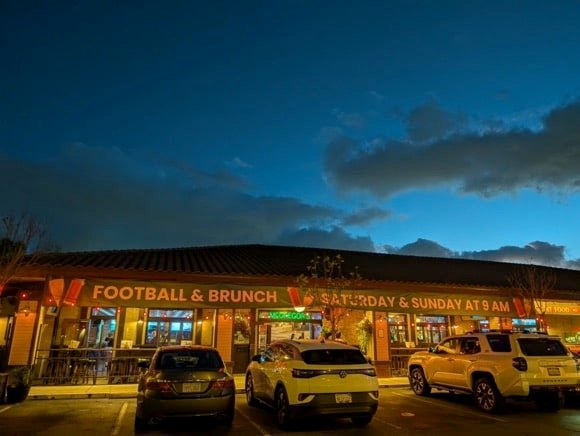
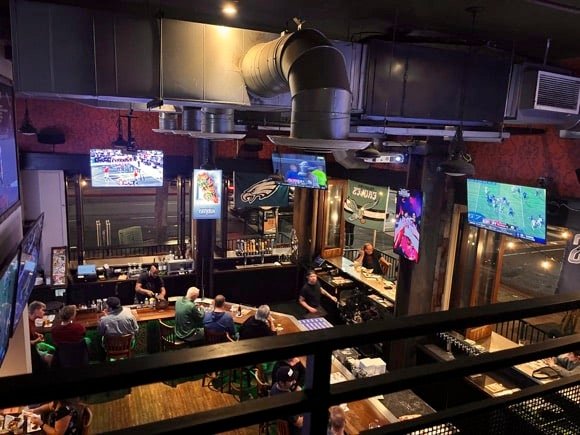
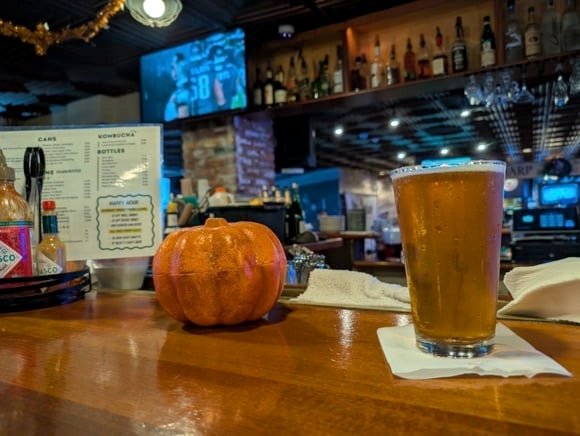
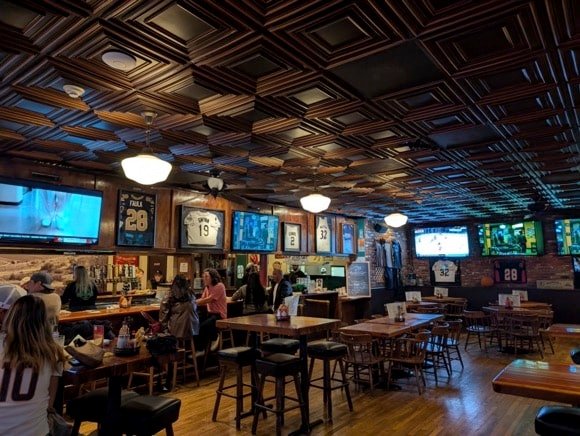
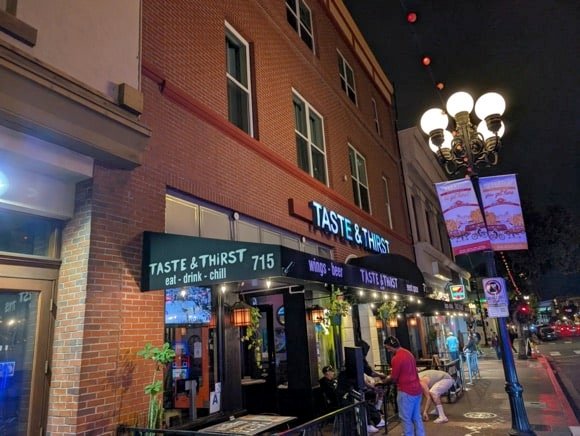
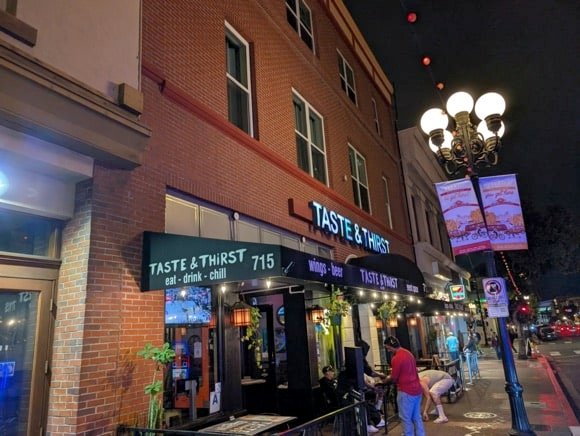
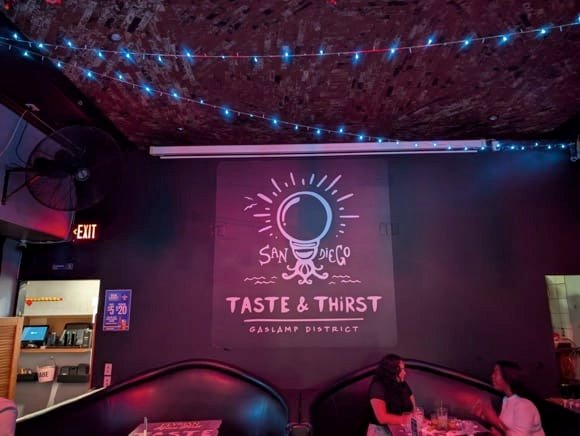
Close by on Fourth Ave, Taste & Thirst puts the focus on bar food without neglecting to screen sports or pour beers. Its generous happy hours might sway clientele this way from the considerable competition nearby.
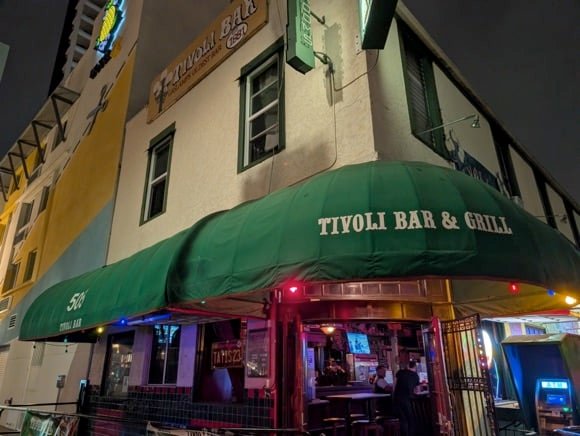
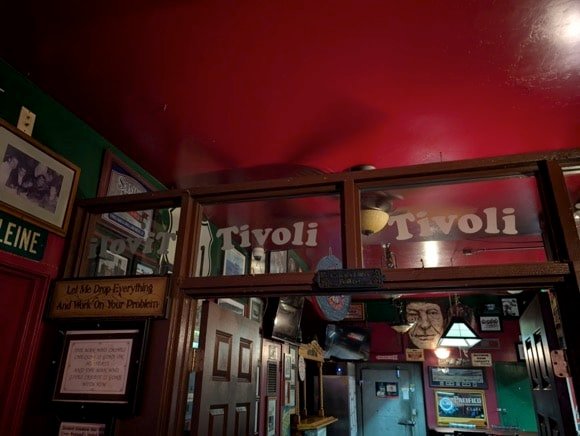
Down on Sixth Ave, unpretentious Tivoli Bar & Grill holds the status of the oldest saloon in town, dating to at least 1885, one of many favored California haunts of Wyatt Earp. Most of all, though, its proximity to baseball mecca Petco Park makes it a pre-game must for Padres fans, hence the plentiful TV screens and affordable beer.
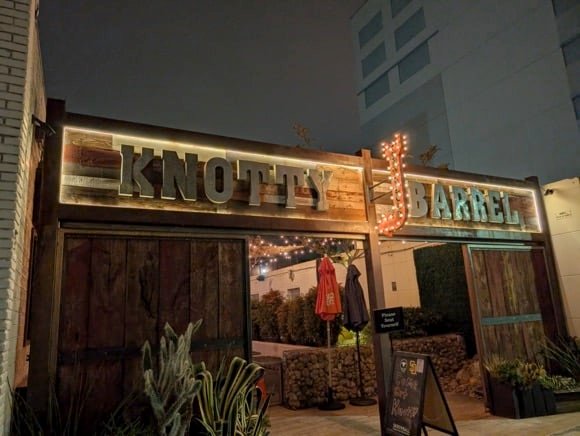
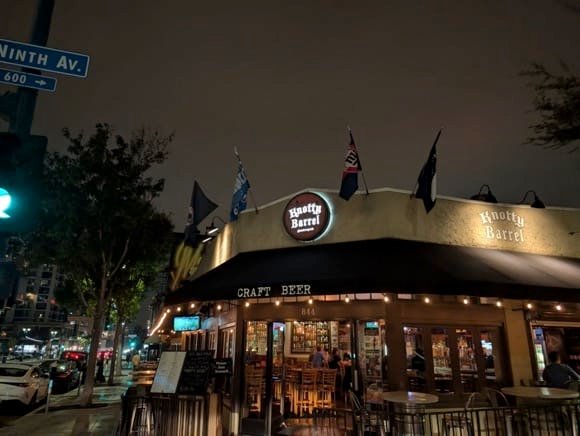
Close to Gaslamp Quarter on Market Street, Knotty Barrel operates as the showcase for Knotty Brewery in the booming East Village, with a superior kitchen and plentiful TV screens. A few blocks from Petco Park, it also attracts sports fans.
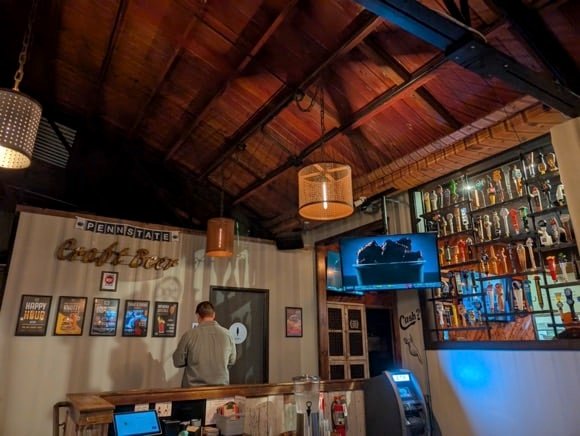
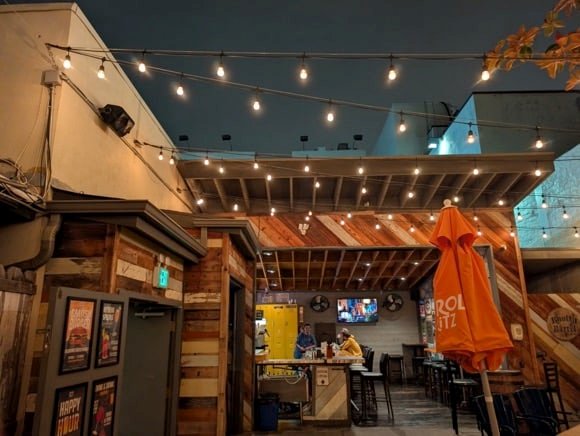
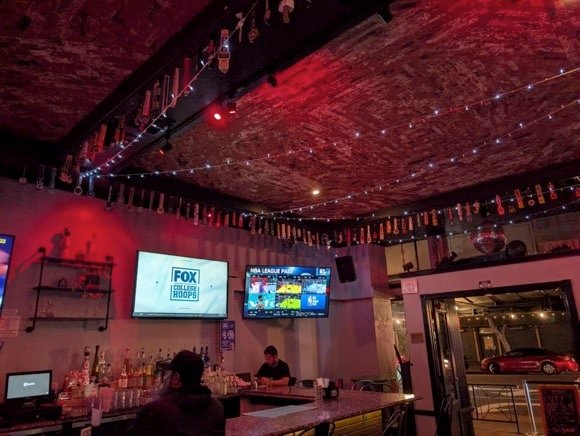
Soccer-focused Bluefoot Bar & Lounge on the corner of 30th Street and Upas in bohemian North Park opens at 6am on weekends to cater to the Leicester, Arsenal and Villa fans, depending on the schedule, gathered for live Premier League games. The rest of the time, it’s a regular lively bar until 2am on weekends, midnight through the week, though soccer will still be screened if you’re after action from around the Americas.
Just the other side of the San Diego Freeway from the airport, India Street is where you find another soccer-friendly spot, Shakespeare Pub & Grille, though Brits shouldn’t be put off by its somewhat tacky décor – opened back in 1990, it is owned and operated by two UK expats. Supporters flying in for an MLS game also gather here, given its proximity to their point of arrival. Beer (BrewDog, Belhaven, Shakespeare’s ESB) is sold in imperial 20oz measures, while the fish & chips is award-winning. Opens 8am on weekends for Premier League screening.
Further down India Street at No.1665, Princess Pub & Grille is even older, dating back to when Liverpool won the European Cup in 1984 – this is a home from home for followers of LFC, opening at 9am on weekends. Ten flat-screen TVs screen the action, while menu highlights include Harp-marinated corned beef and cottage pie. Happy hours from 4pm-7pm weekdays appeal to the post-work crowd.
timeline
Following the local soccer scene
1968 San Diego Toros plays one NASL season in Balboa Stadium, topping the Pacific Division and reaching the Final.
1976 San Diego Jaws labors its way through an unsuccessful NASL season at Aztec Bowl after an opening friendly against Pelé’s Cosmos at Balboa Stadium.
1978 San Diego Sockers brings NASL back to the city, playing at Jack Murphy Stadium. Losing three Conference Finals in a row, it folds after the last outdoor season of 1984.
1980 Indoor soccer takes off as the outdoor game fades away. Fans pack San Diego Sports Arena to enjoy plentiful goals and a near unbroken run of title-winning seasons over the course of a decade. Hungarian emigré Gyula Visnyei gains fame as Juli Veee, the superstar of the era. The indoor team is revived in the early 2000s and after 2009, and now plays at Frontwave Arena.
1999 Though prime candidate San Diego had missed out on MLS, an appetite for the game remains – Qualcomm (former Jack Murphy) Stadium hosts the goal-rich MLS All Star Game.
2008 Argentina plays Mexico at Qualcomm Stadium before a crowd of 68,498.
2011 Over the border, newly created Club Tijuana (aka Xolos) wins promotion to Liga MX, winning the Mexican title the following year. Many flock from San Diego to watch games at Estadio Caliente, while Xolos sets up academies on this side of the border, turning a generation of kids onto soccer.
2015 Long-established NFL team San Diego Chargers announces its departure from the city back to LA after 55 years, paving the way for the creation of a new sports complex around the aging Qualcomm Stadium.
2019 With an MLS franchise in the air, USMNT legend Landon Donovan arrives to become involved in newly created USL team San Diego Loyal. Stymied by the limitations of modest Torero Stadium, it folds in 2023.
2020 City of San Diego approves the sale of a large site in Mission Valley to San Diego State University, for a multi-purpose stadium to be built here, alongside the proposed demolition of Qualcomm Stadium. Initial tenants will be college football team Aztecs.
2021 Women’s team San Diego Wave founded, with the key involvement of USWNT legend Alex Morgan.
2022 Snapdragon Stadium opens in Mission Valley. Wave moves in from Torero Stadium to attract record crowds for NWSL.
2023 MLS announces its 30th franchise to be awarded to San Diego, under the ownership of Mohamed Masnour and the Sycuan Band of the Kumeyaay Nation. They in turn announce a partnership relationship with Club Tijuana and build a brand based on diversity and borderless soccer.
2025 San Diego FC becomes the latest addition to MLS, taking 1,000 supporters of the new club to LA Galaxy for its first game, then hosting its home debut at Snapdragon Stadium. A successful inaugural season culminates in a disappointing defeat to Vancouver Whitecaps in the Conference Final, meaning San Diego just misses out on an MLS Cup Final showdown with Lionel Messi’s Miami.
2026 Snapdragon Stadium prepares to stage several games as part of the soccer tournament of the Los Angeles Olympics in 2028.