Joel Balsam joins islanders at watch parties and World Cup events across Curaçao
In Willemstad, Curaçao’s candy-coloured capital, Inosha Bonafastia has been leading new football-themed tours riding the wave of tourists who have come to sample the World Cup atmosphere. “When we heard our national anthem being sung in Houston, we saw our flag being opened over there on the big stage, it was something magnificent for us,” she said. “And that goal, the whole island of Curaçao went crazy.”
For millions around the planet, the World Cup came alive when Curaçao equalised against Germany, keeping the score level for 17 memorable minutes.
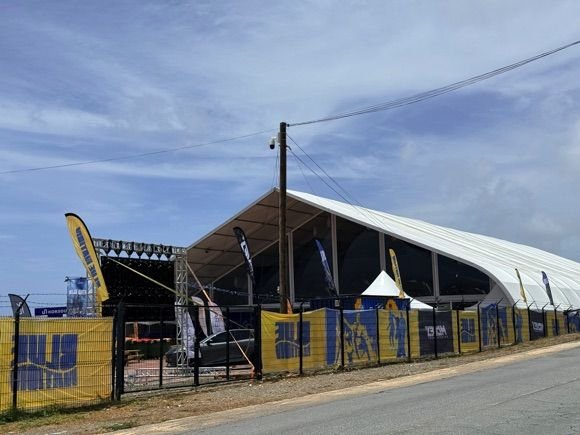
Nafthaly Martina was watching the game at the Capital Ç event centre close to the airport when Livano Comenencia netted his historic leveller. “Hell, I was in shock,” she said the morning after the game, showing me a video on her phone of blue streamers being shot over thousands of screaming fans. “I’m still recovering.”
Curaçao/Joel Balsam
Curaçao/Joel Balsam
Curaçao/Joel Balsam
Curaçao/Joel Balsam
Though the four-time champions went on to pummel Curaçao 7-1, Martina didn’t mind. She had had the once-in-a-lifetime opportunity to watch her country, a Caribbean island of 171 square miles and 156,000 inhabitants, play in the World Cup against mighty Germany – and even score a goal. “I was so, so, so proud that we made it into history and that I got to experience it,” said Martina.
For its next match against Ecuador, thousands again crowded into watch parties, sports bars and snek bars with TVs showing the game behind metal gates. And again, Curaçao made history, earning their first World Cup point with a 0-0 draw in which goalkeeper Eloy Room stood on his head with a near all-time record 15 saves.
With one match left in the group stage, Curaçao face Ivory Coast – a game they have no business winning. But don’t tell that to these fans. “We still have hope that we’re going to make it to the next round,” says Martina. “If we don’t qualify, we’re still proud.”
Landhuis Chobolobo/Joel
Balsam
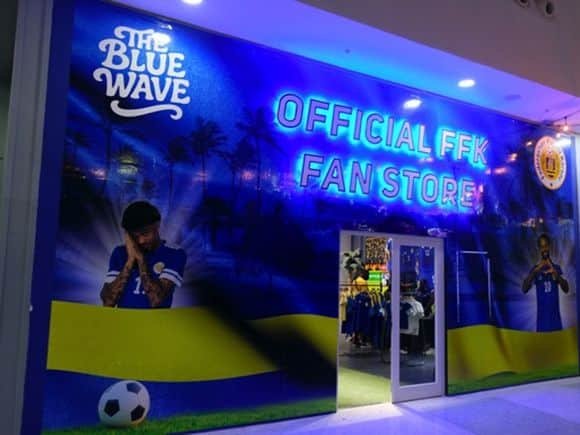
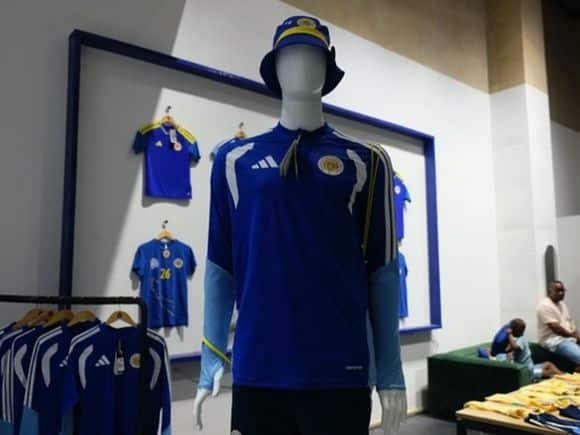
Sambil Mall/Joel Balsam
Santa Anna/Joel Balsam
Landhuis Chobolobo/Joel
Balsam
When tour guide Bonafastia used to travel abroad, people would often ask her to explain where she was from. She’d respond by saying that Curaçao is right next to Aruba, or it’s off the coast of Venezuela. “But now if we say Curaçao, they’re like, ‘Oh, that little country that made history in the World Cup,’” she says. “Now we’re on the map. You can see us – we’re not just a sister island.”
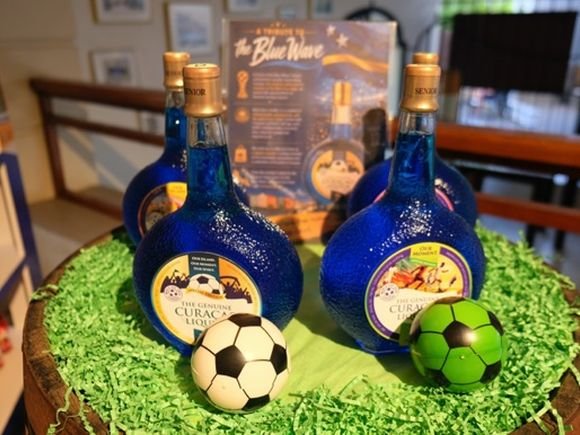
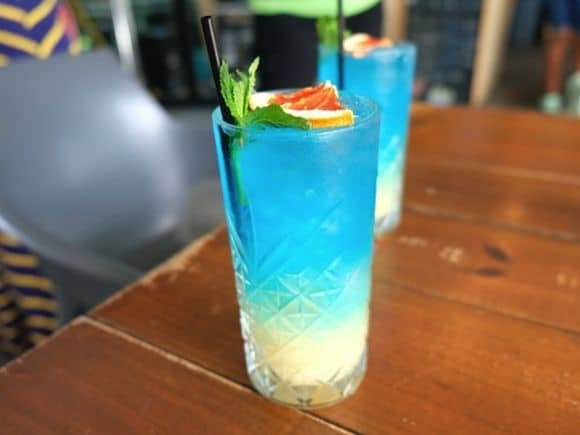
Bonafastia first steers her tour to Landhuis Chobolobo, a distillery for the country’s most famous export before it became known for football: Blue Curaçao. Here, too, the World Cup has made its mark, with miniature footballs presented alongside bottles of the sweet liqueur and signature drinks mixed to honour the tournament. The Blue Wave cocktail combines white rum and banana mix with pineapple juice – plus Blue Curaçao, of course.
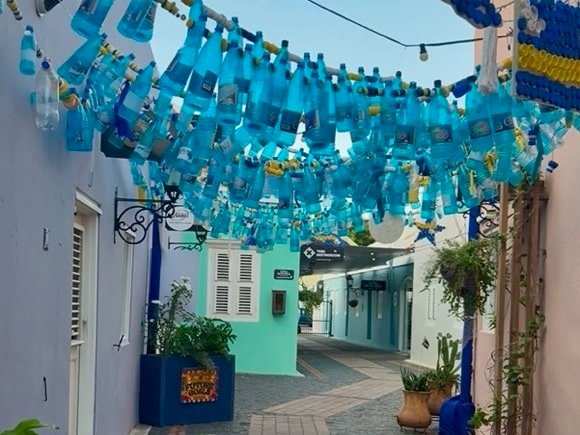
Next, she takes her groups to Otrobanda, a colourful historic neighbourhood across the Queen Emma swinging bridge. There, an alleyway is covered with plastic water bottles, Future Goals, a programme helping to grow football on the island by recycling plastic waste and fishing nets into football materials for Curaçao schools.
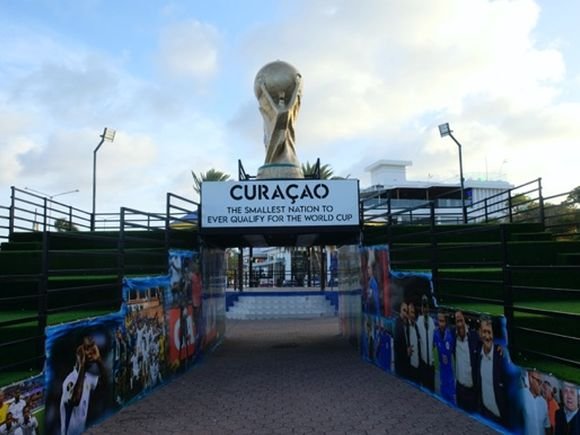
The tour ends at the Ergilio Hato Stadium, where Curaçao hosted home matches before qualifying for the World Cup in November with a 0-0 draw against Jamaica – a feat all the more impressive considering that Curaçao was only registered by FIFA as an independent nation in 2011.
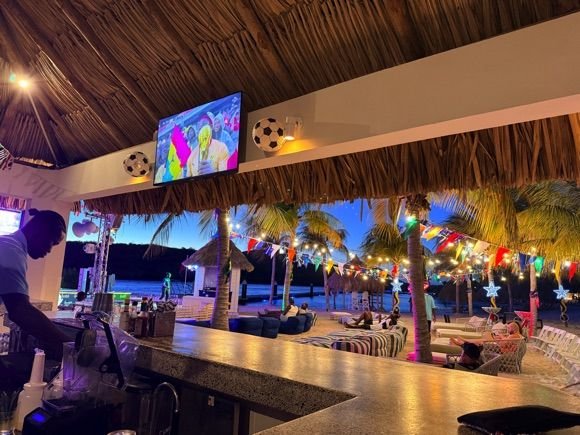
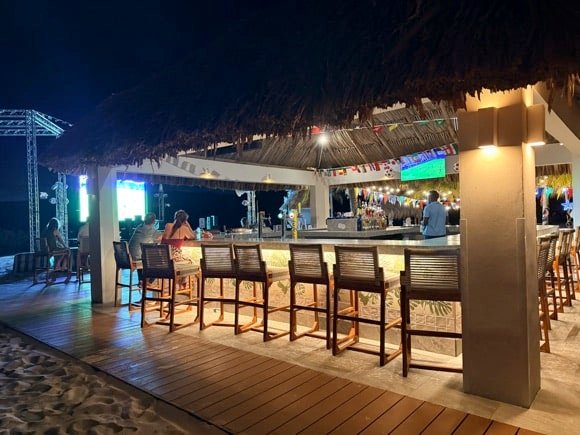
“That Jamaica game was a fork-in-the-road moment and you could feel it,” says Curaçao historian Jason Fullinck from the beach at Sandals Royal Curaçao, an all-inclusive resort where a large TV on the waterfront has been showing matches and the bar has been serving World Cup-themed drinks.
Curaçao/Joel Balsam
Curaçao/Joel Balsam
Curaçao/Joel Balsam
Curaçao/Joel Balsam
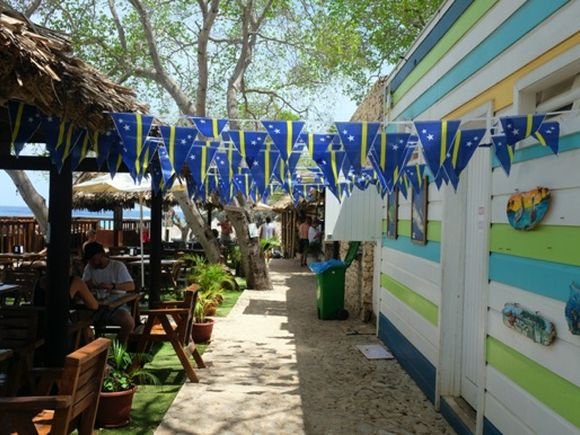
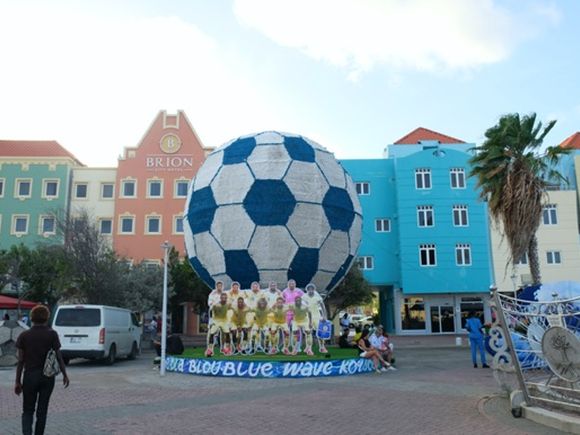
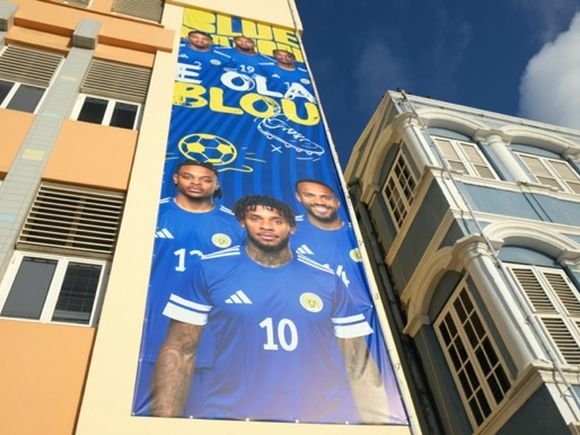
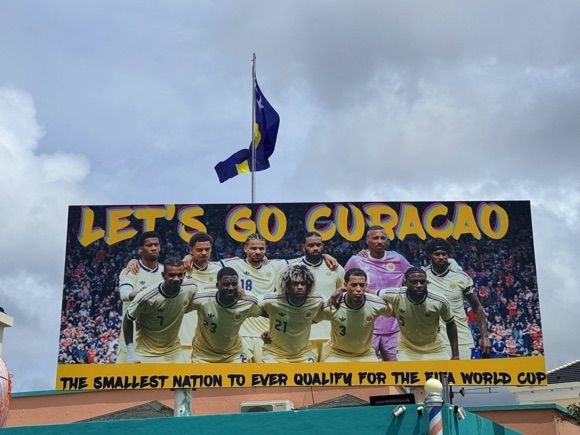
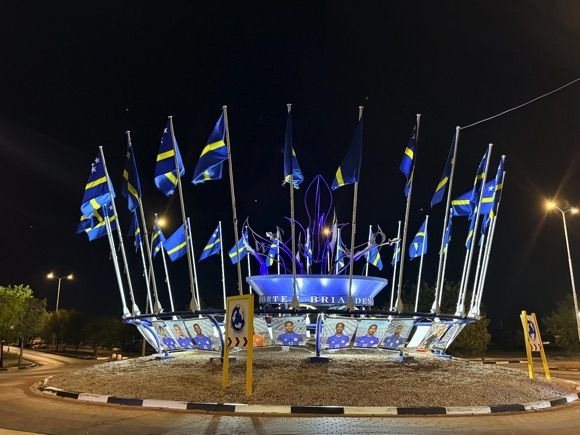
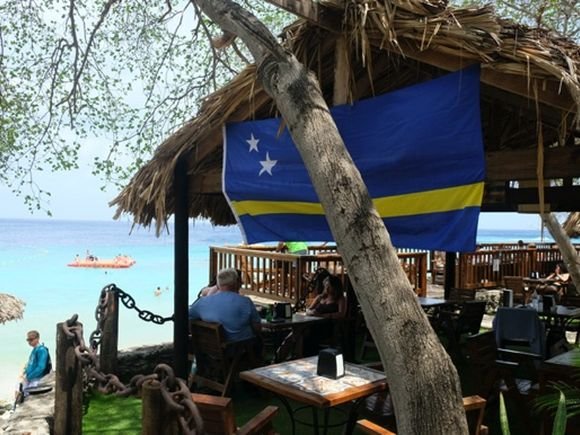
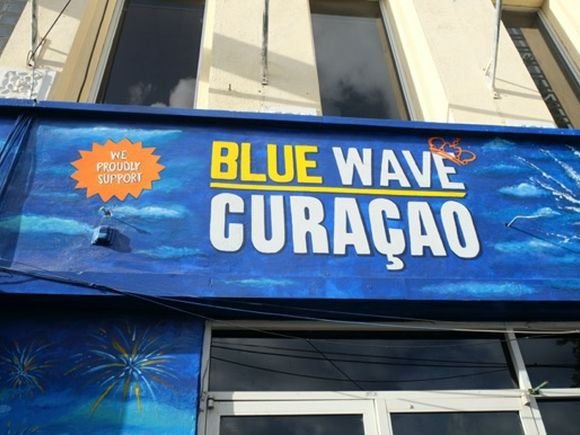
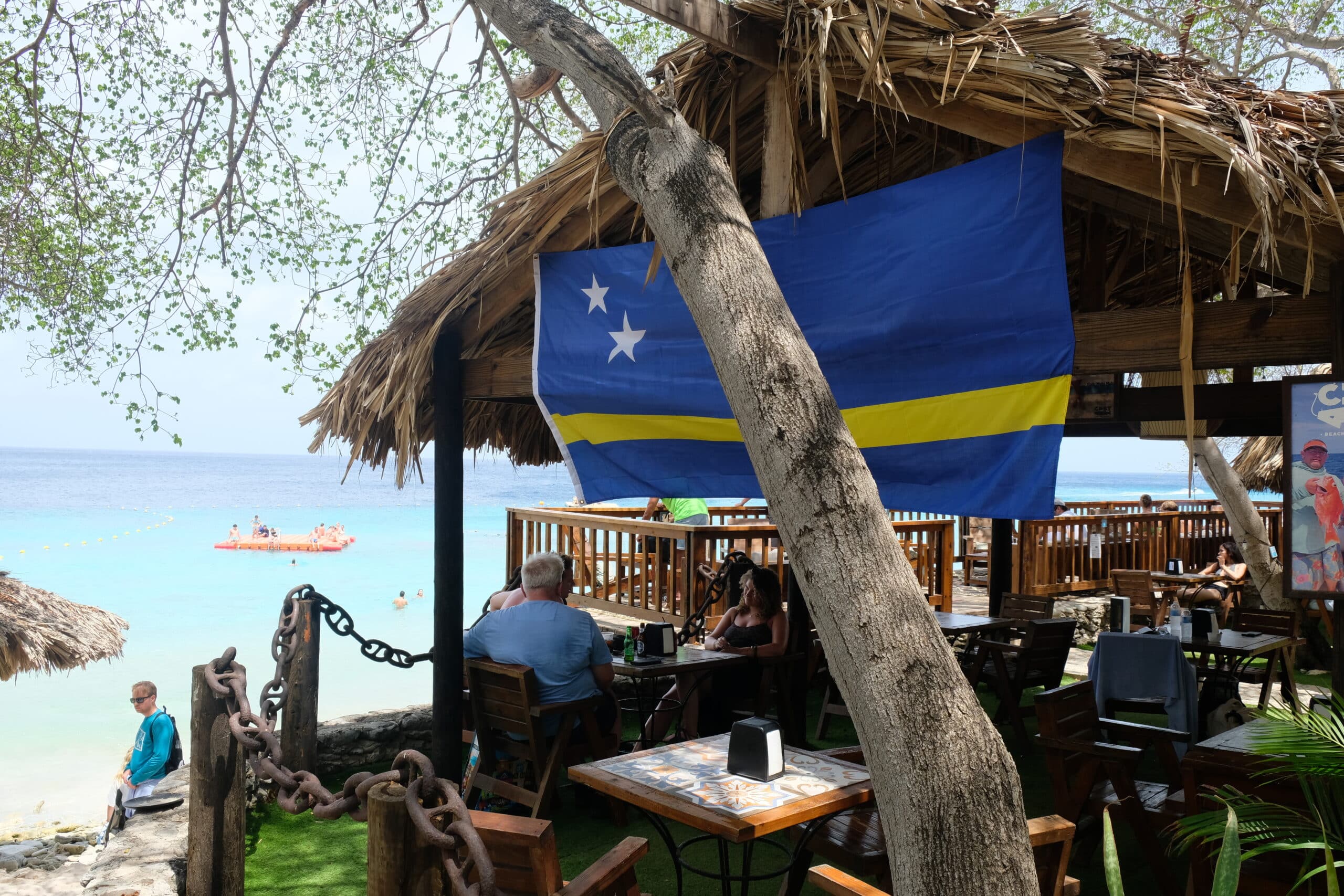
From Kalki Beach on the north-west end of the island to Sandals in the south-east, the smallest nation to ever make a World Cup finals is awash with blue and yellow. Flags flap from car windows, slogans are plastered on billboards and the sides of buildings proclaim the Blue Wave. Watch parties abound.
Fullinck points out that growing up as a football fan in Curaçao meant that you had to choose one of the big countries like Argentina, Italy or Brazil to support at the World Cup. “You never thought that it would come one day when your own country would be there for you to cheer for,” he says.
And cheering has brought the country together like never before. According to Fullinck: “We are an island where you have different cultures, but now you can see a real union, because everybody is representing the flag, and it feels like we’re just one now,” he said. “No matter what happens, we are winners, we’re champions.”
Plein Café Wilhelmina/Joel Balsam
Capital Ç/Joel Balsam
Plein Café Wilhelmina/Joel Balsam
Sandals Royal Curaçao/Joel Balsam
Plein Café Wilhelmina/Joel Balsam
Sandals Royal Curaçao/Joel Balsam
WHERE TO WATCH THE WORLD CUP IN CURAÇAO
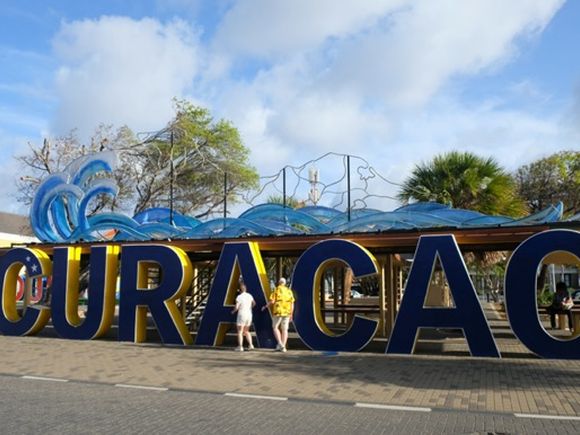
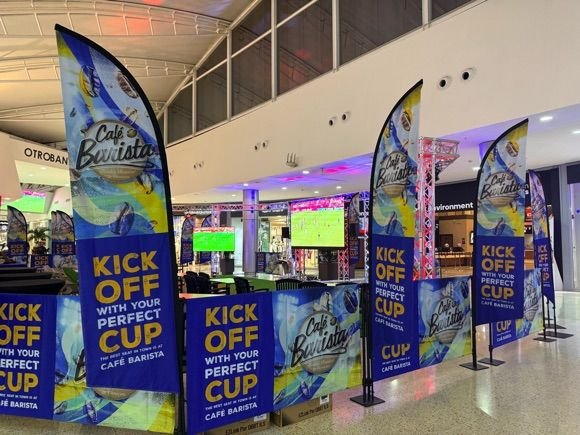
Curaçao has set up several watch parties for the World Cup, one located just outside the airport at Capital Ç, an event venue also known as The Dome. And there are two in Willemstad at Queen Wilhelmina Park beside the Curaçao sign, and another – a circle of bleachers centred on a TV – is outside the Wind Creek Hotel Casino and Renaissance Mall & Rif Fort, a 19th-century fort turned into an outdoor mall.
Many of Curaçao’s resorts and beach clubs are getting in on the act. Sandals Royal Curaçao has a huge TV on the beach with lounge beds, a board tracking the matches and World Cup-themed cocktails included in the price of the stay.
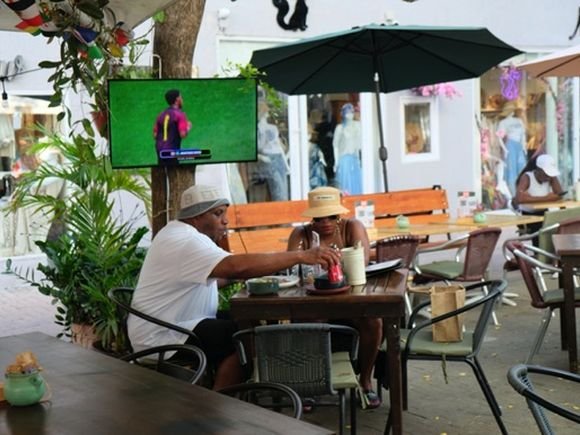
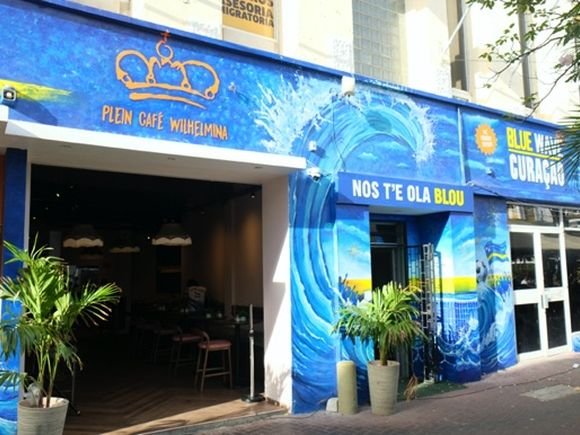
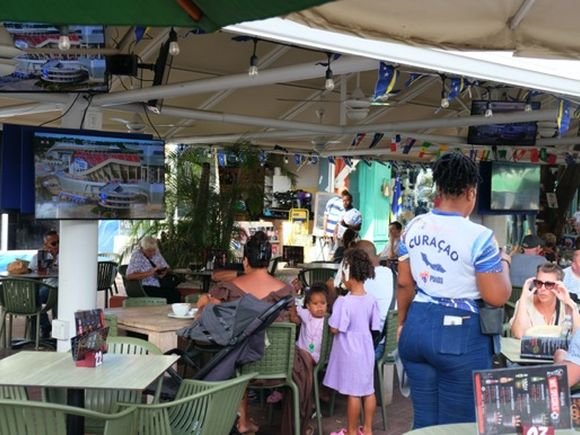
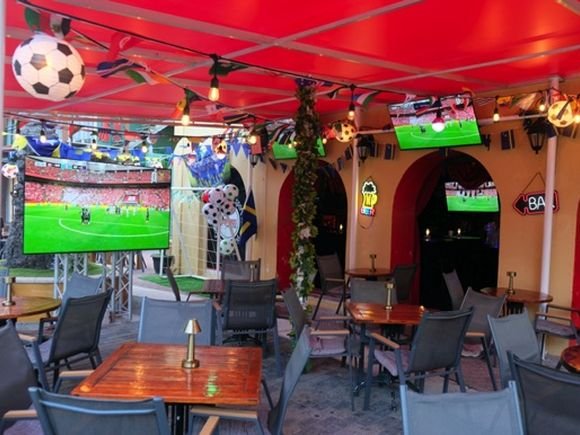
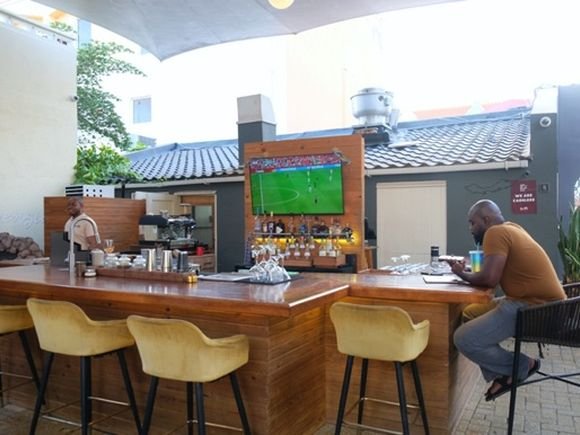
In Willemstad, most outdoor bars with terraces are screening the World Cup. Plein Café Wilhelmina is perfectly located across from the Curaçao sign and has plenty of tables, and BlackJack, part of the Saint Tropez Hotel, is another solid option for burgers and football.
5 O’Clock Somewhere/Joel Balsam
Pasa Wá/Joel Balsam
The Sopranos Sports Bar/Joel Balsam
Pasa Wá/Joel Balsam
RustiQ/Joel Balsam
Fruity Fusion/Joel Balsam
Across Santa Barbara Bay, Otrabanda is one of the most picturesque neighborhoods, with a bar called RustiQ that shows matches outside. If you’re there during the World Cup, look out for the Future Goals alley festooned with water bottles as part of a recycling initiative benefitting local schools.
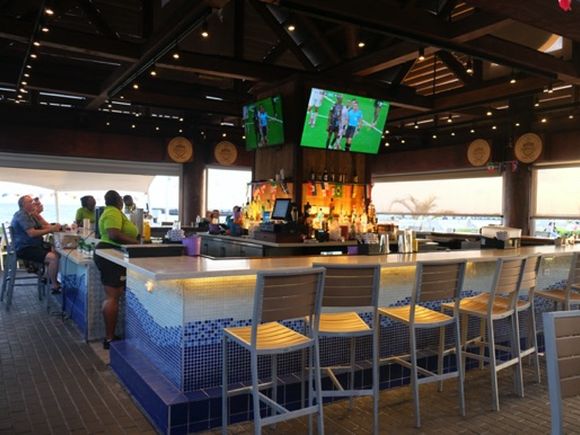
Towards the waterfront, The Sopranos Sports Bar inside the Renaissance Mall & Rif Fort has seating on its terrace, inside and on the rooftop. The aptly-named 5 O’Clock Somewhere has TVs and terrific sea views.
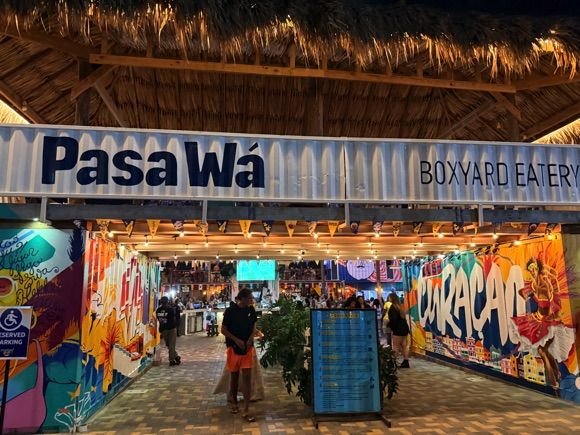
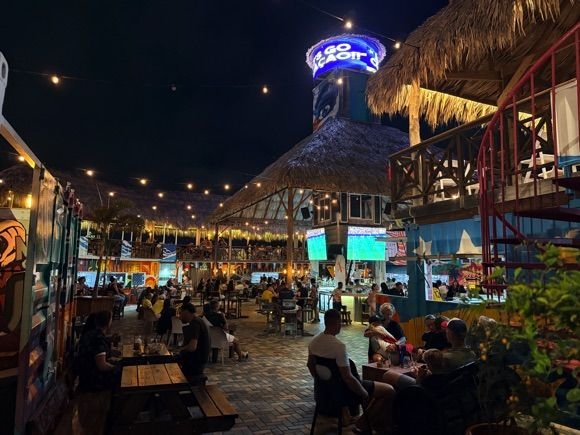
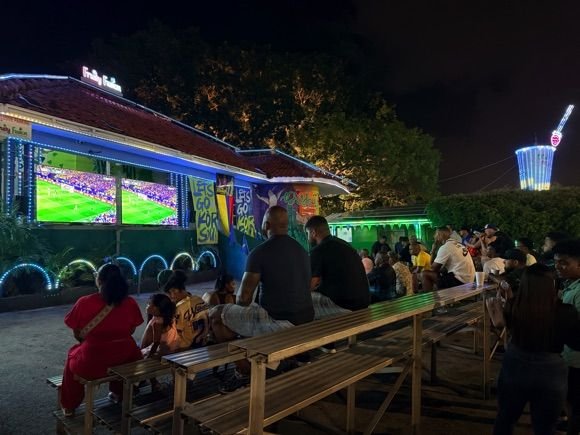
Outside Willemstad are two bars popular with locals: PasaWá, a food court made out of shipping containers centred around TVs; and Fruity Fusion, a food truck and restaurant with TV-facing bleachers. Many locals also love to stand outside snack bars and mini-markets with TVs hanging behind metal gates.
We use cookies on our website to give you the most relevant experience by remembering your preferences and repeat visits. By clicking “Accept All”, you consent to the use of ALL the cookies. However, you may visit "Cookie Settings" to provide a controlled consent.
This website uses cookies to improve your experience while you navigate through the website. Out of these, the cookies that are categorized as necessary are stored on your browser as they are essential for the working of basic functionalities of the website. We also use third-party cookies that help us analyze and understand how you use this website. These cookies will be stored in your browser only with your consent. You also have the option to opt-out of these cookies. But opting out of some of these cookies may affect your browsing experience.
Necessary cookies are absolutely essential for the website to function properly. These cookies ensure basic functionalities and security features of the website, anonymously.
Cookie
Duration
Description
cookielawinfo-checkbox-analytics
11 months
This cookie is set by GDPR Cookie Consent plugin. The cookie is used to store the user consent for the cookies in the category "Analytics".
cookielawinfo-checkbox-functional
11 months
The cookie is set by GDPR cookie consent to record the user consent for the cookies in the category "Functional".
cookielawinfo-checkbox-necessary
11 months
This cookie is set by GDPR Cookie Consent plugin. The cookies is used to store the user consent for the cookies in the category "Necessary".
cookielawinfo-checkbox-others
11 months
This cookie is set by GDPR Cookie Consent plugin. The cookie is used to store the user consent for the cookies in the category "Other.
cookielawinfo-checkbox-performance
11 months
This cookie is set by GDPR Cookie Consent plugin. The cookie is used to store the user consent for the cookies in the category "Performance".
viewed_cookie_policy
11 months
The cookie is set by the GDPR Cookie Consent plugin and is used to store whether or not user has consented to the use of cookies. It does not store any personal data.
Functional cookies help to perform certain functionalities like sharing the content of the website on social media platforms, collect feedbacks, and other third-party features.
Performance cookies are used to understand and analyze the key performance indexes of the website which helps in delivering a better user experience for the visitors.
Analytical cookies are used to understand how visitors interact with the website. These cookies help provide information on metrics the number of visitors, bounce rate, traffic source, etc.
Advertisement cookies are used to provide visitors with relevant ads and marketing campaigns. These cookies track visitors across websites and collect information to provide customized ads.