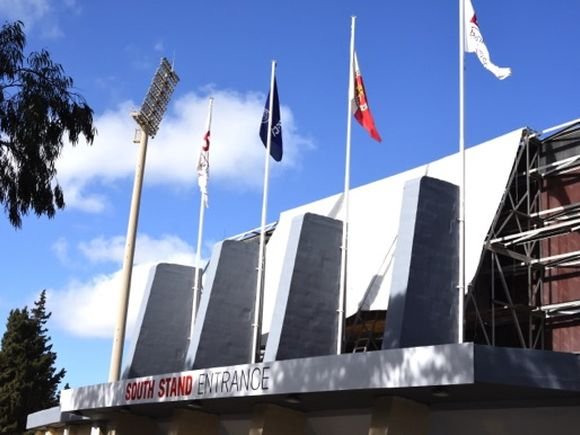
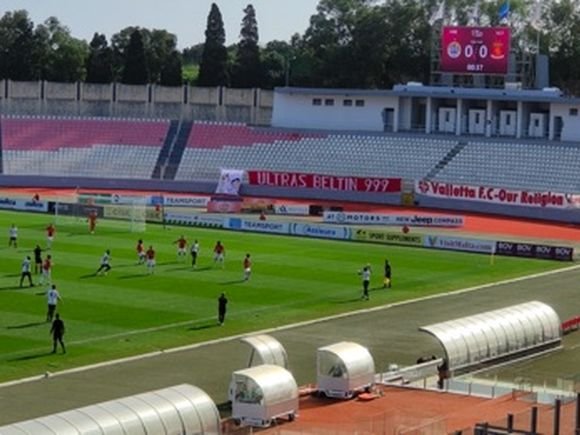
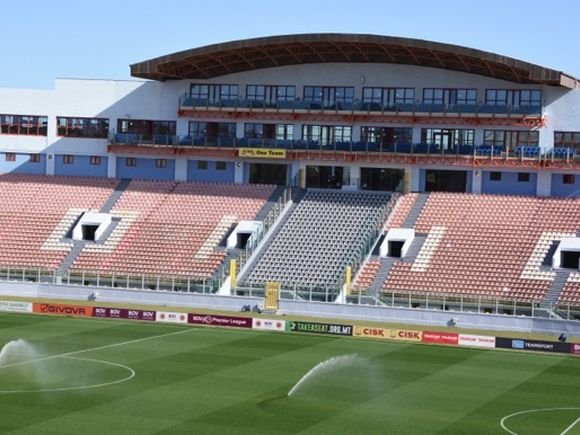
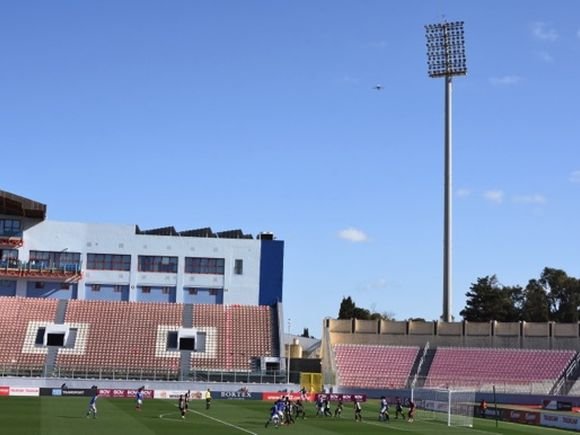
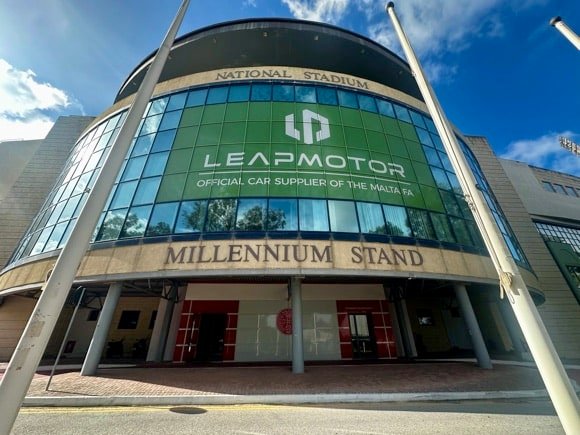
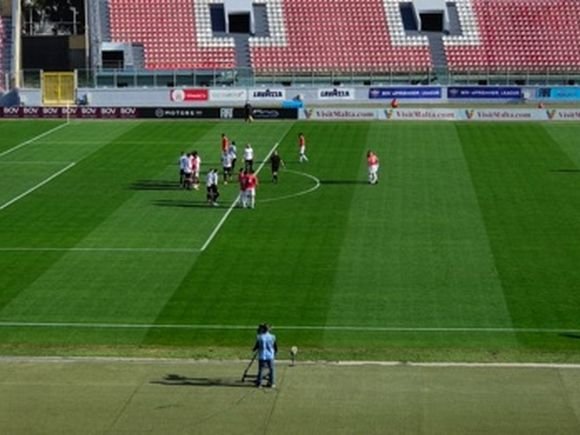
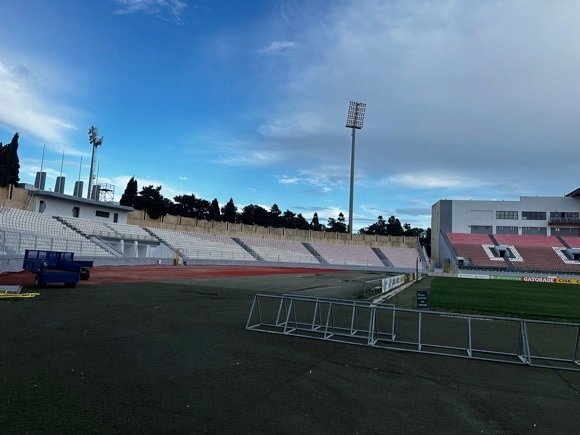
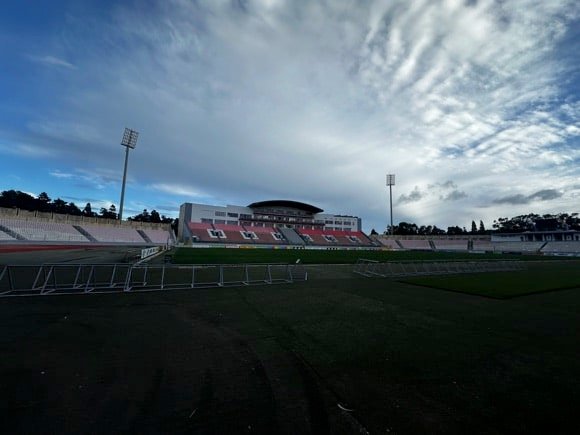
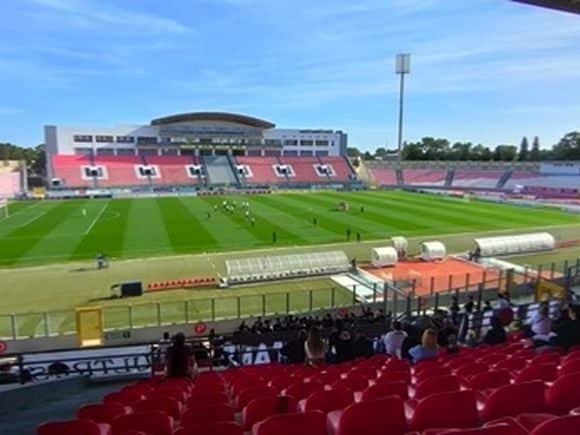
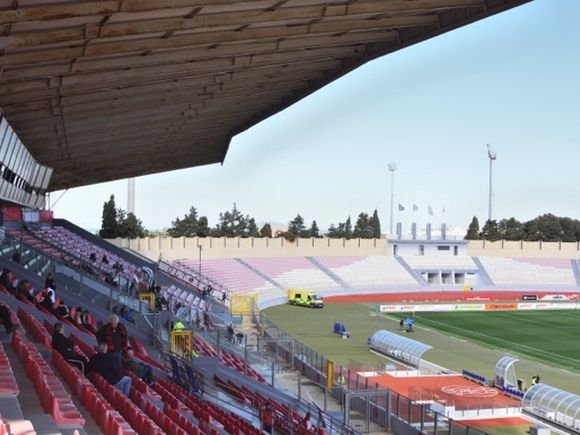
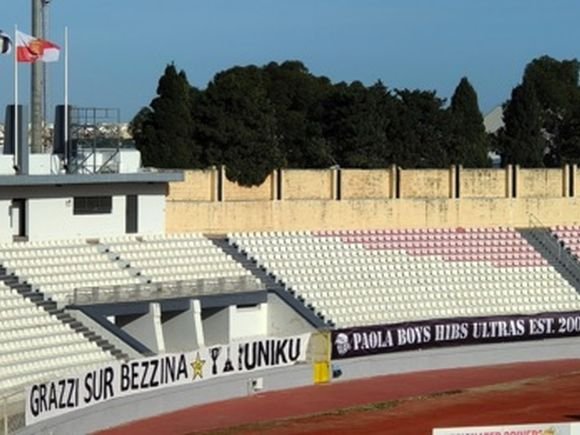
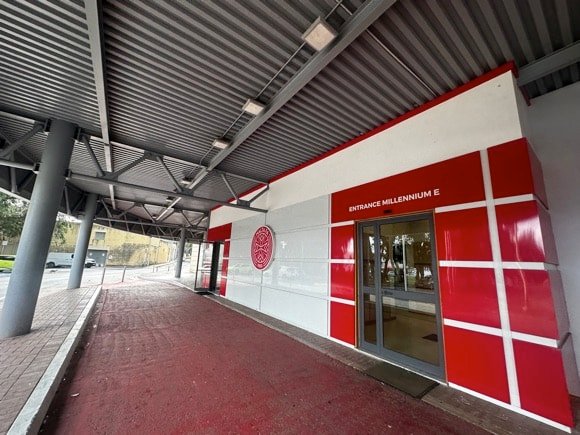
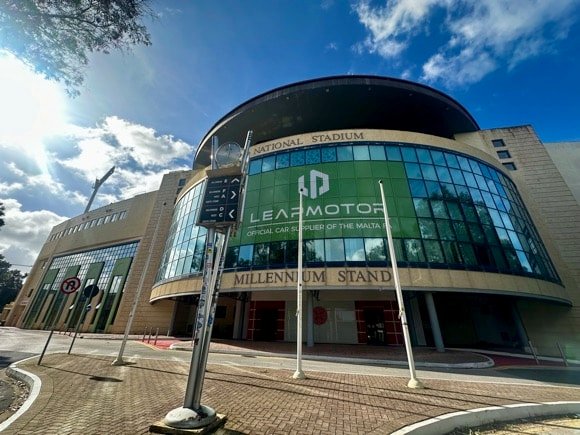
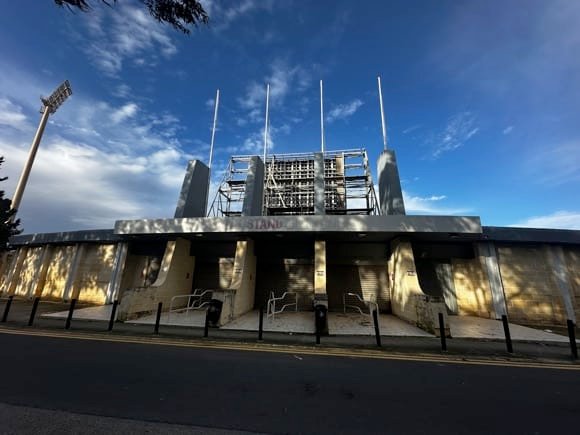
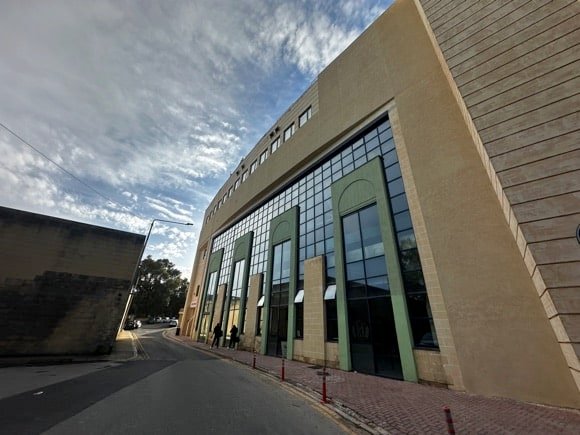
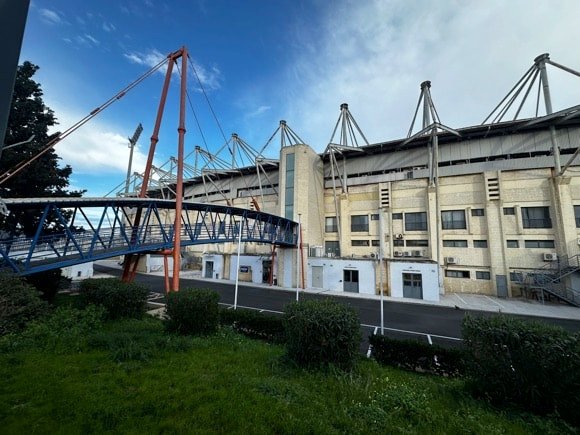
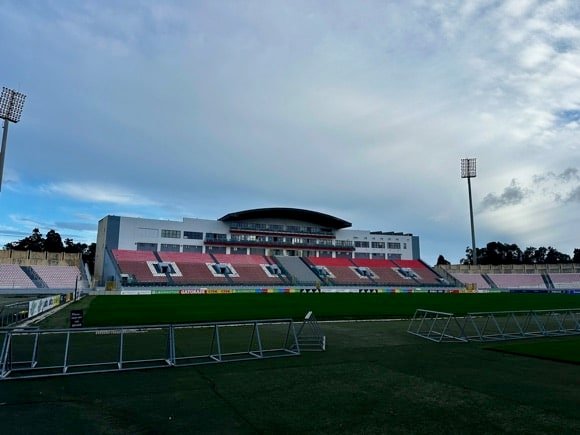
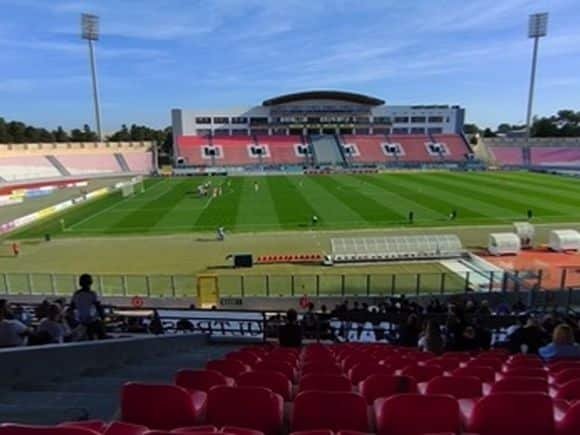
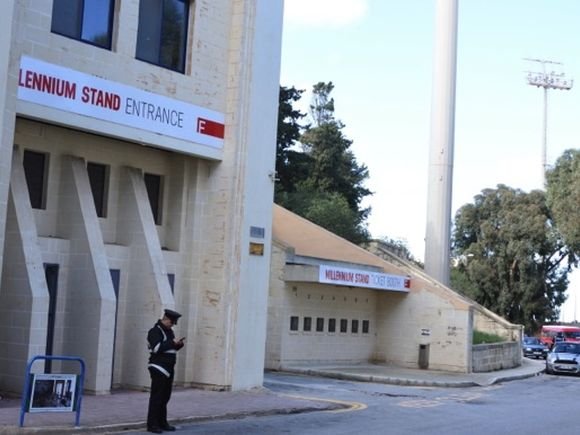
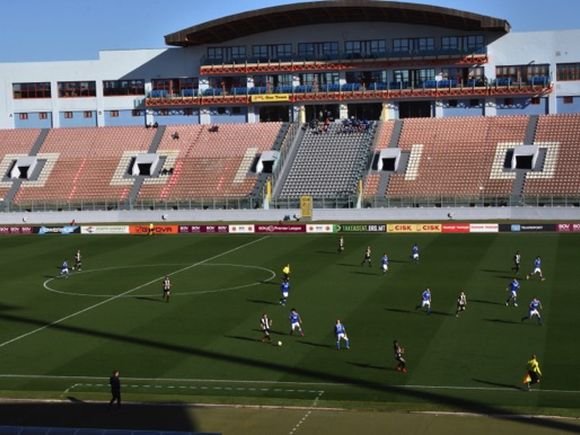
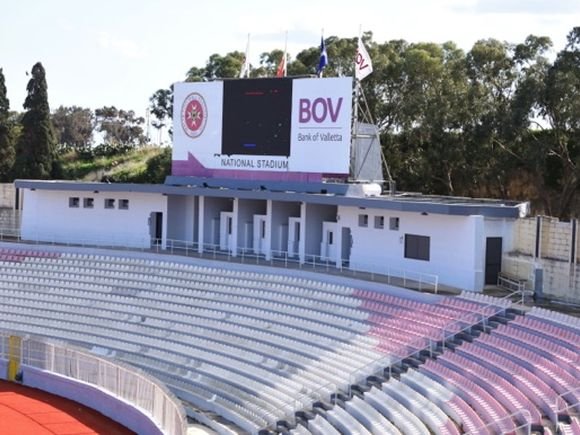
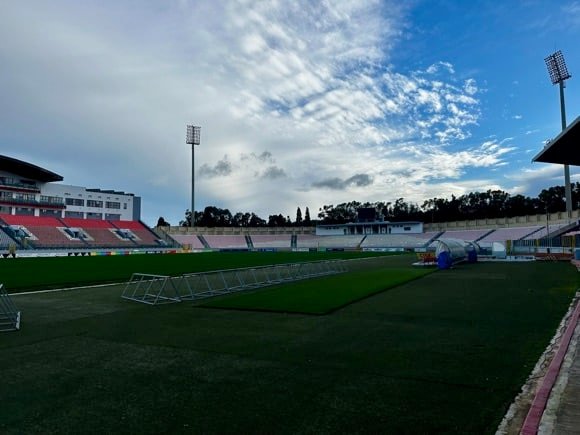
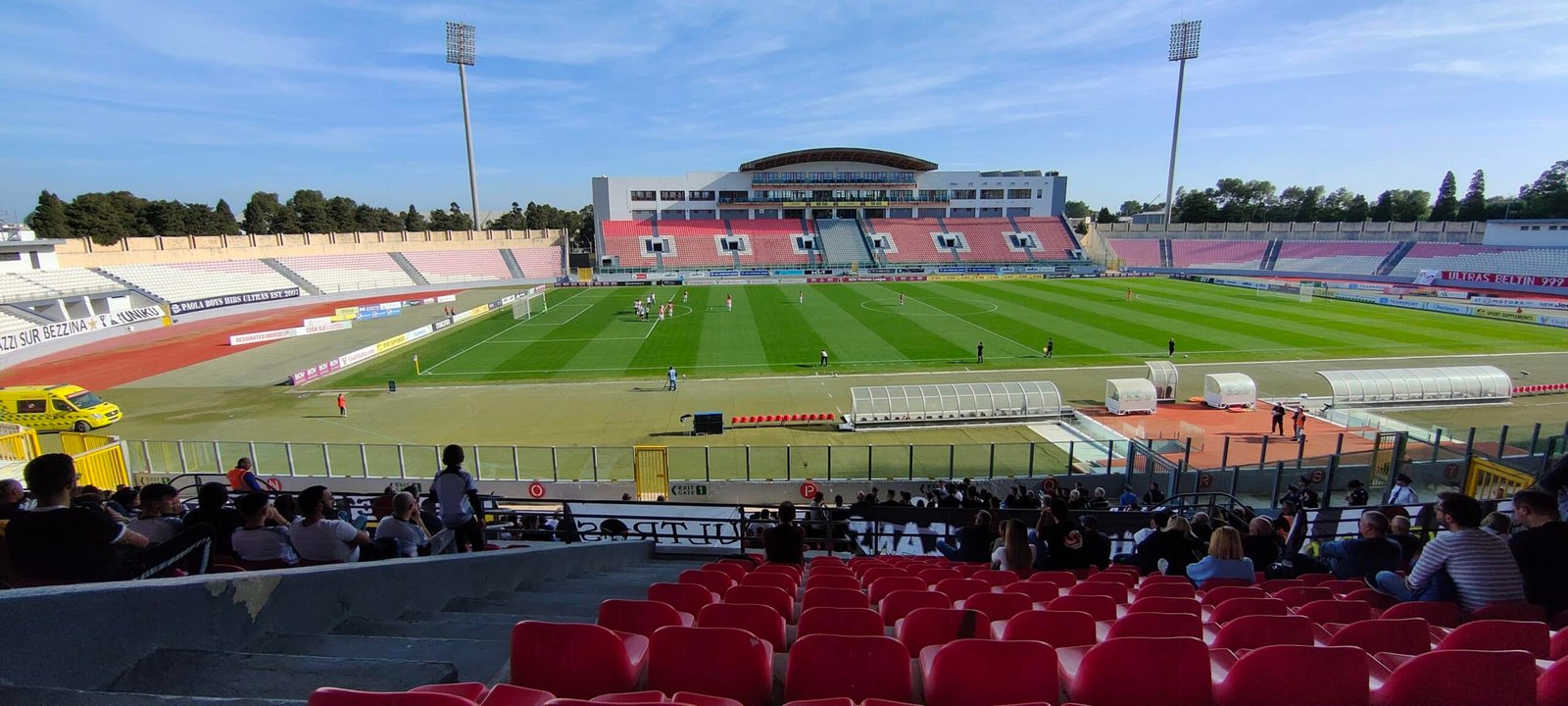
The first football ground in Malta to be granted a grass pitch, the Ta’Qali National Stadium now has a surface of high-quality hybrid turf, its installation in 2016 evidence of the savvy investments helping to transform the Maltese game in the 21st century. In 2014, it staged the bulk of the Euro U-17 finals won by England and in 2023, the U-19s won by Italy, UEFA having contributed towards the upgrade.
This is also where the Maltese national side played five of a string of seven unbeaten internationals in 2020, and where they beat Azerbaijan, Kuwait and Moldova in more recent years.
It’s all a long way from the infamous sandy pitch at Gżira, where few foreign teams wanted to play either, judging from the narrow wins registered by Sir Alf Ramsey’s England in 1971, then world champions West Germany in 1974 and Sweden the year before.
The Empire Stadium had typified football on Malta – a hangover from British rule, an exotic outpost just off the coast of North Africa and a national team which would suffer heavy defeats abroad but keep scores reasonable whenever home advantage was factored in.
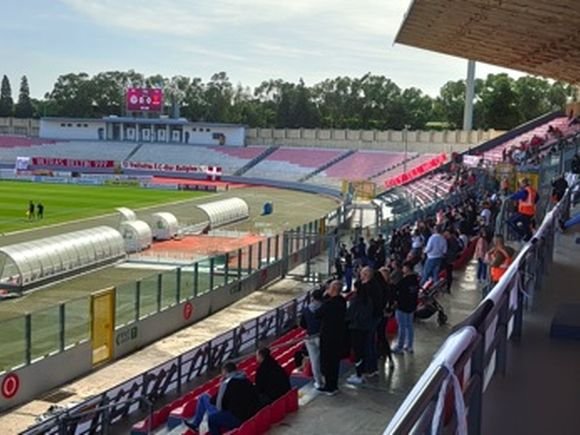
Ta’Qali National Stadium/Matt Walker
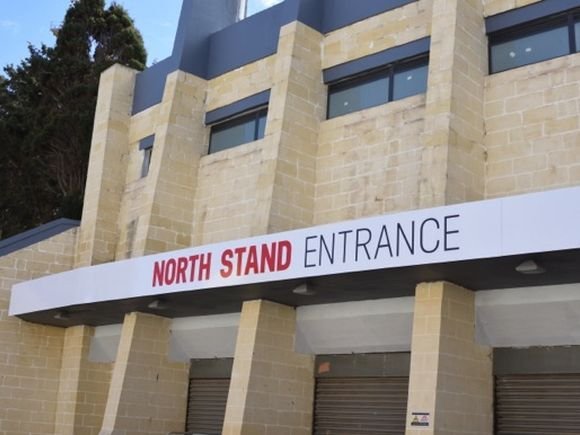
Ta’Qali National Stadium/Rudi Jansen
Ta’Qali National Stadium/Matt Walker
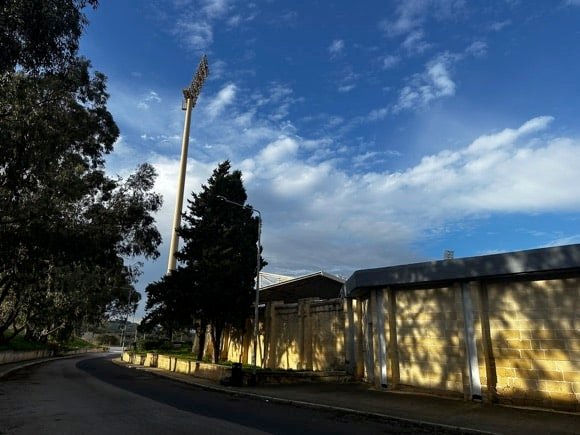
Ta’Qali National Stadium/Matt Walker
Ta’Qali National Stadium/Matt Walker
Ta’Qali National Stadium/Joe Stubley
Ta’Qali National Stadium/Joe Stubley
Ta’Qali National Stadium/Joe Stubley
Ta’Qali National Stadium/Joe Stubley
Ta’Qali National Stadium/Joe Stubley
Ta’Qali National Stadium/Rudi Jansen
And home meant, mainly, Gżira, although there were a couple of smaller grounds where the modest domestic league and cup competitions were staged. But once participation in the European club tournaments became an annual adventure from the 1960s onwards, not only was the Empire Stadium an echo of a distant era but one that belonged to one of the most illustrious dynasties on the island, with links to the Knights of Malta.
But Malta was breaking away from its past and carving a new identity as an independent nation, becoming a republic and casting off all symbols of British rule. Their military presence ended in 1979 and the Maltese took over their bases, including an airfield in the middle of the island, referred to as RAF Ta Kali during the war. Ta’Qali to the Maltese, it was transformed into an area of leisure and recreation, a national park and a national stadium.
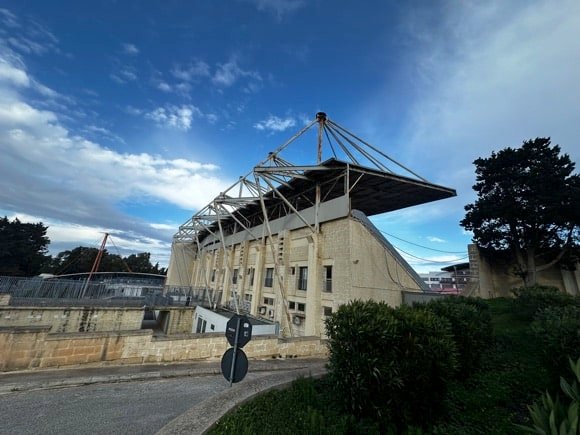
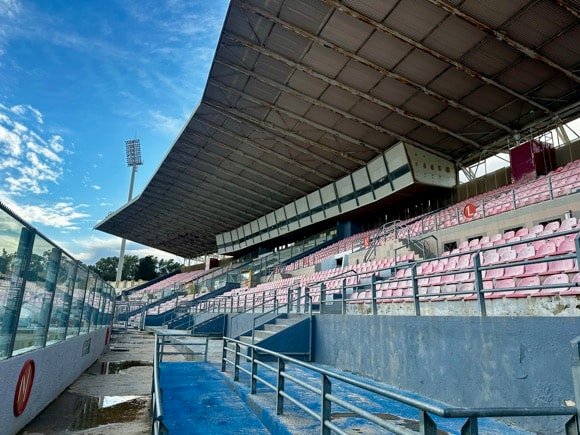
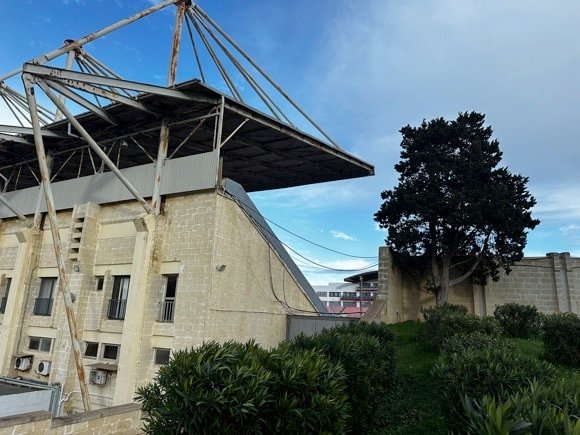
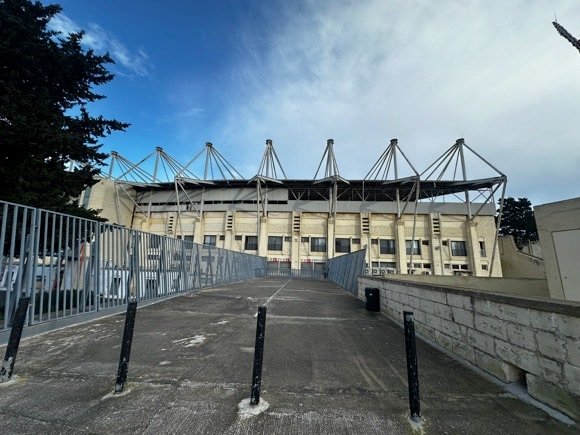
Construction began almost as soon as the last British serviceman left. Comprising two facing stands and two open terraces, it opened with a league game in December 1981, but had to wait a year before hosting its first international fixture as Malta had been forced to serve a ban on hosting games after officials had been pelted with stones towards the end of a match with Poland at Gżira in December 1980.
Ta’Qali National Stadium/Matt Walker
Ta’Qali National Stadium/Joe Stubley
Ta’Qali National Stadium/Rudi Jansen
Ta’Qali National Stadium/Joe Stubley
Ta’Qali National Stadium/Rudi Jansen
Ta’Qali National Stadium/Joe Stubley
Ta’Qali National Stadium/Matt Walker
Ta’Qali National Stadium/Joe Stubley
Ta’Qali National Stadium/Joe Stubley
Ta’Qali National Stadium/Rudi Jansen
Malta and Bulgaria duly played out a somewhat underwhelming goalless draw two years later, 1,701 making their way 13km west of Valletta. There was better to follow in the spring of 1983, including a narrow defeat to Ireland decided by a single late Frank Stapleton goal, and a 3-2 win by Spain in the same Euro qualifying group, in which Malta led 2-1.
There was no sandy pitch for visitors to blame, just feisty performances from the hosts. Had the Spain game finished in a draw, then their 12-1 win over Malta in Seville to qualify for Euro 84 on goals scored at Holland’s expense would not have earned such a strange footnote in the history books.
The visit of recent World Cup finalists West Germany in 1984 attracted a record 35,102 to Ta’Qali for another ding-dong game of five goals in which Malta went ahead with an early Carmel Busuttil strike early on, the hosts denied a satisfying shock victory despite a stadium packed to the gills from early doors. The war-time bombing of Malta, and this former airfield in particular, was still a living memory for many in the crowd.
Ta’Qali National Stadium/Matt Walker
Ta’Qali National Stadium/Joe Stubley
Ta’Qali National Stadium/Matt Walker
Ta’Qali National Stadium/Rudi Jansen
Ta’Qali National Stadium/Joe Stubley
Ta’Qali National Stadium/Joe Stubley
Ta’Qali National Stadium/Joe Stubley
Ta’Qali National Stadium/Joe Stubley
Ta’Qali National Stadium/Joe Stubley
Ta’Qali National Stadium/Joe Stubley
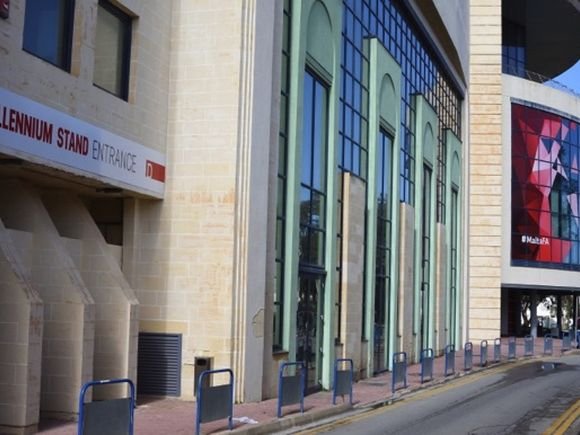
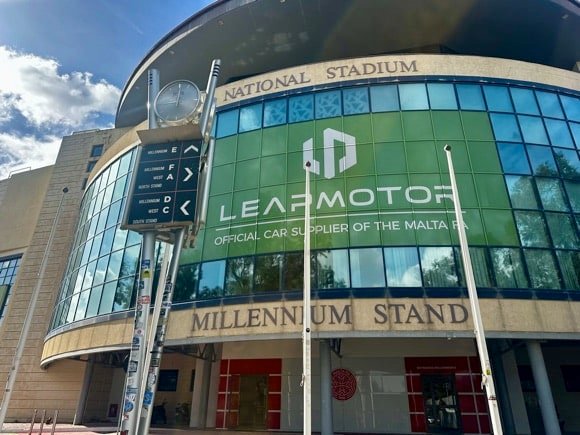
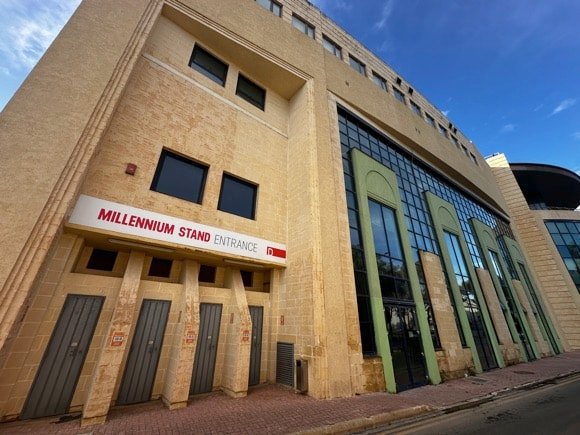
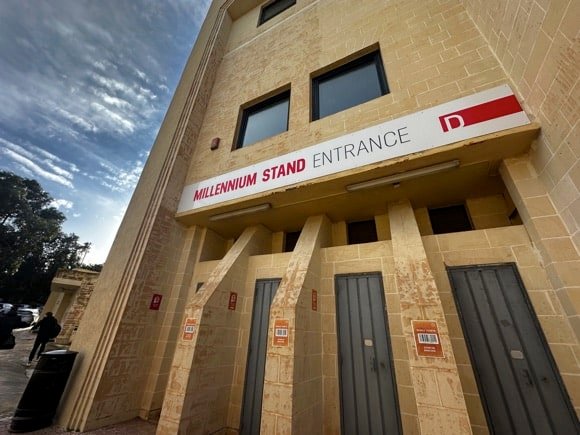
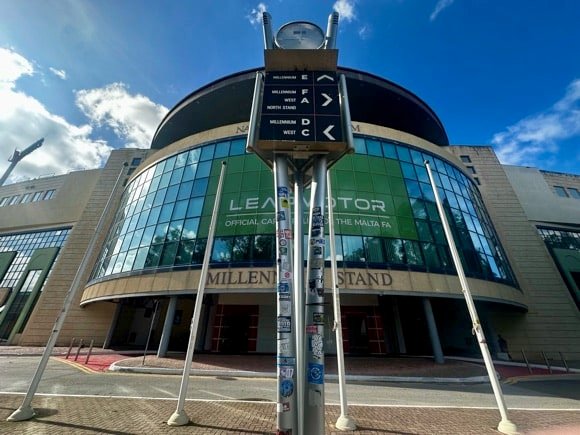
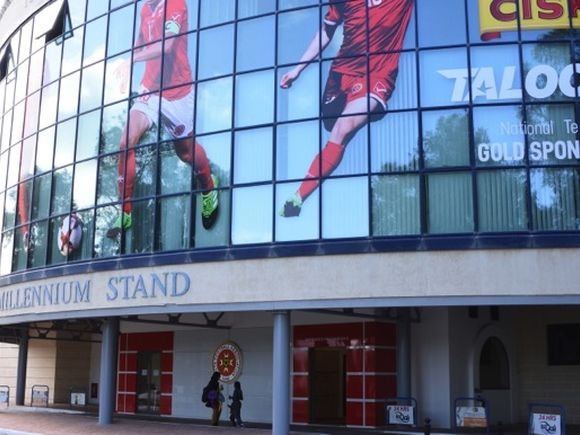
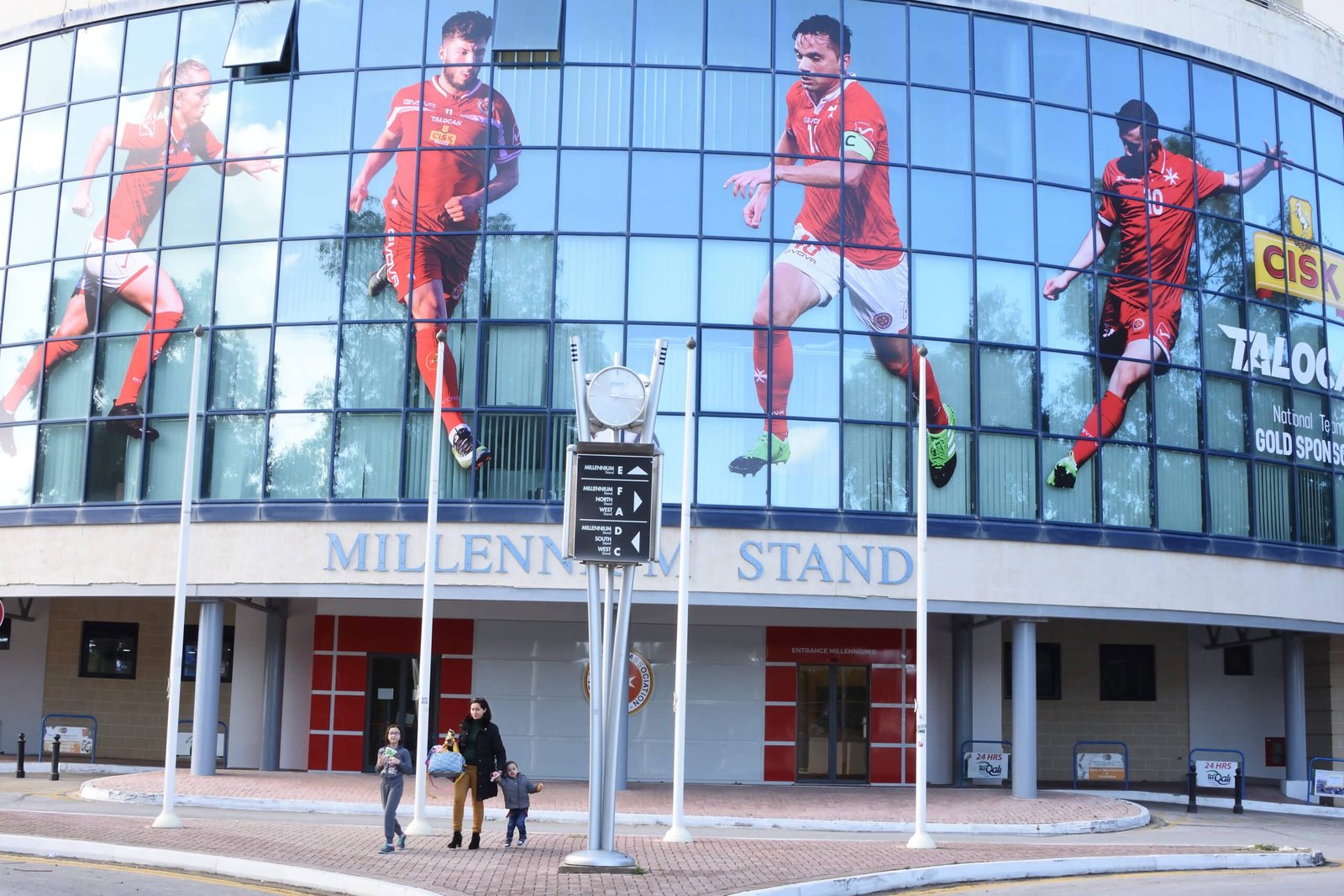
By the end of the decade, Malta were holding Scotland, Switzerland and Hungary to draws here, and picking up the occasional win, though Ta’Qali, constructed quickly and relatively cheaply, was already showing signs of wear and tear. The East Stand had already been closed for years when work began on the Millennium Stand at the turn of the new century.
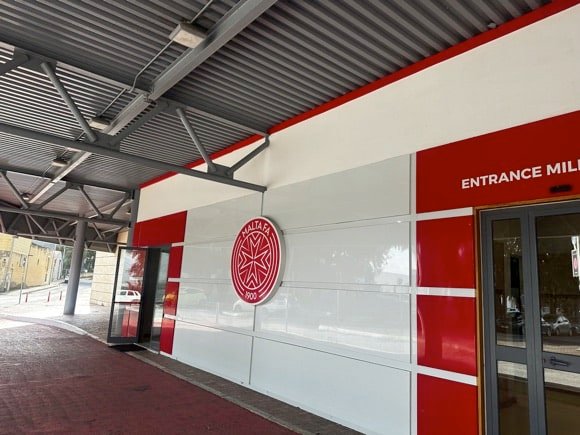
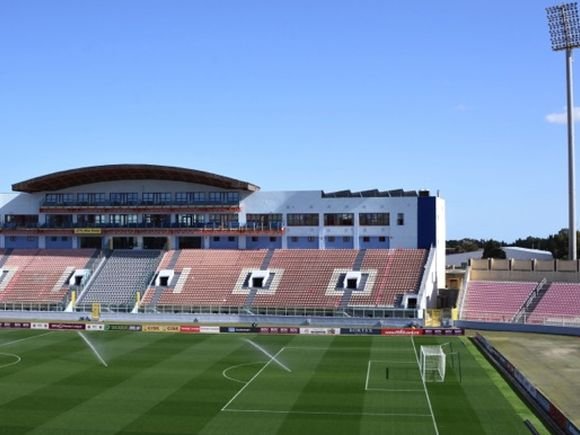
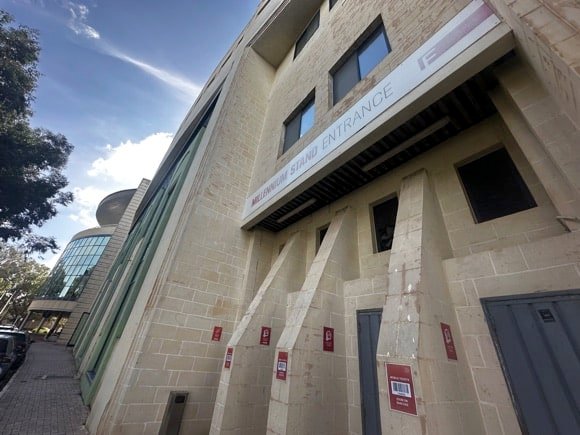
Seating 5,000, it also contained the FA offices and put Malta in line to host UEFA tournaments, the governing body keen on promoting the game in some of the more far-flung parts of its association of 50-plus members. Selected in March 2012, Malta staged the eight-team Euro U-17 finals of 2014, featuring players such as later England international Dominic Solanke and Dutch international regular Steven Bergwijn. A crowd of just under 10,000 saw the final between the two teams, settled on penalties.
Ta’Qali National Stadium/Rudi Jansen
Ta’Qali National Stadium/Matt Walker
Ta’Qali National Stadium/Matt Walker
Ta’Qali National Stadium/Joe Stubley
Ta’Qali National Stadium/Matt Walker
Ta’Qali National Stadium/Joe Stubley
Ta’Qali National Stadium/Joe Stubley
Ta’Qali National Stadium/Joe Stubley
Ta’Qali National Stadium/Joe Stubley
Ta’Qali National Stadium/Rudi Jansen
With the installation of a €1.5 million’s worth of high-quality hybrid turf in 2016, in time for Malta to host Scotland that September, also pushed Ta’Qali to the forefront of UEFA’s list of potential tournament venues. In July 2023, it co-hosted the Euro U-19 finals, although without England’s participation, attendances were considerably lower than in 2014.
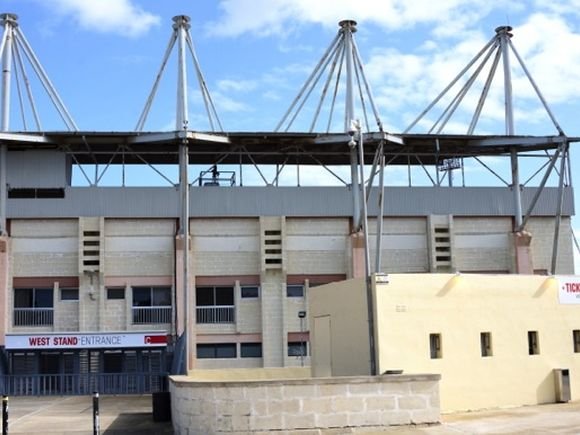
With its current capacity of nearly 17,000 due to be reduced to 12,000 with the proposed redevelopment of the West Stand, and north and sound ends, Ta’Qali is the workhorse of Maltese football, hosting more than 100 games a year, domestic fixtures usually played as double-headers.
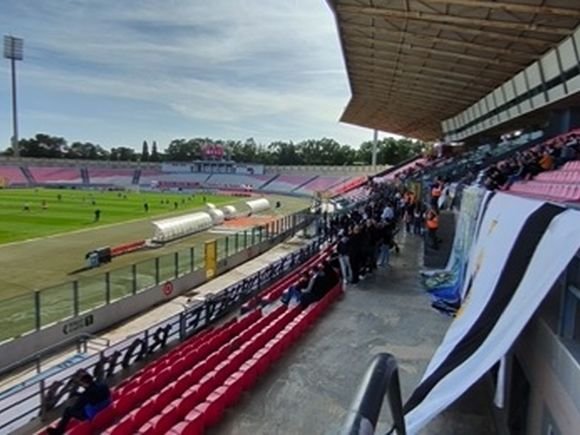
Ultra followers of the main teams are segregated, while for games involving Malta, the South End Core set out their banners early. Malta’s women’s team and U-21s play at the Centenary Stadium next door, opened in 1999 and accommodating 3,000 spectators.
getting here
Going to the stadium – tips and timings
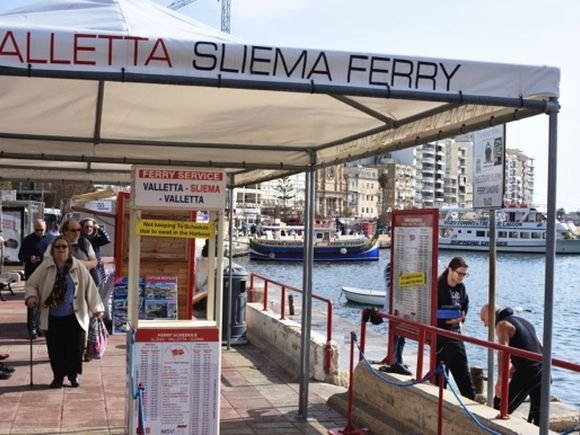
Valletta-Sliema ferry/Matt Walker
There is no direct public transport from Malta International Airport to Ta’Qali National Stadium 11km (seven miles) away. and 8km (five miles) south-west of Valletta. A taxi (+356 2182 3017) to the stadium (€25) should take 15mins. Malta Taxi also has its own app.
From Valletta bus station at the entrance to town, the hourly bus 56 to Dingli to Stadium (45mins) – a single fare is €2, €2.50 in summer (cash/contactless on board, valid for all transfers for 2hrs). – a taxi should take 15mins and cost €20-€25. Bus services are weekday only and close around 6pm. You can also use an Uber.
getting in
Buying tickets – when, where, how and how much
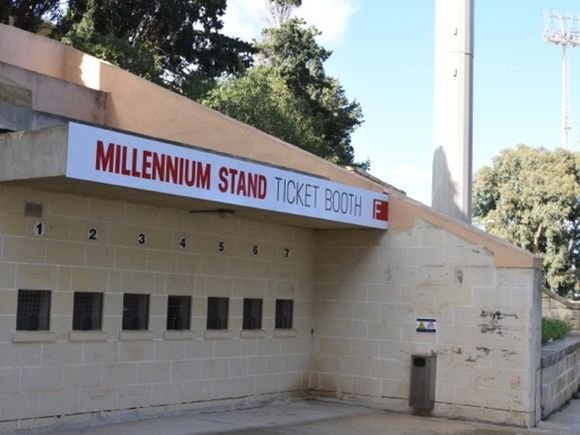
Ta’Qali National Stadium tickets/Matt Walker
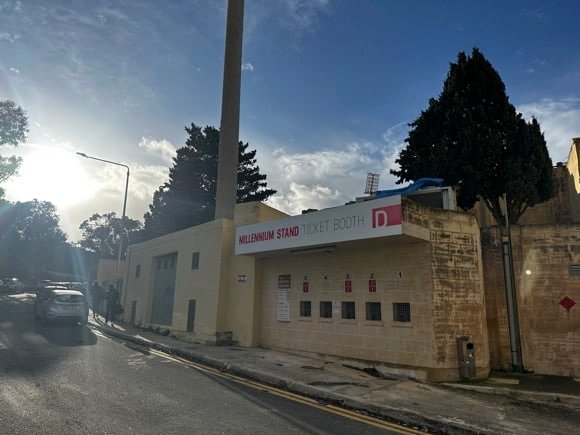
Ta’Qali National Stadium tickets/Joe Stubley
Ta’Qali National Stadium tickets/Matt Walker
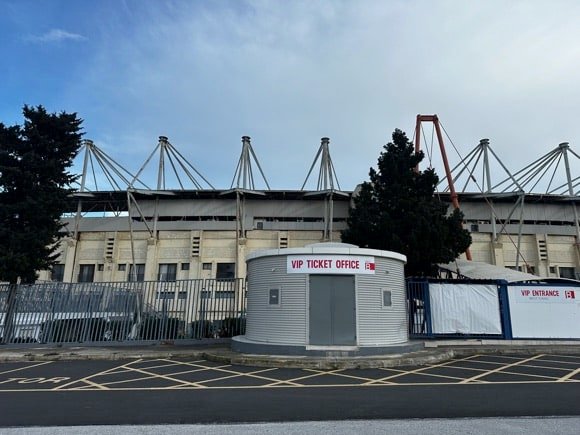
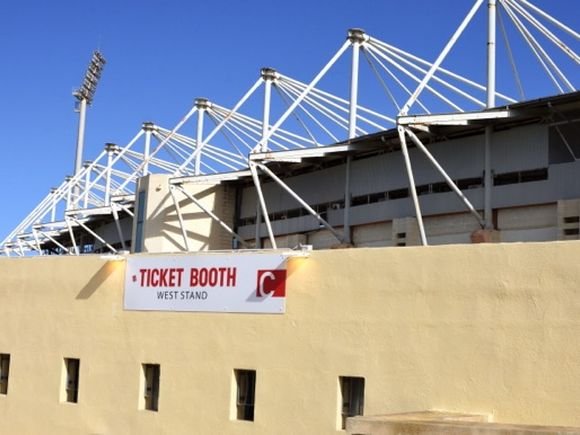
The Maltese FA is introducing a digital ticketing system later in 2026 through EventWorks https://eventworks.mt/all-events/, which would apply to Malta internationals and Maltese Premier League fixtures. It’s not yet clear if fans will still be able to purchase admission in person from the ticket windows behind the East (Millennium) and West Stands.
For European fixtures involving foreign teams playing their Maltese counterparts here, contact your club for ticketing information and purchasing. Maltese teams have their own channels for online and in-person sales.
what to see
Discover the history of football on Malta
Ta’Qali National Stadium/Matt Walker
On Level 2 in the Millennium Stand, the Malta Football Museum (tickets €5, reduced €2.50-€3.50; Mon-Fri 10am-4pm) displays the trophies, shirts and original photographs that tell the story of the game on this football-obsessed island through its players, clubs and coaches.
We use cookies on our website to give you the most relevant experience by remembering your preferences and repeat visits. By clicking “Accept All”, you consent to the use of ALL the cookies. However, you may visit "Cookie Settings" to provide a controlled consent.
This website uses cookies to improve your experience while you navigate through the website. Out of these, the cookies that are categorized as necessary are stored on your browser as they are essential for the working of basic functionalities of the website. We also use third-party cookies that help us analyze and understand how you use this website. These cookies will be stored in your browser only with your consent. You also have the option to opt-out of these cookies. But opting out of some of these cookies may affect your browsing experience.
Necessary cookies are absolutely essential for the website to function properly. These cookies ensure basic functionalities and security features of the website, anonymously.
Cookie
Duration
Description
cookielawinfo-checkbox-analytics
11 months
This cookie is set by GDPR Cookie Consent plugin. The cookie is used to store the user consent for the cookies in the category "Analytics".
cookielawinfo-checkbox-functional
11 months
The cookie is set by GDPR cookie consent to record the user consent for the cookies in the category "Functional".
cookielawinfo-checkbox-necessary
11 months
This cookie is set by GDPR Cookie Consent plugin. The cookies is used to store the user consent for the cookies in the category "Necessary".
cookielawinfo-checkbox-others
11 months
This cookie is set by GDPR Cookie Consent plugin. The cookie is used to store the user consent for the cookies in the category "Other.
cookielawinfo-checkbox-performance
11 months
This cookie is set by GDPR Cookie Consent plugin. The cookie is used to store the user consent for the cookies in the category "Performance".
viewed_cookie_policy
11 months
The cookie is set by the GDPR Cookie Consent plugin and is used to store whether or not user has consented to the use of cookies. It does not store any personal data.
Functional cookies help to perform certain functionalities like sharing the content of the website on social media platforms, collect feedbacks, and other third-party features.
Performance cookies are used to understand and analyze the key performance indexes of the website which helps in delivering a better user experience for the visitors.
Analytical cookies are used to understand how visitors interact with the website. These cookies help provide information on metrics the number of visitors, bounce rate, traffic source, etc.
Advertisement cookies are used to provide visitors with relevant ads and marketing campaigns. These cookies track visitors across websites and collect information to provide customized ads.