Liberating football travel

Liberating football travel

FC Barcelona

Hansi revives Barça as stadium rebuild drags on

A fan’s guide – the club from early doors to today

lNo longer masters of Europe, FC Barcelona are at least masters of their own destiny. As their motto says, ‘More Than a Club’. With nearly 150,000 members and more political clout than most, Barça have put their faith in the return of former Catalan MP Joan Laporta as club president.

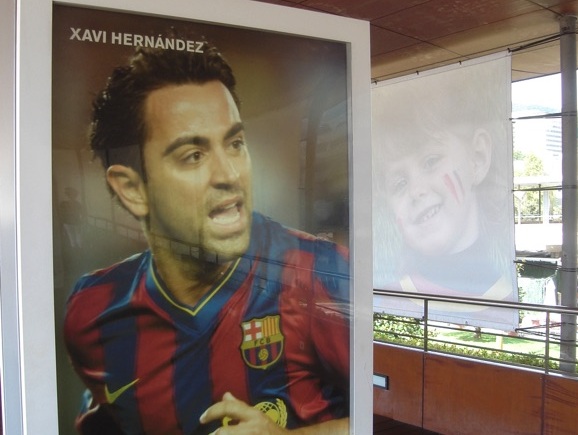
The man who oversaw the rise of one of the greatest club sides in football history, graduates from Barça’s own La Masia academy, initially looked to hone of its number to turn the ship around. Along with his midfield partner Andrés Iniesta and mercurial forward Lionel Messi, playmaker Xavi elevated Barcelona to unprecedented dominance. For a golden decade of four Champions League trophies, Barça became a huge global industry, filling cinemas for titanic El Clásico clashes with Real Madrid and shifting merchandise across the world.

As coach, Xavi helped revive the club that threw it all away, status, reputation and Messi, through mismanagement. Winning the title in 2023, the Catalan then caved in to the pressure that comes with the Barça job, making way for Bayern coaching legend Hansi Flick to step in and win the double in 2025. 

Finances remain tight but Barça are at least a credible force once more. Whether now is the best time for a major rebuild of the club’s iconic stadium, the Nou Camp, and a three-season sojourn at the Estadi Olímpic Lluís Companys atop the heights of Montjuïc, is another question.

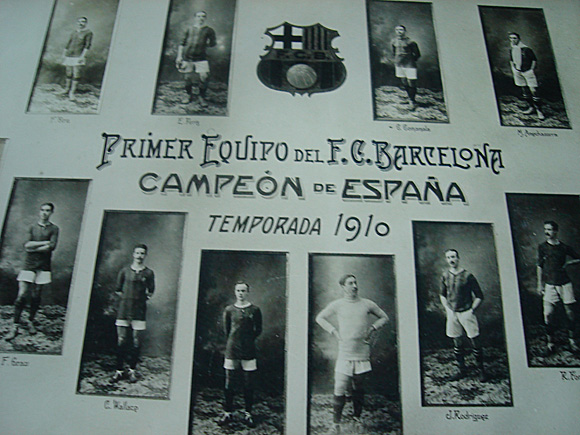
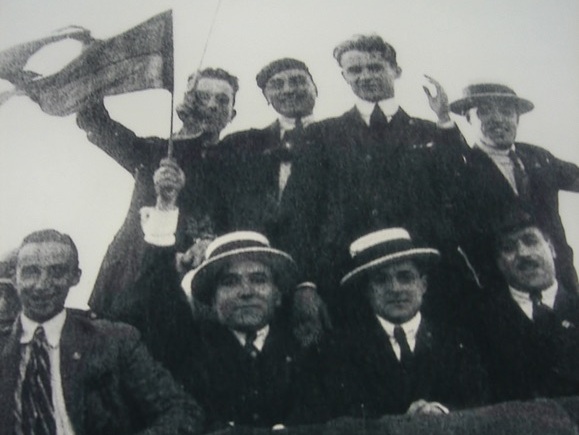
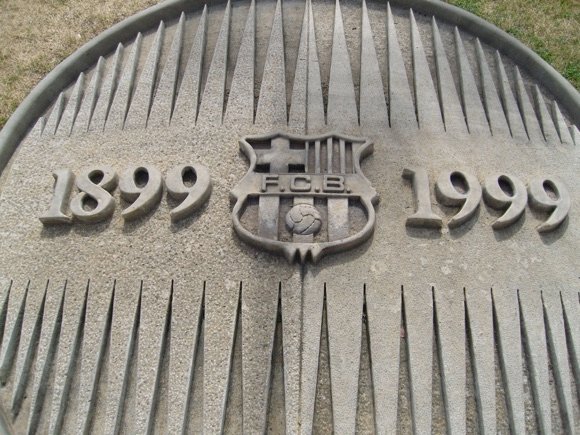
FC Barcelona fly the flag for Catalonia, the economically powerful region whose language and culture were suppressed under Franco until the dictator’s death in 1975. Founded by Swiss Hans Gamper (‘Joan Gamper’)  in 1899, FCB wear blue and grenadine (‘blaugrana’ in Catalan) probably taken from FC Basel, another club Gamper founded. Of Barça’s 60 managers, more than half have been foreigners.

The first one Gamper hired was Jack Greenwell, who coached the great pre-war side that featured Josep Samitier, Ricardo Zamora and Ferenc Plattkó. Rampant Catalan nationalism at the Les Corts stadium built by Gamper caused the authorities to close it down. Cash-strapped to Gamper later killed himself in the wake of the Wall Street Crash.

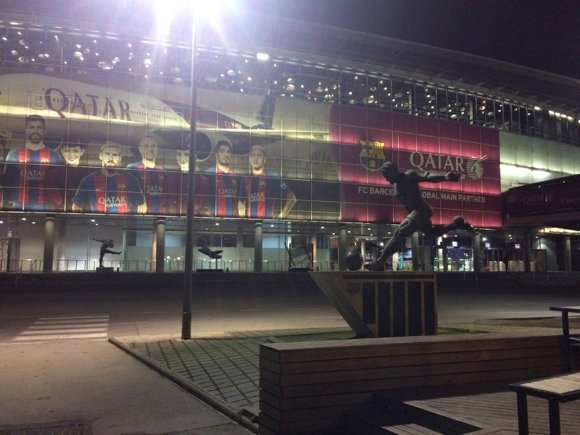
Following the Spanish Civil War, the ground witnessed the rise of another great Barça side, with László Kubala at the helm. His statue standing proudly today outside the Nou Camp, this Budapest-born forward of Hungarian and Slovak descent could have risen to fame alongside his Magyar contemporary, Ferenc Puskás, but for war and geopolitics. Skipping borders and swapping passports, Kubala played only three games for Hungary before finding his way to Barcelona. 

For Franco, the arrival of a poster boy who had rejected Communism for right-wing Spain, this was an opportunity not to be missed. Kubala was soon granted another nationality and 19 caps for his adopted country. For Barcelona, Kubala spearheaded a golden age of post-war football. 

Crowds flocked to Les Corts to see him play, so much so that the club had to build a bigger stadium, the Nou Camp. When Puskás needed money to bring himself and his family over following the Hungarian Uprising of 1956, Kubala helped him find it. He then persuaded Barça to sign his compatriots Sándor Kocsis and Zoltán Czibor, members of the great Hungary side of the early 1950s.

Rivalry with Real Madrid became gladiatorial. Favoured by Franco, Real were always just that one step ahead. Barça had Brazilian Evaristo, Real Di Stéfano. Barça won the first two Fairs Cups, Real the first five European Cups. The last was won in 1960 after two epic semi-final victories over Barcelona for which cautious manager Helenio Herrera had refused to play Kubala.

One of them had to go. Herrera duly left for Italy. Kubala returned to help Barcelona avenge that defeat the following season, knocking Real Madrid out of the European Cup for the first time. The stage was set for Barça to assume Real’s mantle. With Spanish forward Luis Suárez in his prime, and the European Cup beckoning, Barcelona took the lead against Benfica in the final, only to fall to a younger, stronger side. Suárez followed Herrera to Inter, Kubala retired.

Despite the arrival of Johan Cruyff and Diego Maradona, it would be 1986 before Barça made another European Cup final, a shock defeat to Steaua Bucharest on penalties.

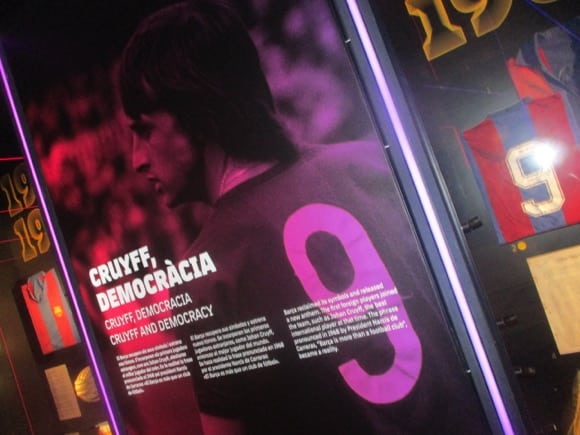
It was Cruyff who created the next great Barça team, club president Josep Núñez setting up the La Masia academy upon Cruyff’s prompting. Cruyff gave equal emphasis to key foreign stars – Ronald Koeman, Michael Laudrup, Hristo Stoichkov – as to local Catalans, particularly the young midfield orchestrator Pep Guardiola. Barça won the Spanish league four times running, and in between, that long-sought European Cup in 1992.

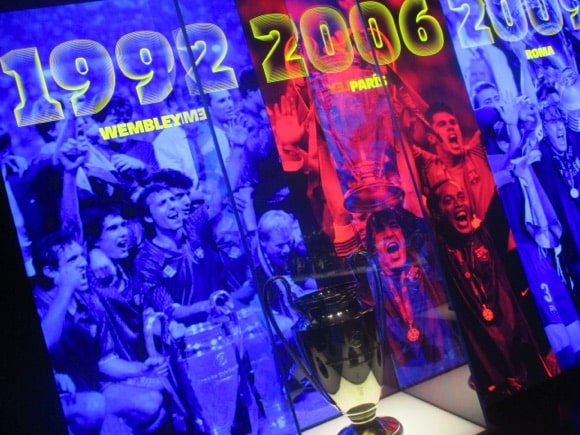
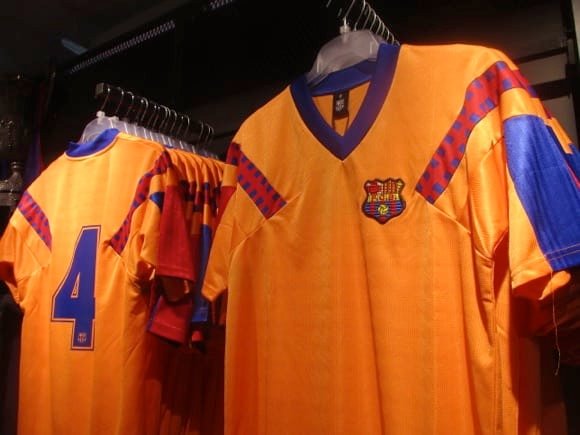
A repeat of Barça’s Cup Winners’ Cup triumph over Sampdoria in 1989, the Wembley win was a watershed. The last European Cup before it became the Champions League, it occurred shortly before Barcelona held the Olympic Games to become a global metropolis. It marked a last great Dutch-engineered triumph for a side playing in bright orange, the game settled by a screamer of a free-kick from Koeman. 

Most of all, the lifting of the European Cup 32 years after Barça lost to Real in the semi-final was a triumph for Johan Cruyff and the attack-minded, passing tactics practised by the Ajax side he had led to three European Cups as a player. This same approach was taken by Cruyff’s playmaker, Pep Guardiola, and adopted to successful effect at the Nou Camp nearly 20 years later.
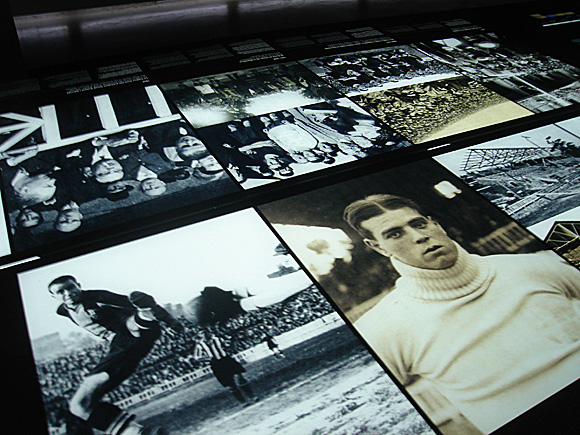
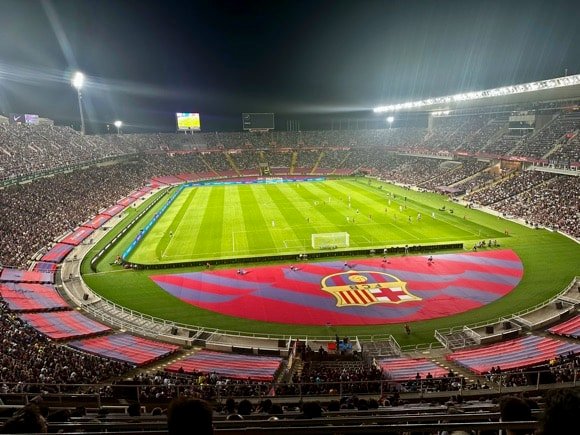
Cruyff’s Dream Team was badly beaten by Milan in the final two years later. Cruyff and Núñez fell out but the Dutchman remained behind the scenes to advise on major decisions. Fan group Elefant Blau, headed by local politician Joan Laporta, pushed out Núñez, then Cruyff pushed Laporta to presidency.

Despite a string of world-class Brazilians – Romário, Ronaldo, Rivaldo, Ronaldinho, Deco – Barça only managed one more Champions League trophy, beating Arsenal in 2006. A pressured Laporta brought in an untried Guardiola as coach, who duly achieved the treble in his first season of 2008-09.

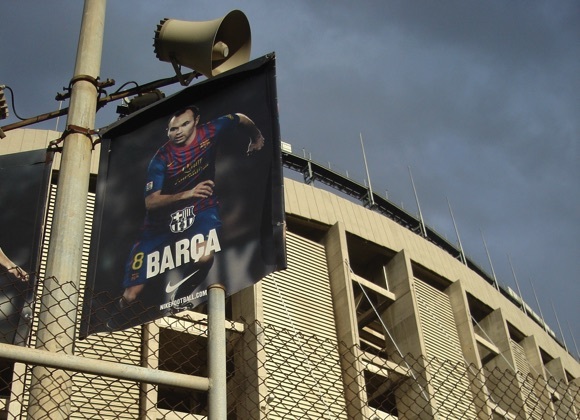
Dismissing Deco and Ronaldinho, Guardiola created one of the finest sides in football history, whose midfield passed the opposition off the park. Messi justifiably assumed the once-in-a-lifetime status previously reserved for Pelé and Maradona, while the creative industry of Xavi and Iniesta made Barça (and Spain) almost unbeatable.

It wasn’t just the 14 trophies in four years under Guardiola – it was how they were won. Immaculate passing football (tiki-taka) was executed by the world’s best mainly raised at the club’s academy of La Masia.

One slip to Real Madrid and narrow semi-final defeats to Internazionale and Chelsea apart, Barça swept all before them at home and abroad. Perfection proved too much, Guardiola bowed out, his assistant Tito Vilanova kept the same side and won the league by a mile. Then came Neymar. After a drawn-out transfer saga, one that would have serious repercussions, the 21-year-old Brazilian needed time to set La Liga alight.

The forward line of Messi, Neymar and incoming South American Luis Suárez overshadowed even the side that Pep built.  After Guardiola, already a high-water mark for European club football, FCB came good again, playing as imperiously as at any time in their history. Fronted by the dream trio, Barça gained a seventh league title in ten years, a Copa del Rey and a fifth Champions League/European Cup, all in 2014-15.

Providing able supporter were incoming old boy Luis Enrique as coach and unsung midfielder Ivan Rakitić. It was the quick-thinking Croat who scored the opener in the Champions League final against Juventus.

Incoming club president, Barcelona-born entrepreneur Josep Maria Bartomeu, had already been making big promises, underlining €600 million plans for an expanded, covered Nou Camp stadium, with an overall capacity of 105,000, to be built in stages between 2017 and 2021.

Ever so slowly, though, the roof was caving in. An investigation by the tax authorities into Neymar’s transfer put the heat on Bartomeu, vice-president at the time of the agreement. On the pitch, without a Qatar-bound Xavi, Barça had just enough to retain their title in 2016, 40 league goals coming from Suárez, 59 (!) in all competitions. In the game that mattered, however, Barça had lacked the savvy to overcome Atlético Madrid. An all-Spanish Champions League final would take place without them.

Approaching 30, Messi knew that chances to win the Champions League again would not come around too often. The following year, willing his team to overcome a 0-4 deficit against Paris Saint-Germain to engineer an improbable comeback 6-1, he then saw Barça meekly surrender to Juve in the next round. 

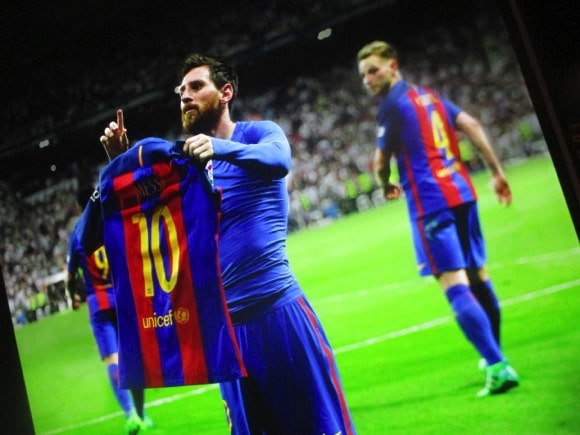
Four days later, he destroyed Real Madrid in the Bernabéu in a Clásico for the ages. In a night of compelling drama, Barça nicked the game 3-2 and relit the title race thanks to a millimetre-precise strike on 93 minutes by the Argentine master. This was La LIga in its prime, an epic contest of the world’s very best at the top of their game. The overall winners, though, were Real, who took a first title in five seasons.
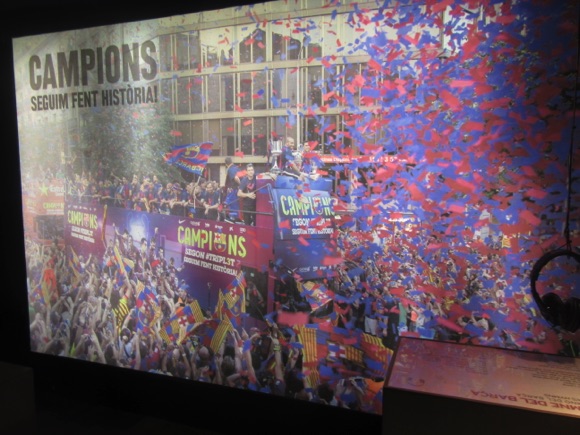
Scorer of 45 goals in all competitions in 2017-18, 34 in the league, Messi enabled Barça to overcome the €222 million (!) sale of Neymar to Paris Saint-Germain and win back the Spanish title. 

Bartomeu, meanwhile, was squandering the windfall without bolstering an ageing midfield and defence. A 3-0 collapse to Roma in the Champions League was followed a year later by a similar but more dramatic second-leg reversal at Liverpool. Messi sat in tears in the Anfield dressing room afterwards, almost missing the plane home. With Iniesta having left Barça for Japan earlier in the season, the writing was on the wall. 

The trophy-less Covid-hit campaign of 2019-20 began with the unwise purchase of Antoine Griezmann from Atlético for €120 million and ended in farce with an 8-2 defeat to Bayern Munich in the Champions League. 

The last two goals in the rout came from Barça loanee, Philippe Coutinho. Suárez was then allowed to go on a free to rivals Atlético, Rakitić to Sevilla for next to nothing. The club that had conquered all and filled its tills with cash for Neymar was now a laughing stock.

Bartomeu lasted until a home defeat in El Clásico in October 2020. Stop-gap coach Ronald Koeman rallied a broken side, stalwart defender Gerard Piqué taking a pay cut to play. Messi showed glimpses of magic, as did incoming teenager Pedri in a 19-game unbeaten streak in the league, but Barça were steamrollered by PSG in the Champions League. 

A 2-1 home defeat by Celta Vigo in May 2021 ended any mathematical chances of the title and proved to be Messi’s last game. He left the pitch of an empty Nou Camp, head bowed, having scored the only goal to make him top league scorer for the season. Three months later, he gave a tearful press conference announcing his departure for Paris. No farewell match, no gala, after 672 goals in 778 games.

Telling defeats to Bayern and Benfica in the Champions League spelled the end for Koeman. Incoming old boy Xavi was unable to prevent a slide to the Europa League but persuaded promising young Spanish international forward Ferran Torres to join bright teenager Gavi and an ever more accomplished Pedri in the Barça ranks. 

Next arrived age-defying Polish star Robert Lewandowski to top the scoring charts and point towards a more promising 2022-23 than seemed possible when Messi bowed out before 2021-22. Barça put together a long winning streak either side of defeat in El Clásico to run away with 27th league title. 

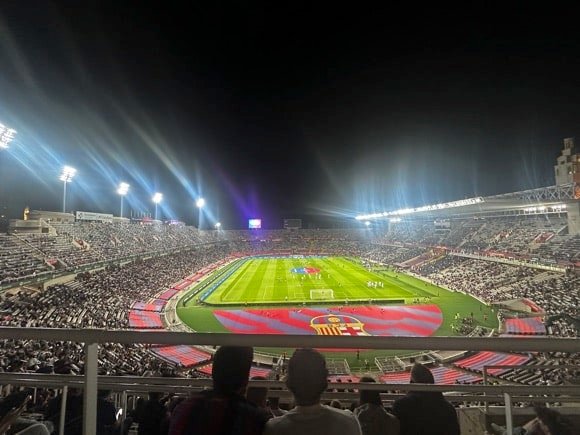
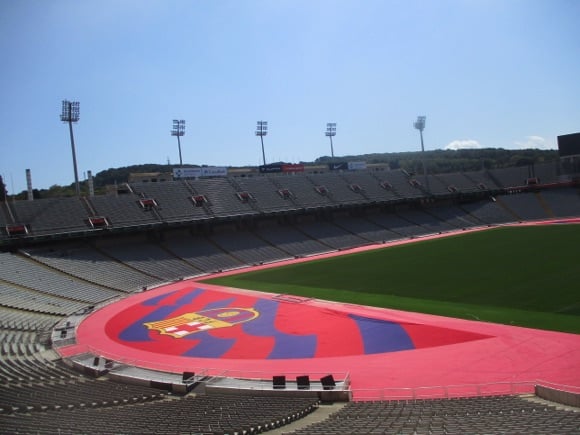
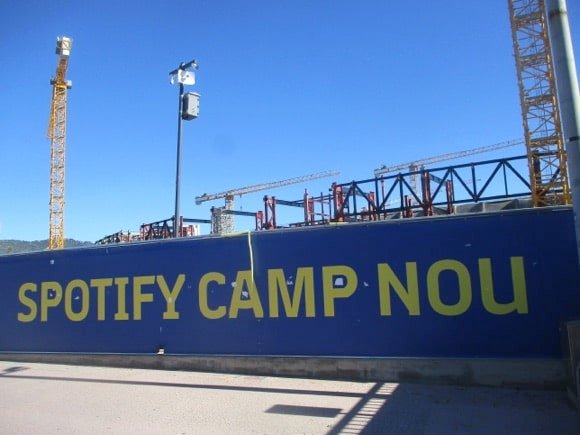
Financially, however, despite a controversial sponsorship deal with Spotify, the club is in a deep hole, which makes the decision to instigate a complete rebuild of the Nou Camp mystifying. Until 2025-26, Barça played at the Olympic Stadium way up on Montjuïc, to much smaller crowds used to seeing their football in the city centre. Attractions such as the museum and main club shop remained at the Nou Camp..

On the pitch, ironically, as promises of a Nou Camp reopening stretched every deeper into the 2024-25 campaign and beyond, a fast, young Barça team under Hansi Flick set La Liga and Europe alight. Characterised by teenage sensation Lamine Yamal, quite simply the most exciting player in the world, Barcelona clocked up 100+ goals with barnstorming wins at the Bernabéu, 4-0, and at Benfica, 5-4.

Given a new lease of life at 36, veteran Pole Lewandowski clocked up 40+ goals for the season but the real story was Raphinha. Hardly prolific under Xavi after his arrival from Leeds in 2022, the Brazilian international was given a central role and the captain’s armband by Flick, responding with assists and goals galore, many of them vital ones.

This was never better illustrated than in the two fixtures that defined Barça’s season in May 2025. Chasing the treble, with passage to the Champions League final at stake, the Catalans had surprisingly been held in check by a tough Inter side at Montjuîc, 3-3. In the decider in Milan, a semi of epic proportions, Raphinha seemed to have edged out the hosts at 3-2 as extra-time beckoned.

A shock strike by Inter veteran centre-back Francesco Acerbi deep into stoppage time then took the game into an extra half-hour, much to the delight of all watching neutrals. The Italians duly swept into the final 4-3 on the night, 7-6 on aggregate, leaving Barcelona to pick themselves up off the San Siro turf and prepare for a title showdown with Real the following weekend.

Seemingly unphased by conceding two early goals, Barça came roaring back to wrest the league crown off the champions thanks to a spectacular curler from Yamal and a decisive brace by Raphinha. Repaying Flick’s faith in him severalfold, the former Leeds man had not only hit 34 in all competitions but had established himself as one of the game’s global elite.

As celebrations broke out around a surprisingly raucous Montjuïc, Barça 4-3 winners and the title all but assured, it felt like a new era had begun at the Blaugrana, with a new Nou Camp to move into and a future being illuminated by youngsters Yamal, Pedri and Cubarsi. But Flick was quick to congratulate veteran Polish keeper Wojciech Szczęsny, plucked out of retirement to play a key role in a memorable campaign.

Stadium Guide

The field of dreams – and the story behind it

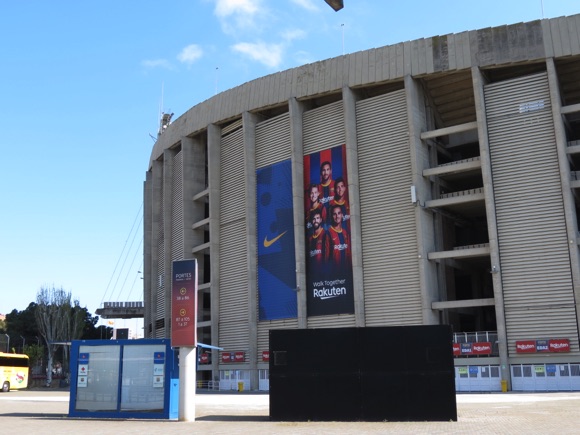
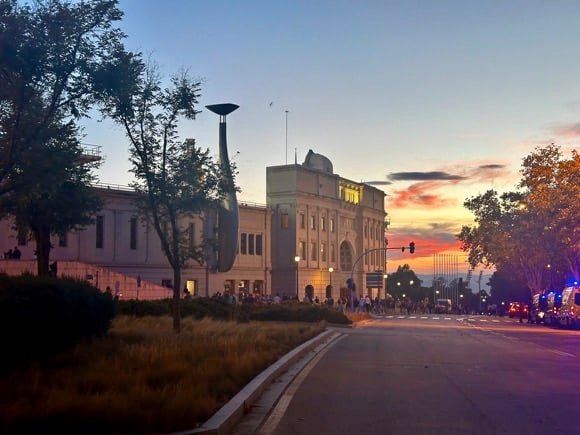
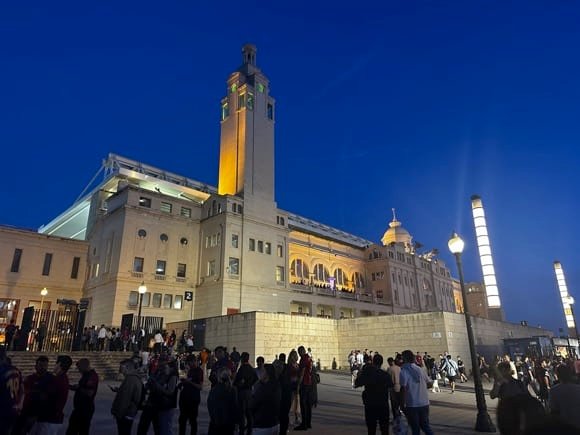
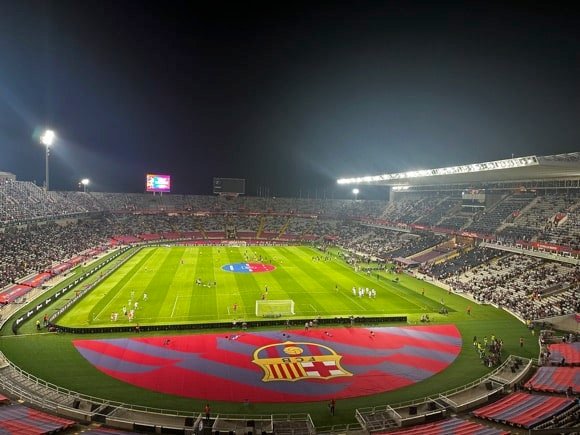
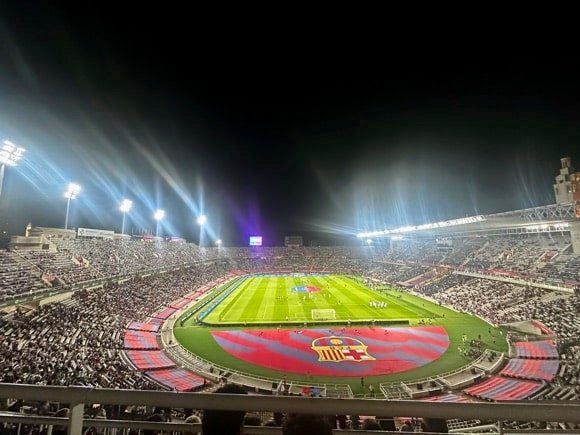
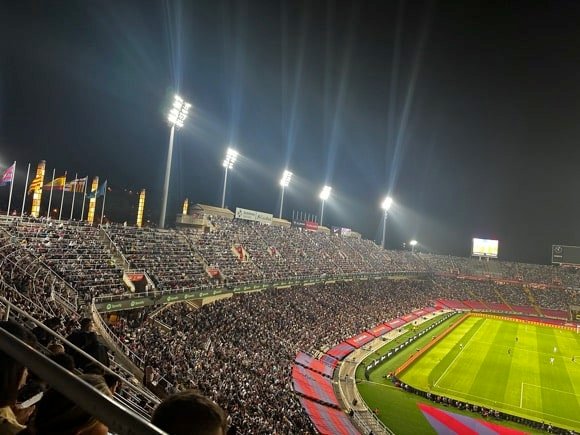
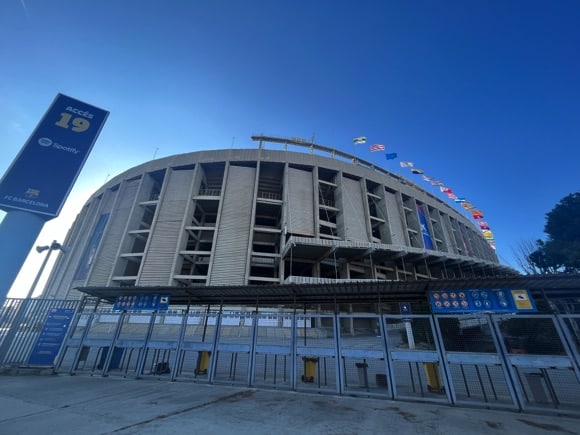
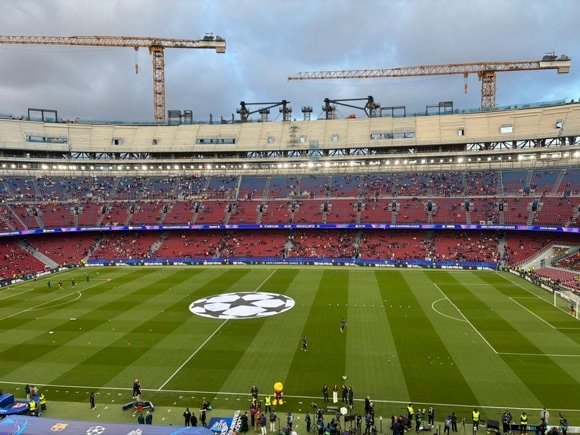
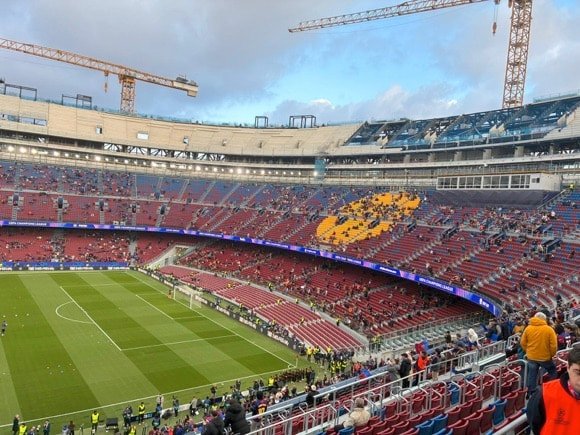
Barcelona’s move back to the Nou Camp in November 2025, albeit in front of only 45,000 spectators, came after a long sojourn at the Estadi Olímpic Lluís Companys atop Montjuïc, where the Olympic Games took place in 1992.

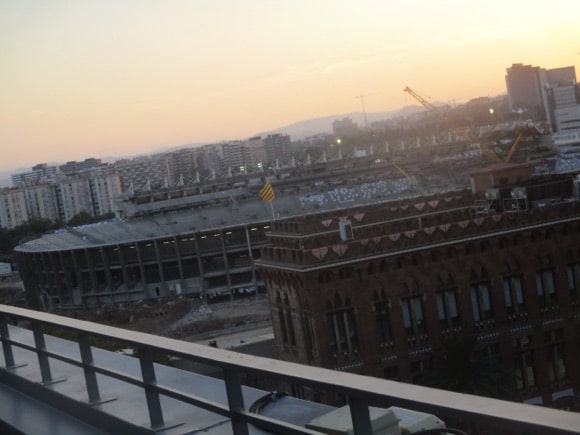
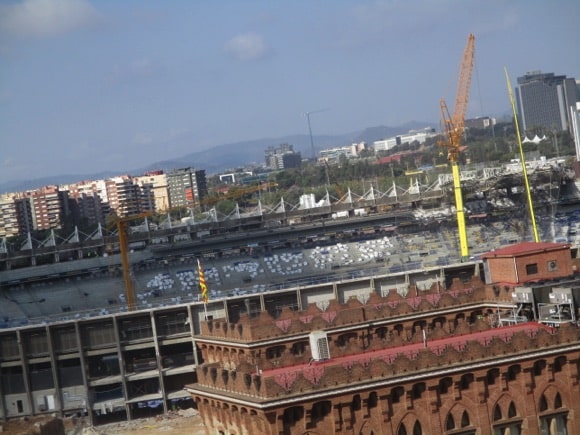
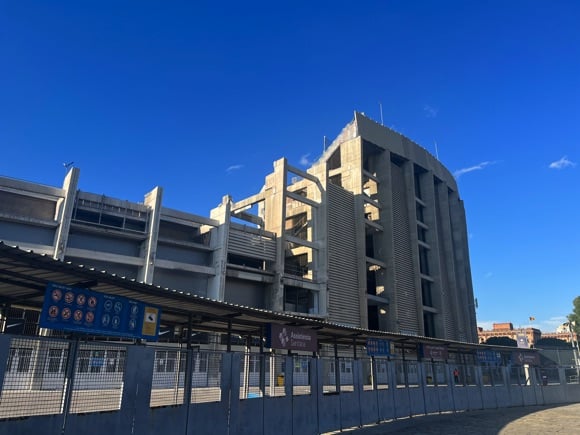
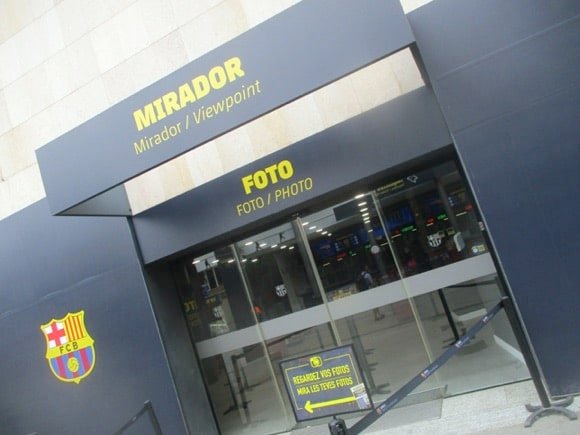
But even after Barça vacated their legendary home in 2023, tens of thousands still poured into the club shop, museum and Mirador at the Nou Camp to watch the venerable old ground being knocked down. The pitch that Messi, Cruyff and Kubala once graced was now the domain of huge diggers piling up mounds of rubble.

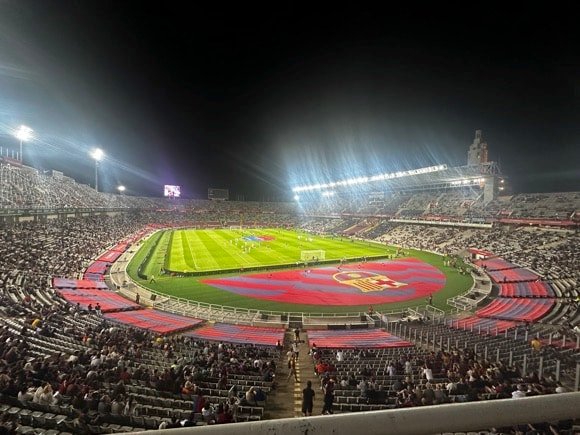
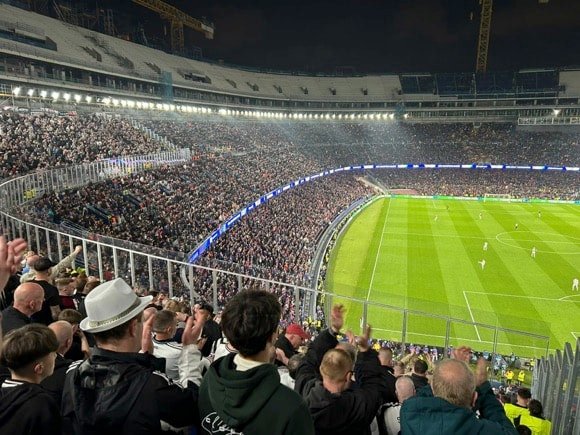
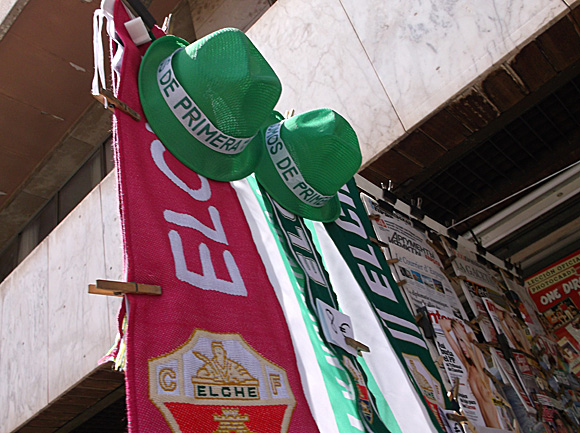
Bidding farewell to Montjuïc on November 2, 2025 with a 3-1 win over Elche, the Spanish champions played Athletic Bilbao in front of a similar gate, 45,000, 20 days later, but in entirely different surroundings. Desperate to get back home, even a half-built one, the club had actually gambled on a quicker return but had been forced to play two home games at the 6,000-capacity Johan Cruyff Stadium way out in Sant Joan Despí. 

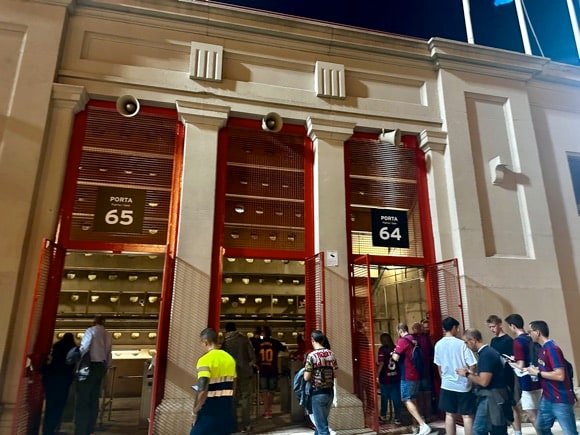
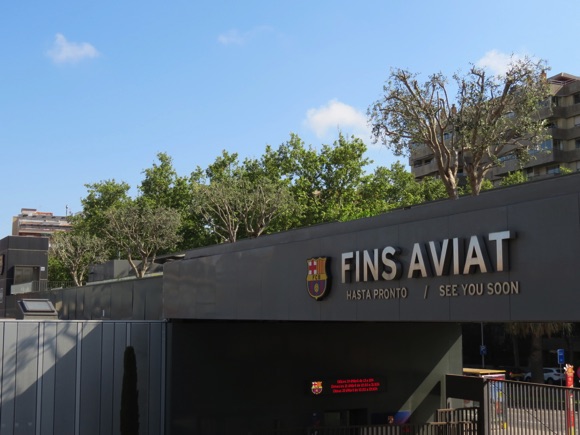
All was (almost) forgotten as Hansi Flick’s men walked out through a gateway carrying the motto of the moment: Tornem a Casa, ‘We Return Home’. A 4-0 win over the Basques gave rise to further celebration, although it won’t be until 2027 that the new Nou Camp finally expands to its envisaged 105,000 capacity.

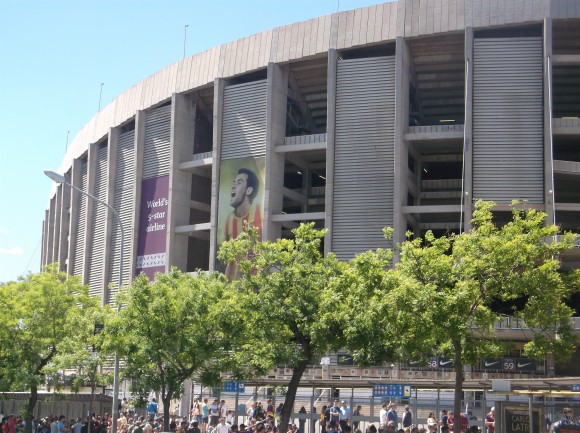
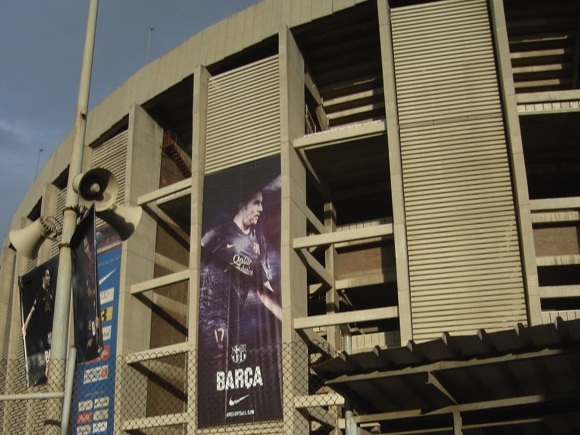
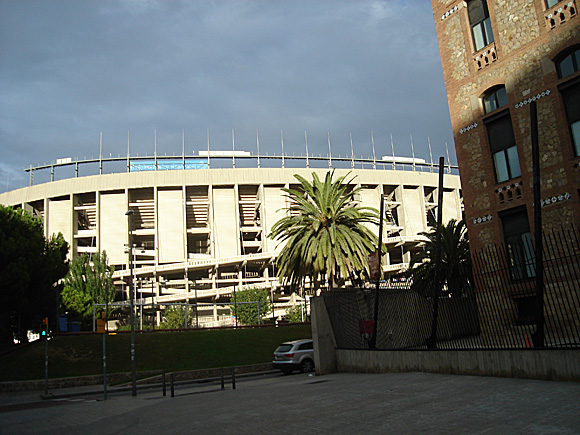
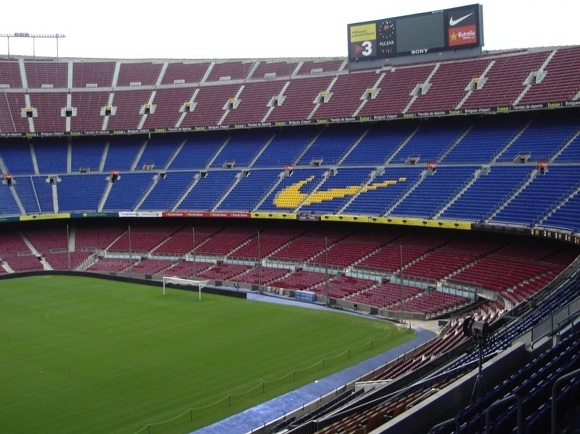
Once a vast three-tiered bowl with a thin, vertiginous fourth fringe by each scoreboard, the Nou Camp was inaugurated on 24 September 1957 during the post-war boom in Spanish football. With Kubala and other stars regularly attracting 60,000 fans to the cramped Les Corts, the management needed a modern arena. The first stone was laid in 1954 – in front of 60,000 fans. Three years later, with Handel’s ‘Messiah’ blasting out, one of the world’s finest football temples was unveiled.

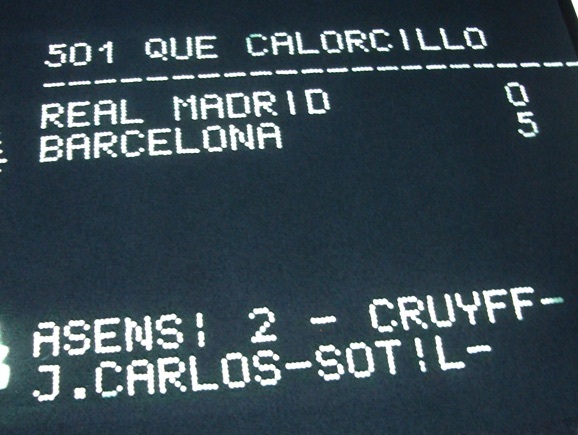
It then became a refuge for Catalans looking to express pride in their region being repressed under the Franco regime. Ironically, Barca’s greatest triumph over their bitter rivals, the Cruyff-inspired 5-0 win of 1974, took place at Real’s Bernabéu.

In order to prepare for the 1982 World Cup, stadium capacity was increased to 115,000 with the addition of a third tier. In 1998, standing areas were converted to seating, reducing the capacity to just under 100,000. Many of those packed in for the Manchester United-Bayern Munich Champions League final of 1999 had already left the ground before United’s Teddy Sheringham and Ole Gunnar Solskjaer famously reversed the scoreline in stoppage time.

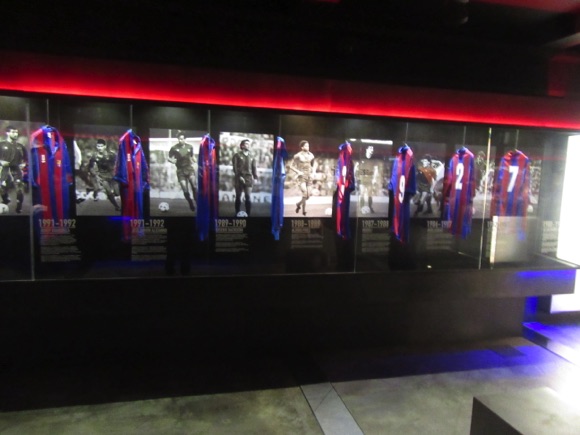
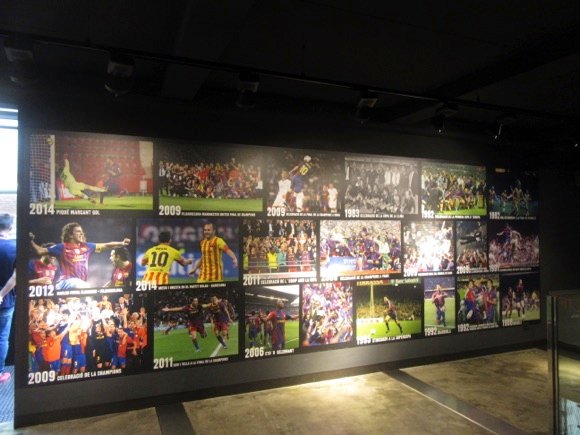
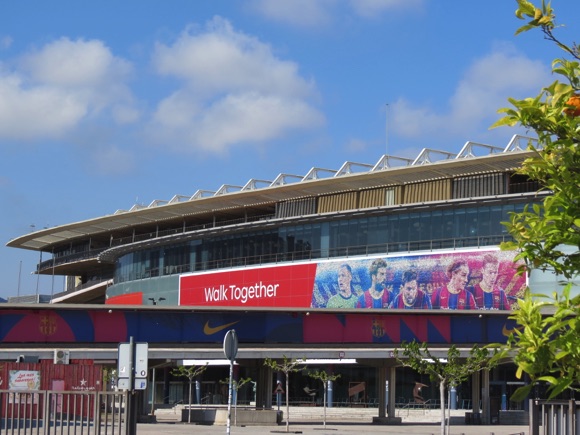
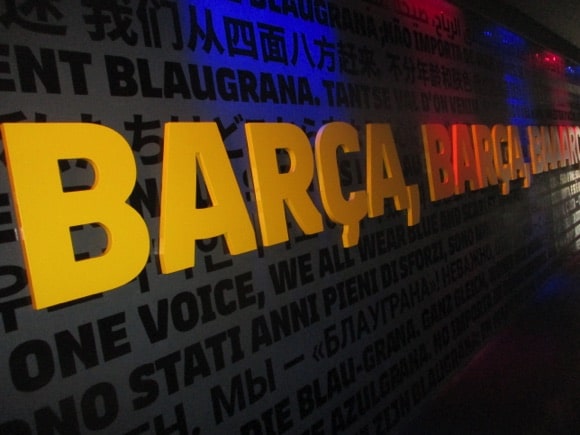
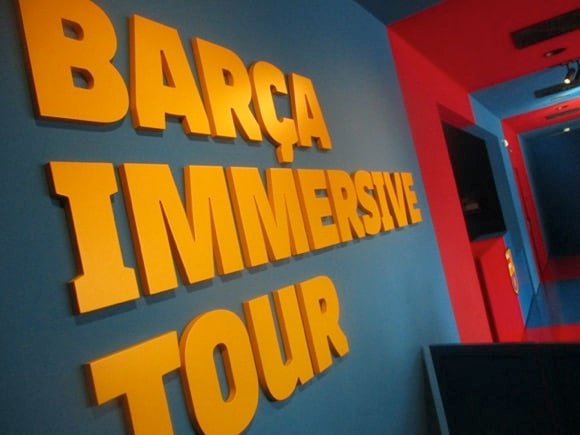
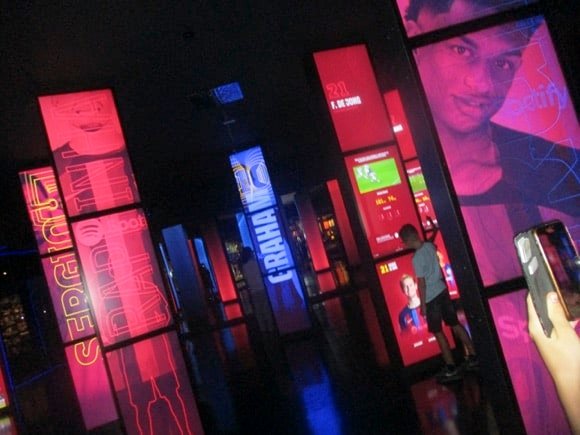
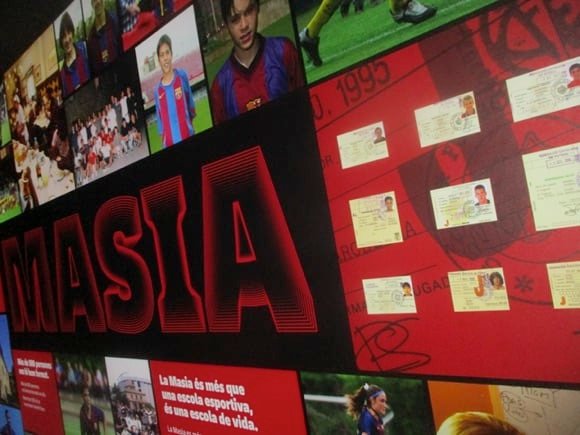
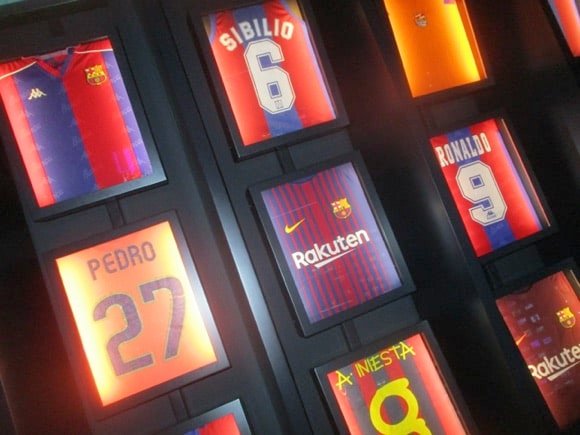
Still luxuriating in the trophy-laden Messi era, the Nou Camp attracted visitors to the club museum, stadium tours replaced by the immersive experience of being surrounded by FCB history on touchscreens and huge video boards, culminating in a sensaround farewell to the old legend. The final stop shows how the new venue will look, roof, 30,000 solar panels, 105,000 seats and all – at a cost of €1.5 billion and spiralling.

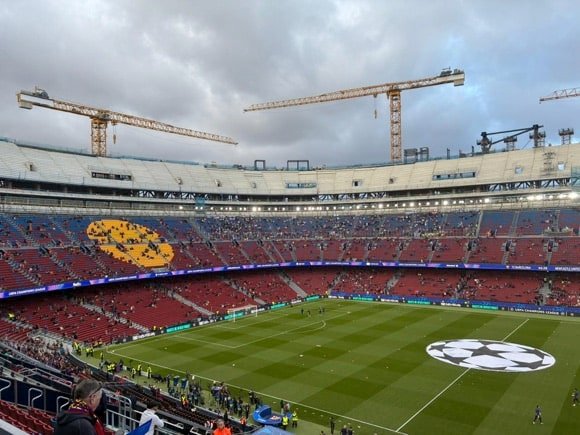
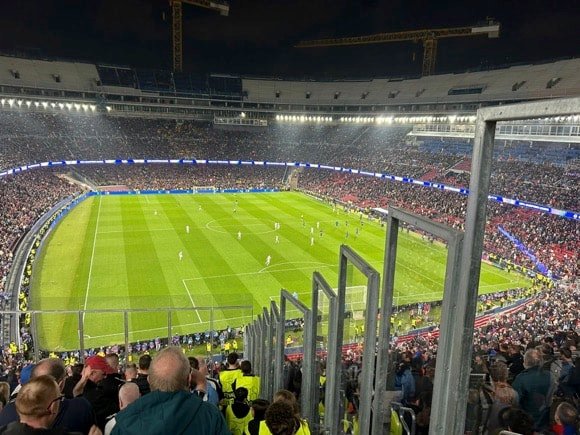
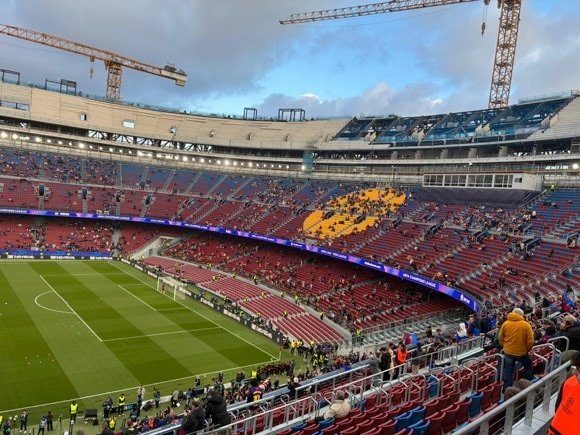
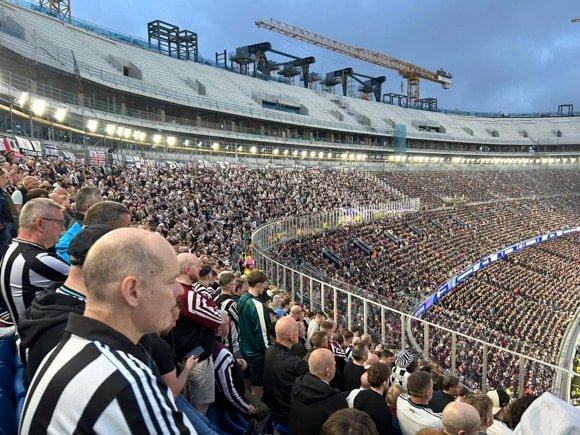
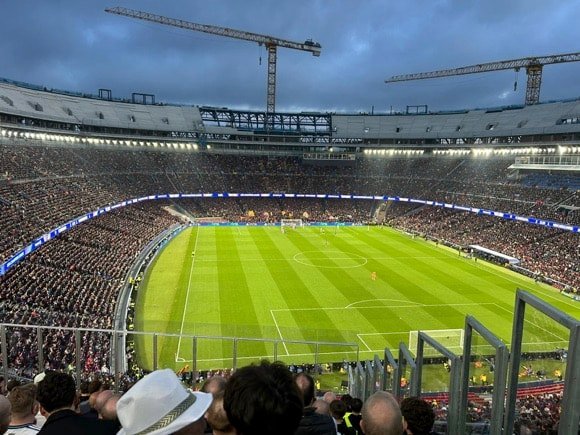
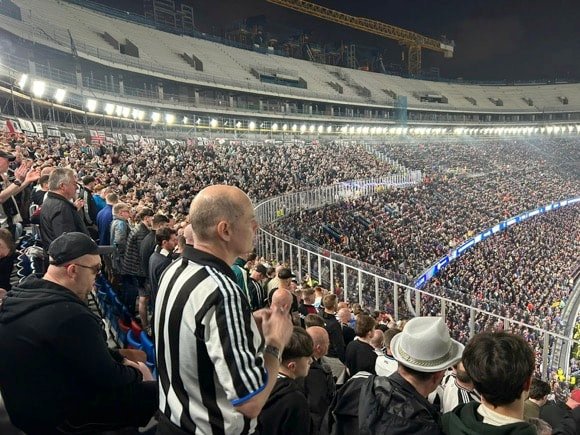
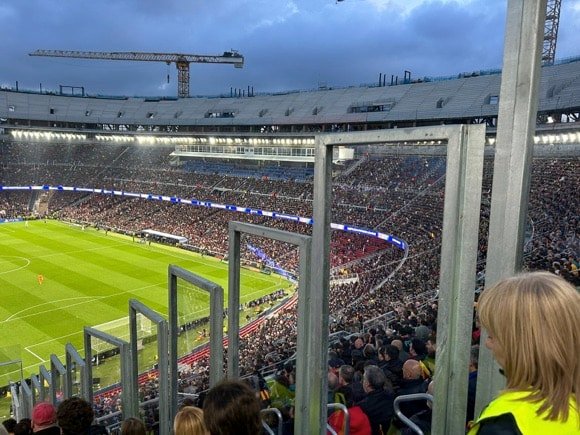
Despite the City Council approving an extension to 24-hour construction on the new arena in April 2025, Barcelona weren’t able to host El Clásico there the following month, the title decider filling Montjuîc to capacity. When Barça did move into their redeveloped home, it was only at 40% seating capacity. 

While this will be increased in phases, the roof won’t be added until 2027 – at least in time to prepare to co-host the 2030 World Cup.

At present, away fans enter the Nou Camp through entrance L at the north end of the stadium, via Avinguda de Joan XXIII.

getting here

Going to the stadium – tips and timings

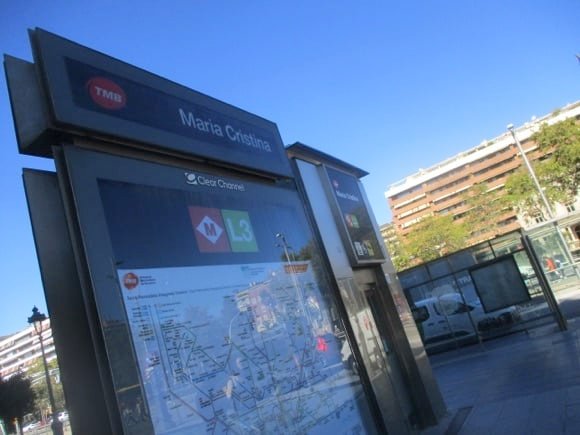
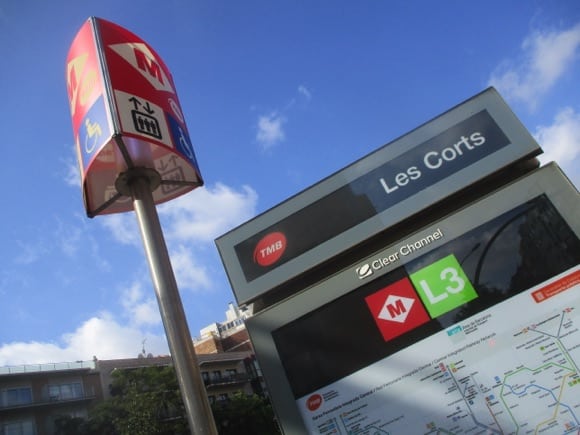
The Nou Camp is north-west of Sants train station, surrounded by three metro stations: Collblanc (blue L5); Les Corts, and Maria Cristina (both green L3). Collblanc gives access to the bars of Riera Blanca and is an easy, direct hop from Sants. 

Bus 56 runs closer, right by the bars of Riera Blanca, and links with Sants and focal squares of Espanya and Catalunya.

getting in

Buying tickets – when, where, how and how much

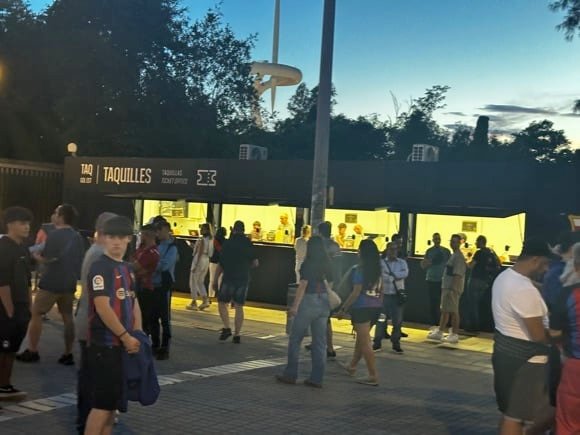
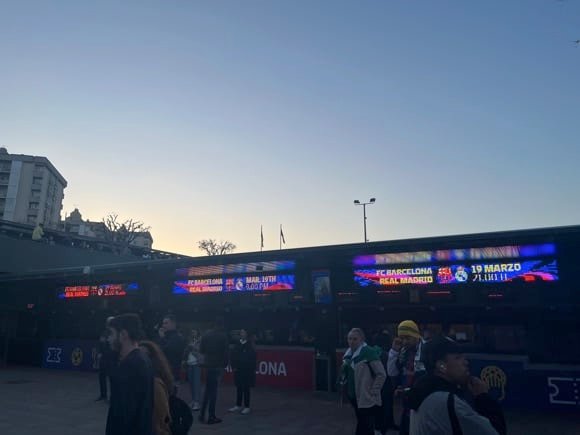
Tickets go on sale ten days before each match from the Oficina de Taquillatge at Accès 14 (Mon-Thur 9am-1.30pm, 3.30-6pm; Fri 9am-2.30pm; Sat on match weekends 9am-1.30pm; match days from 11am). Locals also hang around Accès 14 to offload any spares. Tickets are also available online.

Depending on the price category of the opposition, a seat in the best spot (1a/2a grada) in the main stand (tribuna) over the halfway line will cost €140-€180. Higher up (3a grada) is a few euros cheaper. 

Facing this, the lateral is similarly graded into tier prices (€100-€150). Behind the goals, the three tiers break down into price categories from €70-€90. The cheapest places are gol no numerat, general access, at €59.
what to buy

Shirts, kits, merchandise and gifts

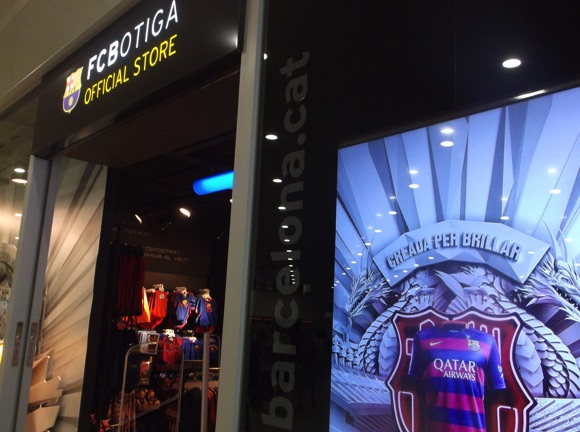
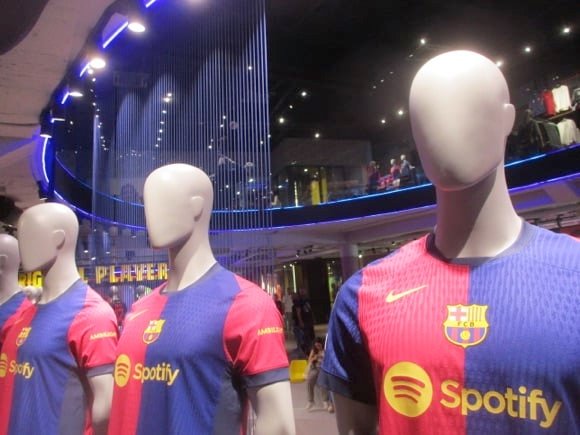
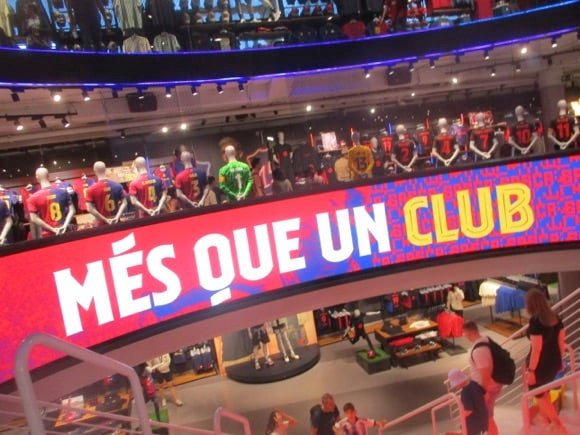
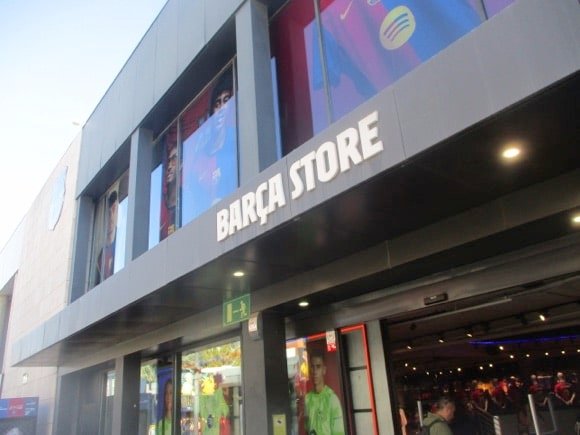
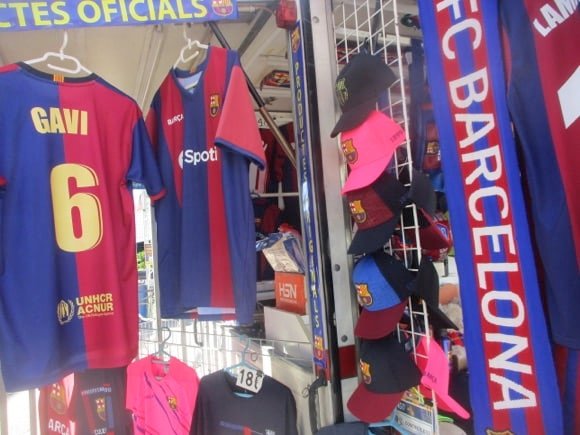
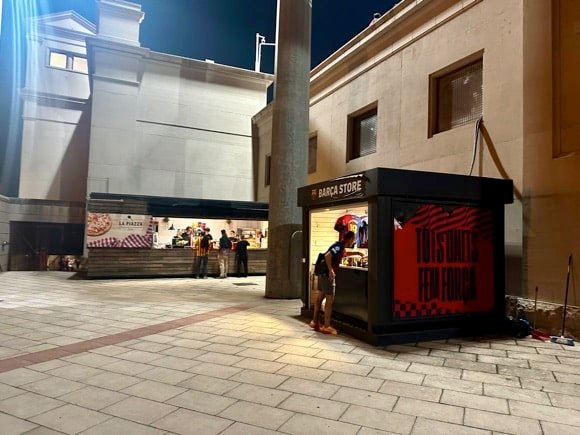
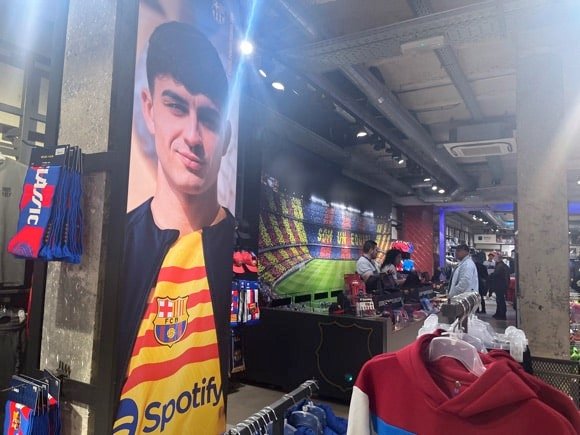
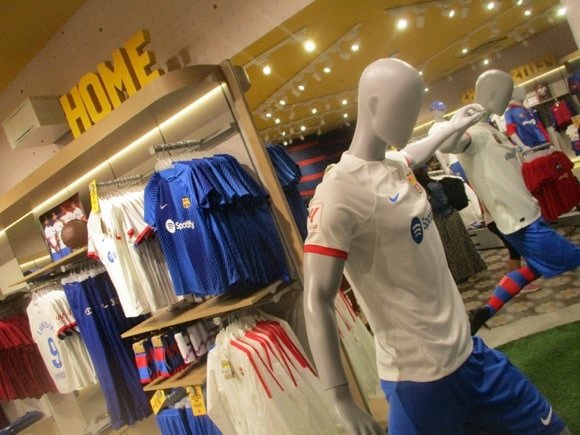
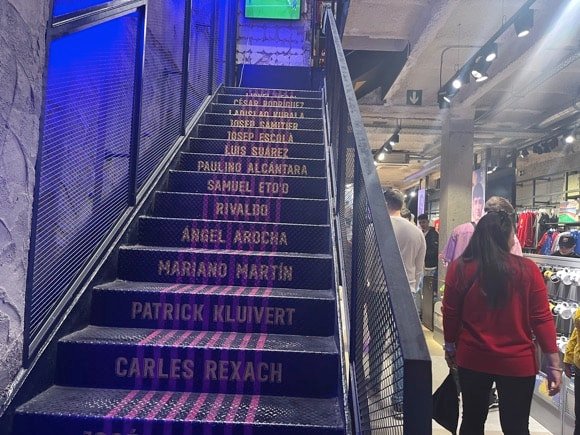
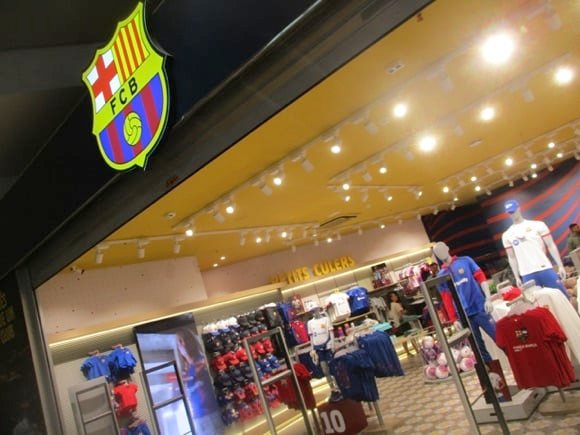
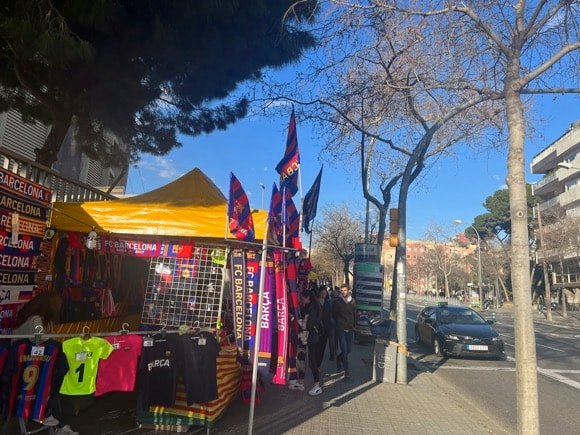
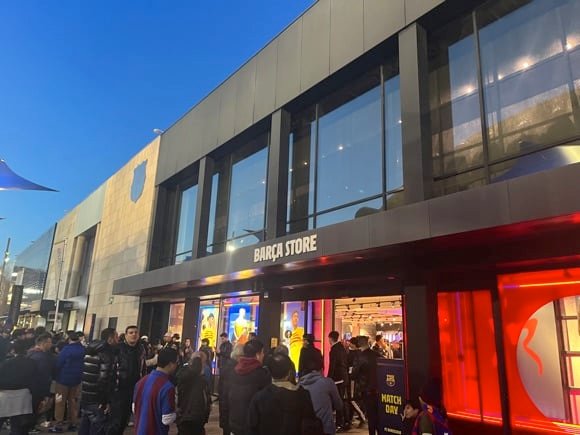
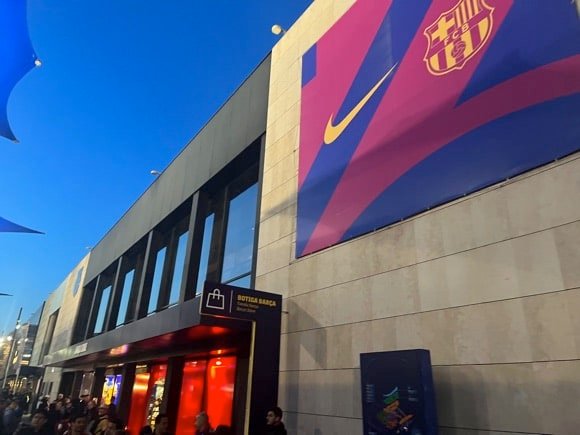
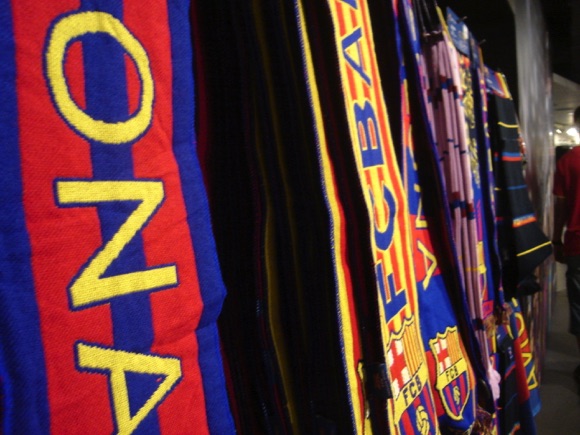
Along the pedestrianised walkway on the west side of the stadium by the Palau Blaugrana indoor arena, the Botiga Oficial del Barça Camp Nou (Mon-Sat 10am-7pm, Sun 10am-4pm) is a huge, two-tiered affair stocking shirts for the 2024-25 campaign designed in halves in the storied shades of blaugrana

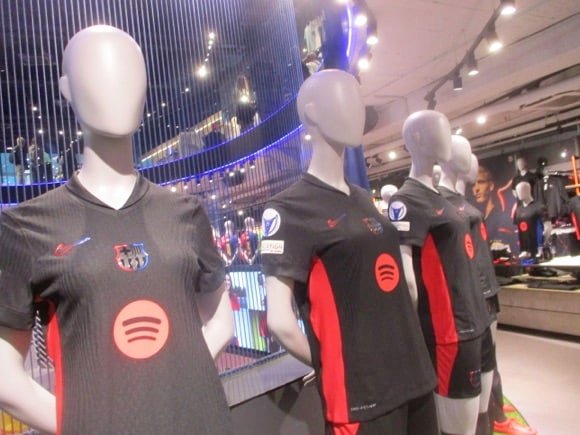
Sponsors Spotify have their logo front and centre, with the more updated version the only splash of colour – red – on the all black of the away strip, apart from a flashes of blaugrana down the sides. Third choice is lime, forever associated with the epic semi-final of the Champions League against Inter at the San Siro.

LEGO models of the Nou Camp go for a staggering €300+, long-shirted retro shirts with button-up collars celebrate the club’s foundation year of 1899, or there are away tops from the 1980s of bright yellow with a single blaugrana stripe down one side.

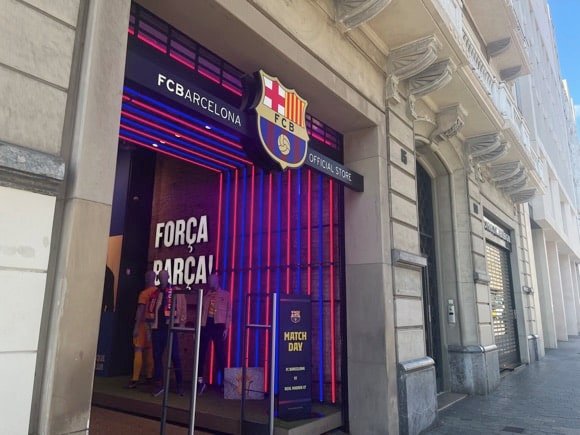
You’ll find other outlets on the Ramblas (No.124) and Passeig de Gràcia (No.15), both open Mon-Sat 10am-9pm. There are more stores at Universitat (Ronda de la Universitat 37), near the Sagrada Família at Carrer de Mallorca 406 (both Mon-Sat 10am-9pm) and at both airport terminals (daily 10am-9pm).

tours & Museum

Explore the club inside and out

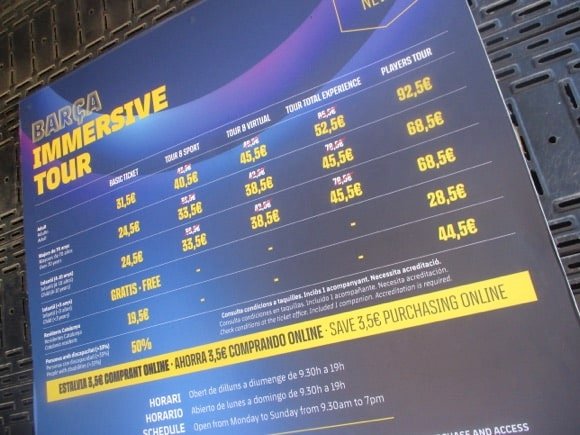
There are various ways to treat the kids to the Camp Nou Experience but the basic tour/museum purchased online is €28, €21 for 4-10 year olds and over-70s. Under-4s get in free. Throw in around €5 for the VR glasses, €3 extra if you’re paying on the door and that’s well over €100 for a family of four. Plus they’ll bombard you with photo opps as you walk round. 
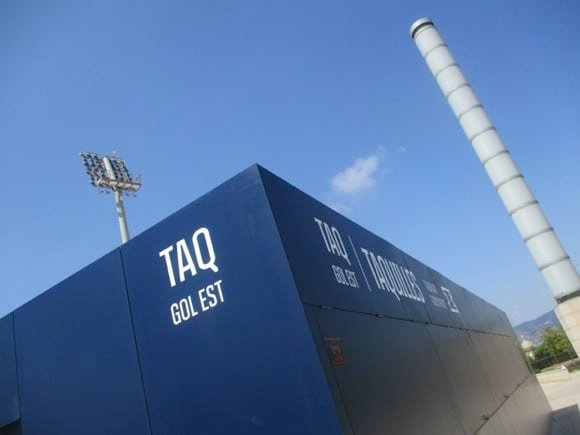
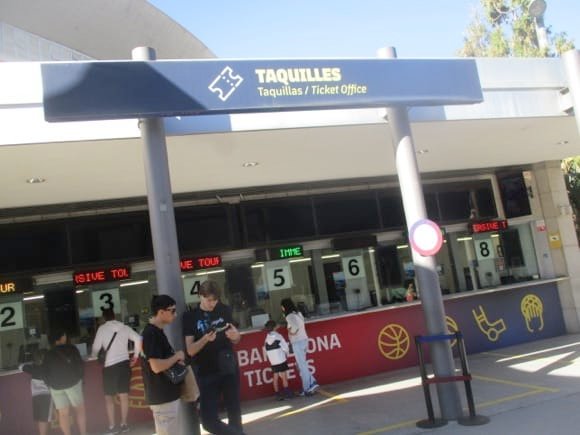
These days you can’t just buy a museum ticket, it’s plus tour or nothing – so bite the bullet, take in the interactive room, the Messi section, the Cruyff area and trophies the size of Jodrell Bank.

The stadium’s breathtaking of course, but the home dressing room is off-limits. Note the black Madonna chapel by the players’ tunnel.

Where to Drink

Pre-match beers for fans and casual visitors

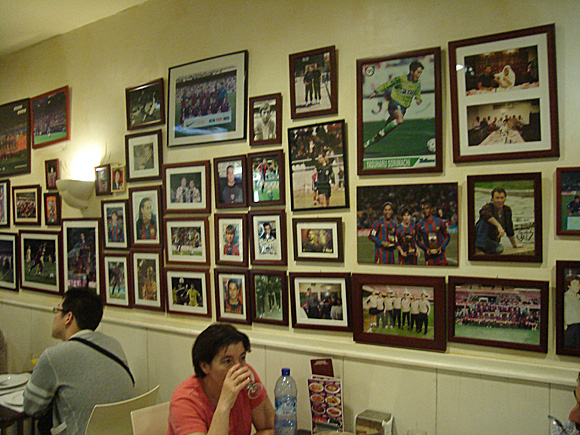
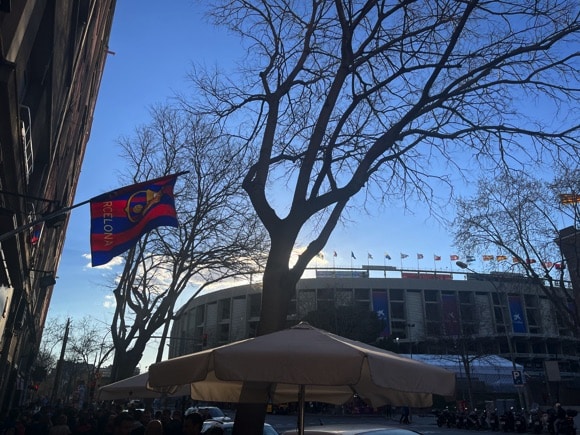
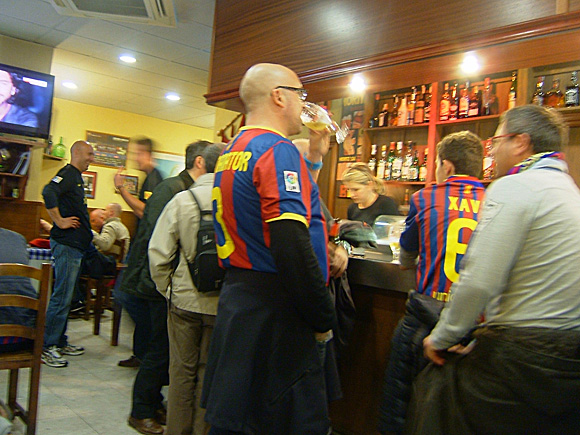
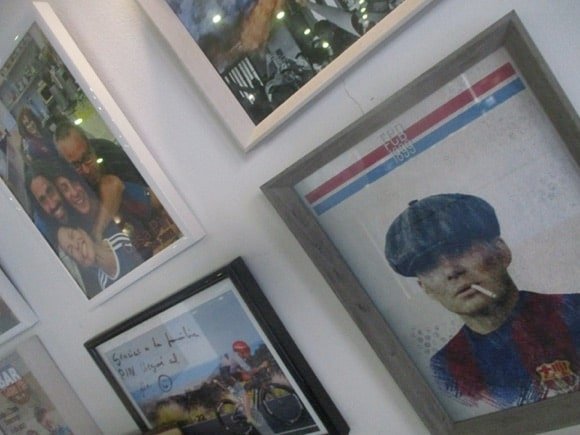
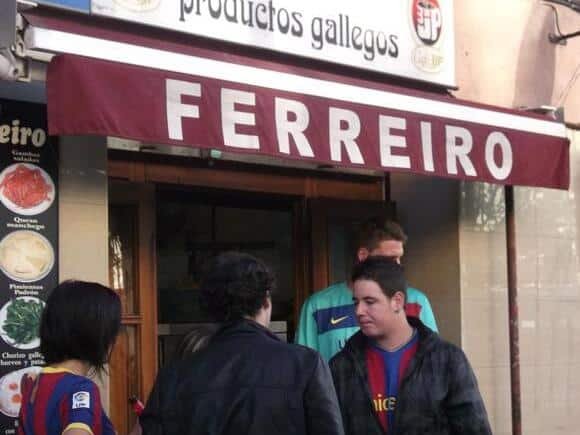
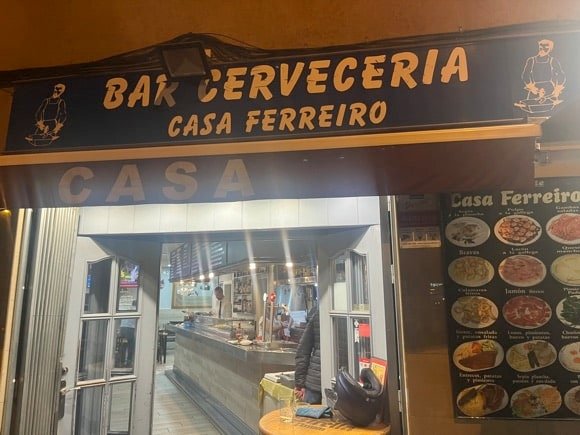
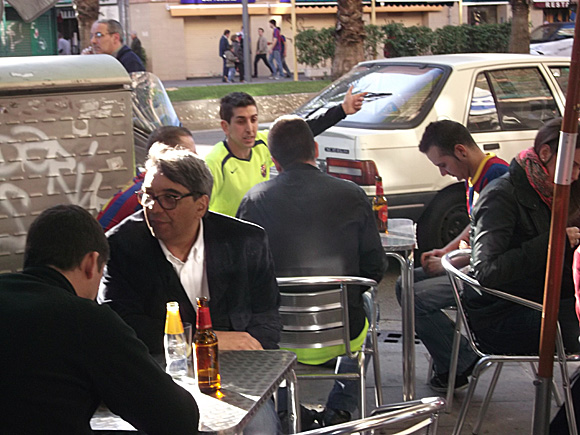
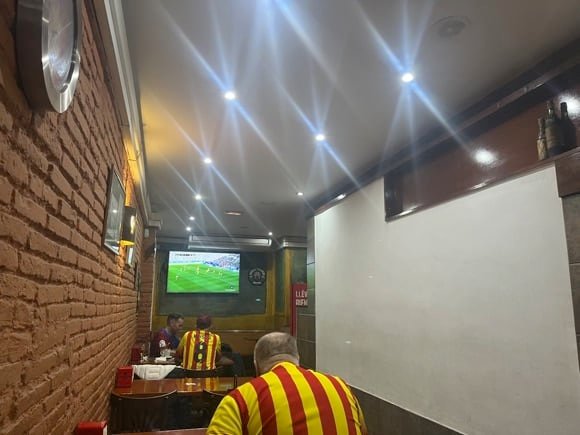
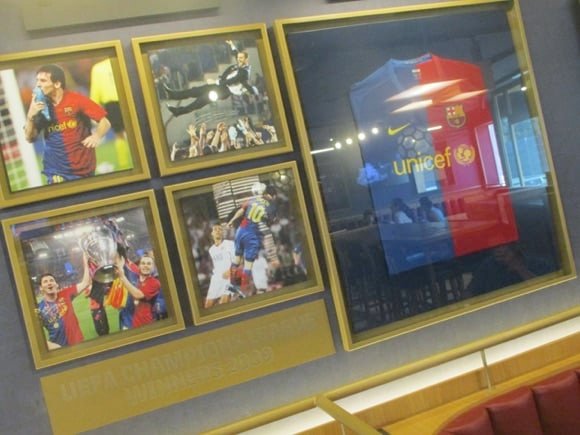
With Barça back at the Nou Camp, pre-match bars line both sides of Riera Blanca, south of Travessera de les Corts, between Collblanc metro and the Nou Camp. Sadly El Rincón de Viti and its wall of framed Barça photos are no longer with us but still offering Galician cuisine, on the same strip, the Casa Ferreiro nearby is a handy place to catch the game on TV if you’ve not been lucky enough to get in. Now featuring an open kitchen, it’s trying to play more to its culinary credentials. Watch the bill at the end, though, as those tapas can quickly add up.

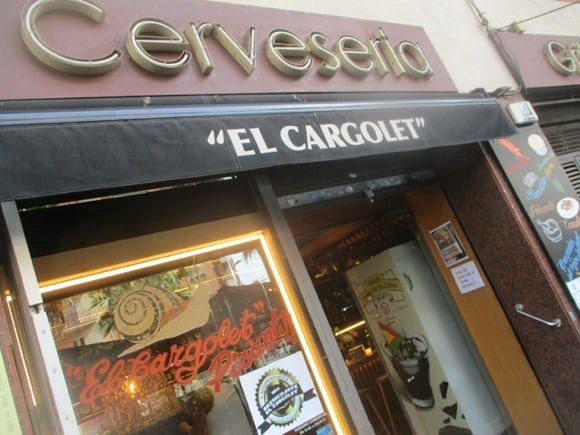
Opposite, El Cargolet Picant is an upscale eaterie while the sun-catching seats outside Bar El Rellotge also provide a pre-match terrace.

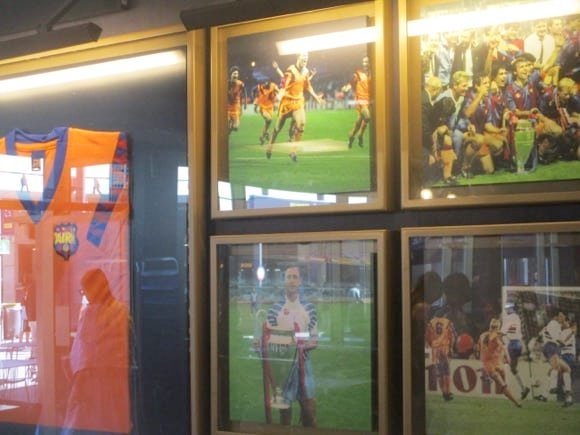
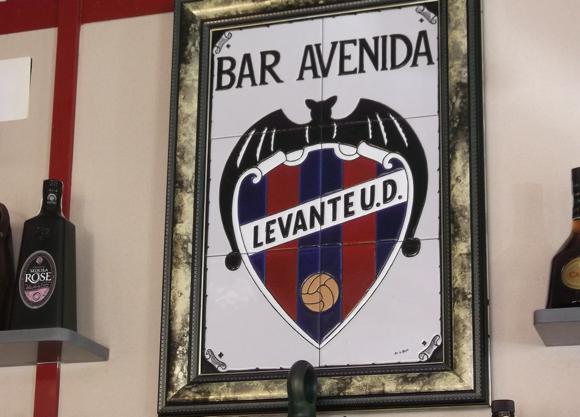
Still on the same side of the stadium, a little further along and so slightly less crowded, the Bar Avinguda (Carrer del Cardenal Reig 26) puts a big TV in the window for pavement drinking and snacking, with press clippings of famous Barça victories framed inside.

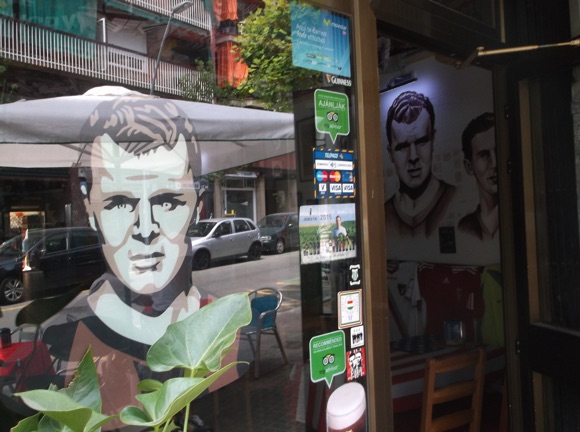
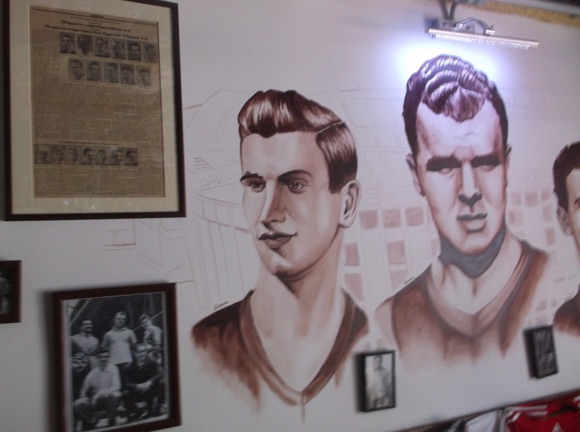
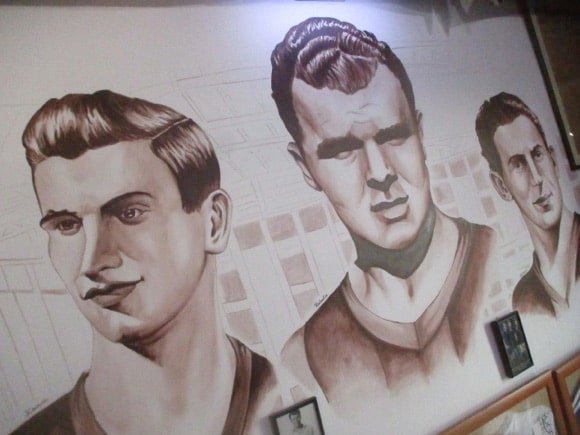
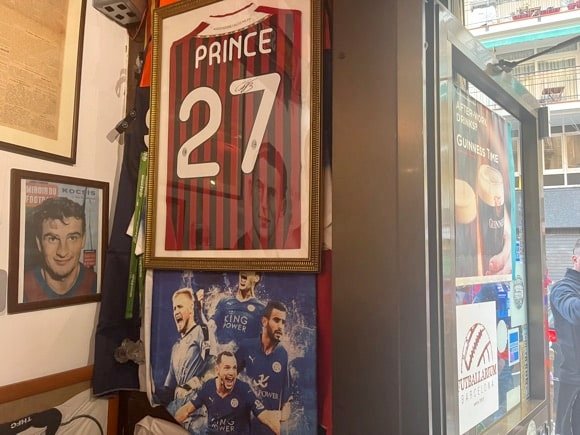
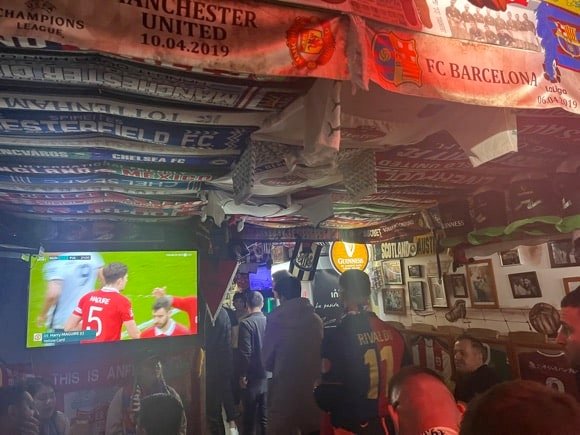
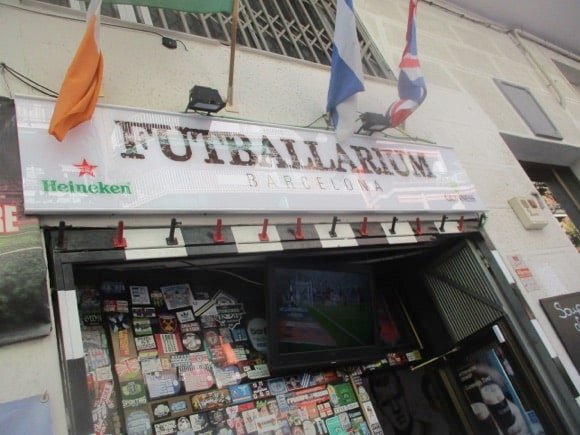
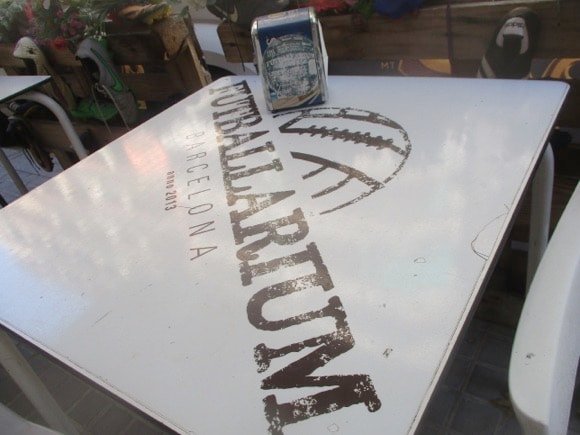
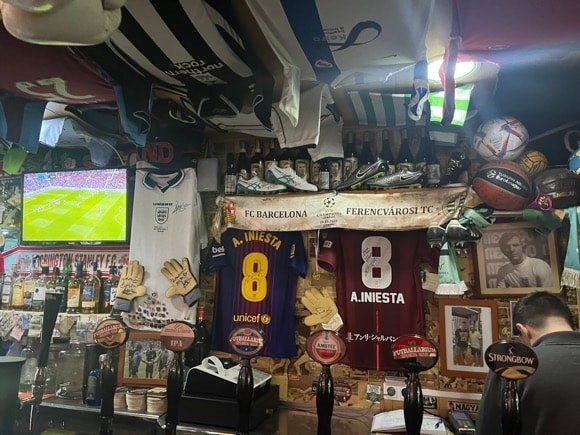
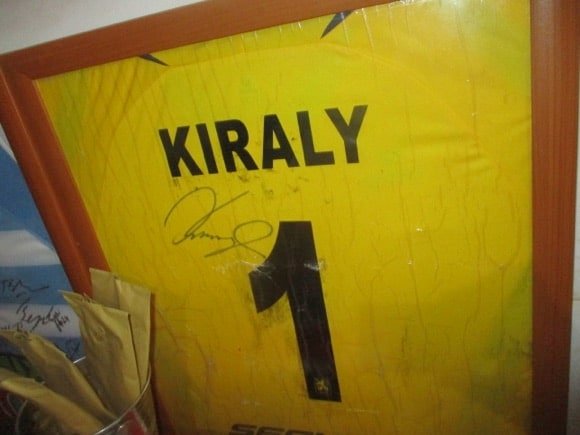
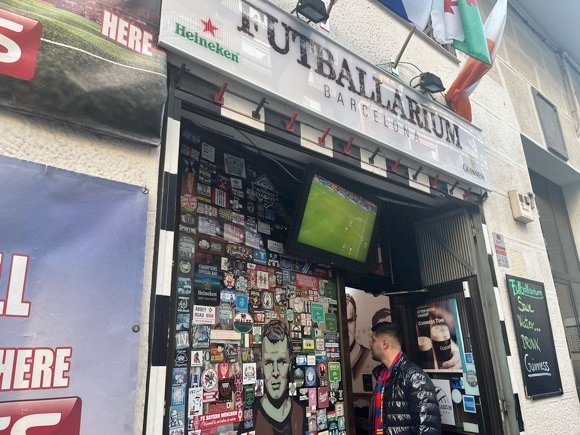
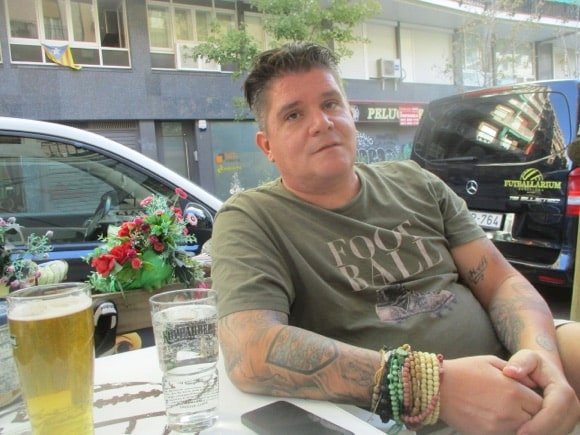
The best pre-match destination stands at Carrer de Benavent 7. A living testament to the three Hungarians who starred for FCB in the 1950s – Kubala, Kocsis and Czibor – Futballárium is overseen by Péter Büki, a Haladás fan from Szombathely. 

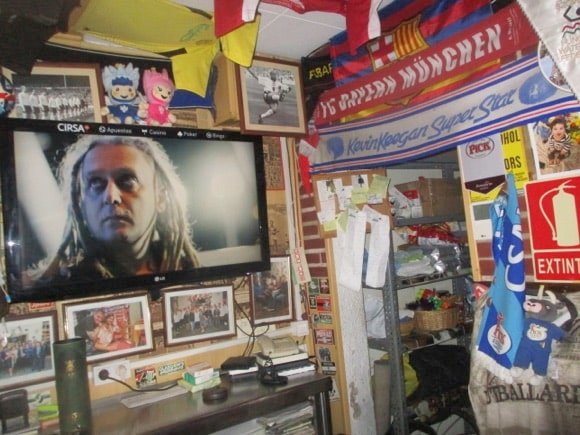
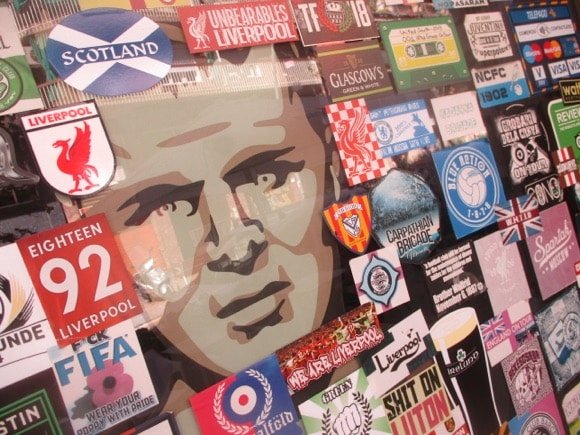
Fans gather for goulash and pálinka brandy before the 200-metre stroll to the stadium. There are plenty of draught beers, too. By way of introduction, you might want to bring a scarf of any club who play in green – it’s a Haladás thing – though wall space is pretty limited by now.

Since opening in 2014, Péter and the close-knit circle of family and friends who help him run the place have welcomed a number of famous names, including Peter Shilton and Barça legend Andrés Iniesta, whose signed memorabilia (including his own wine) shares display space around the back bar.

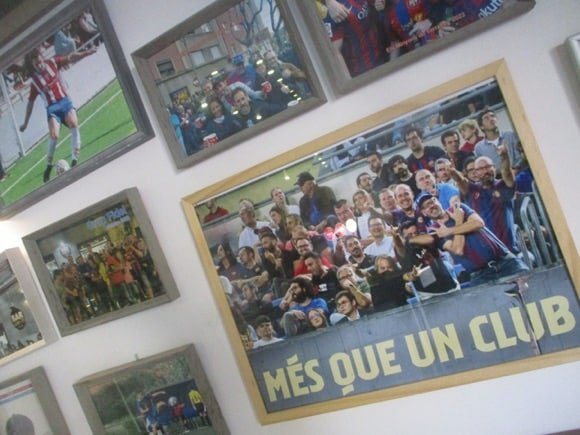
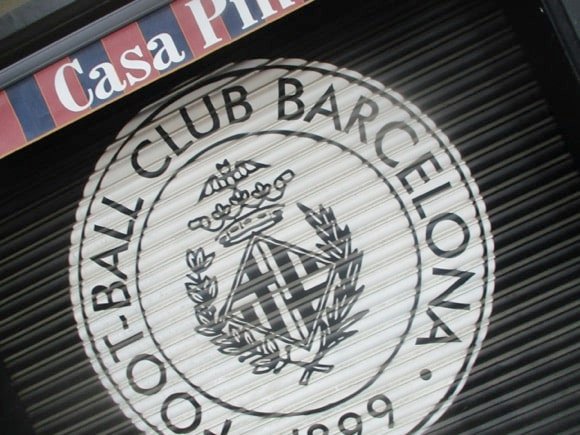
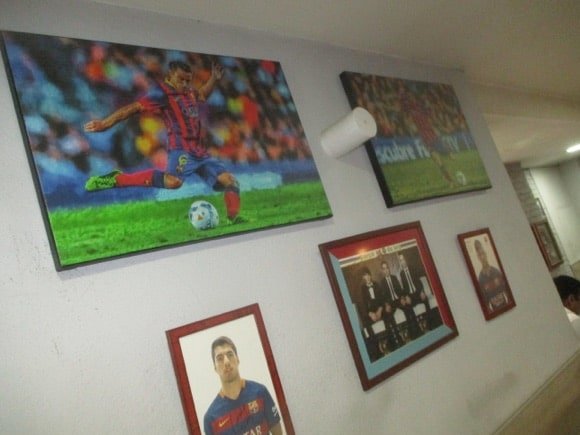
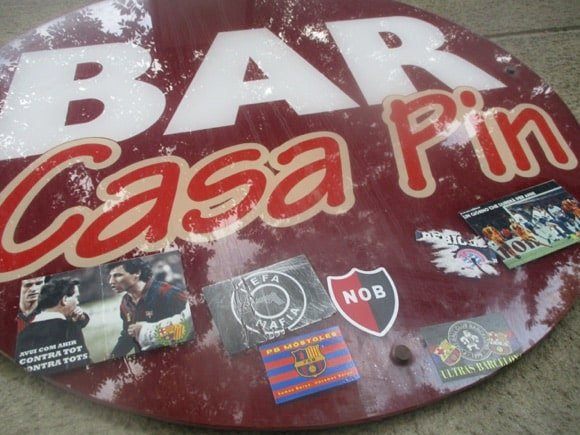
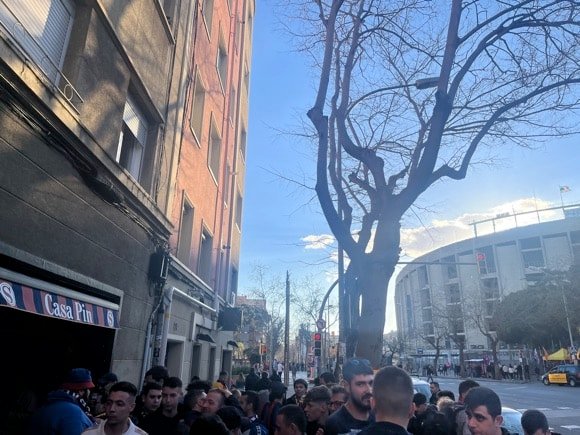
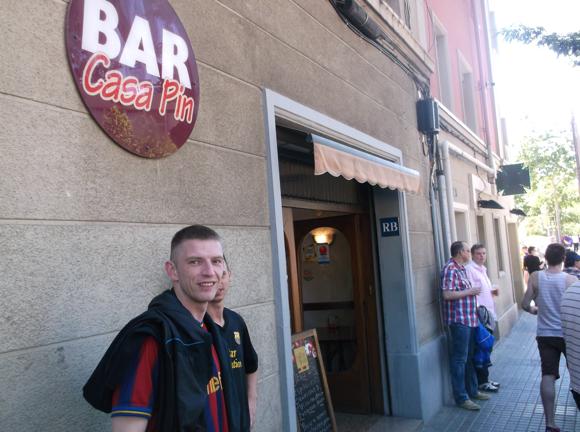
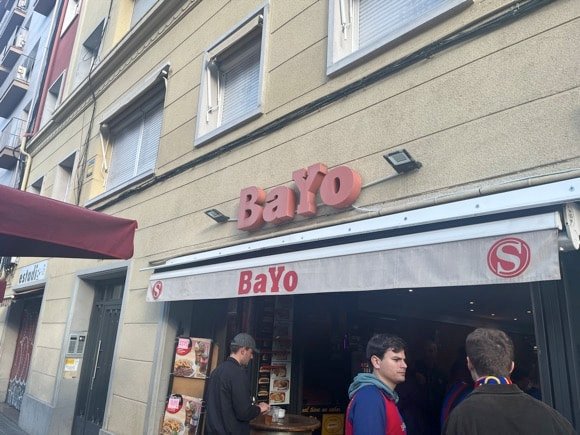
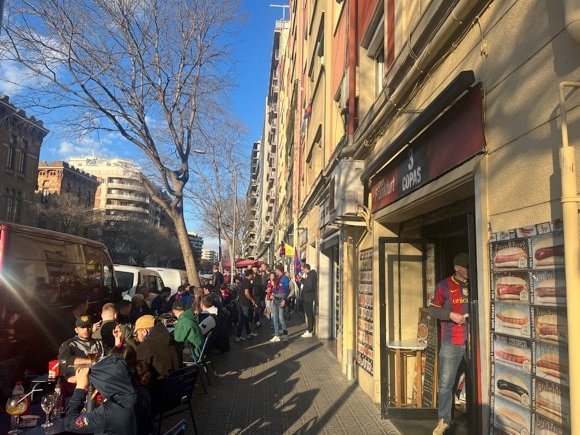
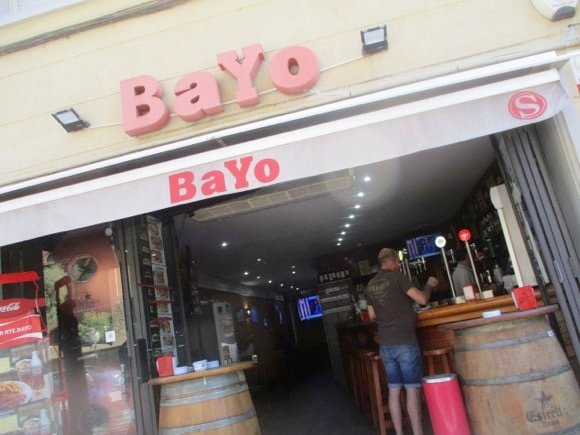
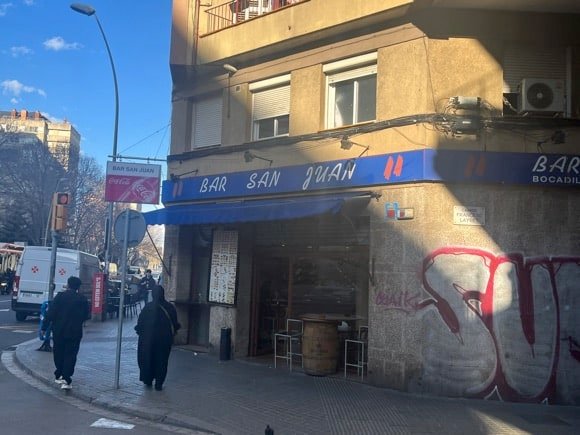
Even closer to the ground, on Travessera de les Corts between the NH Rallye hotel and the stadium, there’s another row of busy pre-match bars, some with pavement tables. These include San JuanBaYoGranja El Gol, 3 Copas and Casa Pin.

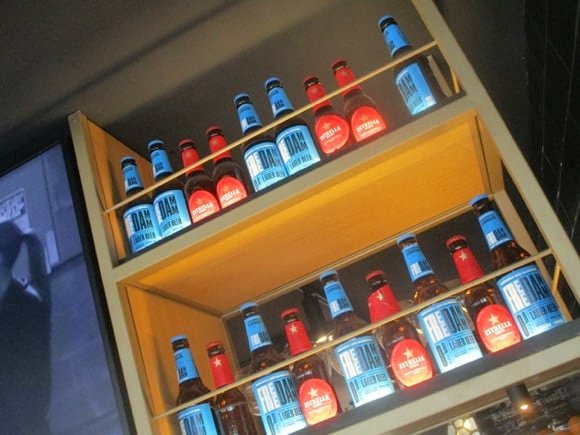
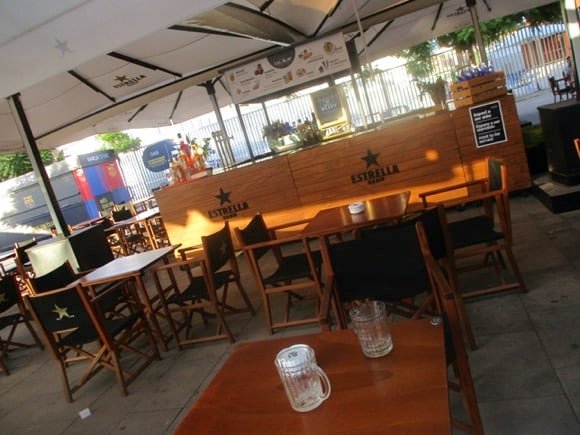
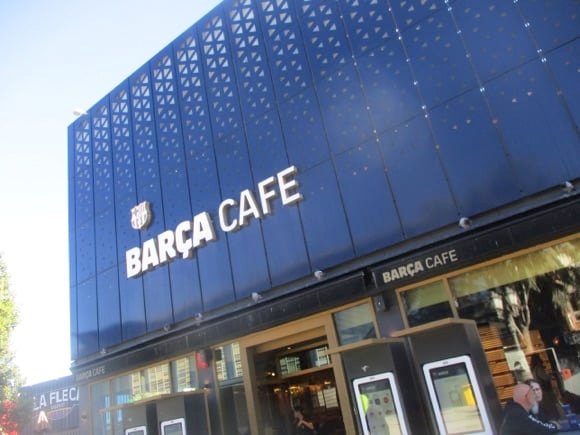
A welcome addition at the ground is the Barça Café (daily 10am-7pm), occupying a prime spot by the club shop on the pedestrianised stretch by the indoor sports arena. Tapas, burgers and charcoal-grilled meat and fish are served with draught Estrella – TV screens and FCB iconography abound, of course.

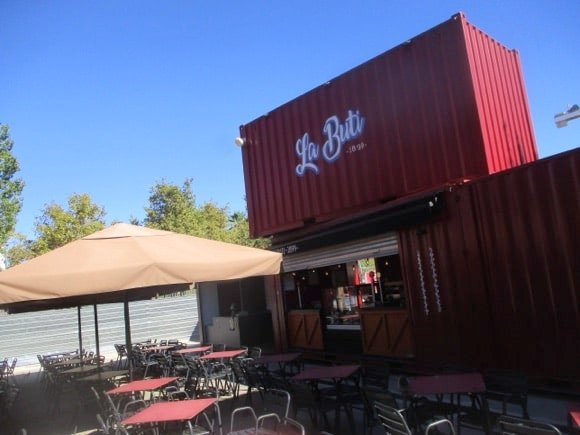
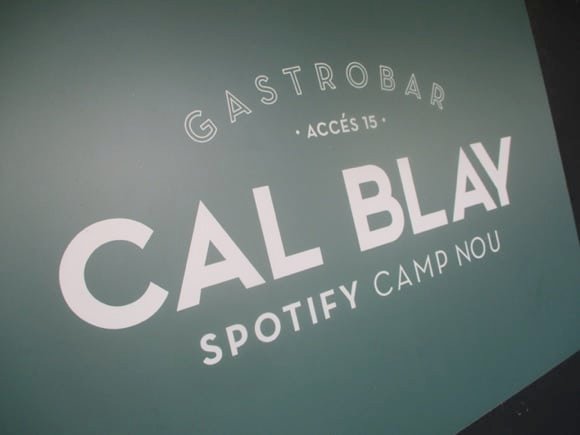
Outlets nearby include La Buti, dispensing grilled meats to families happy to rest their feet and part with more pesetas after a visit to the club shop. At the temporary entrance to the parts of the Nou Camp currently open to the public on Carrer d’Aristides Maillol, the Cal Blay gastrobar appeals to the more discerning diner, with a pleasant terrace, Players’ Square.