Como 1907

From Henley champion rowers to Indonesian moguls

A fan’s guide – the club from early doors to today

The richest club owners in Italian football don’t oversee operations in Milan, Turin or Rome. When Indonesian cigarette moguls Budi and Michael Hartono took over Como 1907 in April 2019, the Biancoblù hadn’t yet sealed promotion from fourth-tier Serie D, the second-lowest the lakeside club had sunk through its various iterations over the course of 112 years.

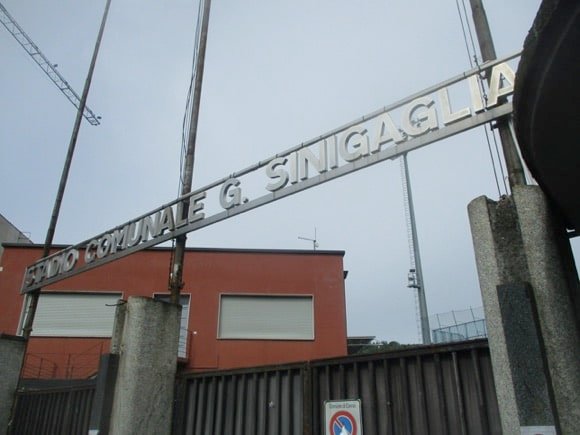
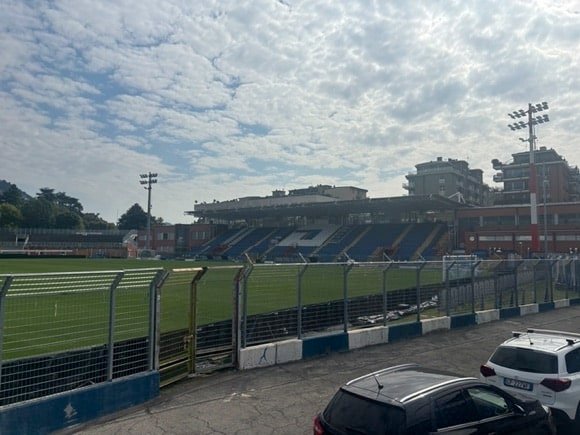
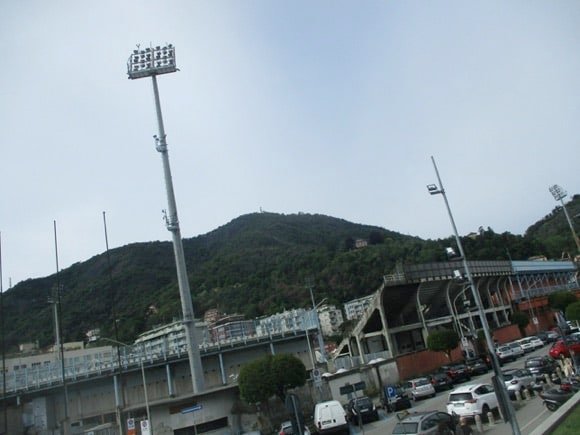
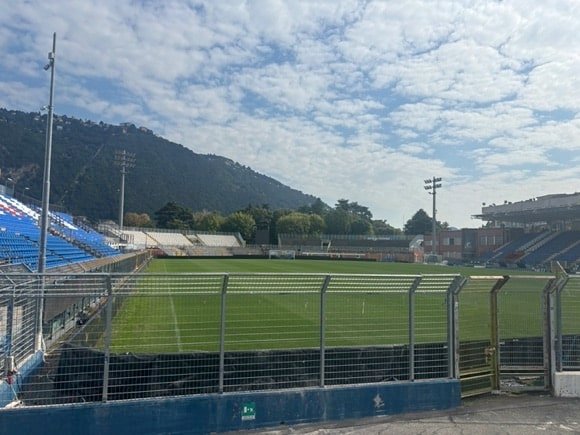
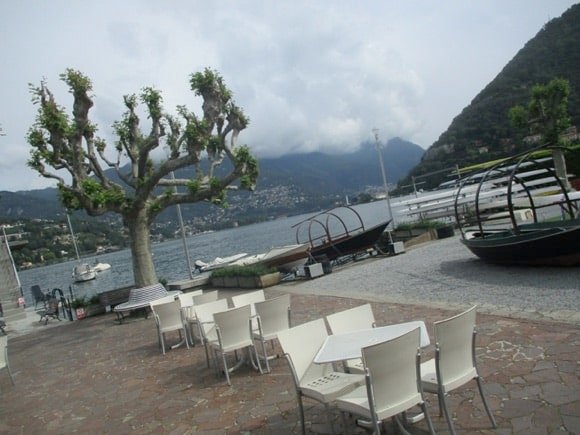
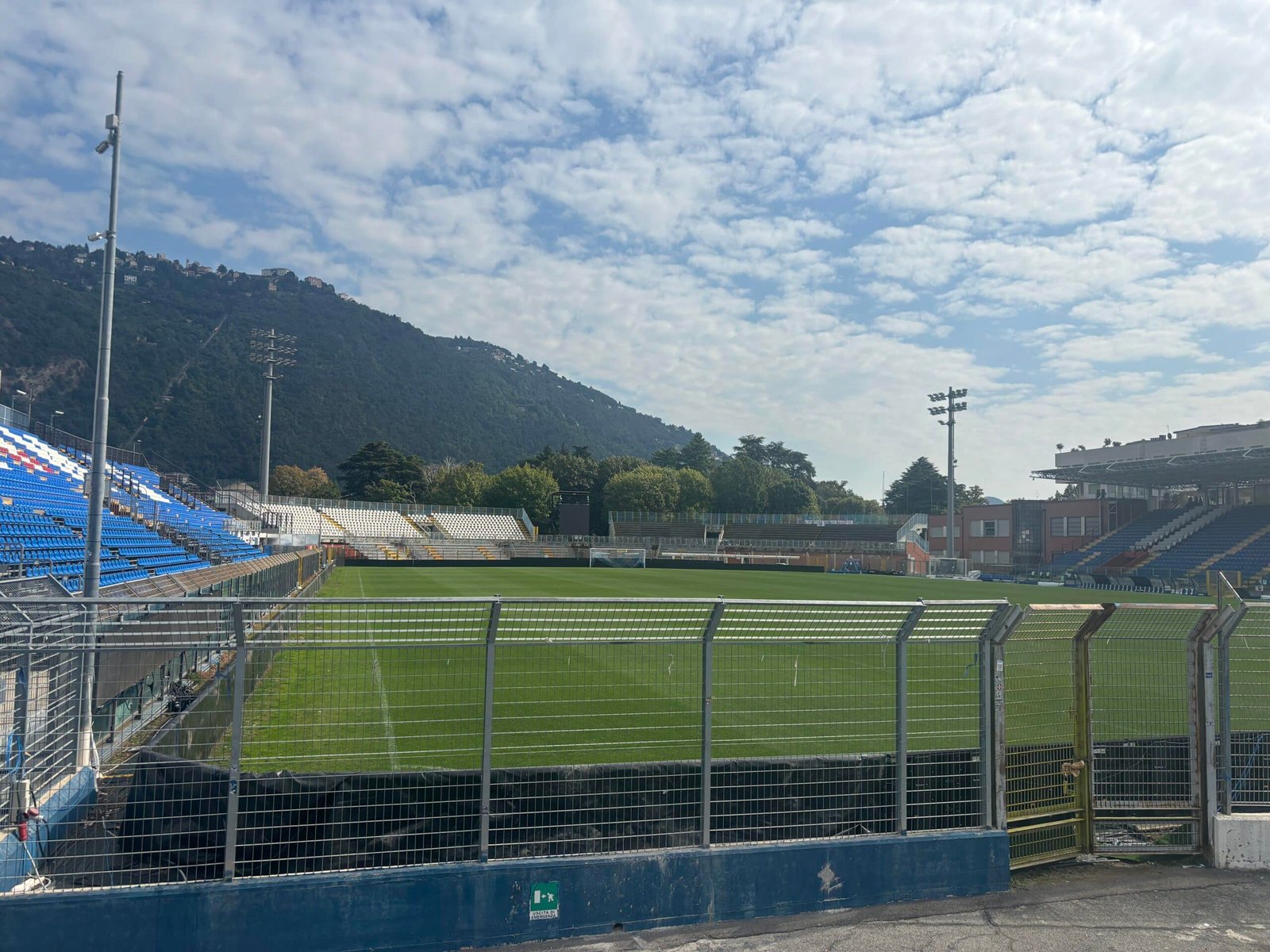
Yet the achievements of the octogenarian Hartonos – three promotions in six seasons, followed by stability in Serie A, perhaps even a first ever European qualification – are only half the story. A-listers regularly gather at the Stadio Giuseppe Sinigaglia, a quaint ground of 12,000 capacity lapped by the waters of Lake Como, a millionaires’ playground of speedboats and villas.

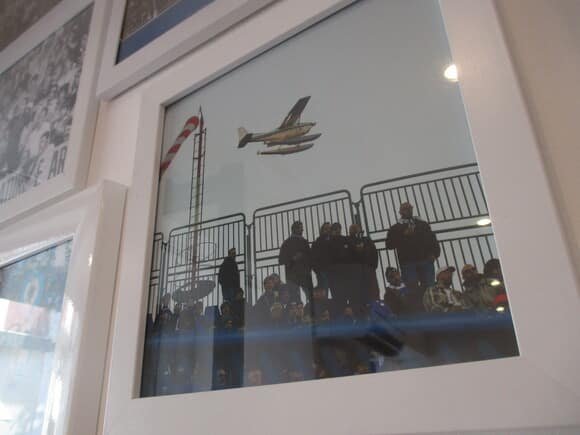
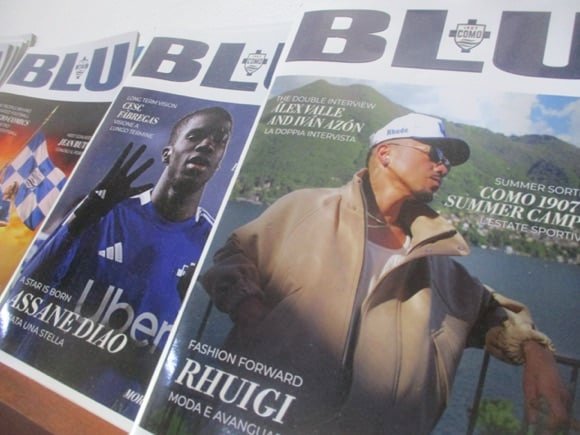
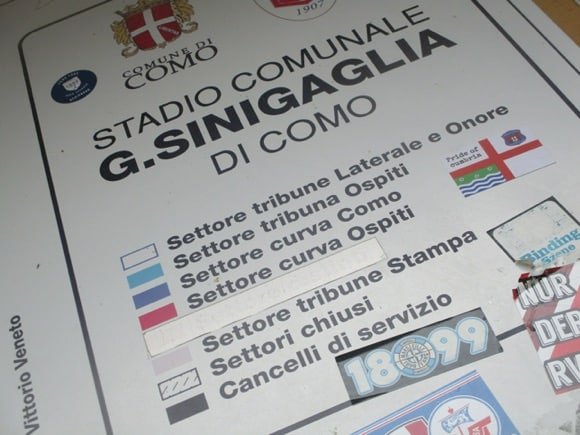
As opposed to the superyachts and heliport of Monaco, say, Como echoes an era of seaplanes and rowing teams, the signs around the stadium in classy, pre-war typography. Under the Hartonos, shaped by US-UK marketing gurus and boosted by a first Serie A presence since 2003, these factors have come together to create Blu, a Como-promoting glossy magazine on display in the city’s boutiques, bars and cafés.

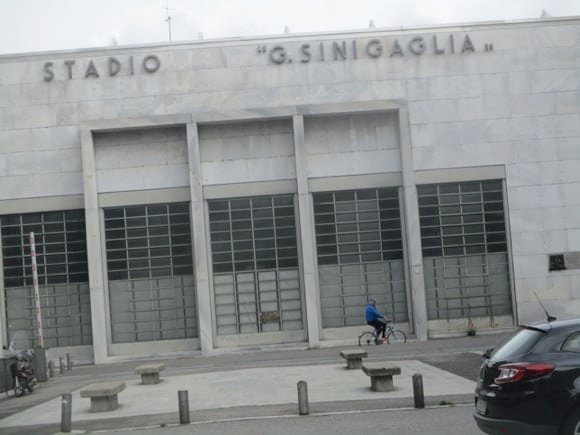
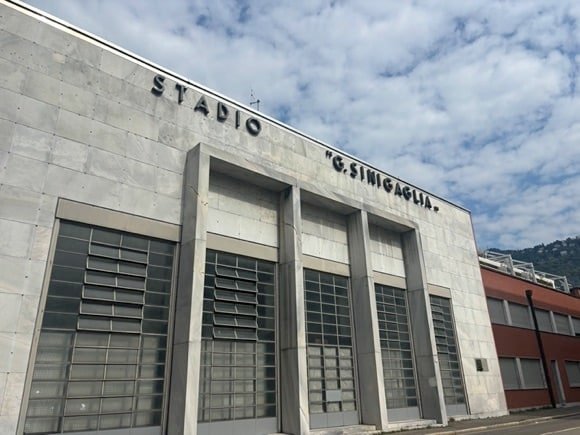
The next step will be to replace the club’s municipally owned stadium by building its own at the same waterfront site. After an approval process due to run until the end of the 2025-26 campaign, a first construction phase will run until October 2027, the final stage until August 2028. Centrepiecing a pedestrianised complex will be a Hartono-owned stadium of 15,000 capacity, a century after Mussolini himself had Giovanni Greppi, better known for his military shrines, create the Giuseppe Sinigaglia in Rationalist style.

The timing was no coincidence. The city was about to celebrate the centenary of the death of its greatest son, scientist Alessandro Volta of voltage fame, on the field where World War I hero Giuseppe Sinigaglia had practised all kinds of sports.

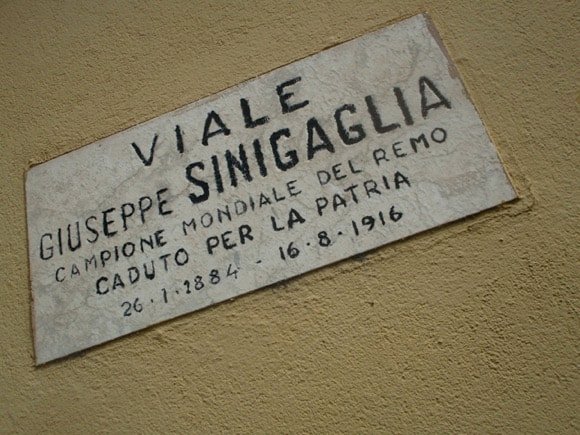
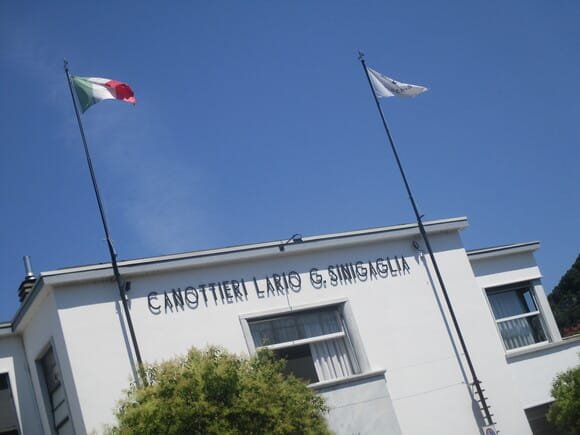
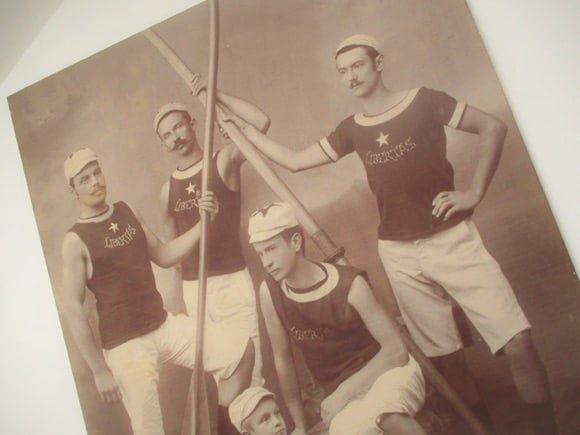
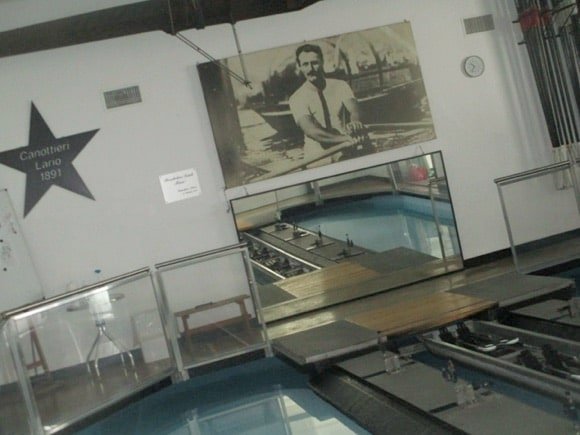
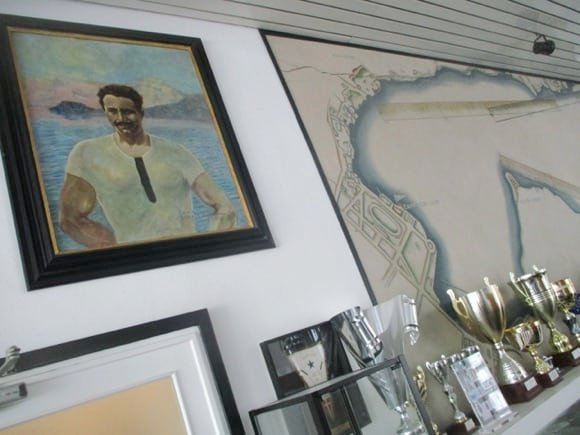
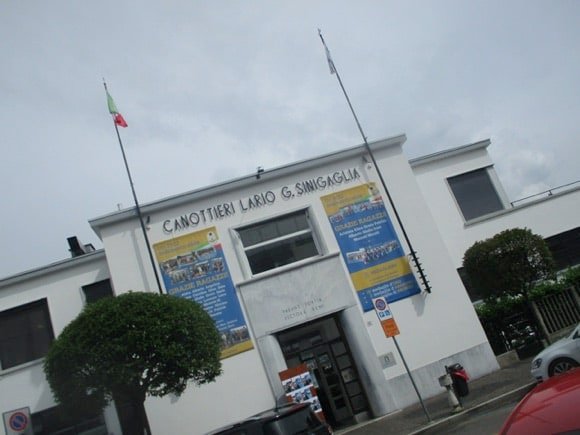
A Henley champion rower crowned in 1914, the Como-born athlete had fallen at the Battle of Isonzo two years later. His achievements are illustrated in the headquarters of Como’s rowing club directly opposite the stadium that took his name, the building dating to the same era.

The football team, meanwhile, formed in 1907 at the Bar Taroni on via Cinque Giornate, first played friendly games against visiting XIs from nearby Milan and Switzerland. The pitch on via dei Mille then hosted Como’s initial games in the regional Lombardy League from 1912 onwards.

By the time preparations were under way for the Volta festival in 1926, Como Foot-Ball Club had merged with another local team, Esperia, to become AC Comense, briefly changing their light-blue shirts for red. One of 40 teams to compete in four regional divisions of Italy’s inaugural nationwide Prima Divisione of 1926-27, Comense were promoted to the recently formed Serie B in 1931.

Their manager was Hungarian Gedeon Lukács, who was in his first coaching post after a prolific stint as striker at Atalanta. Despite keeping Comense in a stable position in Serie B, Lukács would return to his homeland to manage relatively modest teams before fatally falling down a pothole in an ill-lit, war-damaged street in Budapest in 1949. Comense then plummeted down the divisions before becoming AS Como, then AC, returning to Serie B just after the war.

Earning a first-ever promotion to Serie A in 1949, Como briefly stood atop the elite division in 1951-52 thanks to the goals of Giuliano Giovetti and the midfield steel of Mario Bergamaschi, soon to go on to Torino and Milan respectively. Giovetti would later become a famous cartoonist, while Bergamaschi twice lifted the league title and appeared in the European Cup final of 1958, an extra-time cliff-hanger against the great Real Madrid.

Como trod water in Serie B, with occasional stints in Serie C before the colourful figure of Antonio Rigamonti appeared in the mid-1970s. A penalty-taking goalkeeper who would also win the title with Milan, Rigamonti thrived under Pippo Marchioro. The much-travelled coach had two spells at Como, bringing in through midfielder Marco Tardelli of 1982 World Cup fame.

Two promotions led to short stays in Serie A, one campaign featuring later Sampdoria star Pietro Vierchowod, but it was under the steady stewardship of luxury furniture manufacturer Benito Gattei, president of the club from 1983, that the Biancoblù held their own with Italy’s best.

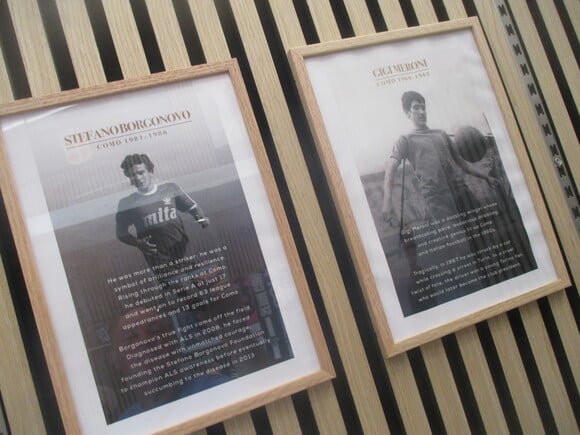
Their five seasons in the elite were shared with the world’s best, including Maradona, Platini and Ruud Gullit. Only one foreign star consistently featured in Como’s mainly Italian squad, Swedish striker Dan Corneliusson. His partner-in-crime, Stefano Borgonovo, would earn caps for Italy when at Fiorentina, his departure paving the way for a teenage Marco Simoni to shine and duly impress Milan, where he would be garlanded with silverware.
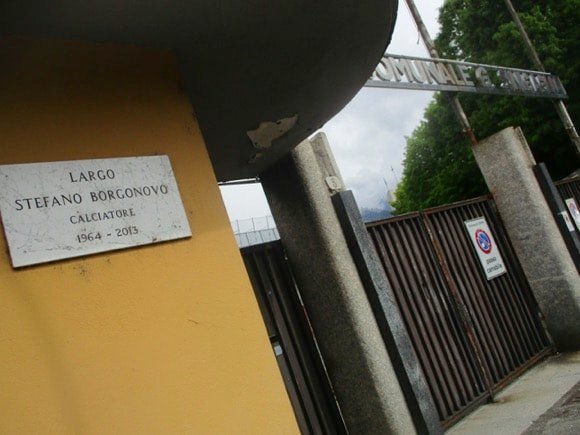
Como’s two straight relegations in the late 1980s led to a decade in the doldrums, triple relegation in the early 2000s and near disappearance in 2004. Operating as Calcio Como, the club remained in the amateur ranks during their centenary year of 2007. 

Going through as many managers as chairmen, Como continued to battle their way up from the lower echelons of the Italian game with ex-player Gianluca Zambrotta as honorary president. A play-off win over Bassano Virtus in front of 6,000 spectators at the Giuseppe Sinigaglia in June 2015 resulted in a solitary season in Serie B.

The wherewithal needed to get them there, however, soon landed Como in hot water, and the club was declared bankrupt in 2016. Worse, nobody wanted to buy them, and it took four auctions and €237,000 (!) for a new entity, FC Como, to be set up in the name of the wife of former Chelsea star Michael Essien. 

That same year, 2017, Como 1907 emerged from a further mess which required the city mayor to step in and save the club. This municipal involvement would become integral to the new project Como two years later, mutually promoting city and club.

Narrowly failing to go up from Serie D in 2018, Como were close to promotion when their acquisition by wealthy Indonesian entrepreneurs Budi and Michael Hartono was announced in April 2019. At the time, the number of season-ticket holders stood at 324. Within days, the Hartonos had persuaded ex-Chelsea star Dennis Wise to come on board as technical advisor.

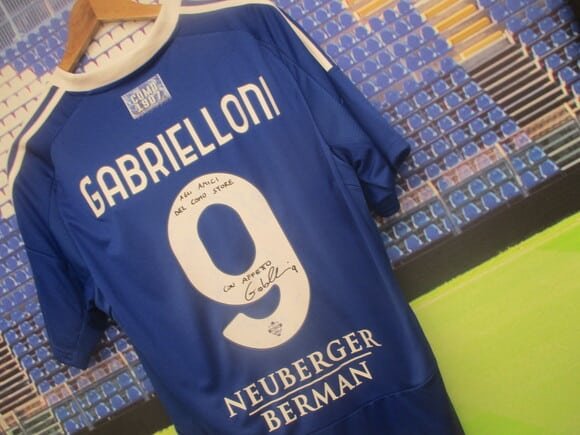
With Alessandro Gabrielloni still knocking in the goals and former Como ball boy Alessio Iovine bolstering the midfield, the Biancoblù required two seasons to top Serie C then stride out at Crotone in August 2021 for their first Serie B fixture since 2003. Fittingly, it was Iovine who scored Como’s opening goal in a 2-2 draw.

Not yet splashing out on big-name players, Como built a large squad and back-room team, making connections at the highest levels. The long-term involvement of Como-born World Cup winner Zambrotta though the thick and thin drew fellow ex-Barça and Arsenal men Cesc Fàbregas and Thierry Henry into the fold, the Catalan as U-19 and reserve team coach in 2023, the Parisian as an investor and shareholder.

Henry had gained his UEFA coaching badge under Osian Roberts, assistant to Chris Coleman overseeing semi-finalists Wales at Euro 2016. He also served under Patrick Vieira at Crystal Palace before moving to Como as caretaker coach then head of development.

Thirty minutes away at Mozzate, the club built a training centre and clubhouse, where former Milan striker, Como-born Patrick Cutrone, and ex-Torino midfielder Simone Verdi rediscovered their love of the game after seasons of on-loan moves. It was Verdi who converted the penalty to level the scores with Cosenza before a full house of nearly 8,000 at the Giuseppe Sinigaglia to seal second place in Serie B in May 2024.

With top-flight football assured after 21 years, Como could reach for the chequebook, swooping to pick up young Argentine midfielders Nico Paz from Real Madrid and Máximo Perrone from Las Palmas, on loan from Manchester City.

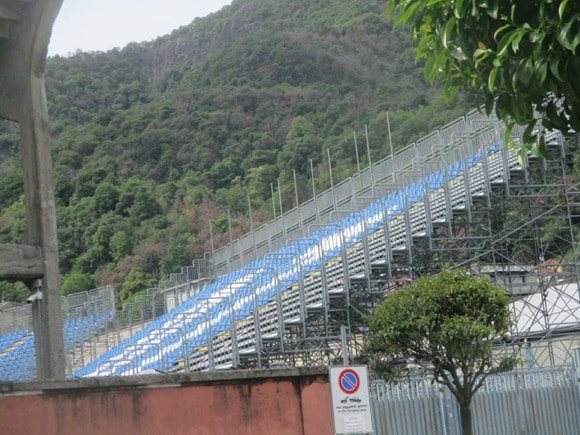
Playing their first three games away while the Giuseppe Sinigaglia was being expanded to near 11,000 capacity, Como took a while to find their feet but were soon beating the likes of Fiorentina and Roma.

The mid-season arrival of former Spanish U-21 cap striker Assane Diao allowed the soon-to-be Senegalese international to become Como’s top goalscorer after only half the campaign played.

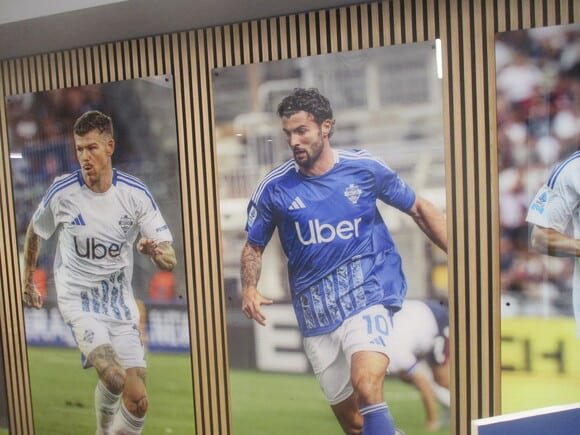
Most of all, though, it was Paz who caught the eye, named best U-23 player in Serie A for 2024-25 and making the Squad of the Season. Given the No.10 shirt to the Argentine international for the 2025-26 campaign, Como spent big to build on their tenth-place finish the previous May. Croatian cap Martin Baturina arrived from Dinamo Zagreb, striker Jesús Rodríguez from Betis and Nicolas Kühn from Celtic for a combined cost of around €65 million, all with international experience and all on the right side of their twenties.

Como went 11 league games unbeaten, swatting aside Juventus 2-0 at home and Torino 5-1 away. As Europe beckoned halfway through the season, Como planned to stage a league fixture with Milan in Perth, Australia, after UEFA’s reluctant approval. Though common sense then prevailed, the club still need to find a solution as to where to play home games once work gets under way to rebuild the venerable Stadio Giuseppe Sinigaglia.

Stadium Guide

The field of dreams – and the stands around it

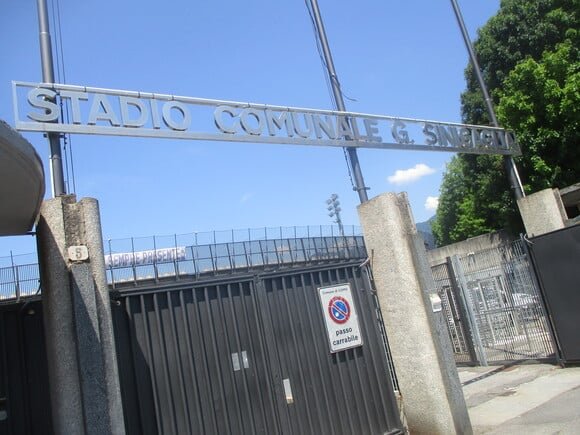
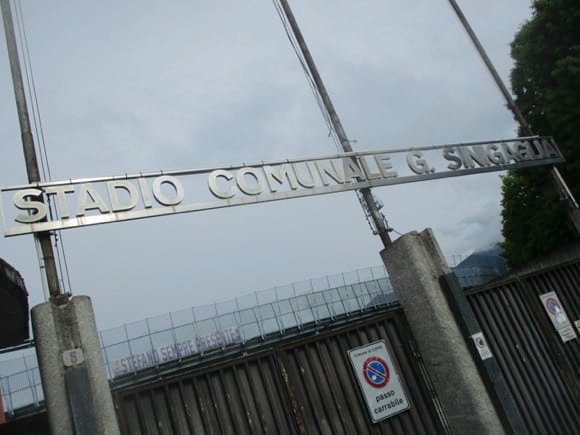
Considered the best-located stadium in Europe, the Stadio Giuseppe Sinigaglia anchors idyllic Lake Como on its snaking western shore, a 10km glide from George Clooney’s Villa Oleandra. Benito built it and chose the name, after a 1914 Henley rowing champion and fateful volunteer for World War I, and he chose the architect, Giovanni Greppi.

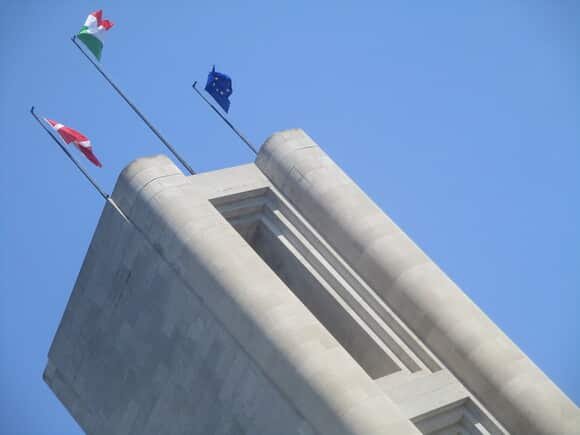
Behind an equally graceful monument to the fallen of 1916, the Giuseppe Sinigaglia was built in the Rationalist style of the era over nine months from October 1926. The opening coincided with the centenary gala to honour Como-born Alessandro Volta, inventor of the electric battery, who had died in 1827. Units of electricity were later named after him.

Il Duce envisioned a celebration of Italian craft and ingenuity. A lighthouse was built, villas and telegraphers convened in congress. Most of all, though, Benito wanted a stadium.

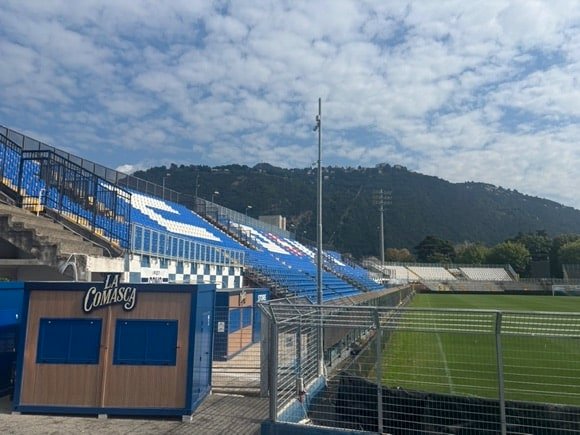
Greppi created a classic grandstand with gracefully curved end terraces that banked high around the cycle track, as shapely as his military shrines that still dot the landscape of Lombardy. Como spent most of the golden Serie A decade of the 1980s welcoming the likes of Maradona, Platini and Gullit to this lakeside idyll.

A rebuild in metal reshaped the Stadio from 1990 onwards – with such a small capacity, the Giuseppe Sinigaglia was overlooked for the 1934 World Cup and not even used for training purposes before Italia ’90, even though the athletics and cycling tracks were removed in 1975, and the stands extended.

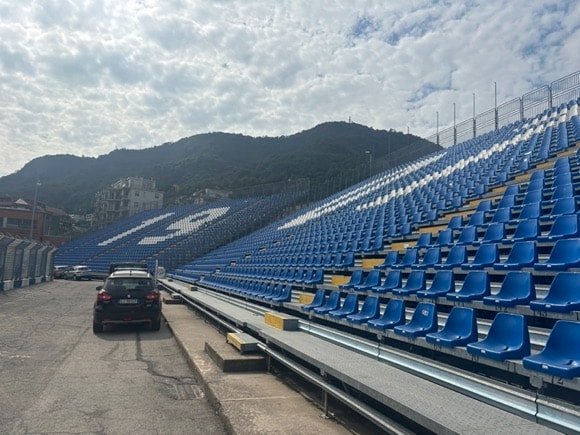
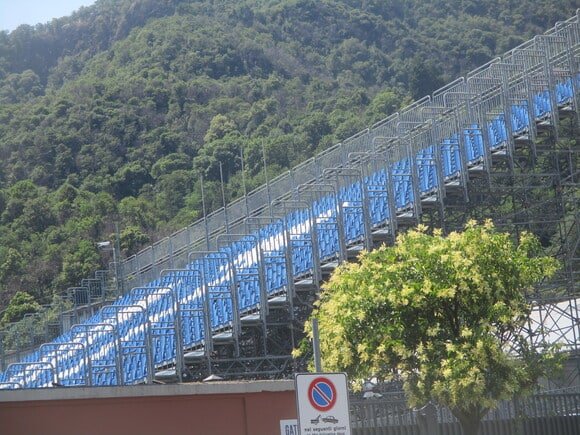
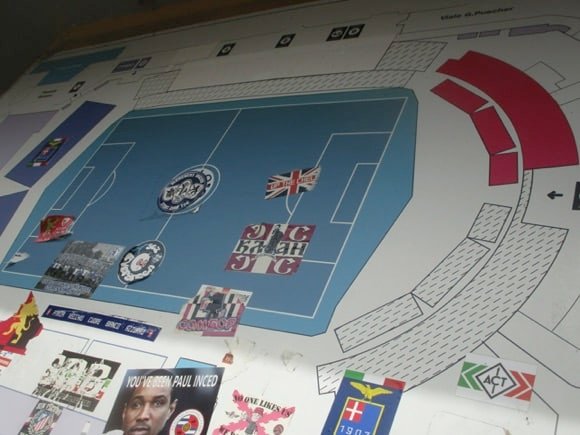
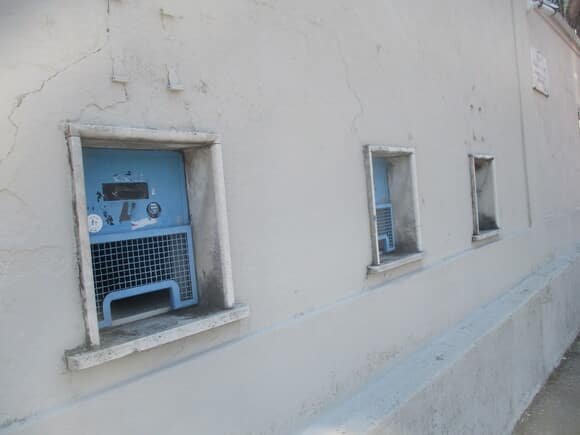
Shortly before the club’s years in the wilderness, the home West Stand, the Curva Como Ovest, was recreated in metal, to face the Curva Est partly given over to visiting supporters. For Como’s last campaign in Serie A before the current revival, therefore, capacity was at 13,900. This would drop to under 5,000 as various ignominies led to lower-league football and crowds in the low thousands, if that.

 The gradual revival of the mid-2010s saw much-needed improvements and the Stadio Giuseppe Sinigaglia became all-seated as recently as just before the 2021-22 campaign. Capacity increased to 10,600 after promotion to Serie A in 2024, then 12,000 for 2025-26.

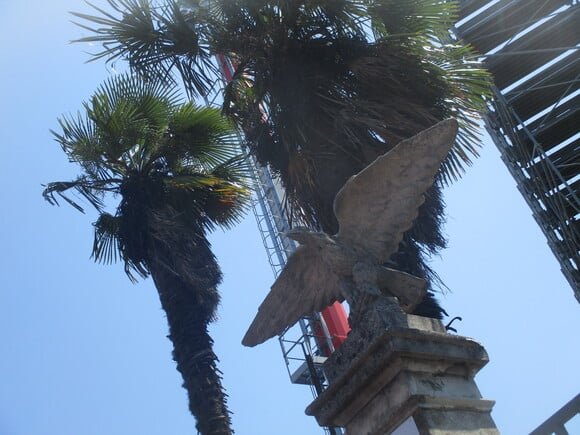
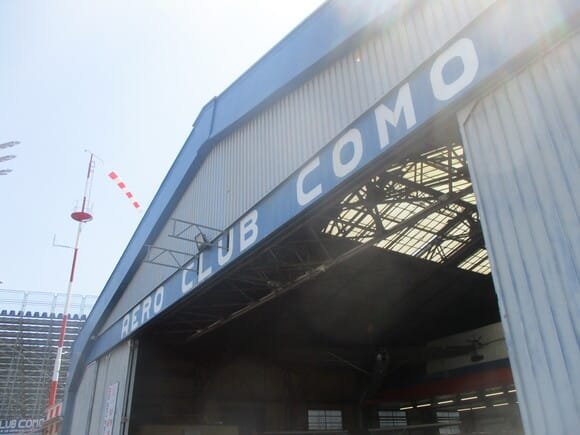
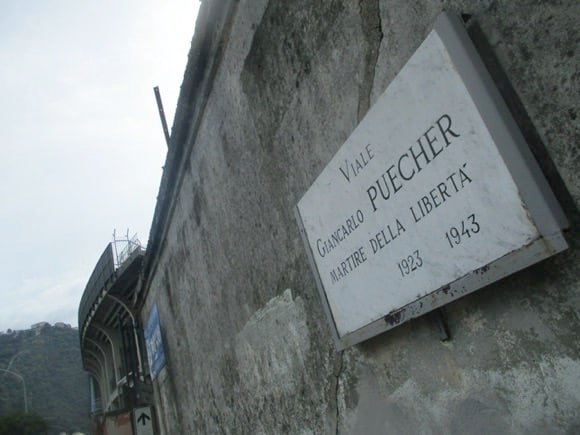
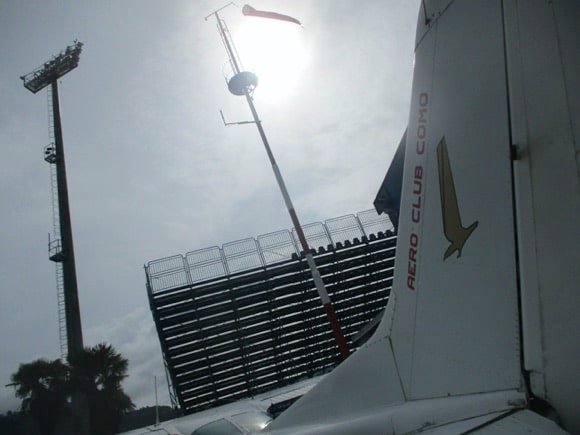
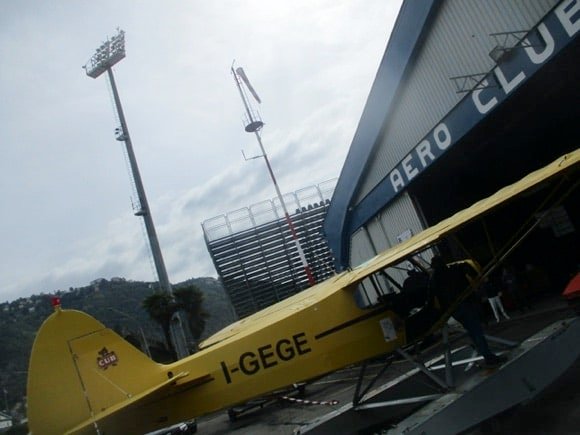
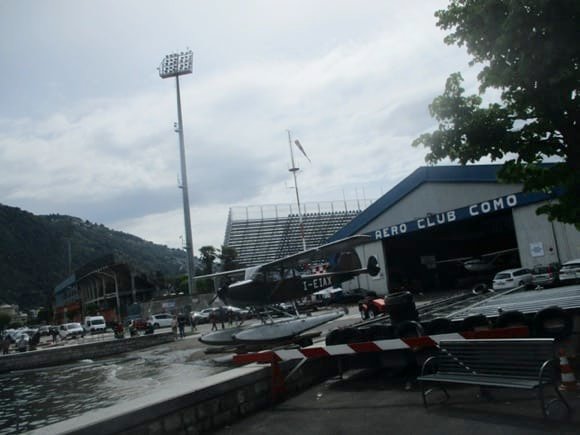
For all these changes, the lake is still visible for many spectators – cross viale Giancarlo Puecher behind the North Stand and you’ll get your feet wet. Also distinctive on this side is the aerodrome for seaplanes. Two of the floodlight pylons are painted red-and-white to warn incoming aircraft. Like the rowing and yachting clubs opposite, the hangar looks straight out of the 1930s, as does the stadium itself.

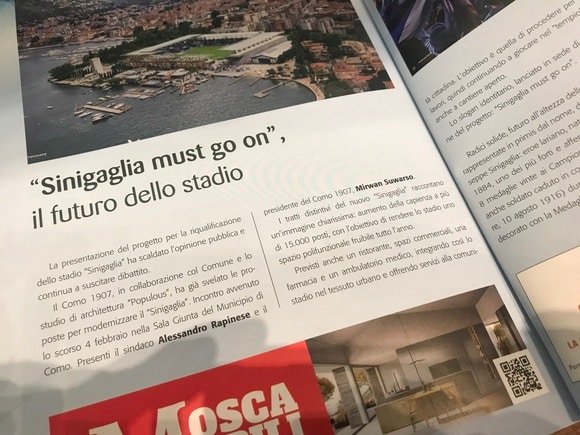
All this will soon change once the club and the city council agree to the rebuild management proposed to the authorities in February 2025. Plans not only call for a 15,000 all-seater stadium more suitable for the 2030s but also a relandscaped area around it. How this will look cannot begin to match the beauty of what’s currently in place. While the original Stadio Giuseppe Sinigaglia still stands, and Rijeka dither over returning to their Adriatic-lapped Stadion Kantrida, this beats off all-comers when it comes to winning locations to watch a football match in Europe.
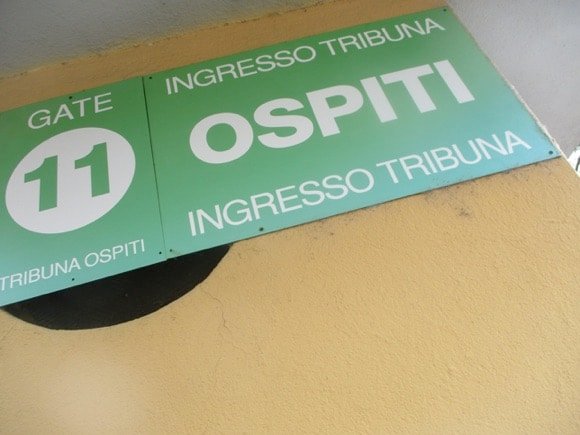
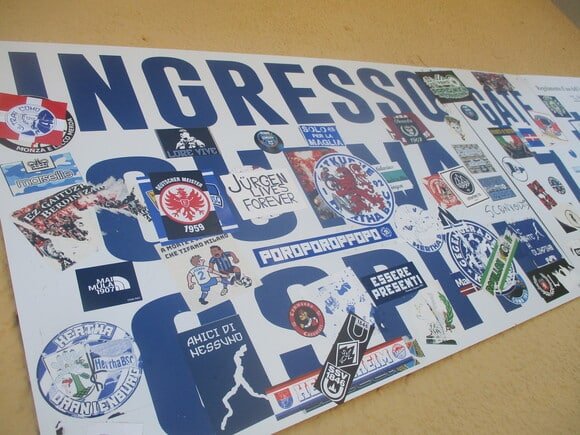
If you’re here with the away team, enter through Gate 7 to find your place in upper sectors A-C of the Curva Est Ospiti Superiore or lower Parterre D just below

getting here

Going to the stadium – tips and timings

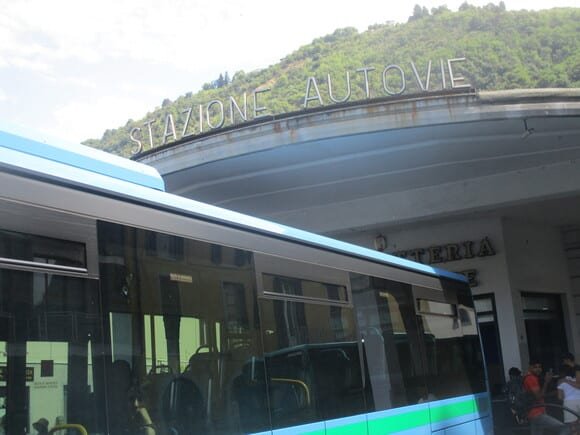
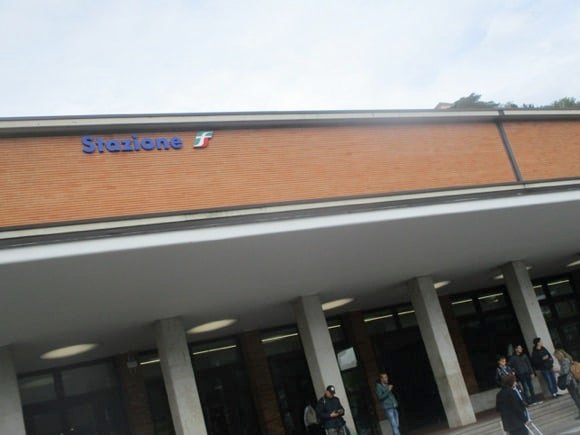
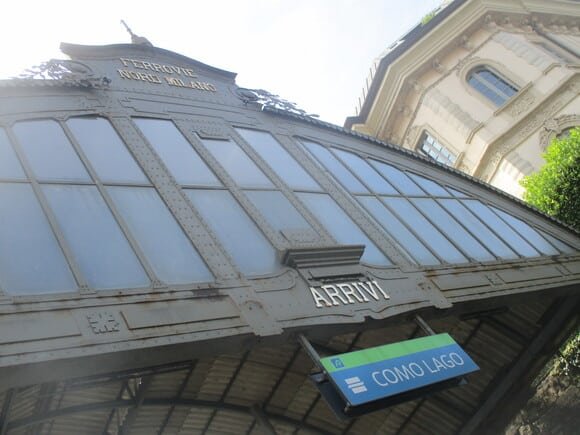
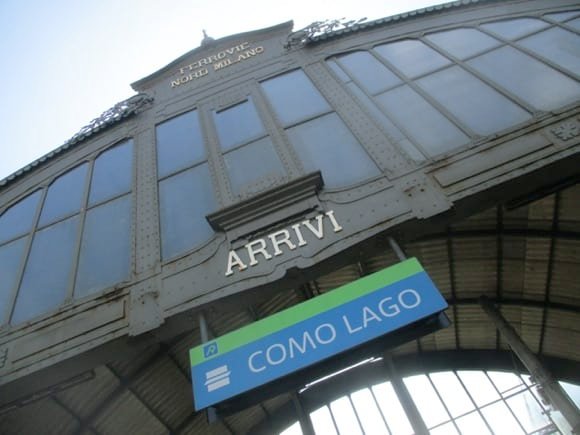
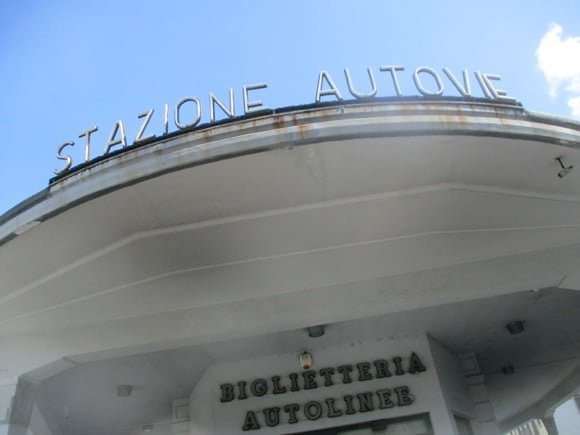
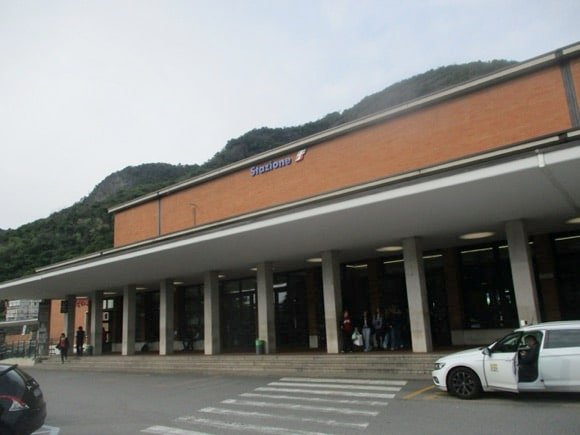
From Milano Centrale, an hourly train runs direct to Como Camerlata (€5, journey time 35mins). There’s a more regular service from Milano Cardorna (€5, journey time 50mins), calling at Como Borghi on the south-eastern edge of the city centre, before terminating at Como Lago, right by the lake, the vintage bus station and a pleasant 15-minute stroll along the waterfront to the stadium.

If you’re changing at Como Camerlata for Como Lago, the platforms are a 5-minute walk apart, clearly signposted.

The other station in Como is S Giovanni, also close to the stadium and city centre as the crow flies, but a steep walk back. It’s connected to Milano Centrale by an hourly service, €5, 35mins journey time, or change at Milano Cadorna and Como Camerlata.

getting in

Buying tickets – when, where, how and how much

Admission for all this season’s home games is sold online under ‘Single Tickets’ – but only seats for the next upcoming match can be bought straight away. For those weeks and months hence, you can register your interest.

Though places are scarce, you should still be able to buy a couple of spots in the Curva Est Superiore (the end shared with visiting supporters) for €30, €20 under-16s. The next best are in the Distinti Parterre, the lower tier of the long sideline nearest the water (so no lake views…), €50/€38. 

Higher up and over the halfway line in the Distinti Centrale, it’s €60/€40, although this is where VIP options kick in, €160 including pre-match hospitality in the yacht club opposite, €320 including a boat tour of the lake and the same hospitality service. Note that these stadium seats are uncovered.
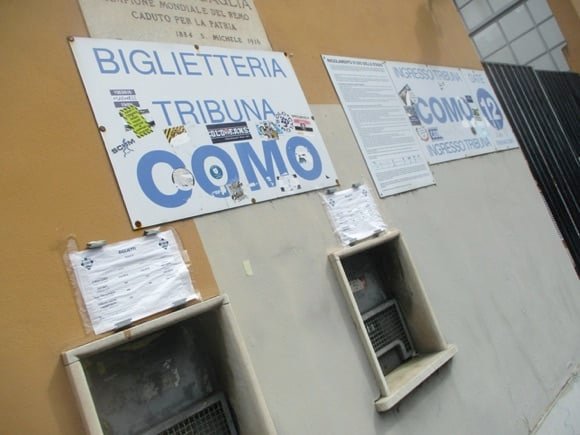
To really push the boat, there are the same options in the roofed Tribuna Coperta opposite, €90/€60, €350/€200. Prices may rise for the visit of the Milan giants and Juventus, and come down for lesser opposition. Buying on the day for a more modest league fixture or cup game might be an option, but make sure to take ID with you to purchase whatever might be available.

what to buy

Shirts, kits, merchandise and gifts

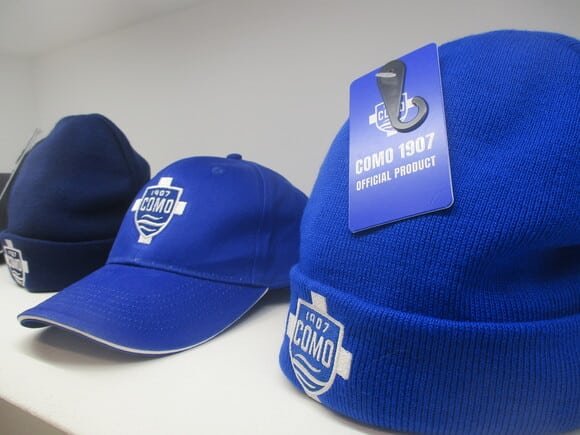
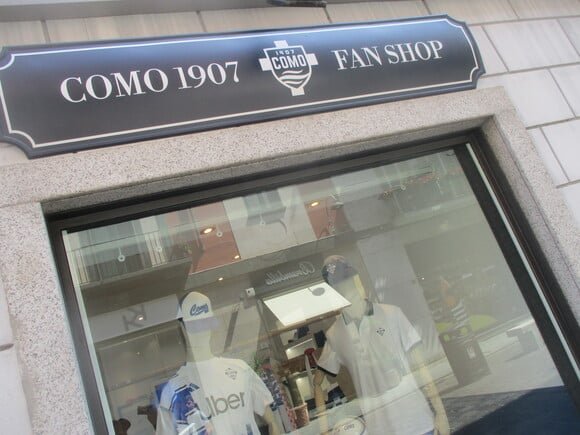
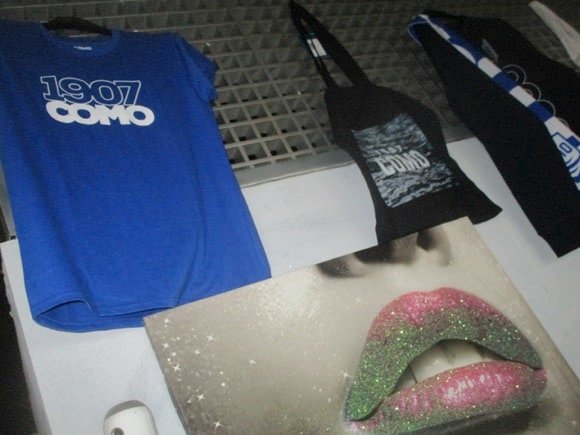
The club oversees three outlets. The main Fan Shop is at via Luini 9, the Adidas X Como 1907 store further along at No.18 (both open daily 10am-7pm), and one in nearby Bellagio (piazza Giuseppe Mazzini 18, same opening hours).

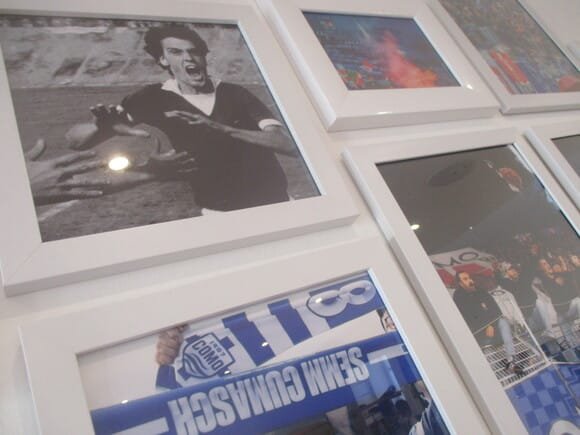
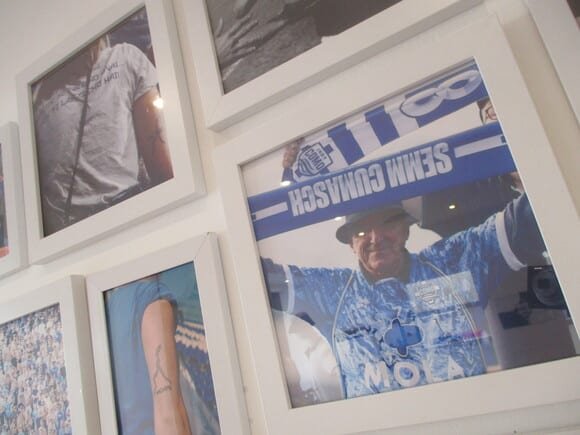
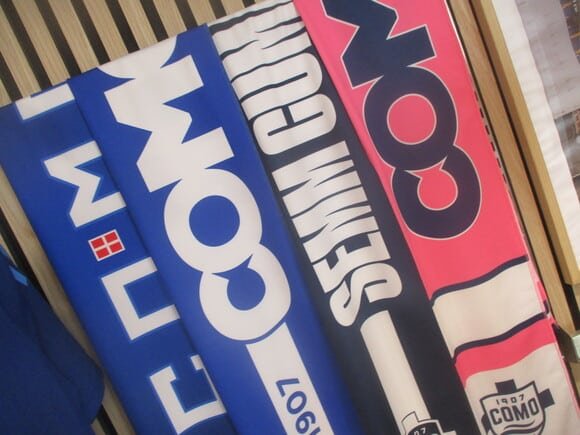
The home kit currently features a royal blue backdrop, its front a lake-like pattern of shifting waters that’s a work of art. This continues on the lower part of the back, where you find the motto ‘Semm Cumasch’ (‘We are from Como’ in local dialect) sewn into the collar.

Second kit is white with blue trimmings, a marbling effect offsetting the front and lower back. Third-choice is black with orange, including a fold-down button collar, and an older version of the club badge. Think of it as casualwear rather than something in which to do battle on the football pitch.

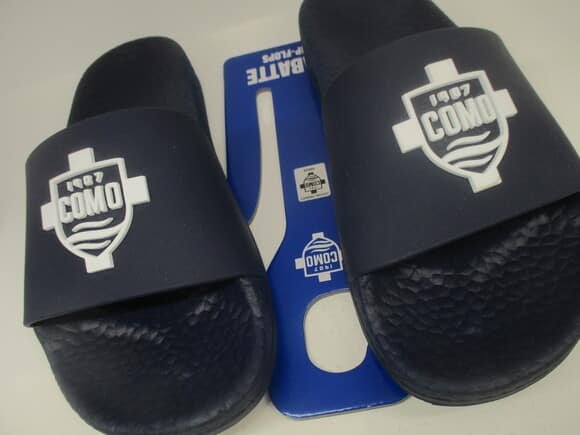
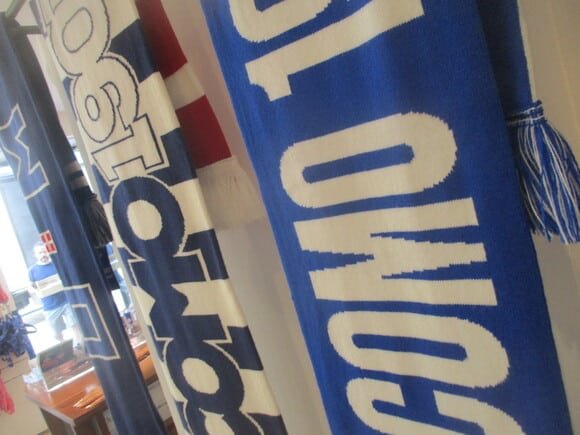
Accessories are unsurprisingly stylish, the Ottica Ghizzoni sunglasses with a subtle Como logo on the temples, reversible royal blue neck warmers, and classic tote bags showing a timeless view of the lake.

Where to Drink

Pre-match beers for fans and casual visitors

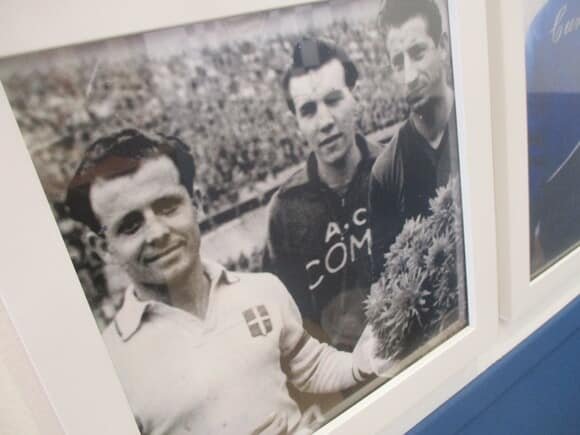
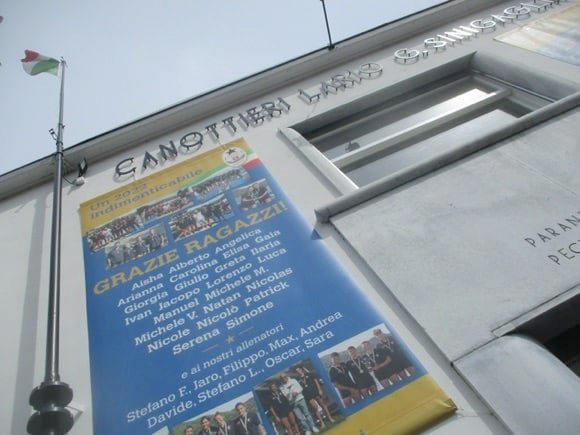
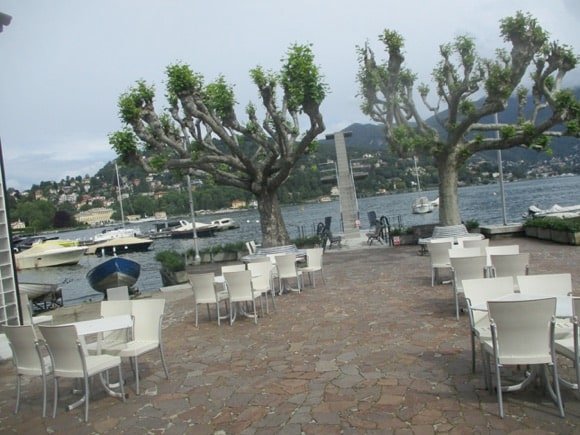
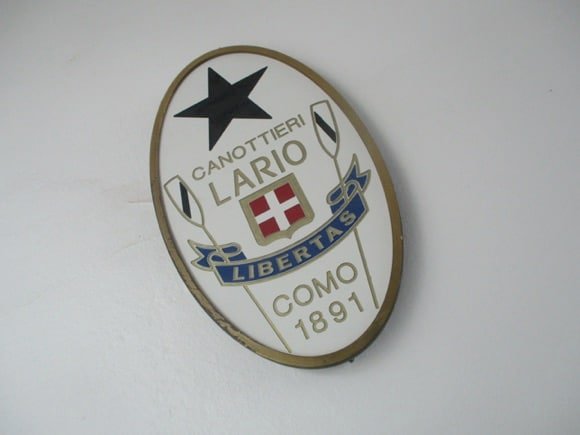
The stadium is surrounded by bars and restaurants sharing the same winning views of Lake Como. Pride of place goes to the restaurant at the Rowing Club, Ristorante Canottieri Lario, its upper floor and waterfront terrace given over to upscale maritime cuisine, the ground floor a treasure trove of medals, trophies and photographs (Giuseppe Sinigaglia included) relating to the century-old history of this club and its headquarters. The building dates to 1931 and displays the same Rationalist style as the stadium it faces.

Booked out on match days, it otherwise operates Tue-Sun 10.30am-10pm, with a break between mealtimes during the week. Staff are happy to serve you a lakeside glass of wine or apéritif on quieter days or a good couple of hours before kick-off.

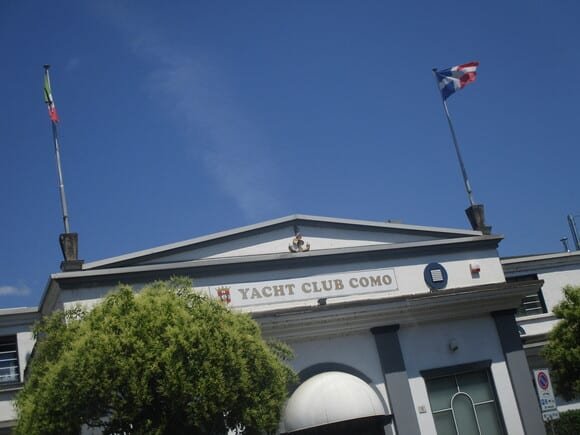
Equally classy neighbour, the restaurant in the Yacht Club operates in similar fashion and welcomes Como 1907’s VIP guests paying top dollar for a hospitality deal on match days.

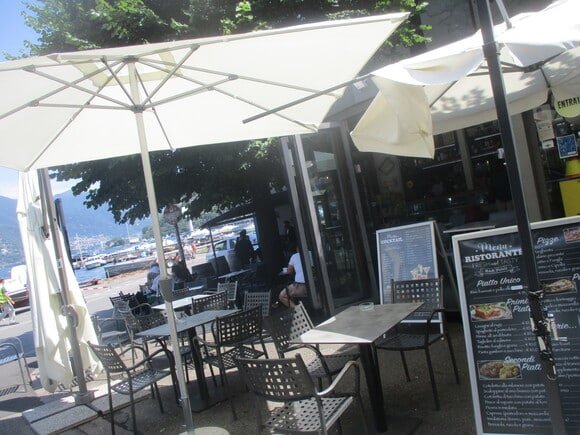
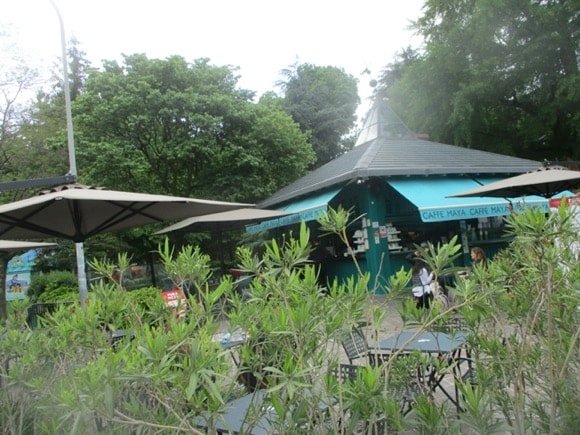
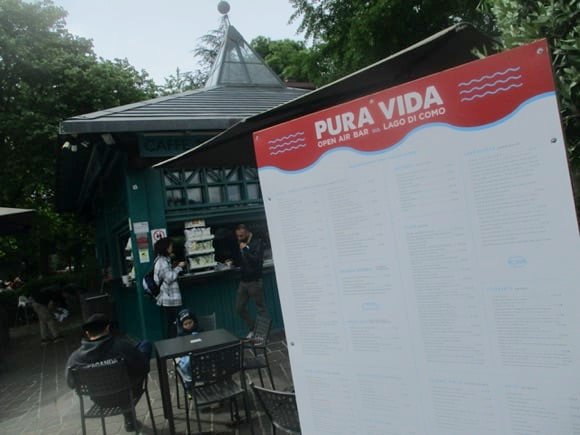
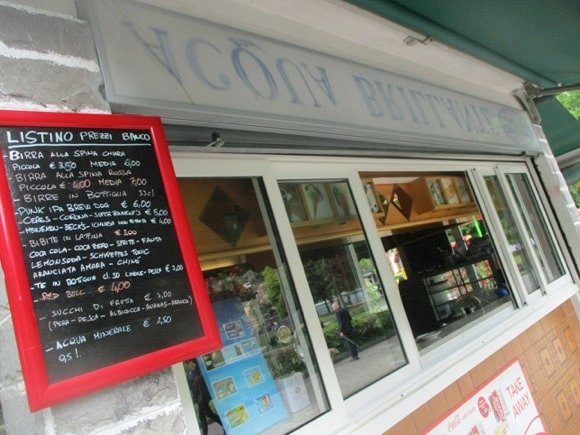
In the park alongside the stadium, alfresco Pura Vida serves beer, wine and Aperol spritzers on its lake-facing terrace from March to October. Behind, amid the greenery, a little kiosk offers a surprising range of beer.

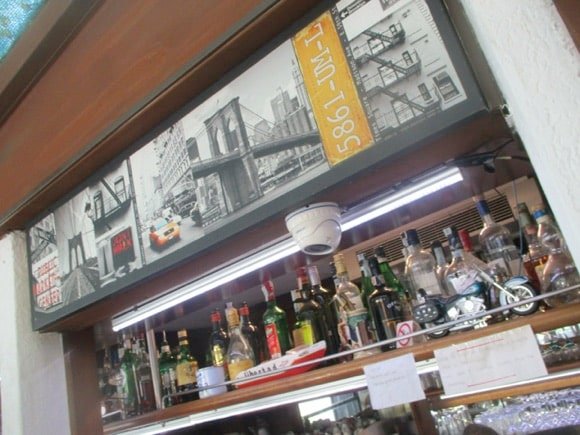
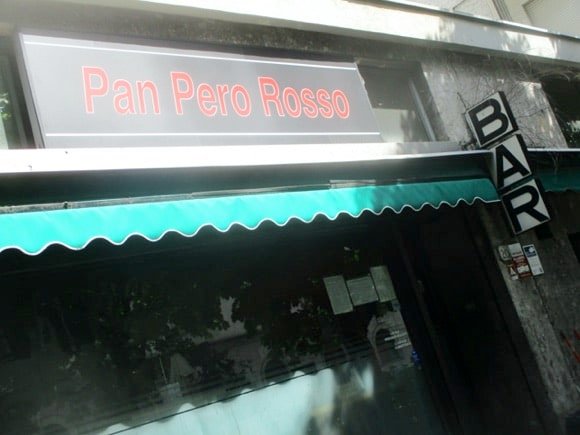
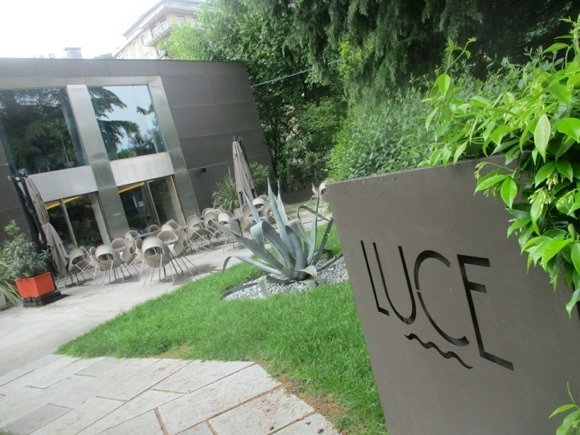
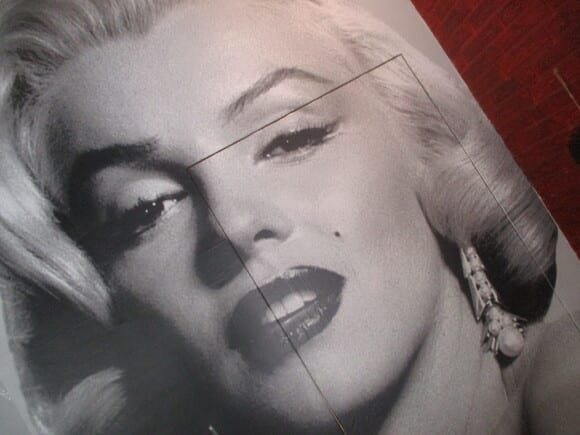
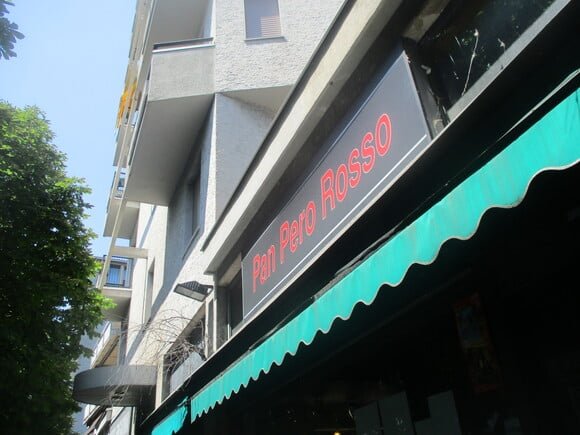
Walk further down, to viale Fratelli Rosselli behind the stadium, and you find the rather chic Luce Como, whose €25 brunch is a reasonable deal if you’re looking to impress someone easily impressionable. Much more like it, however, on viale Fratelli Rosselli, Pan Pero Rosso is a real local favourite, where one of the friendly couple who run the place pours affordable Fürstenberg beer which you can sip outside or amid images of Marilyn Monroe and Como 1907 within.

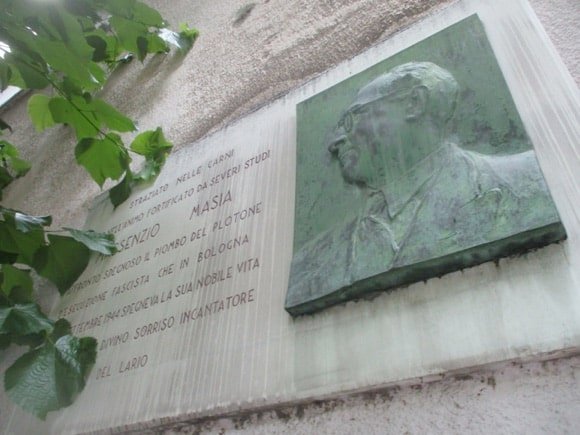
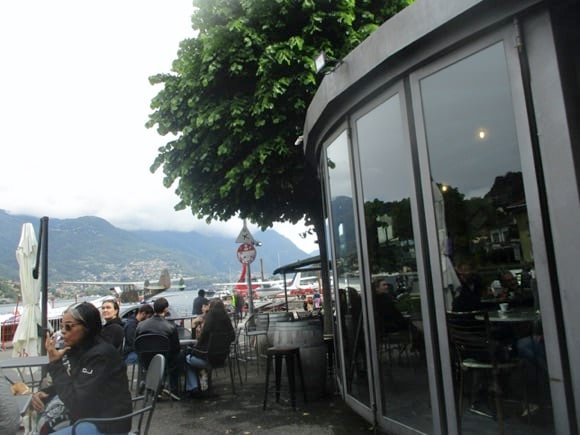
The other decent pre- and post-match option stands by the aerodrome, overlooking the lake, not two minutes from the ground. Bar Pino (viale Massenzio Masia 48) occupies a prominent corner behind the home Curva Ovest and so caters to Como fans who congregate around the many outdoor tables. It’s essentially a kiosk done up like a bar, with counter service only on busy afternoons, but cannot fail to feel stylish on warmer mornings when regulars don sunglasses to gaze at the lake over perfectly poured coffee and ice cream.