Liberating football travel

Middlesbrough FC

Anniversary celebrations follow harsh Wembley exit

A fan’s guide – the club from early doors to today

Without the huge fan base of Newcastle or the six-title silverware of Sunderland, local rivals Middlesbrough FC are still a big club, and one that all but disappeared four decades ago.

Within ten minutes of folding completely, Middlesbrough were rescued by board member Steve Gibson, whose consortium saved the day and helped Boro climb back to the top flight. Within a decade, Boro had a new stadium, the Riverside, and had made three cup finals. Within another, they were in a European final and had won a long-awaited trophy, the League Cup.

Boro briefly returned to the Premier League after a desperate race for a promotion spot went to the wire in 2015-16. Ten years later, after a desperately bitter defeat to Hull in the play-off final at Wembley, Boro are still striving to rejoin the elite. Certainly, the failed bid to gain promotion, dashed in stoppage time, put a dampener on the celebrations planned for the club’s 150th anniversary celebrations in October 2026.

With Gibson still chairman, Boro will always be ambitious but the crazy days of big-money marquee signings, Juninho and the like, are long gone.

It was Boro who started the trend for headline transfers in the first place. Signing Alf Common from Sunderland in 1905, Middlesbrough were the first club to splash out £1,000 for a player. Founded in 1876, Boro had only turned professional in 1899 and moved into Ayresome Park in 1903.

But while Sunderland would still win another two pre-war titles, Boro remained empty-handed. Steve Bloomer, the finest player of the early 1900s, was signed soon after. Ironically, Boro’s best-ever league finish, third in 1913-14, was achieved after Bloomer had gone back to Derby.

The next great players to don the red and white were all drawn from nearby: prolific, loyal striker George Camsell, stalwart left-back George Hardwick and inside-forward Wilf Mannion, England internationals all either side of World War II. 

Boro’s next highest finish in Division One came in 1939 but the club subsequently spent two decades in the Second and even Third until the mid 1970s. This despite the near goal-a-game record of another great, forward Brian Clough, who met Peter Taylor when his later long-term managerial assistant was a goalkeeper at Boro.

With Jack Charlton in his first, impressive post as manager, overseeing players such as midfielder Graeme Souness, goalkeeper Jim Platt and centre-back Willie Maddren, Boro promised much in the return to the top flight. But relegation in 1982 was followed by complete disappearance in 1986.

That was when Steve Gibson stepped in. With Boro saved, manager Bruce Rioch had enough young talent at his disposal in defenders Tony Mowbray and Gary Pallister to achieve two successive promotions.

Boro really took off with the arrival of Bryan Robson as player/manager, Gibson finding funds for players such as later Leicester manager Nigel Pearson and forward Jan Åge Fjørtoft, as well for a new stadium on the banks of the Tees, the Riverside.

With Boro back in the Premier, Gibson broke the bank for young Brazilian midfielder Juninho and Nick Barmby, then Fabrizio Ravanelli – only for his club to lose top-flight status. Appearances in the two cup finals of 1996-97 also ended in defeat, to Leicester and Chelsea.

Boro bounced back in one season, even making the League Cup final again, another defeat to Chelsea.

With incoming coach Steve McClaren in 2001 came more big signings, including Gareth Southgate and former La Liga stars Boudewijn Zenden and Gaizka Mendieta. All combined to secure Boro the first trophy in the club’s history, the League Cup of 2004, a 2-1 win over Bolton.

The McClaren era ended in 2006 with a dramatic run to the UEFA Cup final, late goals from Mark Viduka, Jimmy Floyd Hasselbaink and Massimo Maccarone inspiring unlikely comebacks against Basel and Steaua Bucharest. Outclassed by Sevilla in the final, Boro turned to Southgate as the replacement for McClaren.

But Boro had lost their mojo in cup games and league form had never been consistent. Southgate lasted until 2009 and neither Gordon Strachan nor Tony Mowbray could fully revive a club now back in the Championship.

Incoming coach Aitor Karanka brought in compatriots Kike and Daniel Ayala for Boro to reach the play-off final in 2015. For 2015-16, it was Uruguayan international striker Cristhian Stuani who proved the key, scoring Boro’s vital goal in the 1-1 home draw with Brighton that sealed promotion on the last day of the season.

One top-tier win in the whole of 2017, albeit over Sunderland, led to relegation that May. With a quick return unlikely under Garry Monk, Tony Pulis stepped in to take Boro to the Premier League play-offs in the spring of 2018. A solitary Aston Villa goal having settled the two-leg tie, Pulis had a huge clear-out that summer, including selling defender Ben Gibson, nephew of club owner Steve, to Burnley.

Ex-England veteran Stewart Downing was kept on, though, and the signing of Congolese international Britt Assombalonga proved astute but Boro failed to make the play-offs in 2019. Pulis’ outdated tactics had also seen home gates fall below 25,000. 

Gibson turned to former player and local favourite Jonathan Woodgate, manager of the month for December but unable to reverse poor form after the 2020 restart. Journeyman firefighter Neil Warnock stepped in to prevent relegation and oversaw a mediocre campaign in 2020-21.

The arrival of Michael Carrick in October 2022 proved a turning point, both for Boro, who made the play-offs the following spring, and for the former England midfielder, who would eventually go on from his managerial debut to return to Old Trafford just over three years later.

In between, Carrick’s men won 16 of his first 23 games in charge over the winter of 2022-23, the prolific form shown by striker Chuba Akpom earning him a Player of the Year award and transfer to Ajax. Another Carrick favourite, locally born defensive midfielder Hayden Hackney would make his England U-21 debut later in the year. A feisty 0-0 draw at Coventry in the play-off semi-finals boded well for a Wembley visit but Boro would then regret Akpom missing a chance when the Sky Blues snuck a 1-0 win at the Riverside.

A poor start to the 2023-24 campaign proved Boro’s undoing in the league, although Carrick managed to get the best out of Akpom’s replacement, Euro wanderer Emmanuel Latte Lath, whose goals helped propel Boro to the semi-finals of the League Cup. 

A near full house at the Riverside enjoyed watching Chelsea miss a hatful of chances, only for Boro to come away with a 1-0 win, despite Latte Lath’s early exit. An alert Hayden Hackney did his career prospects a world of good by notching the winner. Chelsea then rolled over Boro in the return leg.
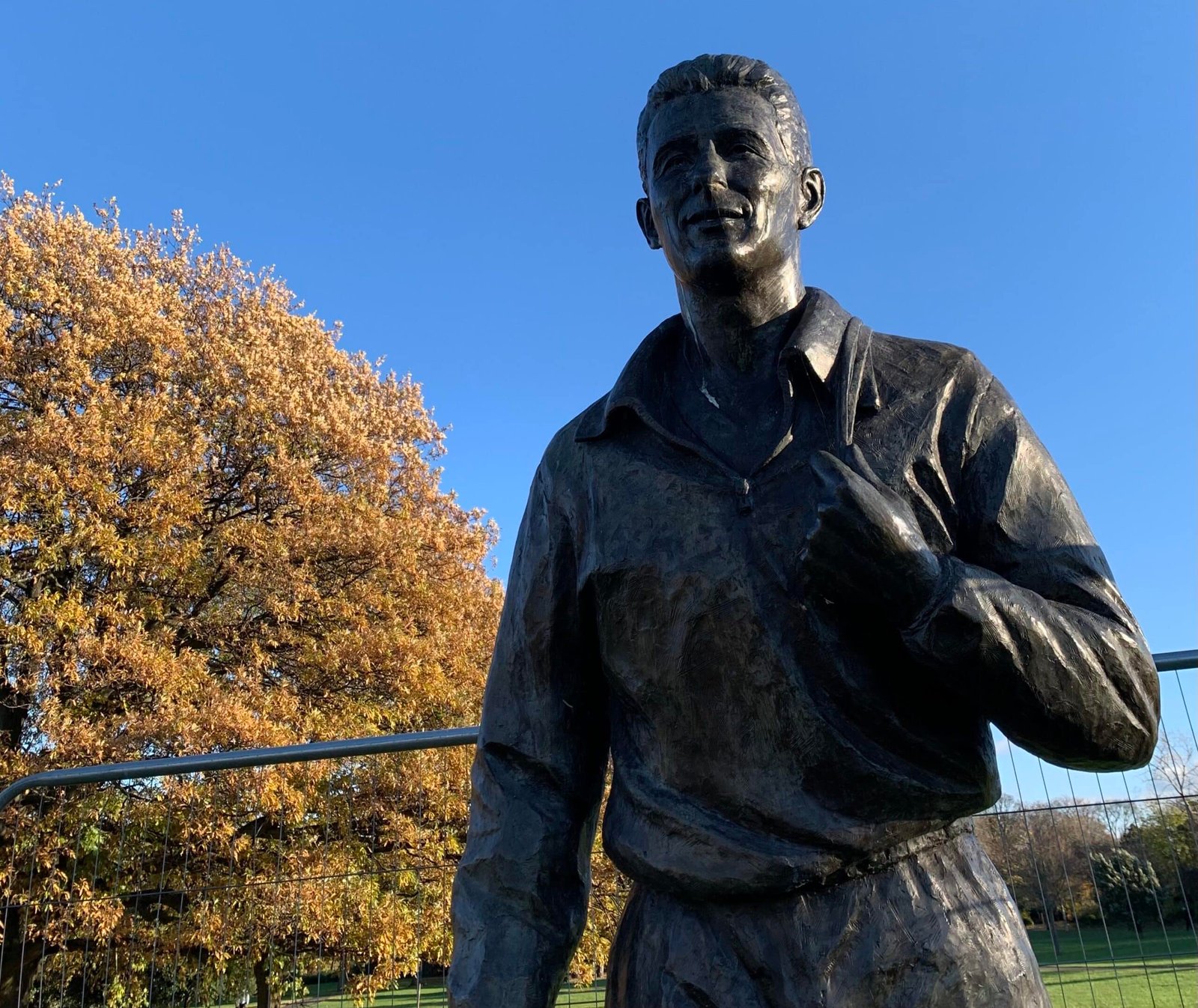
Gibson kept faith with Carrick during a middling season in 2024-25, Latte Lath leaving for America halfway through, but a poor run-in saw the Geordie let go soon afterwards. An impressive start to 2025-26 under Rob Edwards was soon undermined by his move to Wolves, but little-known Swede Kim Hellberg also picked up a Manager of the Month award for his immediate win ratio, keeping Boro in an automatic promotion spot.

With a tenth year approaching since Boro had appeared in the top flight, Hellberg’s men hit an unwelcome winless patch in spring. A six-pointer at Wrexham in the last game only resulted in a point for each side, ending Boro’s slim hopes of an automatic slot. A potentially fascinating play-off semi-final with Southampton was then overshadowed by Spygate as Boro staff caught a Saints’ employee recording a training session at Rockliffe Park. 

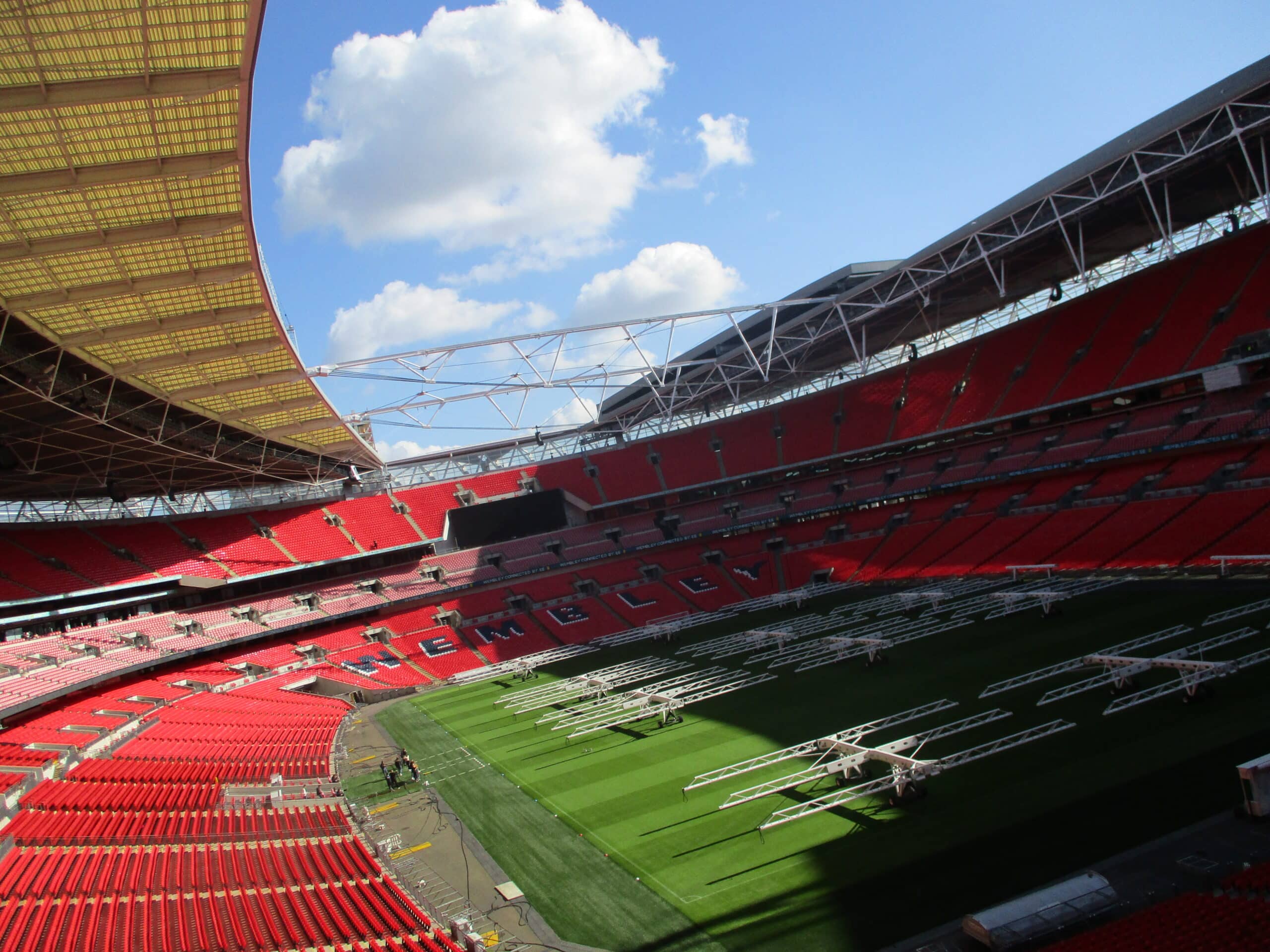
Although Southampton duly won a hostile decider at St Mary’s, it was Boro who got the green light to go to Wembley a few days before the final with Hull. In truth, neither side could prepare properly for football’s most lucrative fixture, and both suffered in the extreme heat. Buoyed by Hackney’s return from long-term injury in the second half, Boro still failed to register – and failed to break their Wembley duck. 

As the game was spinning towards extra-time, locally born Boro keeper Sol Brynn, a near ever-present all season, weakly palmed a low cross into the grateful feet of Hull’s Oli McBurnie. The Scot, keen to prove a point after being left out of the World Cup squad, made no mistake. With 95 minutes on the clock, Hellberg’s men sank to the turf and failed to trouble the Hull keeper as stoppage time agonisingly ran out. 

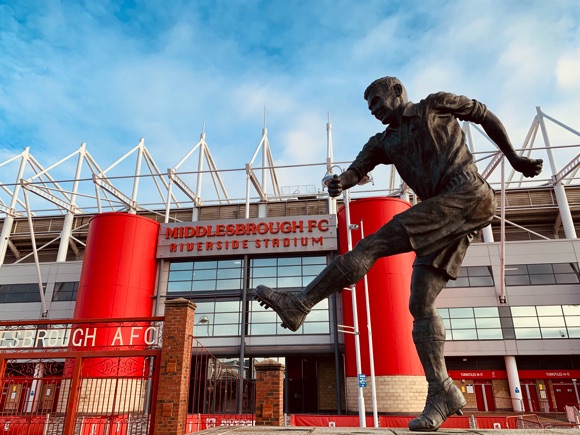
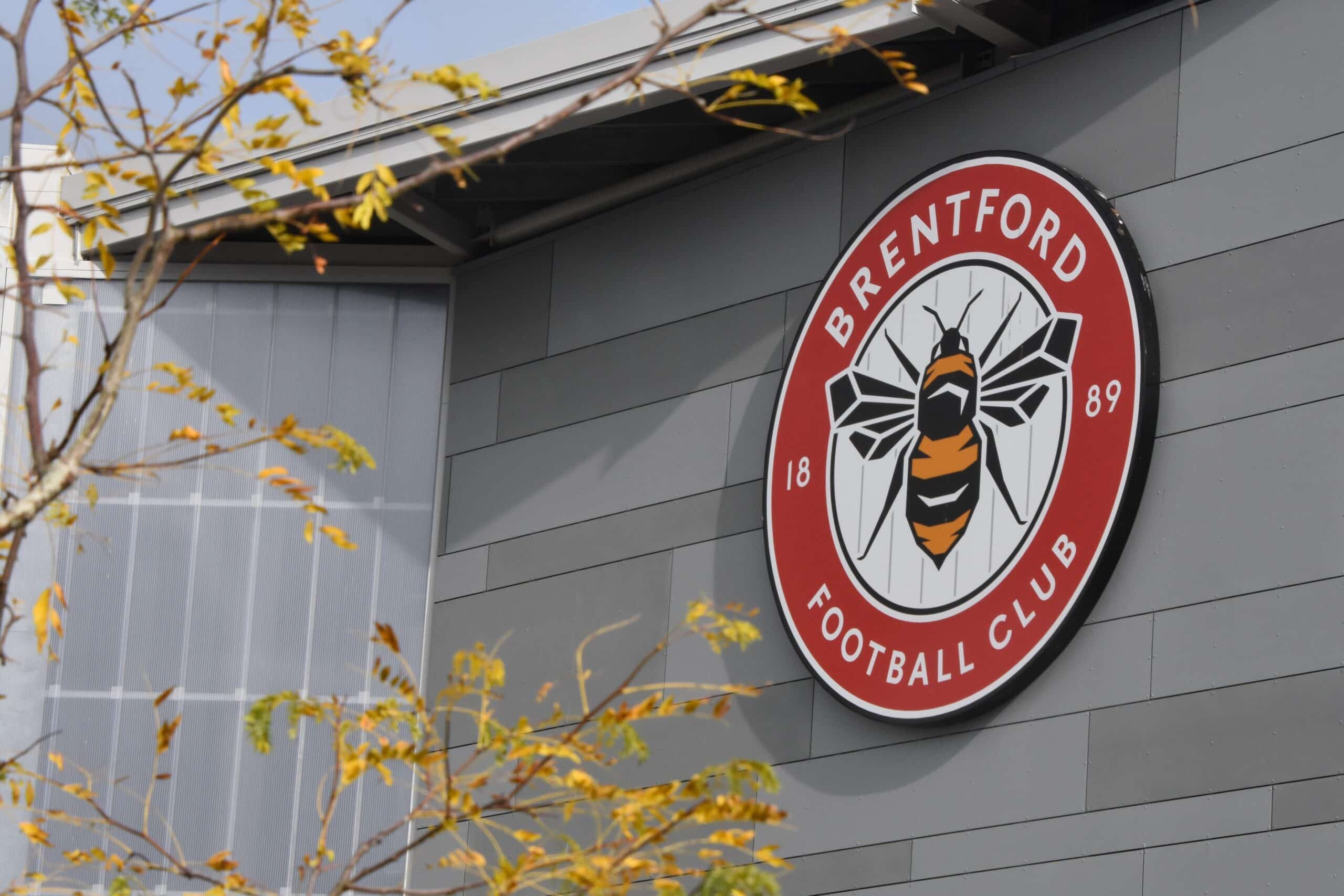
As the players saluted the packed Boro end at Wembley, they knew that they had come the closest to promotion in Boro’s ten-year quest to rejoin the elite. The club began preparing for its 150th anniversary celebrations by a creating unique set of kits related to its earliest campaigns, a new crest centrepiecing the home shirt – and by signing promising Spurs striker Will Lankshear, an England U-20 international. The new crest proudly sits on the Riverside façade as you enter the stadium, where a communal dance was scheduled for October 2026.

Hayden Hackney, meanwhile, whose absence through injury proved so crucial to the recent promotion run-in, was heading to Everton for £17 million. Kim Hellberg, who had revived populist Swedish club Hammarby before coming to England, now had the challenging task of motivating his men for another gruelling Championship campaign.

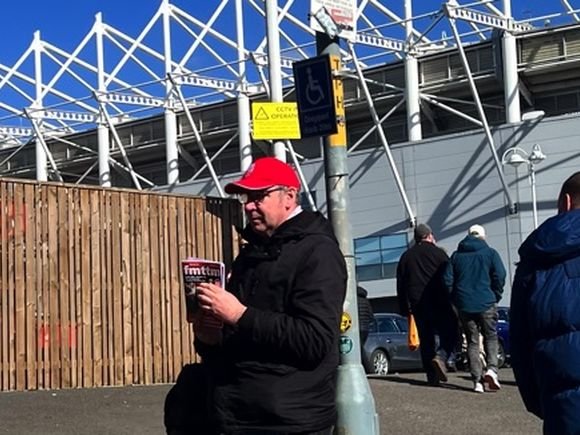
As he passed pensionable age, chairman Steve Gibson, 40 years after saving the club, could have been forgiven for wondering whether Boro’s chance would ever come again. Apart from Gibson, the one constant has been Boro’s old-school fanzine, Fly Me To The Moon, first published in 1988 and stewarded by Rob Nichols since 1993. You’ll still see Rob at the entrance to the Riverside on match days, distributing yet another issue.

Ground Guide

The field of dreams – and the story behind it

A more modern-day England player, Michael Owen, netted twice here when Slovakia were beaten 2-1 in 1993, the only full international staged at the Riverside until two pre-Euro 2020 friendlies in June 2021. 

Core Boro home support, the Red Faction, occupies the South Stand, as well as in the North beside the Tees. Away fans access the stadium through turnstiles 53-61 for a seat in the south corner of the East Stand. Reception and offices are in the main West Stand. Home fans have been able to take advantage of safe-standing sections 58-60 in the upper tier of the South Stand since 2024. 

Another more recently introduced feature is Boro’s new crest, displayed on the stadium exterior as you walk through the main entrance. 

A more modern-day England player, Michael Owen, netted twice here when Slovakia were beaten 2-1 in 1993, the only full international staged at the Riverside until two pre-Euro 2020 friendlies in June 2021. 

Core Boro home support, the Red Faction, occupies the South Stand, as well as in the North beside the Tees. Away fans access the stadium through turnstiles 53-61 for a seat in the south corner of the East Stand. Reception and offices are in the main West Stand. Home fans have been able to take advantage of safe-standing sections 58-60 in the upper tier of the South Stand since 2024. 

Another more recently introduced feature is Boro’s new crest, displayed on the stadium exterior as you walk through the main entrance. 

getting here

Going to the ground – tips and timings

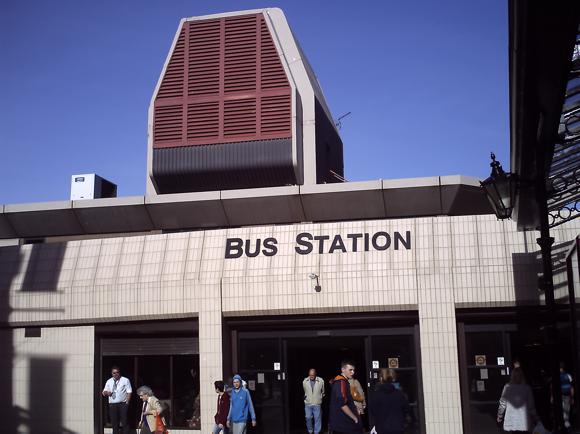
The Riverside is a 15min walk from Middlesbrough train station. You need to get on the river side of the station, as opposed to the town side, either by exiting via the back or via the front onto Zetland Road, heading left then first left down Albert Road and under the railway bridge. Either way, you’re aiming for Bridge Street East. Follow it to the right fork for Windward Way that leads to the stadium.

The sat nav code for the Riverside Stadium is TS3 6RS. There is limited space for away coaches and some private vehicles at Car Park E (via Dockside Road/The Leeway) behind the East Stand. Availability is on a match-by-match basis and enquiries should be made at the ticket office or by phone (01642 929 421). Seasonal passes are usually sold out and all other stadium car parks are allocated to disabled spectators.

With the station/town centre only a 15-20min walk, Middlesbrough city council provides a list provides a list of car parks and prices. By Middlesbrough Leisure Park a 10min walk from the ground, the France Street car park (TS1 2DY) has 500+ spaces and offers free parking at weekends and bank hols. Weekdays, it’s £2 for up to 4hrs.

Near the train station on Station Street, the Zetland Road multi-storey (TS1 1SR) charges only £2 up to ten hours and the facility stays open until 11/11.30pm if there is an evening game on. Zetland otherwise closes at 7.30pm Mon-Sat, 6pm Sun. The car park at Captain Cook Square (TS1 5AP) in town has the same closing times without the guaranteed extension for evening games. Short-stay bays (levels 0-3) are free for the first 2hrs then £1.30/hr. Long-stay (levels 4-6) are £2.30 (Sun £1.60) after 2hrs.

getting in

Buying tickets – when, where, how and how much

General sale starts a couple of days after priority is given to season-card holders. With average gates usually around 27,000, availability shouldn’t be a problem. Buy your digital ticket online – if you request a paper one, there’s a £1.50 fee.

For in-person sales, the main ticket office operates behind the West Stand Mon-Fri 10am-3pm, and 9am to kick-off on mach days. For information, contact 01642 929 421 (Mon-Fri 9am-5pm), calls charged at local rates.

If they haven’t sourced tickets through their club, away fans should use the match-day kiosk behind the South Stand near the turnstiles for visiting supporters. If the away allocation hasn’t been filled, sales on the day are cash-only but with no extra fee on the door. For all enquiries, email ticket@mfc.co.uk.

Prices are set at £31.50 for a Category B game in the NW and SW corners, £32, £32.50 in the North and South Stands, £33.50 in the East and West Lower tiers, £35.50-£37.50 in the East and West Upper. Seats for Category A games are £3 extra across the board. 

Over-65s pay around two-thirds of the adult rate, under-18s 50%. For away fans in the East Stand, it’s £30, £20 for over-65s and £17 for under-18s.

what to buy

Shirts, kits, merchandise and gifts

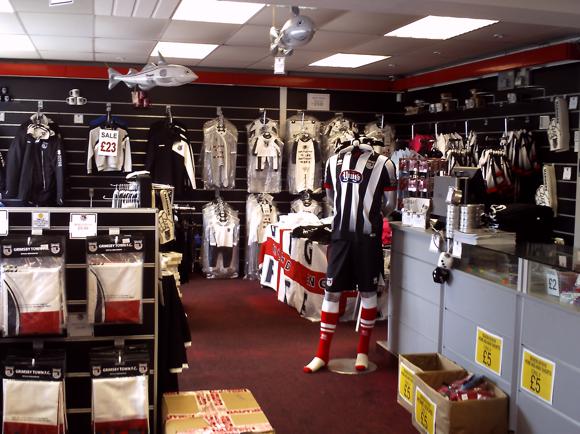
Behind the West Stand, the Riverside Stadium Store (Mon-Fri, non-match Sat 9am-5pm, match-day Sat 10am-4pm) offers such delights as branded Zippo lighters, puzzle cubes and dressing gowns.

The home kit for 2026-27 celebrates the club’s 150th anniversary, with the new round logo on the chest and gold detailing. The change strip looks far more contemporary – white with navy detailing, referred to as pea coat with its maritime connotations. The new badge also features, though not centred, and quite faint in its blue fog tone. 

A full range of retro shirts include the international tops worn by Juninho, Mendieta and Alen Bokšić at the time of their sojourn on Teesside.

Where to Drink

Pre-match beers for fans and casual visitors

The nearest pub to the ground is the Navigation Inn, on Marsh Road, just over the railline by the stream, a traditional pub set in a heritage building. No away fans on match days. 

The family-friendly option is the Six Medals, named after a war-time pilot, with a carvery and play area. Again, it’s recommended for home fans but visiting supporters with children should be welcome. It stands about 300 metres from the ground, just off Shepherdson Way.

Around the ground on match days, the FanZone behind the main West Stand and post-game Twe12th Man bar in the North Stand welcomes both sets of supporters.  Those enjoying affordable match-day hospitality deals head to the Hardwick Bar for drinks and light bites.

CITY

AWAY DAYS