A fan’s guide – the club from early doors to today
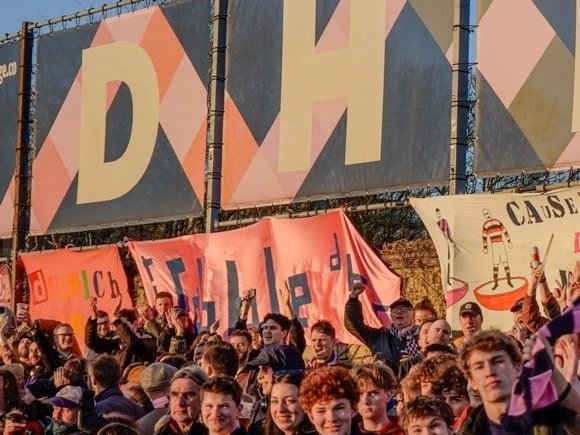
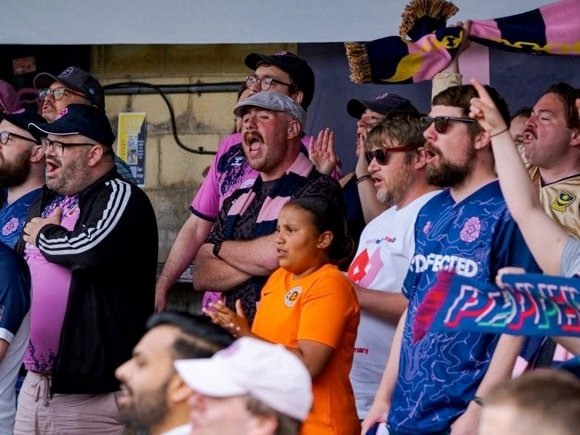
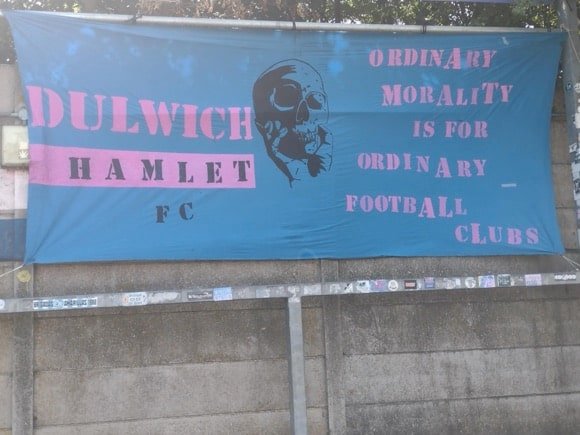
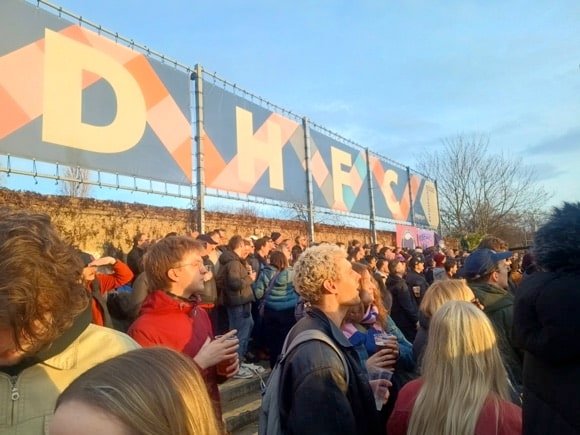
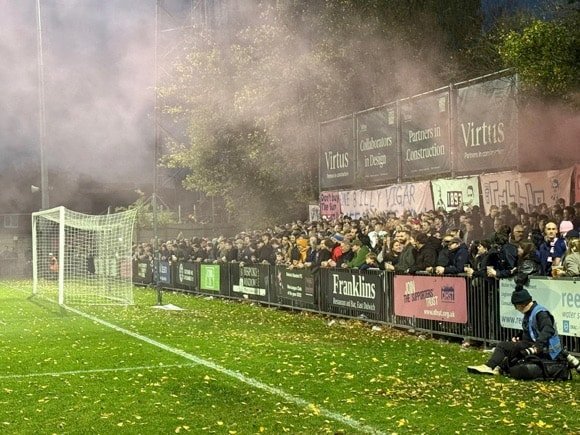
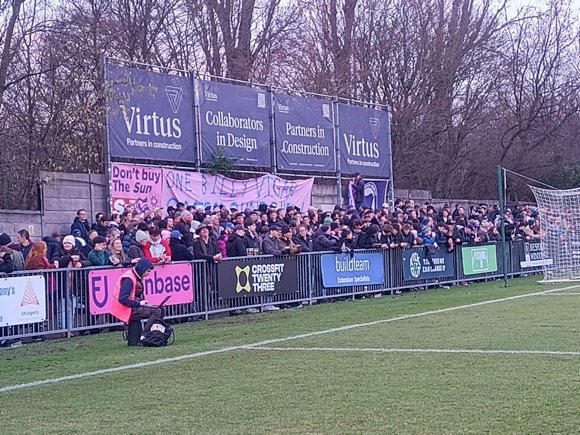
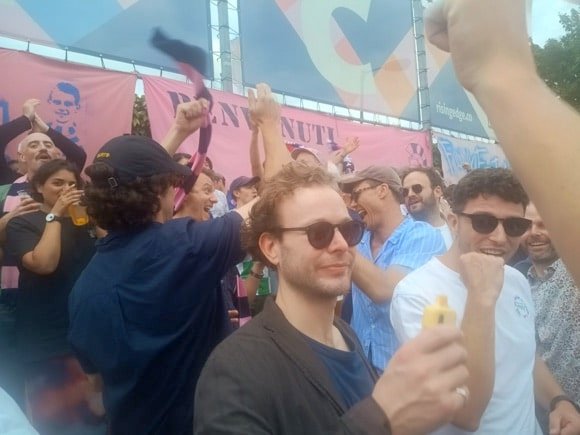
“No-one knows us, we don’t care!” sing The Rabble ultras of Dulwich Hamlet on the terraces of Champion Hill in typically self-deprecating fashion. This leans heavily on the irony as this historic South London club have long been one of the most durable and popular on the non-league scene.
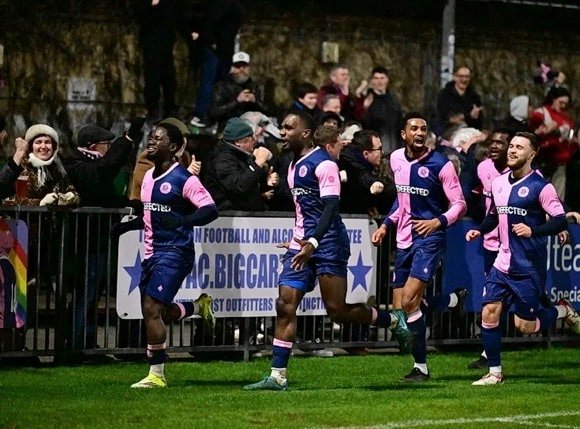
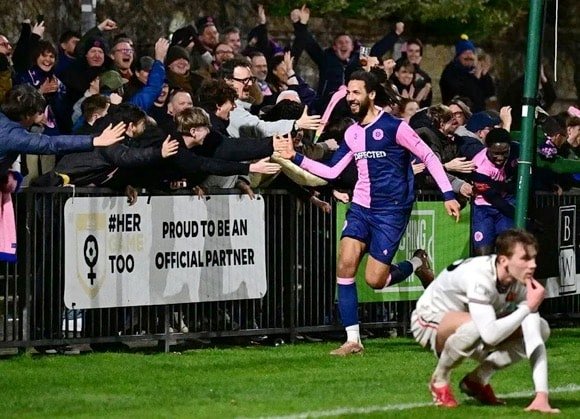
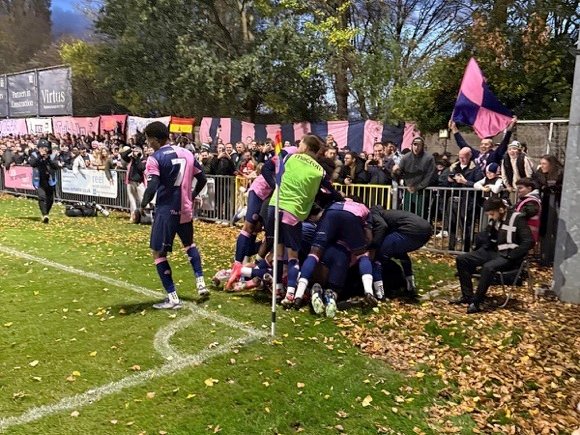
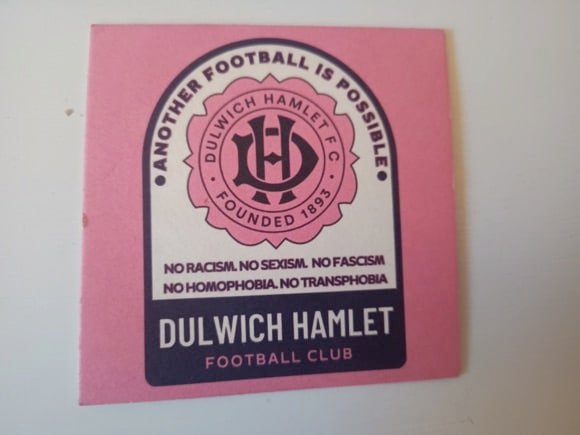
Today the Hamlet are also known for their alternative ‘future football’ stance with an emphasis on inclusivity. This all-embracing, community-focused approach reached its zenith in the memorable promotion campaign of 2017-18 when the Hamlet not only survived homelessness and near insolvency but gained promotion to the National League South after 111 years in the Isthmian League.
Attendances had skyrocketed from around 2010 – ironically the same gentrification that attracted a higher percentage of spectators from the professional class had made the ground so attractive to developers.
With the Hamlet now safely back on the familiar turf in the Isthmian Premier, their regular attendances of 2,000-plus chime with the ambitious capacity of the club’s proposed new home, 4,000 – and tower above the average in this league of 700.
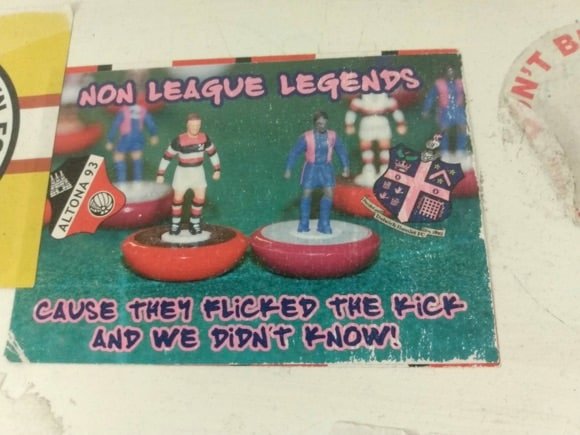
Meanwhile, the Hamlet’s progressive attitudes mean that the club shares sticker space with the likes of Clapton FC, Red Star and, particularly, with its twinned community of Altona 93, in bars from London to Paris to Hamburg.
Founded in 1893 by Lorraine ‘Pa’ Wilson in the London Borough of Southwark, Dulwich Hamlet soon switched to their current pink and blue, probably because of the links of one player, WT Lloyd, to Westminster School, ‘The Pinks’. The Hamlet formed part of the holy trinity of local rivalry, along with Tooting & Mitcham and Wimbledon.
In 1912, The Pink & Blues moved to Champion Hill, among the largest amateur grounds in the capital, one which welcomed a non-league record of 16,254 spectators for the derby with Nunhead in 1931. This came at the height of the club’s golden era, when the Hamlet won three prestigious Amateur Cups in six seasons.
Inside-forward Edgar Kail, born in nearby Camberwell and an amateur at the Hamlet his whole career from the age of 15, was the star of the show. Winning an Amateur Cup medal in 1920, the year he won the first of his 30 caps for England Amateurs, Kail became the last non-league player to represent England. On a three-match European tour in May 1929, Kail scored twice on this debut against France at Colombes, then appeared in the 4-3 defeat to Spain, England’s first against non-British opposition.
A one-club man, Kail still features in songs and on T-shirts, and is honoured with a plaque and a street sign by the ground. He remains the Hamlet’s all-time top scorer on 427.
After Champion Hill hosted a single match as part of the 1948 Olympic football tournament, South Korea beating Mexico 5-3, Dulwich Hamlet won a fourth Isthmian League title a year later. The club then trod water for several decades despite the involvement of later Crystal Palace managers Alan Smith and Alan Pardew, and stalwart Eagles centre-back Jim Cannon in the early 1990s, by which time the Hamlet were facing the wall.
In a scenario similar to the one at Palace a decade earlier, the club sold part of its site to Sainsbury’s and a new stadium was built around it in 1992. Dropping out of the Isthmian Premier in 2001, the club was struggling once more when a former Wimbledon youth player arrived to oversee the team in 2009.
Gavin Rose had grown up on the same Peckham estate as close friend Rio Ferdinand, his grassroots football savvy improving the style of play and forging a strong team spirit. The Hamlet rose up the table and reclaimed Isthmian Premier status in 2013.
Though attendances increased from the sorry 150 at the time of Rose’s arrival, behind the scenes, owner Nick McCormack was in dire straits trying to make ends meet. The Bromley businessman had long relied on stadium owners Meadow Residential to cover costs and upkeep. When the property developers looked to make good on their £5.7 million purchase with a potential £80 million payday by building flats on Champion Hill, word of the arising dispute quickly went far beyond SE22.
As the case shuttled between lawyers, a Save-The-Hamlet campaign was taken up by Sports Minister Tracey Crouch. Gavin Rose’s team, meanwhile, determined to go one better in a century-long bid to climb out of the Isthmian League following three consecutive play-off disappointments.
With sparky recent England U-17 winger Reise Allessani and powerful ex-Stevenage striker Dipo Akinyemi wreaking havoc up front, high-scoring Hamlet stayed neck-and-neck with title rivals Billericay despite the chaos engulfing Champion Hill.
Forced to play home games at Tooting & Mitcham’s Imperial Fields after being locked out of their century-old home, the Hamlet fell four points short of winning the division. The subsequent play-off final with Hendon attracted a stadium record gate of 3,321 at Tooting for the promotional showdown that went to a shoot-out. Brought on towards the end of normal time, Dipo Akinyemi duly slotted home the fatal spot-kick to grant Dulwich the holy grail of sixth-tier football.
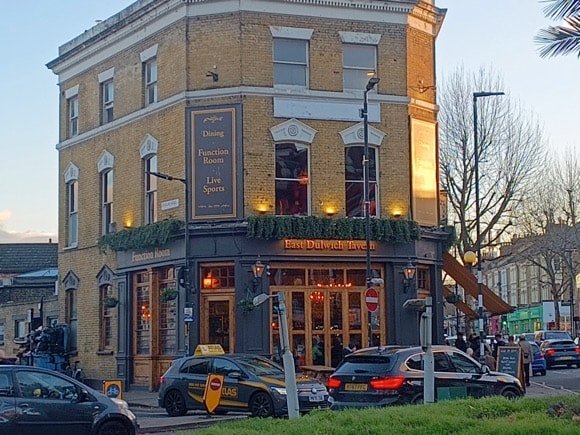
Everyone, players, staff, fans, the media, the Mayor of Southwark, rushed over to the East Dulwich Tavern near Hamlet’s shuttered ground, celebrations spilling outside onto Goose Green junction, temporarily renamed Promotion Roundabout on Google Maps for the occasion.
Once everyone’s hangovers cleared, Gavin Rose soon needed to galvanise his side, still homeless, to face the likes of Torquay, Woking and Bath City in the National League South, two rungs from the Football League. Regular goals from Akinyemi kept the Hamlet afloat, along with a welcome return to Champion Hill in December 2018.
With football on hold from the spring of 2020, the club welcomed their former loanee, 42-time England international Peter Crouch, back to Dulwich 20 years later to document their struggles during the pandemic as part of the ‘Save Our Beautiful Game’ initiative.
When football returned, and Reise Allessani came back from a short stint at Coventry City, the Hamlet initially enjoyed a best-ever league finish in 2022 – but soon slumped. That September, after 13 years in the job and a string of recent defeats, Gavin Rose was sacked. Their dreadful defence failing to improve, the Pink & Blues ended their five-season stint in the sixth tier a frustrating two goals from safety, despite a better head-to-head record with Dover just above them.
Back in the comfort of mid-table in the Isthmian Premier, Dulwich Hamlet welcomed the news in December 2025 that construction of their new stadium had been given the go-ahead by Southwark Council. The project envisages shifting the ground over to its original site alongside while still allowing for the development of 200-plus new homes.
With capacity set at an ambitious 4,000, as one of London’s premier non-league clubs, the Hamlet will be looking to maintain their impressive home gate with an eventual return to the National League South.
ground Guide
The field of dreams – and the story behind it
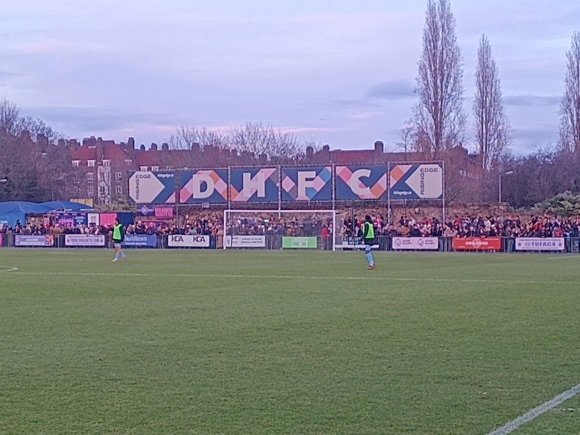
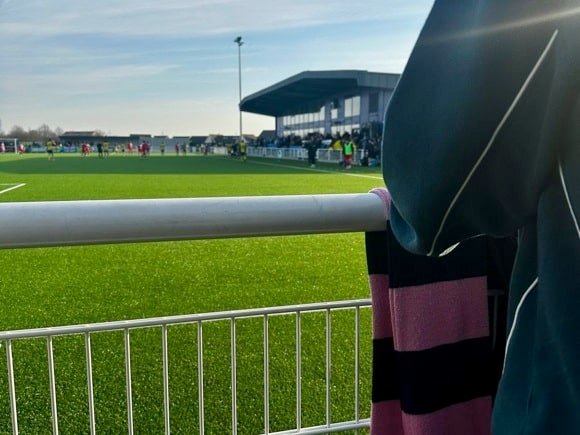
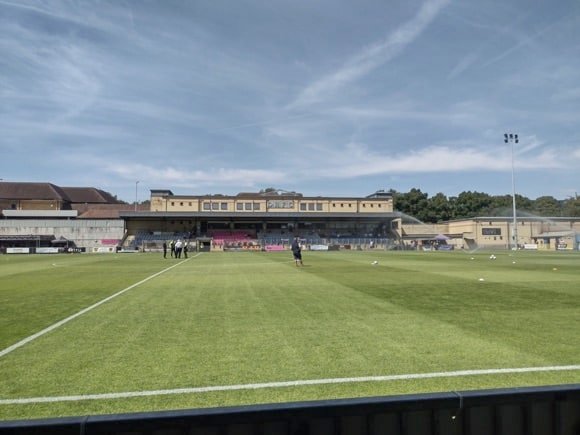
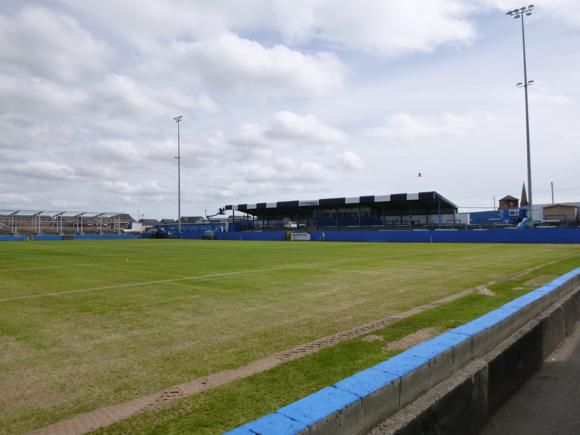
Our ground lies beneath the trees/Beside the carwash and Sainsbury’s… The original Hill lasted eight decades until the club were forced to sell some of the land to Sainsbury’s in 1992 and build the current version on an old training pitch.
Now soon to be re-rebuilt after Southwark Council gave the go-ahead in December 2025 for a new stadium development, Champion Hill will be edged back to its pre-1992 site.
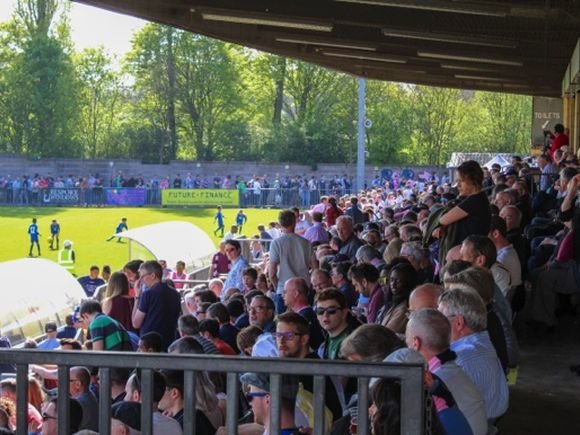
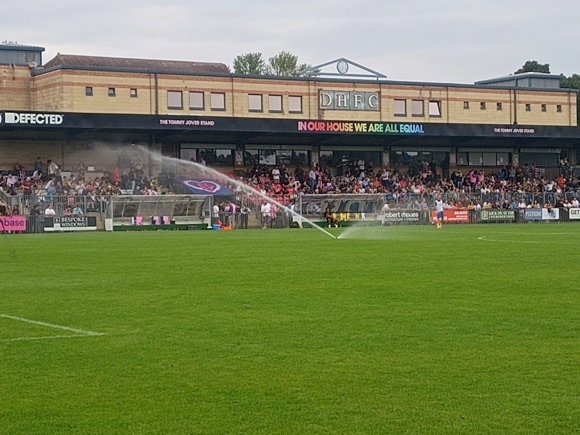
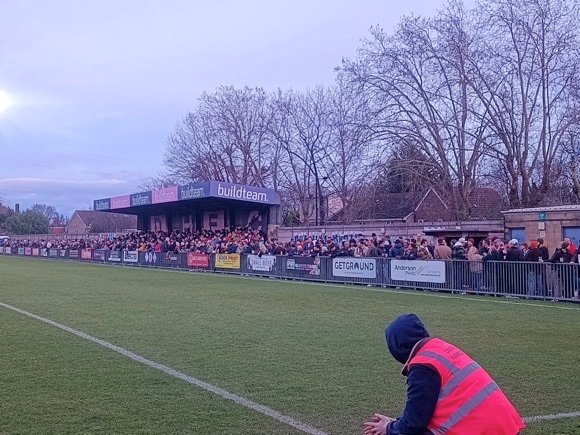
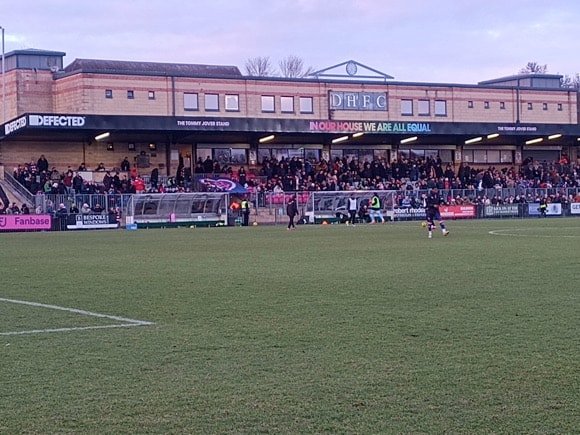
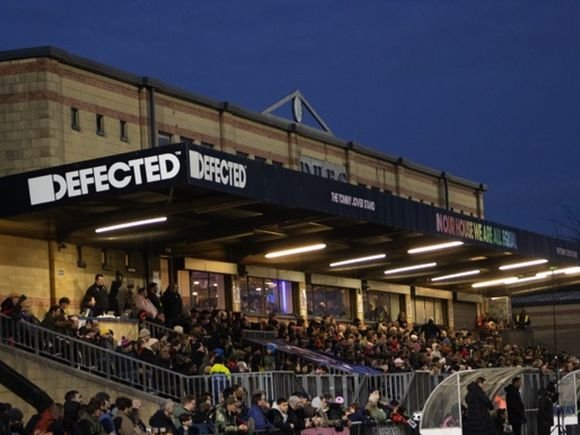
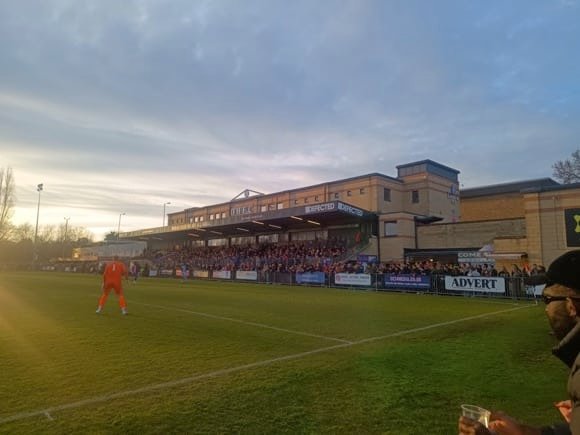
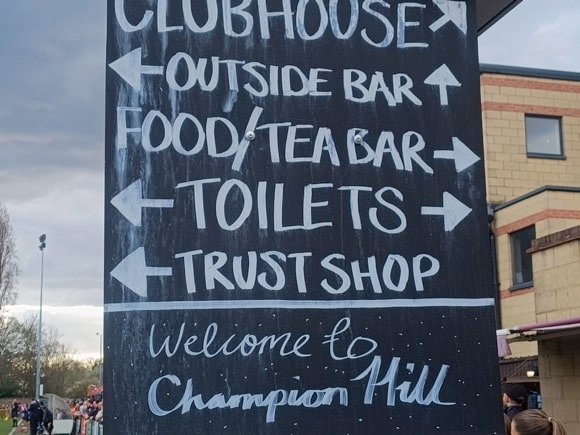
Currently, the ground holds 3,334, including 500 seats in the main Tommy Jover stand, where you find the Clubhouse bar.
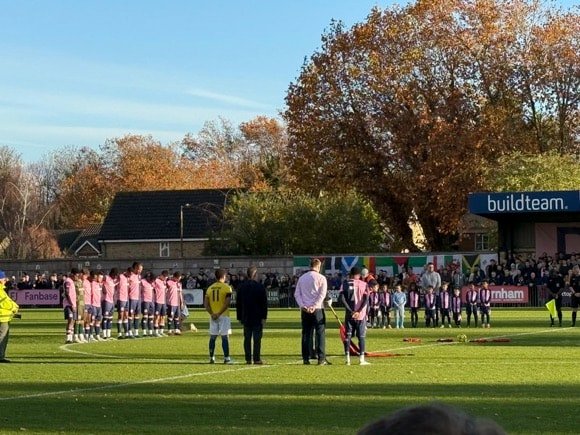
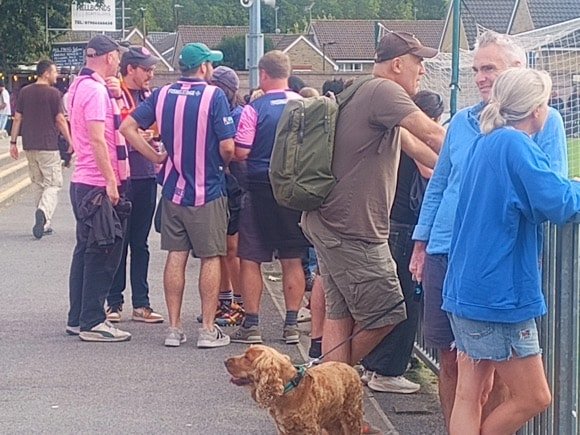
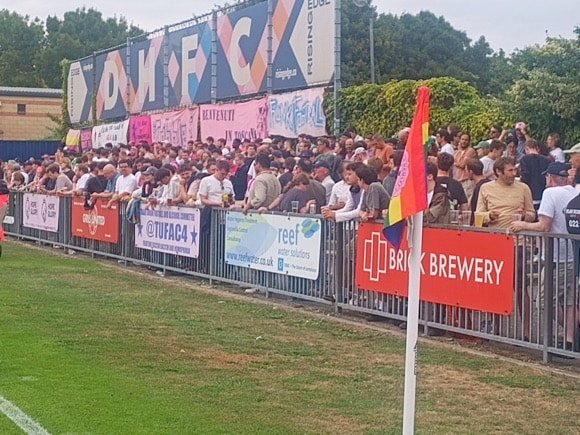
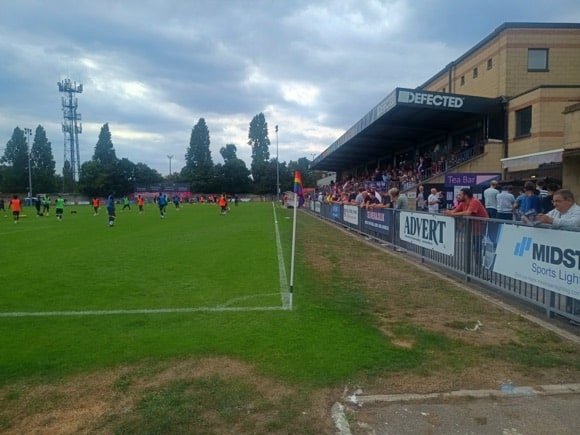
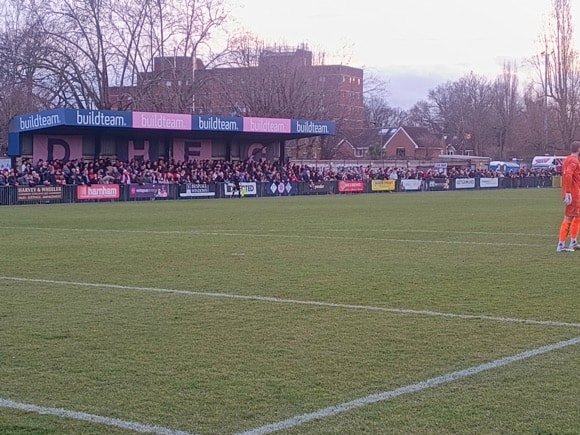
The Toilets Opposite stand is a covered terrace, with open terraces at each end. There is no segregation, with The Rabble choosing to stand behind the goal the Hamlet are attacking, changing ends at half time with their visiting counterparts.
getting here
Going to the ground – tips and timings
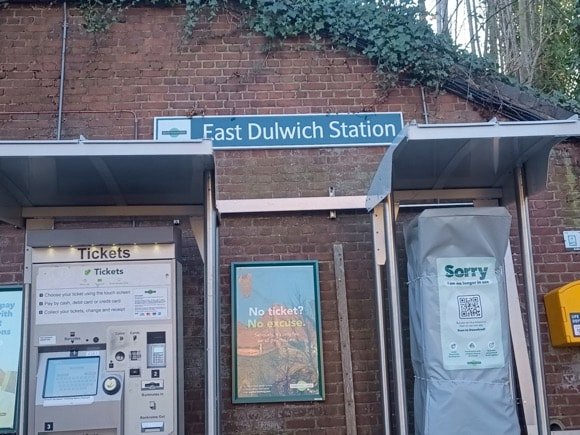
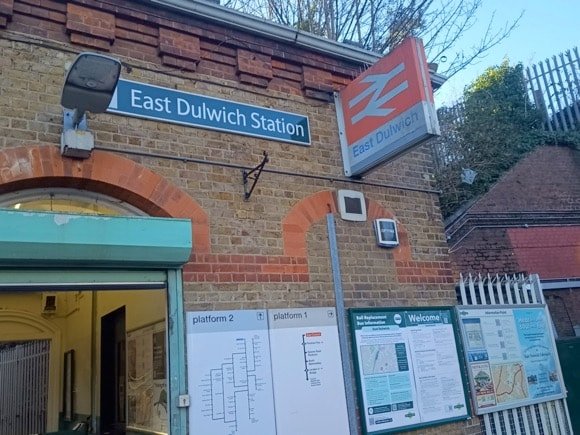
A regular train service from London Bridge takes around 15mins to reach East Dulwich, passing Millwall’s ground at South Bermondsey on the way. Exiting the station, turn left, then left again into St Francis Park and you’ll see the ground.
Slightly further away, Denmark Hill is served by trains from either Victoria or Blackfriars, journey time 10mins. From the station, it’s a 15min walk along Dog Kennel Hill or catch a 176 or 484 bus and get off one stop along at Champion Hill. If heading to the East Dulwich Tavern or other pubs, stay on the bus to East Dulwich station
The sat nav code for Champion Hill is SE22 8BD. There is limited parking off Dog Kennel Hill or there are parking spaces at Sainsbury’s (80 Dog Kennel Hill, SE22 8BB) by the ground, £6/3hrs.
getting in
Buying tickets – when, where, how and how much
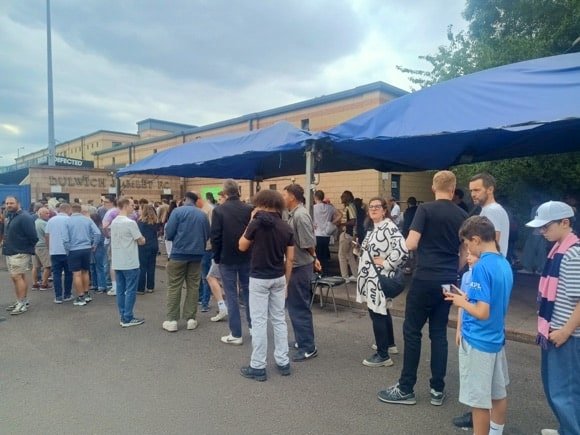
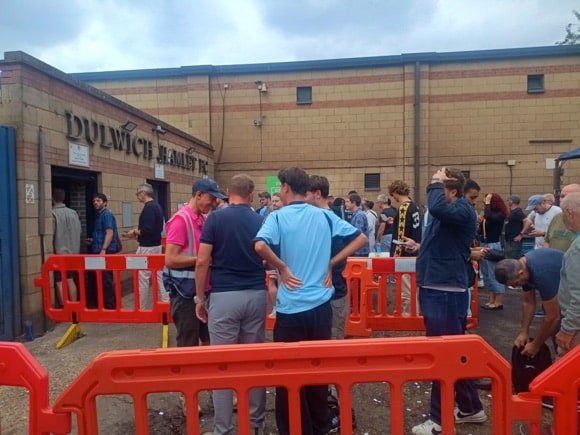
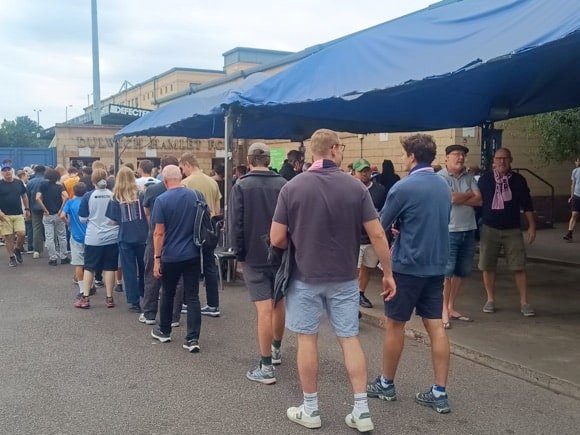
Some games do sell out so it’s to book your place by registering at Fanbase. If paying at the turnstiles (cards only), leave yourself at least 30mins before kick-off to avoid disappointment and/or congestion.
For league matches, prices are the same for seating/standing, £13.80 adults; over-65s, 13-19s and other discounts £5.90; under-13s free.
what to buy
Shirts, kits, merchandise and gifts
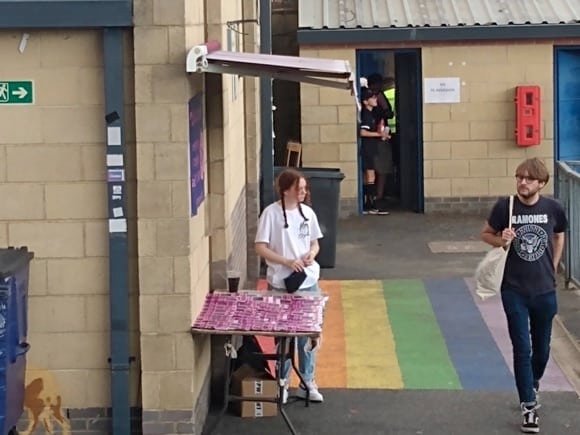
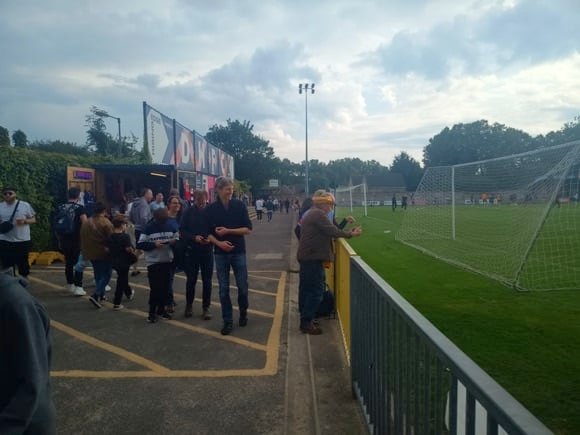
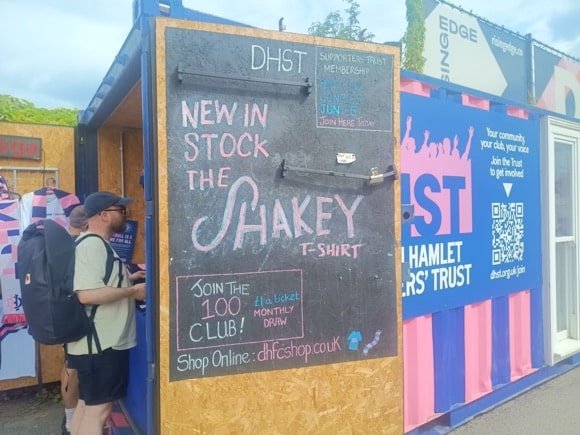
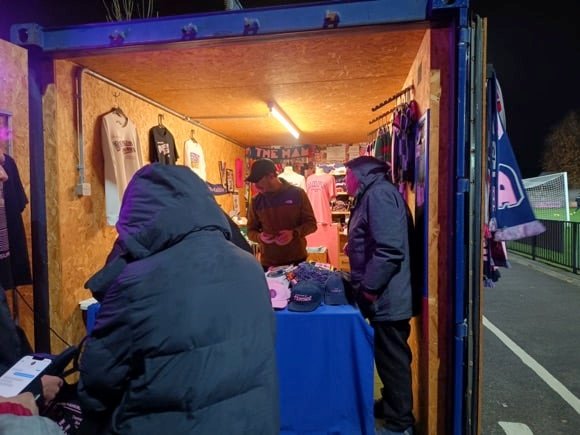
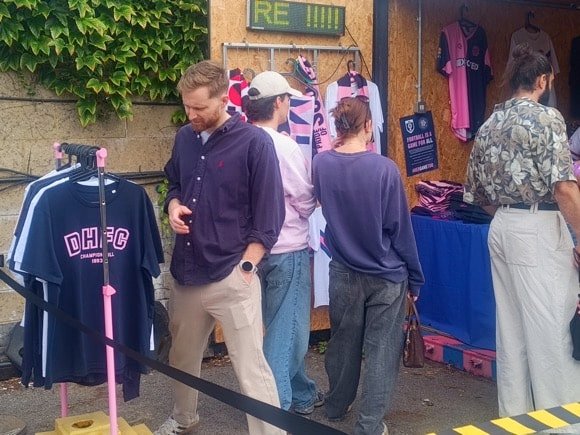
Distinctive merch is sold at the match-day MegaContainer, just to the left from the main turnstile, the high-quality branded gear designed, supplied and staffed by the Dulwich Hamlet Supporters’ Trust.
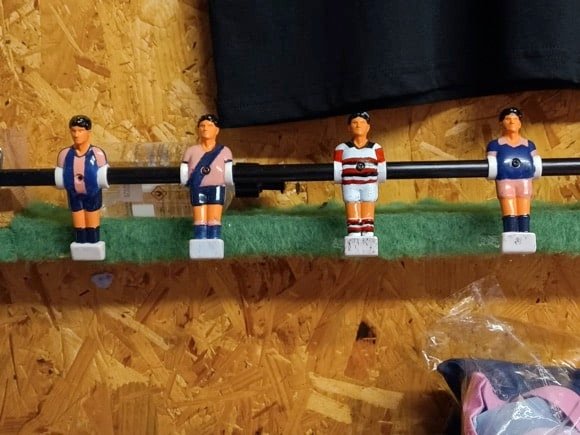
The current iteration of the storied pink and blue home shirt is in half-and-half format, with the collar and sleeves colour-reversed. Away tops are green-and-white squares. While the badge with its interwoven DH initials is the original design from the 1890s, it was only re-adopted in 2018 to mark the club’s 125th anniversary.
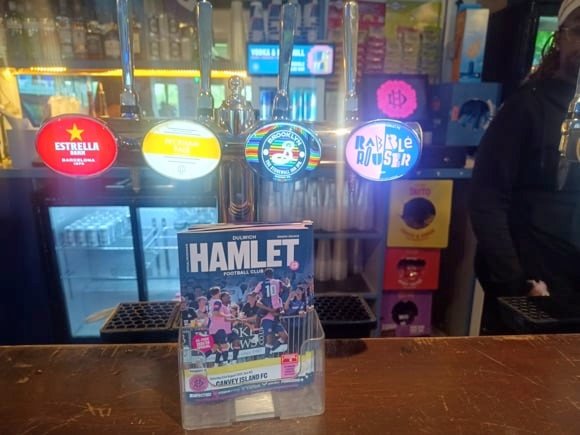
Bar scarves, Dulwich Hamlet/Altona 93 Friendship/Freundschaft badges and DH Upland Pleasures Joy Division T-shirts are among the goodies invariably sought after by foreign visitors. Don’t miss out on the match programme (£3), 44 colour pages of entertaining information.
Where to Drink
Pre-match beers for fans and casual visitors
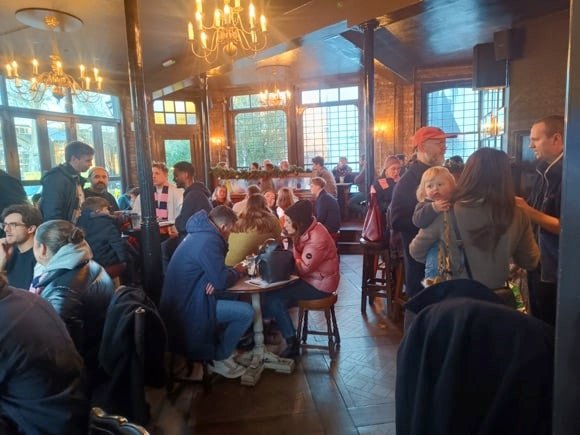
By the now legendary Goose Green roundabout, the East Dulwich Tavern at the junction with Lordship Lane remains a Hamlet haunt, serving rarely found Volden ale, posh roasts on Sundays and fine wines.
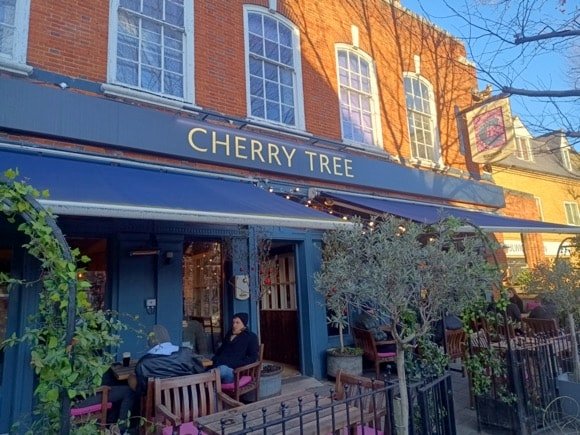
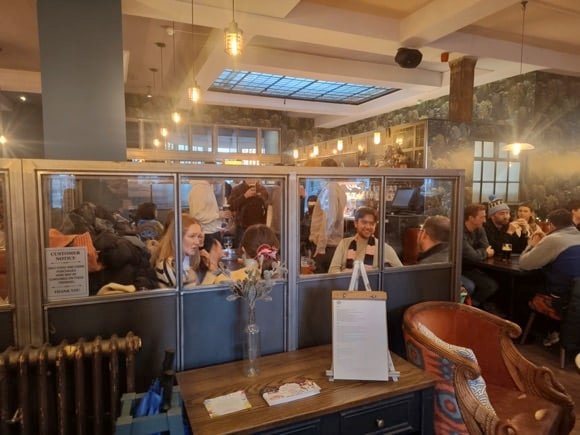
Diagonally opposite East Dulwich station, The Cherry Tree closer to the ground is the main pre- and post-match fave, sport beamed on a large screen, and superior pub grub, and pricy pints of Peroni, Asahi and Guinness served in the high-ceilinged interior, on the sun-catching front terrace or in the courtyard garden.
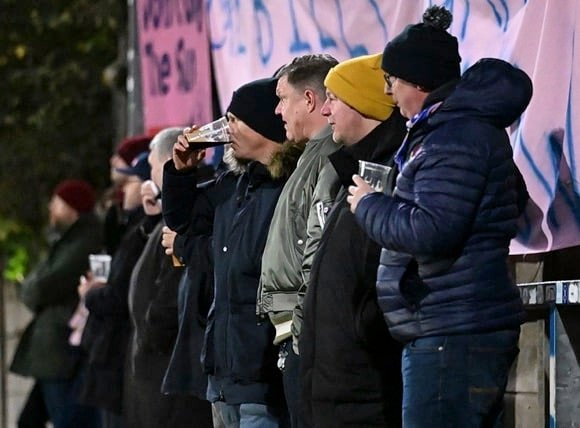
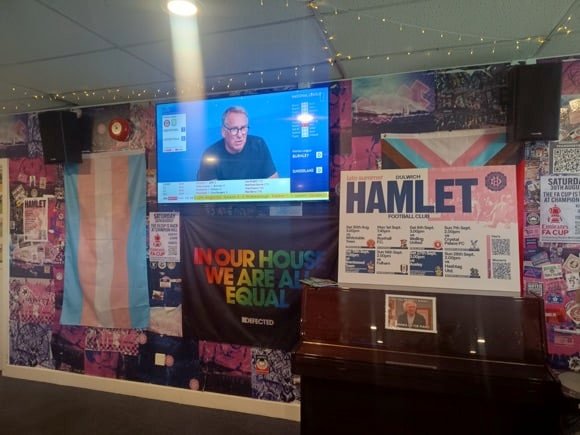
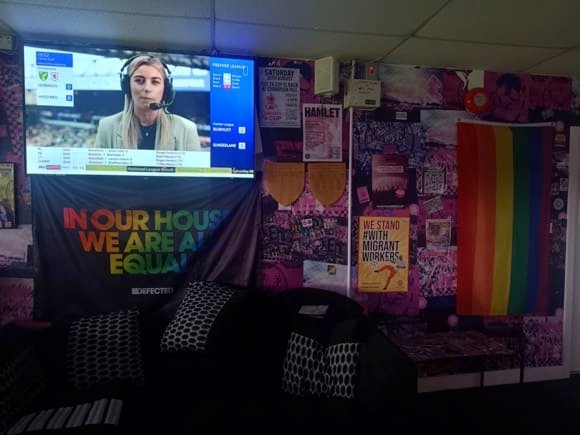
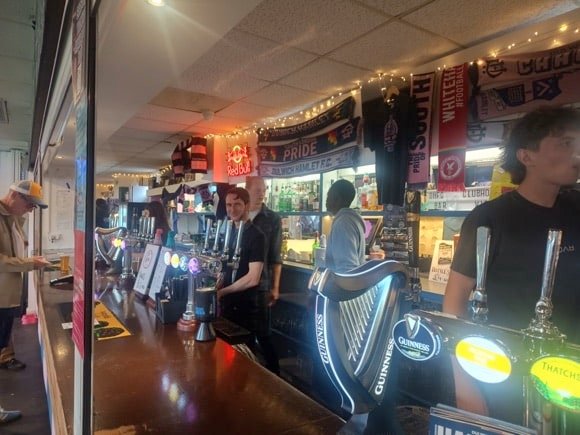
At the ground, in place since the return to Champion Hill in 2018, the renovated Clubhouse in the main stand is probably the best in the Isthmian Premier, screening live Premier League action.
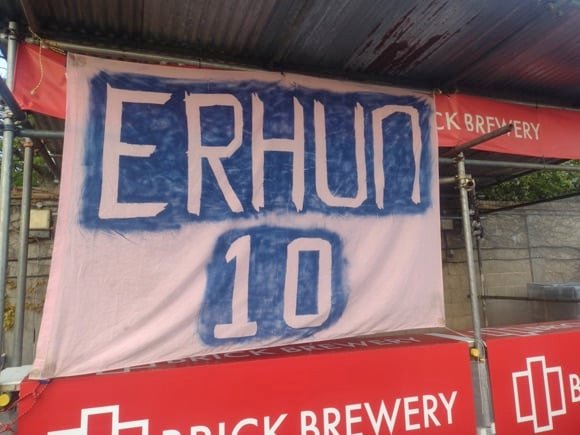
Many arrive early and/or stay late on match days to watch it over a club-branded Rabble Rouser pilsner – The Rabble being the home end – or a Peckham Pale Ale from the nearby Brick Brewery based in a railway arch at Peckham Rye station. Another local favourite, Small Beer from South Bermondsey, is also well represented along the bar counter.
For most league games, away fans are welcome – the rules on serving alcohol may differ for FA Cup and FA Trophy matches. Upstairs is hired out for comedy nights and other events.
Three smaller bars around the ground serve beer – look out for occasional appearances of brews by Croydon-based Anspach & Hobday, including London Black and Ansbacher lager.
If the beer snacks in the Clubhouse – Tayto crisps, scampi fries – aren’t quite enough, you’ll find a high-quality fill-up at outlets such as Come & Go, where queues form for the moreish kebab-like souvlaki.